Old Town: St Lawrence Market to the Distillery District
110 min · 3.2 km · easy
Toronto has almost no single native dish, and that is the point. Its food is a map of who moved here. One genuinely local item anchors it, the peameal bacon sandwich, and everything else is best understood by neighbourhood: the compressed multiculturalism of Kensington Market, the Chinatown of Spadina, the South Asian strip of Little India, Greektown on the Danforth. Eat well in Toronto and you are really reading the city's immigration history on a plate. This guide covers the one dish to try and the neighbourhoods where the food culture actually lives, and it pairs naturally with a slow walk on one of our Toronto self-guided tours.
The one dish to seek out
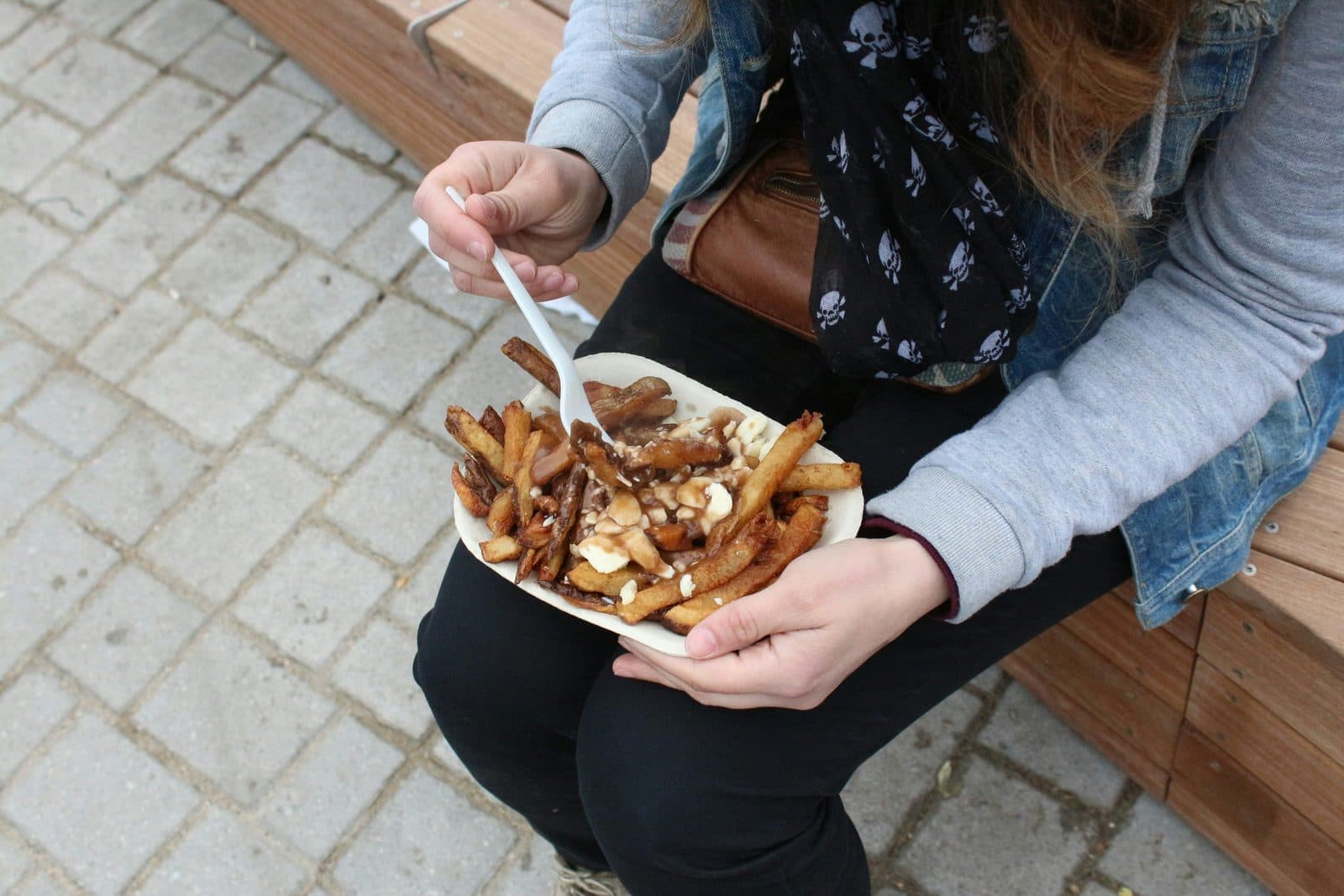
The peameal bacon sandwich. Toronto's own specialty, and close to the only dish the city can genuinely call its own. It is lean, cured back bacon rolled in cornmeal, fried, and stacked in a soft bun, usually with mustard. The name is a fossil: in the 1800s the pork loin was rolled in ground yellow peas to extend its shelf life, a technique tied to the English butcher William Davies, who sold cured pork at St. Lawrence Market from the 1850s. The peas later gave way to cornmeal, but the name stuck. The most famous version is served at St. Lawrence Market, where the sandwich became a Toronto institution and a required first meal for many visitors.
For a sweet, look for butter tarts, the gooey Canadian classic, and Nanaimo bars, the no-bake chocolate-and-custard square. Neither is exclusively Toronto's, but both are everywhere here.
Where the food culture lives
Hear a stop from this walk
Tank House Lane: Buildings for Waiting
Toronto's real cuisine is its neighbourhoods. Roughly half the city's residents were born outside Canada, and the food is cooked by the communities that own it, clustered in walkable corridors rather than one restaurant row.
St. Lawrence Market. The town of York has had its market here since 1803; the present South Market hall was finished in 1904. Beyond the peameal sandwich, it is the single best place in the city to graze: over 120 specialty vendors selling cheese, produce, seafood, baked goods, and prepared food. It is stop three of the Old Town walk, which runs from St James Cathedral to the Distillery District, so a market breakfast pairs naturally with that morning walk. The South Market is closed on Mondays.
Kensington Market. The most compressed food corridor in the city, a few narrow, owner-operated blocks where Jamaican patties, Portuguese custard tarts, and Mexican birria sit within steps of each other. Many of the shops are built out over the front yards of old houses, which is a big part of the street's look. Walk it slowly on the Kensington Market and Chinatown tour, which follows Augusta Avenue, Baldwin Street and Kensington Avenue before heading down Spadina into Chinatown, and see the Kiever Synagogue companion piece for the synagogue where the walk begins.
Chinatown, along Spadina and Dundas West. One of the densest Chinese food corridors on the continent, where three-decade dim sum houses sit beside newer Sichuan and Shanghainese spots that draw serious eaters from across the city. It flows directly out of Kensington, so the two make one long, rewarding lunch.
Little India, on Gerrard Street East. North America's longest South Asian commercial strip, several blocks of chaat counters, dosa spots, and sweet shops. A short streetcar ride east of the core and worth the trip for a dedicated meal.
Greektown, on the Danforth. One of the largest Greek commercial corridors in North America, running along Danforth Avenue east of the Don Valley. Souvlaki and loukoumades are the obvious draws, but the older neighbourhood tavernas are the real reason to head east.
Eat as you walk
The best way to work through this list is on foot, one neighbourhood at a time. Pair a morning in Old Town with a peameal sandwich at St. Lawrence Market, a midday walk through Kensington and Chinatown with patties and dim sum, and an evening on the Danforth or in Little India with a proper sit-down meal. Route your day with the one day in Toronto itinerary, plan the practical side with the Toronto travel guide, and browse all Toronto tours. Every tour is free to start: the introduction and first stop play in full, and every later stop plays a 15-second taste before an optional purchase.
Frequently asked questions
- What food is Toronto known for?
- Toronto is best known for the peameal bacon sandwich, its one genuinely local specialty: back bacon rolled in cornmeal, fried, and stacked in a bun, made famous at St. Lawrence Market. Beyond that, Toronto is known less for a single dish than for one of the most diverse food scenes in the world, organized by neighbourhood, from Kensington Market and Chinatown to Little India and Greektown. Butter tarts and Nanaimo bars are the classic Canadian sweets you will also find here.
- What is a peameal bacon sandwich?
- A peameal bacon sandwich is Toronto own sandwich: lean, cured back bacon rolled in cornmeal, fried, and served in a soft bun, often with mustard. The name comes from the original coating of ground yellow peas, used in the 1800s to extend shelf life, later replaced by cornmeal. The most famous version is served at St. Lawrence Market, where the sandwich became a Toronto institution.
- Where should you eat in Toronto?
- Eat by neighbourhood. St. Lawrence Market, running since 1803, is the single best place for a peameal bacon sandwich and market grazing. Kensington Market packs Jamaican patties, Portuguese custard tarts, and Mexican birria into a few blocks of small shops. Chinatown along Spadina and Dundas West is one of the densest Chinese food corridors on the continent. Little India on Gerrard Street East is North America longest South Asian strip, and Greektown on the Danforth is one of its largest Greek corridors.
- Is Toronto a good city for food?
- Yes, Toronto is one of the most diverse food cities in the world. Because roughly half its residents were born outside Canada, its cuisines are cooked by the communities that own them, and they cluster in walkable neighbourhoods rather than a single restaurant row. That makes Toronto especially good for eating widely and cheaply on foot, market by market and neighbourhood by neighbourhood.
Ready to experience it?
Old Town: St Lawrence Market to the Distillery District
110 min · 3.2 km · easy
More from Toronto
Explore more at your own pace.
Royal Ontario Museum: What to See, Floor by Floor

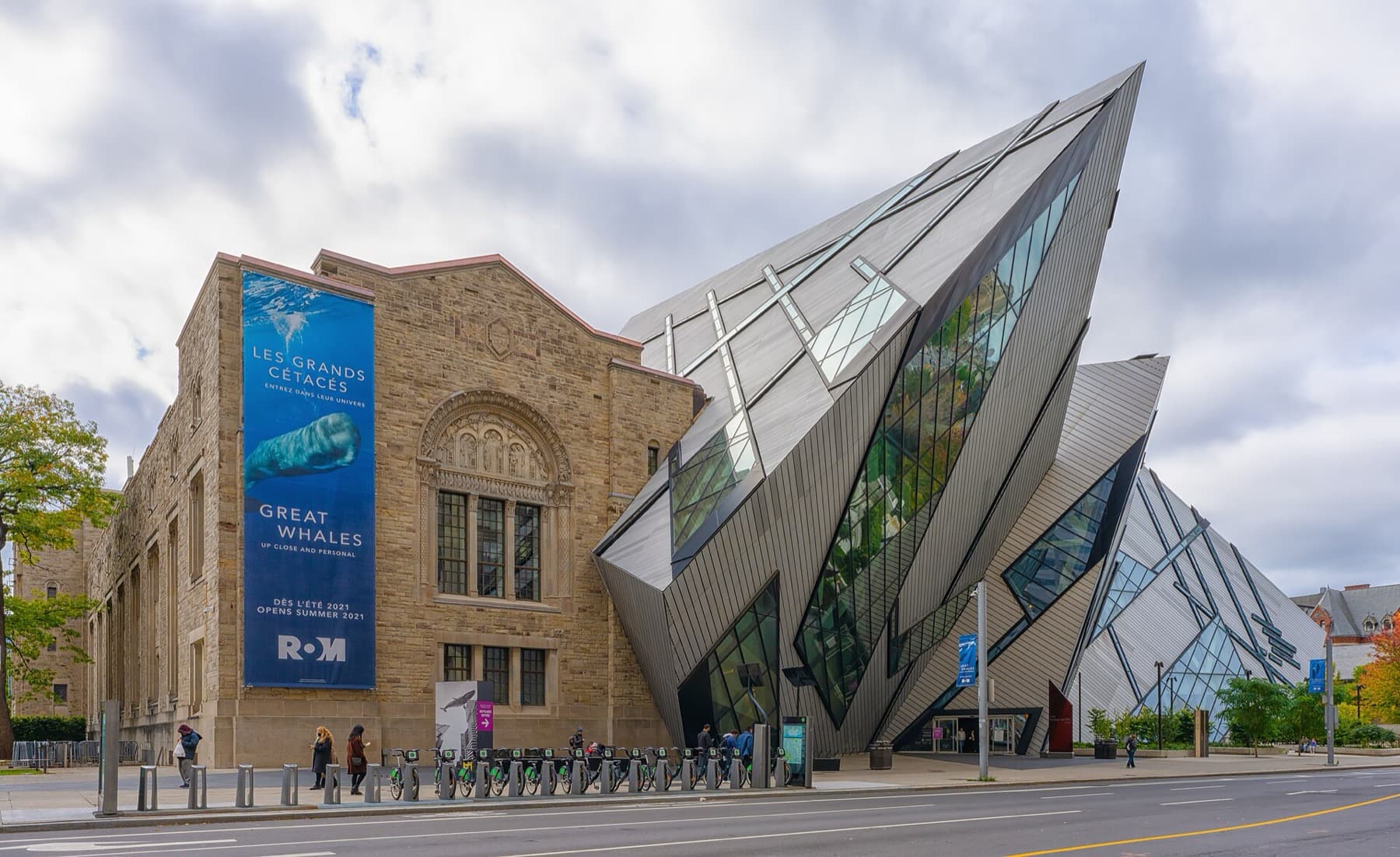
The ROM Crystal: Daniel Libeskind's Shard on Bloor Street
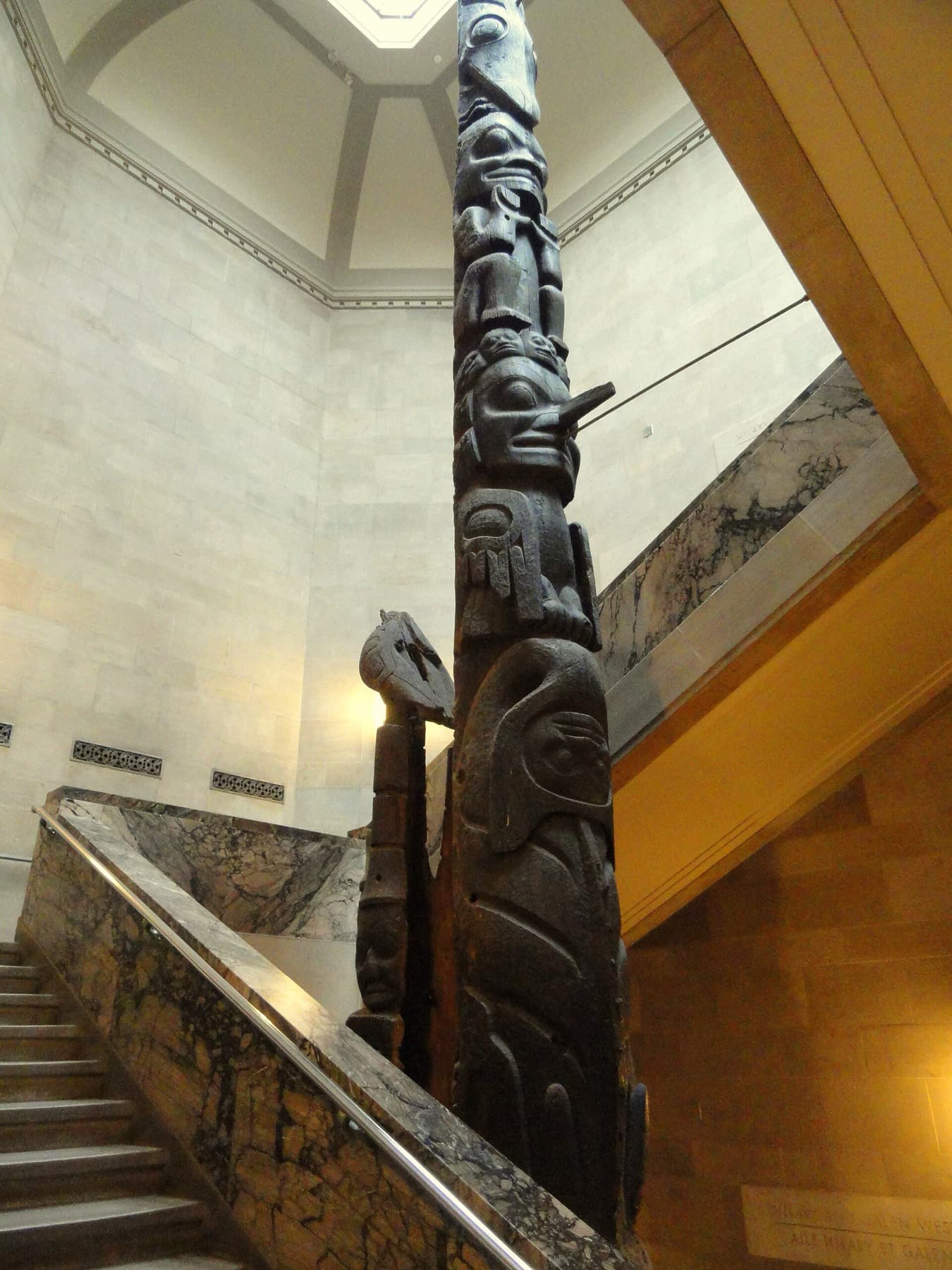
The ROM's Totem Poles: Crest Poles Built Into the Building
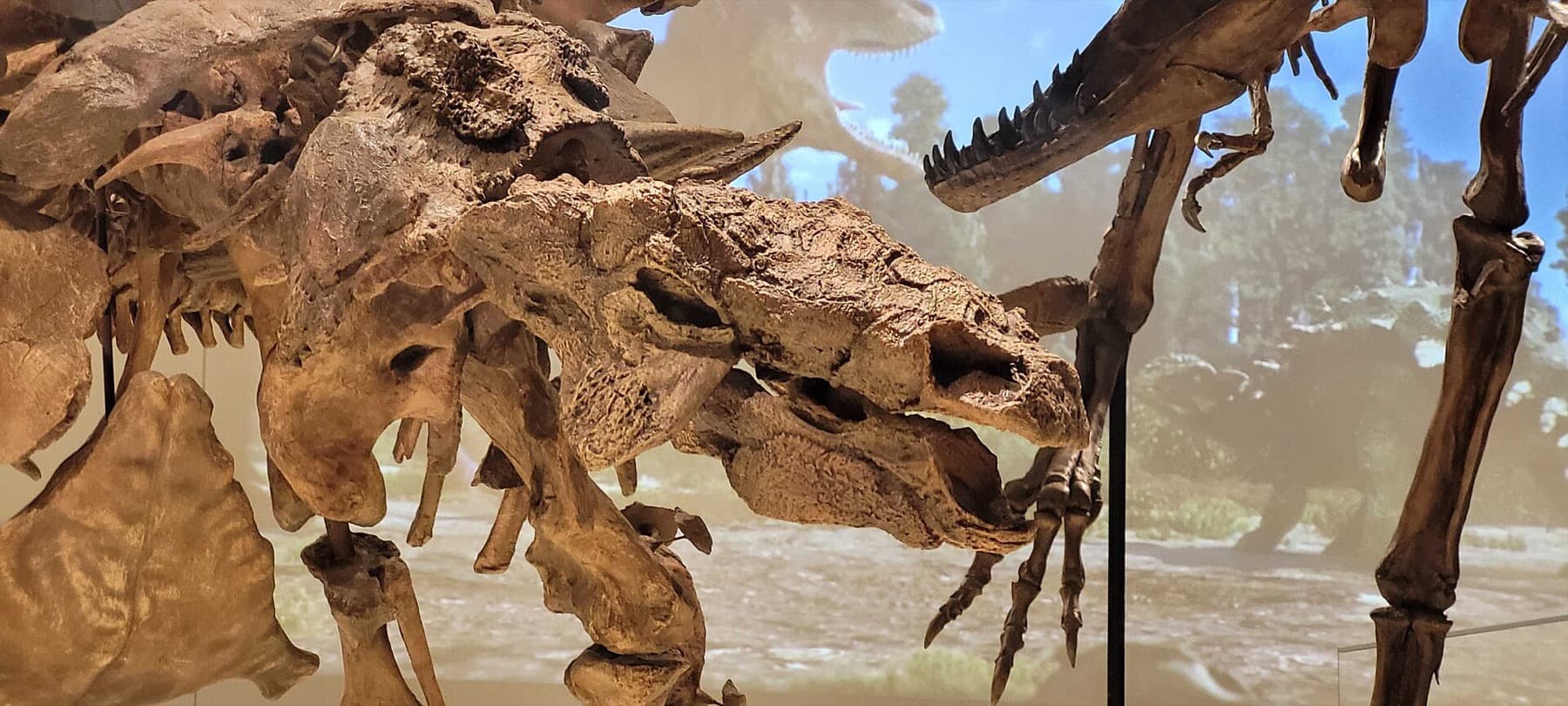
Zuul: The ROM's Armoured Dinosaur, Skin and All
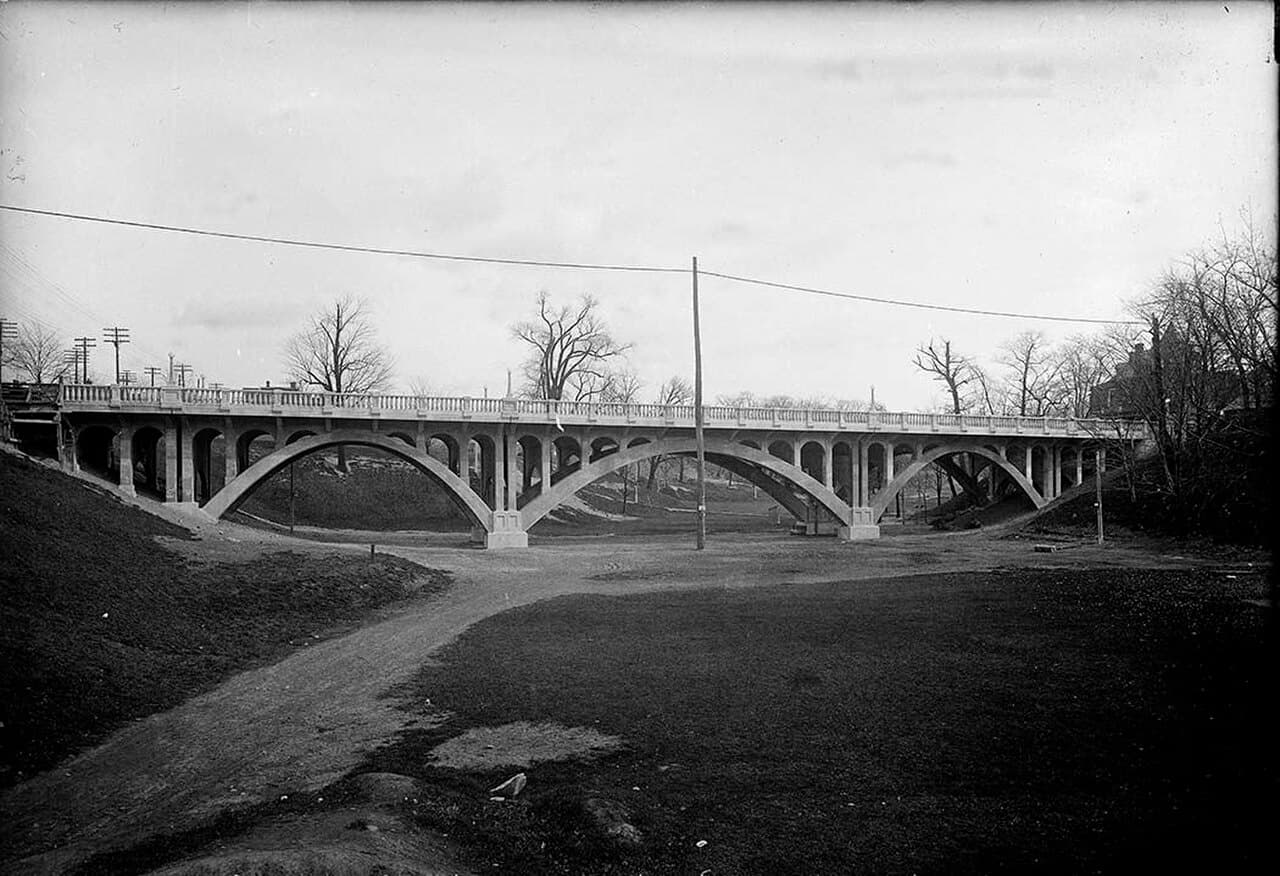
Garrison Creek: The Buried River Under Trinity Bellwoods