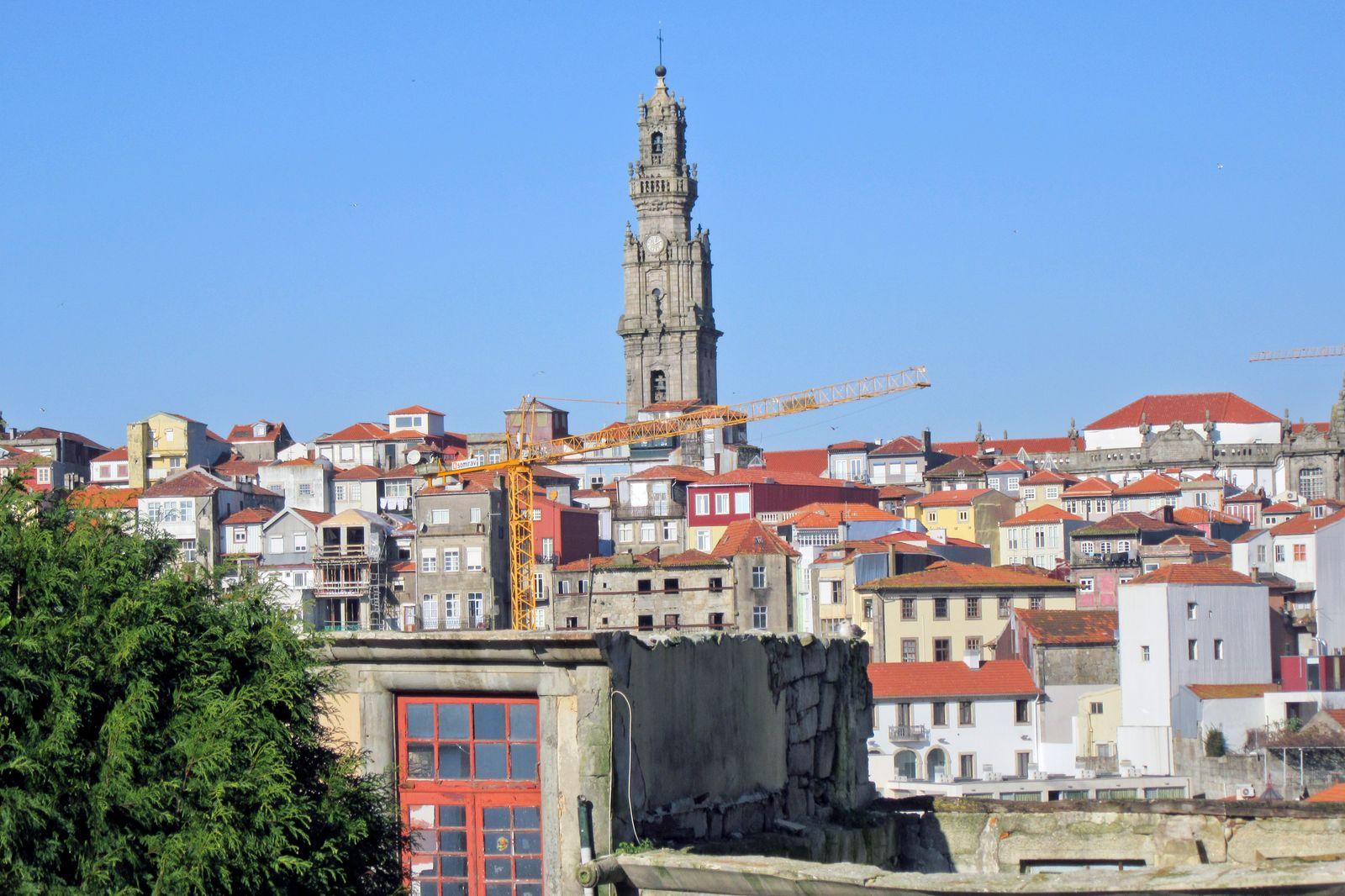
The Torre dos Clérigos turns Porto's hardest, plainest material into its most theatrical gesture. It is granite, the same grey stone as half the city, and it refuses to behave like granite at all: it bends, scrolls and gathers into baroque flourishes all the way up its 75.6 metres. That paradox, plain stone made to perform, is the right place to start reading Porto, because the rest of the old city repeats it on every surface.
The painter who became an architect
The man behind it was Nicolau Nasoni, born in 1691 in San Giovanni Valdarno in Tuscany. He trained and worked as a painter, painted frescoes in Malta in the early 1720s, and arrived in Portugal in September 1725 to work on the sacristy and chancel of Porto Cathedral. He never left.
The Clérigos project changed him. The tower's own history describes how, from 1731, the painter definitively gave way to the architect and designer. The brotherhood that commissioned the work, founded in 1707 and known today as the Irmandade dos Clérigos, the Brotherhood of the Clergy, laid the first stone of its church in 1732. The tower followed from 1754 and was finished in 1763. Nasoni died in Porto on 30 August 1773 and was buried in the Clérigos church, the building that made his name.
What to look at
Hear a stop from this walk
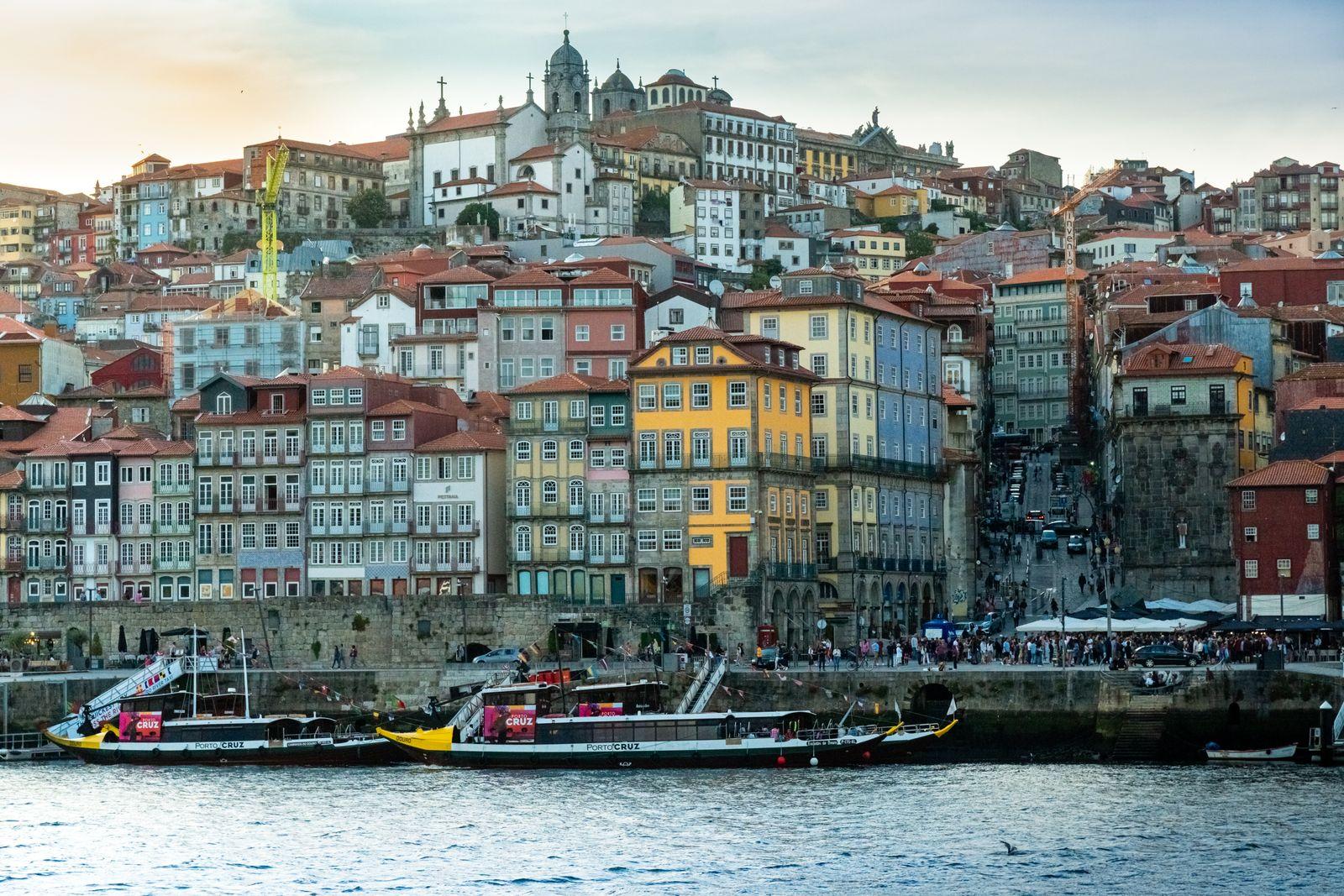
Praça da Ribeira: The Face Turned to the Water
Stand at the foot of the tower and let your eye climb. Granite is a stone that resists fine carving, which is why so much of Porto looks austere. Here it is cut into scrolls, balustrades and deep cornices, storey after storey up to the bell stage and the crown. It reads less like a load of stone than like a piece of furniture stood on end.
Then look at how the tower sits with the church. The church comes first in the line of the street, with a monumental divided stairway spilling down in front of it, and the tower rises behind at the far end, so the whole group climbs the hill in stages. Inside, the church is one of the first in Portugal to use a baroque elliptical plan, an oval where you would expect a rectangle. Even the floor plan bends.
Why a tower matters here
For centuries the tower was Porto's fixed point, visible across the rooftops and out along the Douro, and it has long been called the symbol of the city. Its practical reach is part of its power. Wherever you are in the old center, the tower tells you where you are.
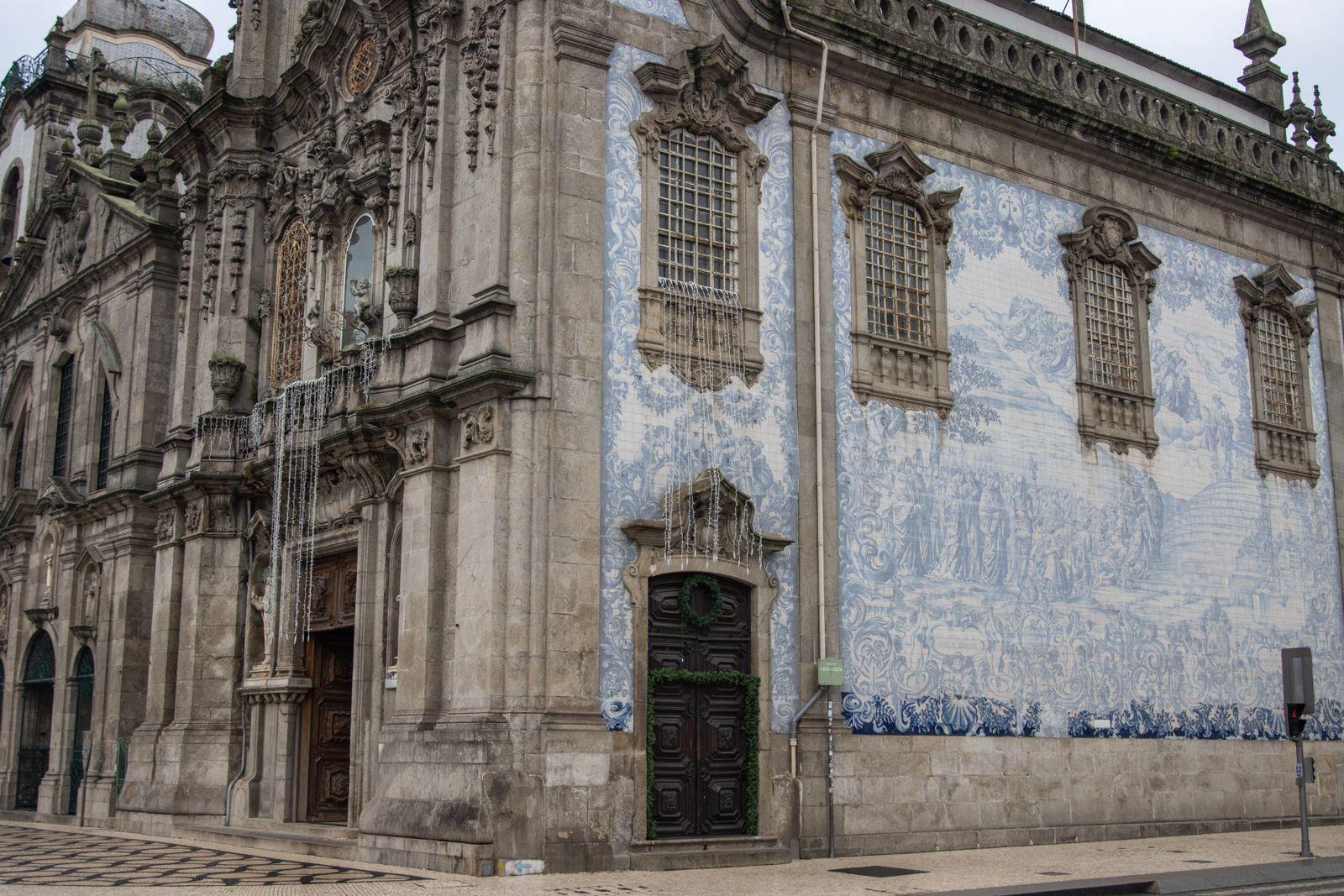
It also sets the terms for everything that follows on a walk through Porto. The city's builders had one main material, and it was hard and grey. Their answer, again and again, was to dress it: carve it into theatre here, sheathe it in blue and white tile at the Carmo a few minutes away, line it with gold inside São Francisco by the river. The Clérigos is the first and purest version of that answer, because it uses no tile and no gilt at all. It makes the stone itself do the performing.
The tower and church were rehabilitated in 2014 and received a Europa Nostra award for conservation in 2017, which is part of why the carving reads so crisply today.
Seeing it
You can read the whole composition from the street, at your own pace, and from many points across the city. If you climb the tower, which is ticketed and separate from the walk, the tiled and gilded city you are about to descend opens below you, roofs and towers down to the river. If you do not, the view from its foot is the overture the walk is built on.
The tower is stop 1 of Historic Center: Granite, Gold, and the River, a self-guided descent from here to the Dom Luís I bridge that is free to start. See all routes on the Porto page.
Sources
- Torre dos Clérigos, 292 Years of History: Nasoni's birth in 1691 in San Giovanni Valdarno, his frescoes in Malta, his arrival in Portugal in September 1725 for the cathedral sacristy and chancel, the shift from painter to architect from 1731, the church, infirmary and tower built 1732 to 1763, the height of 75.6 metres, and his death on 30 August 1773 and burial in the Clérigos church.
- Torre dos Clérigos, History: the brotherhood founded on 18 April 1707, the first stone in 1732, the tower built 1754 to 1763, the 2014 rehabilitation and the 2017 Europa Nostra award.
- Roamer's audited tour transcript for stop 1 of the Historic Center walk: the divided stairway, the elliptical plan, and the tower as the city's landmark.
Ready to experience it?
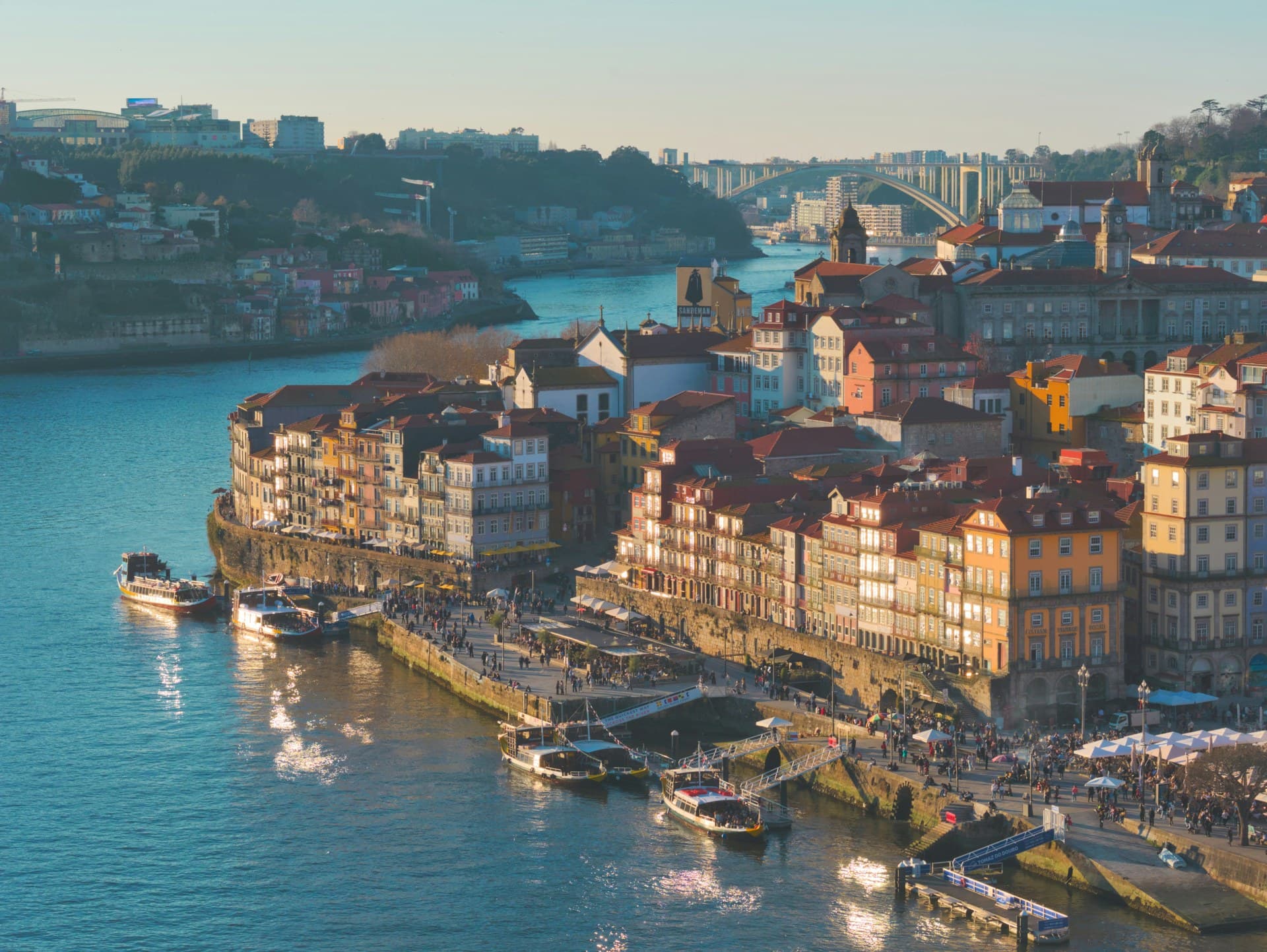
Historic Center: Granite, Gold, and the River
105 min · 3.3 km · moderate
More from Porto
Explore more at your own pace.
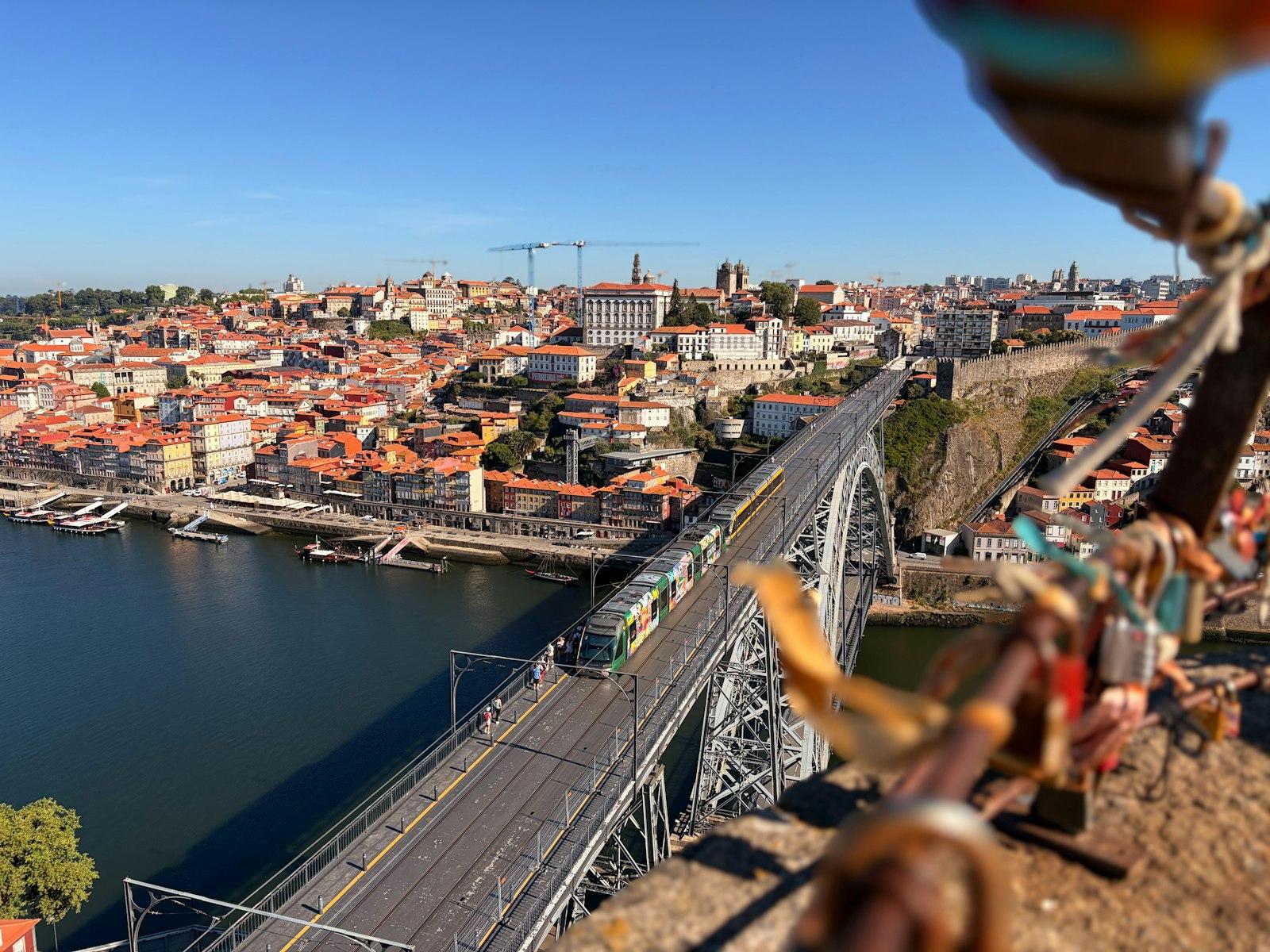
One Day in Porto: A Walkable Itinerary From Cathedral to River
Porto: The Granite City That Faces Its River
Porto's Historic Center: A Walk Down from Granite and Gold to the River
The Porto Market Hall That Never Sold a Thing
Why Port Wine Ages Across the River in Gaia, Not in Porto