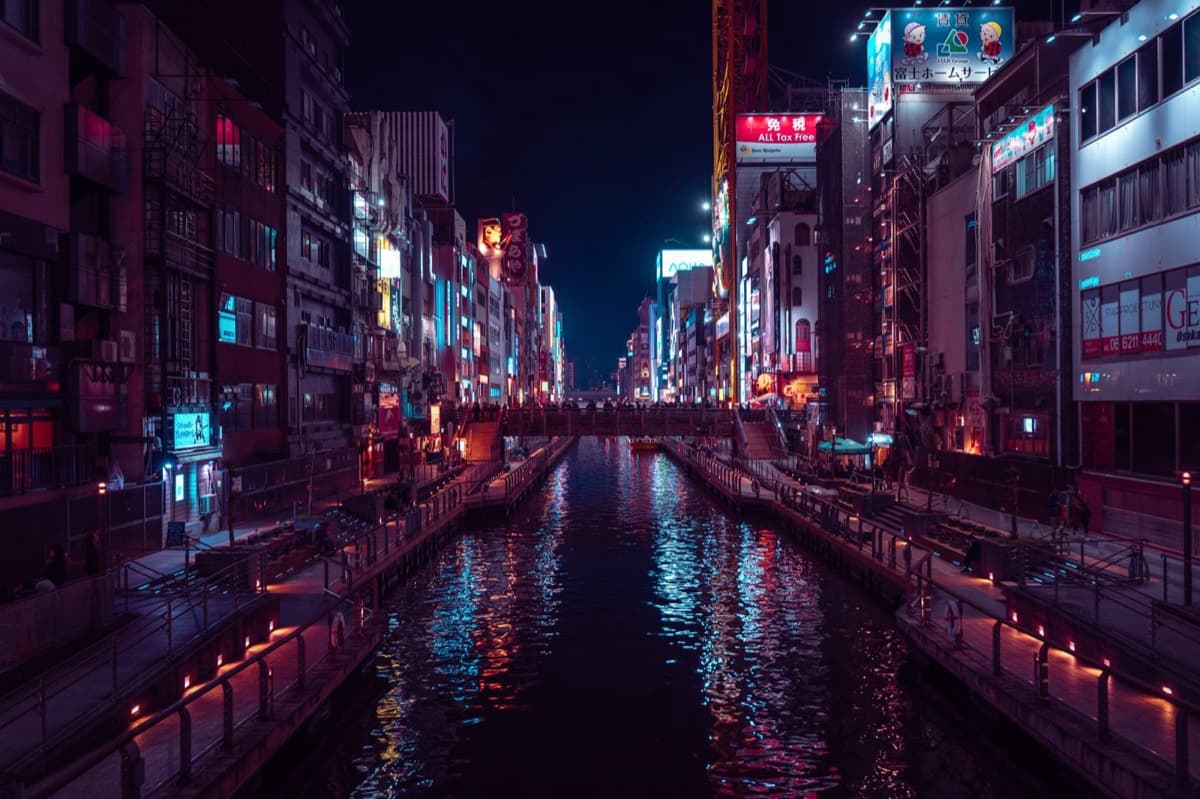
Dotonbori and Minami: The Nation's Kitchen
75 min · 1.5 km · easy
Osaka is the easiest major city in Japan to plan, and the smartest base in the Kansai region. Its famous sights cluster on one straight subway line, it sits under thirty minutes from both Kyoto and Nara, and it is safe, walkable district by district, and gloriously cheap to eat in. This guide answers the practical questions travelers actually search, answer first, then the detail.
How many days do you need in Osaka?
Short answer: two to three days for most people.
- 1 day covers the essentials, Osaka Castle, Shinsekai, and Dotonbori, if Osaka is a stopover on a wider Japan trip. Our one day in Osaka route links all three.
- 2 days adds Universal Studios Japan, or simply a slower pace through the food halls and neighbourhoods.
- 3 or more days lets you use Osaka as a base for day trips to Kyoto and Nara without changing hotels.
Because Osaka sights sit close together on the Midosuji Line, you cover ground faster here than in Kyoto or Tokyo, so the common mistake is under-staying rather than over-scheduling. Give it two nights and it becomes the anchor of a whole Kansai trip.
Getting around Osaka
Hear a stop from this walk
Hozenji Yokocho and the Mizukake Fudo: The Hush Inside the Carnival
Individual districts are a joy on foot. Dotonbori, Shinsekai, and Osaka Castle Park are all best walked, and walking is how our self-guided Osaka tours are built. Between districts, you take the subway:
- The Midosuji Line. Osaka single most useful route, running north to south and linking Umeda, Shinsaibashi, Namba, and Tennoji, almost every major sight in one straight line. It is the local equivalent of Tokyo Yamanote Line for a first visit.
- ICOCA card. Buy a rechargeable ICOCA at any station (about 2,000 yen, including a 500-yen refundable deposit) and tap on and off trains, subways, and buses. It works across the entire Kansai region, Kyoto, Nara, and Kobe, and even in Tokyo.
- Walk within districts. Once you are in Dotonbori, Shinsekai, or the castle park, you are rarely more than a short walk from the next stop.
Osaka as a base for Kyoto and Nara
One of the best reasons to stay in Osaka is how close the rest of Kansai sits:
- Kyoto is about 15 minutes from Osaka Station on the JR Special Rapid service, around 580 yen with an IC card. Hankyu and Keihan trains connect the cities at similar prices. A day only scratches Kyoto south-east, but it is an easy ride out and back.
- Nara is about 35 minutes from Osaka-Namba on the Kintetsu Nara Line, around 680 yen, or roughly 40 to 50 minutes on the JR Yamatoji Line from Tennoji.
Because Osaka tends to be cheaper for hotels and far livelier in the evening, many travelers base here and ride out to Kyoto and Nara by day. See our Kyoto travel guide for how to spend that day trip.
Best time to visit Osaka
The two showcase windows, and their trade-offs:
- Cherry blossom (late March to mid-April). Blossoms in Osaka typically open in the last week of March and peak in the first days of April. Gorgeous, and the busiest, most expensive time of year, so book accommodation well ahead.
- Autumn foliage (late October to mid-November). Comfortable weather, the year lowest rainfall, and strong colour, with crowds lighter than the spring peak.
For the best balance, aim for October: mild temperatures, low humidity, and noticeably thinner crowds than either peak. Summer is hot and humid; winter is cold but quiet and often the best value.
Is Osaka safe?
Very. Osaka is a safe, welcoming city for visitors, including solo and female travelers, with rare violent crime and reliable public transit. Japan carries the lowest US State Department advisory level. The one area to stay alert is the busiest nightlife: in Namba, Soemon-cho, and around Dotonbori after dark, ignore bar touts offering cheap drinks, confirm taxi routes before you set off, and mind your belongings on crowded platforms at Namba and Umeda. Timing your evening to catch the last train saves both money and hassle.
Osaka on a budget
Osaka is one of the friendliest big Japanese cities for a tight budget, because so much of what makes it special costs nothing and its food is designed to be cheap:
- Free to walk: Osaka Castle Park grounds, the Shinsekai streets, Dotonbori, and Kuromon Market. At the castle, only the keep interior (whose ticket also covers the Toyotomi Stone Wall Museum) and the Nishinomaru Garden charge admission.
- Eat cheap and well: takoyaki, okonomiyaki, and kushikatsu are budget street food by design. See what to eat in Osaka for what to order.
- Skip taxis: an ICOCA card plus walking covers almost everything.
- Skip the guide fee: Roamer self-guided audio tours are free to start, so you get expert narration without booking a private guide, a start time, or a tip.
Start planning your walk
Ready to route your days? Read our one day in Osaka itinerary, browse the best self-guided walking tours in Osaka, or see all Osaka tours. Every tour is free to start: the introduction and first stop play in full, and every later stop plays a short preview before an optional purchase. Tours can also be downloaded in advance for offline listening.
Frequently asked questions
- How many days do you need in Osaka?
- Two to three days is the sweet spot. One day covers the essentials (Osaka Castle, Shinsekai, Dotonbori) if Osaka is a stopover, two days adds Universal Studios or a slower food-and-neighbourhood pace, and three or more days lets you use Osaka as a base for day trips to Kyoto and Nara without changing hotels. Because Osaka sights cluster on the Midosuji subway line, you cover ground faster here than in most Japanese cities, so it rewards a relaxed schedule.
- How do you get around Osaka?
- Osaka is easy to move around. The Midosuji Line is the single most useful subway route, running north to south through Umeda, Shinsaibashi, Namba, and Tennoji, linking almost every major sight in a straight line. Buy a rechargeable ICOCA card (about 2,000 yen, including a 500-yen refundable deposit) at any station and tap on and off trains, subways, buses, and even convenience stores across the whole Kansai region. Within districts like Dotonbori, Shinsekai, and Osaka Castle Park you simply walk.
- Can you use Osaka as a base for Kyoto and Nara day trips?
- Yes, and it is one of the best reasons to stay in Osaka. Kyoto is about 15 minutes from Osaka Station on the JR Special Rapid service (around 580 yen with an IC card), and Nara is about 35 minutes from Osaka-Namba on the Kintetsu Nara Line (around 680 yen). Both make comfortable day trips, so many travelers base in Osaka, which tends to be cheaper and livelier in the evening, and ride out to Kyoto and Nara by day.
- What is the best time of year to visit Osaka?
- The best windows are spring, roughly late March into mid-April for cherry blossoms, and autumn, late October into mid-November for foliage and the year lowest rainfall. Both are beautiful and both draw crowds and higher prices. October is an underrated sweet spot: comfortable temperatures, low humidity, and thinner crowds than either peak. Summer is hot and humid; winter is cold but quiet and good value.
- Is Osaka safe for tourists?
- Yes. Osaka is a very safe city, including for solo and female travelers, with violent crime rare and efficient, safe public transit. Japan carries the lowest US State Department travel advisory level. The main thing to watch is petty issues in the busiest nightlife corridors: in Namba, Soemon-cho, and around Dotonbori after dark, ignore bar touts, confirm taxi routes before you set off, and mind your belongings on packed station platforms. Aim to catch the last train rather than pay for a late taxi.
- How can you see Osaka on a budget?
- Osaka is one of the cheapest big cities in Japan to enjoy. Osaka Castle Park, the Shinsekai streets, Dotonbori, and Kuromon Market all cost nothing to walk, and its street food (takoyaki, okonomiyaki, kushikatsu) is designed to be cheap and filling. An ICOCA card plus walking replaces taxis. Self-guided audio tours are free to start on Roamer, so you can add expert narration without hiring a guide.
Ready to experience it?
Dotonbori and Minami: The Nation's Kitchen
75 min · 1.5 km · easy
More from Osaka
Explore more at your own pace.
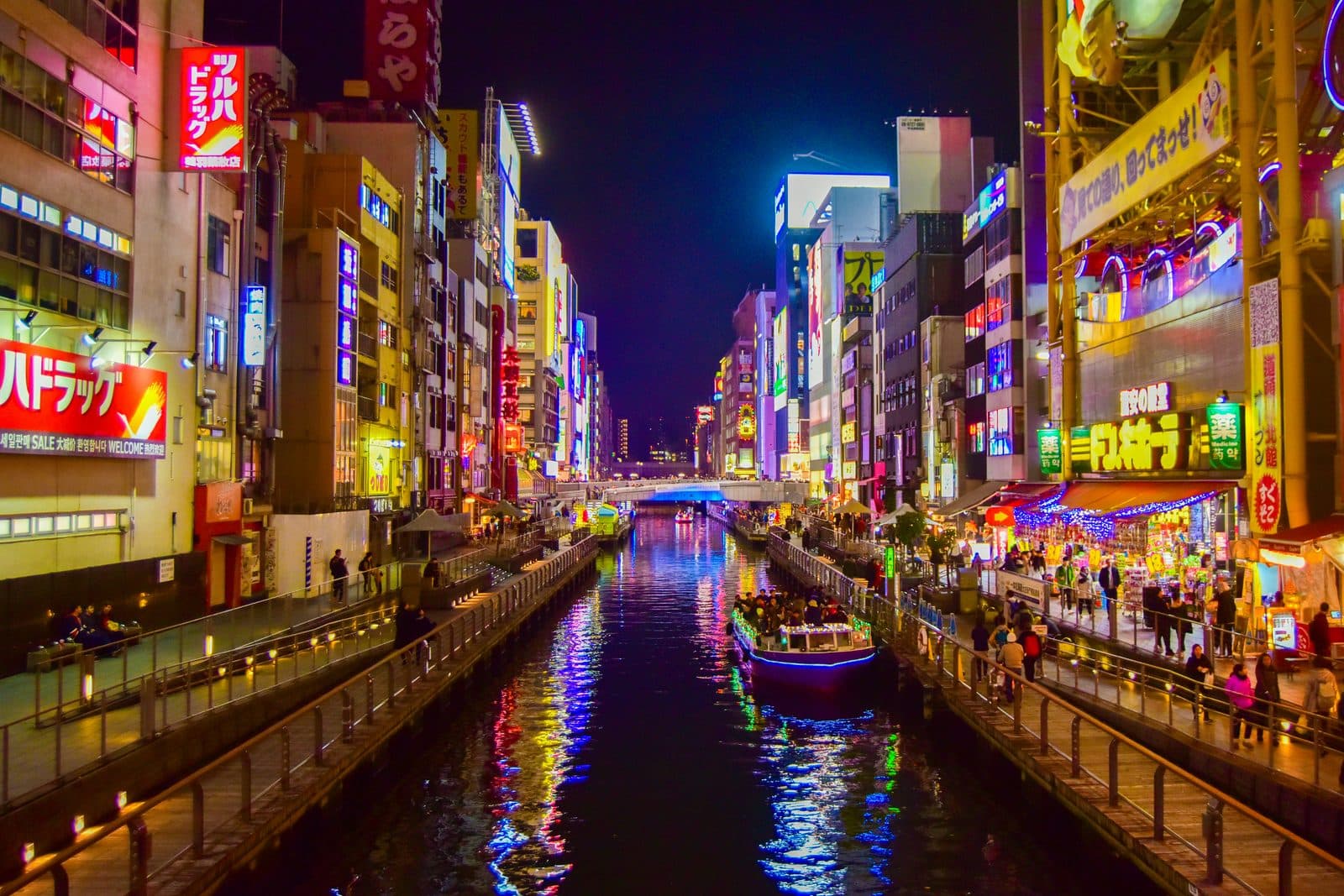
One Day in Osaka: A Walkable Castle-to-Kitchen Itinerary (2026)
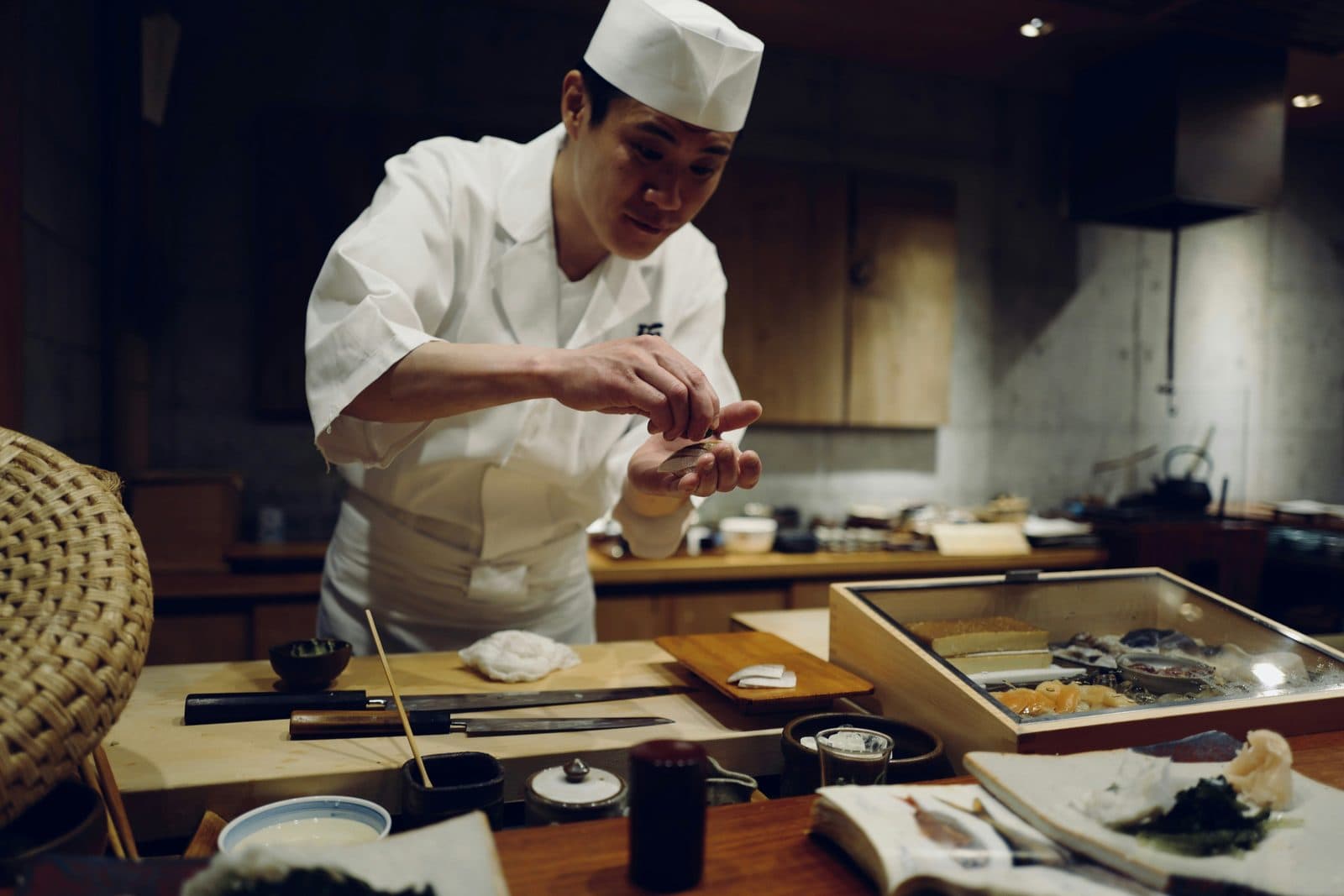
What to Eat in Osaka: A Food Guide (2026)
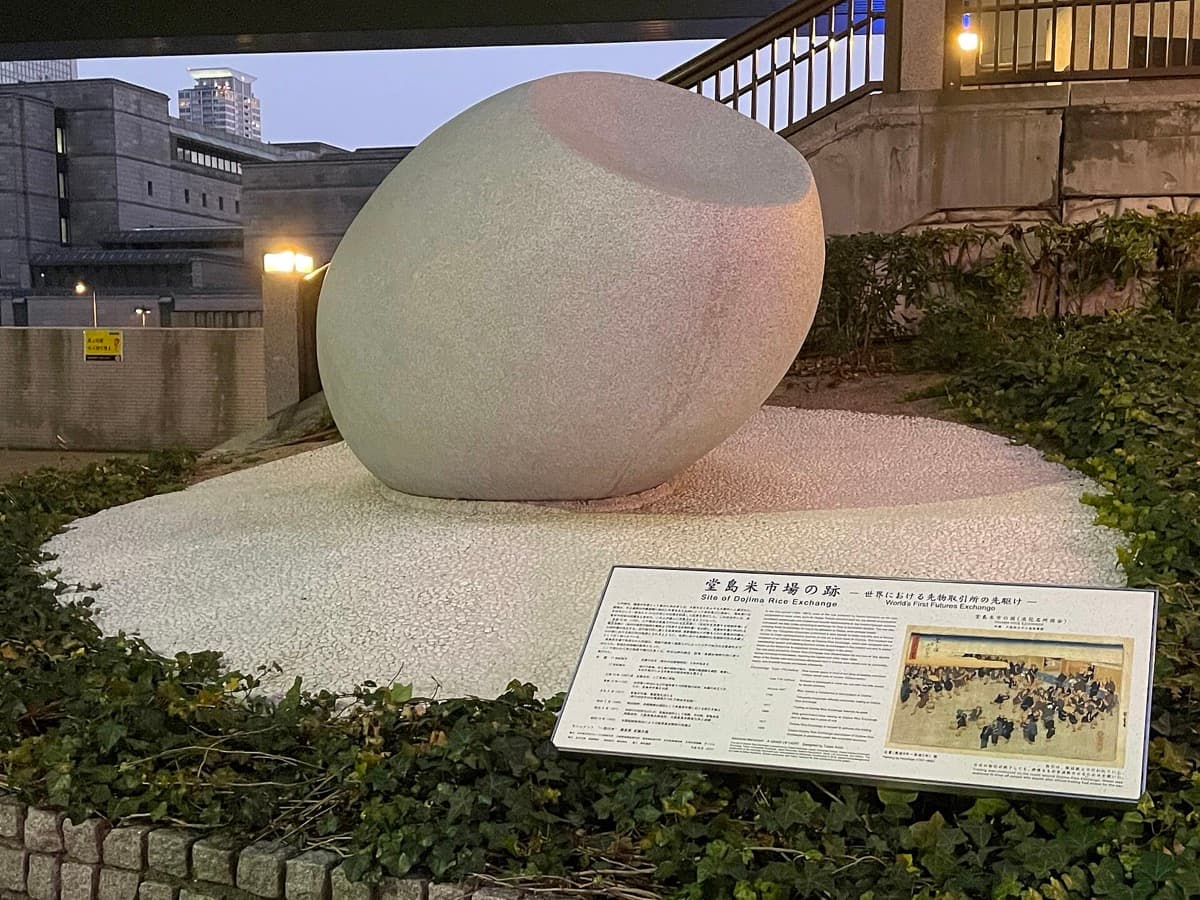
The Dojima Rice Exchange: How Osaka Invented Futures Trading Before Wall Street Existed
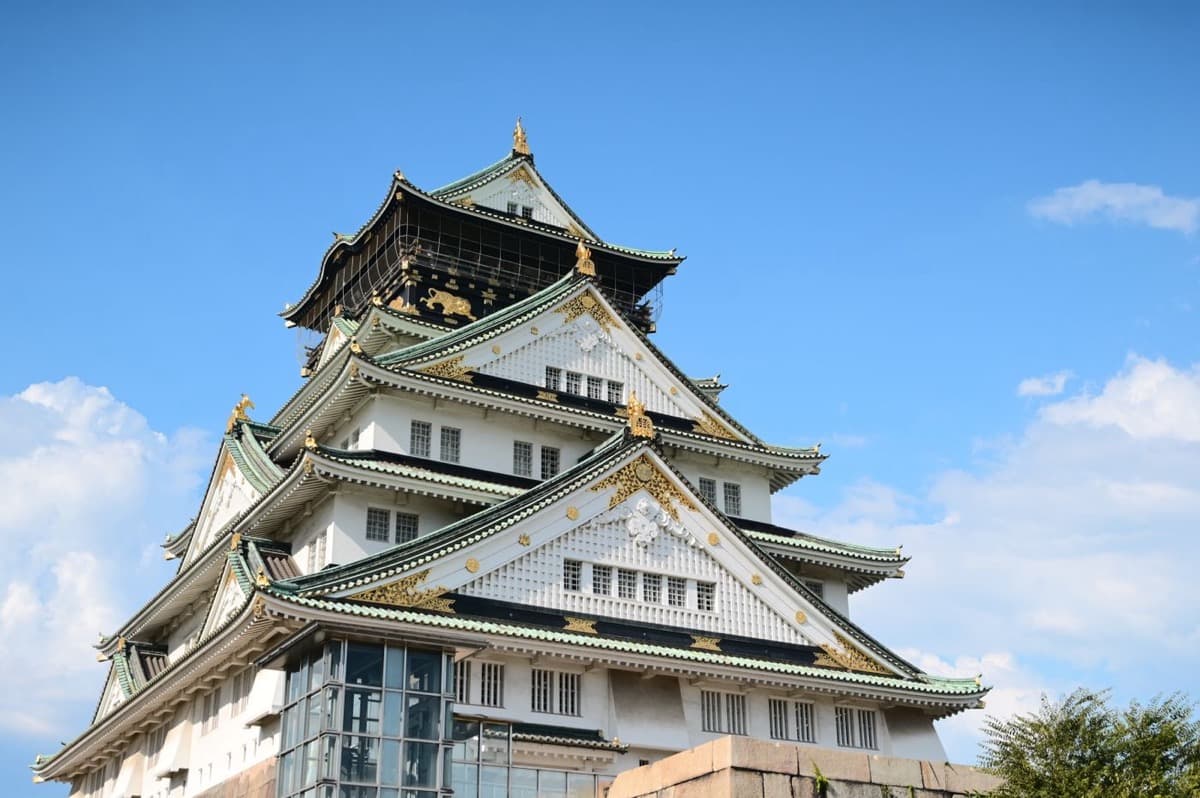
Osaka Castle: The Warlord's Fortress That Is Now a Concrete Museum
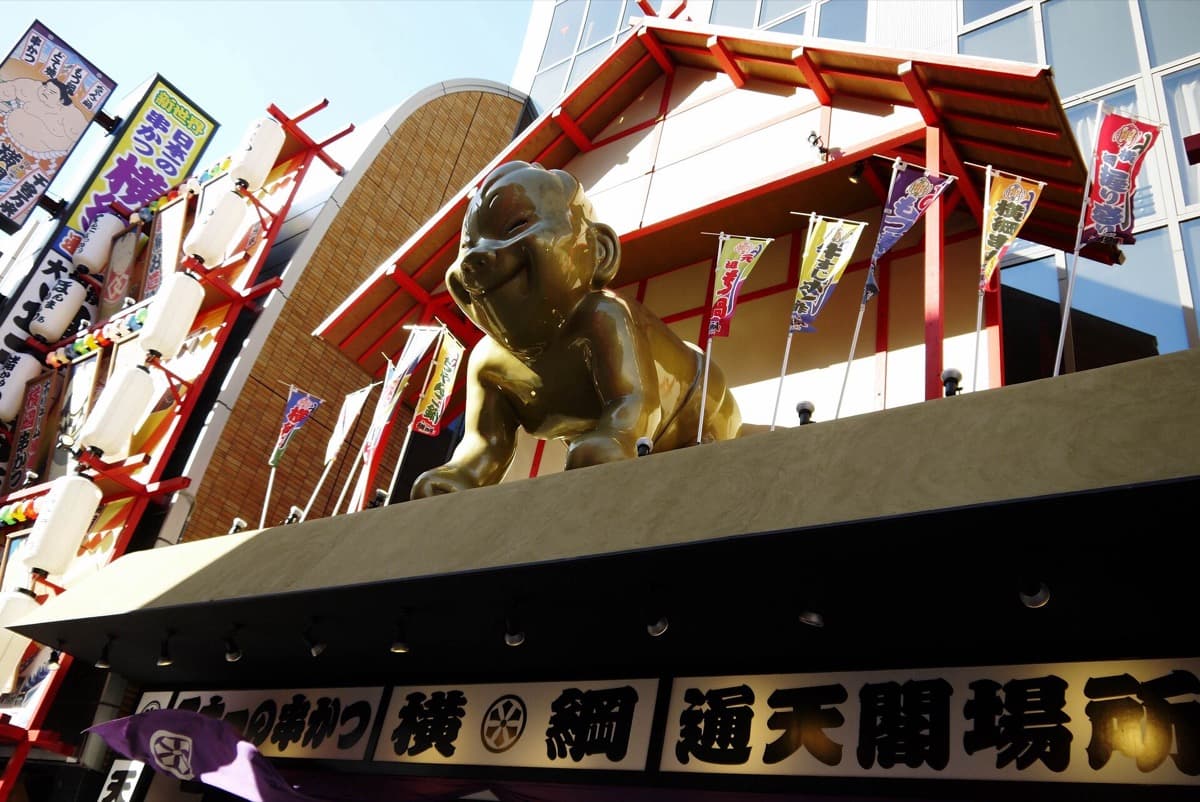
The Billiken: How an American Lucky Doll Became the God of Osaka's New World