Jewish Ghetto of Cannaregio: The First Ghetto
90 min · 2 km · easy
If you have one day in Venice, walk it in three arcs and let the water dictate the pace: start north in Cannaregio where the word ghetto was born, cross into the Rialto to read the city as the trading company it once was, then end in Dorsoduro following light on water from the Salute dome to a living campo. The historic center is compact and almost entirely on foot, so a single well-sequenced day covers real ground without rushing. Below is a morning-to-evening route, the entry fees and hours worth checking before you go, and where a self-guided audio walk carries the story between stops.
The short answer: one day, three neighborhoods
Venice rewards a themed day over a checklist. Trying to see everything means queuing at a few famous doors and missing the city between them. Instead, give each part of the day one idea. Morning belongs to Cannaregio and the origins of the Ghetto. Midday belongs to the Rialto, the market and money engine that paid for the palaces. Late afternoon and evening belong to Dorsoduro, the quiet southern edge where the light does the work. Each arc is roughly a 90-minute to 100-minute walk of about 2 to 4 kilometers, all flat except for stepped bridges, and each maps to one of the city's self-guided audio tours on /italy/venice.
Morning: Cannaregio and the first Ghetto
Hear a stop from this walk
Campo di Ghetto Nuovo: Ground Zero of a Word
Begin in the northern sestiere of Cannaregio, quieter and more residential than the center. The anchor is the Campo di Ghetto Nuovo, the walled island where Venice confined its Jewish community from 1516 and where the word ghetto entered the language. The campo itself is open and free. On its wall sits the Monument to the Deportation by Arbit Blatas, also free to view. If the museum is open, the Jewish Museum of Venice runs guided visits into the historic synagogues for a modest fee (around 15 euros when we checked); hours shift seasonally and on Jewish holidays, so confirm on the day.
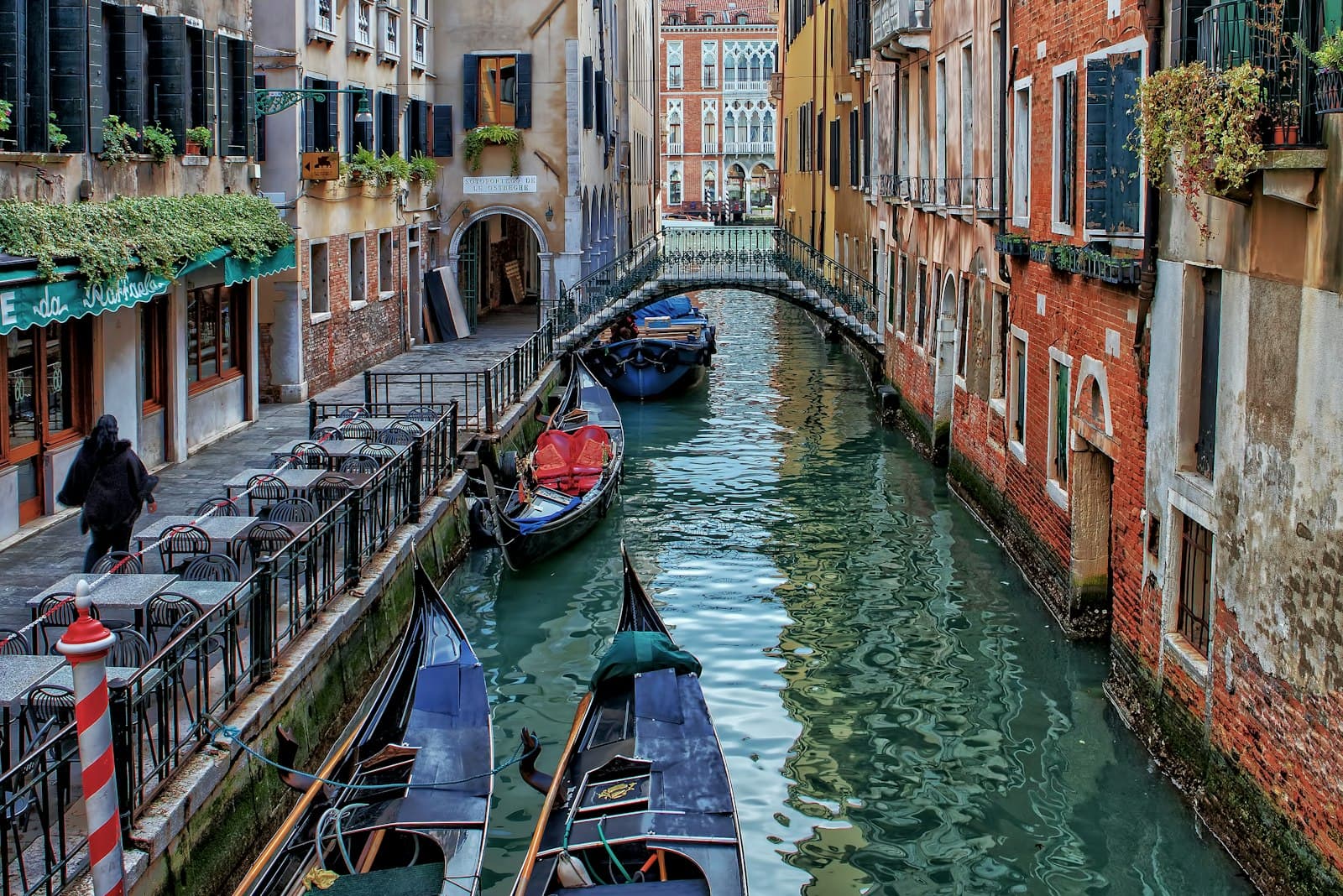
From the Ghetto the walk drifts east along quiet canals to Madonna dell'Orto, Tintoretto's parish church, and finishes near the Grand Canal at the golden Gothic facade of the Ca' d'Oro. Madonna dell'Orto belongs to the Chorus circuit of Venice churches. A single Chorus church runs a few euros, and the full Chorus Pass covering the network is 15 euros; Chorus churches generally open Monday to Saturday from roughly 10:30 to 17:00 and are closed to sightseeing on Sundays. The Ca' d'Oro facade is free to admire from across the canal; the Galleria Franchetti inside charges a small entry fee. This arc is the venice-jewish-ghetto audio walk.
Midday: the Rialto engine
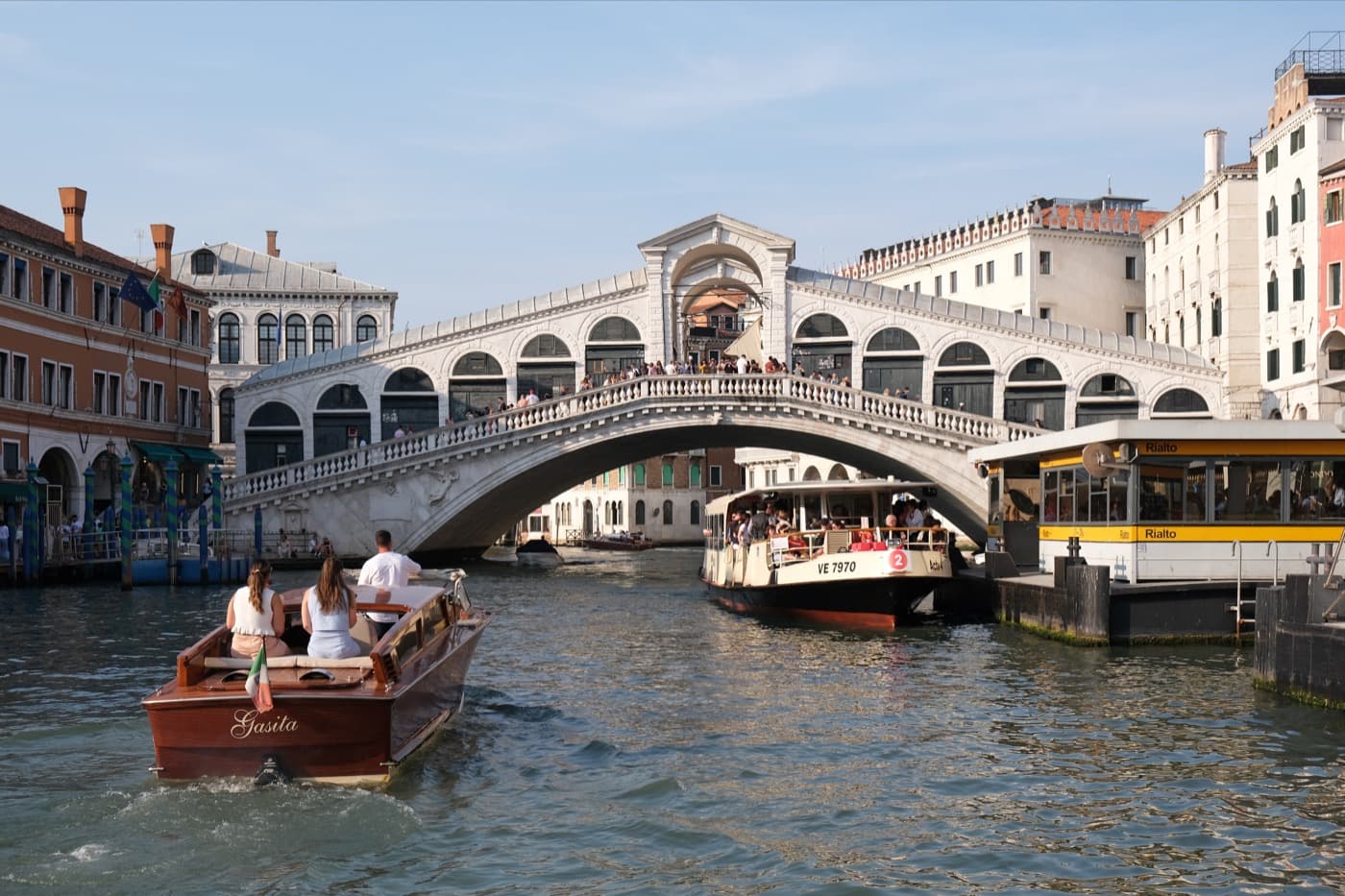
Cross toward the center for the Rialto, the commercial heart that made Venice rich long before it became a museum. The Rialto Bridge is a free public crossing, busiest at midday. Just north sits the market: the fruit and vegetable stalls run Monday to Saturday, roughly 7:30 to early afternoon, while the fish market (the Pescaria) is open Tuesday to Saturday from about 7:30 to noon and closed Sundays and Mondays. If a lively market matters to your plan, come before noon and avoid Monday.
Nearby stand San Giacomo di Rialto, a small church with free entry, and Il Gobbo, the stone figure where public decrees were once read aloud. The route ends across the district at the Scuola Grande di San Rocco, whose interior holds one of the largest cycles of paintings Tintoretto ever made. The exterior is free; the interior charges a full ticket of 14 euros, and it opens daily from 9:30 to 17:30 (last entry around 17:00). This midday arc is the venice-rialto walk.
Late afternoon and evening: Dorsoduro light
End the day in Dorsoduro, the calm southern back of the city, where the story is light on water. Start at Santa Maria della Salute, the plague-born baroque church at the mouth of the Grand Canal; the basilica is free to enter, with a small fee for the sacristy. Walk out to Punta della Dogana, the old customs point (the outdoor tip is free to reach; the contemporary art museum inside is ticketed), then along the sunlit Zattere promenade facing the Giudecca canal.
Two art stops sit here. The Gallerie dell'Accademia holds Venice's greatest painting collection: full admission is 9 euros plus a 1.50 euro reservation fee, it opens Monday 9:15 to 14:00 and Tuesday to Sunday 9:15 to 19:15, and entry is free on the first Sunday of each month. Continue to the Squero di San Trovaso, a working gondola boatyard best viewed from across its little canal, and finish in Campo Santa Margherita, a broad square that fills with locals, students, and evening spritz drinkers. This closing arc is the venice-dorsoduro walk. Full details and the tour list live on the Venice walking tours hub.
Logistics worth checking before you go
Two things can shape your day. First, the Venice access fee: for 2026 the city charges day-trippers 5 euros (rising to 10 euros for last-minute buyers) on 60 peak days between April 3 and July 26, in effect from 8:30 to 16:00 and covering only the historic center. Anyone staying overnight in Venice is exempt because the accommodation tax already applies, but keep proof of your booking or a QR exemption code. Second, transport: you can walk the whole day, but the vaporetto water bus helps for longer hops. A single 75-minute ACTV ticket is 9.50 euros and a one-day travel pass is 25 euros, so if you plan more than two rides the day pass usually pays off.
A note on St Mark's: if you fold in the Basilica, note that entry is no longer free. As of 2026 the church charges a basic admission of about 10 euros and requires a timed online reservation, since on-site ticket offices ended in mid-2025. It opens roughly 9:30 to 17:15, with reduced Sunday access during services. Book ahead rather than queuing.
Safety and comfort
Venice is a genuinely safe walking city; the main hazards are practical rather than personal. Bridges have steps, so a rolling case or stroller means planning around them, and paving is uneven and slick after rain. Pickpocketing risk concentrates in the tightest crowds around the Rialto and St Mark's, so keep bags zipped and in front of you there. During high water (acqua alta), usually in autumn and winter, low squares can flood briefly; the city posts forecasts and raised walkways appear on affected routes. Carry water in summer and pace the day around the midday heat.
Sources
Frequently asked questions
- How much is the Venice access fee in 2026 and when does it apply?
- For 2026 the day-tripper access fee is 5 euros if booked before the fourth day, rising to 10 euros for last-minute buyers. It applies on 60 peak days between April 3 and July 26, 2026, from 8:30 to 16:00, and only in the historic center. Visitors staying overnight in Venice are exempt because they already pay the accommodation tax, but should carry proof of booking.
- Can you see Venice in one day on foot?
- Yes. The historic center is compact and almost entirely walkable, with flat paths broken only by stepped bridges. A themed day of three arcs, Cannaregio in the morning, the Rialto at midday, and Dorsoduro in the late afternoon, covers real ground without rushing. Each arc is roughly a 2 to 4 kilometer walk of 90 to 100 minutes.
- Do I need a vaporetto ticket for a one-day walking route?
- Not strictly. You can walk the whole route, but the ACTV vaporetto water bus helps for longer hops. A single 75-minute ticket is 9.50 euros and a one-day travel pass is 25 euros. If you expect more than two rides in the day, the one-day pass usually costs less overall.
- Which day is best to see the Rialto fish market?
- Come Tuesday to Saturday before noon. The Rialto fish market (the Pescaria) is open roughly 7:30 to noon and closed Sundays and Mondays. The fruit and vegetable stalls run Monday to Saturday from about 7:30 into the early afternoon. Avoid Monday if a lively market is central to your plan.
- Is St Mark's Basilica free to enter?
- No. As of 2026 the basilica charges a basic admission of about 10 euros and requires a timed online reservation, since on-site ticket offices were discontinued in mid-2025. The Basilica opens roughly 9:30 to 17:15, with reduced access on Sunday mornings during services. Book a slot in advance rather than queuing.
- How much does the Gallerie dell'Accademia cost and when is it open?
- Full admission is 9 euros plus a 1.50 euro reservation fee. It opens Monday from 9:15 to 14:00 and Tuesday to Sunday from 9:15 to 19:15. Admission is free on the first Sunday of each month, though prices can change during temporary exhibitions.
Ready to experience it?
Jewish Ghetto of Cannaregio: The First Ghetto
90 min · 2 km · easy
More from Venice
Explore more at your own pace.
Venice: The City Engineered on Water for Trade
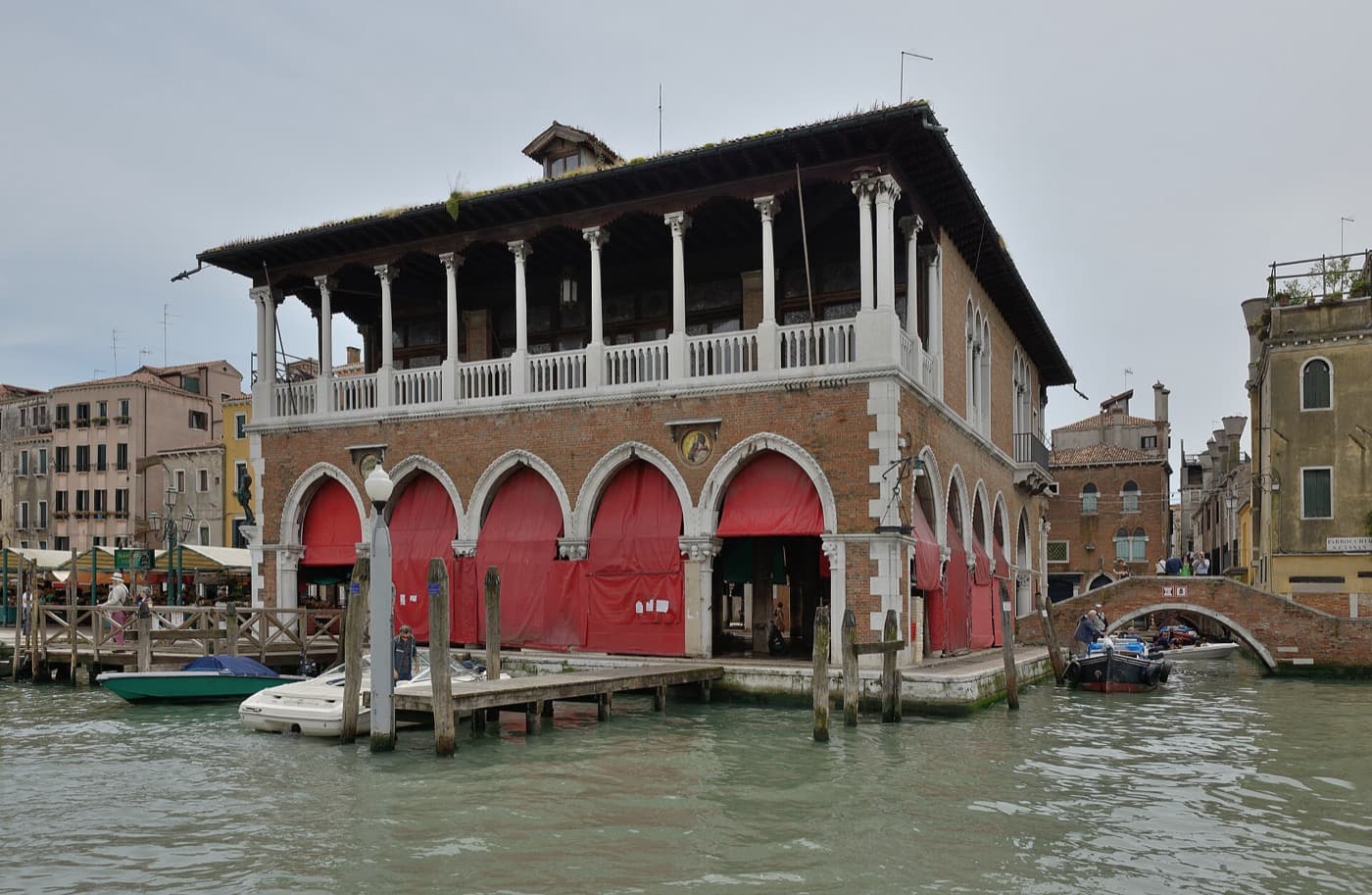
Venice's Rialto Market: The Engine Room That Paid for the Palaces
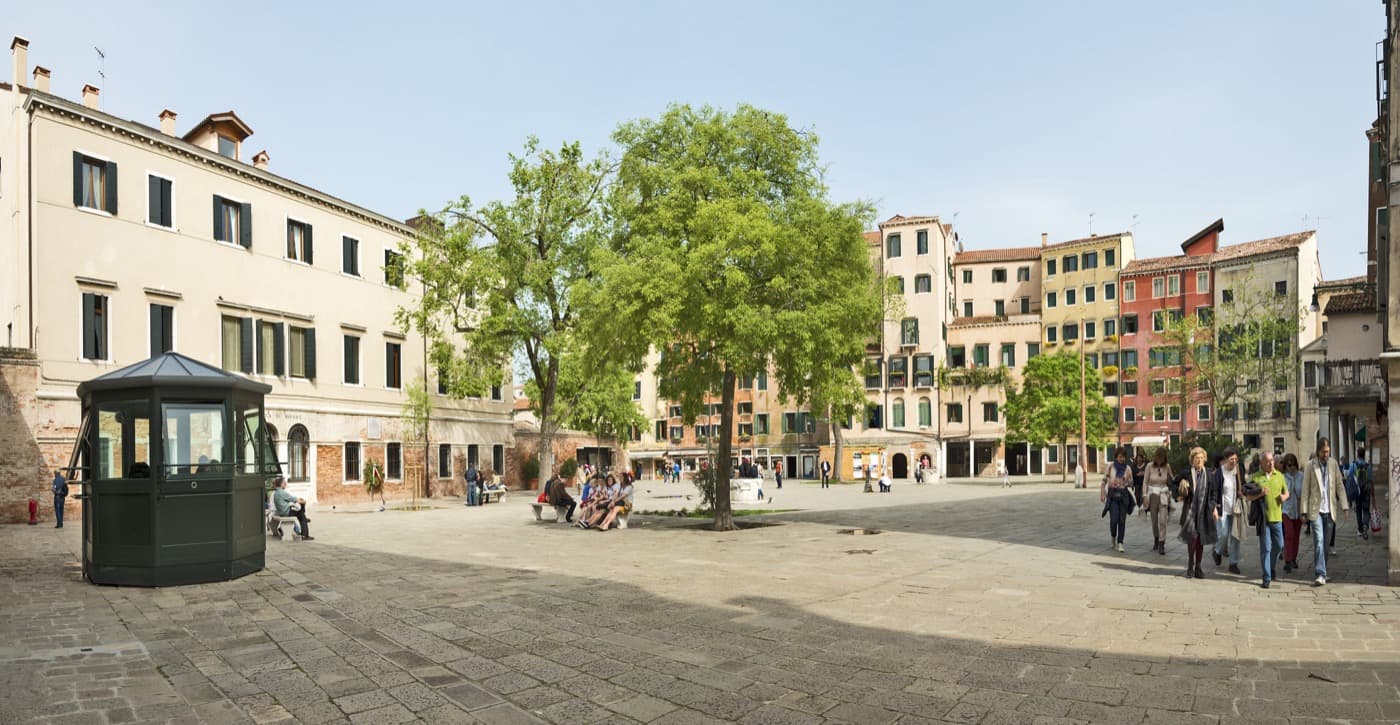
Where the Word Ghetto Was Born: A Walk Through Venice's Cannaregio
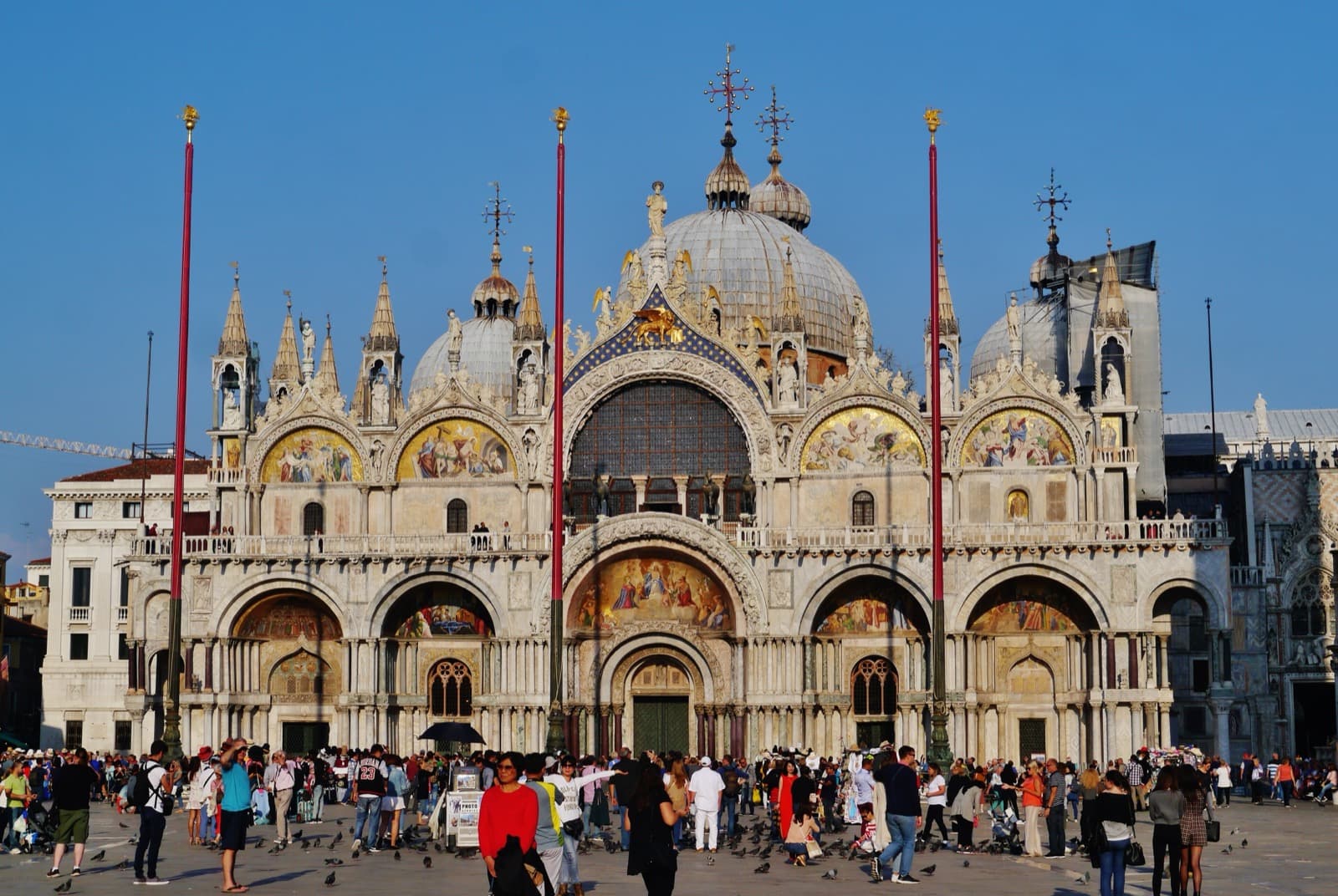
St Mark's Basilica: The Church of Gold and Stolen Horses
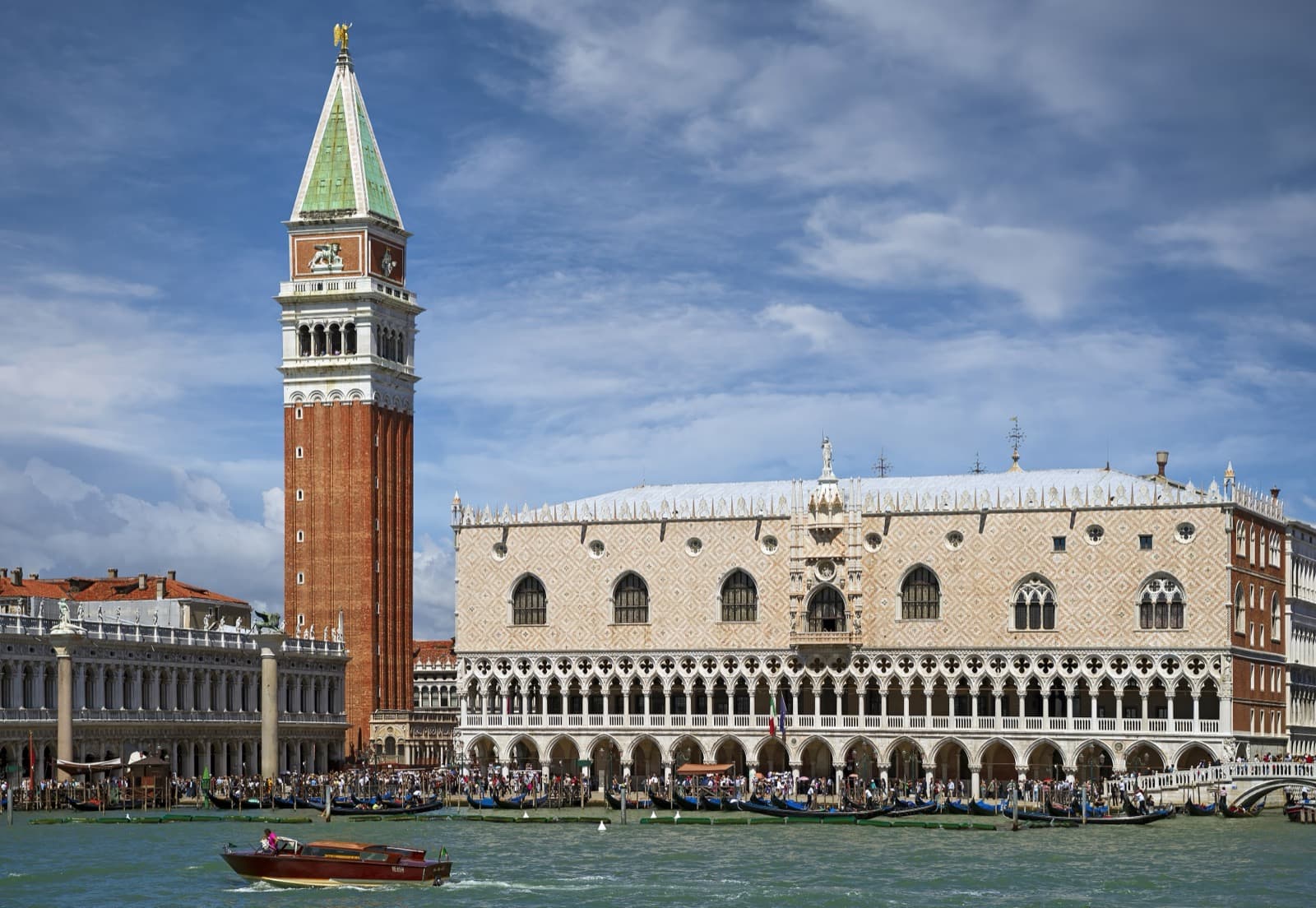
The Doge's Palace: Seat of an Elected Empire