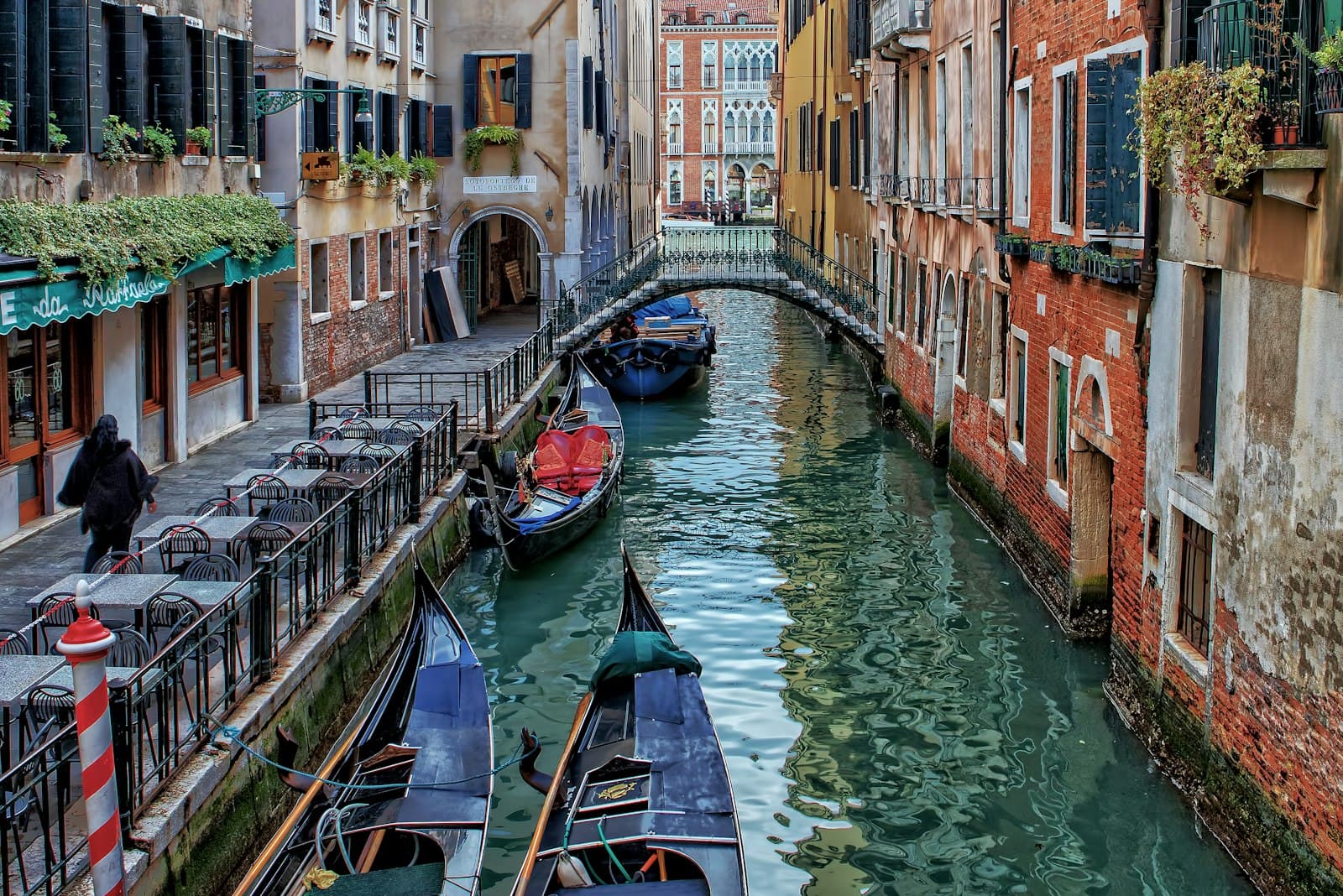
The First Ghetto
The word ghetto was born on one small island in Cannaregio, where a walled-in community answered scarcity with skyward invention. This walk reads confinement turned to ingenuity, then releases you along quiet canals to Tintoretto's church and a gilded palace on the Grand Canal.
4.22|90 minutes|2 km|6 Stops
Start
Campo di Ghetto Nuovo: Ground Zero of a Word
1
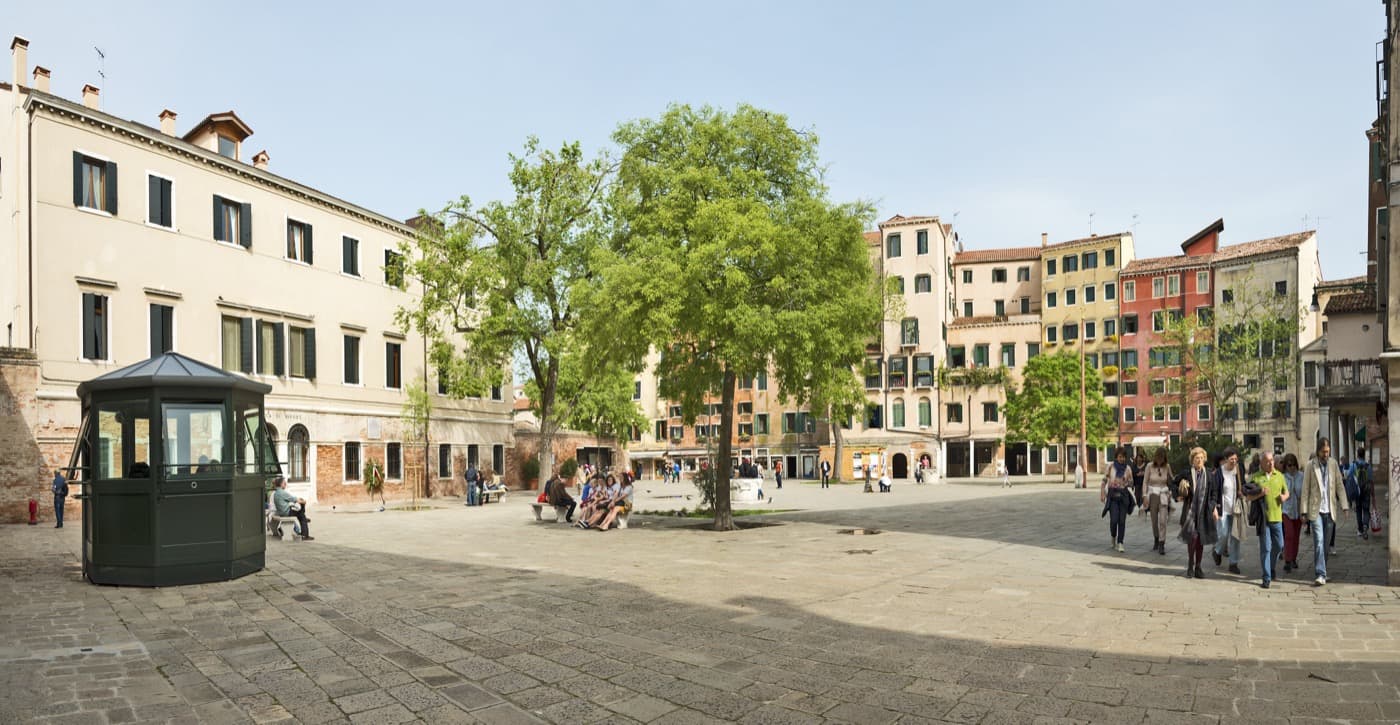
Campo di Ghetto Nuovo: Ground Zero of a Word
The walled island in Cannaregio where the word ghetto was born and where confined residents built the tallest houses in Venice.
2
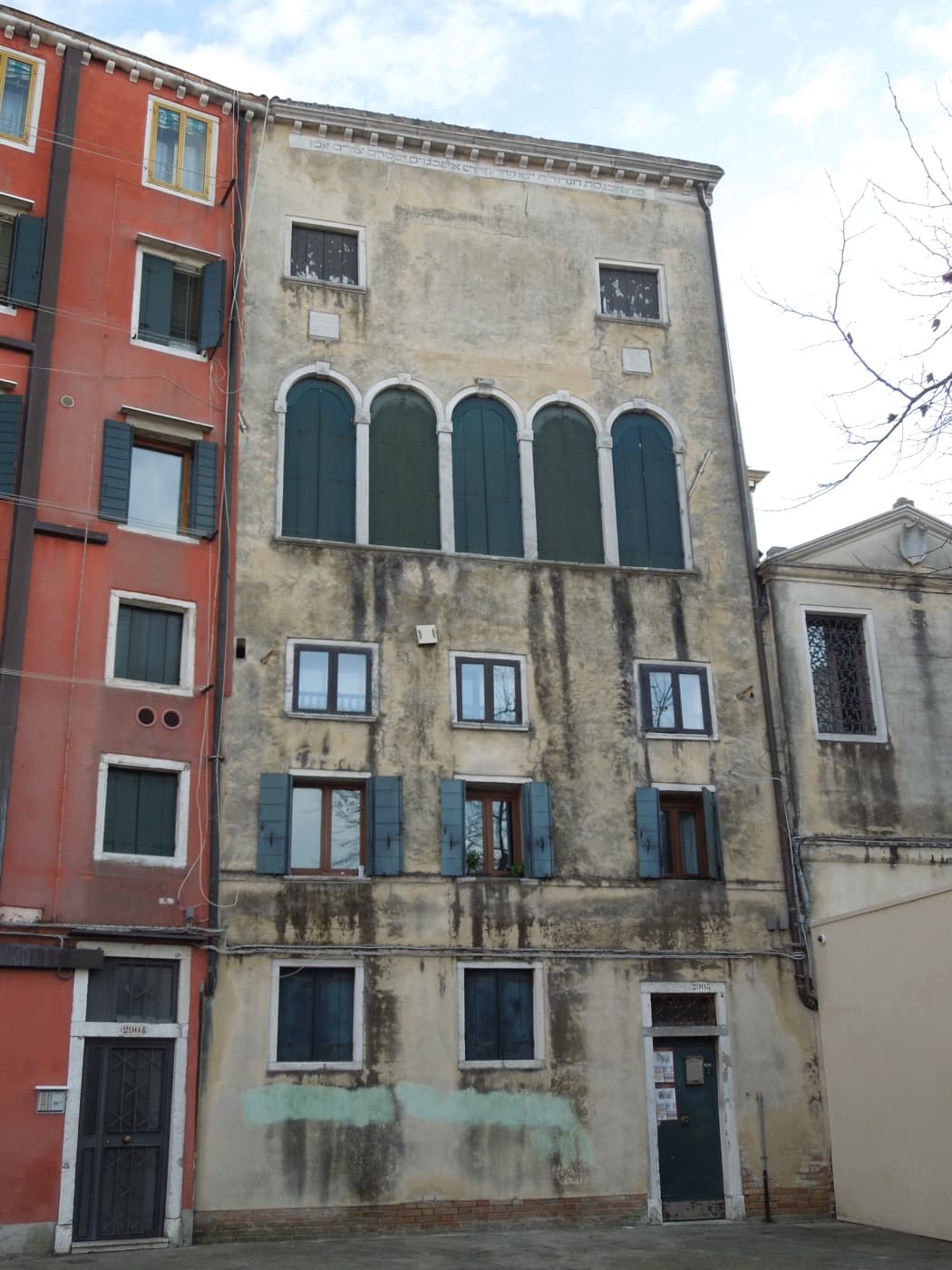
Scola Grande Tedesca: The Synagogues Hidden in the Rooftops
Five synagogues served the Ghetto, tucked invisibly into the upper floors of ordinary tenements, with the German scola the oldest.
3
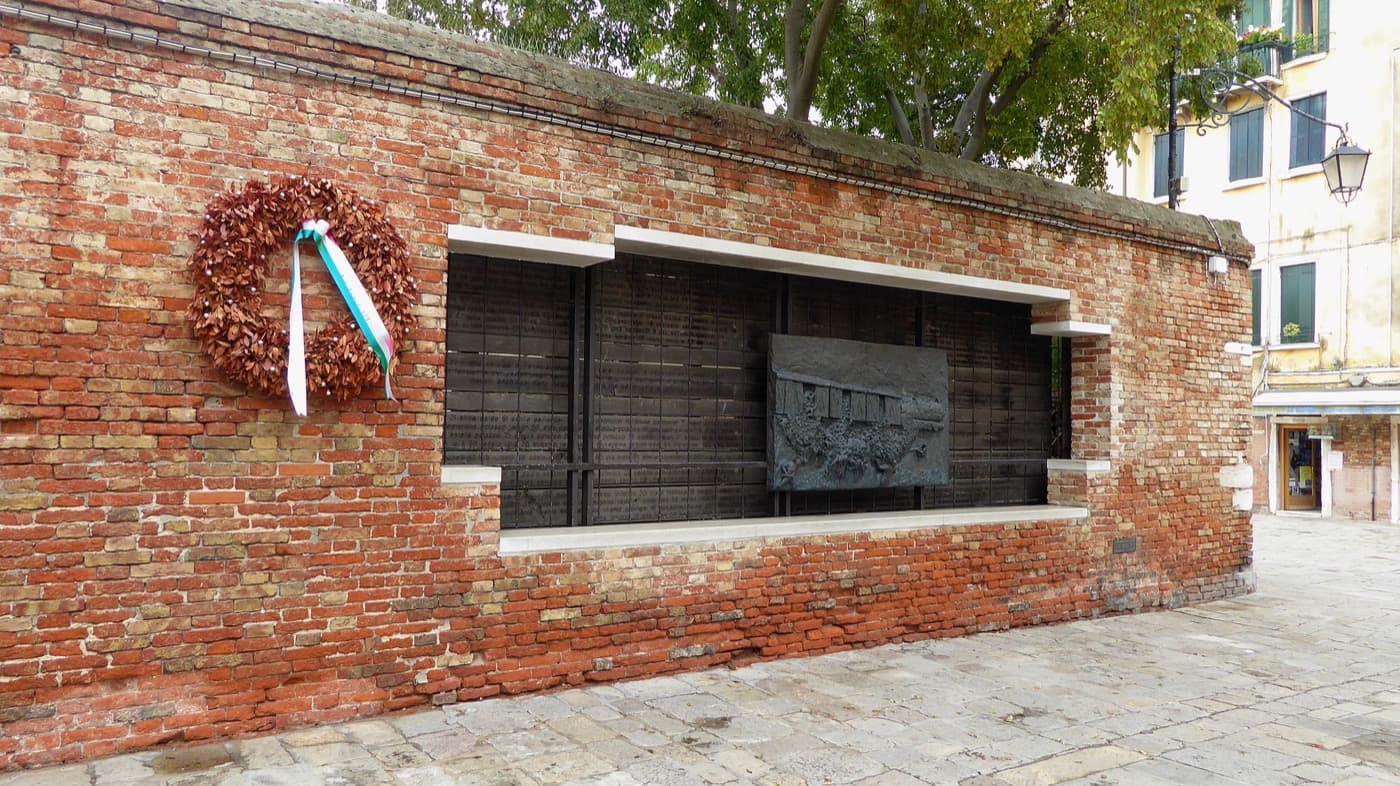
Monumento alla Shoah: The Weight of the Word
Bronze reliefs on the campo wall by sculptor Arbit Blatas that hold the full arc of what the word ghetto came to mean.
4
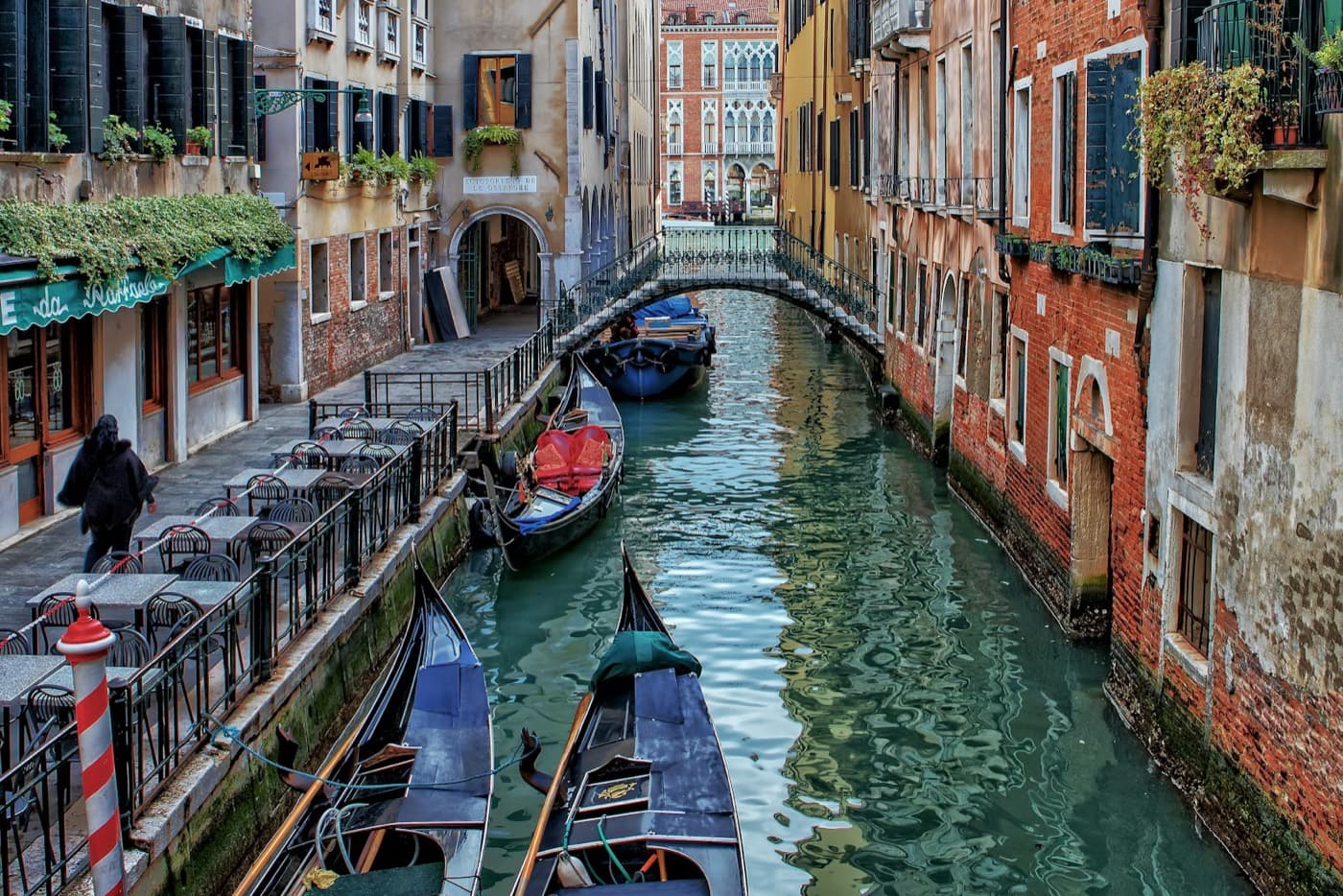
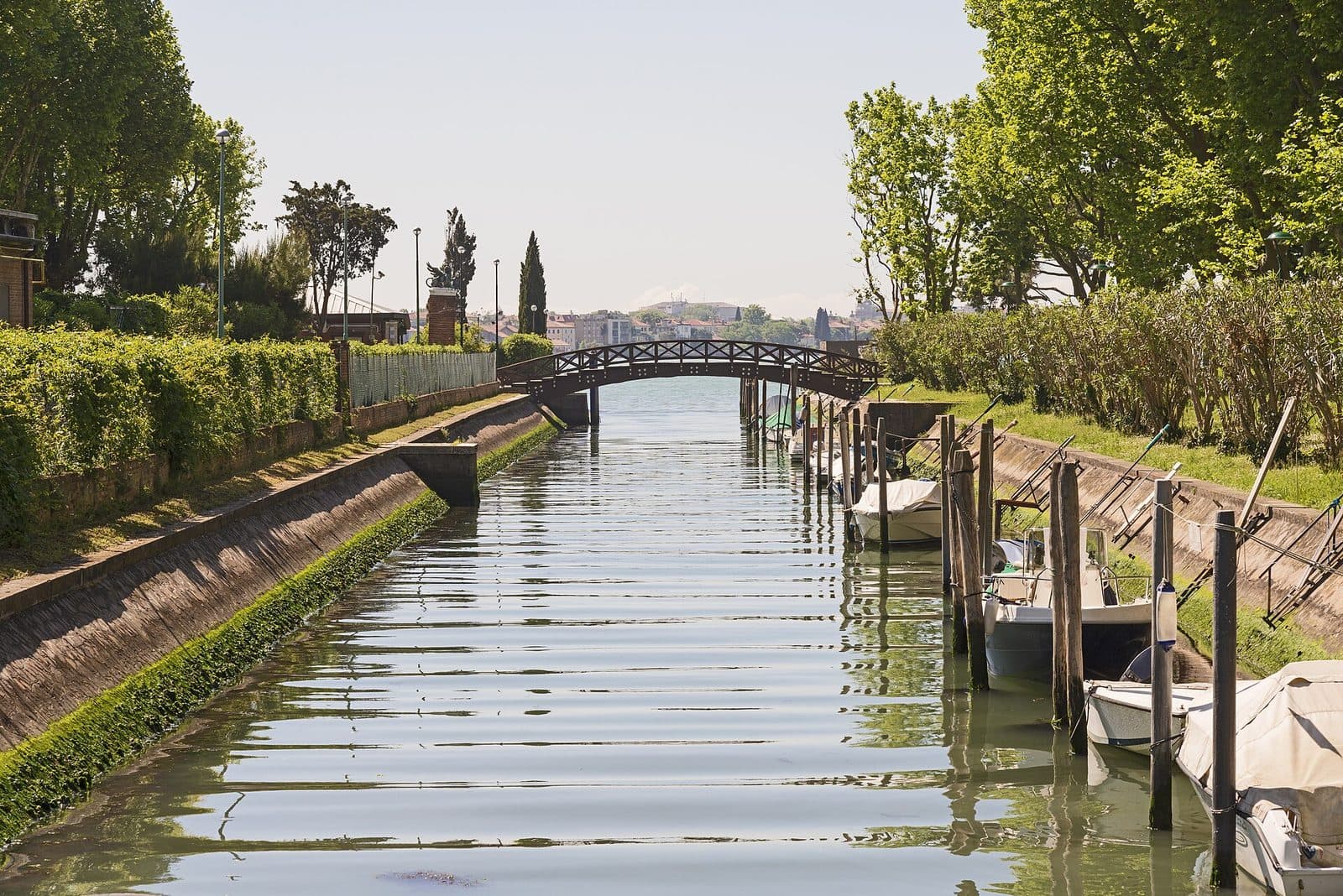
Fondamenta della Misericordia: Everyday Cannaregio
A long canal-side quay away from the tourist core, where working Cannaregio and its bacaro heritage come into view.
5
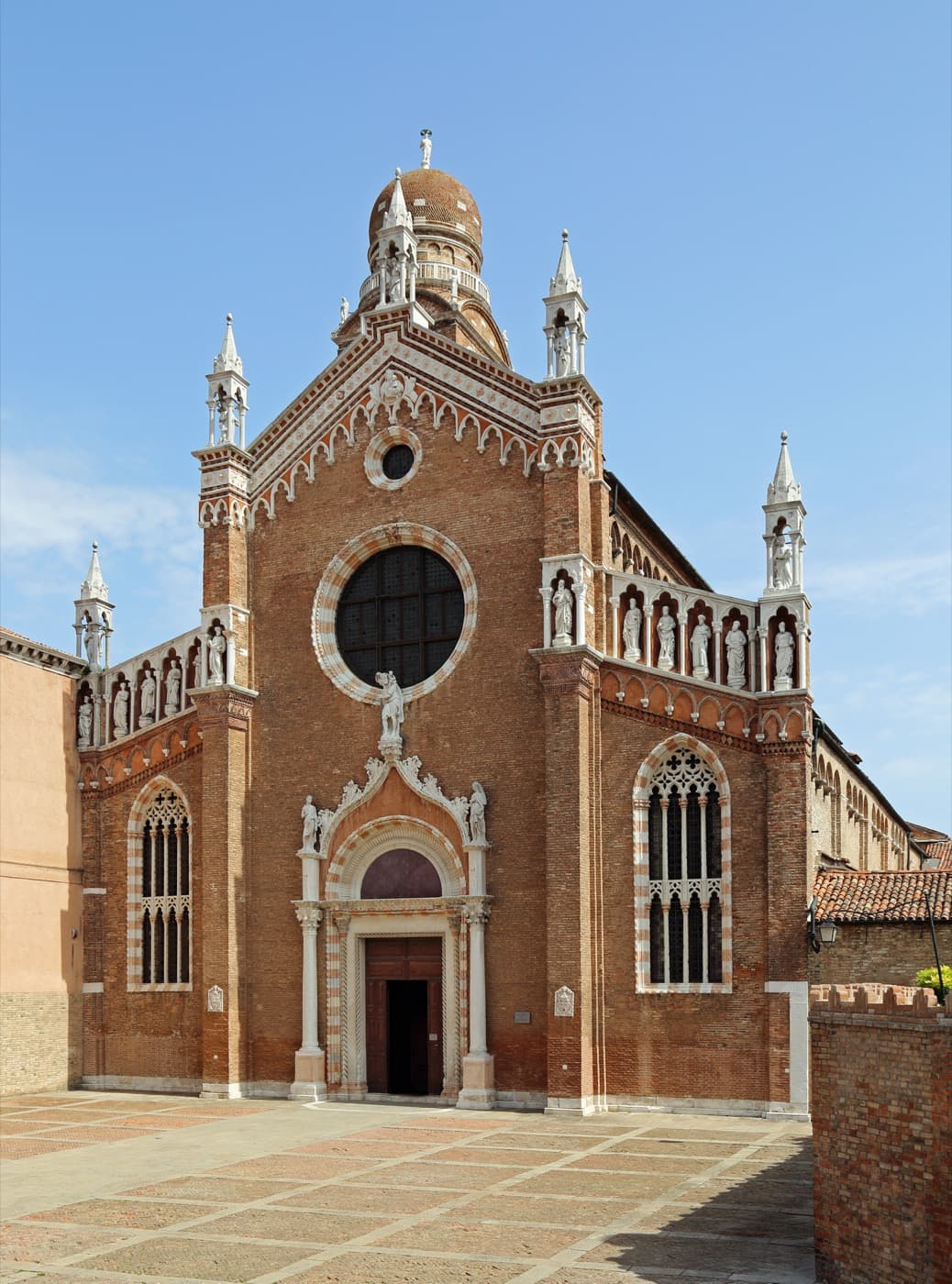
Madonna dell'Orto: Tintoretto's Parish Church
A Gothic brick church in Cannaregio that was Tintoretto's home parish and holds both his tomb and several of his greatest canvases.
6
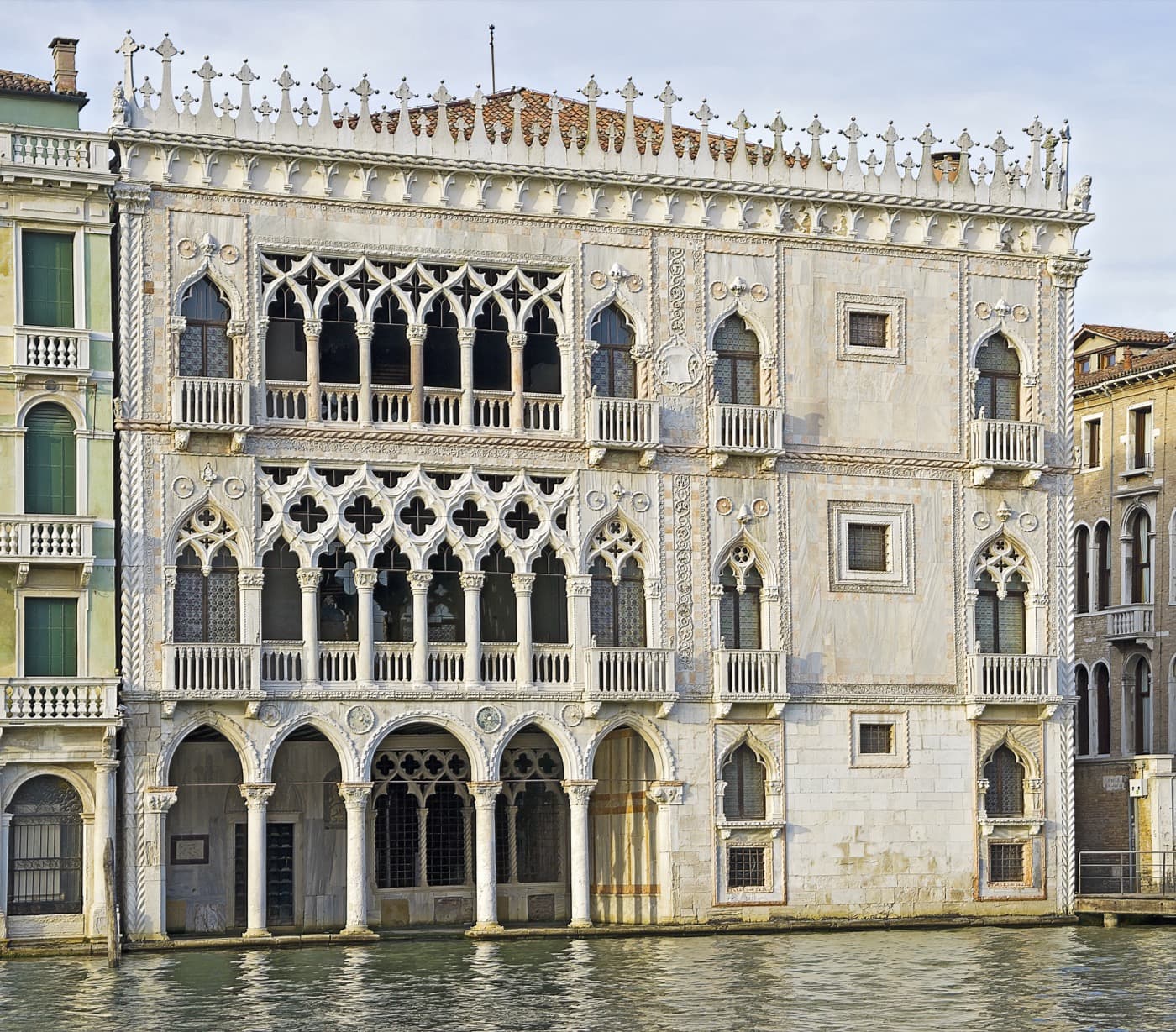
Ca' d'Oro: The House That Wore Gold
A Venetian Gothic palace on the Grand Canal, read from across the water, that closes the walk from enclosure to open water.
Best Time to Visit
Late morning or early afternoon on a weekday, when the Ghetto is calm and the light falls into the campo. Arrive at the Ghetto before midday to have the square nearly to yourself, then let the walk carry you out to Cannaregio's quieter canals as the afternoon opens up.
Pro Tips
- •Approach the Ghetto over one of its two historic bridges and look for the low arches where the gates once hung; the two former gate-bridges are part of the story you are walking into.
- •In Campo di Ghetto Nuovo, stand in the center and look straight up to read the extra stories on the tall houses; the vertical crowding is the single clearest piece of physical evidence on the whole walk.
- •The interiors of the synagogues can be seen only on a guided visit through the Jewish Museum of Venice, so book ahead if you want to go inside; from the campo you can still read their hidden upper-floor windows for free.
- •Give yourself extra time on the Fondamenta della Misericordia leg; it is an intentional longer stretch and the point is to slow down and feel a working Venetian neighborhood, not to rush to the next stop.
- •Madonna dell'Orto and Ca' d'Oro are ticketed sites, and Madonna dell'Orto is part of the Chorus circuit of Venetian churches; check opening hours before you go, since smaller churches keep limited times.
- •The Ca' d'Oro reads best from across the Grand Canal, from the fondamenta near the Rialto fish market or from the Ca' d'Oro vaporetto stop, so you do not need a museum ticket to close the walk on its gilded facade.
Safety & Precautions
- Venice paving is uneven and every canal crossing means bridge steps, so wear flat, sturdy shoes and watch your footing, especially on worn or wet stone.
- The Ghetto and Cannaregio's inner canals are quiet, but the approaches through the tourist core near the station and Rialto draw crowds where pickpockets work; keep bags zipped and close in busy passages.
- Madonna dell'Orto is an active church with a dress code, so cover your shoulders and knees to enter, and carry a light layer for that reason even in summer.
- Shade is scarce on the open campo and along the fondamenta, so on hot midday afternoons carry water, use the shaded arcades where you can, and pace yourself between stops.
Gallery
Related Reading
Go deeper on what you'll see, hear, and walk through.
Overview
Best Self-Guided Walking Tours in Venice (2026)
3 min
Overview
One Day in Venice: A Walkable Morning-to-Evening Itinerary
6 min
Overview
Venice Travel Guide 2026: Days, Transport, Fees, and Getting Around
7 min
Thematic
Venice: The City Engineered on Water for Trade
7 min
Companion
Where the Word Ghetto Was Born: A Walk Through Venice's Cannaregio
7 min
Read
What to Eat in Venice: Cicchetti, Bacari, and the Dishes to Order by Name
6 min