Jewish Ghetto of Cannaregio: The First Ghetto
90 min · 2 km · easy
Venice rewards travelers who slow down, get around on foot and by water, and time their visit to dodge the thickest crowds. This planning guide answers the practical questions you actually search before a trip: how many days you need, how to move through a city with no cars, when to go, what the entry fee and transport really cost, whether it is safe, and how to keep a budget honest. Once the logistics are settled, the reward is the part no ticket line can give you: walking the quiet back sestieri at your own pace.
How many days do you need in Venice?
Two full days is the honest minimum, and three is the sweet spot. Venice is small on the map but slow to cross, because you walk everywhere and every canal forces a detour. In two days you can see the headline sights (Piazza San Marco, the Rialto Bridge, one major church or gallery) and still have time to get lost on purpose, which is the best thing to do here. A third day lets you reach the outer islands (Murano for glass, Burano for color, Torcello for quiet) or simply spend a morning in a single neighborhood without rushing.
The mistake most first-timers make is over-scheduling. Venice is a walking city, and the walking is the experience, not the transit between experiences. Build in slack.
How do you get around Venice?
Hear a stop from this walk
Campo di Ghetto Nuovo: Ground Zero of a Word
You walk, and you take the water. There are no cars in the historic center: it is entirely pedestrian, laced with over 400 bridges. Your two modes are your feet and the vaporetto, the public water bus run by ACTV.
A single vaporetto ticket costs 9.50 euros and is valid for 75 minutes of travel, including transfers. If you plan more than three or four rides, a tourist travel card pays off fast: as of 2026 the ACTV/Venezia Unica passes run 25 euros for 1 day, 35 euros for 2 days, 45 euros for 3 days, and 65 euros for 7 days, all covering unlimited rides across the whole network. Travelers aged 6 to 29 can buy the Rolling Venice Card (6 euros) and then get a 72-hour pass for 27 euros instead of 45.
Here is the counterintuitive part: for most of the compact center, walking is faster than the vaporetto. The water buses shine for the Grand Canal, for reaching Dorsoduro or Cannaregio quickly, and for the islands. Inside a single sestiere, your feet win. That is exactly why a self-guided audio walk works so well here. You can trace Venice walking tours on foot at your own rhythm, pausing when a canal or a courtyard holds you.
Getting in from Marco Polo Airport
Venice's main airport is Marco Polo (VCE), on the mainland. Because the historic center has no cars, you finish the trip on water or on foot from the edge. Two sensible routes:
- Alilaguna water bus. The scenic public option, connecting the airport directly to central docks (Orange line to Rialto and central stops, Blue line to San Marco, Zattere, and more). A one-way ticket is around 15 euros, with round-trips near 27 euros; the ride to San Marco takes roughly 75 minutes. The dock is about a ten-minute covered walk from baggage claim.
- Land bus to Piazzale Roma. The cheapest way in. Buses run to Piazzale Roma, where the road ends, and from there you walk or catch a vaporetto to your lodging.
Best time to visit Venice
Spring and early fall are the best overall, roughly April to May and September to early October. You get mild weather, long light, and thinner crowds than the July peak. High season runs May through early October, when the city is busiest and pickpocketing (which is minor here to begin with) ticks up simply because there are more crowds to work.
Late October through March is the low season: quieter, more atmospheric, and cheaper, but this is when acqua alta (high water) is most likely. High tides mainly occur between October and March, usually last a few hours, and the city posts warnings and lays out raised wooden walkways (passerelle) in flooded zones. Venice's MOSE barrier system now blocks most major floods, so a soaked St. Mark's Square is far less common than it once was.
Is Venice safe?
Yes. Venice is one of the safest cities in Europe, with violent crime very rare. The realistic risk is petty pickpocketing in the densest crowds: the Rialto Bridge, Piazza San Marco, and packed vaporetti. Thieves are discreet and blend in as tourists, working through distraction and closeness rather than confrontation. The defense is simple: keep your bag zipped and in front of you in crowds, and stay aware when boarding a full water bus. Away from the three or four chokepoints, the city is calm, and its car-free lanes make evening walks feel unusually relaxed.
A realistic budget
Venice is not cheap, but it is manageable if you separate the free from the ticketed. Walking the city, sitting in a campo, watching the light change on the water, and photographing the canals all cost nothing. The costs stack up on:
- Transport. A day pass at 25 euros, or single rides at 9.50 euros each.
- The access fee. On 60 peak days in 2026 (spread across April 3 to July 26, from 8:30 a.m. to 4:00 p.m.), day visitors must pay a Contributo di Accesso. It is 5 euros if you book by the fourth day before your visit, or 10 euros if you book later. Crucially, if you stay overnight in Venice, you are exempt (your lodging tax already covers it), as are children under 14. You book at the official Venezia Unica access-fee site and carry a QR code.
- Attraction entries. Individual churches and galleries charge small fees, often a few euros to around 12 euros; many of the best moments (open campi, bridges, exteriors) are free.
The budget lever most travelers miss: staying overnight not only waives the access fee, it gives you the early mornings and late evenings when the day-trip crowds are gone and Venice belongs to the people walking it.
What to actually do once you are there
Start where the crowds are, then leave them. The three Roamer self-guided walks each take a different neighborhood and a different idea:
- The First Ghetto reads Cannaregio, where the word ghetto was born on a walled island whose confined community built the tallest houses in the city, then follows the canals out to Tintoretto's parish church.
- The Rialto Engine treats the postcard city as a business, tracing the market, the money, and the merchant halls that paid for the palaces.
- The Long Light is a slow reading of Dorsoduro, the quiet southern back, as a lesson in light on water, from the white dome of the Salute to a working gondola boatyard.
Each runs about 90 minutes at your own pace, with short, skippable stops. Browse them from the /italy/venice city page and start whichever neighborhood pulls you first.
Sources
Frequently asked questions
- How many days do you need in Venice?
- Two full days is the honest minimum and three is the sweet spot. Two days covers the headline sights like Piazza San Marco and the Rialto Bridge plus time to wander, while a third day lets you reach the outer islands of Murano, Burano, and Torcello. Because you walk everywhere and canals force detours, do not over-schedule.
- How do you get around Venice?
- You walk and you take the vaporetto, the ACTV public water bus, since the historic center is entirely car-free with over 400 bridges. A single vaporetto ticket costs 9.50 euros for 75 minutes in 2026, and multi-day passes run 25 euros for 1 day up to 65 euros for 7 days. For most of the compact center, walking is actually faster than the water bus.
- What is the Venice access fee in 2026 and who pays it?
- The Contributo di Accesso applies to day visitors on 60 peak days in 2026, spread from April 3 to July 26, between 8:30 a.m. and 4:00 p.m. It costs 5 euros if booked by the fourth day before your visit or 10 euros if booked later, paid via a QR code from the official Venezia Unica site. Overnight guests are exempt because their lodging tax covers it, as are children under 14 and residents.
- When is the best time to visit Venice?
- Spring and early fall, roughly April to May and September to early October, offer the best balance of mild weather and thinner crowds. High season is May through early October when it is busiest. Late October through March is quieter and cheaper but is when acqua alta high water is most likely, though the MOSE barrier now blocks most major floods.
- Is Venice safe for tourists?
- Yes, Venice is one of the safest cities in Europe with very rare violent crime. The realistic risk is petty pickpocketing in the densest crowds at the Rialto Bridge, Piazza San Marco, and packed vaporetti, where thieves blend in and rely on distraction. Keep your bag zipped and in front of you in crowds and the city is otherwise calm.
- How do you get from Marco Polo Airport to Venice?
- The scenic option is the Alilaguna public water bus, around 15 euros one-way with the ride to San Marco taking roughly 75 minutes, boarding about a ten-minute covered walk from baggage claim. The cheapest option is a land bus to Piazzale Roma, where the road ends, then a vaporetto or walk to your lodging. Cars cannot enter the pedestrian-only historic center.
Ready to experience it?
Jewish Ghetto of Cannaregio: The First Ghetto
90 min · 2 km · easy
More from Venice
Explore more at your own pace.
One Day in Venice: A Walkable Morning-to-Evening Itinerary
Venice: The City Engineered on Water for Trade
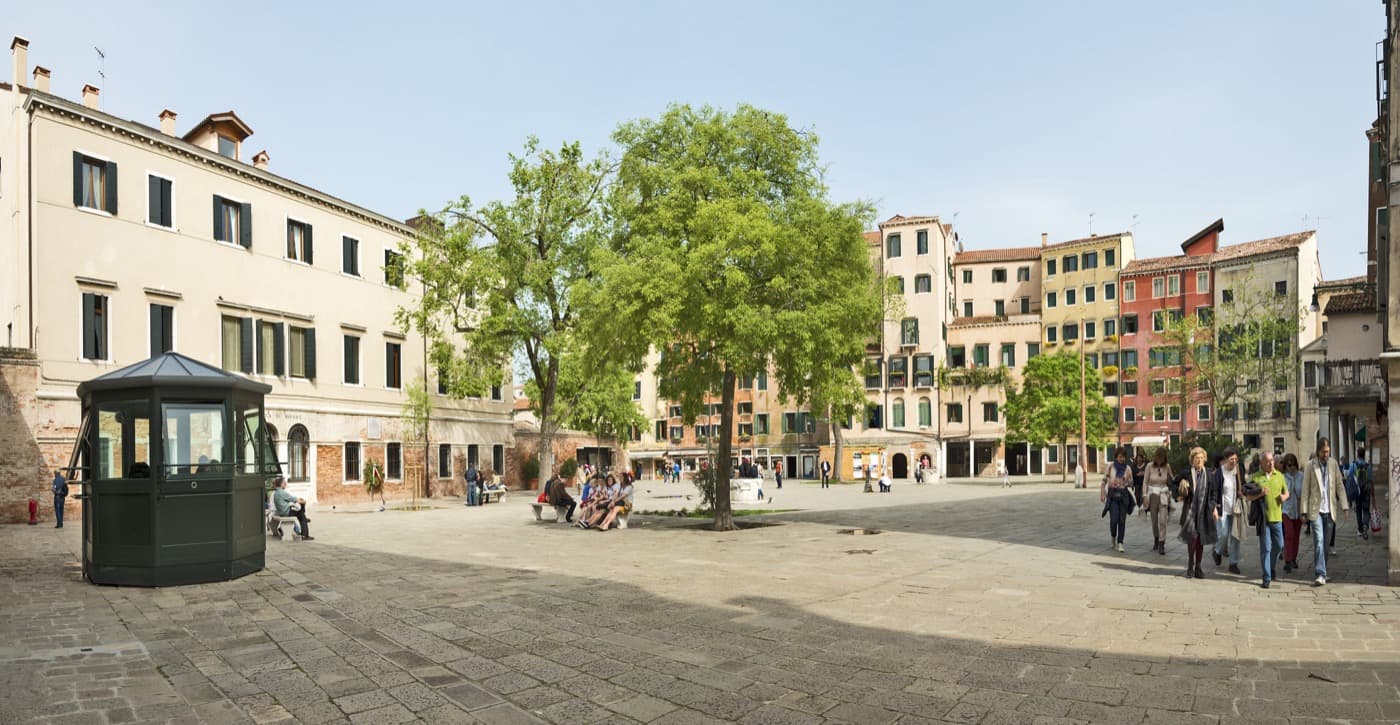
Where the Word Ghetto Was Born: A Walk Through Venice's Cannaregio
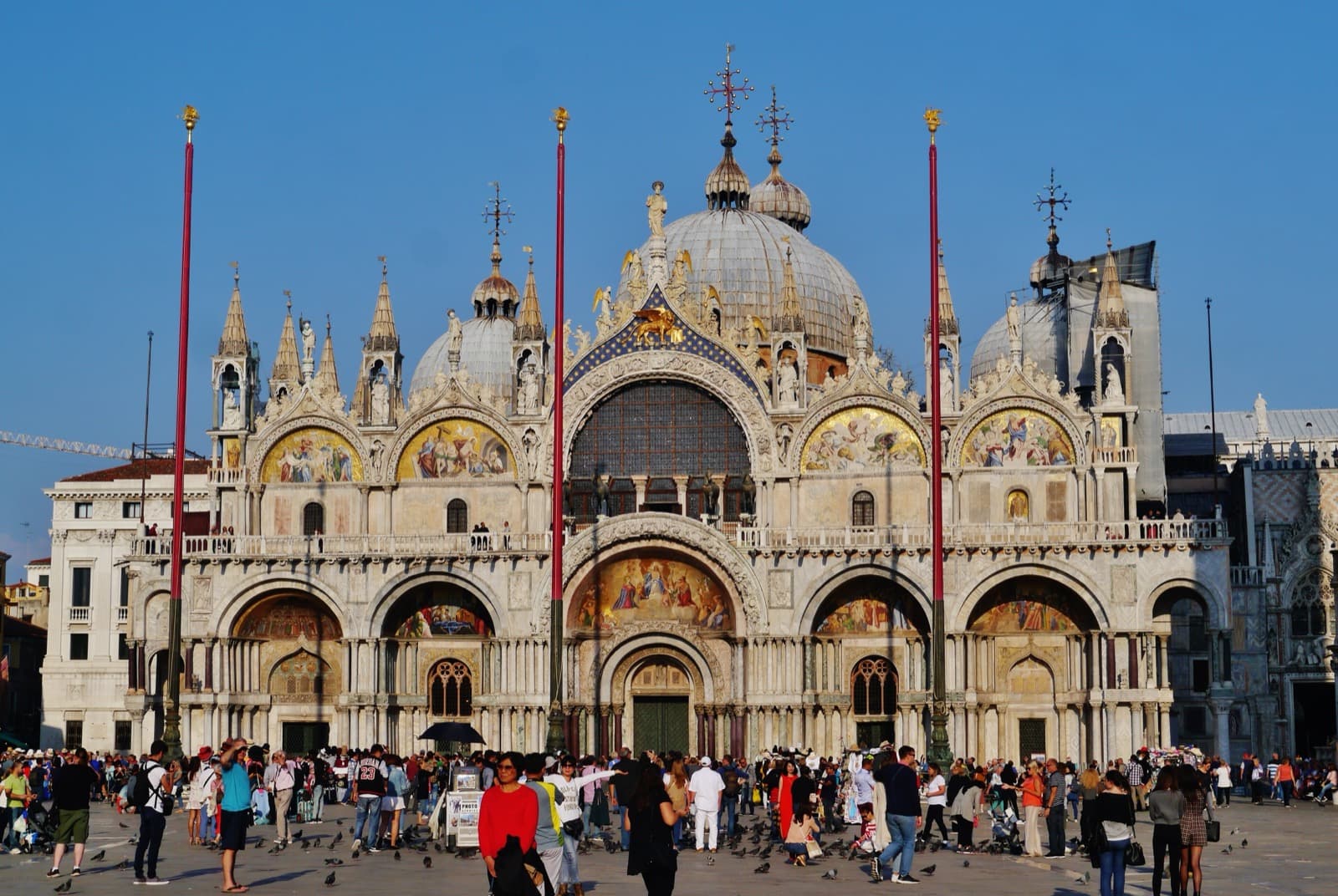
St Mark's Basilica: The Church of Gold and Stolen Horses
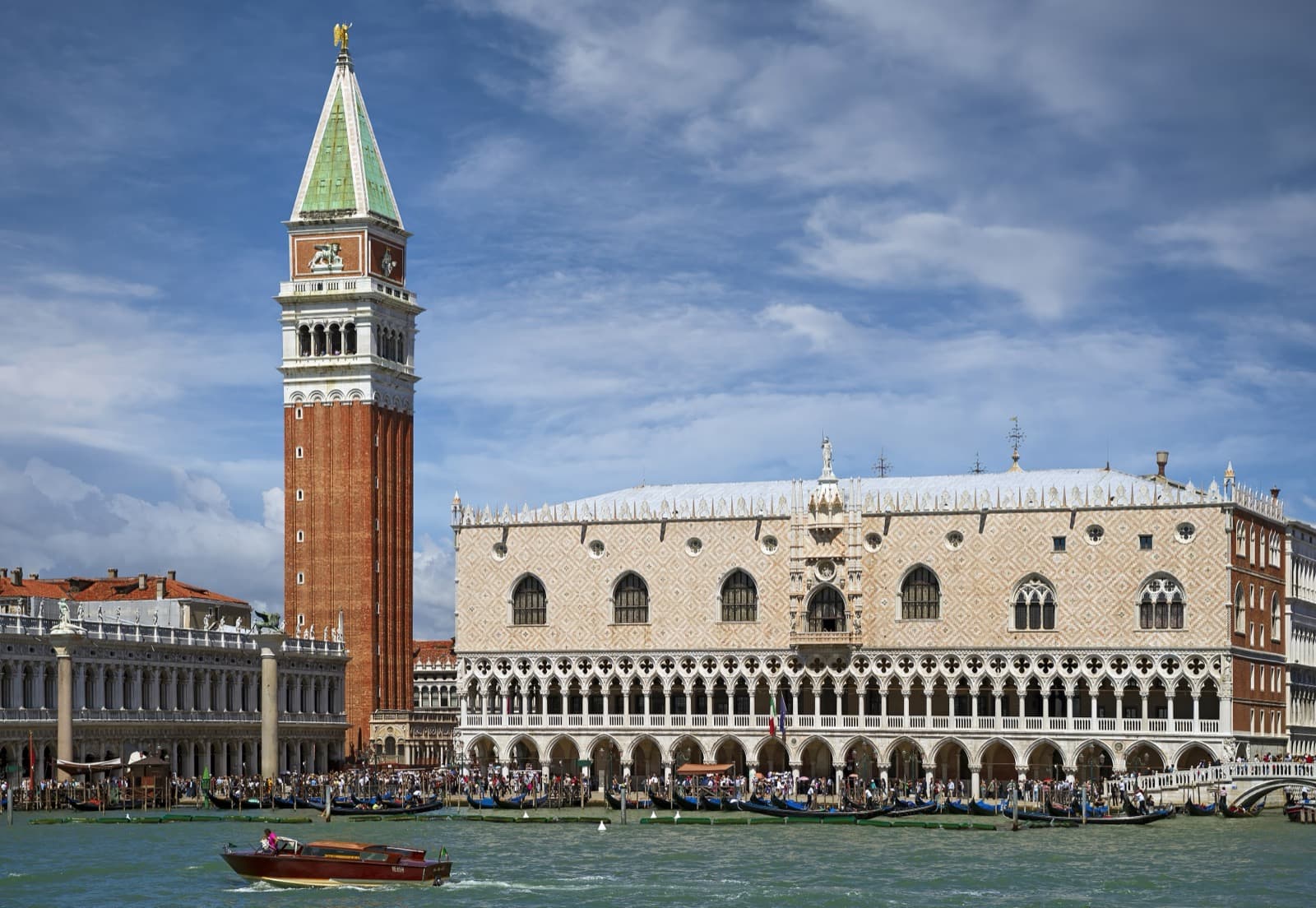
The Doge's Palace: Seat of an Elected Empire