Historic Center: The Gold Trail Port
90 min · 2.7 km · easy
Yes, you can see the best of Paraty in a day. Here is the route.
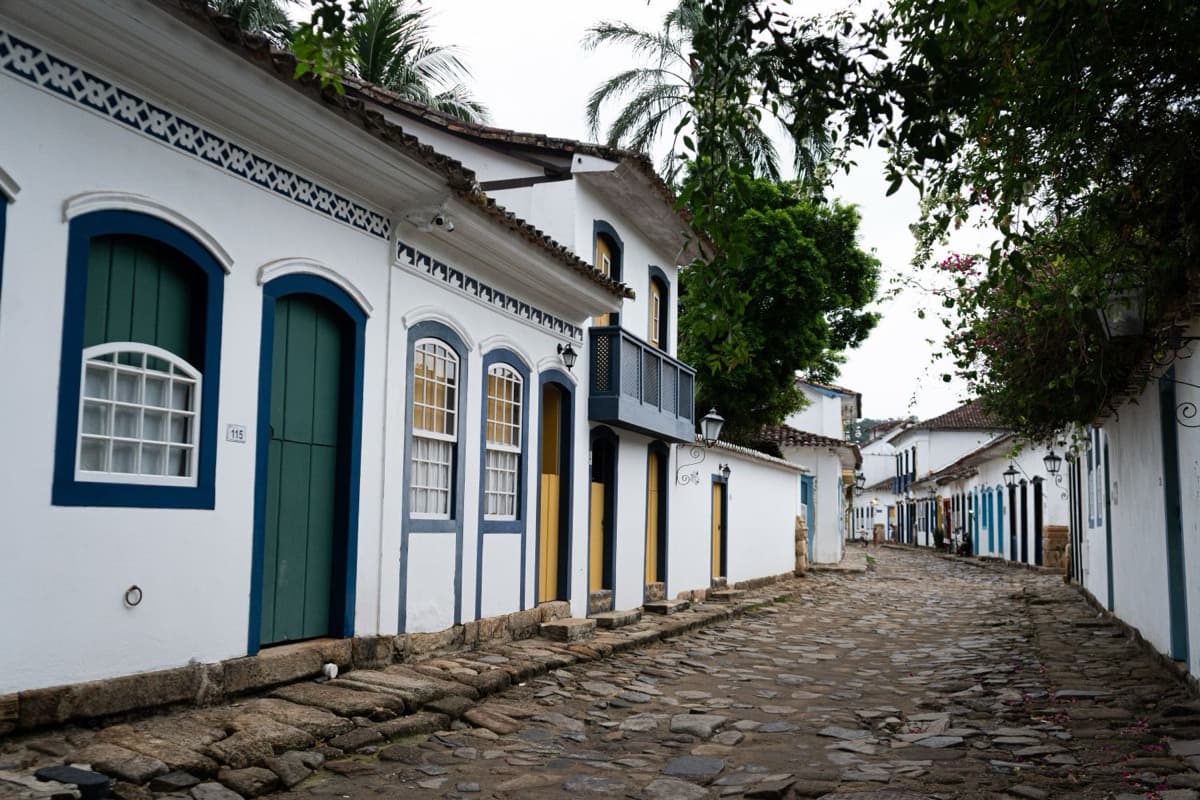
Paraty is small, and that is its gift. The UNESCO-listed colonial center is a compact grid of whitewashed houses on irregular stone, closed to cars, that you can cross on foot in minutes. So a single well-planned day covers the essentials without a rush: the four historic churches and the caste geography written between them, the old gold port, the Casa da Cultura, a schooner trip into the island-studded bay, and a cachaca tasting in the town whose name once meant the spirit itself. This itinerary routes those around one comfortable day and names the self-guided Paraty walking tour that anchors each block so the history walks with you.
One note before you start. Paraty famous streets are paved with pe-de-moleque cobblestones, large and deliberately uneven, and they turn slippery when wet or when the king tide floods them by design. Wear flat, sturdy shoes and watch your footing.
Morning: the Centro Historico and its four churches
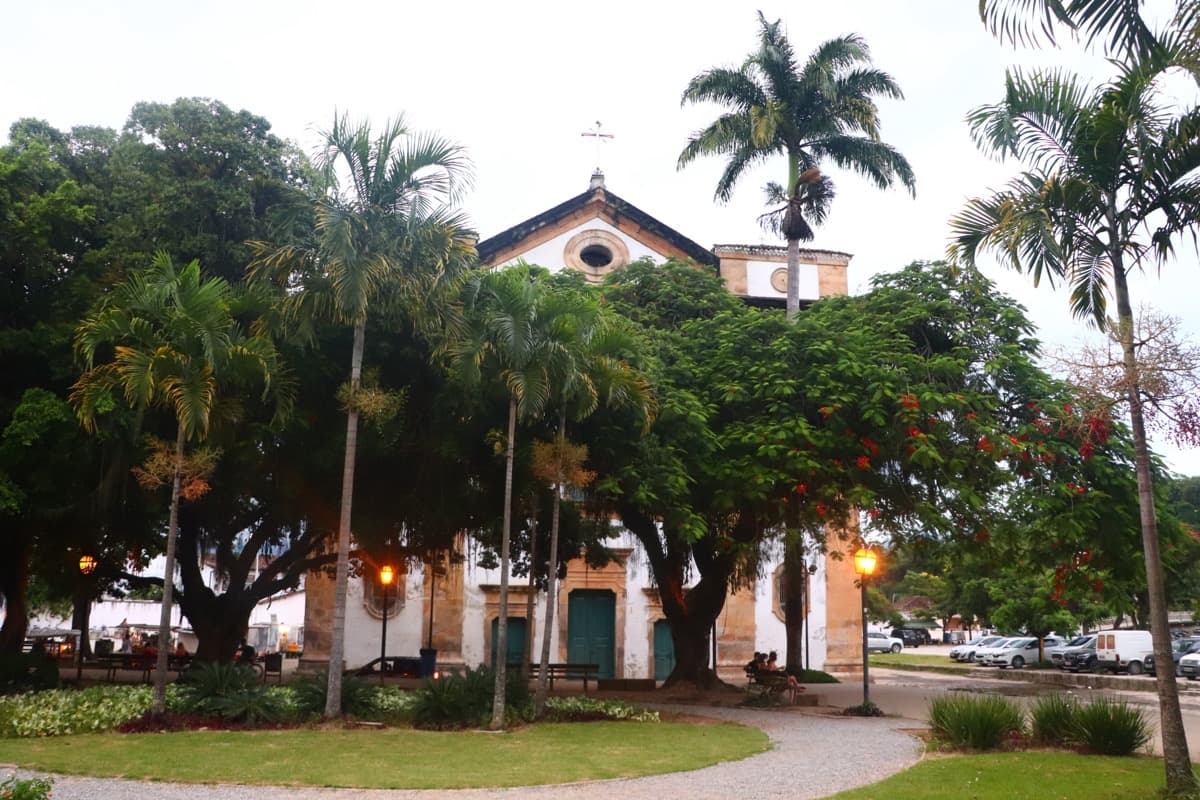
Start early, while the light is low and gold on the whitewash and the cobbles are quiet. Begin at the Igreja Matriz de Nossa Senhora dos Remedios on the main square, the largest church and the parish of the colonial elite, then walk to the other three: Santa Rita, the pretty waterfront church of the freed mixed-race pardos and the town most photographed building; Nossa Senhora do Rosario e Sao Benedito, the church of the enslaved and free Black brotherhood; and Nossa Senhora das Dores, the small private chapel of the white aristocracy. Four churches for four castes, one town.
This is the block to walk with the Four Churches, Four Castes self-guided audio tour, which reads the postcard-perfect grid as what it also was: a segregation map, sorted by the color of your skin and your rank in a slave society, still legible in stone under the whitewash. If you want to go deeper on the standout stop before you walk, the companion piece on Santa Rita, the freed pardos church is a good primer.
While you are in the center, take in the pe-de-moleque streets themselves, which are not just old paving but a piece of tidal engineering, and the Casa da Cultura, the cultural center in a restored colonial house. For the story under the stones, see the companion on the pe-de-moleque tidal streets.
Midday: a schooner into the bay
Hear a stop from this walk
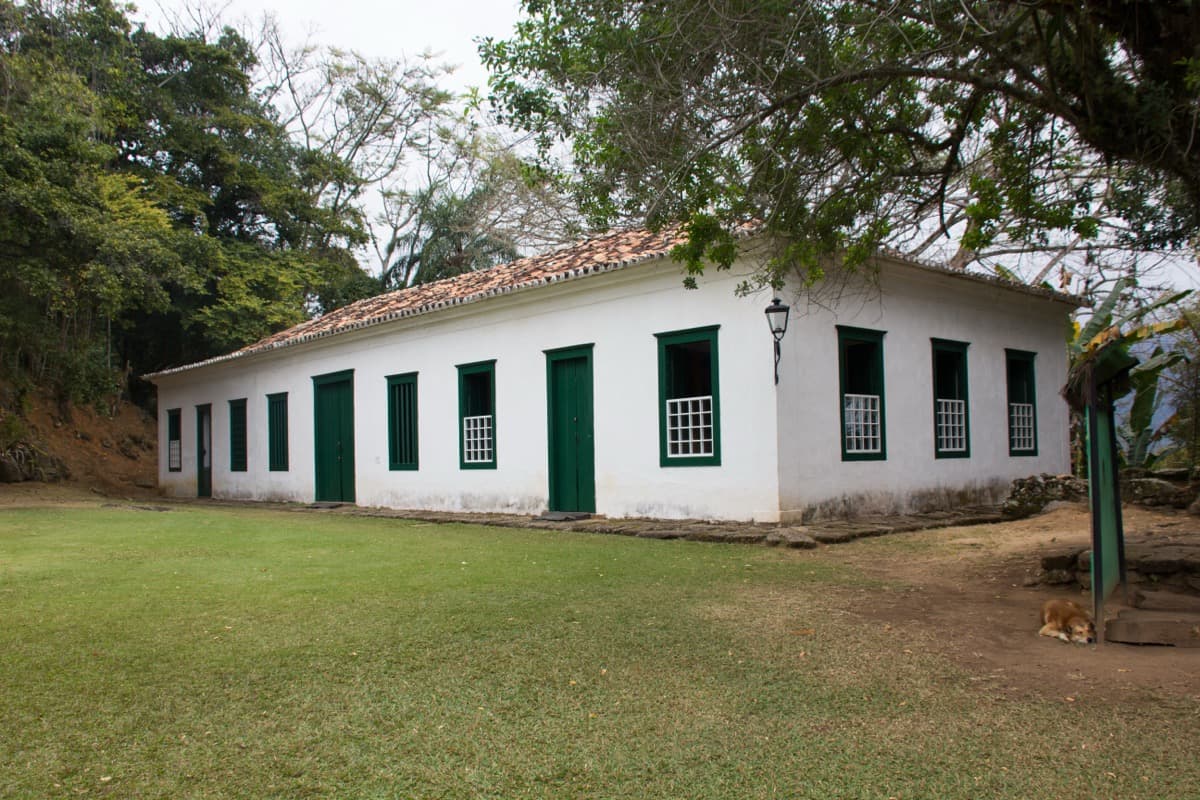
Forte Defensor Perpetuo
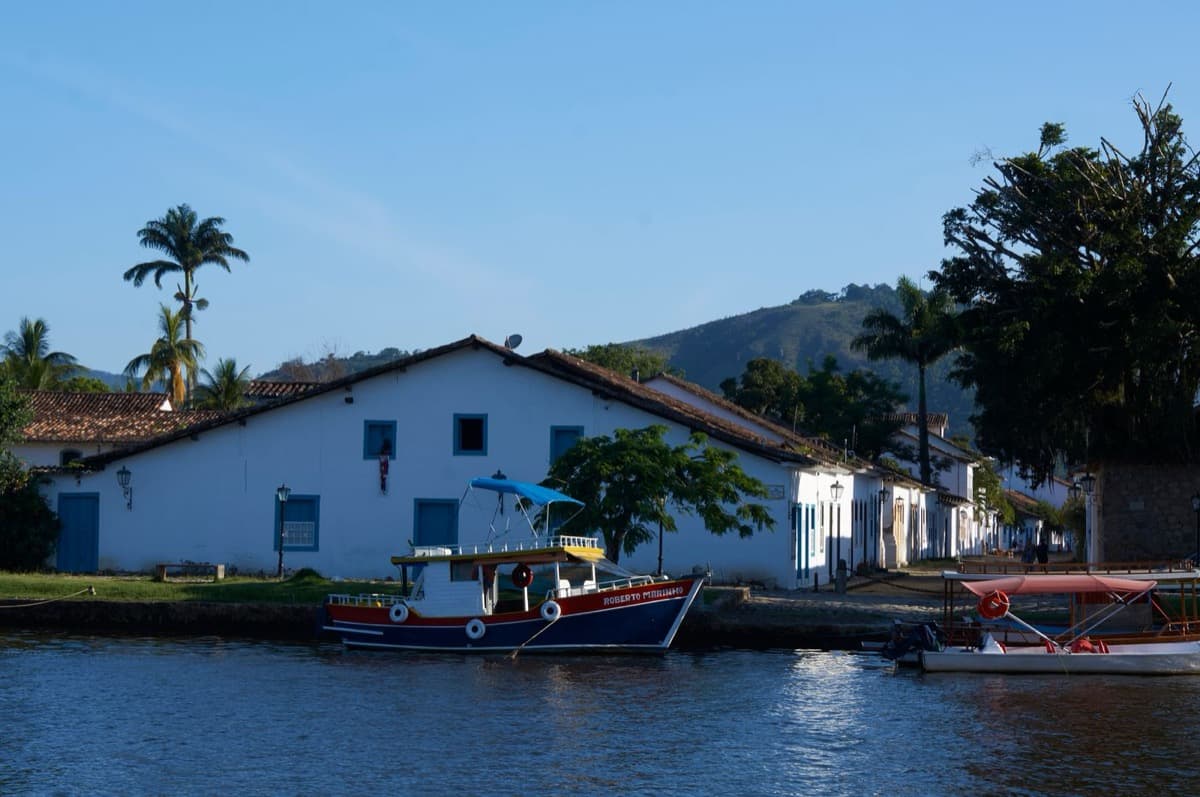
By late morning the sun is high, and Paraty best midday move is out onto the water. From the pier, wooden saveiro schooners run shared trips into the Baia de Paraty, stopping at calm island beaches and green swimming coves; small private boats do the same on your own schedule. If you want the standout natural sight, ask for Saco do Mamanguá, a long, fjord-like tropical inlet ringed by Atlantic Forest. Book the boat the day before at the pier or through your pousada, bring swimwear, and treat this as your two-to-three-hour break in the middle of the day.
The port you leave from is itself a stop worth reading. Walk the quay with The Gold Trail Port self-guided tour, which explains why this small bay was once the Atlantic doorway through which a mountain of Minas Gerais gold sailed for Lisbon, then was forgotten so completely it survived intact.
Afternoon: cachaca, the town spirit
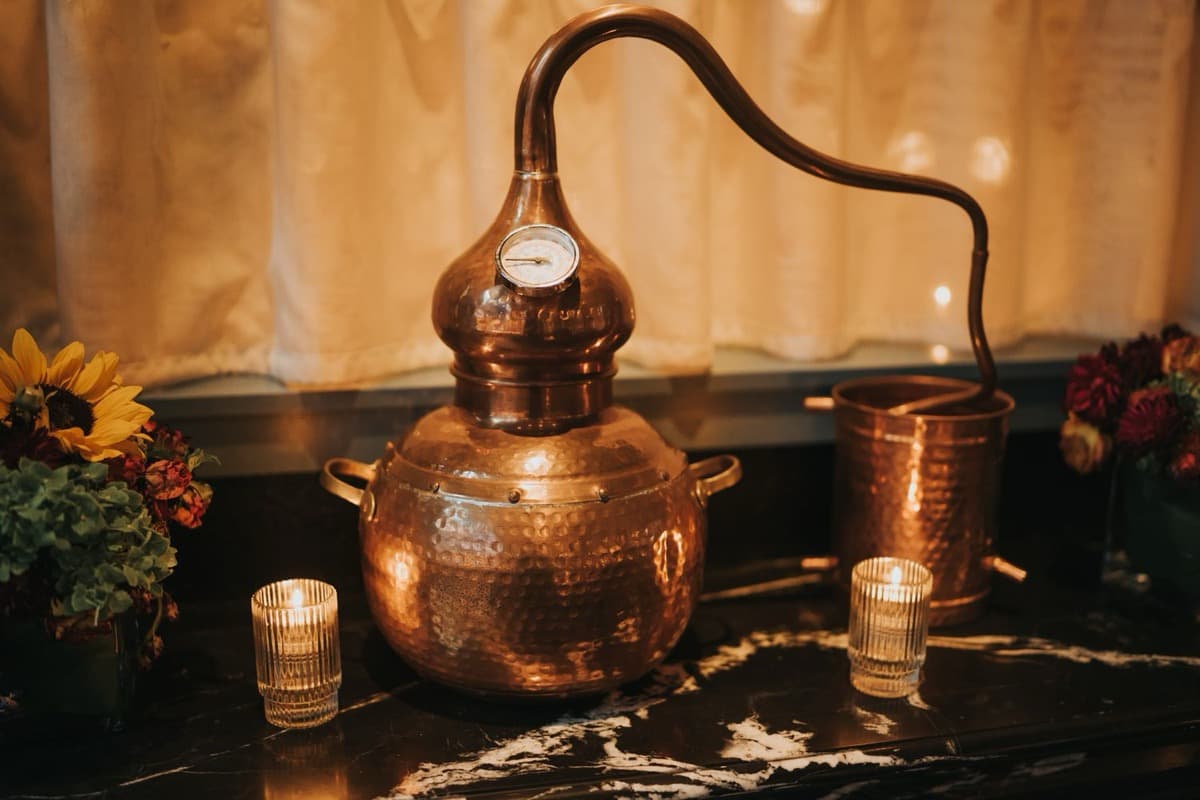
Back on land, give the late afternoon to the reason the town has a word named after it. Paraty was one of colonial Brazil great cachaca producers, with hundreds of sugar mills and, at its peak, around a hundred alambiques (distilleries), and its spirit became so prized that "parati" was slang for cachaca across Brazil into the twentieth century. Several alambiques near town still welcome visitors for a tasting, and shops in the center pour the local labels.
Walk the town side of this story with Cachaca, Sea, and the Tide-Washed Streets, which follows the tide from the schooner pier through the mirror-bright streets and the cachaca heritage that floated out on them. For the full backstory, the companion on the cachaca heritage that named the town is the deeper read. This is also the meal window: Paraty kitchens run on Caicara cooking, so see what to eat in Paraty for the seafood and cachaca worth ordering.
Evening: the tide-washed streets at dusk
End where the day should slow down, in the streets themselves as the light drops and the lanterns come on. Paraty was built, on purpose, to be flushed by the sea: openings in the old waterfront let the full-moon king tide flood the grid and carry the day debris back out as it retreats. If your visit lands on a full moon, the flooded streets turn the town into a mirror. Circle back through the Praca da Matriz at dusk, then out to the Forte Defensor Perpetuo, the small hilltop fort above the bay, for the view that reads the whole plan at once.
The one-day route at a glance
| Block | Where | Anchor tour |
|---|---|---|
| Morning | The four churches, pe-de-moleque streets, Casa da Cultura | Four Churches, Four Castes |
| Midday | Schooner into the bay, Saco do Mamanguá, the old port | The Gold Trail Port |
| Afternoon | Cachaca tasting, an alambique, a Caicara meal | Cachaca, Sea, and the Tide-Washed Streets |
| Evening | Praca da Matriz at dusk, Forte Defensor Perpetuo | (Cachaca and Tide tour continues) |
Plan the rest of your trip
One day covers the town. For how many days Paraty really deserves, how to get there, and when to go, read the Paraty travel guide. For every route in town, see the best self-guided walking tours in Paraty, or browse all Paraty tours. Every tour is free to start: the introduction and first stop play in full, and every later stop plays a short preview before an optional purchase.
Frequently asked questions
- Can you see Paraty in one day?
- Yes. Paraty is a small town, and its UNESCO-listed colonial center is a compact, car-free grid you can walk end to end in minutes, so one focused day covers the essentials well: the four historic churches and the social-order geography between them, the old port, the Casa da Cultura, a boat trip into the bay, and a cachaca tasting. What a single day cannot add is a full day hiking the historic Gold Trail or a slow multi-beach schooner cruise, which are better saved for a second day.
- What is the best way to structure a day in Paraty?
- Walk the Centro Historico in the cool early morning when the light is best on the whitewashed houses and the cobbles are quiet, take a midday schooner or boat trip into the bay when the sun is high and good for swimming, then return to town for a late-afternoon cachaca tasting and the streets at dusk. The historic center is entirely walkable and closed to cars, so the only transport you need is a boat.
- How much walking is a one-day Paraty itinerary?
- On land, not much: the historic center is only a few blocks square, so you might cover 3 to 5 km of easy, flat walking across the whole day. The catch is the surface. Paraty streets are paved with irregular pe-de-moleque cobblestones that are uneven by design and slippery when wet, so wear sturdy flat shoes and watch your footing rather than your phone.
- Do I need to book anything in advance for one day in Paraty?
- The town itself needs no booking: the churches, squares, port and streets are free to walk. The one thing worth arranging ahead is the midday boat trip, either a shared wooden schooner or a small private boat, which you can book the day before at the pier or through your pousada. The self-guided audio tours that anchor each block are free to start and download in advance, so the history walks with you even where there is no signal.
Brazil eSIM· 10% off with ROAMER10
Ready to experience it?
Historic Center: The Gold Trail Port
90 min · 2.7 km · easy
More from Paraty
Explore more at your own pace.
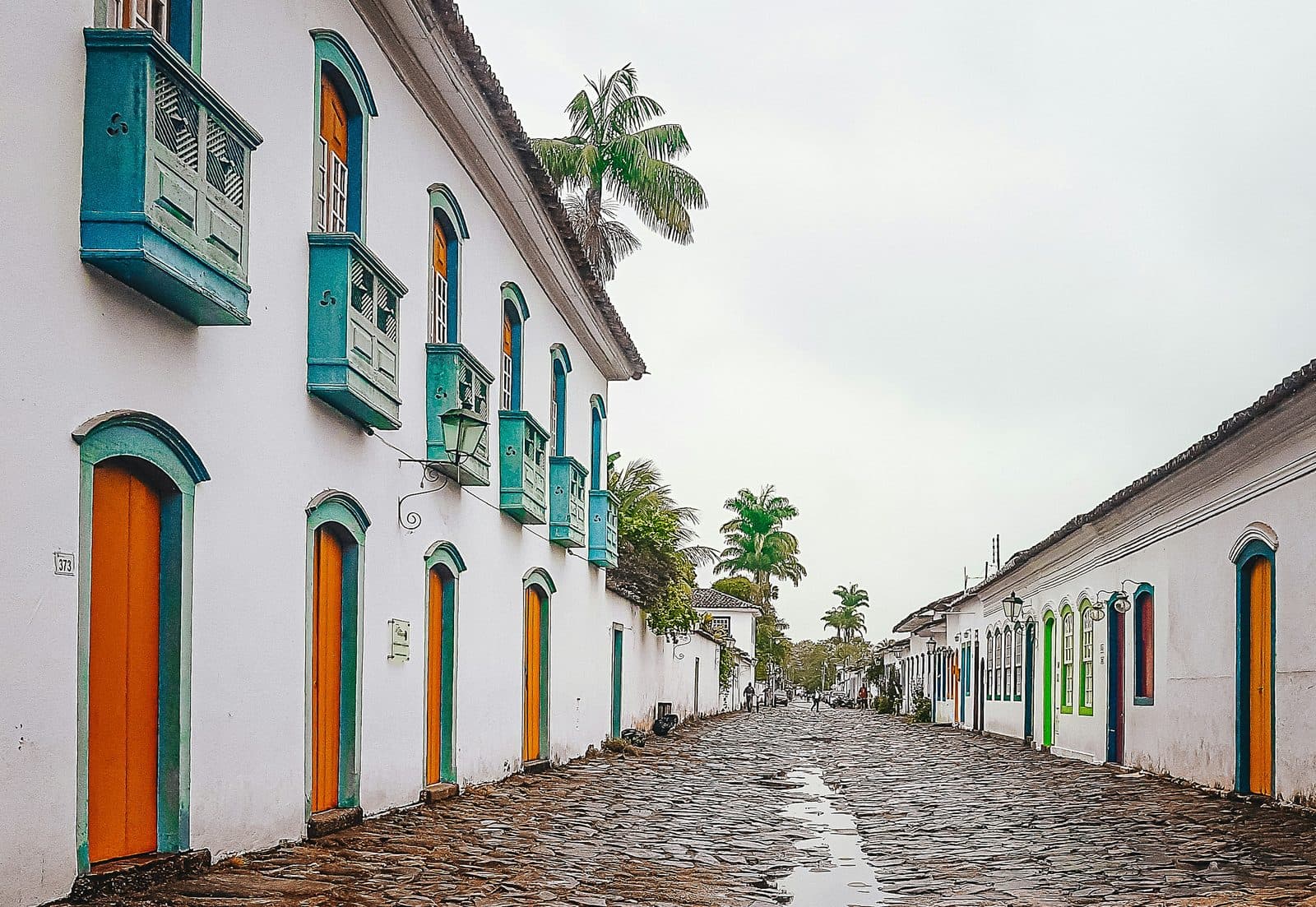
Paraty Travel Guide: How Many Days, Getting There, When to Go (2026)
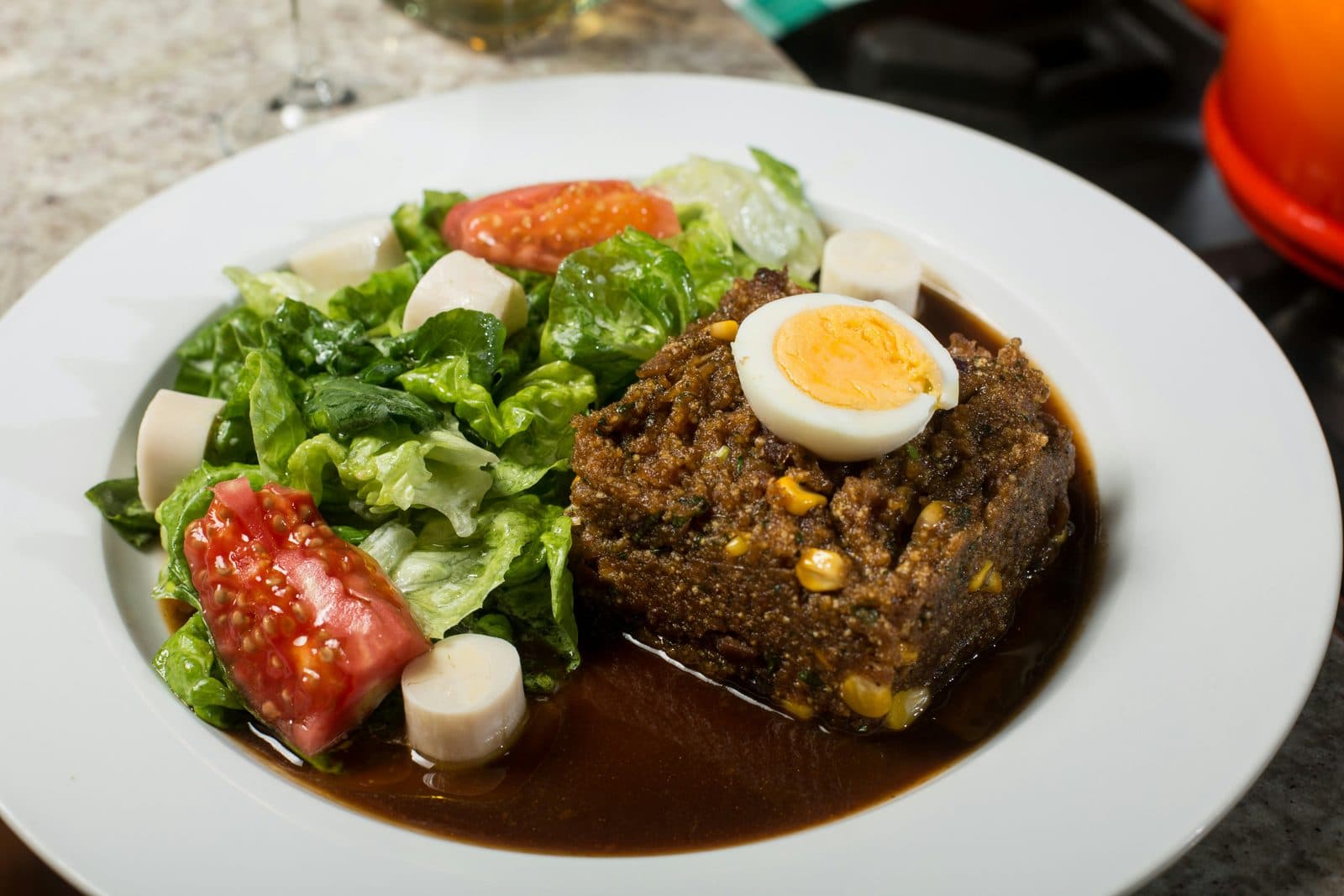
What to Eat in Paraty: A Caicara and Cachaca Food Guide (2026)
Forte Defensor Perpetuo: The Fort Built to Guard Paraty's Gold
How Cachaça Made Paraty Rich, Then Became the Town's Own Name
Igreja Matriz de Nossa Senhora dos Remedios: The Church at the Center of Paraty's Caste Map