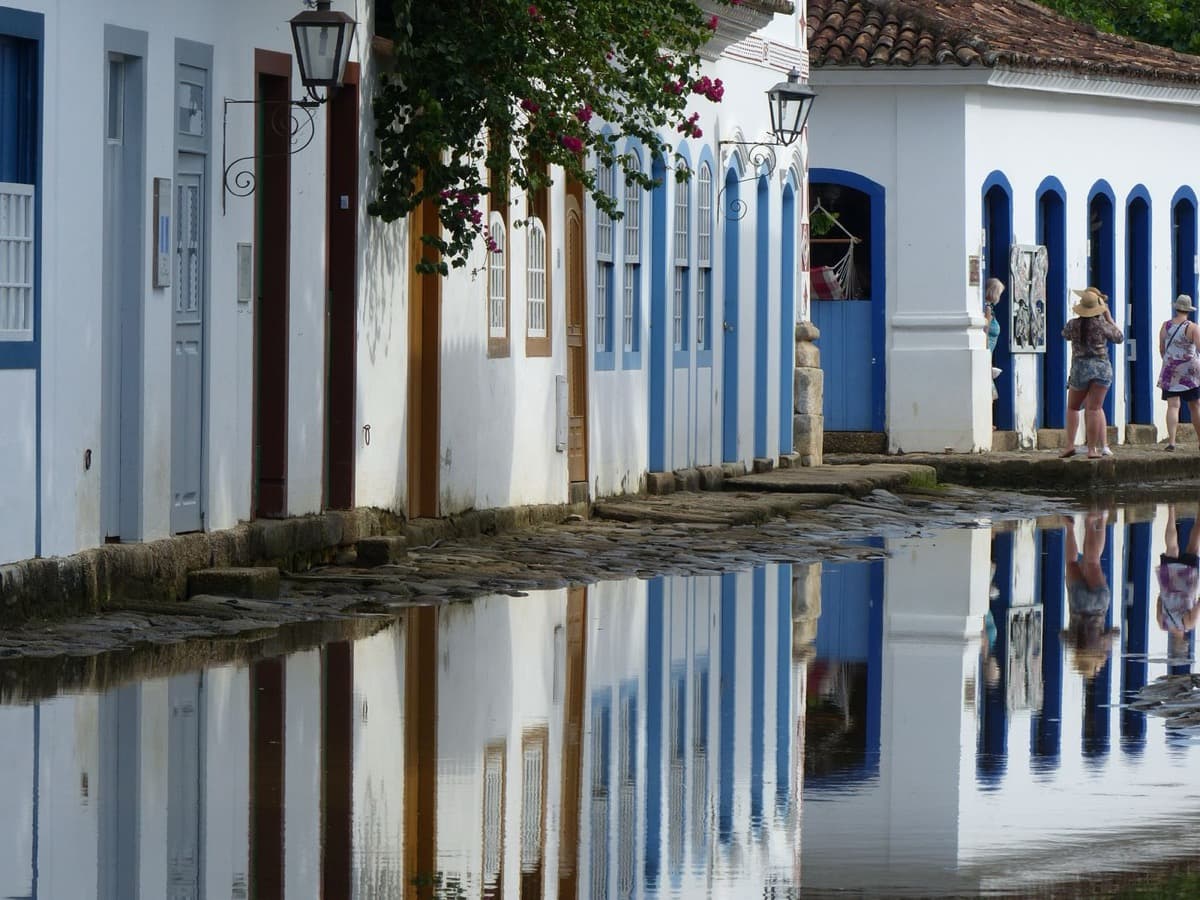
Cachaca, Sea, and the Tide-Washed Streets
Paraty is a colonial town built, on purpose, to be flooded. Follow the tide from the schooner pier through the mirror-bright streets and the cachaca heritage that floated out on them, up to the fort that watches the whole bay.
4.49|75 minutes|1.7 km|6 Stops
Start
The Waterfront and the Schooners: Where the Sea Enters
1
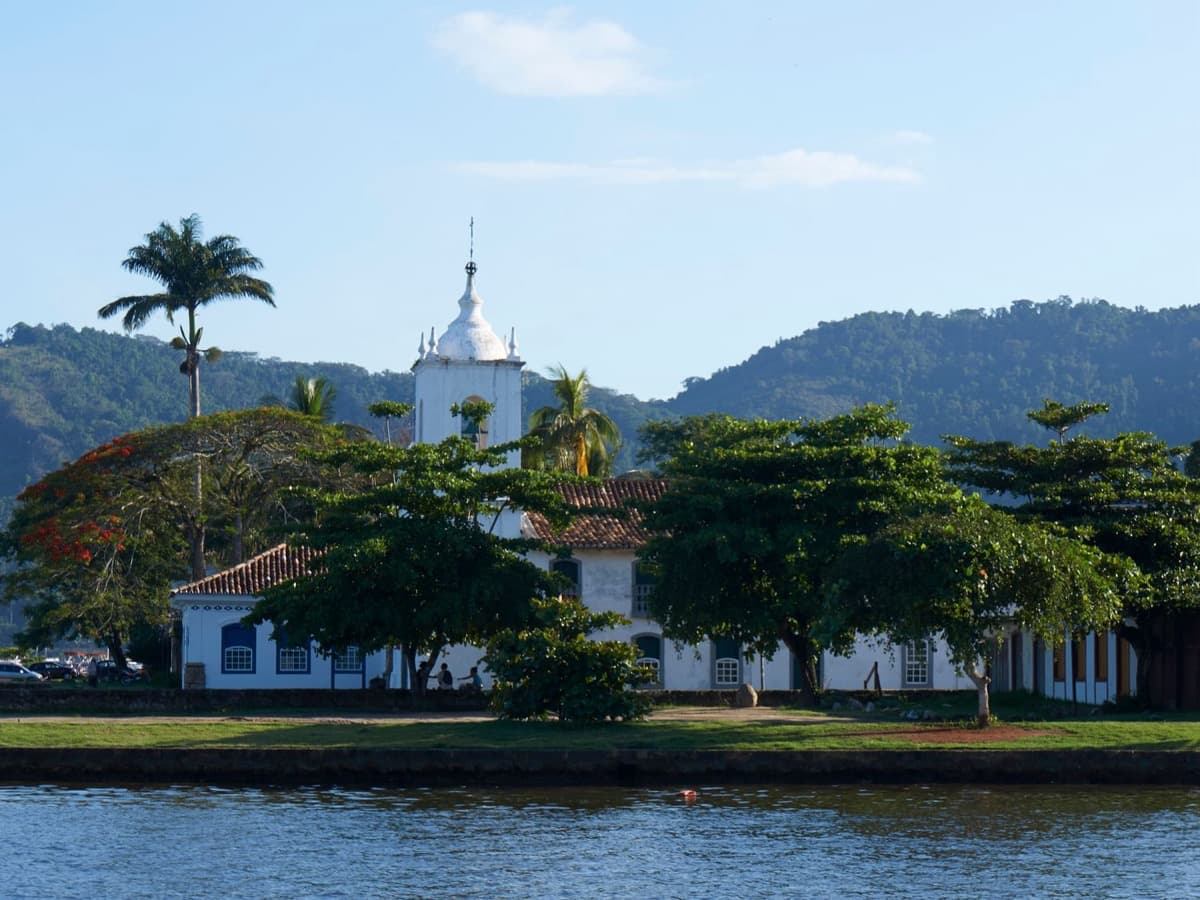
The Waterfront and the Schooners: Where the Sea Enters
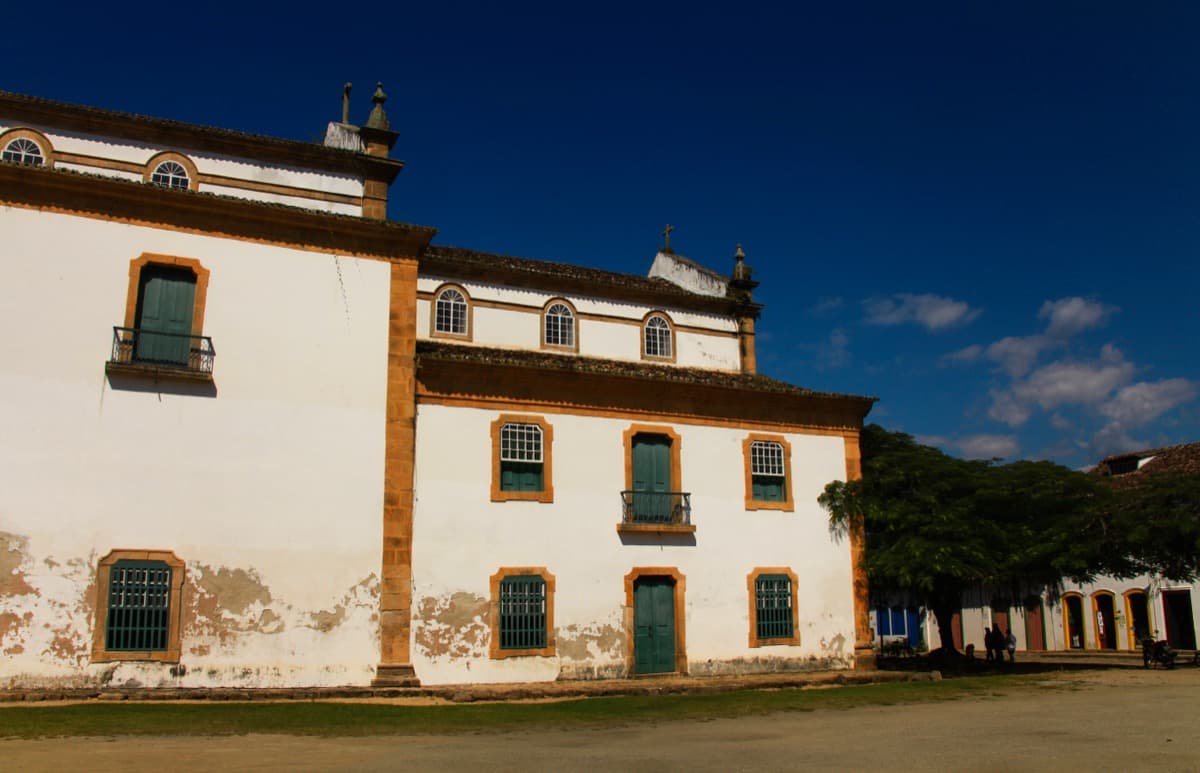
The whitewashed chapel of Santa Rita and the old pier where the town's wealth once sailed out and where the tide still comes in.
2
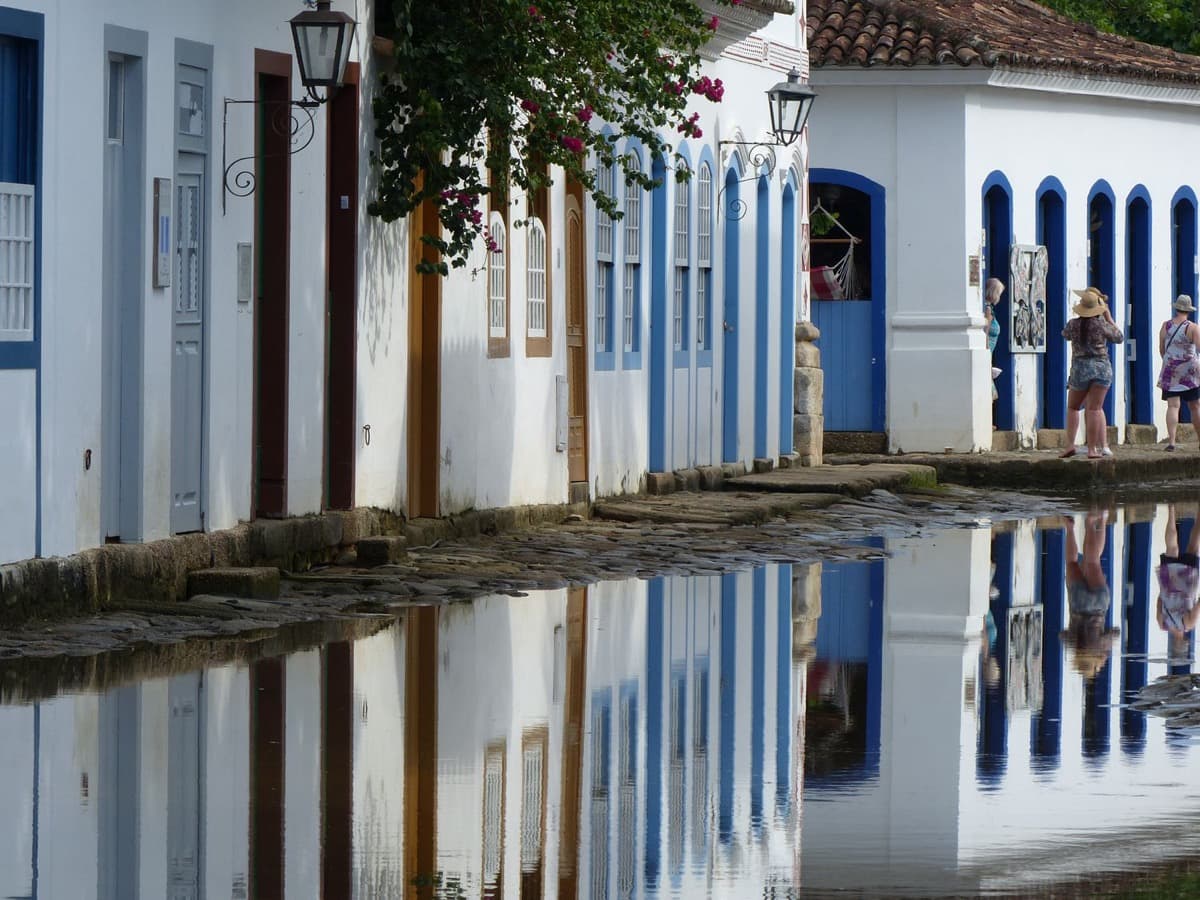
The Tide-Washed Streets: A Town Built to Be Flooded
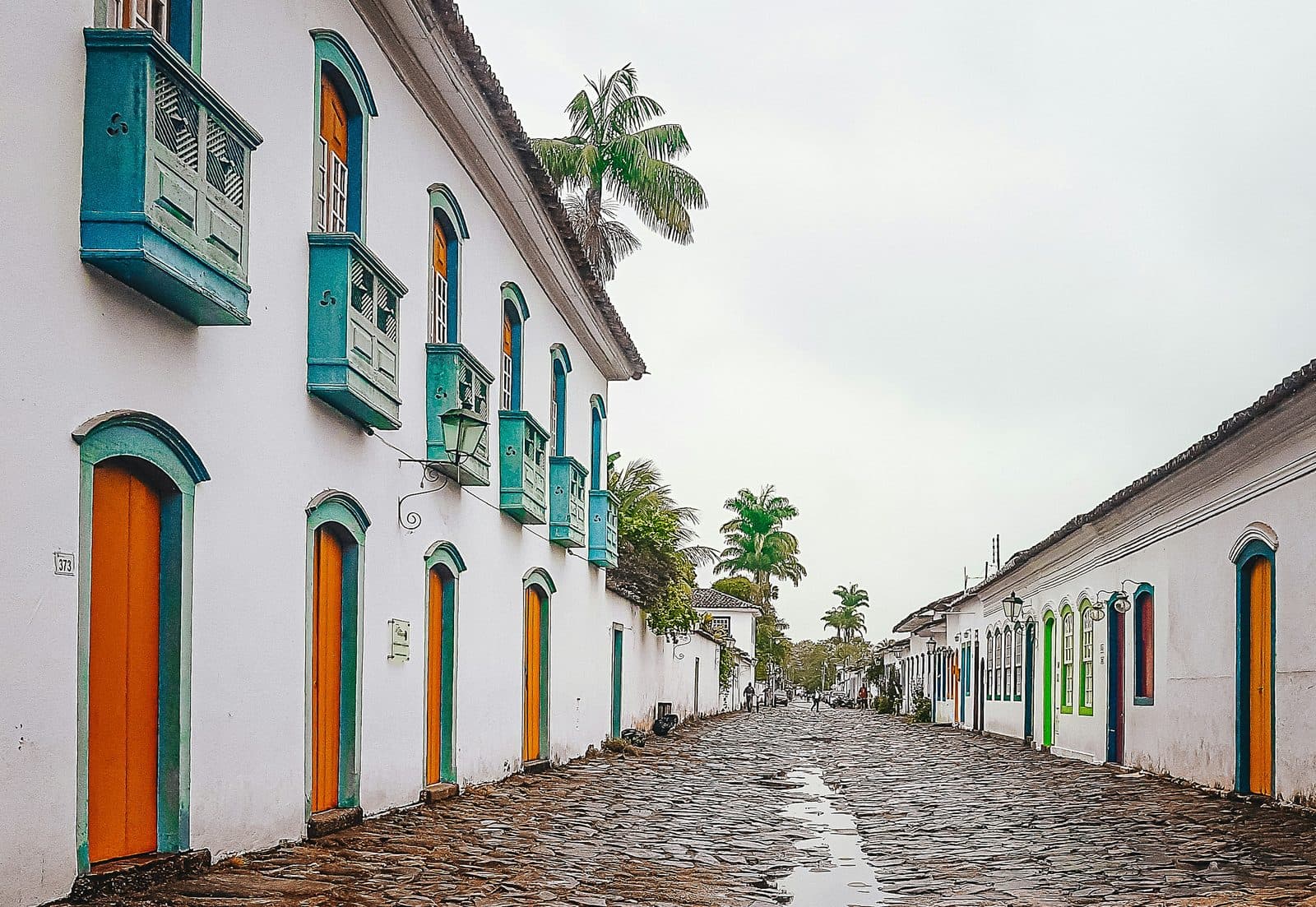
The signature phenomenon: a colonial grid laid low enough that the sea rises through the seawalls to wash the streets clean.
3
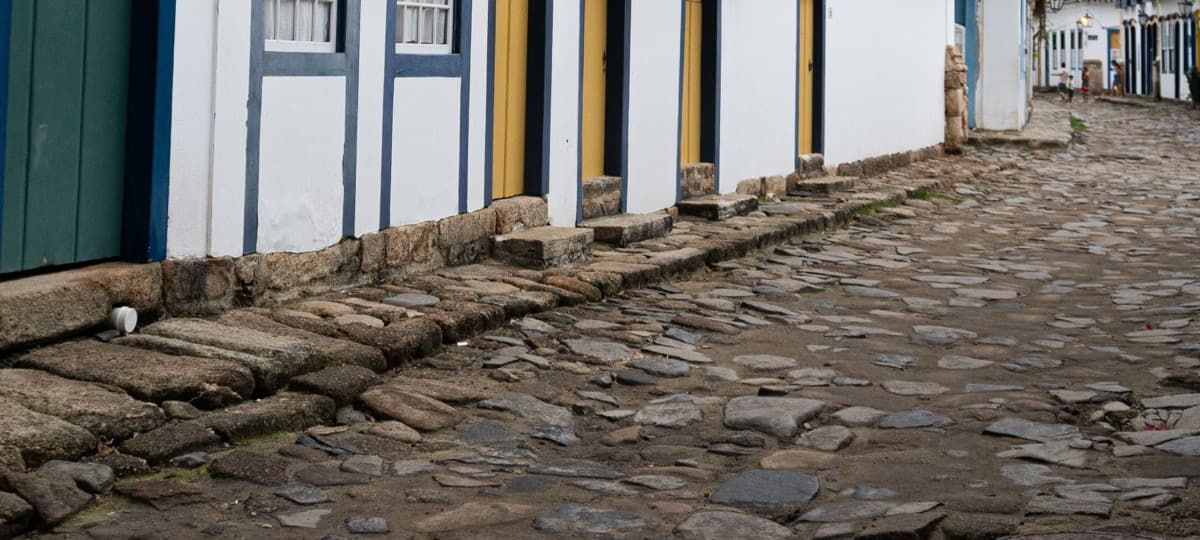
The Pe de Moleque Cobblestones: Stone That Steers the Water
The undulating eighteenth-century paving, flattened into place by street children, that channels the tide back out to sea.

4
The Cachaca Heritage of Paraty: The Spirit That Named the Town
The sugarcane spirit that made Paraty rich and floated out on the tide, until the town's own name became a word for cachaca.
5
Praca da Matriz at Dusk: The Gathering Heart
The oldest and largest open space in the historic center, facing the town's largest church, at its best as the evening light drops.
6
Forte Defensor Perpetuo: Above the Whole Bay
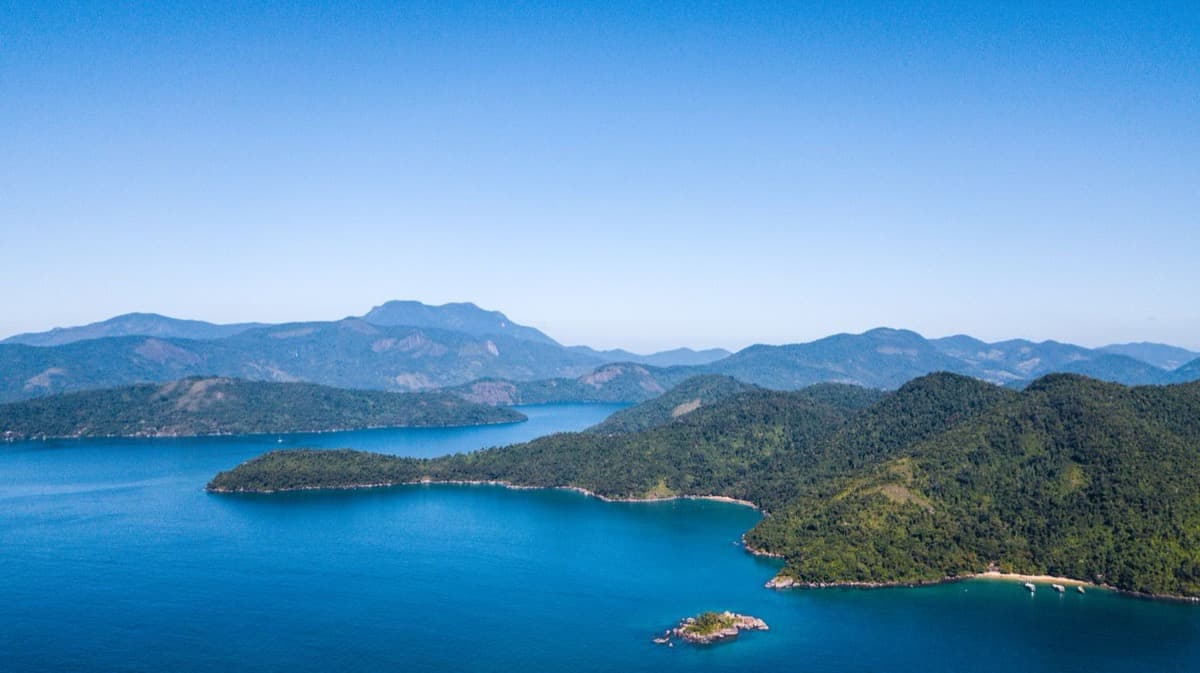
The hilltop fort that guarded the bay's gold and cachaca, now a free museum with a panorama over the town and the tidal sea.
Best Time to Visit
Plan around the full moon and high tide if you want to see the streets flood, since the water rises only on the highest tides for an hour or two around high water. Otherwise, aim for the late afternoon into dusk: the low sun warms the white facades, the heat eases, and you reach the fort near sunset with the whole bay glowing.
Pro Tips
- •Check a tide table and the moon calendar before you go: the street flooding happens on the highest tides around the full moon, usually for just an hour or two around high water.
- •Wear closed shoes with good grip. The pe de moleque cobbles are uneven and become slick when wet.
- •Start in the late afternoon so you reach the fort on the hill close to sunset, when the bay light is best.
- •The historic center is closed to most cars, so this entire walk is comfortably done on foot at your own pace.
- •Bring a little cash. The small sacred-art museum inside Santa Rita and some minor stops may not take cards, though the fort museum is free.
- •Slow down and watch the reflections. On a flooded morning the wet stones mirror the whole town, and that is the point of the walk.
Safety & Precautions
- Heat, sun, and humidity run high on this coast. Carry water, wear sunscreen and a hat, and take shade breaks, especially around midday.
- This is a rainy stretch of coastline, and sudden downpours make the cobbles slippery. Slow down and take extra care on the uneven paving when it is wet.
- The pe de moleque stones and the climb to the fort demand sure footing and comfortable shoes, and can be awkward with strollers or wheelchairs.
- Treat the churches and any sacred spaces with respect: dress modestly, stay quiet during services, and ask before photographing people. Stay street-smart after dark, keeping valuables close and sticking to well-lit lanes at night.
Gallery
Related Reading
Go deeper on what you'll see, hear, and walk through.
Overview
Best Self-Guided Walking Tours in Paraty (2026)
3 min
Overview
One Day in Paraty: A Walkable Colonial-Port Itinerary (2026)
5 min
Overview
Paraty Travel Guide: How Many Days, Getting There, When to Go (2026)
5 min
Thematic
Best Culture Walking Tours in Paraty (2026)
2 min
Thematic
What to Eat in Paraty: A Caicara and Cachaca Food Guide (2026)
4 min
Deep dive
How Cachaça Made Paraty Rich, Then Became the Town's Own Name
6 min