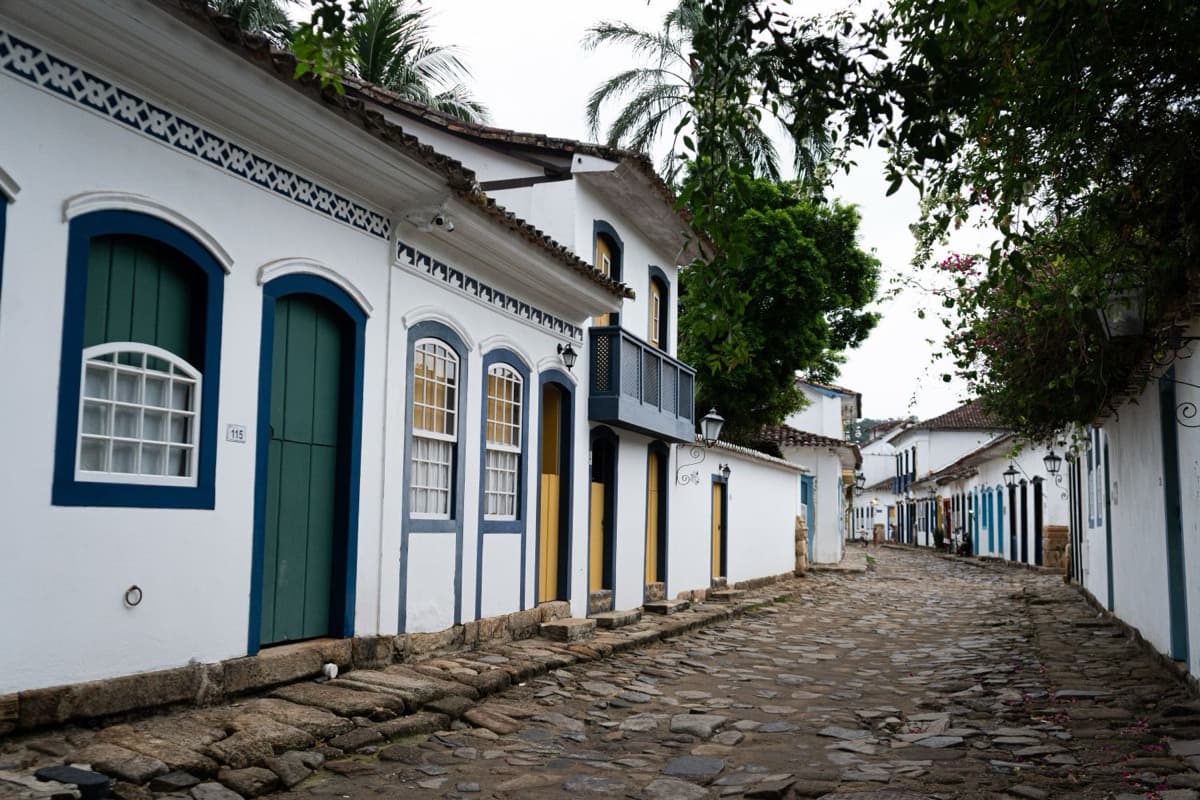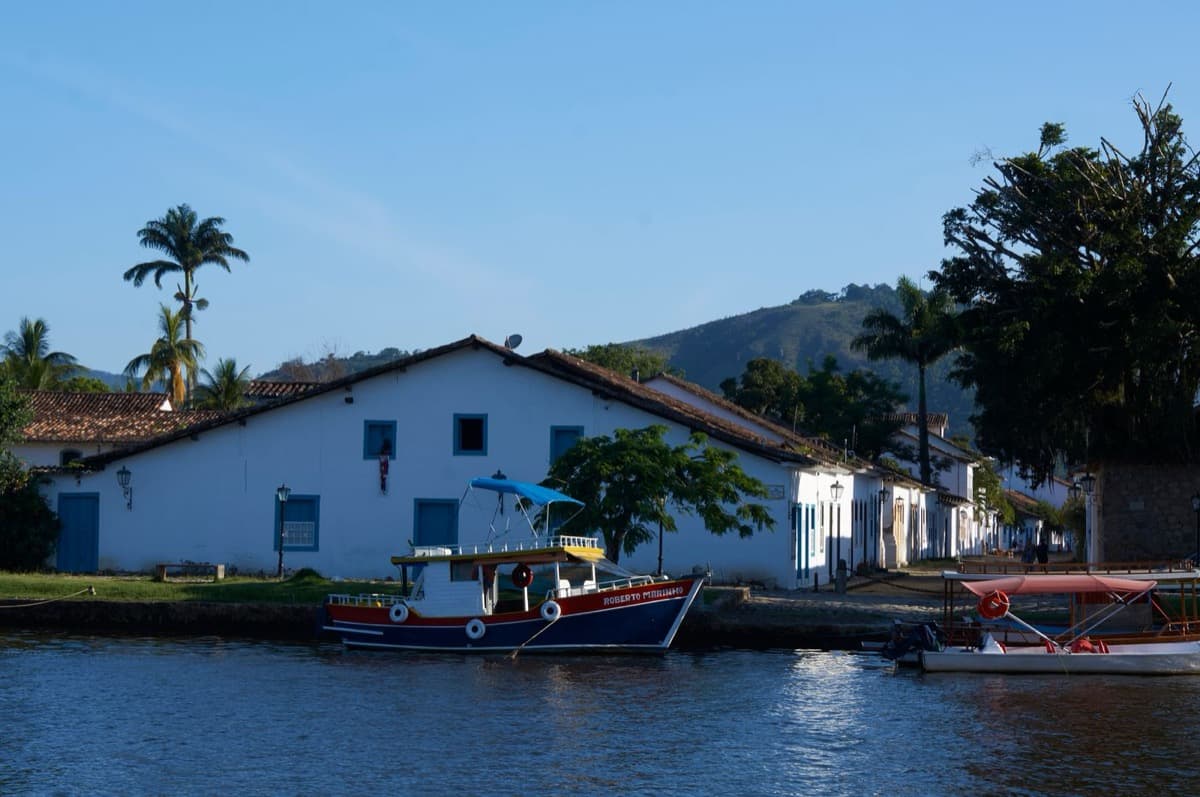
Historic Center: The Gold Trail Port
90 min · 2.7 km · easy
Paraty rewards a little planning. It has no commercial airport, so you arrive by road a few hours from both Rio and Sao Paulo. Its colonial center is car-free and a joy on foot, but it is built on ankle-turning cobbles that flood by design at the full moon. And its calendar swings between a bright dry season, a rainy summer, and two festivals that fill every pousada in town. This guide answers the practical questions travelers actually search, answer first, then the detail.
How many days do you need in Paraty?
Short answer: two to three days for most people.
- 1 day covers the walkable colonial center, the four churches and a short boat trip if you keep moving. Follow our focused one day in Paraty route.
- 2 days adds a proper schooner cruise or a full afternoon on the water, plus an unhurried evening in town.
- 3 days makes room for the historic Gold Trail (Caminho do Ouro) hike, a forest waterfall, or a cachaca distillery visit inland.
Paraty is an atmospheric, slow town rather than a checklist of big sights, so the common regret is giving it too little time. Build in an extra night and you will enjoy it more.
Getting to Paraty
Hear a stop from this walk
Forte Defensor Perpetuo
Paraty has an airstrip but no commercial flights, so you arrive by road along the coastal Costa Verde (Green Coast) highway that links Rio and Sao Paulo.
- From Rio de Janeiro: roughly 4.5 to 5 hours by bus, with frequent daily departures. Costa Verde is the main operator on the route.
- From Sao Paulo: roughly 5.5 to 6.5 hours by bus.
- Transfers and shuttles: private transfers and shared shuttles run both routes and are faster and more comfortable than the public bus, at a higher price. Many pousadas can arrange one.
Getting around Paraty
In town you simply walk. The historic center is closed to cars and small enough to cross on foot in minutes, so there is no transit to learn and no taxis to hail inside the grid, which is exactly how our self-guided Paraty tours are built.
The one thing to plan for is the ground itself. Paraty streets are paved with pe-de-moleque cobblestones: large, rounded, deliberately uneven stones that double as tidal drainage. They are hard on the ankles and slippery when wet, so wear flat, sturdy shoes and keep your eyes down. For the story under the stones, see the companion on the pe-de-moleque tidal streets.
The only other transport you will use is a boat. A schooner or small-boat trip into the island-dotted Baia de Paraty, and if you can, the fjord-like Saco do Mamangua, is the classic outing; book at the pier or through your pousada a day ahead.
Best time to visit Paraty
The showcase windows and their trade-offs:
- Dry season (late April to mid-October). The best all-round window: clear skies, calm seas for boat trips, and thinner crowds. Cooler and drier, ideal for both the water and the Gold Trail hike.
- Summer (December to March). Hot, lush and lively, but the wettest time of year, with heavy tropical rain that can wash out boat days.
Two festivals are worth timing for, or around:
- FLIP, the Festa Literaria Internacional de Paraty, usually in early July, one of Latin America most important literary festivals, filling the churches and squares.
- Festa da Cachaca (the Festival da Pinga), usually in August, with tastings from the region distilleries, samba and forro, and street food.
Both festivals book out pousadas well in advance, so reserve early if you are coming for them, and expect higher prices and full streets.
Is Paraty safe?
Yes. Paraty is a small, well-touristed colonial town and is considered safe for visitors, including solo and female travelers. Violent crime is rare and the compact, car-free center is easy to walk day or night. The real hazards here are practical, not criminal:
- The cobbles. Uneven and slippery, the most common way to get hurt in Paraty is a turned ankle. Flat shoes, eyes down.
- The king tide. On full-moon days the streets flood by design; lovely to see, but watch your footing and your bags.
- The sun and sea. Strong on the water. Bring sun protection and check conditions before a boat trip.
Ordinary precautions still apply: mind your belongings in crowds during the big festivals.
Paraty on a budget
Paraty is friendlier to a tight budget than its boutique-pousada reputation suggests. Much of what makes it special costs nothing:
- Free to walk: the car-free colonial center, the four historic churches, the old port and the waterfront.
- Cheaper transport: the public Costa Verde bus from Rio or Sao Paulo costs a fraction of a private transfer.
- Share the boat: a spot on a wooden schooner into the bay costs far less than a private charter.
- Eat and drink local: simple Caicara seafood spots off the main square, and cachaca cheapest at the source. See what to eat in Paraty.
- Skip the guide fee: Roamer self-guided audio tours are free to start, so you get expert narration without booking a private guide, a start time, or a tip.
Start planning your walk
Ready to route your days? Read our one day in Paraty itinerary, browse the best self-guided walking tours in Paraty, or see all Paraty tours. Every tour is free to start: the introduction and first stop play in full, and every later stop plays a short preview before an optional purchase. Tours can also be downloaded in advance for offline listening.
Frequently asked questions
- How many days do you need in Paraty?
- Two to three days is the sweet spot for most travelers. One full day covers the walkable colonial center, its four churches and a boat trip into the bay if you keep moving. Two days lets you add a proper schooner cruise or a day on the water without rushing, and three days makes room for the historic Gold Trail hike, a waterfall, or a distillery visit inland. Because Paraty is a slow, atmospheric town rather than a checklist of sights, most people wish they had given it an extra night.
- How do you get to Paraty from Rio de Janeiro or Sao Paulo?
- By road. Paraty has an airstrip but no commercial flights, so almost everyone arrives by bus, car or shuttle along the coastal Costa Verde highway. From Rio de Janeiro it is roughly a 4.5 to 5 hour bus ride, with frequent daily departures (Costa Verde is the main operator). From Sao Paulo it is roughly 5.5 to 6.5 hours. Private transfers and shared shuttles run both routes and are faster and more comfortable than the public bus if the budget allows.
- Is Paraty walkable, and how do you get around?
- Very. The historic center is closed to cars and small enough to cross on foot in minutes, so you walk everywhere in town. The one thing to know is the surface: the streets are paved with large, uneven pe-de-moleque cobblestones that are hard on the ankles and slippery when wet, so wear flat, sturdy shoes. The only other transport you will use is a boat, since a schooner or small-boat trip into the bay is the classic Paraty outing.
- What is the best time of year to visit Paraty?
- The dry season from roughly late April through mid-October brings the clearest skies, calmest seas for boat trips, and thinnest crowds, and is the best all-round window. Brazilian summer (December to March) is hot and the wettest time of year, with heavy rain, though it is lush and lively. Two festivals fill the town and are worth timing for or avoiding depending on your plans: FLIP, the international literary festival, usually in early July, and the Festa da Cachaca (also called the Festival da Pinga), usually in August. Both book out pousadas well ahead.
- Is Paraty safe for tourists?
- Yes. Paraty is a small, well-touristed colonial town and is considered safe for visitors, including solo and female travelers. Violent crime is rare and the walkable center is easy to navigate on foot day and night. The main hazards are practical rather than criminal: the uneven, slippery cobblestones, the king-tide flooding on full-moon days, and strong sun on the water. Take normal precautions with valuables in crowds during the big festivals, and check sea conditions before booking a boat.
- How can you visit Paraty on a budget?
- Paraty is very doable cheaply. The best of it is free: walking the car-free colonial center, its four historic churches, the old port and the waterfront cost nothing. The public bus from Rio or Sao Paulo is far cheaper than a private transfer. Shared wooden schooner trips into the bay cost a fraction of a private boat. Eat well for little at simple Caicara seafood spots away from the main square, and the local cachaca is inexpensive at the source. Self-guided audio tours are free to start on Roamer, so you add expert narration without hiring a guide.
Brazil eSIM· 10% off with ROAMER10
Ready to experience it?
Historic Center: The Gold Trail Port
90 min · 2.7 km · easy
More from Paraty
Explore more at your own pace.
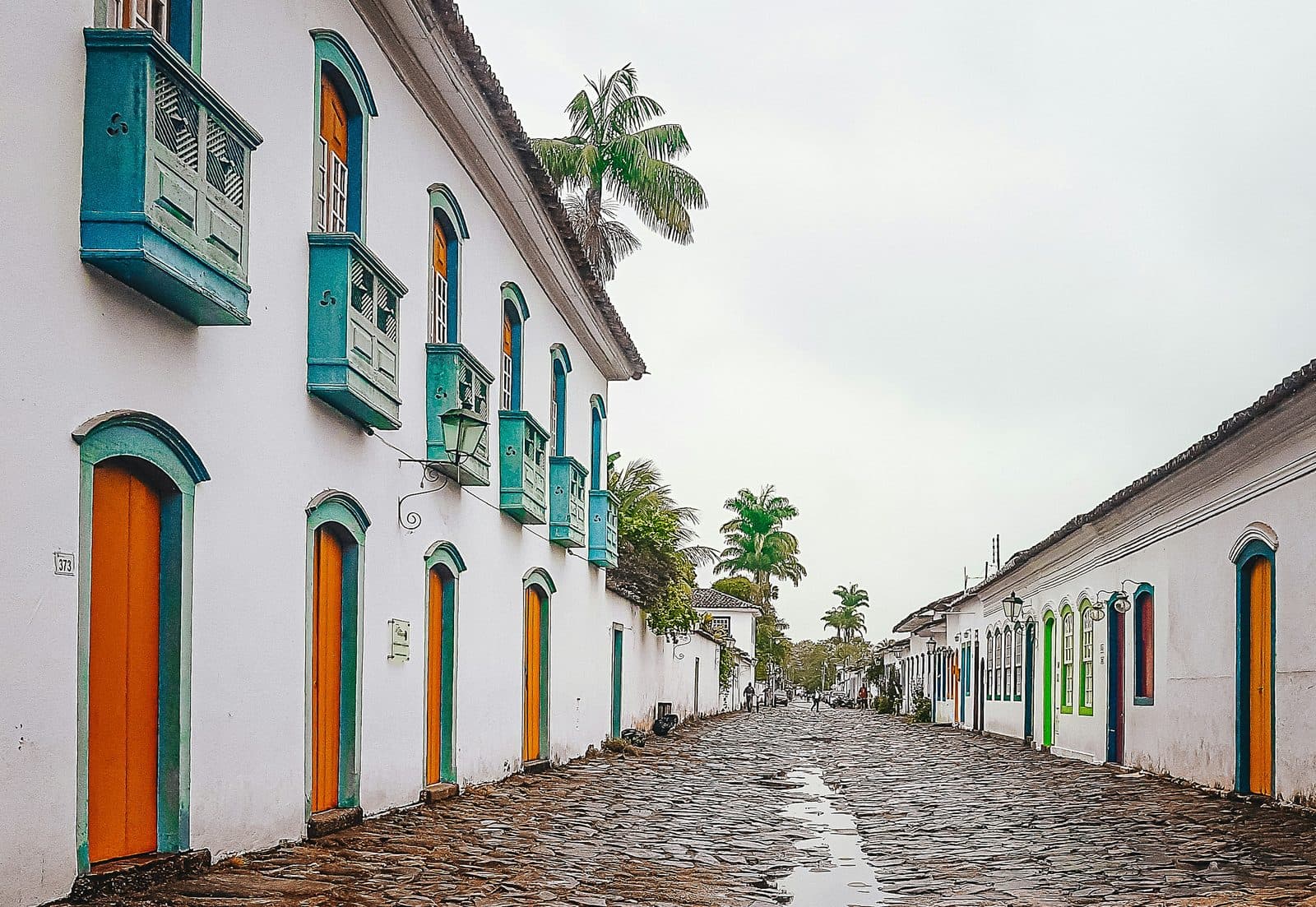
One Day in Paraty: A Walkable Colonial-Port Itinerary (2026)

What to Eat in Paraty: A Caicara and Cachaca Food Guide (2026)
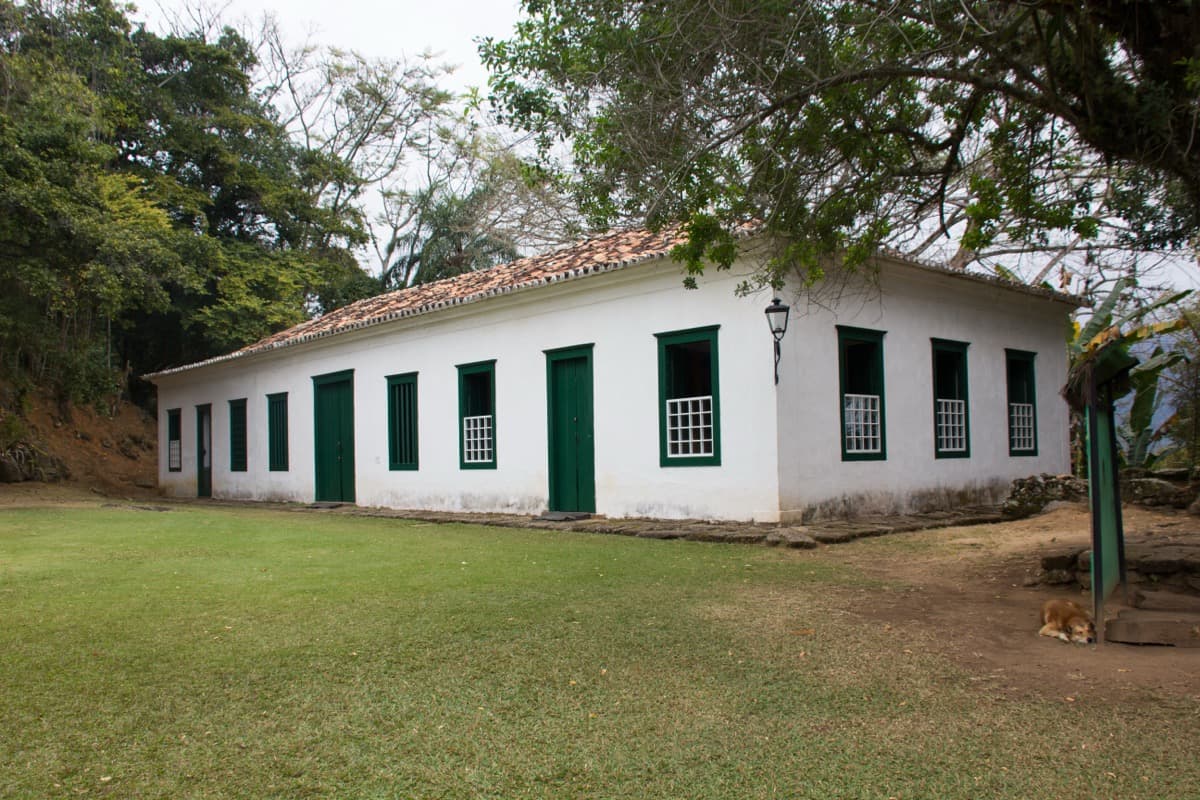
Forte Defensor Perpetuo: The Fort Built to Guard Paraty's Gold

How Cachaça Made Paraty Rich, Then Became the Town's Own Name
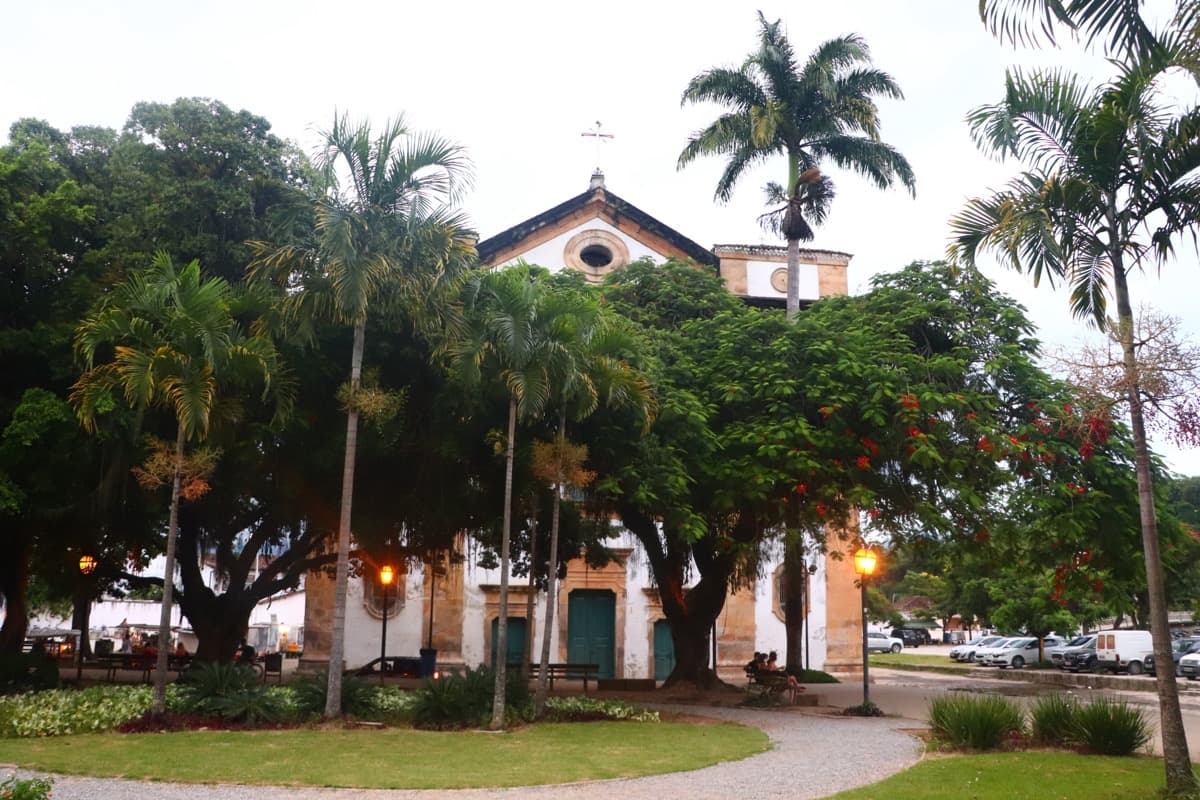
Igreja Matriz de Nossa Senhora dos Remedios: The Church at the Center of Paraty's Caste Map