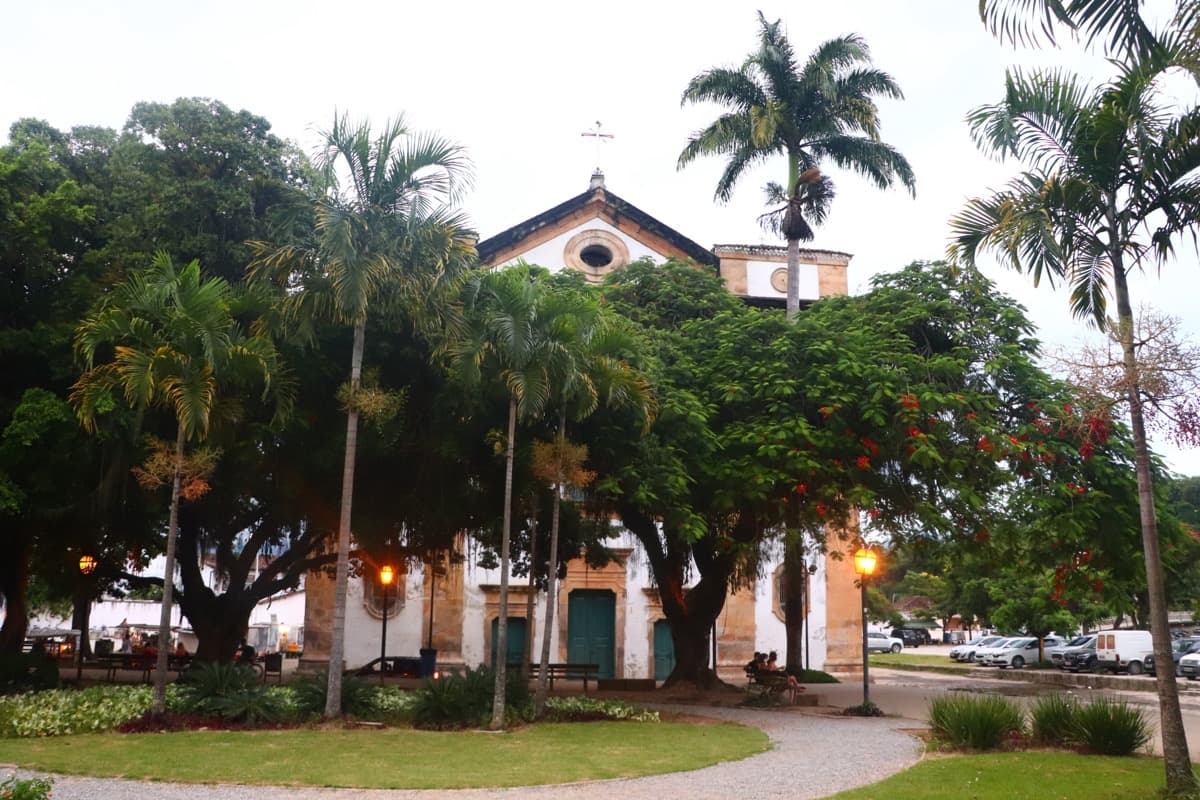
Paraty tells its social history through its churches, and the Igreja Matriz de Nossa Senhora dos Remedios is the church at the top of that hierarchy. It stands on the square the town was founded around, and it was the parish church of the white elite in a colonial town that gave each caste its own place of worship. To read the Matriz is to read the whole system: four churches for four ranks of people, arranged across a town so that stone itself marked who belonged where. This is the church of the masters, and understanding it unlocks the meaning of all the others.
A church that begins with the town itself
The Matriz's story starts with the founding of Paraty. In 1646, a landowner named Dona Maria Jacome de Melo donated the ground between two rivers for a new settlement, on the condition that a chapel dedicated to Nossa Senhora dos Remedios, Our Lady of the Remedies, be built there. So the town and its main church were founded in the same act. The church did not arrive after the settlement. It was the reason the settlement had a center at all.
The building grew in stages as the town grew rich on gold. The first chapel was demolished in 1668 and replaced by a larger stone-and-lime church finished in 1712, with seven altars. Then, in 1787, with the parish serving a population of around 2,700, that church was judged too small, and work began on a new, larger temple beside the old one. The final phase was funded and overseen by Dona Geralda Maria da Silva, who received the title Dona do Paco from Emperor Pedro the Second for her work, and the church was delivered for public worship on the seventh of September 1873. It is built in a restrained neoclassical style, imposing and austere, and its towers were famously never finished, one of the details visitors notice first.
The church of the elite, in a town of separate churches
Hear a stop from this walk
Igreja de Santa Rita de Cassia: The Freed Pardos' Church
Here is what makes the Matriz more than a beautiful old church. Colonial Paraty did not put everyone in one congregation. It built different churches for different ranks of society, and it located them to match. The Matriz was the church of the white elite, the merchants and masters who ran the gold port. It was the grandest, the most central, the parish church proper.
The other churches told the rest of the story. Roamer's Four Churches, Four Castes reads them as a set: the Matriz for the elite, the Igreja de Santa Rita for the freed people of mixed race, the Igreja de Nossa Senhora do Rosario e Sao Benedito for the Black brotherhood, and Nossa Senhora das Dores as a more private chapel for the aristocracy. Walk between them and you are walking the colonial caste system as it was built into the town plan, each group given its own church, its own place, its own distance from the center. The Matriz is where that map is anchored, the reference point everything else was arranged around.
Reading it in place
Stand in the square in front of the Matriz and understand that you are standing where Paraty began, on the ground donated in 1646 with the church as its condition. Look at the unfinished towers and the sober neoclassical front. Then, crucially, do not read the church alone. Walk to the other three churches and feel the distances, because the meaning of the Matriz is only fully visible in contrast: this was the church of the people at the top, and the town was laid out to keep that legible. The Matriz keeps visiting hours around services; dress modestly and keep your voice low.
The church anchors Roamer's Four Churches, Four Castes, which reads Paraty's whole social order through its places of worship. For the wider story of the gold-port town, see the Paraty culture walking tours overview and one day in Paraty.
Sources
- Portuguese Wikipedia and Paraty heritage sources (paraty.com.br, ipatrimonio): the 1646 donation by Dona Maria Jacome de Melo with the condition of a chapel to Nossa Senhora dos Remedios, the first chapel demolished in 1668 and replaced by a stone-and-lime church finished in 1712 with seven altars, the new temple begun in 1787 for a population of about 2,700, the funding and oversight by Dona Geralda Maria da Silva and her title Dona do Paco from Emperor Pedro the Second, the delivery for worship on 7 September 1873, the neoclassical style, and the unfinished towers.
- Roamer tour transcript, Four Churches, Four Castes (paraty-churches-social-order), fact-audited: the Matriz as the elite's parish church within Paraty's caste-mapped set of churches.
Brazil eSIM· 10% off with ROAMER10
Ready to experience it?
Historic Center: Four Churches, Four Castes
85 min · 2.3 km · easy
More from Paraty
Explore more at your own pace.
One Day in Paraty: A Walkable Colonial-Port Itinerary (2026)
Paraty Travel Guide: How Many Days, Getting There, When to Go (2026)
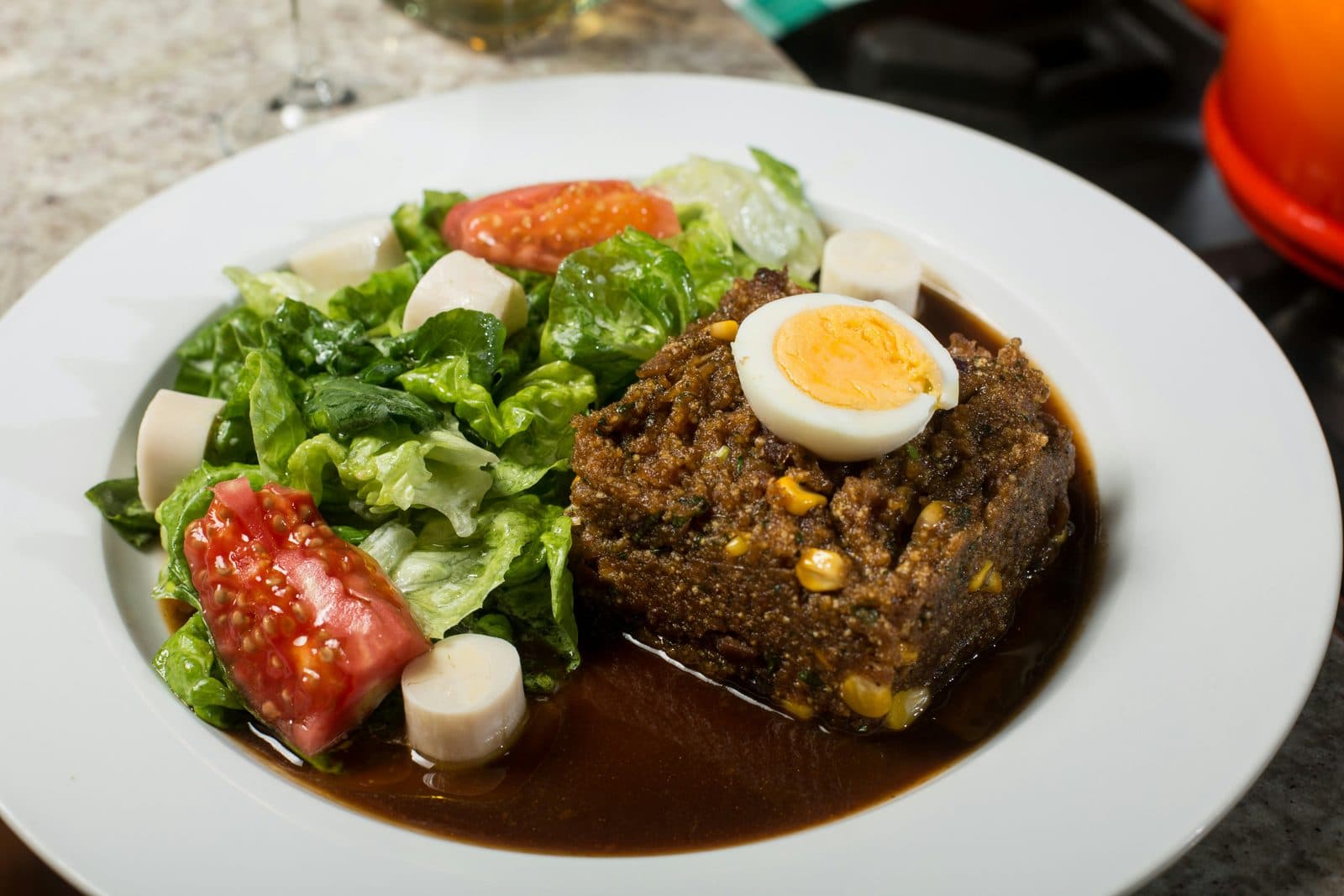
What to Eat in Paraty: A Caicara and Cachaca Food Guide (2026)
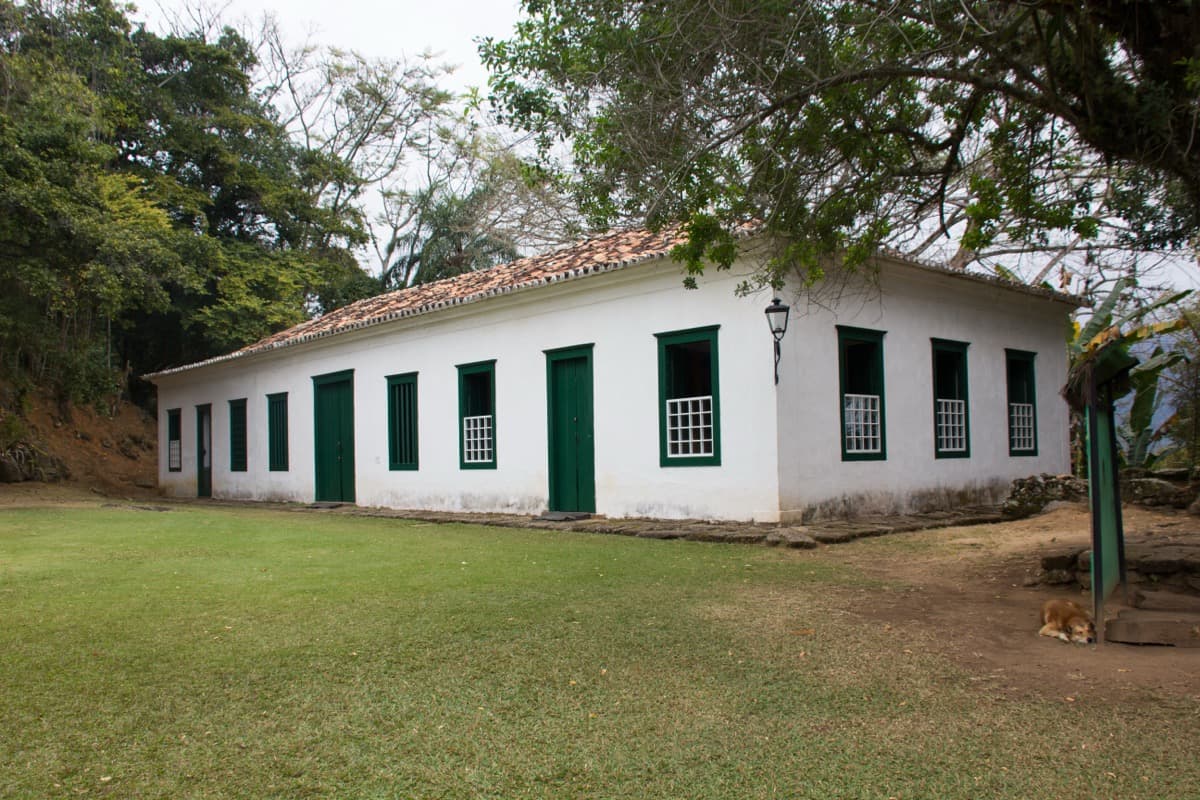
Forte Defensor Perpetuo: The Fort Built to Guard Paraty's Gold
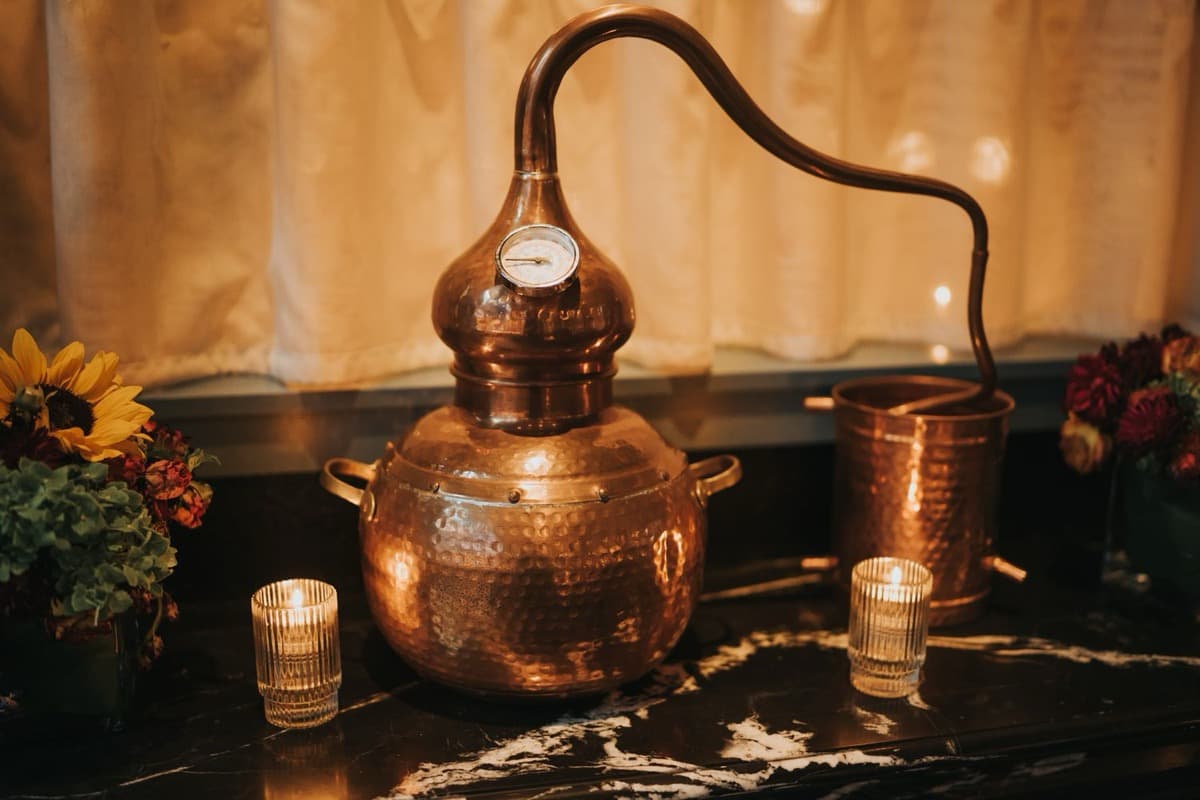
How Cachaça Made Paraty Rich, Then Became the Town's Own Name