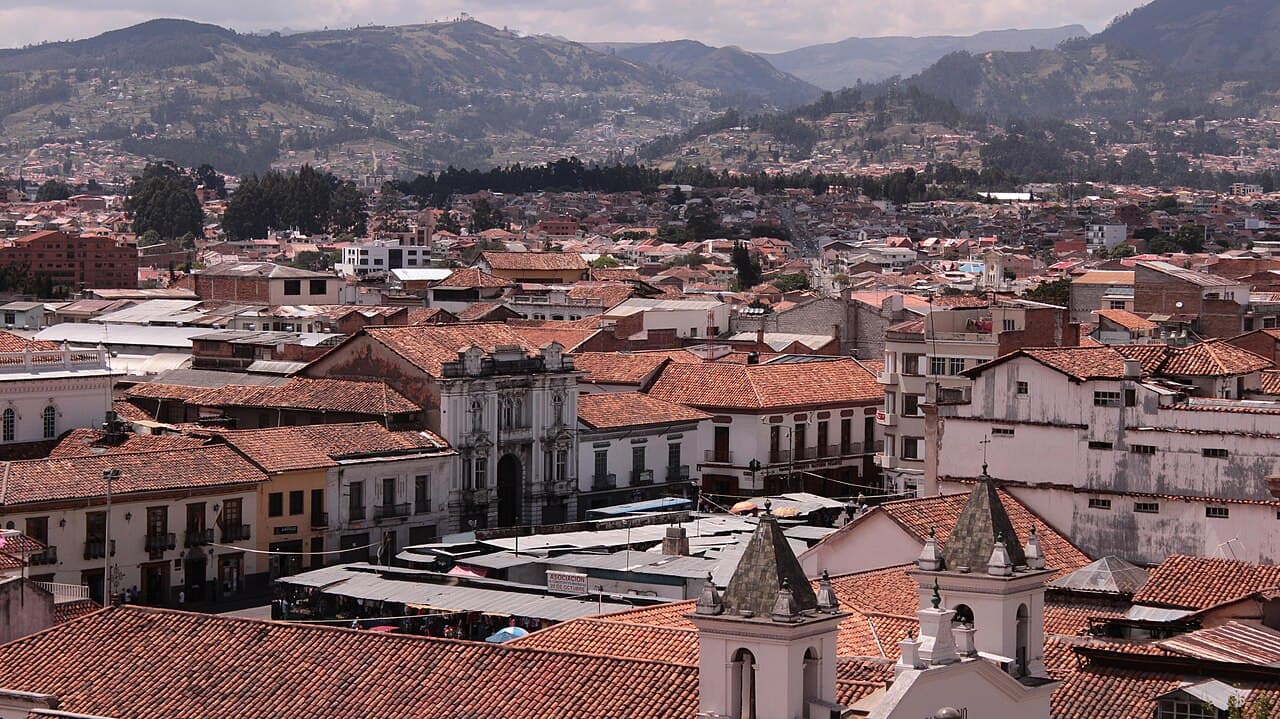
Historic Center: French Faces on Colonial Houses
85 min · 2 km · easy
Yes, you can see Cuenca essential centre in a day. Here is the route.
You cannot fit five thousand years of Cañari, Inca, and Spanish history into a single day, and the four rivers and the whole Cajas highlands beyond deserve more time than that. What you can do is walk the compact, connected core where Cuenca most famous sights sit within a few blocks of each other: the blue-domed cathedrals on Parque Calderón, the flower and food markets, the Tomebamba riverbank known as El Barranco, and the Panama-hat workshops that made this city famous. This itinerary routes those around a comfortable walking day, and names the self-guided Cuenca walking tour that anchors each block so the history walks with you.
A note on pace before you start. Cuenca sits at roughly 2,560 metres above sea level, so give yourself a day to acclimatise before this one, walk slowly, and drink water. The distance is modest, around 5 to 7 km on flat streets, but the thin air is what people underestimate.
Morning: Parque Calderón and the two cathedrals
Start on Parque Calderón, the leafy main square at the heart of the UNESCO centre. Two cathedrals face each other across it. The New Cathedral (the Cathedral of the Immaculate Conception), begun in 1885 and declared finished in 1975, is the one on every postcard: seven domes of handmade brick, the tallest glazed in blue tile that the press often says came from what was then Czechoslovakia, though no document has been found to prove it. Its towers were never raised to full height, because the building was judged unable to carry their weight. Across the square, the smaller Old Cathedral (El Sagrario), the church the new one was built to replace, holds a quieter, older story.
This is the block to walk with the Historic Center: French Faces on Colonial Houses self-guided audio tour, ten stops and about two kilometres from the Plaza de San Sebastián along Calle Simón Bolívar to Parque Calderón and San Alfonso. It reads the centre as a colonial grid, laid out in 1557 on open ground near the Inca city rather than on top of it, that changed its face in the hat and quinine boom, all of it protected as a World Heritage Site since 1999. To go deeper on why this small Andean city produced so many writers and poets, the companion piece on the Athens of Ecuador is a good primer before you walk.
A block from the square, duck into the Plaza de las Flores, the little flower market beside the Carmen church, and the covered Mercado 10 de Agosto for your first taste of the city. These are the beating heart of daily Cuenca, and they are where the food is.
Midday: the markets, and lunch
Hear a stop from this walk
San Alfonso and the Banco del Azuay: Hats Into a Bank
The markets are the natural place for a midday break. The upper floors of the food halls are where locals eat, and the dishes here are the ones Cuenca is known for: hornado (slow-roasted pork with mote and crackling), mote pillo (hominy corn scrambled with egg), and cascaritas blowtorched to order. See what to eat in Cuenca for the full list and where to find it, and Cuenca market culture for why the markets matter so much here.
Afternoon: the Panama-hat trail and the river
The hats that the world calls Panama hats are woven in Ecuador. The usual explanation for the name is that they were sold and shipped on through Panama, and Cuenca is where most of them are finished, traded and exported. Spend the afternoon on Calle Larga: the Museo del Sombrero de Paja Toquilla, a family hat business in a house more than 150 years old, shows the whole process from toquilla-straw fibre to the finished hat, for a one-dollar ticket when checked in 2026. UNESCO recognised the weaving itself as Intangible Cultural Heritage in 2012.
Walk this stretch with the El Barranco: Panama Hats, a Broken Bridge and the Inca Gate self-guided tour, ten stops and about 1.8 kilometres from the Plaza del Vado to Pumapungo, and for the story behind the craft read the art of the Panama hat.
The walk runs along Calle Larga and down the Escalinata to the río Tomebamba below El Barranco, the cliff-edge of old houses that marks the southern boundary of the historic town. Follow the riverside path to the Puente Roto, the broken bridge: half of a bridge built in the 1840s, left standing after the flood of 3 April 1950 swept away eleven of the city's bridges in one night. Just beyond, Todos Santos is one of the places where, UNESCO notes, archaeologists have unearthed Cañari, Inca, and Spanish remains in the same ground, and the Oblate sisters' wood-fired oven, more than two centuries old, still bakes bread. The walk ends at Pumapungo, the Puma Gate, in the heart of the Inca city of Tomebamba; its museum and park are free and closed on Mondays.
Evening: Turi at sunset
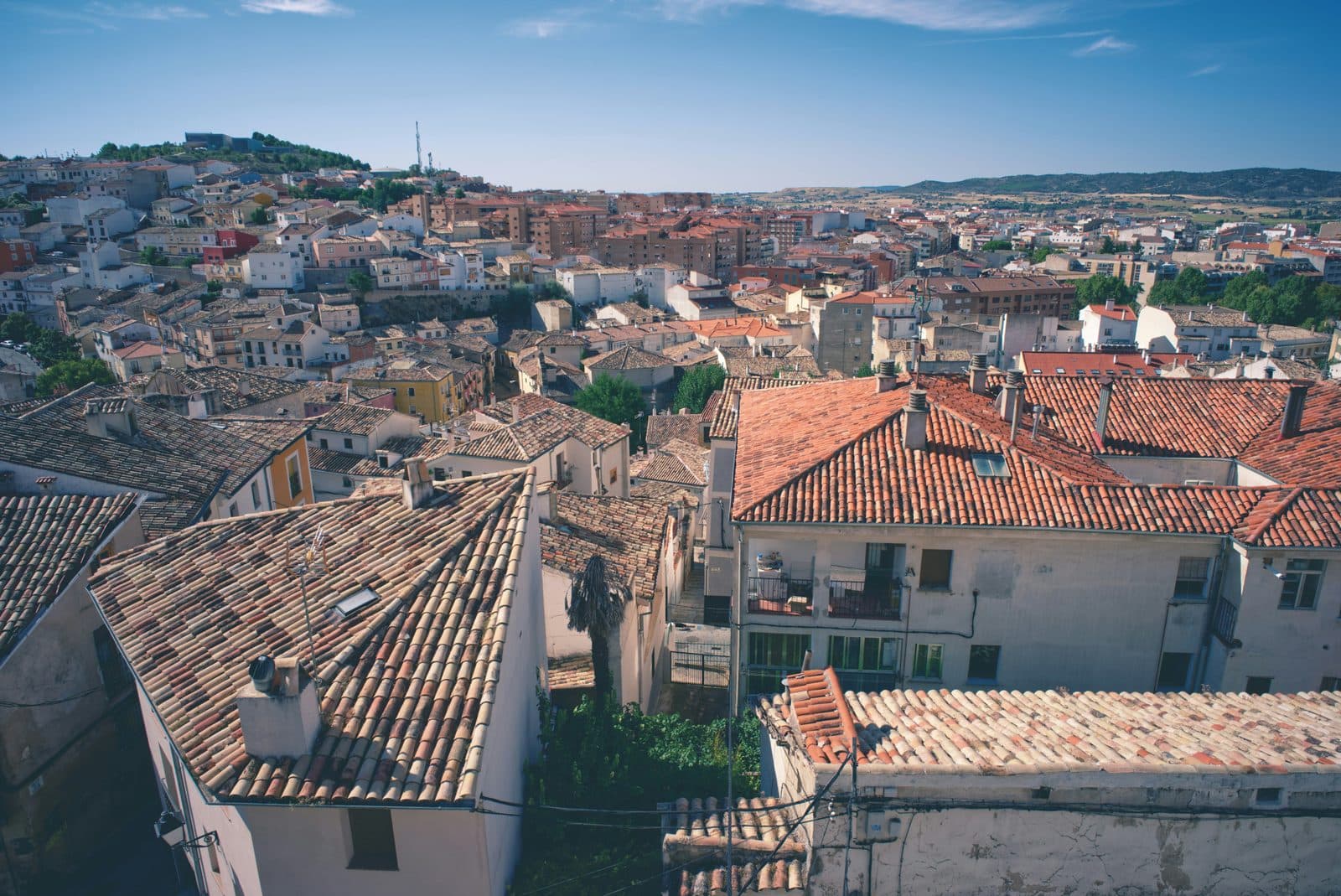
End the day above the city. A short taxi ride south climbs to the Mirador de Turi, the hillside terrace beneath a statue of the Virgin, with the best panorama in Cuenca: the whole red-tiled centre spread below the domes, the Andes closing in behind, and the light turning gold. It is the classic close to a Cuenca day. Come back down for dinner in the centre, where the riverside streets around Calle Larga fill with restaurants and cafés.
The one-day route at a glance
| Block | Where | Anchor tour |
|---|---|---|
| Morning | Plaza de San Sebastián, Calle Simón Bolívar, flower market, Parque Calderón, New and Old Cathedrals | Historic Center: French Faces on Colonial Houses |
| Midday | Mercado 10 de Agosto, lunch | (between the tours) |
| Afternoon | Hat museum, Calle Larga, the Tomebamba, Puente Roto, Todos Santos, Pumapungo | El Barranco: Panama Hats, a Broken Bridge and the Inca Gate |
| Evening | Mirador de Turi at sunset, dinner in the centre | (taxi to Turi) |
If you have a second day, spend it in the highlands: Cajas National Park, a wild páramo of more than 230 lakes, is about a 40-minute drive west of the city and makes an easy full-day trip.
Plan the rest of your trip
One day covers the centre. For how many days Cuenca really deserves, how to get around, and when to go, read the Cuenca travel guide. For every route in the city, see the best self-guided walking tours in Cuenca, or browse all Cuenca tours. Every tour is free to start: the introduction and first stop play in full, and every later stop plays a short preview before an optional purchase.
Frequently asked questions
- Can you see Cuenca in one day?
- You cannot see all of Cuenca in a day, but you can see its essential UNESCO centre well. A focused day covers Parque Calderón and the two cathedrals, the flower and food markets, the Tomebamba riverbank and El Barranco, the Panama-hat workshops, and the Turi viewpoint at sunset. The historic centre is compact and flat enough to walk end to end, so one day is enough for the highlights, with the mountains and Cajas National Park saved for a second day.
- What is the best area to base a one-day visit to Cuenca?
- Base yourself inside El Centro, the UNESCO historic centre, within a few blocks of Parque Calderón. Almost everything on a one-day route sits within a fifteen-minute walk of the main square, so staying central keeps your walking time low and your sightseeing time high. From the centre, a short taxi ride reaches the Turi viewpoint on the hill to the south for sunset.
- How much walking is a one-day Cuenca itinerary?
- Expect roughly 5 to 7 km on foot across the day, almost all of it flat on the grid of the historic centre, with one gentle descent to the Tomebamba river. Cuenca sits at about 2,560 metres, so the altitude, not the distance, is what tires people. Pace yourself, drink water, and treat the market and coffee stops below as part of the plan. Turi is reached by taxi, not on foot.
- Do I need to book anything in advance for one day in Cuenca?
- No. This route needs no bookings: the squares, cathedrals, riverbank, and market halls are all open to walk-ups, and the hat museums and workshops are free or a couple of dollars to enter. The self-guided audio tours that anchor each block are free to start and can be downloaded in advance, so the history walks with you even without a signal. The only thing worth planning ahead is a Cajas National Park day trip if you add a second day.
Ready to experience it?
Historic Center: French Faces on Colonial Houses
85 min · 2 km · easy
More from Cuenca
Explore more at your own pace.
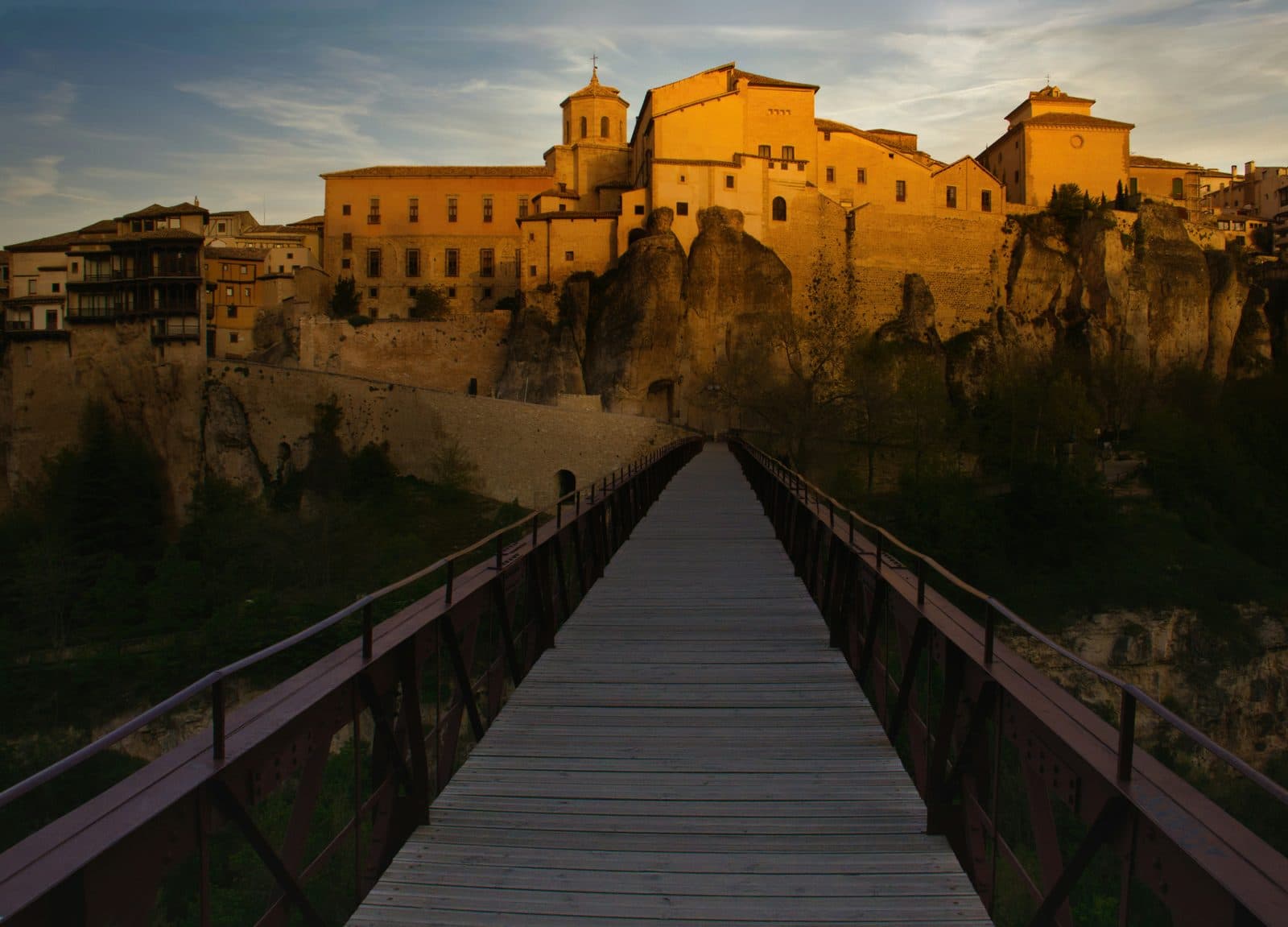
Best Self-Guided Walking Tours in Cuenca (2026)
Cuenca Travel Guide: How Many Days, Altitude, Getting Around, Safety (2026)
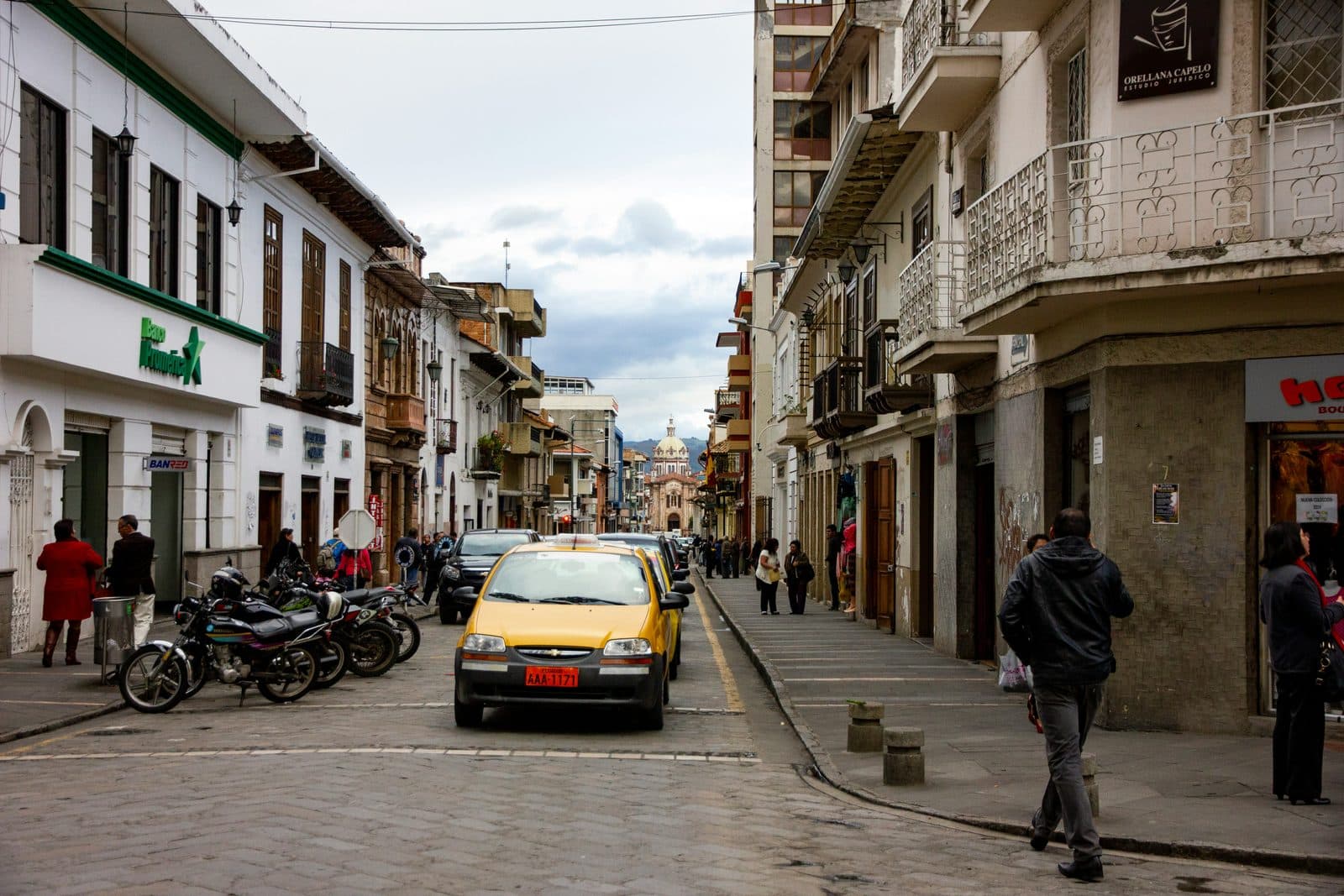
Why Cuenca Calls Itself the Athens of Ecuador
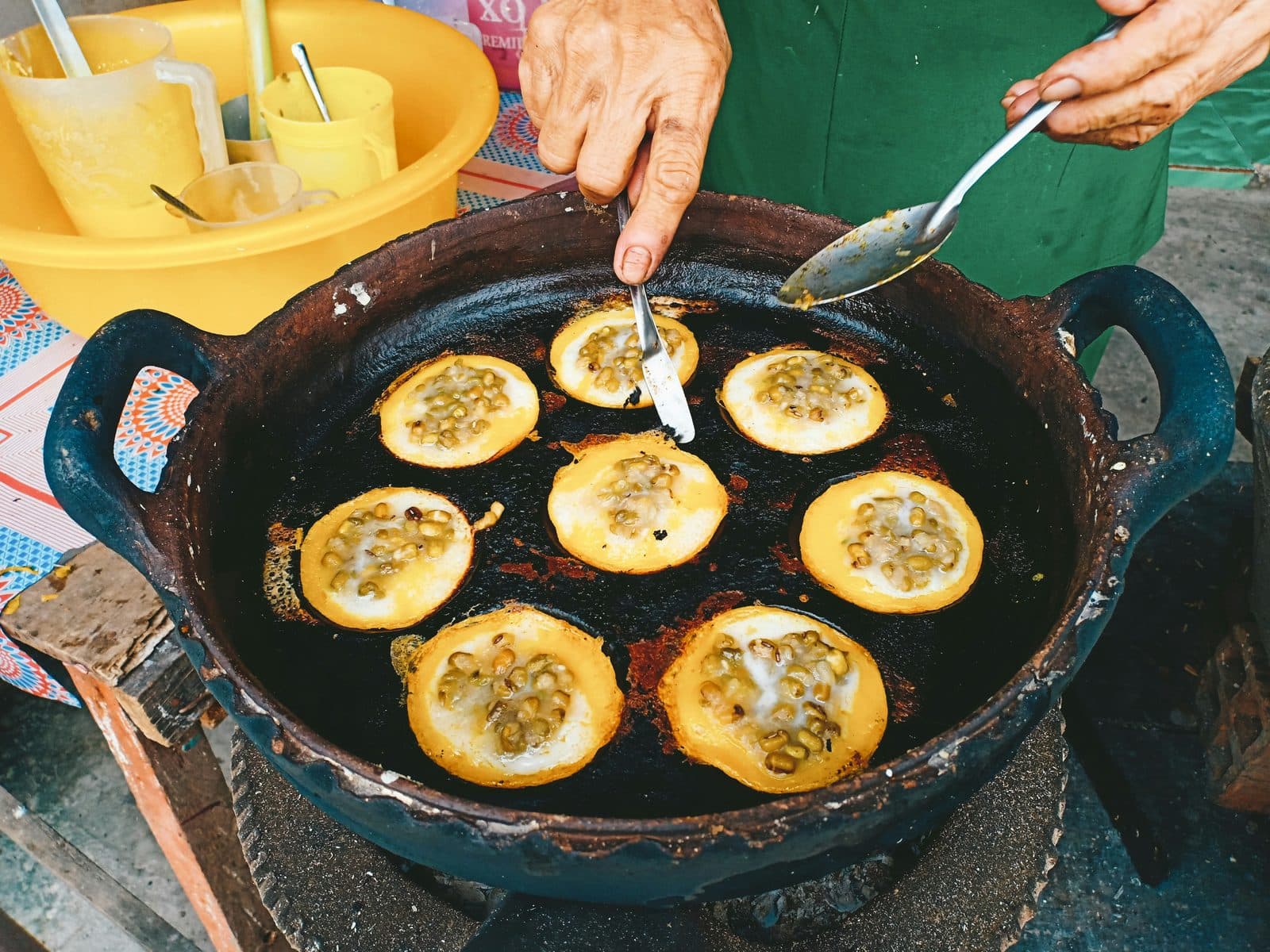
What to Eat in Cuenca: A Food Guide (2026)
French Faces on Colonial Houses: Reading Cuenca's Historic Centre