The Most Famous Misnomer in Fashion
Let's get the headline out of the way: the hats the world calls Panama hats are woven in Ecuador, from toquilla straw that grows on Ecuador's coast. The name is a geographic accident that has persisted for well over a century, much to the frustration of the Ecuadorian weavers who actually make them.
In 2012, UNESCO recognized the traditional weaving of the toquilla straw hat as an Intangible Cultural Heritage of Humanity, and it credited Ecuador, not Panama.
How Panama Got the Credit
Hear a stop from this walk
Pumapungo: The Puma Gate
The usual explanation is that in the nineteenth century the hats were sold and shipped on through the Isthmus of Panama, including to travellers heading for the California Gold Rush, and buyers named them for the place they bought them. Cuenca's 1998 UNESCO nomination file links the name to their wide use during the construction of the Panama Canal, but the name was already in use before the canal, so read that as the moment it stuck rather than where it came from.
Ecuadorians call them sombreros de paja toquilla, meaning toquilla straw hats. The toquilla palm (Carludovica palmata) grows in the coastal lowlands, where its young shoots are harvested, boiled, and dried into the fine, pale fibers that weavers transform into hats.
The Weaving Process
Making a toquilla hat is one of the most labor-intensive handcraft processes in the world. UNESCO puts it at anything from one day to eight months a hat, depending on the quality and finesse of the weave, and the finest grades, the superfinos, sit at the long end.
The Material
Toquilla straw comes from the unopened leaf shoots of the Carludovica palmata. Harvesters cut the shoots before they unfurl, then split each leaf into thin strips. The strips are boiled in water to remove chlorophyll, then hung to dry in the shade. The resulting straw is pale cream-colored, flexible, and surprisingly strong.
The Technique
Weaving begins at the crown and works outward and downward. The weaver uses a wooden hat block (horma) to shape the crown, then continues the weave down the sides by feel. No loom, no machine, no tool beyond the weaver's fingers and a wooden block.
The best weavers work in the early morning or late evening, when humidity is highest and the straw is most pliable. Some work by moonlight, not for romance, but because the softer light reduces eye strain during the painstaking close work.
Grading
Hats are graded by the tightness of the weave, measured in vueltas (rows per inch). A standard hat might have 12-15 vueltas. A fino has 20-25. A superfino, the kind that can cost thousands of dollars, has 30 or more, with individual strands so fine they're nearly invisible to the naked eye.
The ultimate test: a true superfino can be rolled up, passed through a ring, and unrolled without a crease. This isn't a party trick. It reflects the extraordinary quality and flexibility of the weave.
Cuenca: The Hat Capital
While toquilla straw grows on the coast, the hat-making tradition is centered in the southern highlands, in Cuenca and the surrounding villages of Azuay and Canar provinces. Coastal towns like Montecristi are famous for the finest superfinos, but Cuenca is the commercial and cultural heart of the industry.
The Workshops
Several hat workshops in Cuenca's historic center welcome visitors. Watching the process from raw straw to finished hat (weaving, blocking, trimming, and bleaching) takes most of a morning and is one of the most memorable craft experiences in South America.
The Museo del Sombrero de Paja Toquilla, on Calle Larga above the Tomebamba, is a private museum run by the Paredes family hat firm in a house more than 150 years old. Open since about 2007, it shows the whole process, from hand weaving to the steam presses, and in 2026 it charged one dollar. It is the third stop of the El Barranco walk.
The Women Weavers
The weaving tradition has historically been carried by women, particularly in rural communities. For many families in Azuay province, hat weaving supplemented agricultural income. A single hat might represent weeks of work squeezed between farming, cooking, and childcare.
The economics have long been problematic. While a superfino hat might sell for $500 to $5,000 in a European boutique, the weaver herself gets a small fraction of it: in 2026 El Mercurio reported weavers near Cuenca being paid about 8 to 12 dollars a hat by intermediaries. Fair-trade organizations and direct-to-consumer cooperatives are slowly changing this equation, but the gap remains significant.
The Hat Today
Toquilla hats have experienced a fashion revival in recent years. Designers from New York to Milan feature them in summer collections, and the UNESCO designation brought renewed pride and international attention to the craft.
In Cuenca, the hat remains part of daily life. The Chola Cuencana, the Indigenous women who are the cultural symbol of the region, wear the sombrero de paja toquilla as part of their traditional dress, along with embroidered blouses and pleated pollera skirts.
Bringing One Home
If you buy a toquilla hat in Cuenca, look for a few things: tight, even weave; a smooth, consistent color; and flexibility. The hat should feel light and supple, not stiff or brittle. Ask the seller about the weave grade and, ideally, which community produced it.
A well-made toquilla hat, properly cared for, lasts decades. It's not a souvenir. It's a piece of living cultural heritage, woven by hand in the Andes from a plant that grows in the coastal tropics. Like Ecuador itself, it bridges worlds.
Frequently asked questions
- Are Panama hats actually made in Panama?
- No. The hats sold worldwide as Panama hats are woven in Ecuador from toquilla straw. The usual explanation for the name is that in the nineteenth century they were sold and shipped on through Panama, so buyers named them for the place they bought them.
- How long does it take to weave a Panama hat?
- UNESCO says weaving a hat can take from one day to eight months, depending on its quality and finesse. The finest grade, the superfino, sits at the long end.
- What makes a superfino Panama hat so valuable?
- A superfino has 30 or more weaves per inch, with individual strands so fine they are nearly invisible to the naked eye.
Ready to experience it?
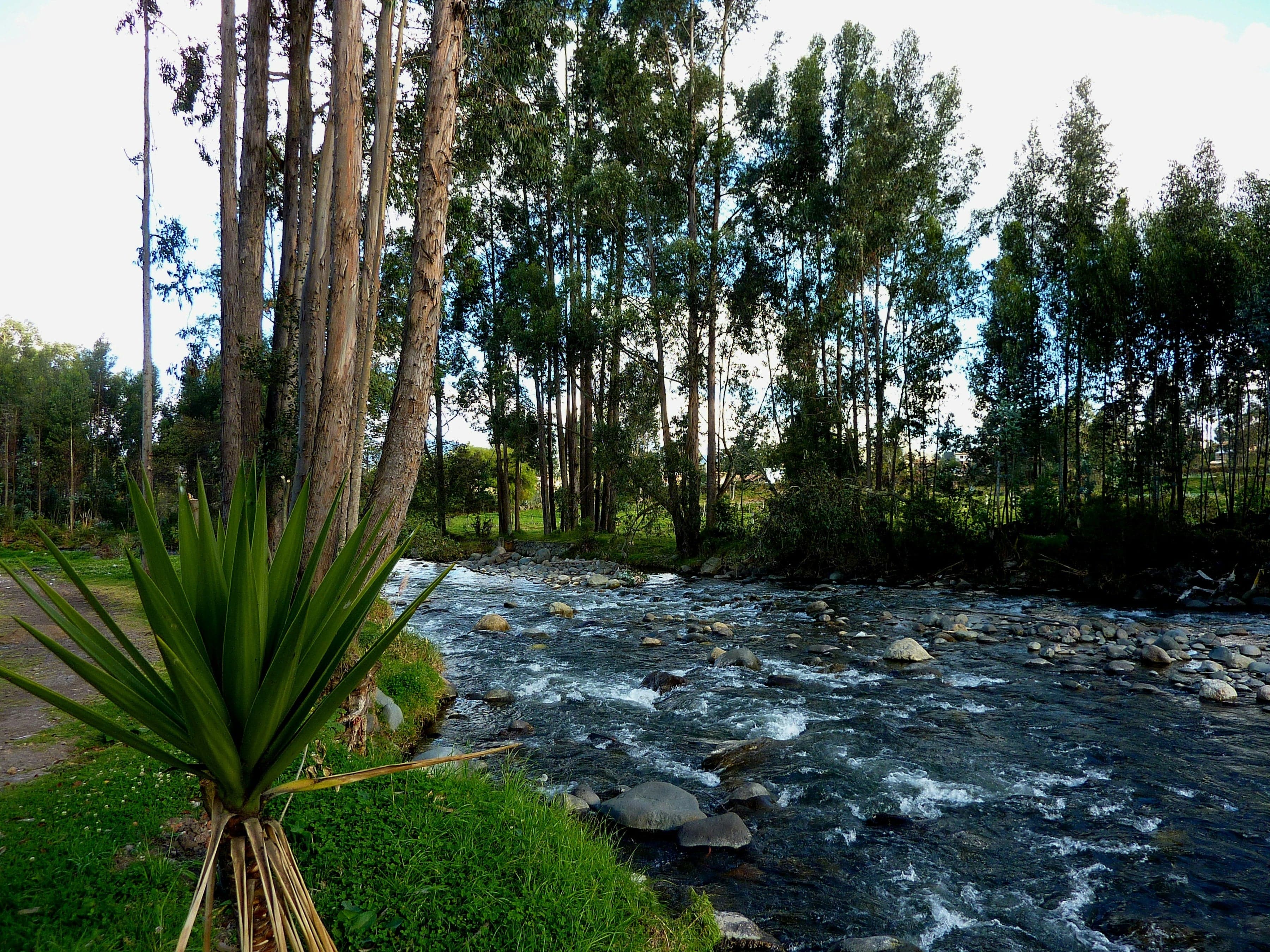
El Barranco: Panama Hats, a Broken Bridge and the Inca Gate
80 min · 1.8 km · moderate
More from Cuenca
Explore more at your own pace.
Best Self-Guided Walking Tours in Cuenca (2026)
Cuenca Travel Guide: How Many Days, Altitude, Getting Around, Safety (2026)
One Day in Cuenca: A Walkable UNESCO Itinerary (2026)
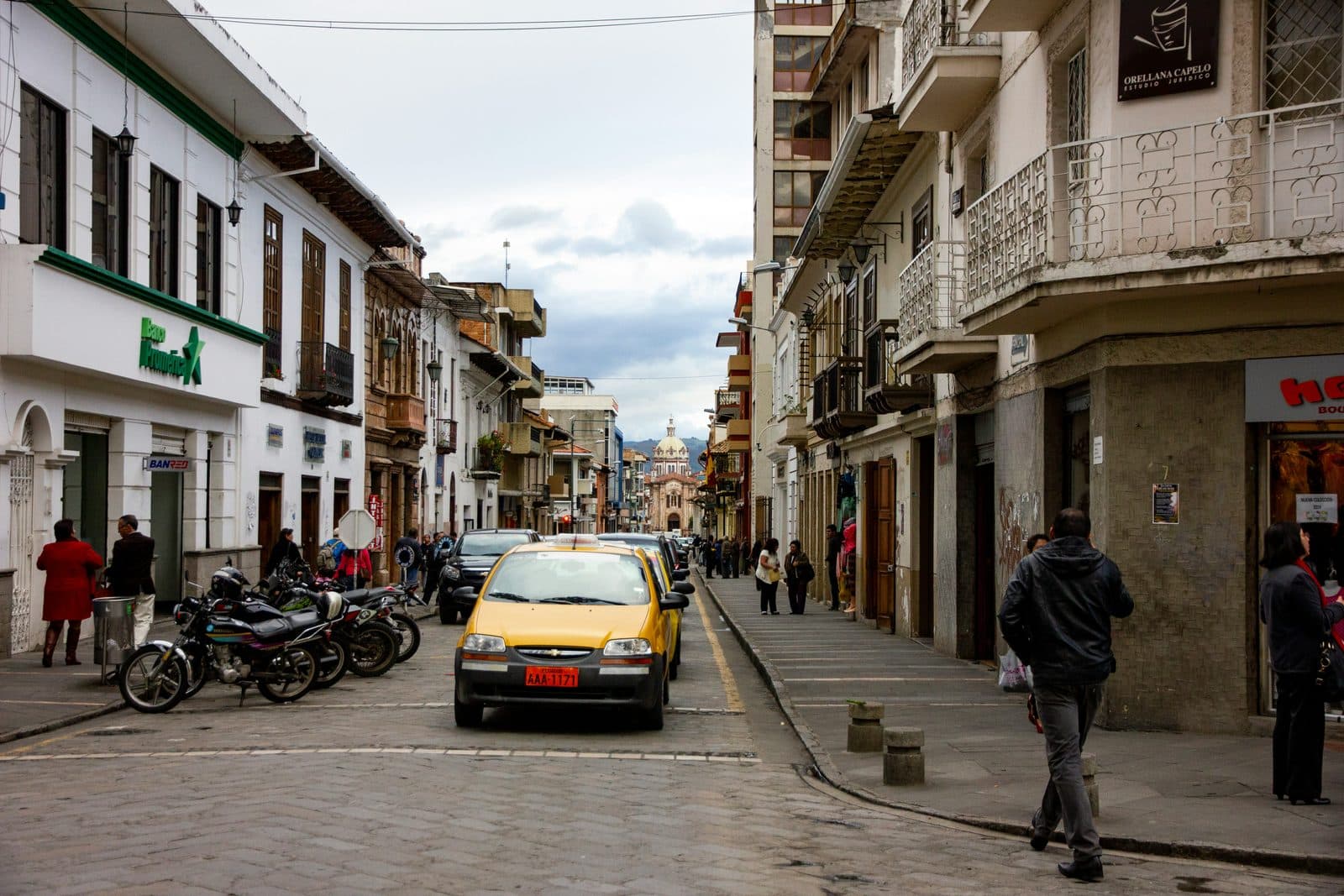
Why Cuenca Calls Itself the Athens of Ecuador
What to Eat in Cuenca: A Food Guide (2026)