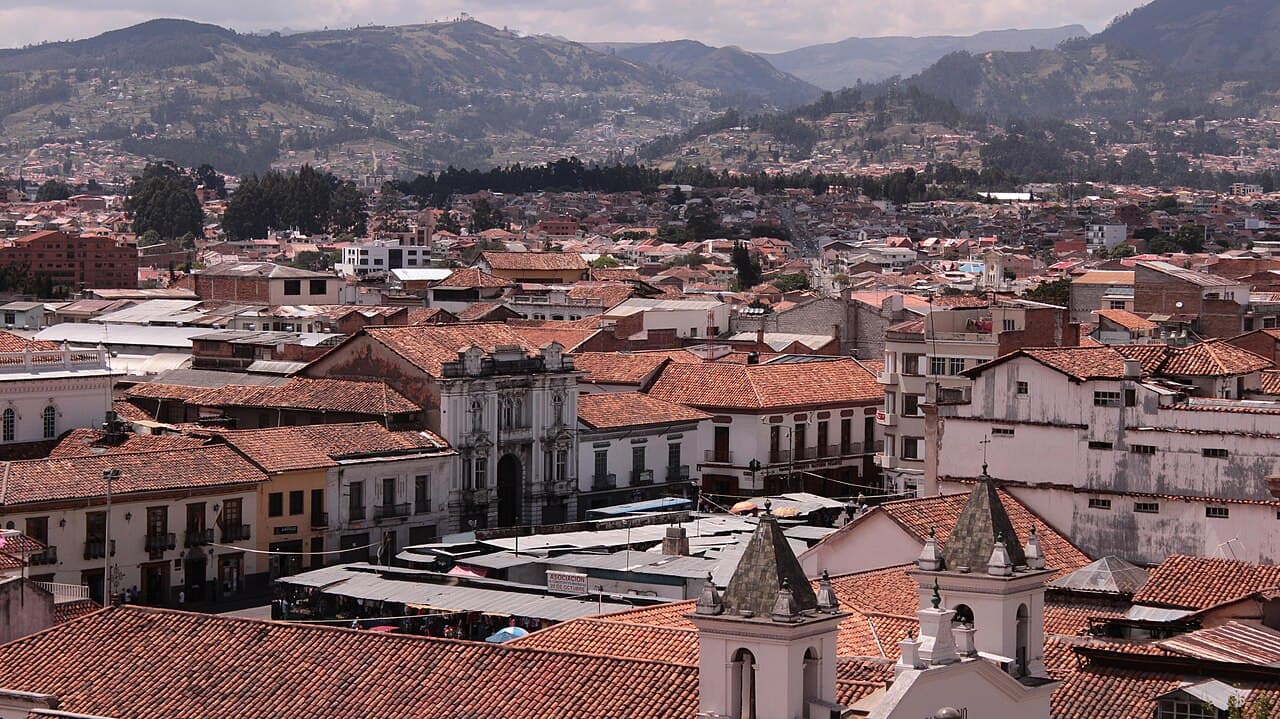
Historic Center: French Faces on Colonial Houses
85 min · 2 km · easy
Cuenca is one of the easiest cities in the Andes to plan for. Its UNESCO historic centre is compact and walkable, its climate is mild and spring-like all year, its modern tram and cheap taxis fill in the gaps, and Ecuador uses the US dollar, so there is nothing to convert. The one thing to respect is the altitude. This guide answers the practical questions travelers actually search, answer first, then the detail.
How many days do you need in Cuenca?
Short answer: two to three days for most people.
- 1 day covers the essential UNESCO centre on foot: the blue-domed cathedrals on Parque Calderón, the flower and food markets, the Tomebamba riverbank and El Barranco, and the Panama-hat workshops. Follow our focused one day in Cuenca route.
- 2 days adds a full day in the highlands at Cajas National Park, or a slower pace through the museums, the artisan galleries, and the riverside cafés.
- 3 days lets you day-trip further into the Azuay countryside and settle into the unhurried rhythm that makes Cuenca so easy to love.
Because the centre is so compact, Cuenca rewards a relaxed schedule rather than a packed one. To understand why so many travelers linger here, read Cuenca, Ecuador best-kept secret.
The altitude
Hear a stop from this walk
San Alfonso and the Banco del Azuay: Hats Into a Bank
Cuenca sits at about 2,560 metres (roughly 8,400 feet) above sea level. That is high enough that many visitors notice the thinner air on arrival, particularly on stairs and slopes. The good news is that the historic centre is flat, so gentle walking is comfortable, and most people adjust within a day or two.
To acclimatise well: take your first day slowly, drink plenty of water, go easy on alcohol, and do not schedule a strenuous hike the moment you land. If you are arriving from sea level and plan to hike the higher trails in Cajas, which climb well above the city, give yourself a day in Cuenca first.
Getting around Cuenca
The historic centre is small, flat, and best walked, which is exactly how our self-guided Cuenca tours are built. Beyond the centre, you have three easy options:
- The Tranvía. Cuenca modern electric tram runs through and near the centre. It is clean, quiet, air-conditioned, and step-free, a comfortable way to cross the city without traffic.
- Buses. An extensive, cheap local network reaches the neighbourhoods and outer districts the tram and your feet do not.
- Taxis. Plentiful and inexpensive. A ride across the centre is a couple of dollars, and up to the Turi viewpoint for sunset is only a few more. Drivers do not expect a tip. Use registered taxis, especially at night.
Best time to visit Cuenca
Cuenca altitude near the equator gives it a mild, spring-like climate all year, with daytime highs usually in the high teens Celsius and cool evenings. There is no bad season, only wetter and drier ones:
- Drier season (roughly June to September). The sunniest, most reliable window, and the best time for clear skies and for hiking in Cajas.
- Wetter season (roughly October to May). More rain, but often as short afternoon showers rather than all-day downpours, and the city is greener and less busy.
Pack layers whenever you come: mornings and evenings are cool, midday sun at altitude is strong, and a light rain jacket is always worth carrying.
Is Cuenca safe?
Yes. Cuenca is widely considered one of the safest and most livable cities in Ecuador, and that reputation is a big reason it became a favourite of North American retirees and expats. Violent crime against visitors is rare, and the historic centre is comfortable to walk by day and into the evening.
The realistic risk is ordinary petty theft, in crowds, on busy buses, and around the markets. Keep your bag zipped and in front of you, do not display phones or valuables, and take registered taxis late at night. With that ordinary city sense, Cuenca is an easy and welcoming place to explore on your own.
Cuenca on a budget
Cuenca is one of the best-value destinations in the Andes, and Ecuador uses the US dollar, so there is nothing to exchange (for the story of how that happened, see Ecuador dollar story). Costs stay low:
- Eat cheap and well: a market lunch of hornado or mote pillo runs just a few dollars. See what to eat in Cuenca.
- Skip taxis where you can: the centre is walkable end to end, and the tram is a few cents.
- Skip the guide fee: Roamer self-guided audio tours are free to start, so you get expert narration without booking a private guide, a start time, or a tip.
Start planning your walk
Ready to route your days? Read our one day in Cuenca itinerary, browse the best self-guided walking tours in Cuenca, or see all Cuenca tours. Every tour is free to start: the introduction and first stop play in full, and every later stop plays a short preview before an optional purchase. Tours can also be downloaded in advance for offline listening.
Frequently asked questions
- How many days do you need in Cuenca?
- Two to three days is the sweet spot for most travelers. One day covers the essential UNESCO centre on foot, the cathedrals, the markets, the riverbank, and the Panama-hat workshops. A second day adds the Cajas National Park highlands or a slower pace through the museums and cafés, and a third lets you day-trip further into the Azuay countryside. Because the centre is so compact, Cuenca rewards a relaxed schedule rather than a rushed one.
- How high is Cuenca and will the altitude affect me?
- Cuenca sits at about 2,560 metres (roughly 8,400 feet) above sea level, high enough that many visitors feel the thinner air on arrival, especially on stairs and slopes. Most people adjust within a day or two. Take your first day slowly, drink plenty of water, go easy on alcohol, and do not plan a strenuous hike the moment you land. If you are coming from sea level and heading on to higher trails in Cajas, give yourself time to acclimatise first.
- How do you get around Cuenca?
- The historic centre is small and flat, so most sightseeing is done on foot. Beyond it, Cuenca has a modern electric tram, the Tranvía, that runs through and near the centre, an extensive local bus network, and cheap, plentiful taxis. A taxi across the centre runs a couple of dollars and drivers do not expect a tip. For the compact UNESCO core, walking with a self-guided audio tour is the best way to see it.
- What is the best time of year to visit Cuenca?
- Cuenca has a mild, spring-like climate all year thanks to its altitude near the equator, with daytime highs typically in the high teens Celsius. The drier, sunniest window runs roughly June through September, which is the most reliable time for clear skies and for hiking in Cajas. The wetter months run roughly October through May, though rain often comes as short afternoon showers rather than all-day downpours. There is no bad season, only wetter and drier ones.
- Is Cuenca safe for tourists?
- Yes. Cuenca is widely regarded as one of the safest and most livable cities in Ecuador, which is a large part of why it became such a popular destination for North American retirees and expats. Violent crime against visitors is rare and the historic centre is comfortable to walk by day and into the evening. The main risk is ordinary petty theft in crowds, on busy buses, and at markets, so keep bags zipped and in front of you and do not flash valuables. Take registered taxis at night.
- What currency does Cuenca use and is it expensive?
- Ecuador uses the US dollar, so there is no currency to exchange or convert if you are coming from the United States. Cuenca is inexpensive by North American standards: a market lunch runs a few dollars, a taxi across town is a couple of dollars, and the self-guided walking tours are free to start. It is one of the best-value destinations in the Andes.
Ready to experience it?
Historic Center: French Faces on Colonial Houses
85 min · 2 km · easy
More from Cuenca
Explore more at your own pace.
Best Self-Guided Walking Tours in Cuenca (2026)
One Day in Cuenca: A Walkable UNESCO Itinerary (2026)
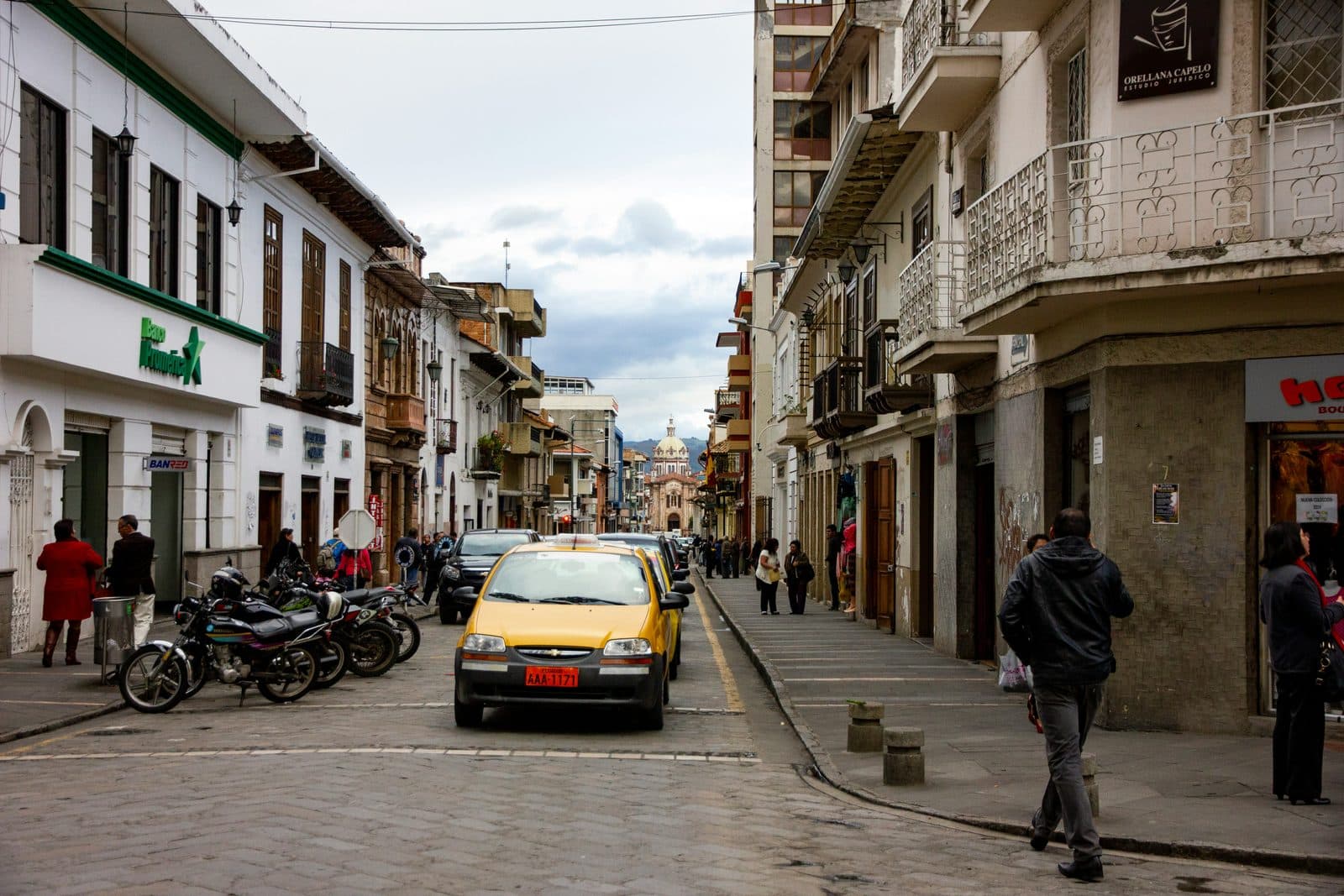
Why Cuenca Calls Itself the Athens of Ecuador
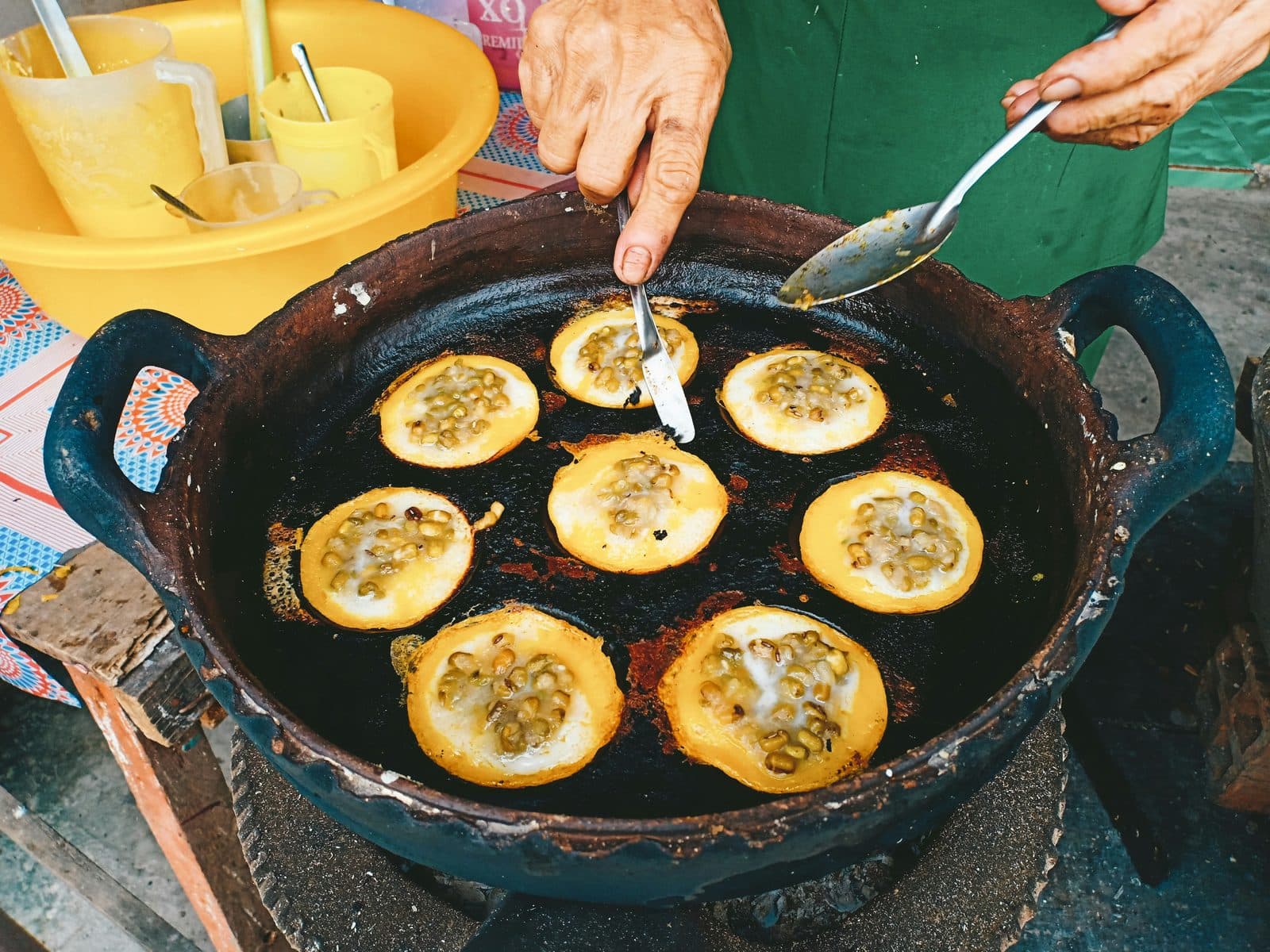
What to Eat in Cuenca: A Food Guide (2026)
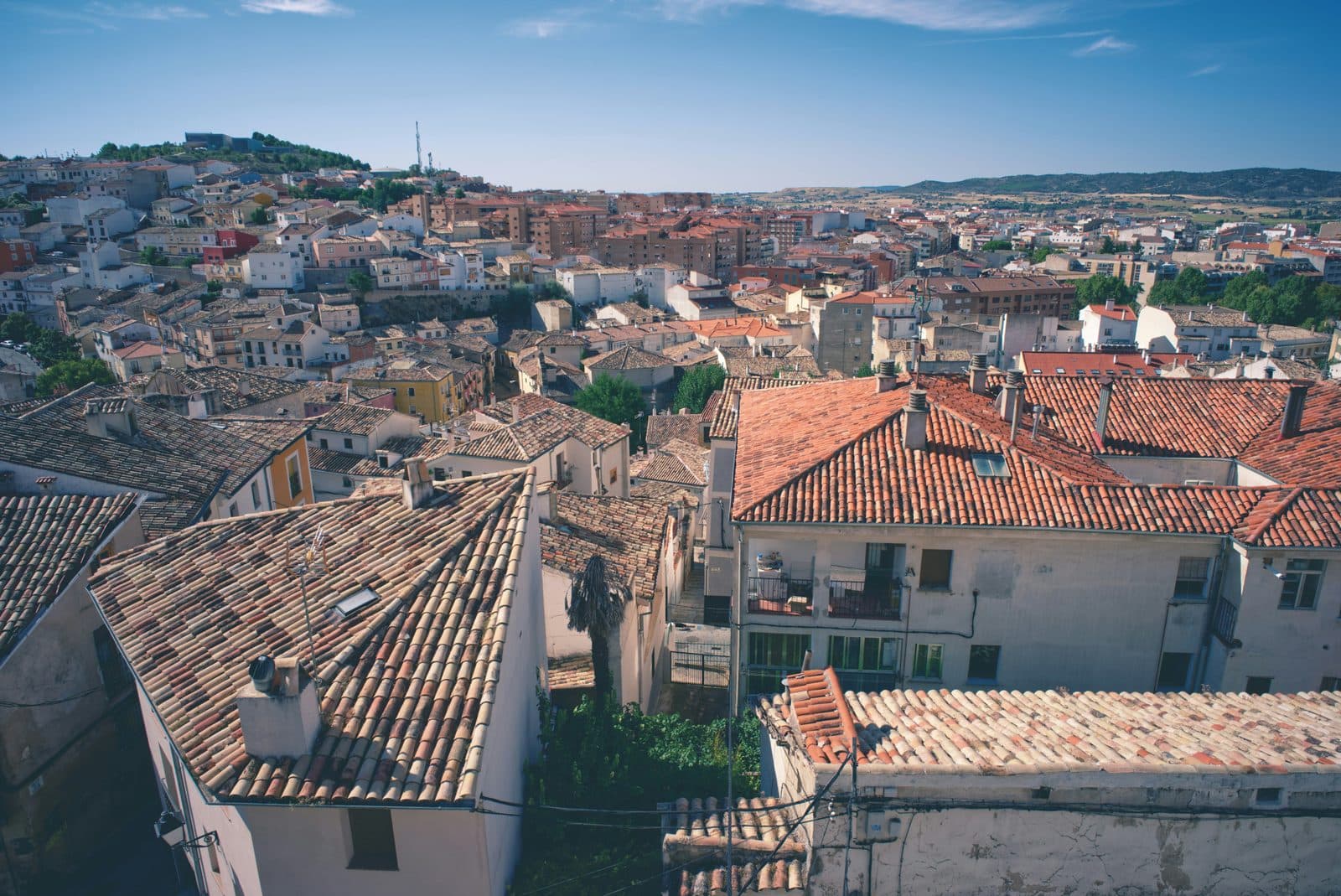
French Faces on Colonial Houses: Reading Cuenca's Historic Centre