Milan was built and rebuilt around work, water, and ambition, and its three self-guided walks read the city as a place that keeps rebuilding itself on those same terms. This is Italy's capital of money and fashion, a landlocked city that once ran one of the country's busiest inland ports, an industrial center that turned manufacturing into design, and an old core that recently grew a new skyline on abandoned railway land. The pattern repeats across centuries: Milan digs, builds, fails, and builds again, always around the next kind of labor. Reading the city through its water, its industry, and its vertical reach explains why a place with no river and a banker's reputation also holds Leonardo's water engineering, an opera house, and towers wearing real trees.
Start with the water, because it is the least visible and the most surprising. Milan has no river of its own, yet for centuries a ring of canals called the navigli carried marble, rice, and timber into the city's heart. The Leonardo's Water walk follows that buried port inland. The Naviglio Grande, the oldest and most important of the canals, began as a defensive ditch cut in the year 1157, reached navigability by 1272, and fed the wide dock called the Darsena. In the 1950s that dock ranked third in all of Italy for cargo tonnage, a remarkable fact for a city with no natural coastline. The last cargo, a load of sand, was unloaded on the thirtieth of March, 1979. The second open canal, the Naviglio Pavese, tells the harder version of the same story: construction started in 1564, was abandoned after about twenty years, and was not finished as a navigable waterway until 1819, nearly three centuries later. A lock outside the city is still called the Conca Fallata, the failed lock, with the breakdown baked into its name.
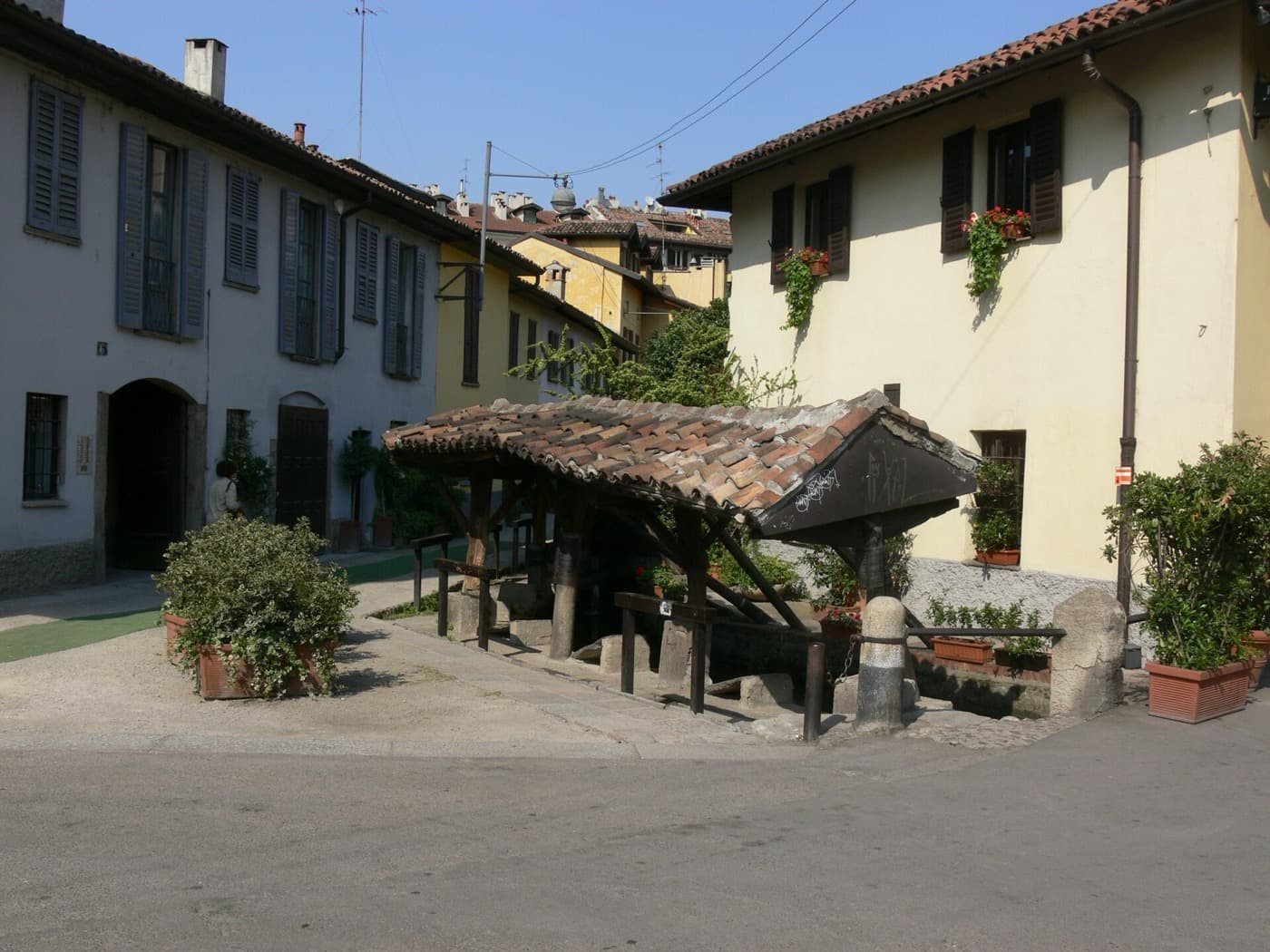
The water walk also reveals who the labor actually served. At the Vicolo dei Lavandai, a channel of canal water still feeds a row of stone washing stalls where a guild of washermen worked, an association dating to the year 1700 that took Saint Anthony of Padua as its patron. Those stalls stayed in use until the end of the 1950s. And the walk closes on the man who engineered the water himself. Leonardo da Vinci studied and improved the canal lock gates for the Sforza dukes in roughly the same years, 1495 to 1498, that he painted the Last Supper in the refectory of Santa Maria delle Grazie. The hand that eased water through the buried canals is the hand that painted the wall, which survived allied bombing in 1943 because it had been shielded with sandbags and earned UNESCO World Heritage listing in 1980.
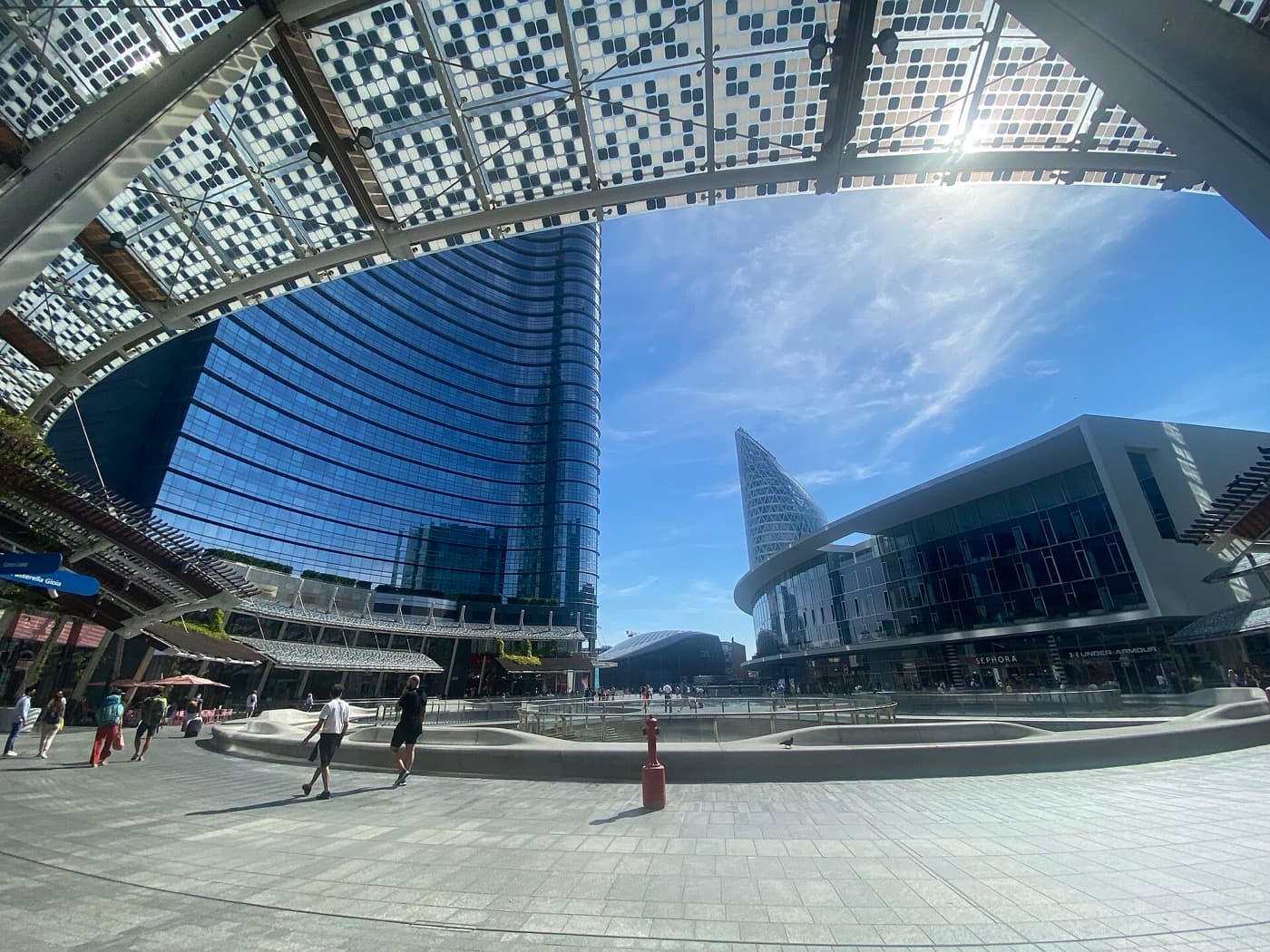
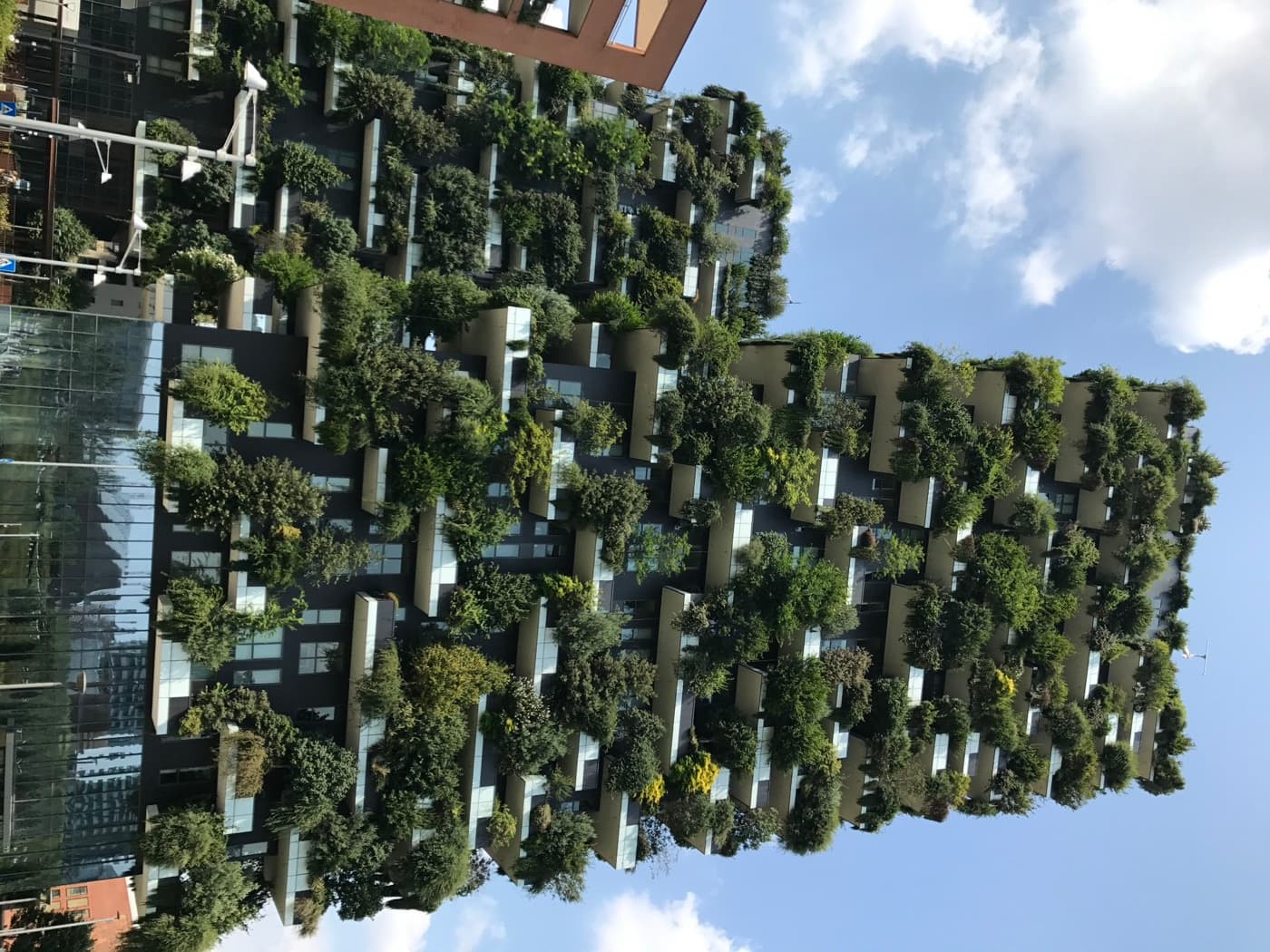
The second thread is industry becoming design, and it runs straight into the sky. The Vertical Forest walk reads Porta Nuova, the district Milan grew upward over the twenty tens on former railway wasteland north of the historic center. Piazza Gae Aulenti, a raised circular deck one hundred metres across, opened on the eighth of December, 2012, just weeks after the death of the designer it honors. The UniCredit Tower, completed in 2011 to a design by Cesar Pelli, is the tallest building in Italy by total height, though the walk is honest about the asterisk: its title depends on the spire, since the Allianz Tower across the city is taller measured to the roof alone. The district's signature is the Bosco Verticale, two residential towers whose balconies carry seven hundred and thirty real trees plus thousands of shrubs and perennials, completed in 2014 to a design by Stefano Boeri. A forest in the sky is not a metaphor. It is a structural load, an irrigation problem, and a maintenance contract tended by specialist gardeners lowered down the facade on ropes. At ground level the Biblioteca degli Alberi answers back, a public park organized as about twenty two circular forests, each dedicated to a single tree species, built on a remediated brownfield.
The crucial move in that walk is the reveal that this leap upward is a sequel, not a clean break. Beneath the slender Grattacielo Pirelli, completed in 1960 to a design by Gio Ponti with structural engineering by Pier Luigi Nervi and Arturo Danusso, the whole reading changes. That tower, one hundred and twenty seven metres of tapered concrete, became a symbol of Italy's postwar economic recovery, the years Italians called the economic miracle, and its design influenced the New York tower now known as the MetLife Building. Milan had reached upward before, on the same northern edge. The walk ends at Stazione Centrale, inaugurated in 1931, whose disused rail yards became the very ground the new district was built on. The railway made the land industrial, then abandoned it, and the towers, the park, and the raised square all rose on that emptied space.
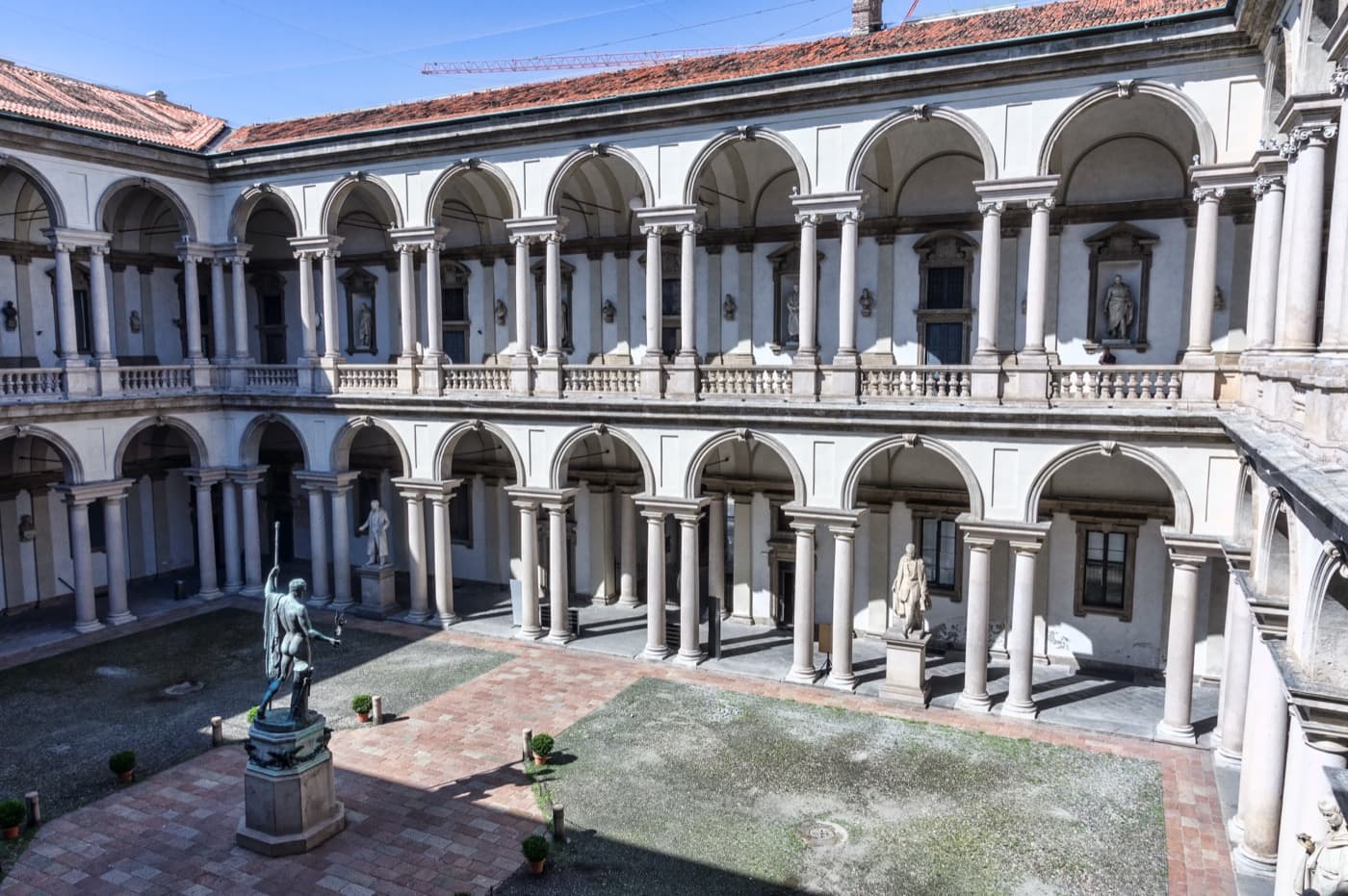
The third thread is the softness a hard city allows itself on purpose, and it is where the ambition turns human. The Painters' Quarter walk reads Brera, the one district where a city that dresses in a banker's suit lets itself be romantic, nicknamed the Milanese Montmartre for the academy and cafe culture around its great gallery. The Palazzo di Brera concentrated Enlightenment institutions under one roof: the Pinacoteca opened to the public on the fifteenth of August, 1809, chosen because it was Napoleon's birthday, and the same complex holds an academy, a historic library, an observatory, and a botanical garden. That garden, the Orto Botanico di Brera, was founded in 1774 under Empress Maria Theresa of Austria and holds one of the oldest Ginkgo biloba trees in Europe, kept green not for display but so students, and now visitors, would have somewhere to breathe.
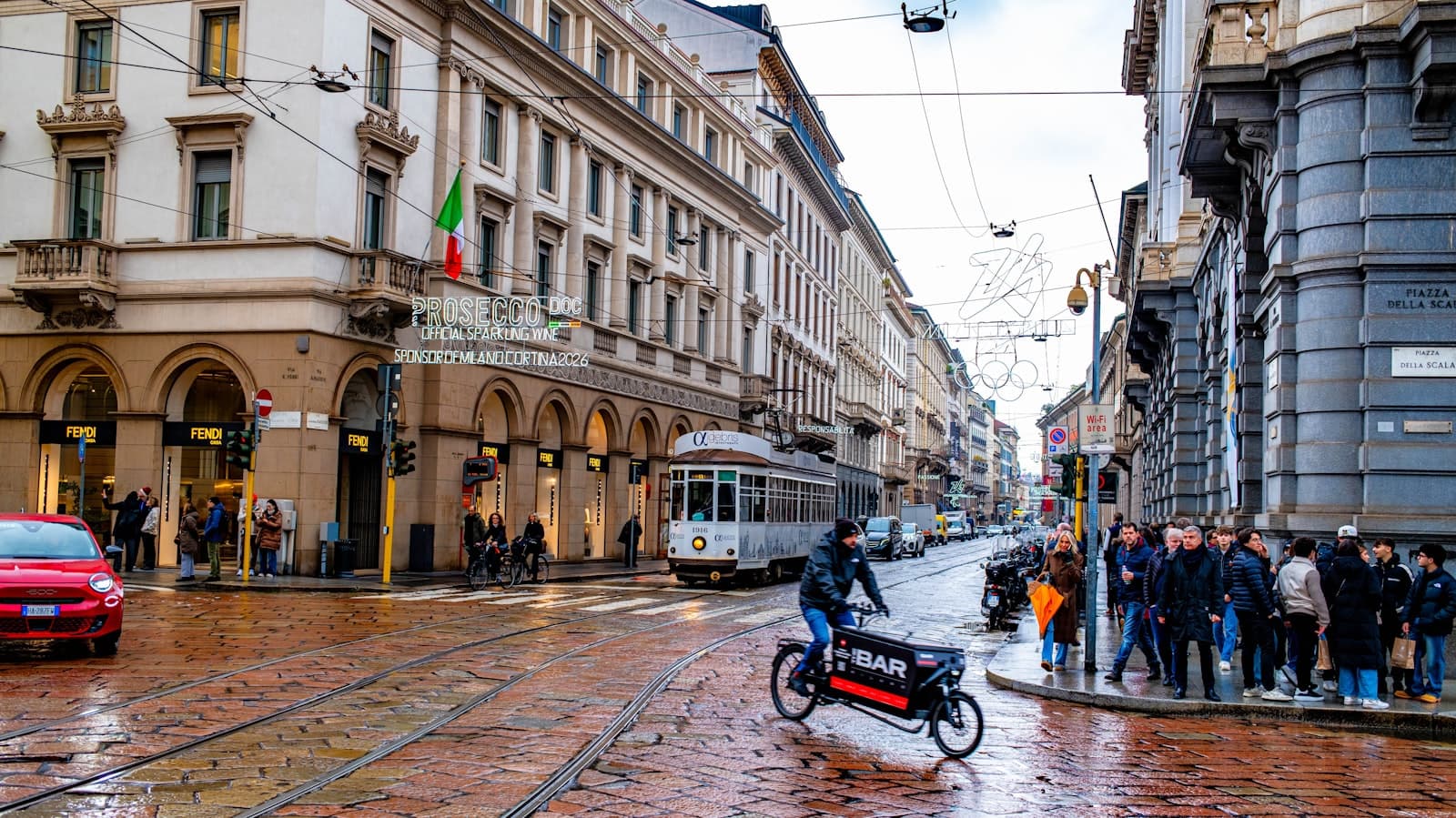
Brera repeats the city's whole argument in miniature. Santa Maria del Carmine is a church whose fifteenth-century structure collapsed in 1446, was rebuilt under Ludovico Sforza, and got its brick neo-Gothic facade only in 1880: a landmark that fell, admitted it, and was patiently built back up, in a city obsessed with never faltering. The Castello Sforzesco, a fortress built to project a duke's power, keeps at its heart Michelangelo's Rondanini Pieta, his last and unfinished sculpture, and a room Leonardo painted around 1498. The walk closes at Piazza della Scala, where the opera house inaugurated in 1778 was designed by Giuseppe Piermarini, the same architect who completed the Brera courtyard where the walk began. A working city built a temple to feeling and set a monument to Leonardo at the center of its square. Water, industry, and art are not three separate Milans. They are one city that keeps choosing what to rebuild, and why. For all three routes and how they connect, see the full guide to Milan walking tours.
Sources
- Pinacoteca di Brera, official site, history of the palace and Napoleonic gallery: https://pinacotecabrera.org/en/
- Orto Botanico di Brera, University of Milan, garden history and collections: https://www.ortidibrera.unimi.it/
- UNESCO World Heritage Centre, Church and Dominican Convent of Santa Maria delle Grazie with The Last Supper by Leonardo da Vinci: https://whc.unesco.org/en/list/93/
- Comune di Milano, Navigli and Darsena history and recovery: https://www.comune.milano.it/
- Boeri Studio, Bosco Verticale project description and awards: https://www.stefanoboeriarchitetti.net/en/project/vertical-forest/
Frequently asked questions
- Why does Milan have canals if it has no river?
- Milan is landlocked with no natural river, so from the twelfth century it dug an artificial ring of canals called the navigli to move cargo. The Naviglio Grande began as a defensive ditch cut in 1157 and reached navigability by 1272, feeding a dock, the Darsena, that ranked third in Italy for cargo tonnage in the 1950s. Most canals were paved over in the twentieth century, but two still run in the open air.
- Is the Bosco Verticale really covered in live trees?
- Yes. The Bosco Verticale is a pair of residential towers in the Porta Nuova district whose balconies carry seven hundred and thirty real trees, plus roughly five thousand shrubs and eleven thousand perennials across ninety four plant species. Completed in 2014 to a design by Stefano Boeri, the trees are a genuine structural load and are tended by specialist gardeners lowered down the facade on ropes. The towers are private homes viewed only from the street.
- Where is Leonardo's Last Supper and can you just walk in?
- The Last Supper is painted on a wall of the refectory at Santa Maria delle Grazie, a Dominican church and convent in Milan. Leonardo painted it around 1495 to 1498. The church itself is free to enter, but the mural sits in a separate museum, the Cenacolo Vinciano, which requires a timed ticket booked well in advance and often sells out. You cannot expect to walk up without a reservation.
- What is the tallest building in Italy?
- The UniCredit Tower in Milan's Porta Nuova district is the tallest building in Italy by total height, reaching roughly two hundred and thirty eight metres to the tip of its spire. The title depends on that spire: measured to the roof alone, at about one hundred and fifty eight metres, the Allianz Tower across Milan is taller. The UniCredit Tower was completed in 2011 and designed by Cesar Pelli.
- Why is Brera called the Milanese Montmartre?
- Brera earned the nickname because of the art culture that grew up around the Accademia di Brera and the Pinacoteca in the Palazzo di Brera. The district drew artists' studios, cafes, and galleries, giving a city known for finance and fashion a bohemian quarter. The reputation is partly heritage rather than a snapshot of today, but the academy, gallery, and narrow lanes are real.
Ready to experience it?
The Painters' Quarter
90 min · 3.1 km · moderate
More from Milan
Explore more at your own pace.
Brera and the Pinacoteca: Where Milan Chooses to Be Soft
Piazza Gae Aulenti and the District Milan Built on Air
Vicolo dei Lavandai: The Washermen's Alley That Explains Milan's Buried Port
Bosco Verticale: The Vertical Forest You Can Weigh
Galleria Vittorio Emanuele II: The Glass Salon of Milan