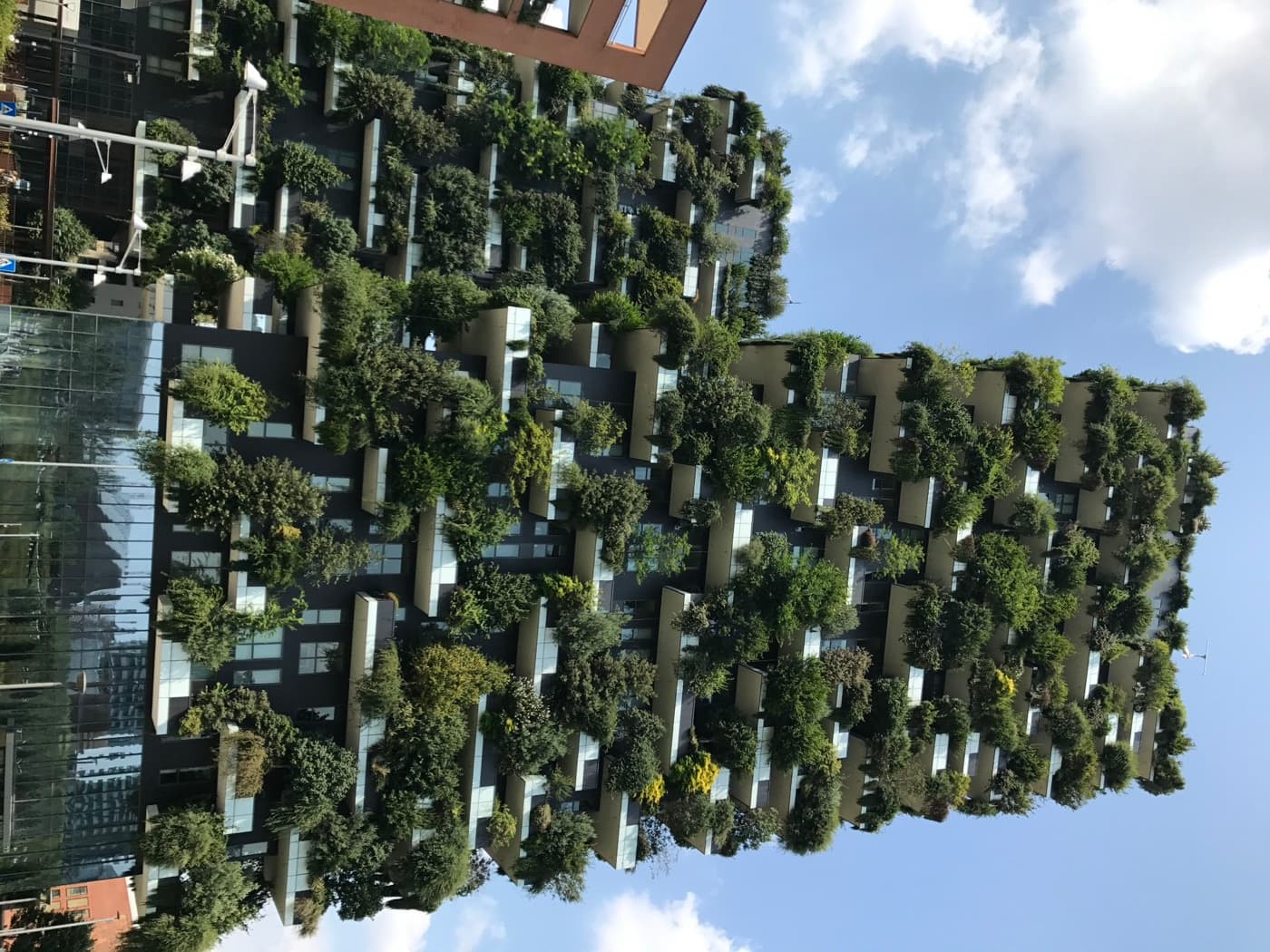
Bosco Verticale is a pair of residential towers in Milan whose balconies carry a real forest, and the reason to stand in front of it is not the greenery but the structure that holds the greenery up. The name means Vertical Forest, and the word forest is not a flourish. The design counts 730 trees, 480 of them large and 250 small, along with roughly 5,000 shrubs and 11,000 perennials and groundcover plants, across 94 plant species. That is a genuine woodland, redistributed onto the faces of two buildings. Once you see it as weight rather than as ornament, the whole thing changes character, and it becomes far more impressive than a photograph can suggest.
What you are actually looking at
The two towers are unequal by design. The taller one rises 116 metres, the shorter one 84 metres, and they sit together on the northern edge of Milan's Porta Nuova district, a stretch of former railway land that the city rebuilt upward through the twenty tens. They were inaugurated on the seventeenth of October, 2014, designed by Stefano Boeri with Gianandrea Barreca and Giovanni La Varra of Boeri Studio.
Boeri's premise was direct: instead of scattering a small woodland across a city block at ground level, concentrate it onto two vertical surfaces and give the trees the sky. The plants are not confined to a few token planters. They ring the balconies at every level, so from the street the buildings read as two green columns whose edges dissolve into foliage. The effect is meant to look effortless. That impression is the trick, and the point of visiting is to see through it.
A forest is a load
Hear a stop from this walk
UniCredit Tower: The Tallest, With an Asterisk
Here is the part an engineer cannot let you skip. A tree on a balcony is not a picture. It is a load, and a demanding one. Soil is heavy, and wet soil after irrigation is heavier still. A grown tree a hundred metres up catches wind like a sail, so the higher the plant, the larger the horizontal force it hands back to the building. The cantilevered balconies that carry all this greenery had to be engineered to hold the combined weight of earth and trees and to resist the wind loading those trees generate. The calm green wall you are looking at is doing structural work the entire time.
This is why the balconies are as deep and as reinforced as they are, and why the planting was designed alongside the structure rather than added afterward. The trees are treated as both dead load, the constant weight of soil and trunk, and live load, the variable pull of wind and growth. In an ordinary tower, a balcony is a place to stand. Here it is a foundation for a canopy, and it had to be sized accordingly.
The maintenance is the building
A forest does not tend itself, and neither does this one. Bosco Verticale carries a permanent maintenance commitment written into its operation. The trees are pruned and inspected by specialist gardeners, sometimes described as flying gardeners, who are lowered down the facade on ropes to reach the plants. That detail is worth holding onto, because it tells you the design is a managed system, not a finished object. Watering, pruning, replacing plants that fail, checking that root balls stay anchored against the wind: all of it continues for as long as the building stands. The greenery is not a one-time gesture. It is an ongoing contract.
That reframing matters if you want to understand green architecture honestly. The romantic version says a building can simply be covered in plants. The engineered version says a building can carry plants if, and only if, someone designs for the weight, the wind, and the decades of upkeep. Bosco Verticale is the honest version made visible.
Why it earned its reputation
The project was recognized quickly and at the top level. It won the International Highrise Award in 2014, and in 2015 the Council on Tall Buildings and Urban Habitat named it the best tall building worldwide. Those awards are not for the idea alone. Plenty of renderings have shown green towers; very few have been built and kept alive at this scale. The recognition tracks the fact that the trees are real, established, and maintained, rather than a proposal on paper.
Standing across the street, you can read both layers at once. The first is pure wonder, and you should let that register: two towers wearing a living forest, unlike almost anything else in the city. The second is the engineer's reading, which does not diminish the wonder but deepens it. Every branch you find beautiful is held there by structure and kept there by labor.
Standing in front of it
These are private homes. There is no lobby to enter and no tour to book. You view Bosco Verticale from the street, and the best vantage is from across the road or from the edge of the neighboring Library of Trees park, where you can frame both towers and their greenery in one look. Late afternoon into early evening is the most rewarding time, when low sun catches the foliage and the glass of the surrounding towers.
The one thing to understand as you look up is this: the forest is not resting on the building, it is carried by it. Seeing that turns a pretty facade into a piece of structural reasoning you can appreciate with your own eyes.
Bosco Verticale is the third stop on the Milan Porta Nuova walking tour, which reads the whole district as an argument that an old city can still be radically new, then traces that argument back to a slender concrete tower first raised in the late nineteen fifties that made the same case decades earlier. If you want the full sequence, from the raised public square through the tallest tower in the country to the railway station whose vanished yards became this ground, the tour connects them in order. Explore more Milan walking tours, or start planning your visit to Milan.
Sources
- Bosco Verticale, Wikipedia. Overview of the towers, plant counts, heights, and awards.
- Vertical Forest, Stefano Boeri Architetti official project page. The architect's own account of the concept, the flying gardeners, and design intent.
- CTBUH Awards, Best Tall Building Worldwide 2015. Confirms the Council on Tall Buildings and Urban Habitat recognition and the plant tally.
- Roamer tour: The Vertical Forest (Milan Porta Nuova). Fact-audited narration for the six-stop route that includes Bosco Verticale.
Ready to experience it?
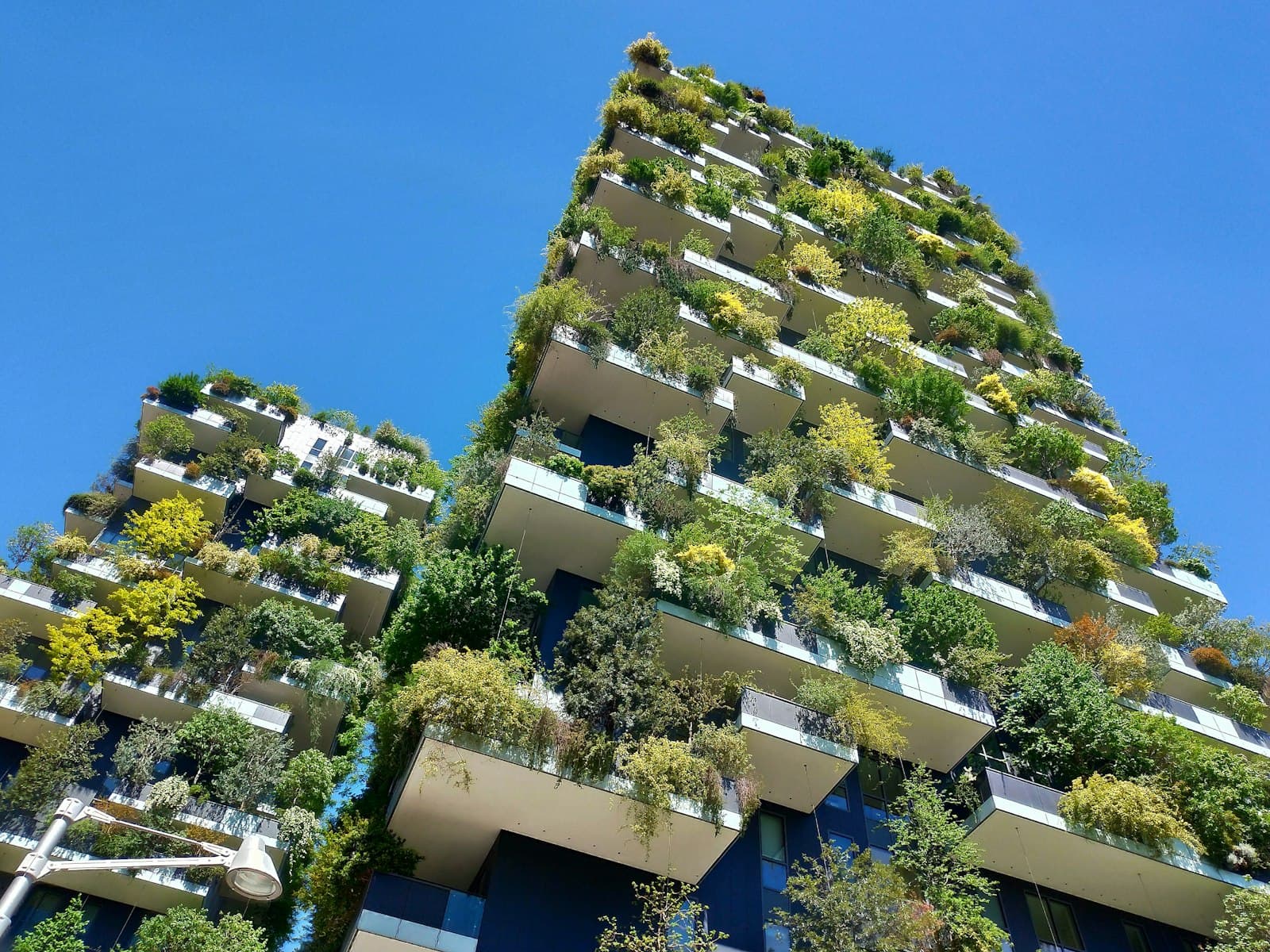
Porta Nuova: The Vertical Forest
90 min · 2.1 km · easy
More from Milan
Explore more at your own pace.
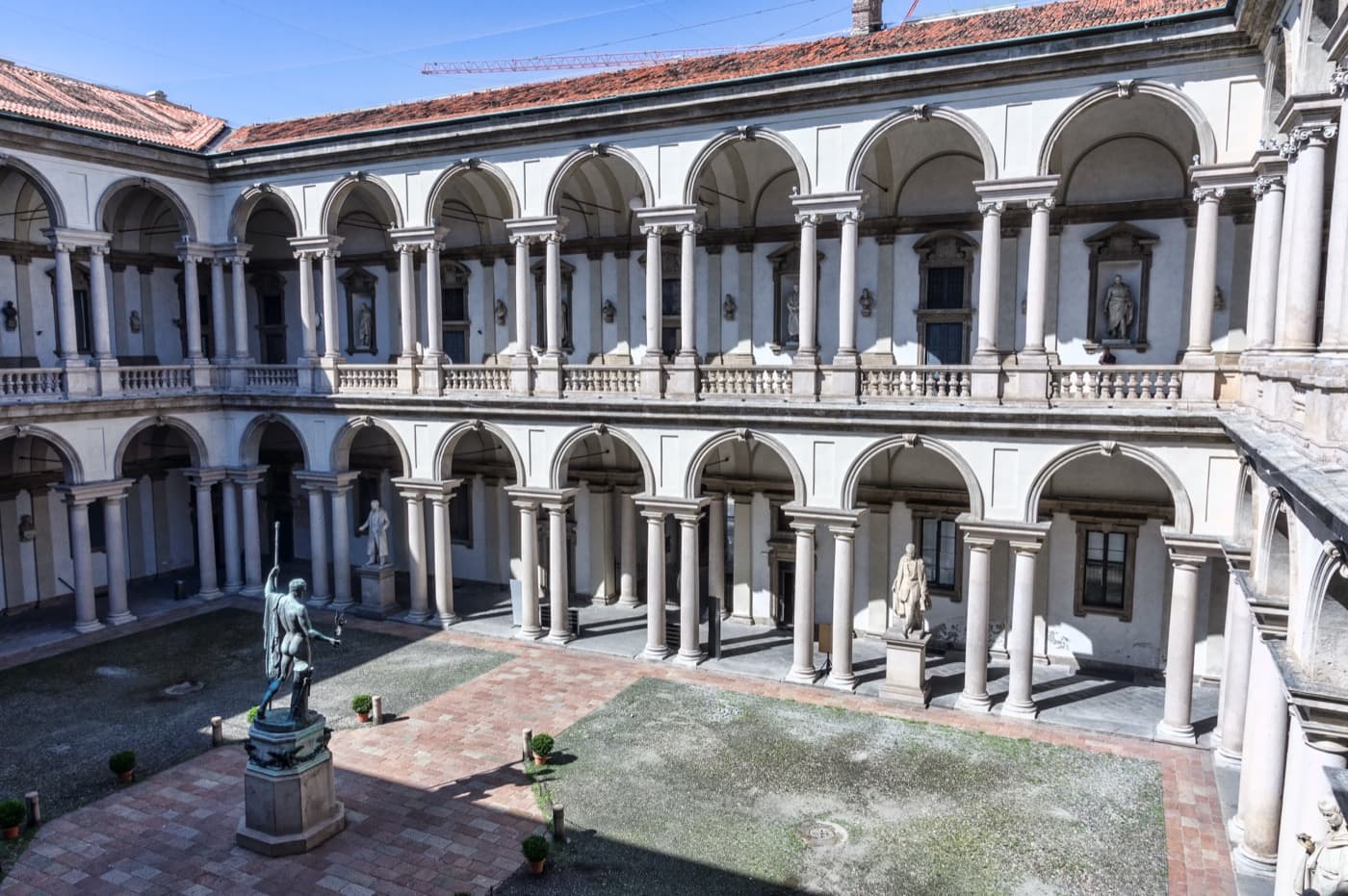
Brera and the Pinacoteca: Where Milan Chooses to Be Soft
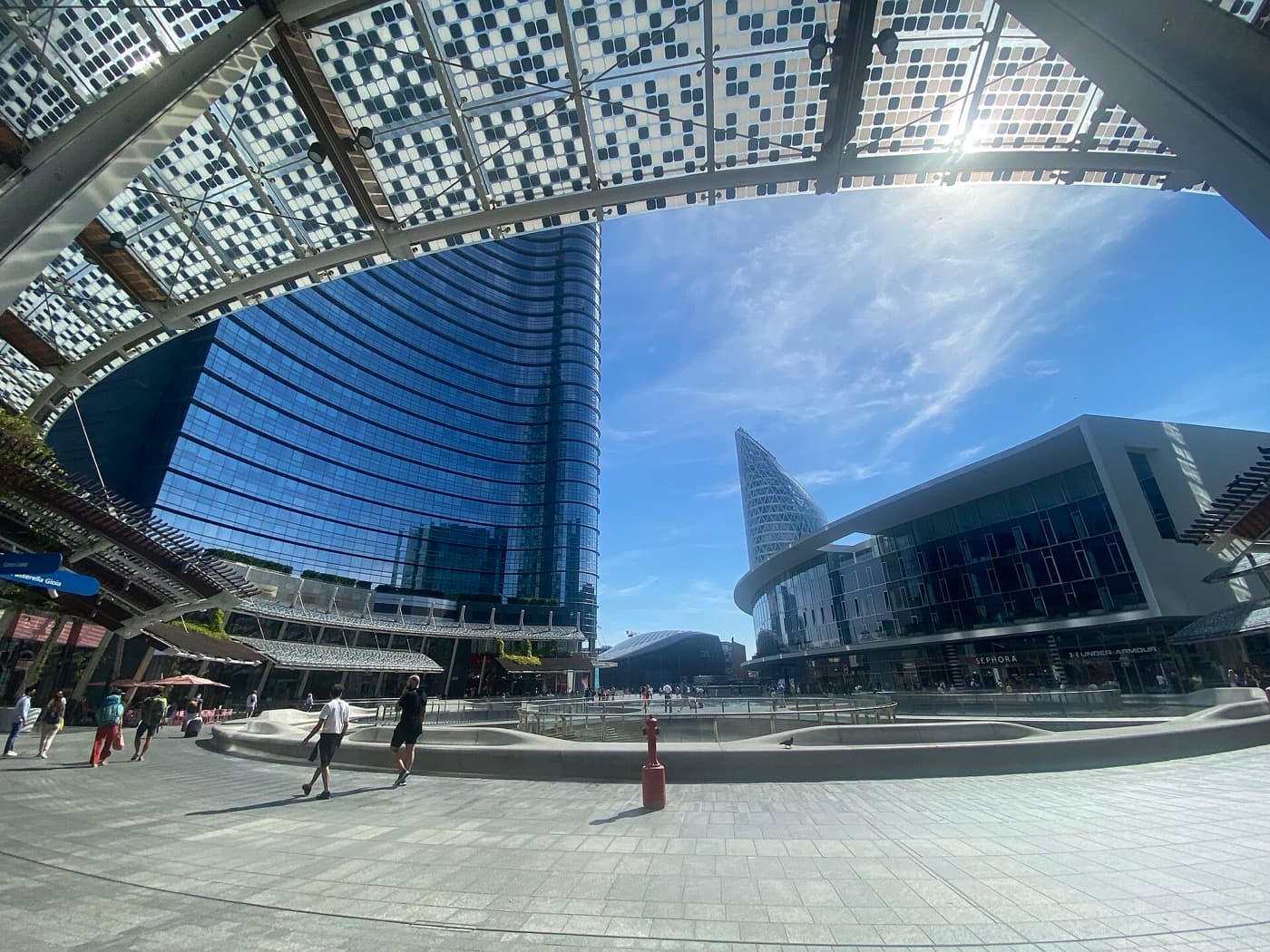
Piazza Gae Aulenti and the District Milan Built on Air
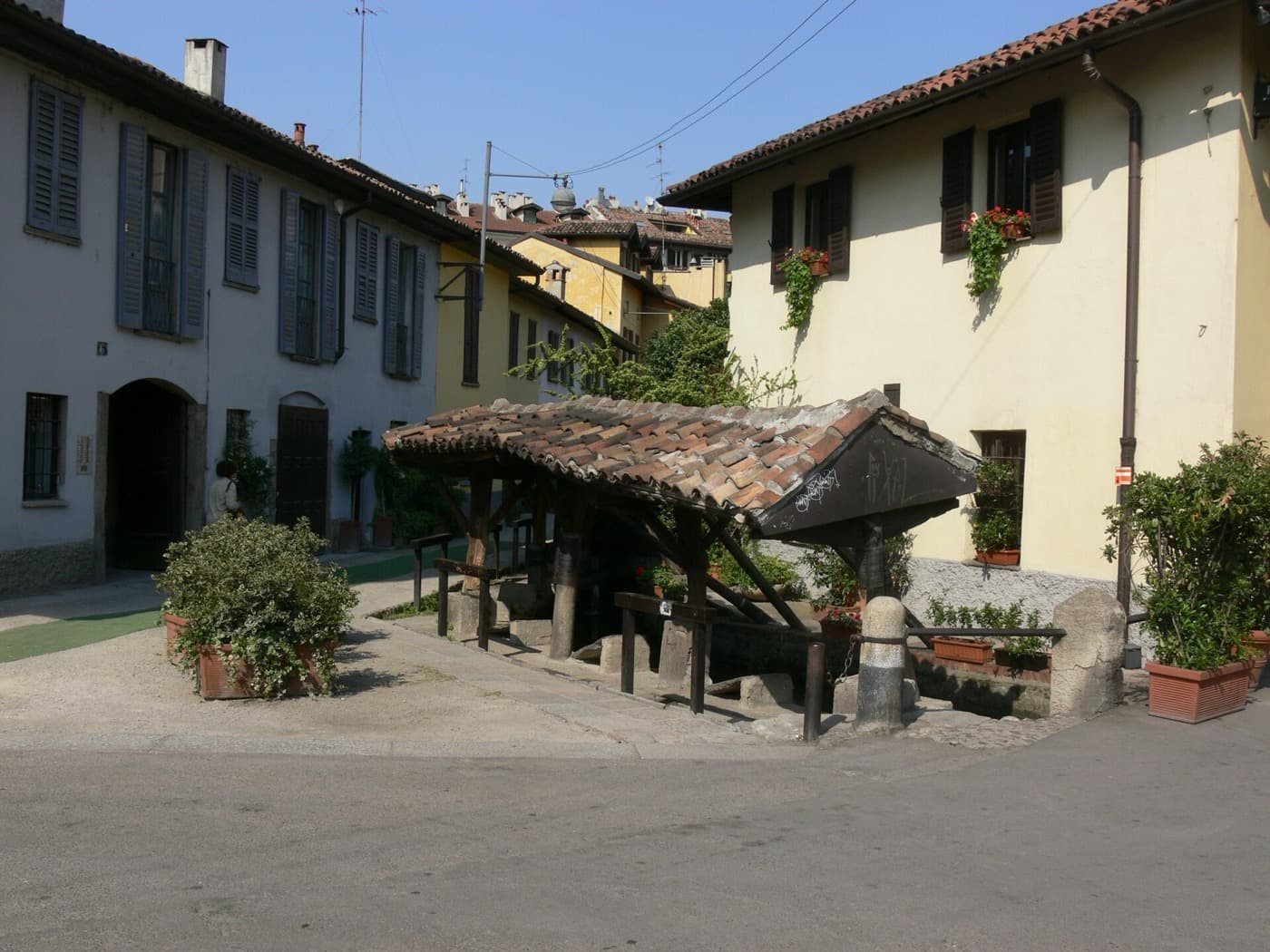
Vicolo dei Lavandai: The Washermen's Alley That Explains Milan's Buried Port
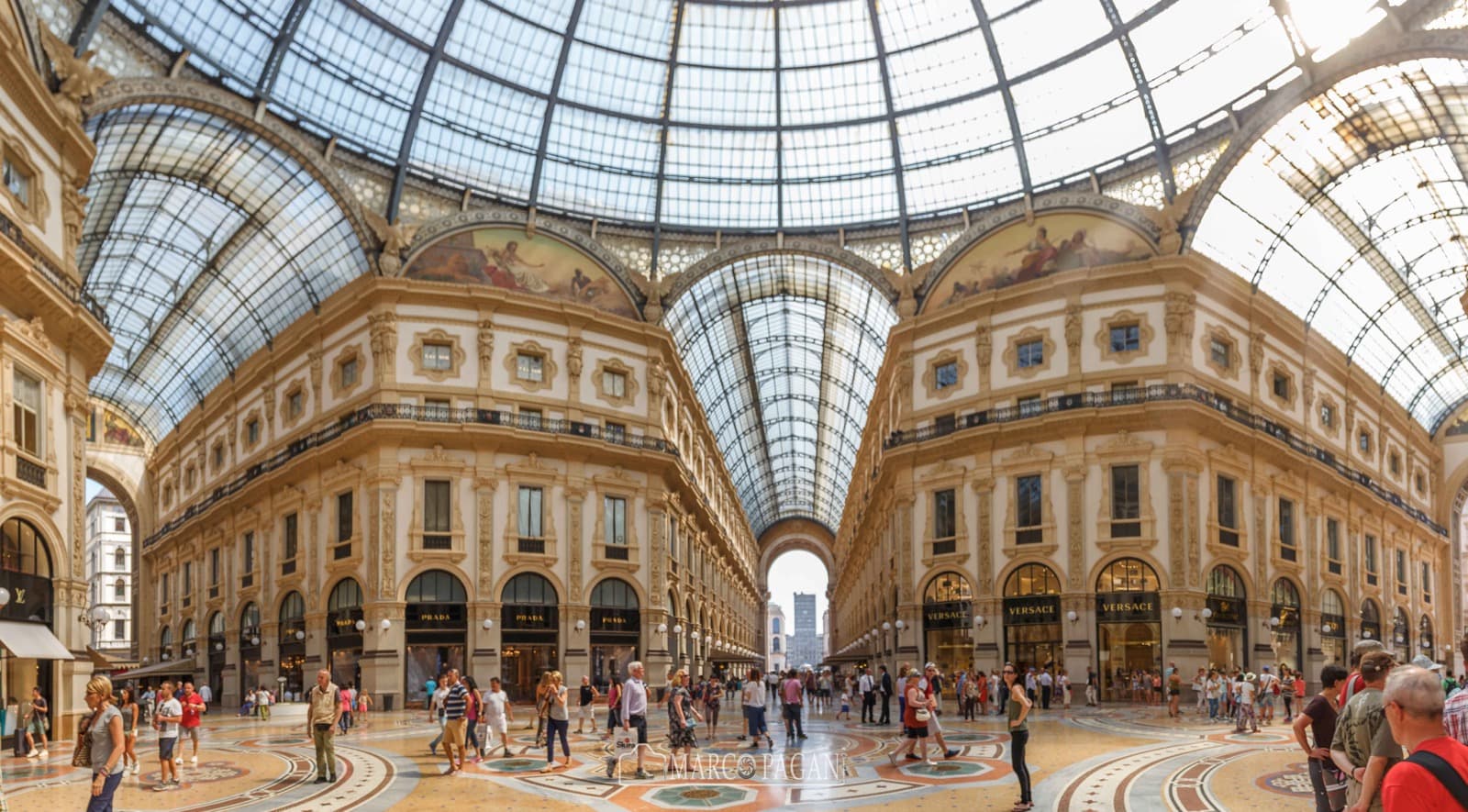
Galleria Vittorio Emanuele II: The Glass Salon of Milan
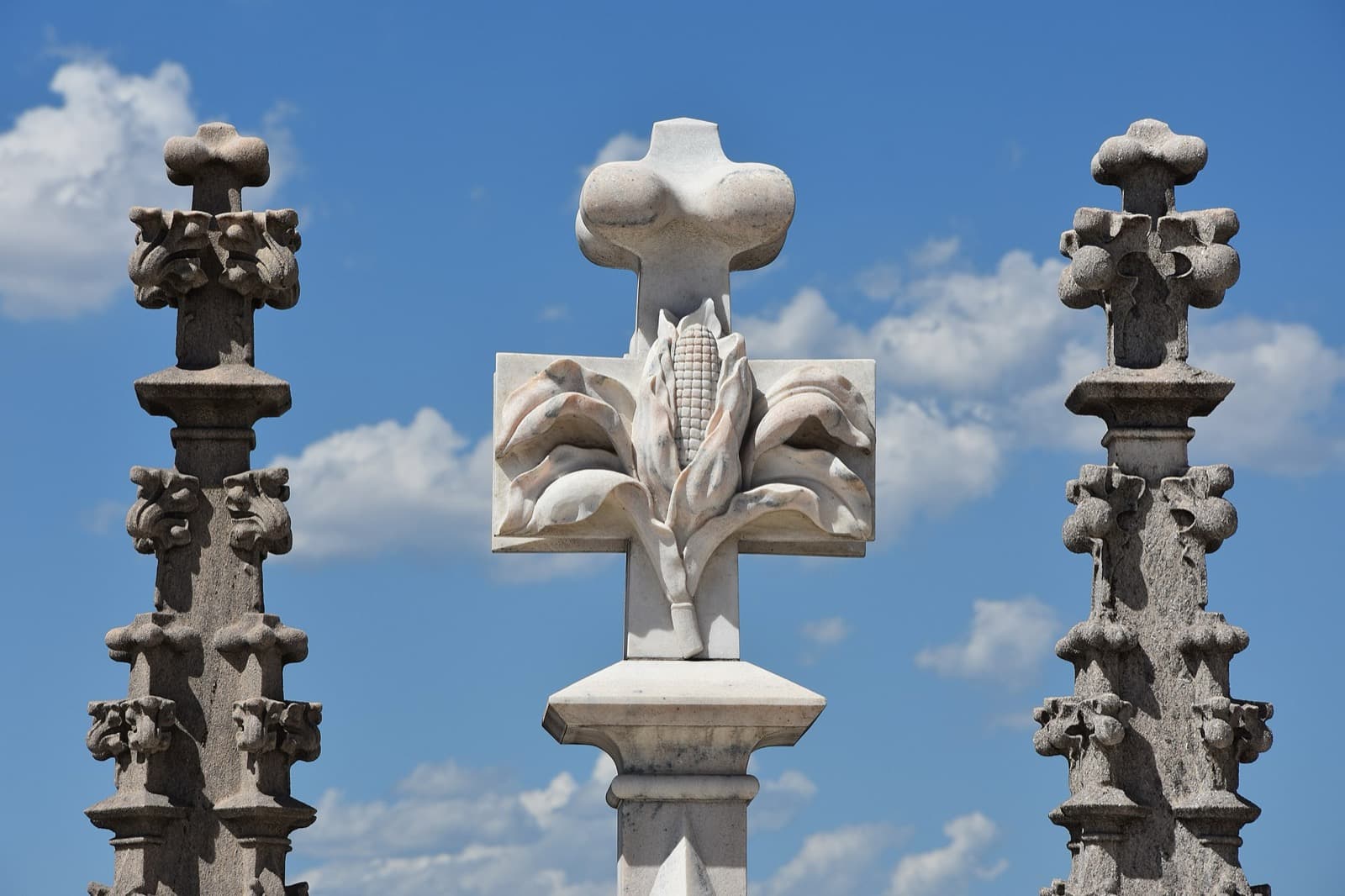
Milan Cathedral: A Marble Forest Six Centuries in the Making