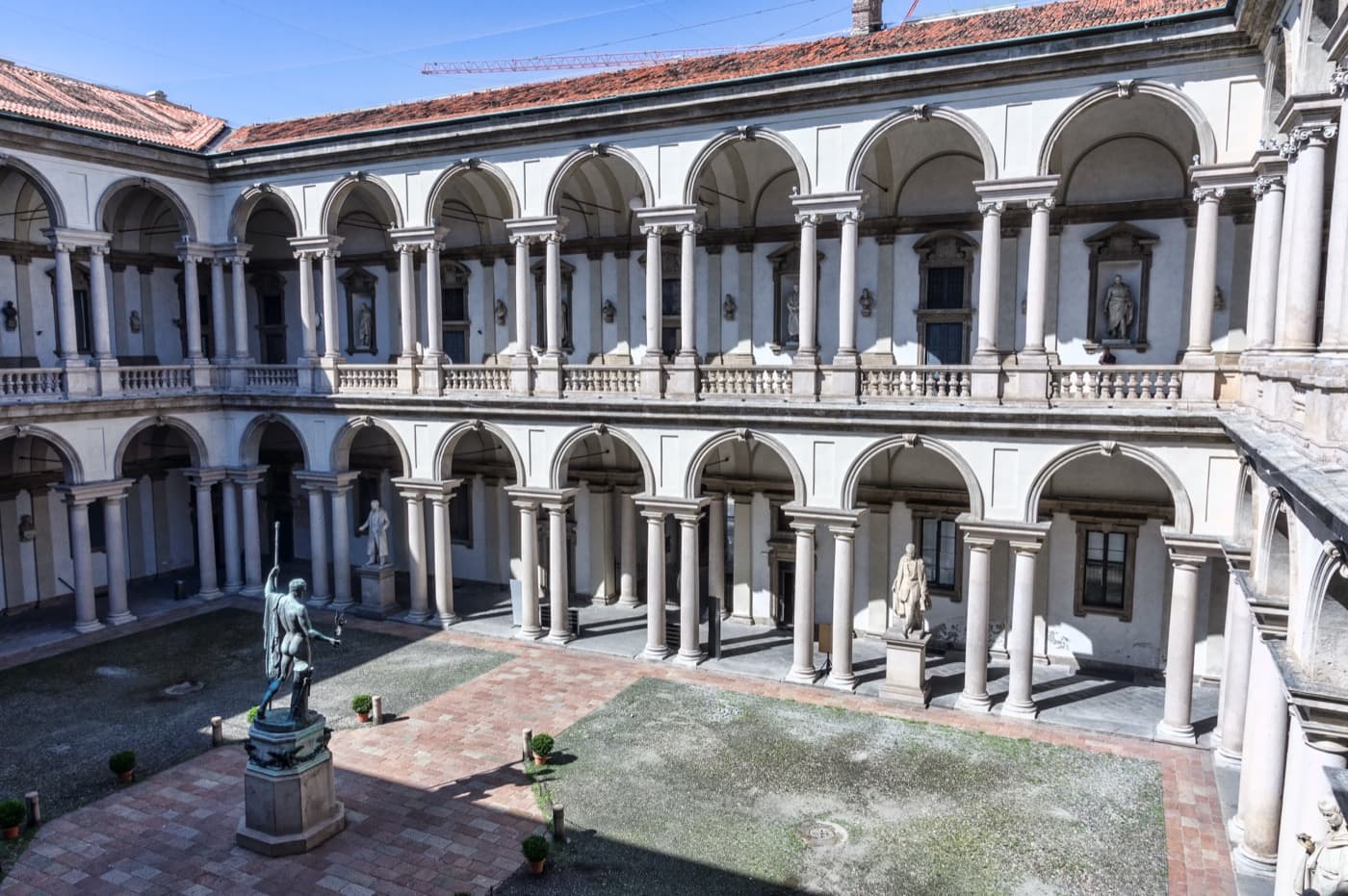
Milan is a disciplined city of money and fashion, a place that keeps moving in a banker's suit, and the Brera quarter is where that hard city chooses to be soft on purpose. The clearest door into this argument is the Pinacoteca di Brera. Stand in the colonnaded courtyard of the Palazzo di Brera on Via Brera, look at the two tiers of arches and the bronze Napoleon at the center, and you are already reading the whole neighborhood: a city built for work that decided to build a temple to looking.
The courtyard makes the case before you buy a ticket
You do not need to enter the gallery to understand what it is arguing. The courtyard is free, and it says plenty. In the middle stands a bronze figure of Napoleon, nude and heroic, styled as Mars the Peacemaker. The honest version of the story matters here: Antonio Canova designed the original, but the bronze on this spot is a cast, made in Rome in 1811 by Francesco Righetti and his son Luigi, and set in the courtyard only in 1859. A plaster version lives indoors in the room the gallery numbers Sala Fourteen.
The palace itself has worn many lives. It began as a monastery held by an order called the Humiliati, became a Jesuit college after 1571, and passed to Austrian Habsburg control when the Jesuits were suppressed in 1773. The architecture grew slowly across those shifts: Francesco Maria Richini began the palace around 1615, and Giuseppe Piermarini completed the courtyard and entrance around 1780. Then came the grand civic gesture. The Reale Pinacoteca opened to the public on August 15, 1809, a date chosen because it was Napoleon's birthday. The Brera Academy had been established a little earlier, in 1776.
Inside hang names you know, and the key early acquisition was Raphael's Sposalizio, his Marriage of the Virgin. Seeing those rooms takes a ticket, so from the courtyard the smart move is to treat the masterpieces as a promise held behind the walls. What matters standing in the open air is the shape of the ambition: one grand roof over a gallery, an academy, a historic library, an astronomical observatory, and a botanical garden. A city of work put all of that in one place and called it improvement.
Behind the wall, a garden kept on purpose
Hear a stop from this walk
Via Brera and the Artists' Quarter: The Milanese Montmartre
Slip behind the great palace and the noise drops away. This is the Orto Botanico di Brera, a modest rectangle of green, about five thousand square meters, and it is the softest beat of the walk. It was established in 1774 under the direction of Empress Maria Theresa of Austria, when an abbot named Fulgenzio Vitman converted an existing Jesuit garden into a teaching ground for students of medicine and pharmacy.
That pairing tells you something. The same Habsburg reform era that emptied the college of its Jesuits and remade the palace also kept this green heart alive, now for science rather than prayer. There are mature trees worth meeting: a black walnut, limes, and among them one of the oldest Ginkgo biloba trees in Europe, its fan-shaped leaves turning gold in autumn. The garden fell into neglect, was restored in 1998, and is now cared for by the University of Milan. On weekdays it is free to enter. This is the quiet center of the tour's whole argument: behind all that institutional ambition, a garden kept deliberately, not for display or money, but simply so students, and now you, would have somewhere to breathe.
A church that fell, and rose
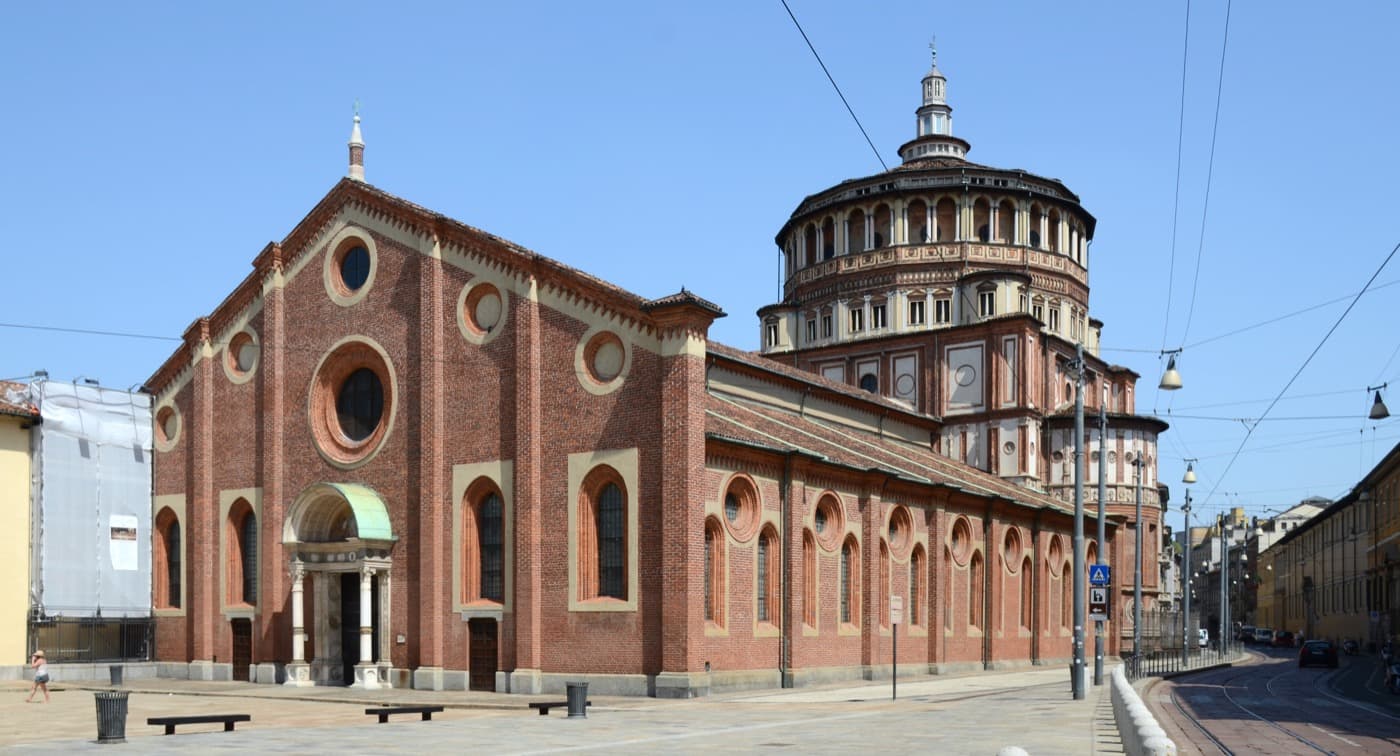
Walk to the piazza in front of Santa Maria del Carmine and look up at the warm red brick. The facade reads Gothic, all pointed arches, but here is the human twist: what you are looking at is largely nineteenth century. The Carmelites acquired the site in 1268. An earlier church burned in 1330. Construction of the current body began in 1400 to a design by a friar-architect, Bernardo da Venezia, and then in 1446 it collapsed, a failure the record attributes to cost-cutting with recycled columns that could not hold.
So the neighborhood rebuilt. Under Ludovico Sforza, with the architect Pietro Antonio Solari, the church rose again on the original design. The brick facade you see was completed much later, by Carlo Maciachini in 1880, in a neo-Gothic style meant to honor the medieval bones beneath. Inside, if the doors are open, there are big round pillars, crossed vaults, Baroque touches over the Gothic frame, and works by the painter Camillo Procaccini. In a city obsessed with never faltering, here is a landmark that fell, admitted it, and was patiently built back up.
The lanes, the fortress, and the temple to feeling
From the Carmine the streets themselves become the point. On Via Brera, near the academy, the lanes explain the nickname people have long used for the quarter, the Milanese Montmartre. The name Brera comes from an old Lombardic word for cleared or open land, since the ground here once lay outside the city walls, kept clear for military use. Empty land on the edge of things, which is often exactly where art decides to live. The honest note is that the bohemia is heritage and reputation as much as a present-day snapshot, and that is fine. Walk it without an agenda. That is the correct way to use Brera.
Then the walk turns hard. The Castello Sforzesco rises in red brick and battlements, a fortress ordered by Galeazzo the Second Visconti around 1358 to 1370, rebuilt on a grander scale by Francesco Sforza from 1450 and completed around 1499. Later it held a Spanish and Austrian garrison of one to three thousand men. The courtyards and grounds are free to walk. Leonardo da Vinci painted the ceiling of a room here, the Sala delle Asse, around 1498 with interlacing trees and branches. And inside one of the museums rests Michelangelo's Rondanini Pieta, his last sculpture, left unfinished. A fortress built for war keeps at its heart an old man's final, tender, unresolved act. That is the entire walk compressed into one building.
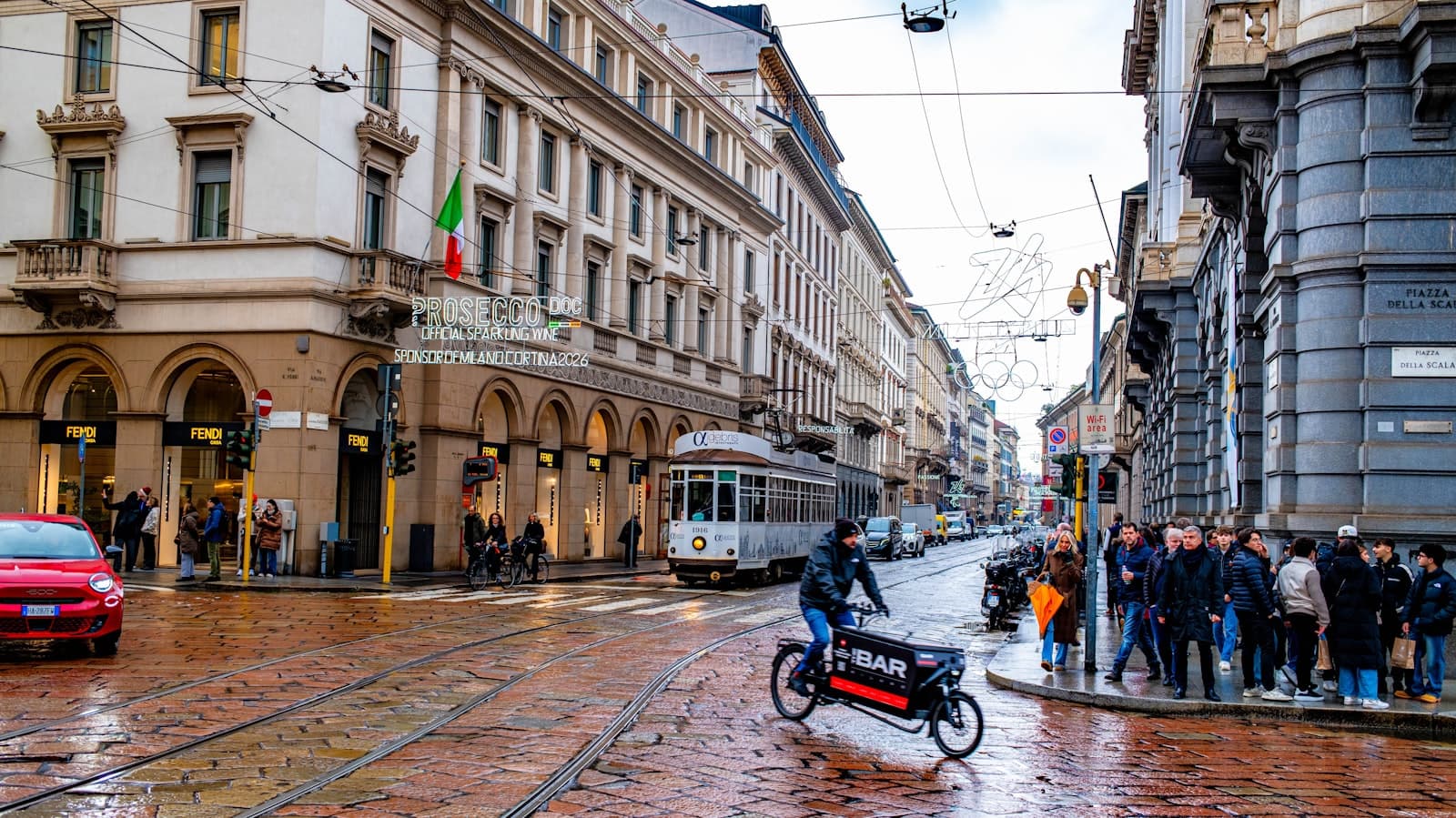
The route ends in Piazza della Scala. The Teatro alla Scala opened on August 3, 1778, designed by the same Giuseppe Piermarini who completed the Brera courtyard where you began, and its walls later heard premieres by Verdi, Puccini, Rossini, and Bellini. At the center of the square stands the Monument to Leonardo da Vinci, sculpted by Pietro Magni and unveiled on September 4, 1872, with four of Leonardo's pupils around its base. A capital of money and fashion built a temple to feeling and set an artist at its heart. Brera was never softness by accident.
Ready to walk it at your own pace? Start with the full self-guided route in our guide to Milan walking tours, or explore more of the city on the Milan page.
Sources
- Pinacoteca di Brera, Wikipedia: founding under Napoleonic rule, the courtyard Napoleon cast, and Raphael's Sposalizio.
- Palazzo Brera, Wikipedia: the building's monastery-to-Jesuit-to-Habsburg layering and the Piermarini and Richini construction phases.
- Orto Botanico di Brera and University of Milan garden pages: the 1774 founding under Maria Theresa, size, ginkgo, and 1998 restoration.
- Santa Maria del Carmine, Milan, Wikipedia: the 1446 collapse, Sforza-era rebuild, and Maciachini's 1880 facade.
- Sforza Castle and La Scala, Wikipedia: the Visconti-to-Sforza fortress history, the Sala delle Asse, the Rondanini Pieta, and the 1778 opera house opening.
Ready to experience it?
The Painters' Quarter
90 min · 3.1 km · moderate
More from Milan
Explore more at your own pace.
Piazza Gae Aulenti and the District Milan Built on Air
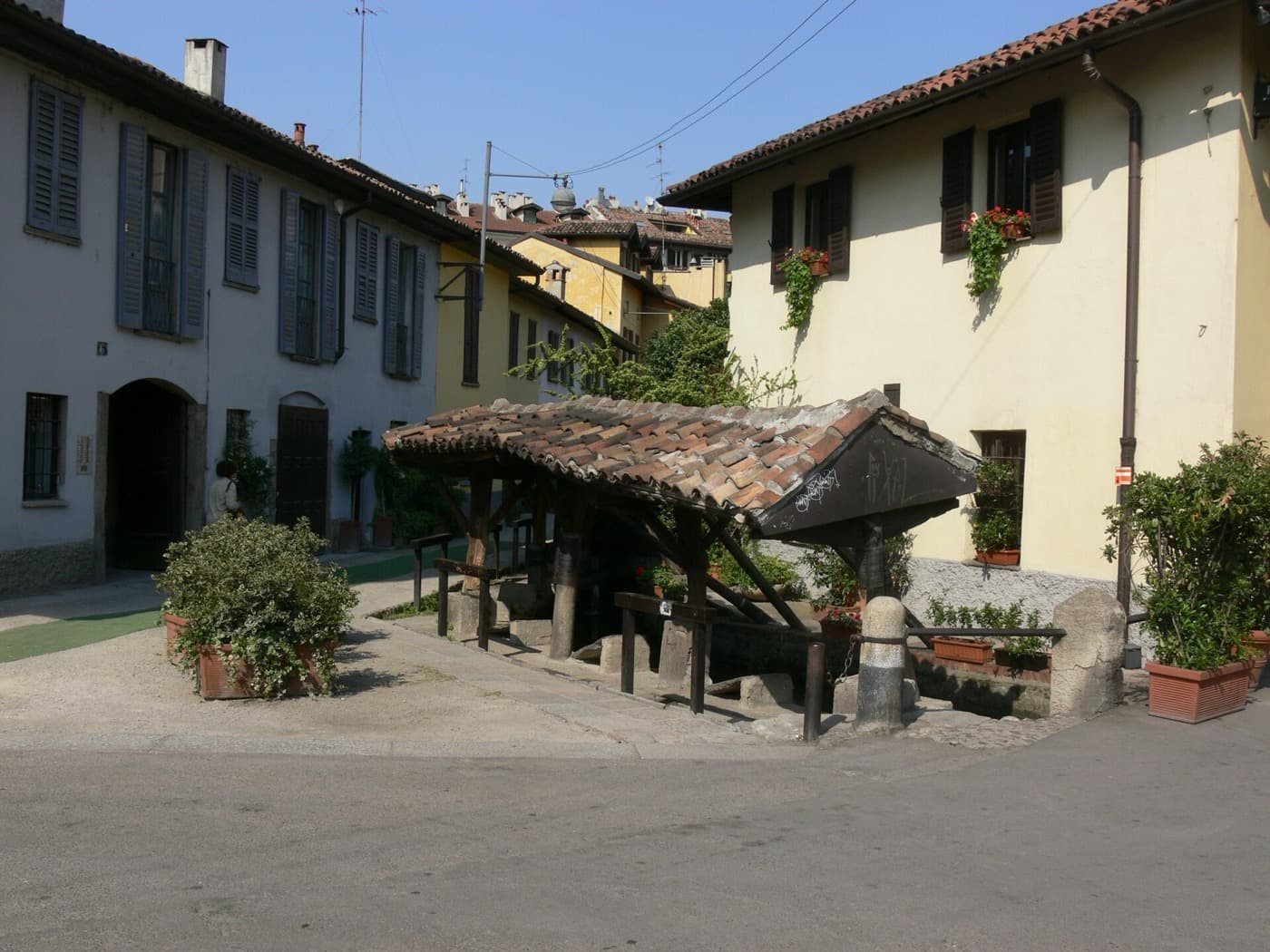
Vicolo dei Lavandai: The Washermen's Alley That Explains Milan's Buried Port
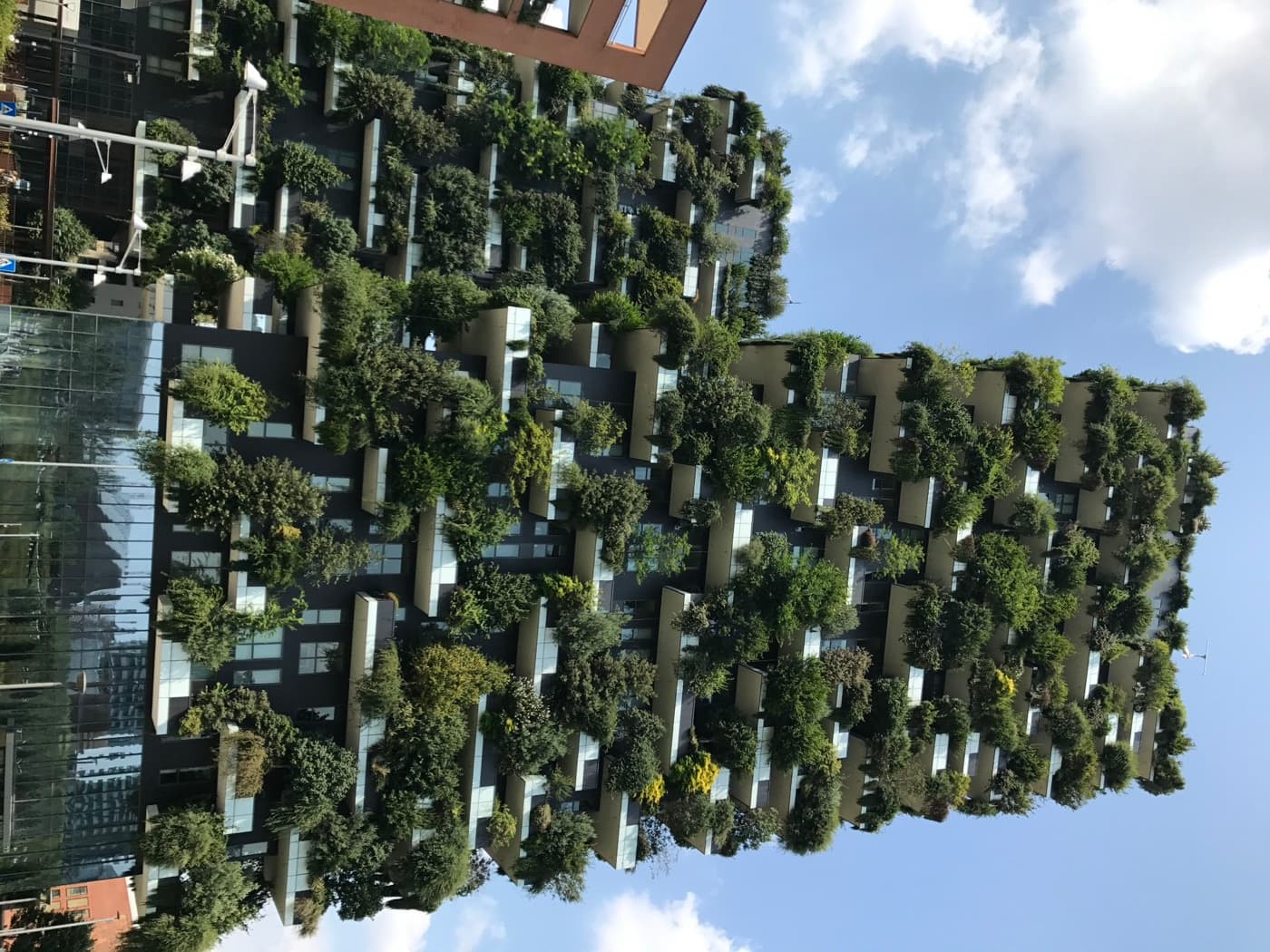
Bosco Verticale: The Vertical Forest You Can Weigh
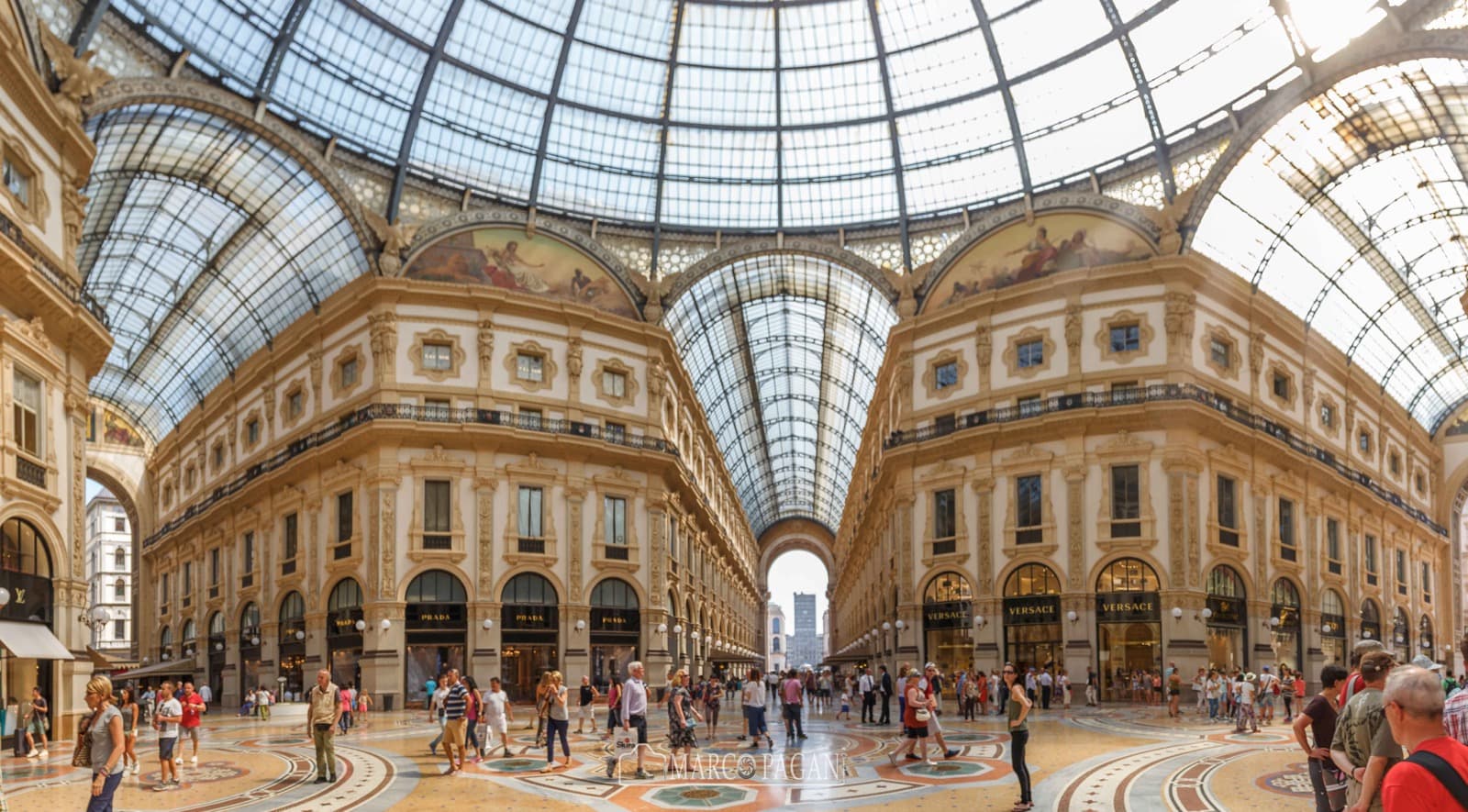
Galleria Vittorio Emanuele II: The Glass Salon of Milan
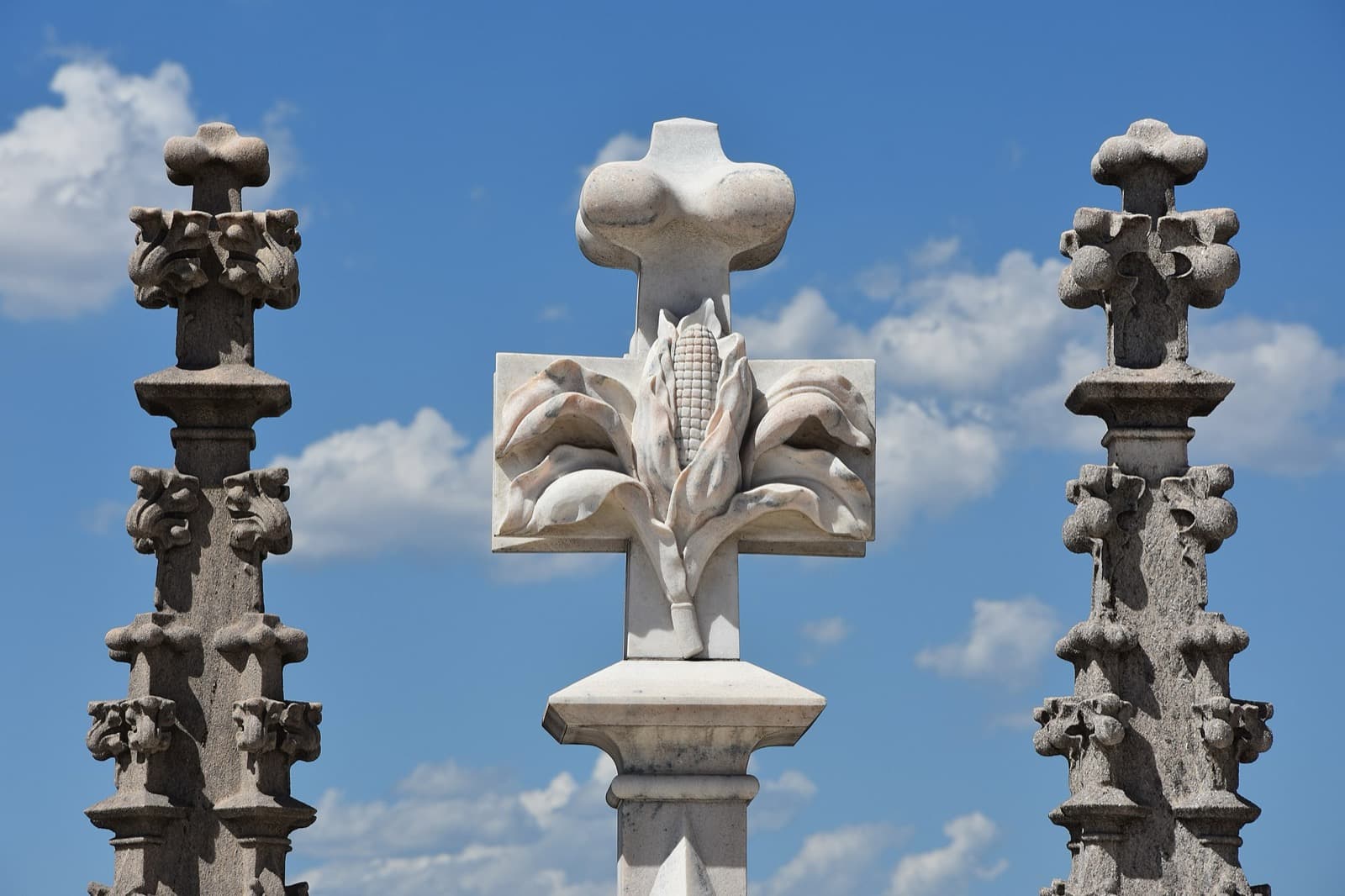
Milan Cathedral: A Marble Forest Six Centuries in the Making