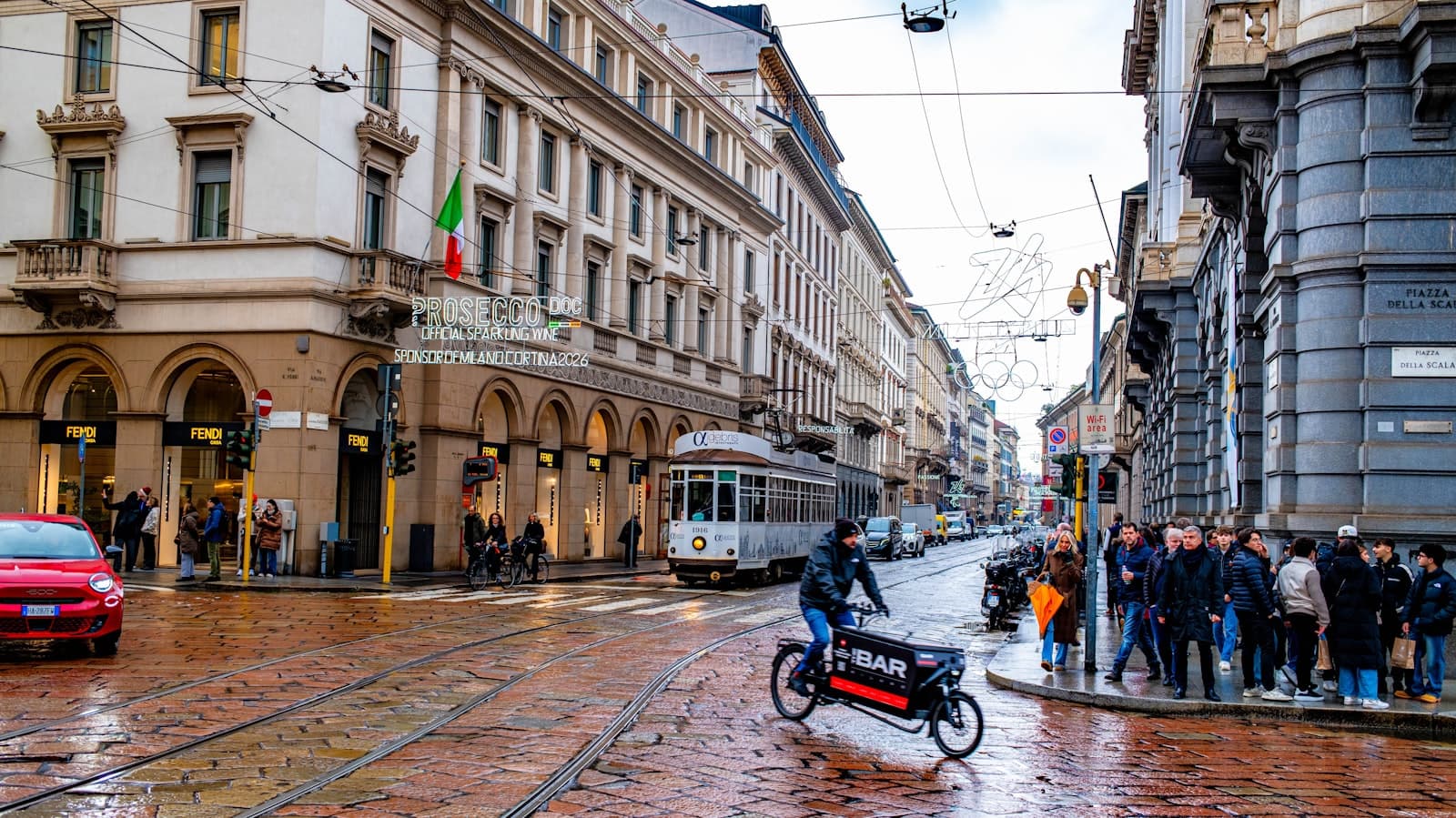
Milan wears a banker's suit, but in Brera it keeps a bohemian heart. This walk reads the artists' quarter as the softness a hard city of money and fashion allows itself on purpose.
Start · Pinacoteca di Brera and Palazzo di Brera: The Grand Anchor
DirectionsStops
- 1
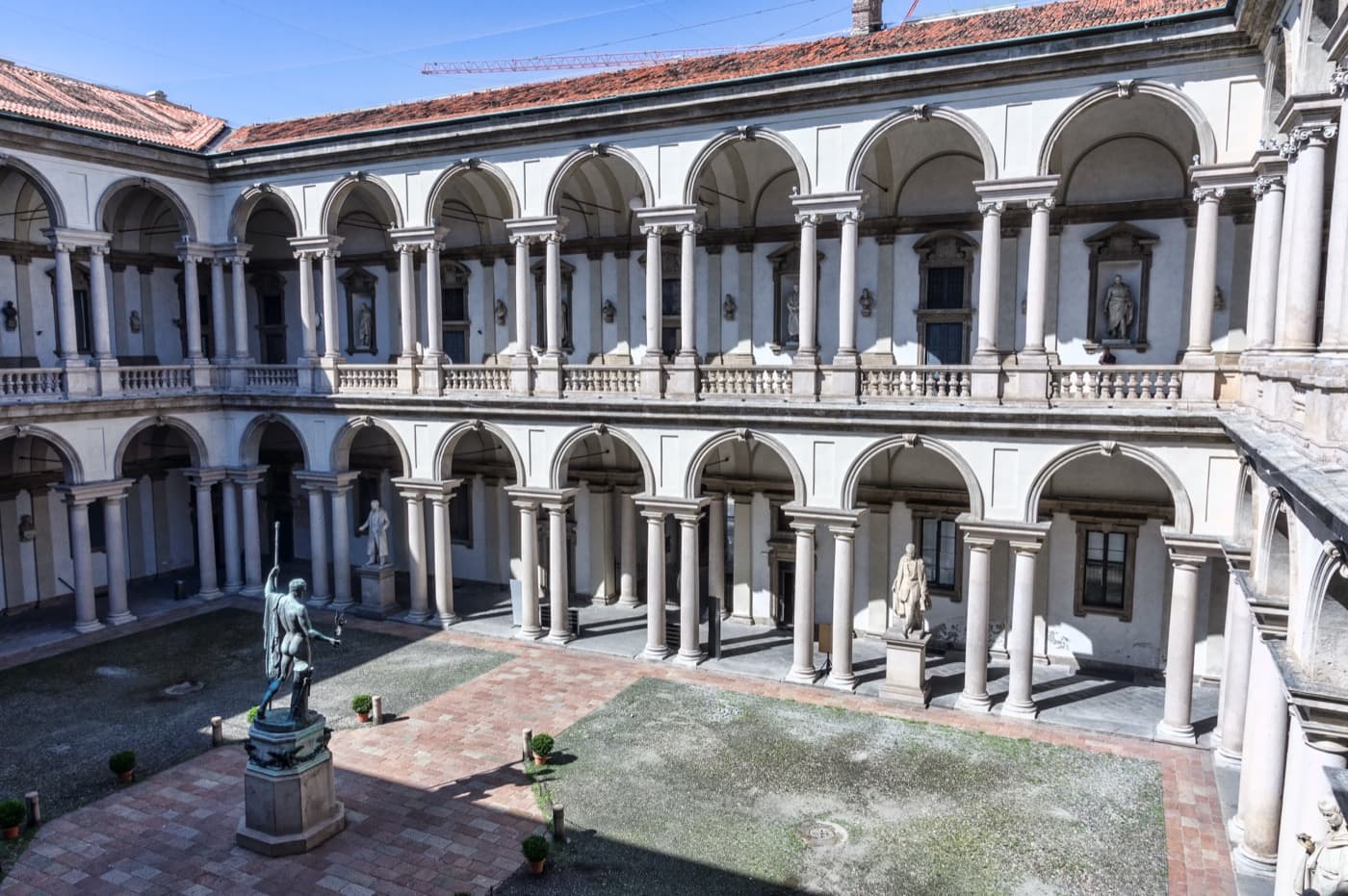
Pinacoteca di Brera and Palazzo di Brera: The Grand Anchor
The quarter's monumental heart, a former college turned into a Napoleonic public gallery, arranged around a colonnaded courtyard with a bronze Napoleon at its center.
- 2
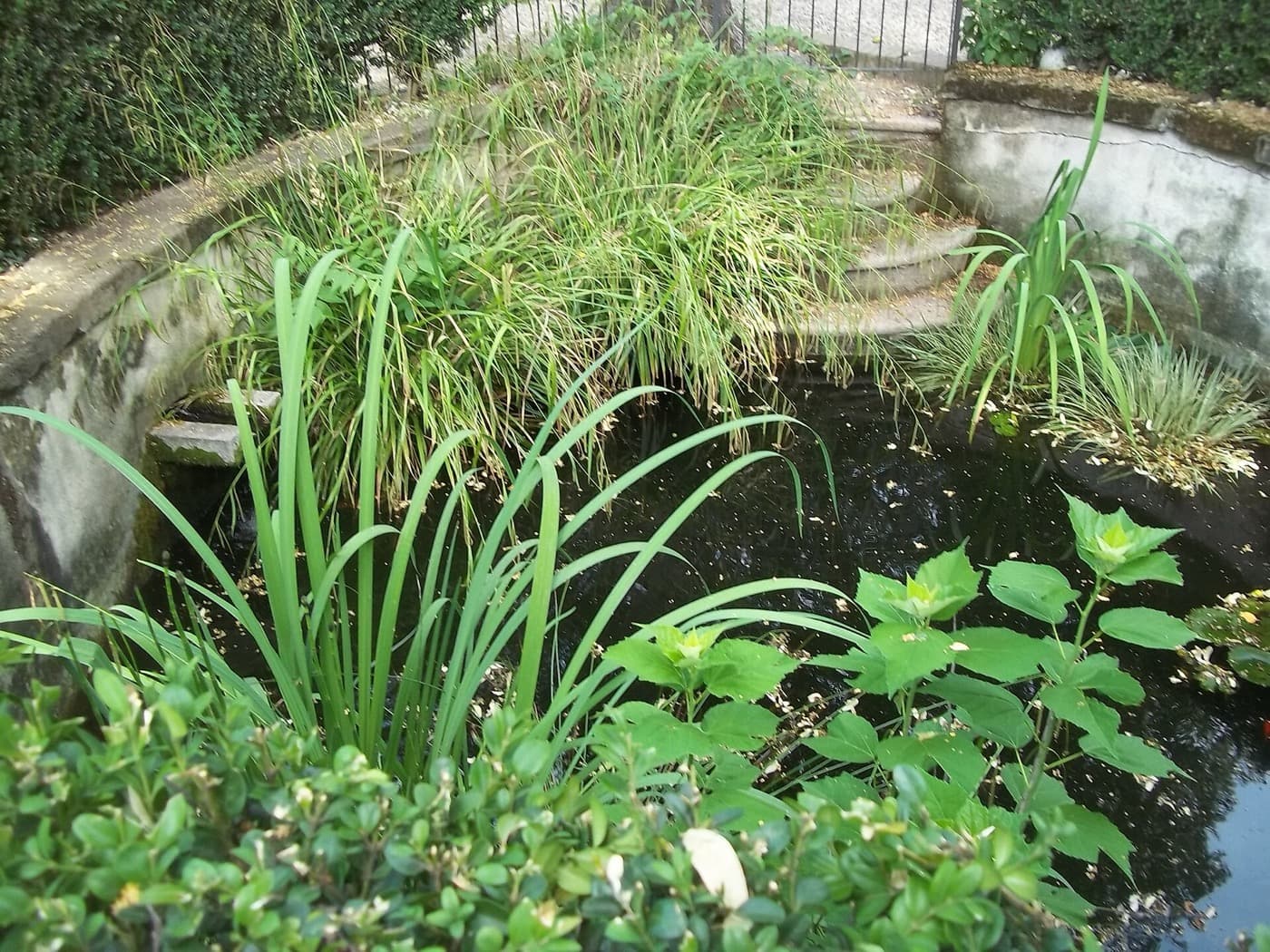
Orto Botanico di Brera: The Garden Behind the Wall
A small, hidden botanical garden tucked behind the grand palace, once a teaching garden for students of medicine, and among the oldest of its kind in the city.
- 3
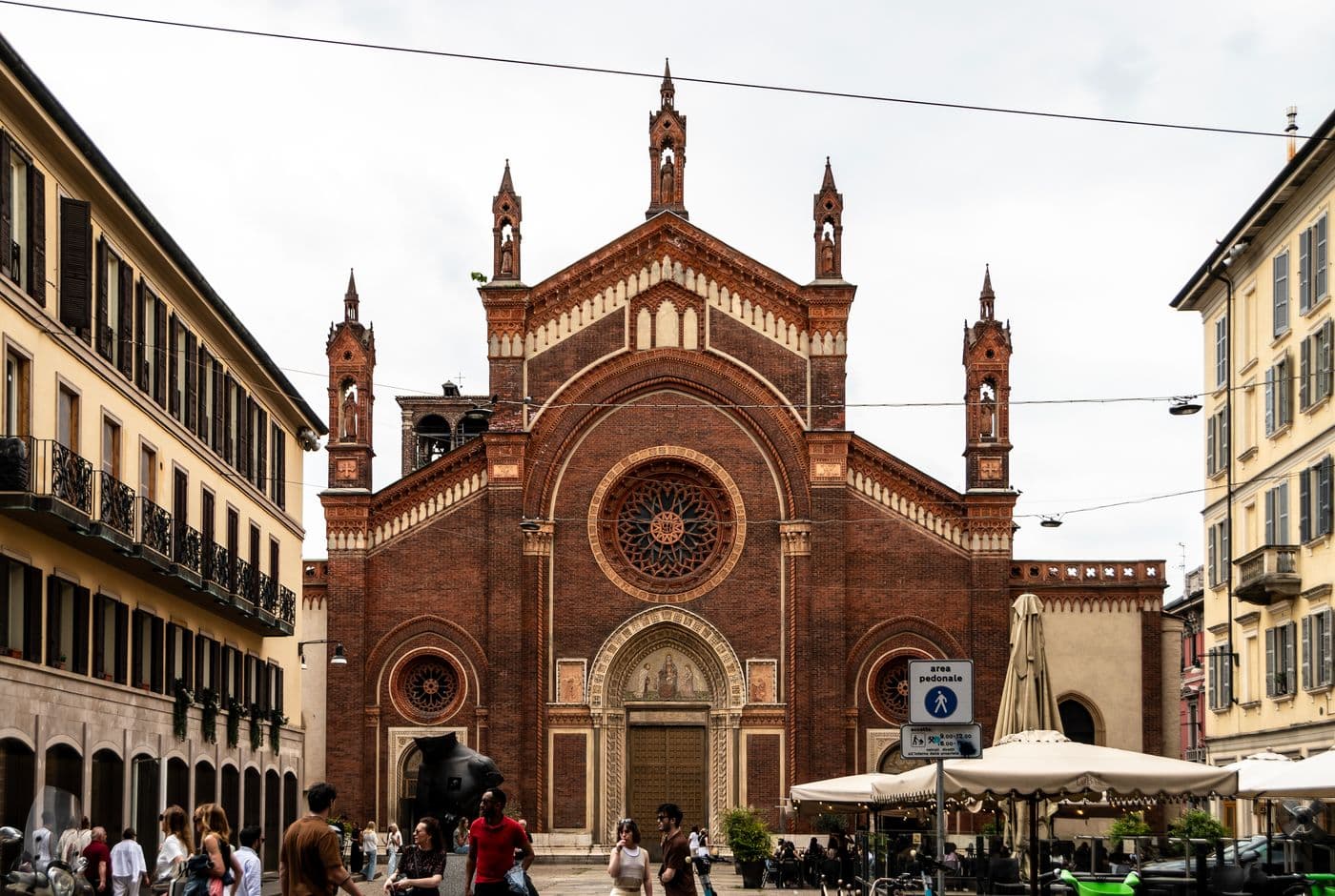
Chiesa di Santa Maria del Carmine: The Church That Fell and Rose
A brick church whose Gothic-origin body once literally collapsed and was rebuilt, now fronted by a nineteenth-century neo-Gothic facade, the neighborhood at prayer.
- 4
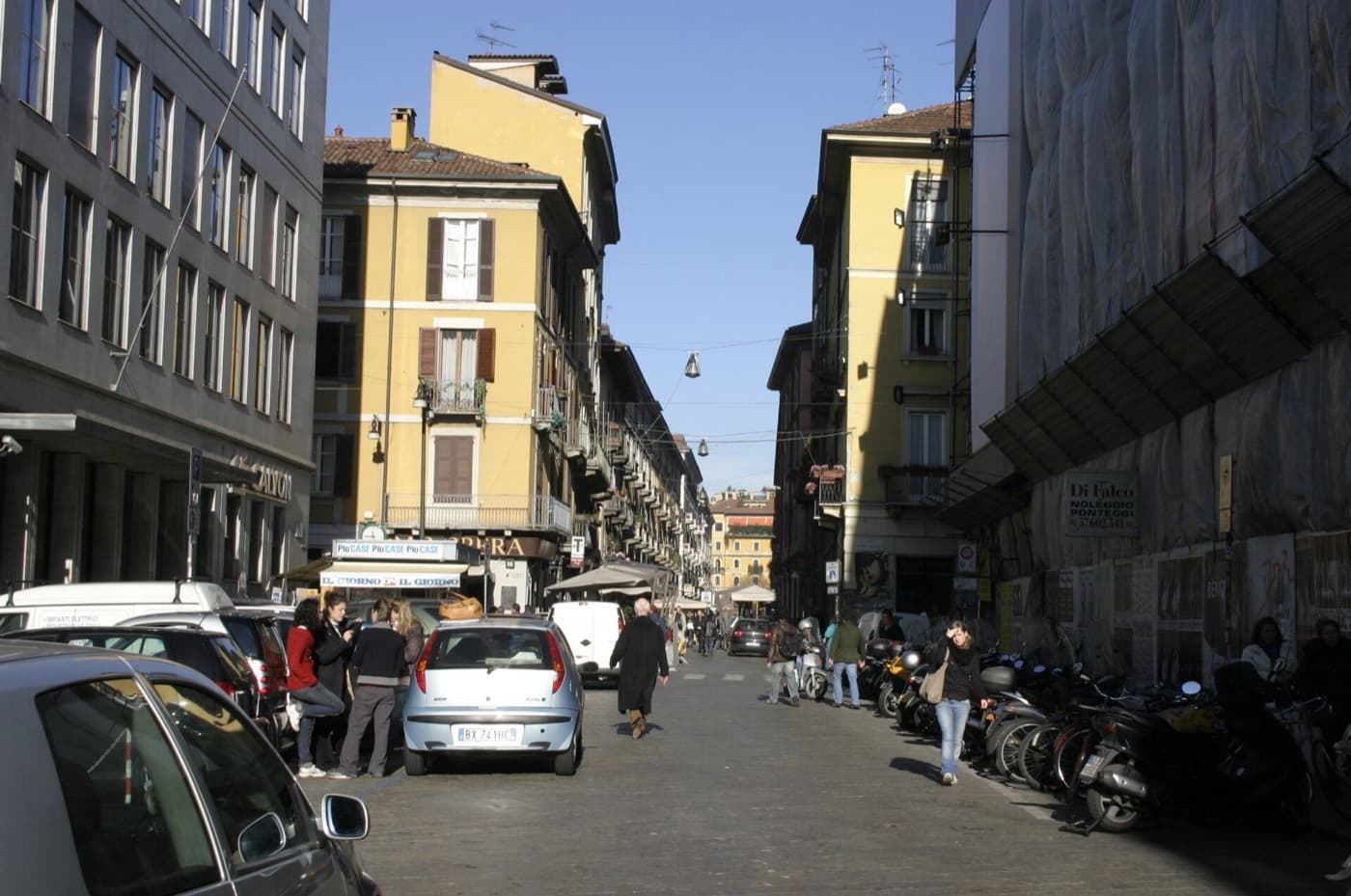
Via Brera and the Artists' Quarter: The Milanese Montmartre
The narrow lanes around the academy, the living idea of Brera as a district of studios, cafes, and art shops, framed as heritage rather than a present-day claim.
- 5
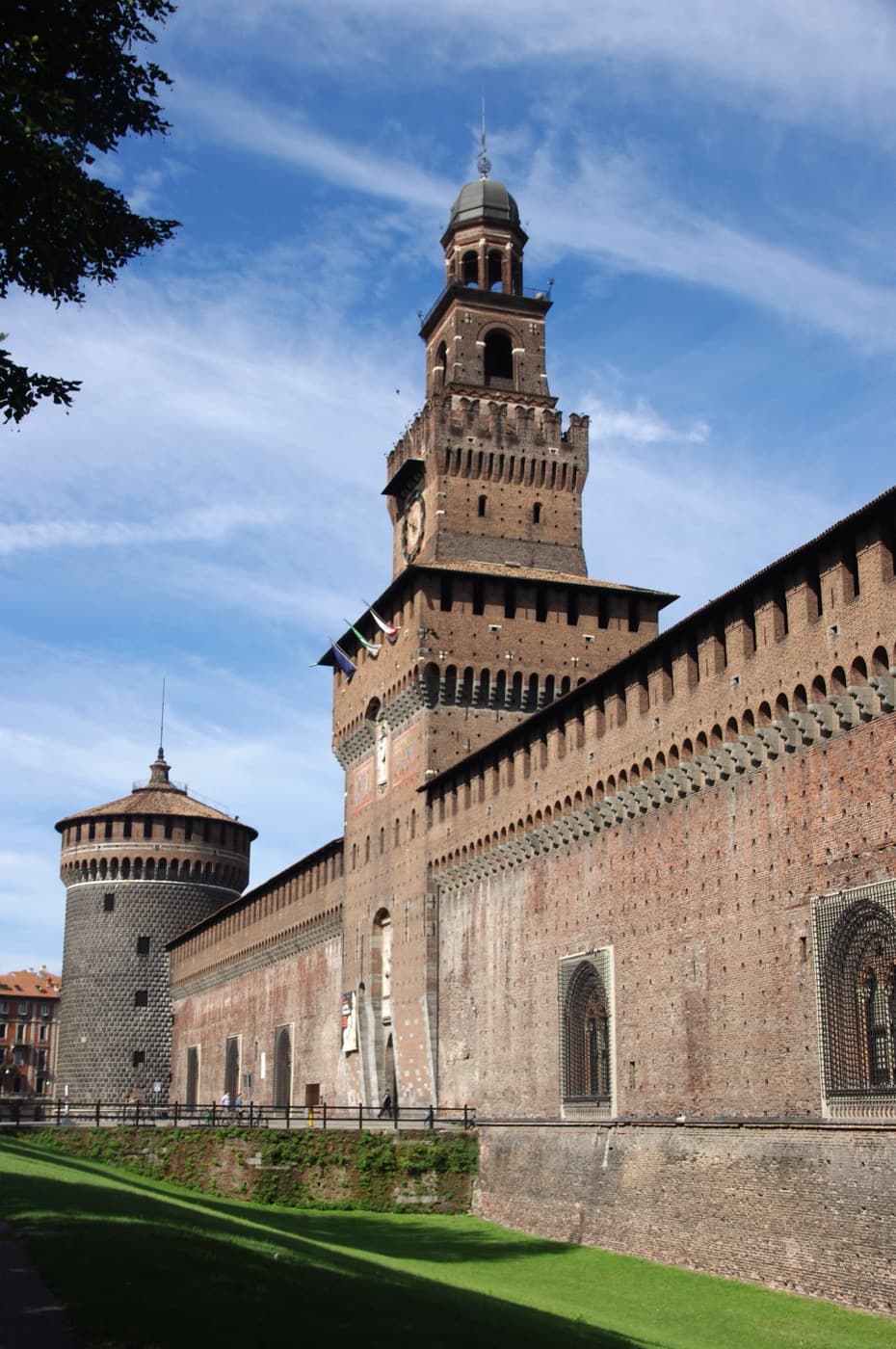
Castello Sforzesco: The Fortress That Guards a Tenderness
A vast ducal fortress at the edge of Brera, its free courtyards open to walk, holding within its museum walls Michelangelo's last and unfinished sculpture.
- 6
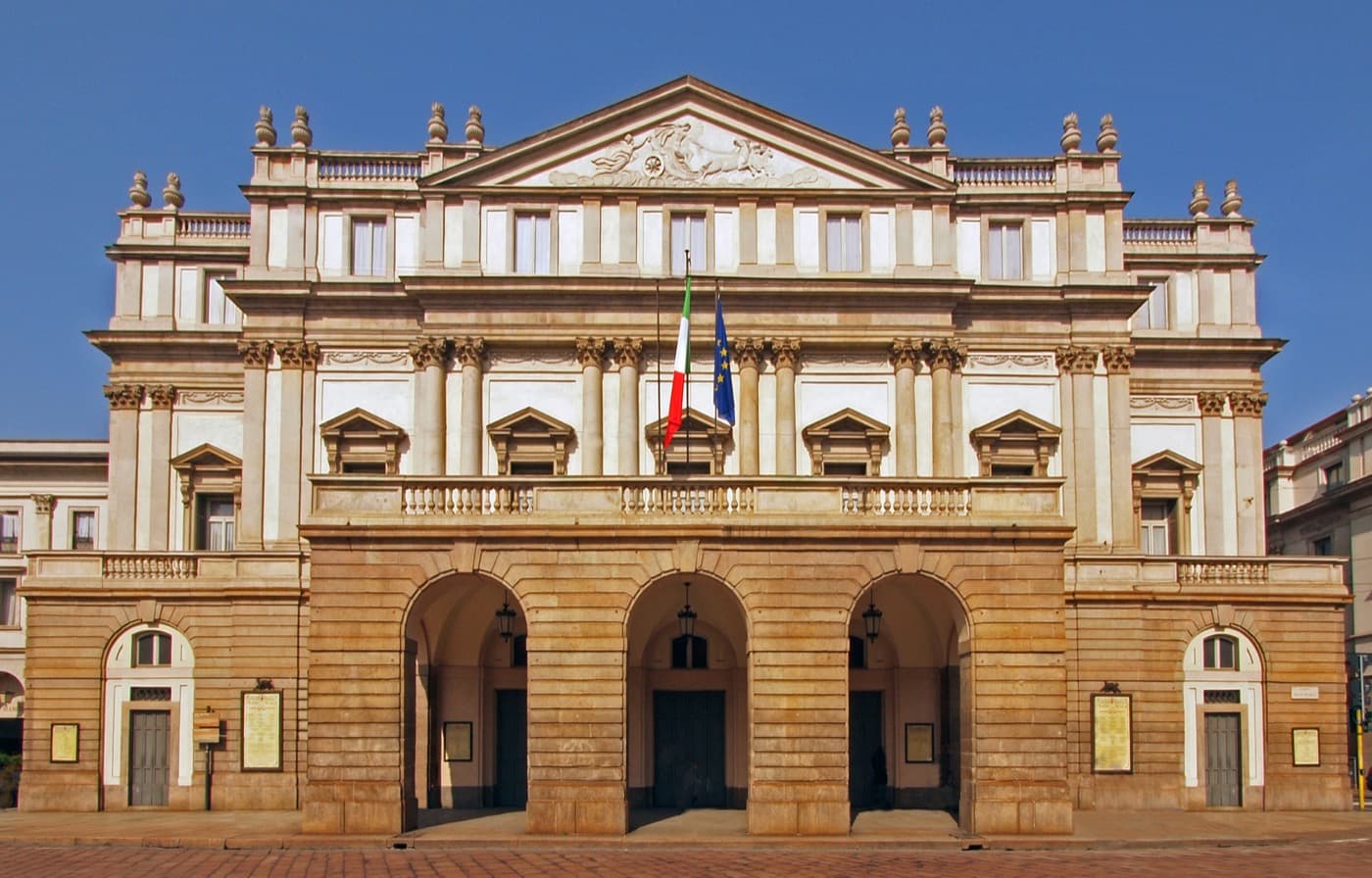
Teatro alla Scala and Piazza della Scala: A Temple to Feeling
A world opera house read from its square, where a city of work built a temple to emotion and set a monument to Leonardo at its center.
Details
Best Time to Visit
Late afternoon on a weekday, when the low light warms the brick of the palace and the Carmine, the Orto Botanico is open and free, and the Brera lanes ease into their softer, golden-hour mood. Weekday mornings are also good and quieter; note the botanical garden's weekday-only free access when planning.
Pro Tips
- •The Palazzo di Brera courtyard, the Castello Sforzesco grounds, and Piazza della Scala are all free to enter and walk; only the Pinacoteca gallery, the castle museums, and La Scala performances or museum require tickets.
- •If you want to see inside the Pinacoteca, book ahead, since entry uses timed reservations; the first Sunday of the month is free but busy.
- •The Orto Botanico di Brera is free on weekdays but keeps limited hours, so treat it as a mid-walk pause rather than an all-day stop and check it is open before you rely on it.
- •Michelangelo's Rondanini Pieta sits inside a ticketed castle museum, so if you want to see it up close, plan a separate visit; from the courtyard, simply hold it as the day's quiet centerpiece.
- •Wear comfortable shoes with grip: Brera's lanes and the piazze are cobbled and uneven, and there are steps at several church and palace entrances.
- •Move slowly and let the stops be skippable; the whole route is under two and a half kilometres, so there is no penalty for lingering in the garden or the lanes and trimming a stop if you tire.
Safety & Precautions
- •Piazza della Scala, the Brera lanes, and the castle draw crowds and, with them, pickpockets; keep bags zipped and closed in front of you and phones out of loose pockets in busy clusters.
- •The cobbles, piazze, and church thresholds are uneven with occasional steps and worn stone, so watch your footing, especially after rain when the stones turn slick.
- •Santa Maria del Carmine is an active church with a dress code: cover shoulders and knees to enter, keep your voice low, and avoid walking through if a service is in progress.
- •In summer the open squares outside La Scala and the castle offer little shade and can get hot at midday; carry water, use the plane trees and courtyards for cover, and shift the exposed stops toward the cooler ends of the day.
Travel advisory: Exercise Increased Caution (Level 2).
Gallery
Related Reading
Go deeper on what you'll see, hear, and walk through.
Overview
Best Self-Guided Walking Tours in Milan (2026)
3 min
Overview
Milan Travel Guide: Days, Transport, Timing, Safety, and Cost
6 min
Overview
One Day in Milan: A Walkable Itinerary From Canals to Towers
7 min
Thematic
Milan Works: A City Rebuilt Around Water, Industry, and Ambition
7 min
Companion
Brera and the Pinacoteca: Where Milan Chooses to Be Soft
7 min

Read
What to Eat in Milan: Signature Dishes, Origins, and How to Order Like a Local
7 min
Read the walk
The full story of The Painters' Quarter, in words. Prefer to listen? Play it narrated, from home or on location.
Introduction
Most of Milan runs on discipline. This is Italy's capital of money and fashion, a city that dresses in a banker's suit and keeps moving. And then there is Brera, a pocket of narrow lanes tucked into the historical core, the one district where the working city lets itself be romantic. People have long called it the Milanese Montmartre, for the academy, the studios, and the cafe culture that grew up around a great art gallery. This walk, here in Milan, in northern Italy, reads Brera as the softness a hard city allows itself on purpose. Six stops, roughly two hours at an unhurried pace, covering about three kilometres on foot. The stops are short and skippable, so linger where the light on the brick holds you and move on when you are ready. You will begin at a monumental gallery and its courtyard, slip behind it to a garden the college kept for itself, cross to a church that once collapsed and rose again, wander the artist streets, then step out to a hard ducal fortress that guards an unfinished tenderness, and finish at a square where the city built a temple to feeling. Expect cobbles, quiet courtyards, and a few places where you will want to simply stand and notice. Nothing here needs a group or a schedule. It is you, your pace, and a neighborhood that rewards slowness. When you arrive at the courtyard of the Palazzo di Brera on Via Brera, begin with stop one.
1. Pinacoteca di Brera and Palazzo di Brera: The Grand Anchor
Stand in the courtyard first and let the scale settle on you. Two tiers of arches run around a rectangle of stone, and in the middle stands a bronze figure of Napoleon, nude and heroic, styled as Mars the Peacemaker. Here is the honest version: Antonio Canova designed the original, but the bronze you see is a cast, made in Rome in the year eighteen eleven by Francesco Righetti and his son Luigi, and set here in the courtyard in eighteen fifty-nine. A plaster version lives indoors, in the room the gallery numbers Sala Fourteen. This building has worn many lives. It began as a monastery, was held by an order called the Humiliati, then became a Jesuit college after fifteen seventy-one. When the Jesuits were suppressed in seventeen seventy-three, it passed to Austrian Habsburg control. The palace you see grew slowly: Francesco Maria Richini began it around sixteen fifteen, and Giuseppe Piermarini completed the courtyard and entrance around seventeen eighty. Then came the grand gesture. The Reale Pinacoteca opened on the fifteenth of August, eighteen oh nine, Napoleon's birthday, a public gallery for a public that was meant to feel improved by beauty. The Brera Academy had been established a little earlier, in seventeen seventy-six. Inside hang names you know, and the key early acquisition was Raphael's Sposalizio, his Marriage of the Virgin. You need a ticket to walk those rooms, so from here in the courtyard, treat the masterpieces as reputation, a promise held behind the walls. What matters standing here is the argument the place makes: a city of work built a temple to looking, and put a garden, a library, and an observatory under the same grand roof.
2. Orto Botanico di Brera: The Garden Behind the Wall
Slip behind the great palace and the noise drops away. This is the Orto Botanico di Brera, a modest rectangle of green, about five thousand square metres, the softest and most hidden beat of this whole walk. It was established in seventeen seventy-four, under the direction of Empress Maria Theresa of Austria, by an abbot named Fulgenzio Vitman, who converted an existing Jesuit garden into a teaching ground for students of medicine and pharmacy. Think about that pairing for a moment. The same Habsburg reform era that emptied the college of its Jesuits and remade the palace also kept this soft green heart alive, now for science rather than prayer. Walk slowly here. There are mature trees worth meeting: a black walnut, limes, and among them one of the oldest Ginkgo biloba trees in Europe, its fan-shaped leaves turning gold in autumn. I say one of the oldest, because that is what the record supports, and the truth is lovely enough without inflation. The garden fell into neglect and was restored in the late nineteen nineties, and it is now cared for by the University of Milan. On weekdays it is free to enter. This is the quiet center of the whole tour's argument. A grand institution, a gallery, an academy, all that ambition, and behind it, kept deliberately, a garden. Not for display, not for money, but simply so that the students, and now you, would have somewhere to breathe. Find a bench. Let the ginkgo do what old trees do, which is make your own hurry feel small.
3. Chiesa di Santa Maria del Carmine: The Church That Fell and Rose
Come out to the piazza in front of Santa Maria del Carmine and look up at the brick. The facade reads as Gothic, all pointed arches and warm red masonry, but here is the twist that makes this church so human: what you are looking at is largely nineteenth century. The Carmelites…
Full narration for this stop unlocks with the tour.
4. Via Brera and the Artists' Quarter: The Milanese Montmartre
Now let the streets themselves be the stop. Stand on Via Brera, near the academy, and just look down the lanes. This is the living idea of the quarter, the reason people have long nicknamed it the Milanese Montmartre. The name Brera comes from an old Lombardic word meaning…
Full narration for this stop unlocks with the tour.
5. Castello Sforzesco: The Fortress That Guards a Tenderness
Leave the soft pocket now and walk out to something deliberately hard. The Castello Sforzesco rises in red brick and battlements, a fortress built to project power. An original stronghold was ordered here by Galeazzo the Second Visconti, around thirteen fifty-eight to thirteen…
Full narration for this stop unlocks with the tour.
6. Teatro alla Scala and Piazza della Scala: A Temple to Feeling
End here, in Piazza della Scala, and take in the closing argument. The building across the square, all restraint and neoclassical calm on the outside, is the Teatro alla Scala, among the most famous opera houses in the world. It was inaugurated on the third of August, seventeen…
Full narration for this stop unlocks with the tour.