Milanese food is northern Italian cooking built on rice, butter, and slow braises rather than the olive oil and tomato most people picture when they think of Italy. Eat the way the city actually eats: golden saffron risotto and a butter-fried veal cutlet at the center of the plate, a braised veal shank when it is cold, a fried half-moon of dough from a counter near the Duomo when you are walking, and a bitter red aperitivo along the canals at dusk. Order it in the right season, in the right kind of room, and the city opens up.
This guide covers the specific dishes, where the traditions come from, and how to order like a local, then points you to the neighborhoods where you can walk it off with a self-guided Milan walking tour.
The two dishes that define a Milanese table
Two plates carry the city's reputation, and they are often served together.
Risotto alla milanese is the gold one. It is short-grain rice (Carnaroli, Arborio, or Vialone Nano) cooked slowly with broth, onion, white wine, and saffron, which turns it a deep yellow and gives it a faint floral note. Milanese tradition links the saffron to a glassworker who colored the windows of the Duomo, and the saffron-and-rice dish is generally traced to the sixteenth century, when saffron cost about as much as gold and was used as a pigment. Order it as a first course (primo). When it arrives with a braised veal shank on top or alongside, you are eating the classic pairing.
Cotoletta alla milanese is the crisp one: a breaded veal cutlet fried in butter until golden. The traditional version is cut thick and served bone-in, which is what separates it from the thin, boneless Wiener schnitzel it is often compared to. If a menu lists an "orecchia d'elefante" (elephant's ear), that is the pounded-flat, plate-sized variation, tasty but not the bone-in original. Ask for it "con osso" if you want the traditional cut.
Ossobuco completes the trio. The name means "bone with a hole," describing the cross-cut veal shank with its marrow center, braised slowly until the meat falls apart. It is a cold-weather dish, usually finished with gremolata (chopped lemon zest, garlic, and parsley) and very often plated with the saffron risotto. If you order ossobuco alla milanese and risotto together, you are eating the single most Milanese meal there is.
Cold-weather and everyday plates
Hear a stop from this walk
Via Brera and the Artists' Quarter: The Milanese Montmartre
Cassoeula is a heavy winter stew of pork (sausages, ribs, and other cuts) slow-cooked with cabbage. It appears on menus mostly in the colder months, so do not expect it in July. It rewards a long, unhurried lunch.
Mondeghili are Milanese meatballs, historically a thrifty way to use up leftover cooked meat, bound with breadcrumbs soaked in milk, egg, and cheese, then fried. Their name traces to the Spanish albóndiga (itself from the Arabic al-bunduq), a legacy of the long Spanish rule over the Duchy of Milan between 1535 and 1706. The first attested recipe dates to 1839, and in 2008 the city added mondeghili to its official De.Co. list of local-origin products. You will find them in old-school trattorias and as bar snacks.
Street food and bakeries
If you want to eat while you walk, two things matter.
Panzerotto is the fried half-moon of dough filled with mozzarella and tomato, sealed and fried until the outside is crisp and the cheese inside is molten. The most famous place to eat one is Luini, on Via Santa Radegonda just behind the Duomo. The family brands its baking heritage to 1888, Giuseppina Luini opened the Milan shop on that street in 1949, and the Puglian-style panzerotto followed a few years later. Expect a line, cash-friendly service, and to eat standing up. The panzerotto itself is southern in origin (Puglia), adopted and made famous in Milan.
Michetta is the city's signature bread: a hollow, star-shaped roll with a crackling crust and airy interior, ideal for a quick sandwich. It descends from the Austrian Kaisersemmel, brought to Milan during the period of Austrian rule, which local bakers lightened into a crunchier, near-hollow version. Buy one filled at a bakery counter and you have a cheap, portable lunch.
Panettone is the tall, domed sweet bread studded with candied fruit and raisins, eaten at Christmas. The word comes from the Milanese dialect panattón (roughly "large bread"). The oldest documented reference is a 1599 entry in the expense register of the Borromeo college in Pavia, and the first printed recipe appears in 1853 in Giovanni Felice Luraschi's Nuovo cuoco economico milanese. If you visit in winter, buy an artisan panettone from a pasticceria rather than a supermarket box.
Aperitivo: how Milan drinks before dinner
Milan is widely considered the birthplace of Italy's aperitivo culture, the early-evening ritual of a bitter drink with a few snacks before dinner. The city's signature bottle is Campari, the bright-red bitter whose recipe Gaspare Campari settled on around 1860; the historic Camparino bar sits in the Galleria Vittorio Emanuele the Second beside the Duomo. Two classics to know: the Negroni (gin, sweet vermouth, Campari) and the Negroni Sbagliato ("mistaken" Negroni, made with sparkling wine instead of gin), created in Milan in 1972 by bartender Mirko Stocchetto at Bar Basso.
How to order like a local: sit down, order one drink, and let the bar bring the snacks. A traditional aperitivo is a drink plus complimentary bites; the larger buffet-style "apericena" (aperitivo that stands in for dinner) is common along the canals but is a newer, more touristy format. On weekday evenings, and heavily on weekends, the Navigli canal banks fill with people doing exactly this. It is a good, low-cost way to spend an early evening, and you can pair it directly with a canal-side walk.
Where each dish fits your day in Milan
You can build a full day of eating around the city's tours.
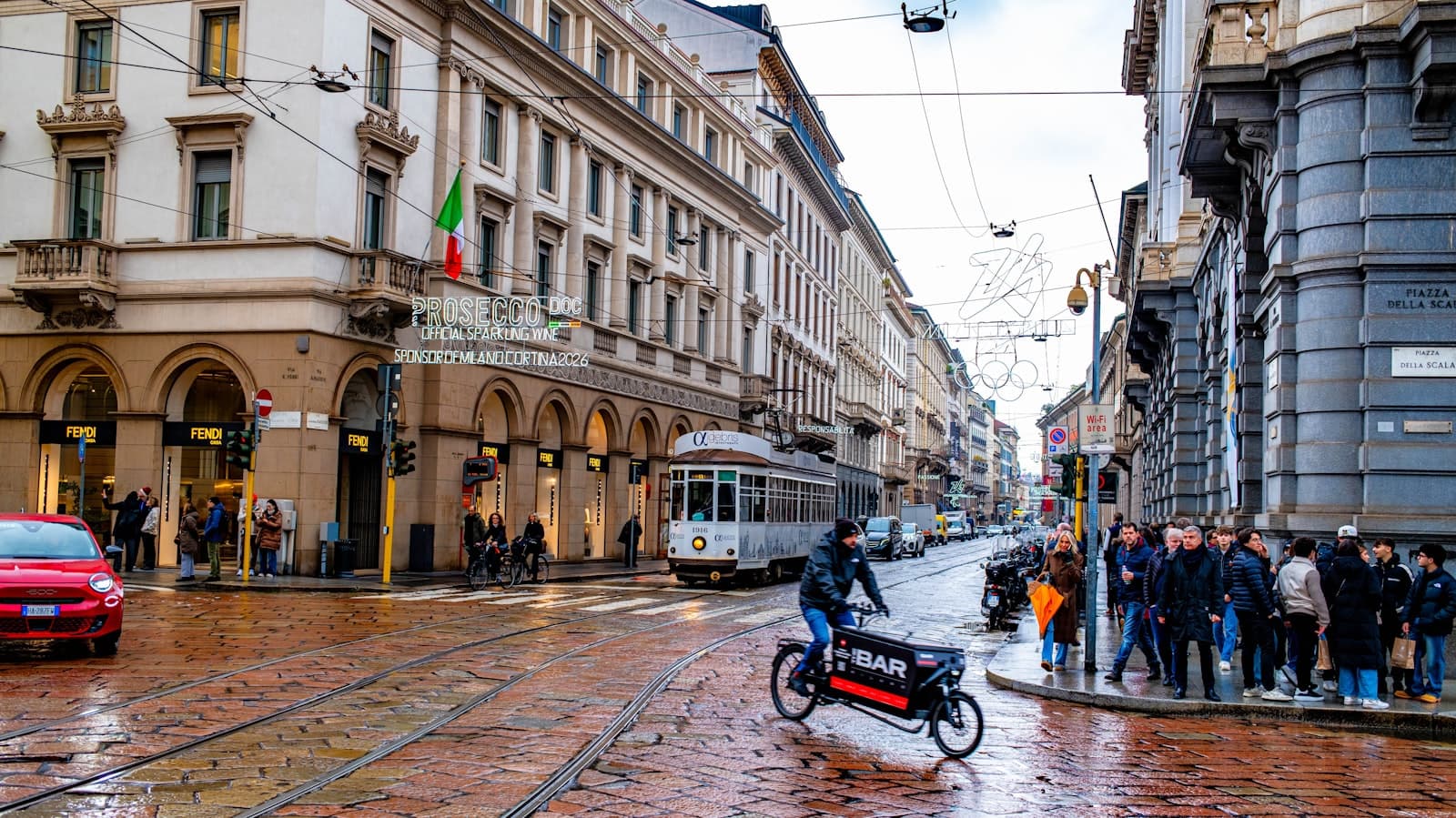
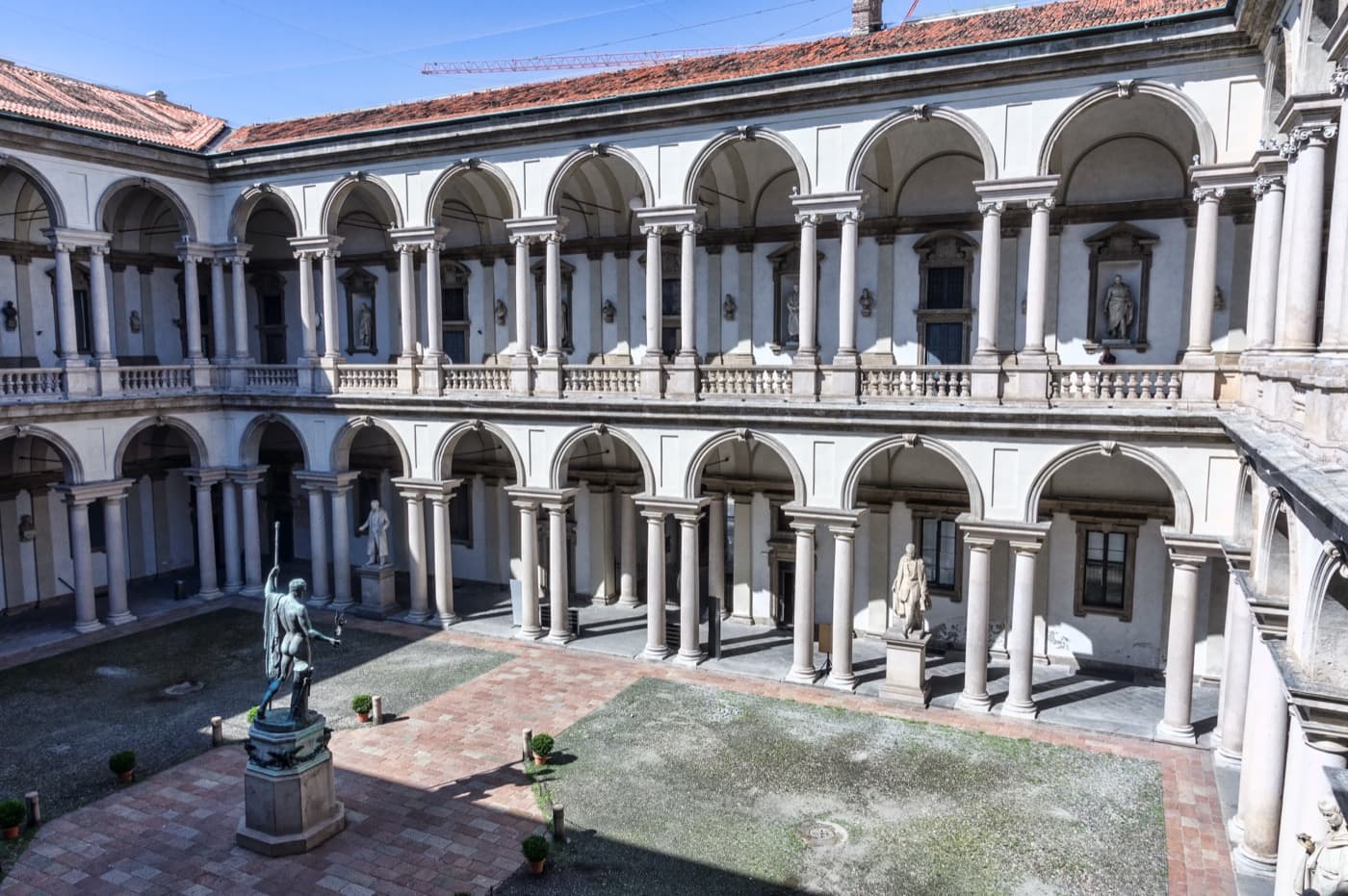
Start in Brera, the old artists' quarter, where quiet trattorias serve the sit-down classics (risotto, cotoletta, ossobuco) at lunch. The Brera walk threads past the Pinacoteca, the botanical garden, and Piazza della Scala, and it lands you among the neighborhood's cafes and osterie.
For street food and drinks, head to the Navigli. The canal district is the home of the modern Milanese aperitivo, and the self-guided Navigli and Leonardo route follows the last open canals from the Darsena dock up toward Santa Maria delle Grazie, home of Leonardo's Last Supper. Eat a panzerotto near the center on the way, then time your finish for the canal-side aperitivo hour.
If you want a contrast, the Porta Nuova district is modern Milan (vertical-forest towers, a raised public square, Piazza Gae Aulenti), a good area for a coffee or a drink among the glass towers before or after the walk.
A practical note on cost and safety: sit-down mains in a trattoria run higher than a stand-up panzerotto or a bakery michetta, so mix the two across a day. Milan is a large, generally safe city; take the ordinary big-city care with your bag and phone in crowded areas like the Duomo steps, the Galleria, and the Navigli on busy evenings, and you will be fine.
Browse the full set of routes on the Milan walking tours hub, or start from the Milan city page to pick a neighborhood and eat your way through it at your own pace.
Sources
Frequently asked questions
- What is the most typical dish to eat in Milan?
- Risotto alla milanese, a saffron-yellow rice dish, and cotoletta alla milanese, a bone-in breaded veal cutlet fried in butter, are the two most identifiably Milanese plates. They are often served with ossobuco, a braised veal shank whose name means 'bone with a hole.' Ordering the risotto and ossobuco together is the classic Milanese meal.
- Where can I get the best panzerotto in Milan?
- Luini, on Via Santa Radegonda just behind the Duomo, is the most famous spot for panzerotti in Milan. The family branded its bakery heritage to 1888, Giuseppina Luini opened the Milan shop on that street in 1949, and the fried, mozzarella-and-tomato panzerotto followed a few years later. Expect a line and to eat standing up.
- What does aperitivo mean in Milan and how do I order it?
- Aperitivo is the early-evening ritual of a bitter drink with light snacks before dinner, and Milan is widely considered its birthplace. Order one drink at a bar (a Campari-based Negroni or a Negroni Sbagliato are classics) and the bar brings complimentary bites. The larger buffet-style 'apericena' along the Navigli canals is a newer, more touristy format.
- Is cassoeula available year-round in Milan?
- No. Cassoeula is a heavy winter stew of pork and cabbage that appears mostly on cold-weather menus. If you visit Milan in summer you are unlikely to find it, so plan around the season. Ossobuco and cassoeula are both traditionally cold-weather dishes.
- What is panettone and where does it come from?
- Panettone is Milan's tall, domed Christmas sweet bread with candied fruit and raisins, and its name comes from the Milanese dialect word panatton, meaning large bread. The oldest documented reference is a 1599 entry in the expense register of the Borromeo college in Pavia, and the first printed recipe appeared in 1853 in Giovanni Felice Luraschi's cookbook. Buy an artisan version from a pasticceria in winter rather than a supermarket box.
- How is Milanese food different from other Italian food?
- Milanese cooking is northern Italian, built on rice, butter, and slow-braised meats rather than the olive oil, pasta, and tomato most associated with central and southern Italy. Signature dishes include saffron risotto, butter-fried cotoletta, ossobuco, and the pork-and-cabbage stew cassoeula. Street food like the panzerotto is a southern import that Milan adopted.
Ready to experience it?
The Painters' Quarter
90 min · 3.1 km · moderate
More from Milan
Explore more at your own pace.
Brera and the Pinacoteca: Where Milan Chooses to Be Soft
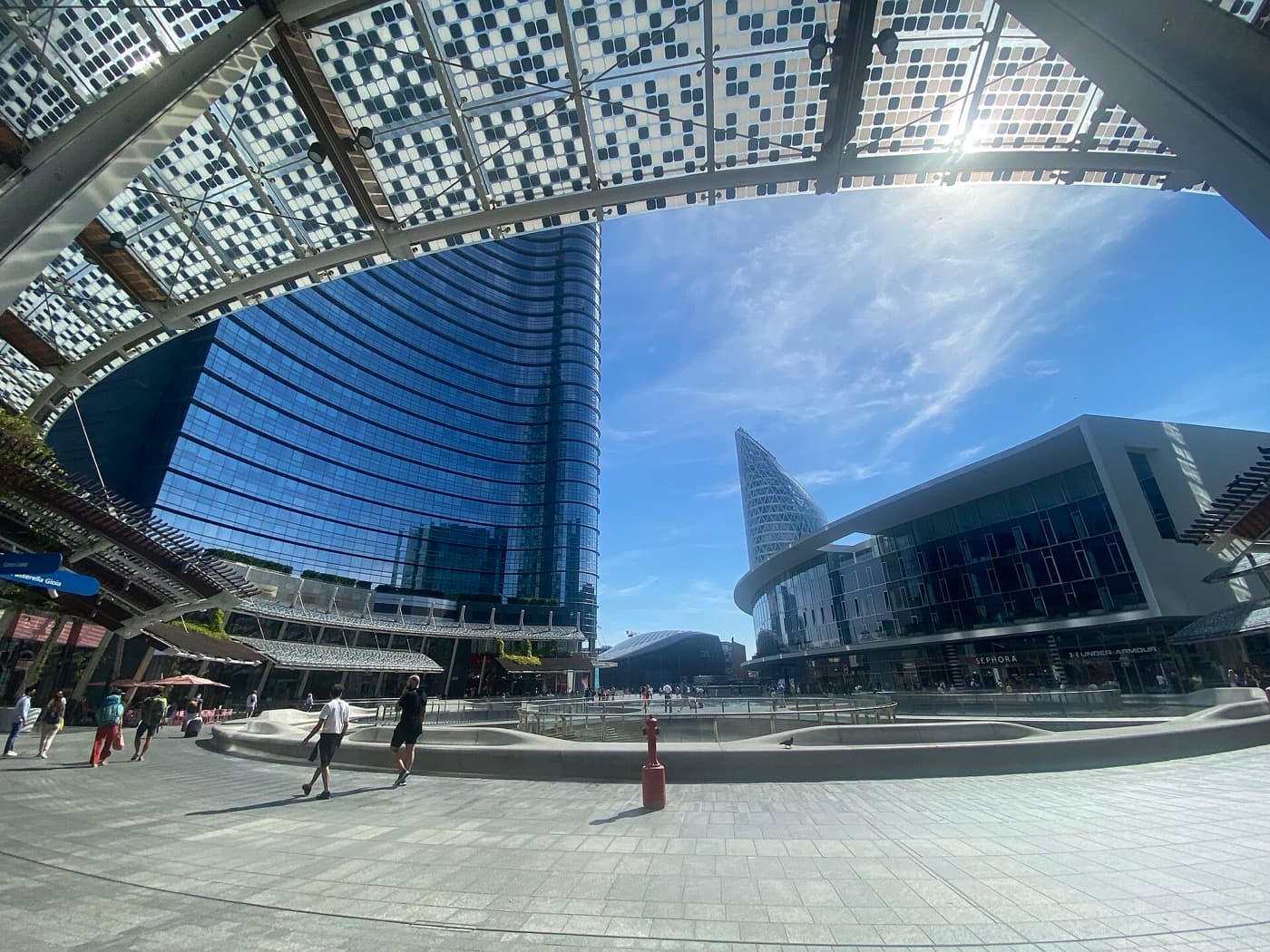
Piazza Gae Aulenti and the District Milan Built on Air
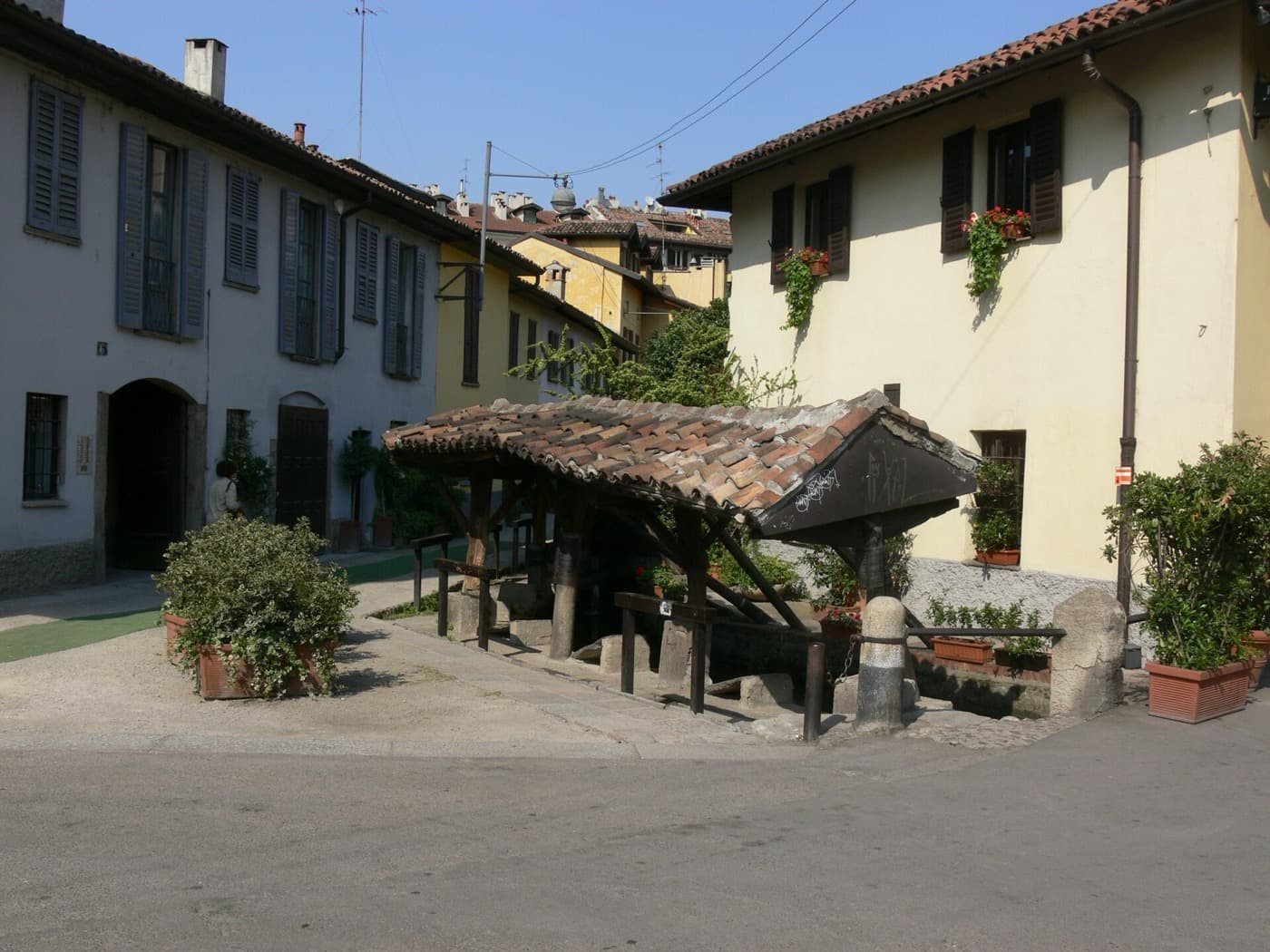
Vicolo dei Lavandai: The Washermen's Alley That Explains Milan's Buried Port
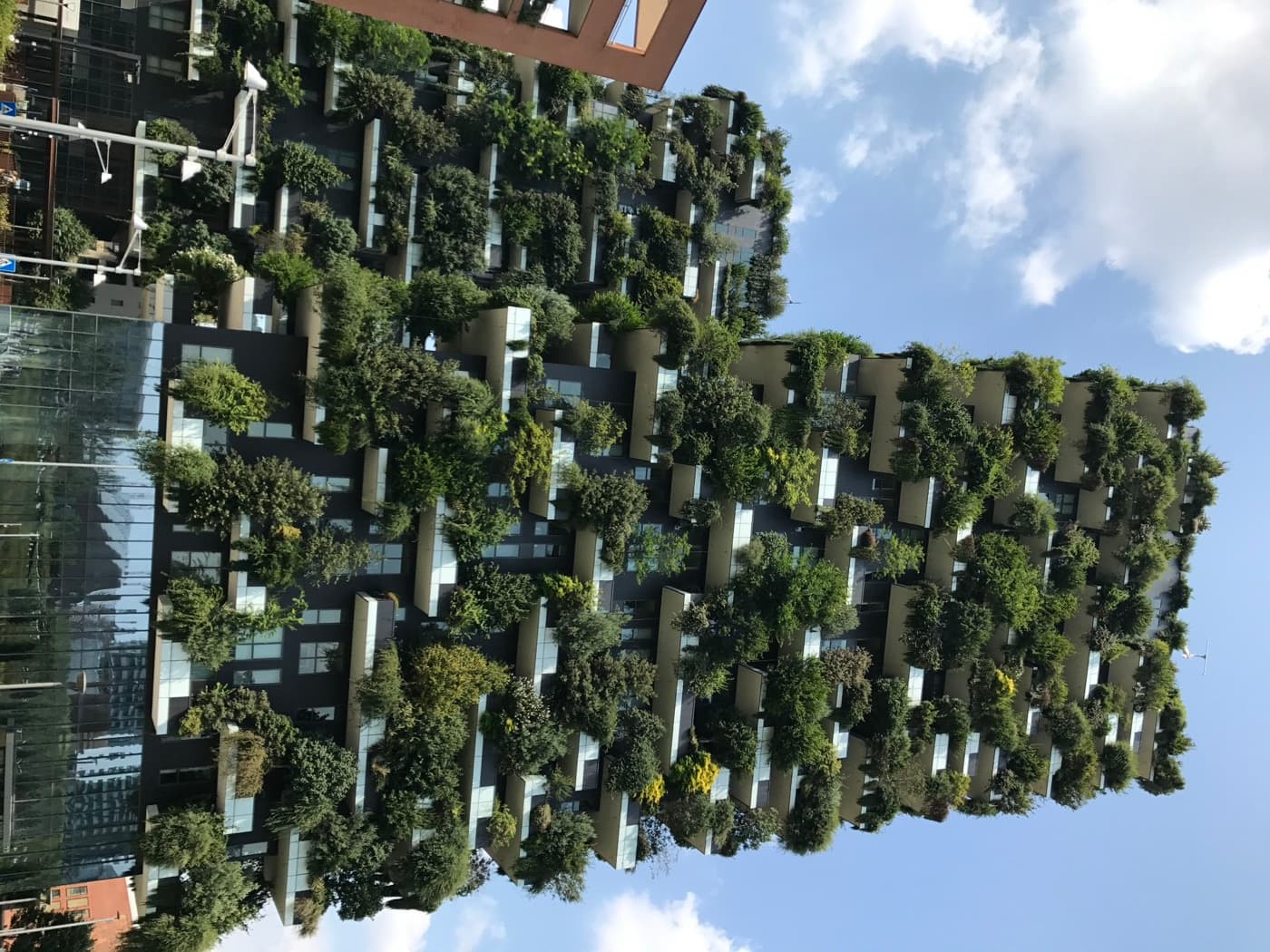
Bosco Verticale: The Vertical Forest You Can Weigh
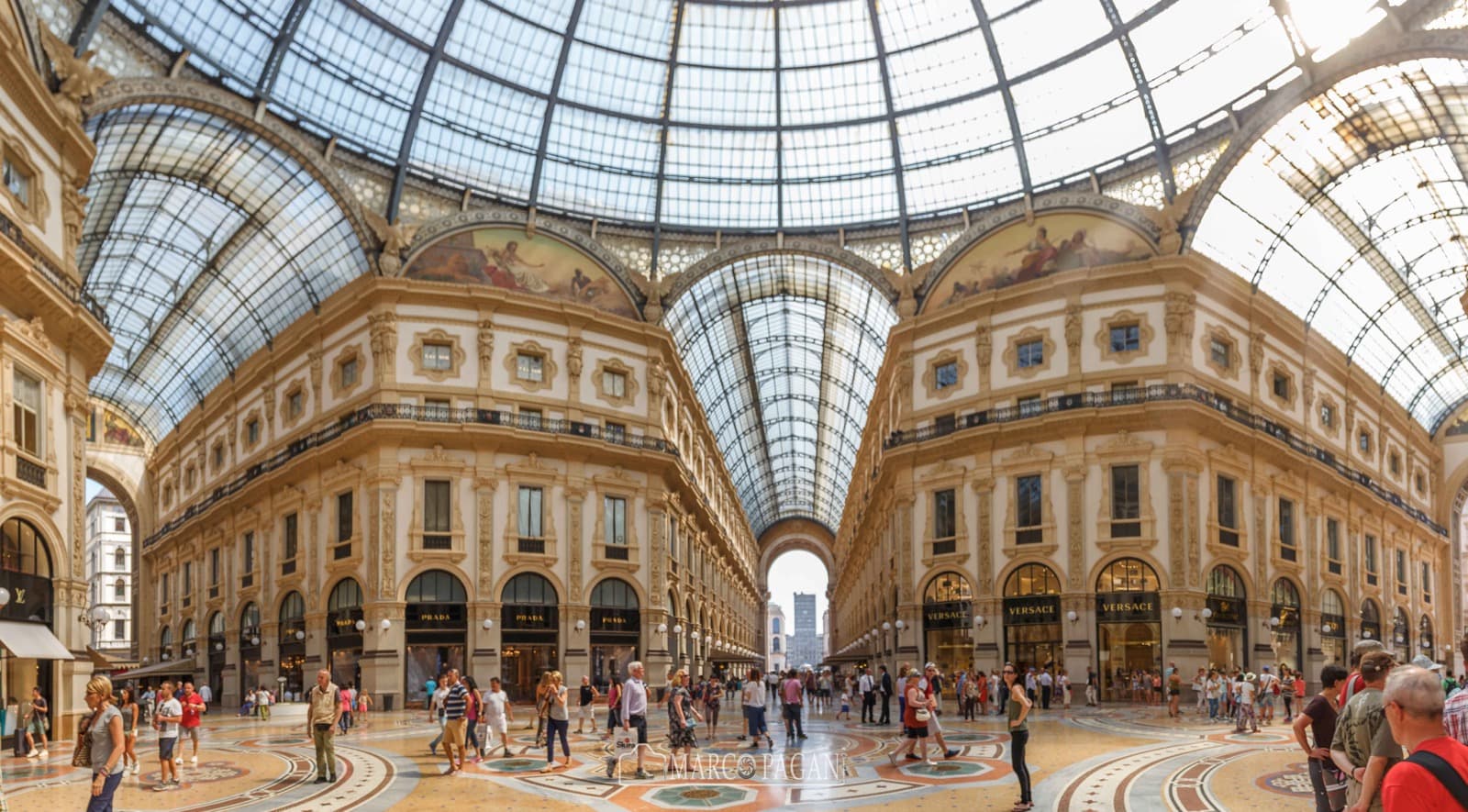
Galleria Vittorio Emanuele II: The Glass Salon of Milan