Milan rewards travelers who plan around two things: its museums book out weeks ahead, and its best walking happens in compact neighborhoods rather than one big sightseeing corridor. Two to three days is enough to see the city well on foot, get around cheaply on the metro and trams, and reserve the one attraction that genuinely requires forward planning. This guide answers what most people actually search before a trip: how many days, how to move, when to come, whether it is safe, and what it costs.
How many days do you need in Milan?
Two full days covers the essentials, and three lets you slow down. Milan's center is walkable, and its highlights cluster into distinct districts rather than spreading across one long route. A workable rhythm: day one for the historic core and the artists' quarter around Brera, day two for the canals and Leonardo's Last Supper, and a third day for the modern skyline at Porta Nuova. Each of those maps directly onto one of our self-guided Milan walking tours, so you can build the day around a themed route rather than a checklist.
If you only have one day, pick a single neighborhood and walk it properly. Milan is a city that reads better in layers than in a rush, and trying to cross it end to end burns the day on transit.
How to get around Milan
Hear a stop from this walk
Via Brera and the Artists' Quarter: The Milanese Montmartre
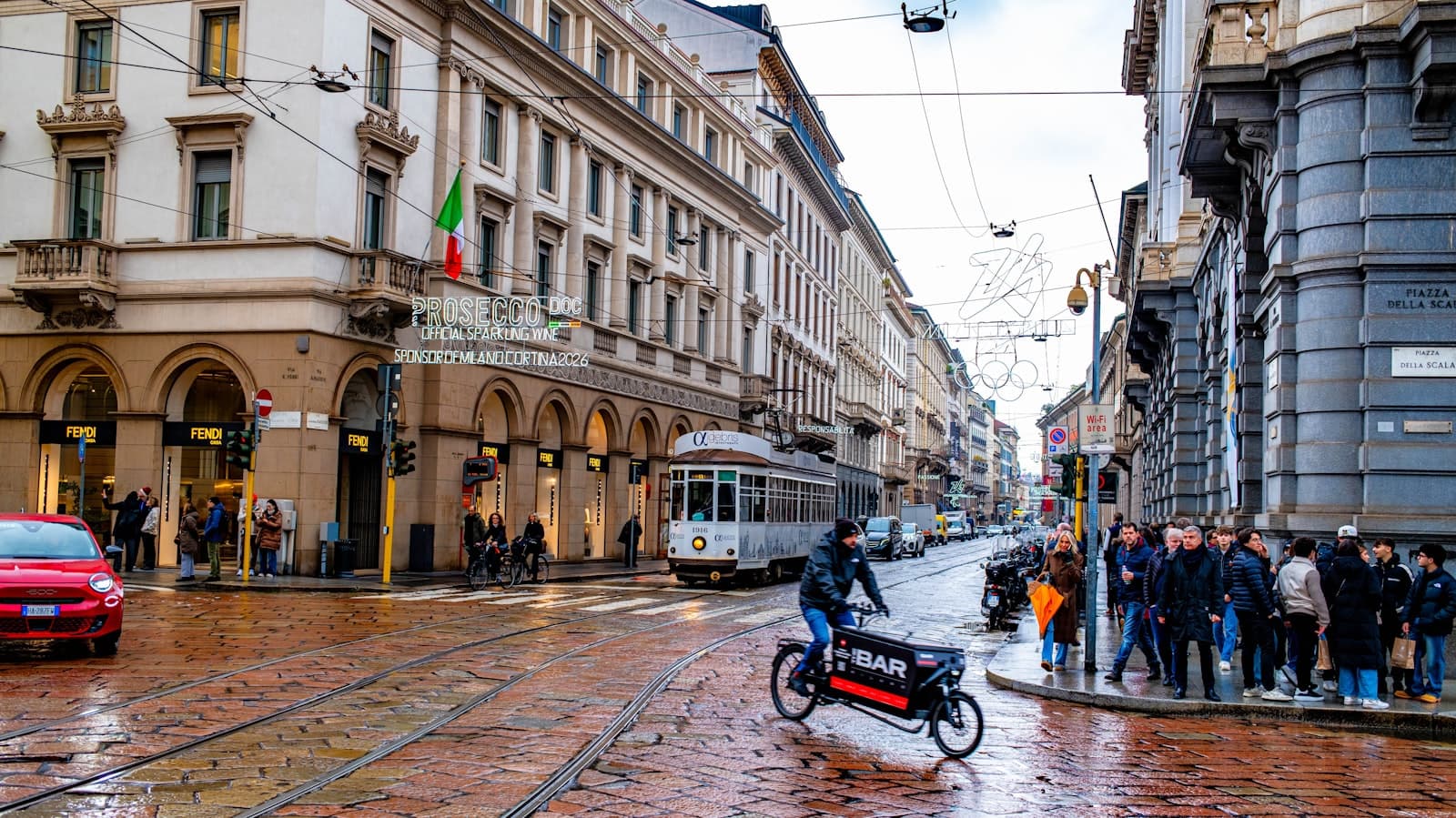
Milan runs on ATM, the city transport network of metro, trams, and buses, and it is the cheapest and fastest way to move. A single ticket costs 2.20 EUR and is valid for 90 minutes, so you can transfer between metro, tram, and bus on one fare. A 24-hour day pass is 7.60 EUR, and a 3-day (72-hour) pass is 15.50 EUR, which pays off if you ride several times a day across a long weekend. As of early 2026, ATM has largely gone paperless: instead of single paper tickets you load fares onto a reusable RicaricaMi card or tap a contactless bank card straight at the gate.
For most visitors, walking plus the occasional metro hop is the honest answer. The four metro lines connect the neighborhoods you care about, and the historic tram cars are worth riding for their own sake. From Malpensa Airport, the Malpensa Express train reaches the central stations for 15 EUR in under an hour, which is simpler and more predictable than a taxi. Linate Airport sits closer to the city and connects by metro and bus.
Best time to visit Milan
Come in spring (April to June) or autumn (September to October) for mild weather and the fullest version of the city. Daytime temperatures in April and May sit comfortably in the high teens to low twenties Celsius, and restaurants, museums, and terrace life are all running at normal pace. These shoulder seasons also tend to bring better hotel value than the peak weeks.
Two caveats worth planning around. Summer, especially August, is hot, and many neighborhood trattorias close for two or three weeks around the Ferragosto holiday, so book restaurants ahead or keep backup options. And the city's marquee events, Fashion Week (in late February to early March and again in mid-September) and the Salone del Mobile design fair (in April), fill hotels and push prices up. If you want quieter streets and lower rates, avoid those windows.
Is Milan safe?
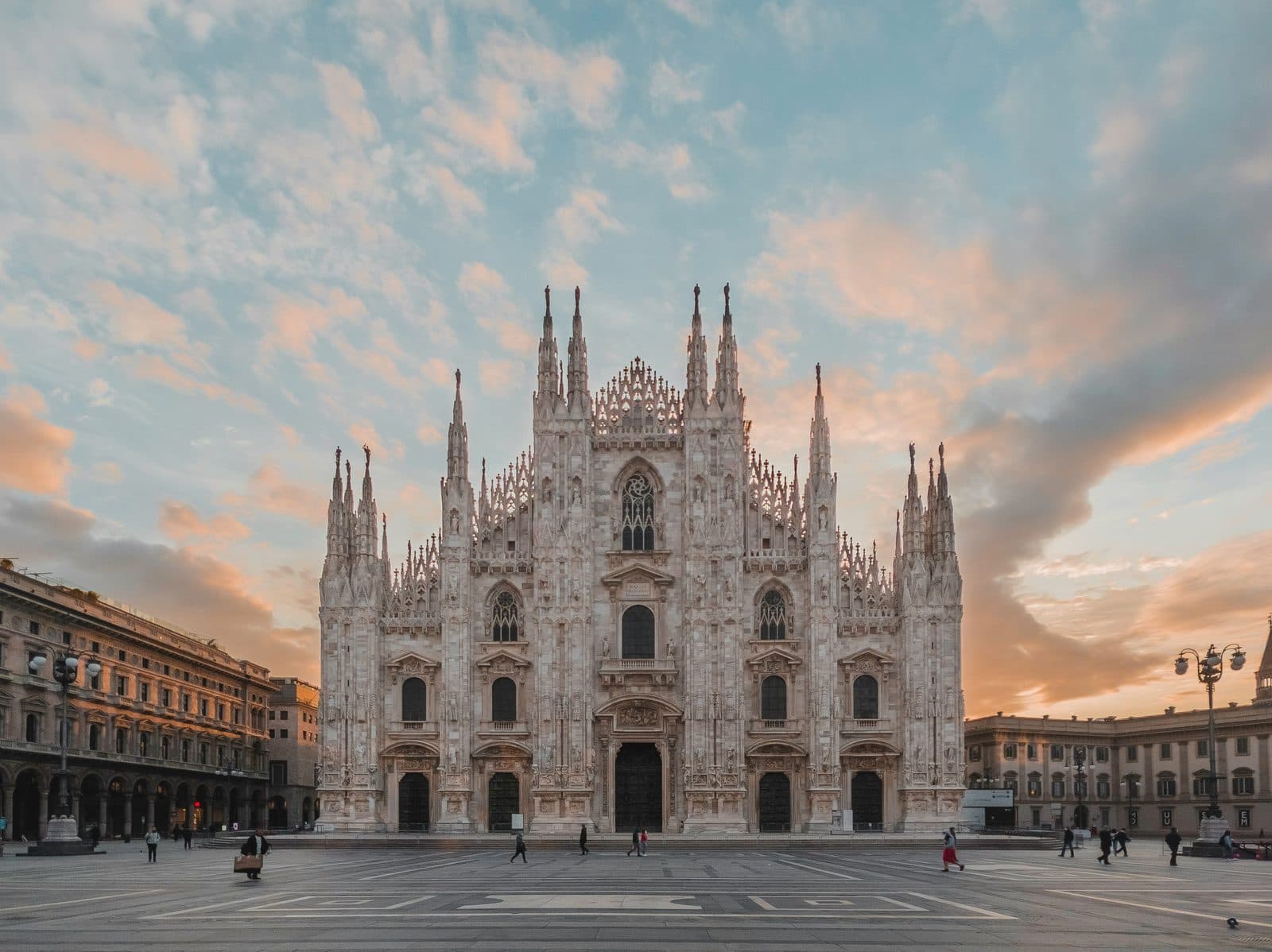
Milan is a generally safe city, and violent crime against visitors is low. The real risk is petty theft, specifically pickpocketing in crowded places. The hotspots are predictable: the area around the Duomo, the Galleria Vittorio Emanuele II, and Milano Centrale station, plus the pinch point of boarding a packed metro car when everyone is pressed together and your attention is on the door.
A few concrete habits handle almost all of it. Keep your phone and wallet in a zipped or inside pocket, wear a bag across your body with the zip toward you, and never drape it over a café chair. Two scams recur near the Duomo: someone pressing a "free" bracelet or rose into your hand and then demanding payment, and a friendly stranger offering to "help" at the ticket machine in Centrale while an accomplice works your bag. The fix for both is the same: keep your hands free, say no grazie, and keep walking. After dark, the immediate blocks around Centrale can feel less welcoming, so stick to busy, well-lit streets. None of this should keep you home; it is the same alertness you would use in any large European city.
What does a Milan trip cost?
Milan can run expensive or lean depending on where you eat and sleep, but the walking is essentially free. Most of the city's best experiences, the piazzas, the canal towpaths, the Brera lanes, the Porta Nuova skyline, cost nothing to stand in front of. Public transit is cheap by big-city standards at 2.20 EUR a ride or 7.60 EUR for a full day.
The one attraction that needs both money and planning is Leonardo's Last Supper (the Cenacolo Vinciano). Standard admission is 15 EUR, reservation is mandatory for everyone, and only 40 visitors enter every 15 minutes, so tickets routinely sell out weeks or months ahead. Sales open in roughly three-month blocks through the official channel, so book as soon as your dates are set. Other paid sights run modestly: the Pinacoteca di Brera gallery is around 15 EUR (with the courtyard free to enter), and the Sforza Castle grounds are free while its museums carry a small ticket. Our self-guided tours are built to lean on the free-to-walk layer of the city, with the ticketed interiors flagged so you can decide what to book.
Which self-guided walk should you start with?
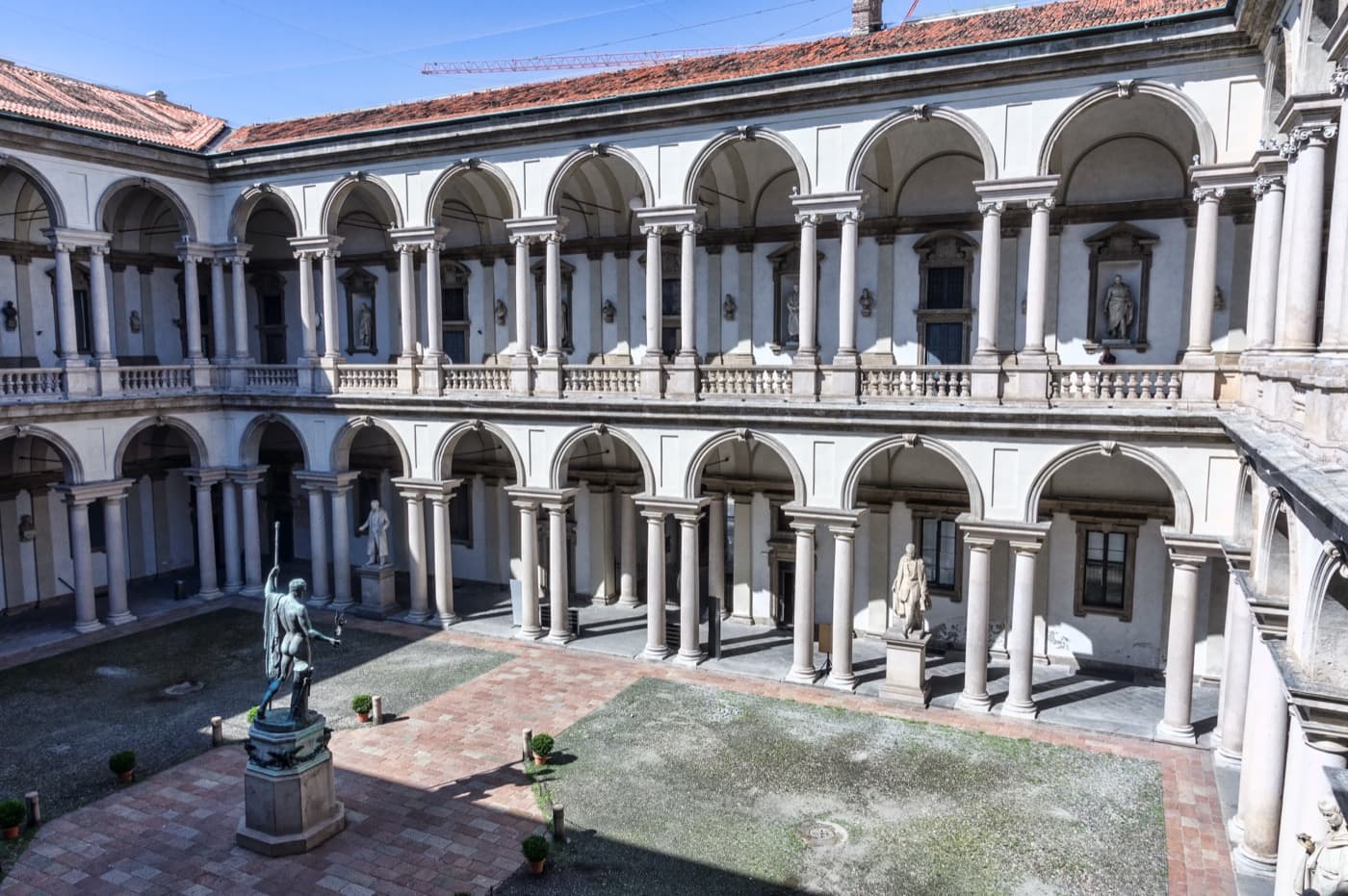
Match the tour to the day. The Brera route reads the artists' quarter, taking in the Pinacoteca, the Orto Botanico, and the Castello Sforzesco as the soft, bohemian side of a hard commercial city. The Navigli and Leonardo walk follows Milan's buried canal history from the Darsena dock to Santa Maria delle Grazie, where the Last Supper survives. The Porta Nuova route traces the district Milan built upward on old railway land, from Piazza Gae Aulenti to the tree-clad Bosco Verticale towers. Start from the Milan walking tours hub, or browse everything on the city page at /italy/milan.
Sources
Frequently asked questions
- How many days do you need in Milan?
- Two full days covers the essentials, and three lets you slow down and add a neighborhood. The center is walkable and highlights cluster into distinct districts rather than one long corridor, so a practical plan is one day for the historic core and Brera, one for the canals and the Last Supper, and a third for the modern Porta Nuova skyline.
- How much is public transport in Milan?
- A single ATM ticket costs 2.20 EUR and is valid for 90 minutes across metro, tram, and bus. A 24-hour day pass is 7.60 EUR and a 3-day (72-hour) pass is 15.50 EUR. As of early 2026 the system is largely paperless, using a reusable RicaricaMi card or contactless bank-card taps at the gate.
- When is the best time to visit Milan?
- Spring (April to June) and autumn (September to October) offer the mildest weather and the fullest version of the city, with better hotel value than peak weeks. Avoid August if you want restaurants open, since many close around Ferragosto, and avoid Fashion Week (late February to early March and mid-September) and the April Salone del Mobile if you want lower prices and quieter streets.
- Is Milan safe for tourists?
- Milan is generally safe with low violent crime, and the main risk is pickpocketing in crowded spots like the Duomo, the Galleria, and Milano Centrale station. Keep valuables in zipped or inside pockets, wear a bag across your body, and watch for the free-bracelet scam near the Duomo and strangers offering to help at station ticket machines. Say no grazie and keep walking, and stick to busy well-lit streets around Centrale after dark.
- Do you need to book Last Supper tickets in advance?
- Yes, reservation is mandatory for every visitor to see Leonardo's Last Supper at the Cenacolo Vinciano, and there are no same-day walk-up sales. Only 40 people enter every 15 minutes, so standard 15 EUR tickets routinely sell out weeks or months ahead. Sales open in roughly three-month blocks through the official channel, so book as soon as your dates are set.
- How do you get from Milan Malpensa Airport to the city?
- The Malpensa Express train is the simplest option, reaching the central stations (Cadorna and Milano Centrale) for 15 EUR in under an hour, with frequent departures. It is more predictable than a taxi. Linate Airport sits closer to the city and connects by metro and bus.
Ready to experience it?
The Painters' Quarter
90 min · 3.1 km · moderate
More from Milan
Explore more at your own pace.
Brera and the Pinacoteca: Where Milan Chooses to Be Soft
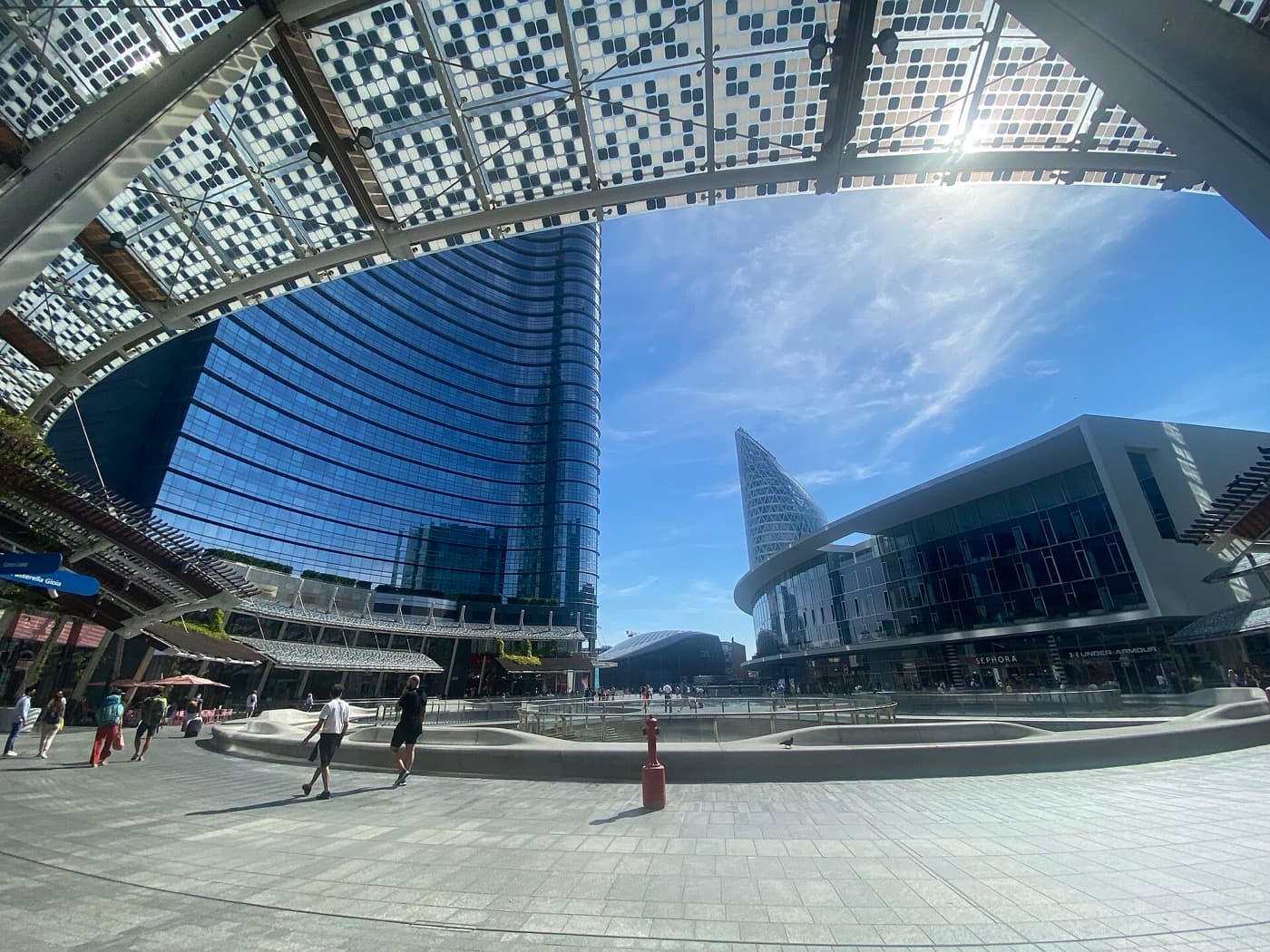
Piazza Gae Aulenti and the District Milan Built on Air
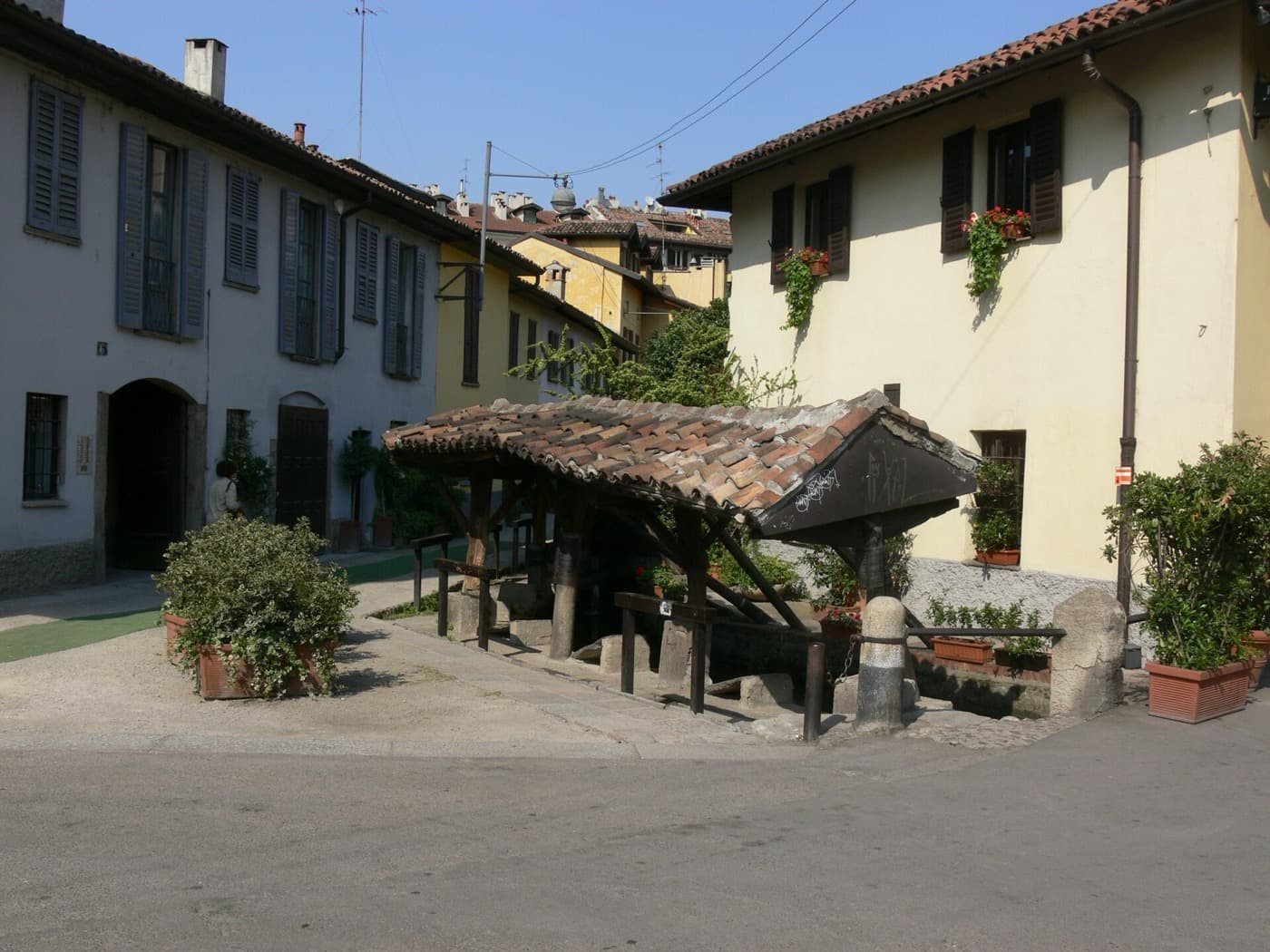
Vicolo dei Lavandai: The Washermen's Alley That Explains Milan's Buried Port
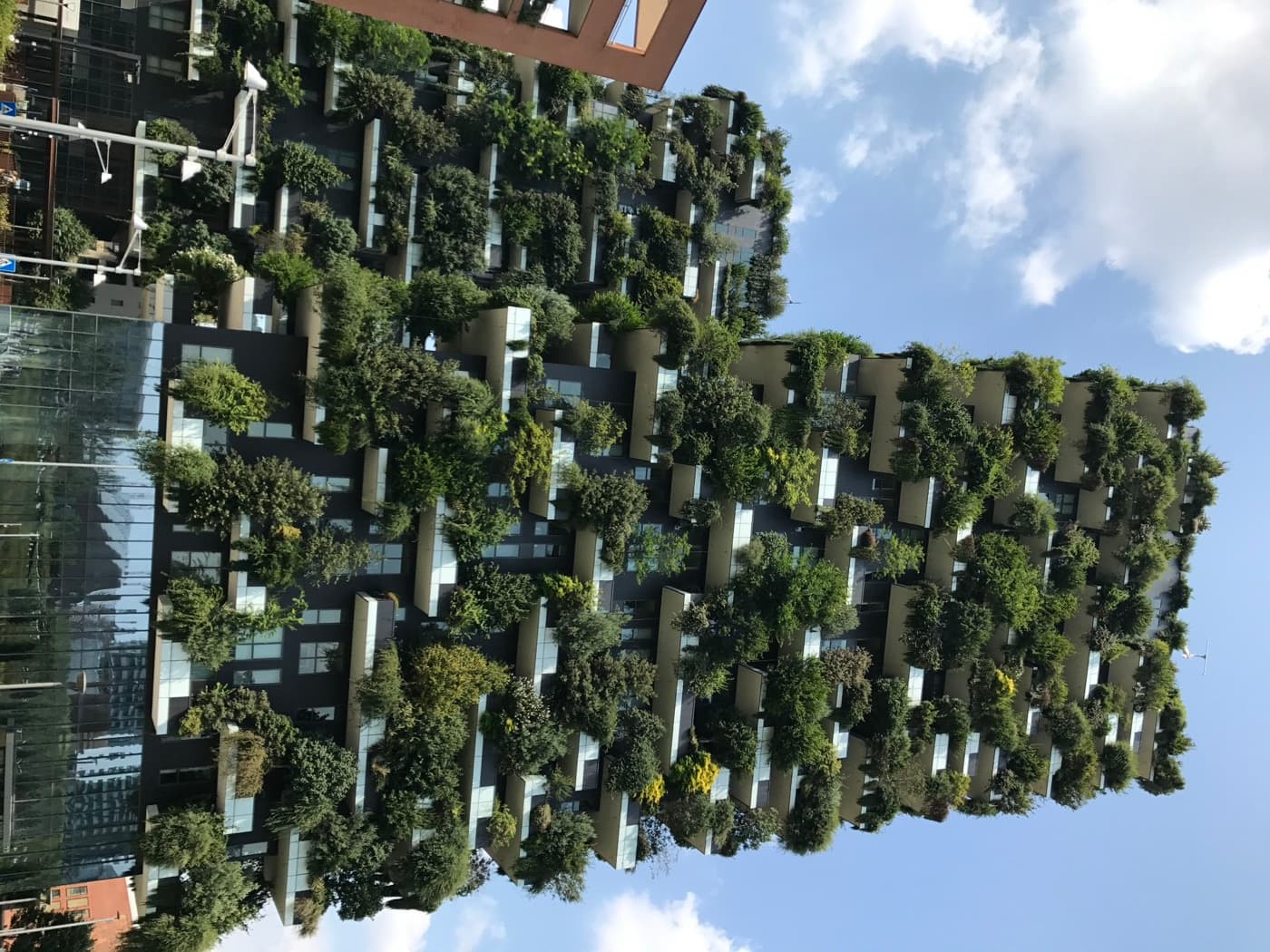
Bosco Verticale: The Vertical Forest You Can Weigh
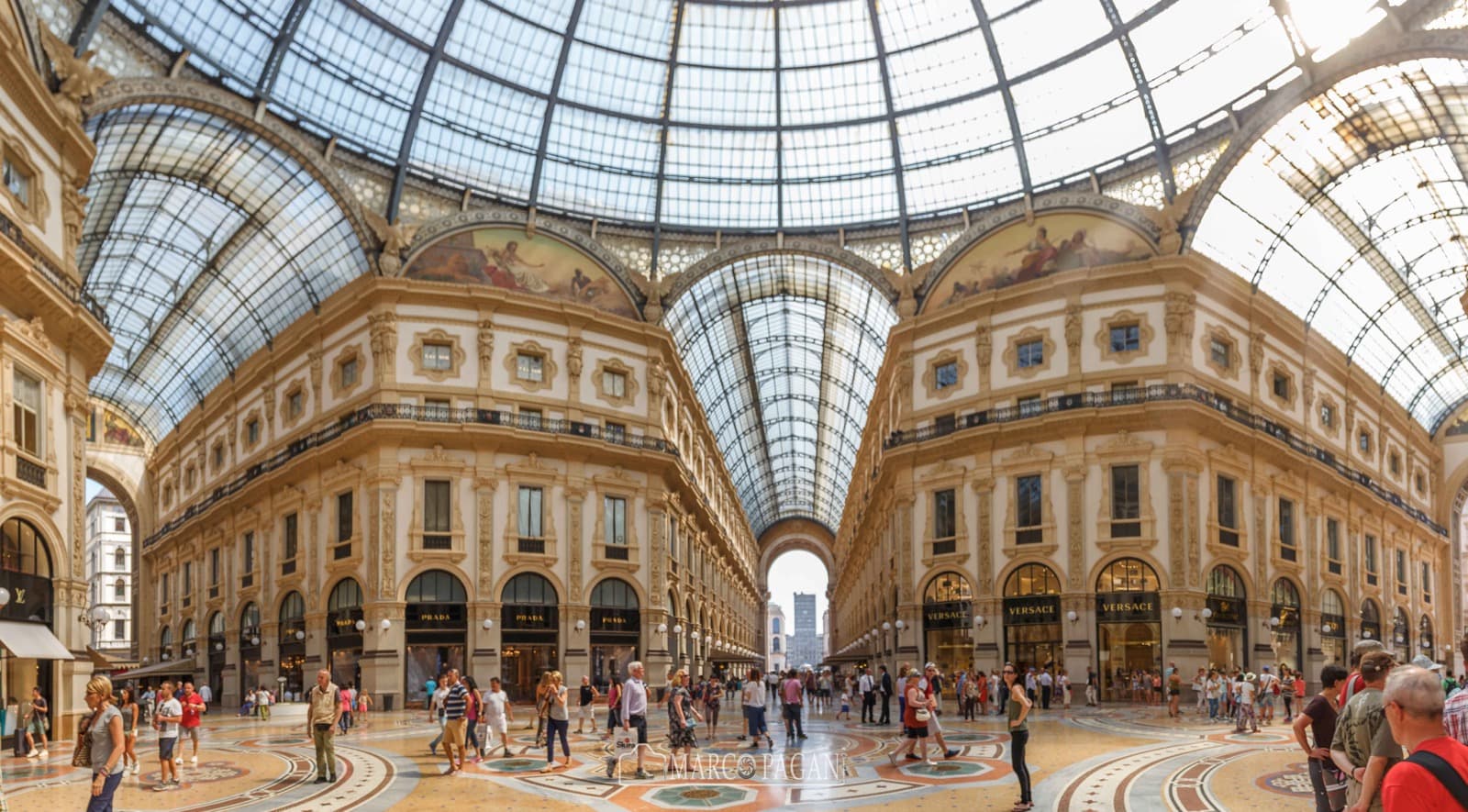
Galleria Vittorio Emanuele II: The Glass Salon of Milan