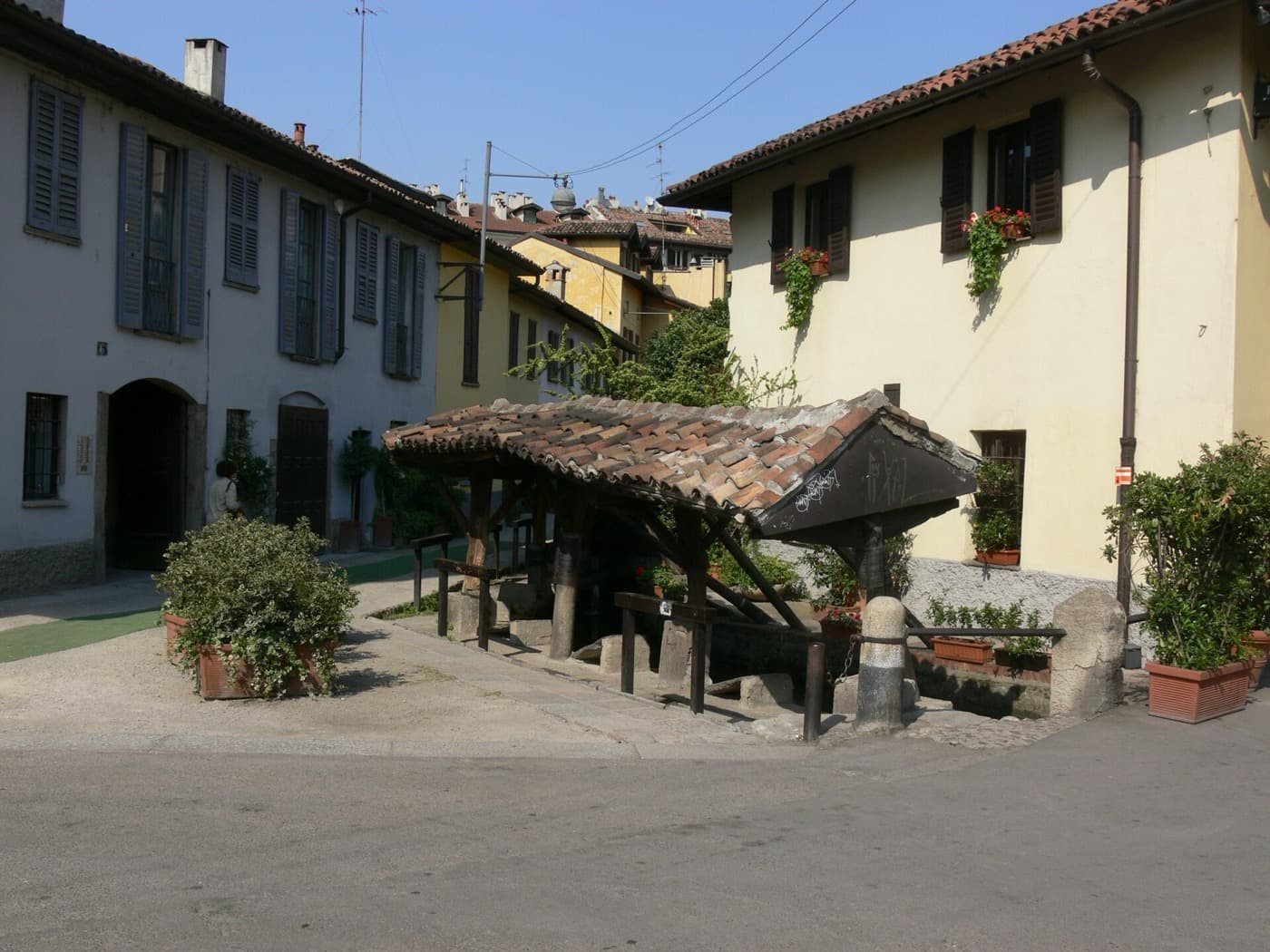
Milan has no river of its own, yet for centuries this landlocked city ran on water, moving marble, rice, and timber through a ring of canals called the navigli. The clearest surviving proof of that buried port is not a grand monument. It is a narrow lane off the Naviglio Grande called the Vicolo dei Lavandai, the washermen's alley, where a diverted channel of canal water still runs past a row of stone washing stalls. Stand there and the whole argument of this walk snaps into focus: the water that built the city eventually reached ordinary hands, and most of it is now paved over and gone.
A city that built its own harbor
To understand the alley, start with the dock a few minutes away. The Darsena is the wide basin where the Naviglio Grande, the great canal, meets the Naviglio Pavese. For a city with no natural river or coastline, this was the harbor. The Naviglio Grande is the oldest and most important of the Milanese canals. It began not as a waterway at all but as a defensive ditch cut in the year 1157. Formal construction followed from 1177, and by 1272 it was navigable, after a final deepening overseen by the engineer Giacomo Arribotti. It is remembered as one of the largest medieval engineering projects, and it made the dock possible.
The scale is hard to picture now. In the 1950s this dock ranked third in all of Italy for the sheer tonnage of cargo it handled, remarkable for a city with no river. The very last cargo unloaded here, a load of sand, came ashore on the thirtieth of March, 1979. After that the working port fell silent, and the basin sat neglected for decades until it was recovered and reopened as public space for the world's fair Milan hosted in 2015. The water you see at the Darsena today is both very old and freshly returned.
The second canal feeding the dock tells a story of patience and failure. The Naviglio Pavese runs south about thirty-three kilometers toward Pavia, aiming to connect Milan to the Ticino river and the Po basin beyond, and through them to the sea. Construction started in 1564, then stalled after roughly twenty years, defeated by technical problems the engineers of the day could not solve. The canal was not completed as a navigable waterway until 1819, nearly three centuries later. A lock just outside the city still carries the name Conca Fallata, the failed lock, after that original sixteenth-century breakdown. The problem it embodied, moving boats and water between different heights through lock chambers, is exactly the problem that would later draw the eye of a young engineer named Leonardo da Vinci.
Why the alley is the true center of the walk
Hear a stop from this walk
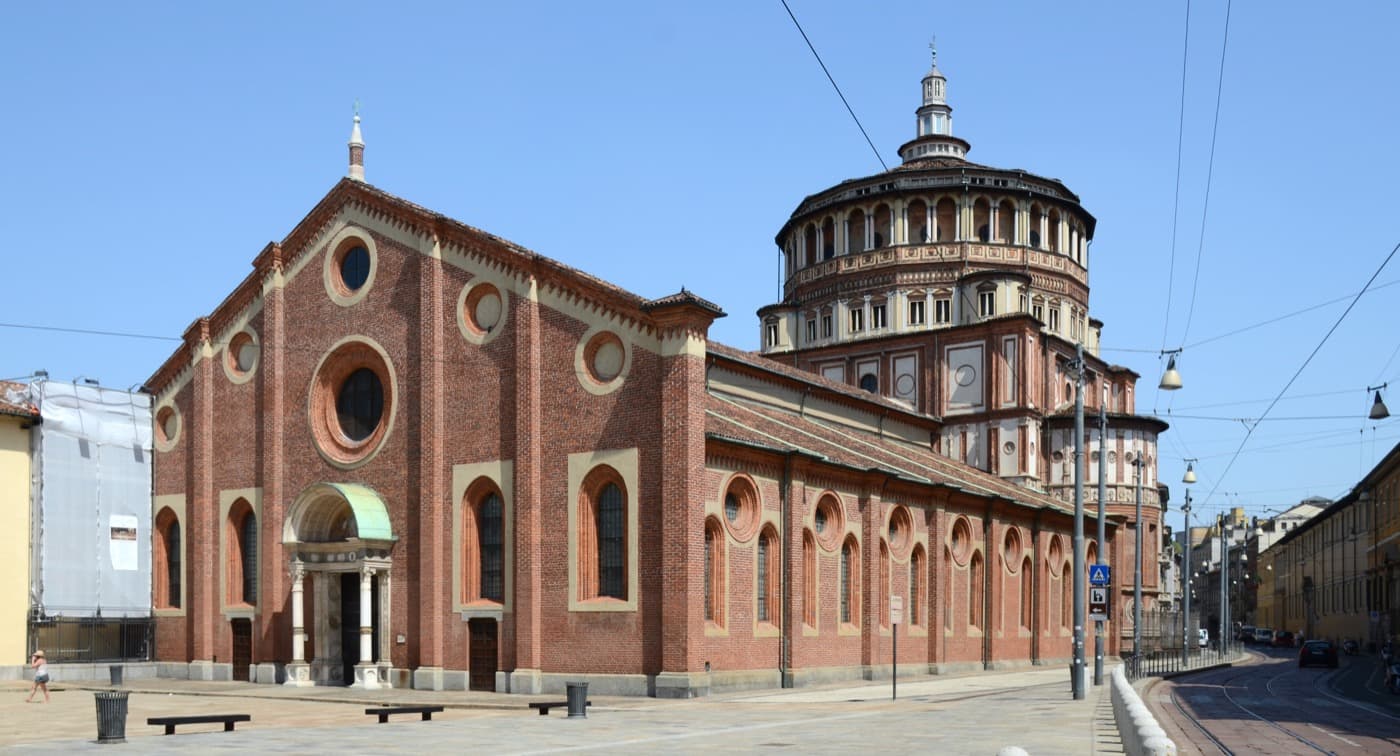
Santa Maria delle Grazie: The Last Supper
Now step into the Vicolo dei Lavandai. This is one of the most intimate fragments of the old canal economy still standing. A channel of canal water, known in the Milanese dialect as el fossett, feeds a row of slanted stone slabs where laundry was scrubbed and rinsed. It is easy to read this as a place of washerwomen, and women did wash here, kneeling on small wooden boards called brellin to keep dry. But the name and the trade belong to the men. The lavandai were organized into a guild, an association that provided washing as a service, and that guild dates to the year 1700. It took as its protector Saint Anthony of Padua, who has an altar in the nearby canal-side church of Santa Maria delle Grazie al Naviglio.
This was steady, communal work, tied directly to the water flowing past. The stone stalls stayed in use until the end of the 1950s, well within living memory, until washing machines finally emptied the alley. It was restored in recent years, and many Milanese barely know it is here. That obscurity is the point. Everything upstream, the grand engineering and the ducal locks, existed so that ordinary water could reach ordinary hands like these. If the Darsena shows you the ambition of Milan's canal age, the Vicolo dei Lavandai shows you what the ambition was for. This is the human texture the marble and the tolls were built on top of, and it is the reason the tour treats the alley as its hinge rather than a footnote. Read more about the city's routes on the Milan walking tours hub.
From dry locks to a painted wall
From the alley the route turns inland, away from open water, toward the oldest sacred fabric of the city. The Basilica di Sant'Ambrogio lets you feel how old Milan is. Saint Ambrose commissioned a church on this ground between the years 379 and 386, on a site where Roman-era martyrs had been buried. The warm brick building you actually see is a masterpiece of Lombard Romanesque begun around 1080, with a nave dating to about 1128. Look up and notice the two bell towers do not match: the older monks' tower and the taller canons' tower begun in the twelfth century record two communities that shared the site. Inside rests the tomb of the emperor Louis the Second, who died in the year 875. Entry is free.
The walk closes where the water always led. Santa Maria delle Grazie is a church and Dominican convent whose foundation stone was laid in 1463, completed by 1497. In its refectory, the convent's dining hall, Leonardo painted the Last Supper roughly between 1495 and 1498. That timing is the thread the whole route has been pulling: it is the same stretch of years he was studying lock gates for Ludovico the Moor across town. The hand that drew those diagonal swing gates, easing water through the buried canals, is the hand that painted this wall. The mural survived against terrible odds. On the fifteenth of August, 1943, allied bombing destroyed much of the refectory, yet the Last Supper wall endured because it had been shielded with sandbags. The painting was restored between 1978 and 1999, and UNESCO named the site a World Heritage place in 1980.
One practical note before you go. The church itself is free to enter, but the Last Supper, in its museum the Cenacolo Vinciano, requires a timed ticket at a full fare of about fifteen euros in 2026, and it sells out weeks in advance. Book it before your trip and aim your slot for the end of the walk. The full route runs about four kilometers over roughly two hours, each stop able to stand on its own. When you are ready to walk it, start from the Darsena and let the water carry you inland. Plan your visit from the Milan city page.
Sources
- Naviglio Grande, Wikipedia. Documents the 1157 defensive ditch, the 1272 navigability date after Giacomo Arribotti's deepening, and the canal's role as the oldest and most important Milanese naviglio.
- Vicolo dei Lavandai, in-Lombardia (Regione Lombardia tourism board). Confirms the washermen's guild dating to 1700, Saint Anthony of Padua as patron, the el fossett channel, the brellin boards, and use into the 1950s.
- Church and Dominican Convent of Santa Maria delle Grazie, UNESCO World Heritage List (ref. 93). Confirms the 1980 inscription and the Last Supper's protection and 1978 to 1999 restoration.
- Basilica of Sant'Ambrogio, Wikipedia. Covers the 379 to 386 foundation, the Romanesque rebuild from around 1080 with a nave about 1128, and the tomb of Emperor Louis the Second who died in 875.
- Naviglio Pavese, Wikipedia. Records the thirty-three-kilometer length, the 1564 start, the 1819 completion, and the Conca Fallata lock.
Ready to experience it?
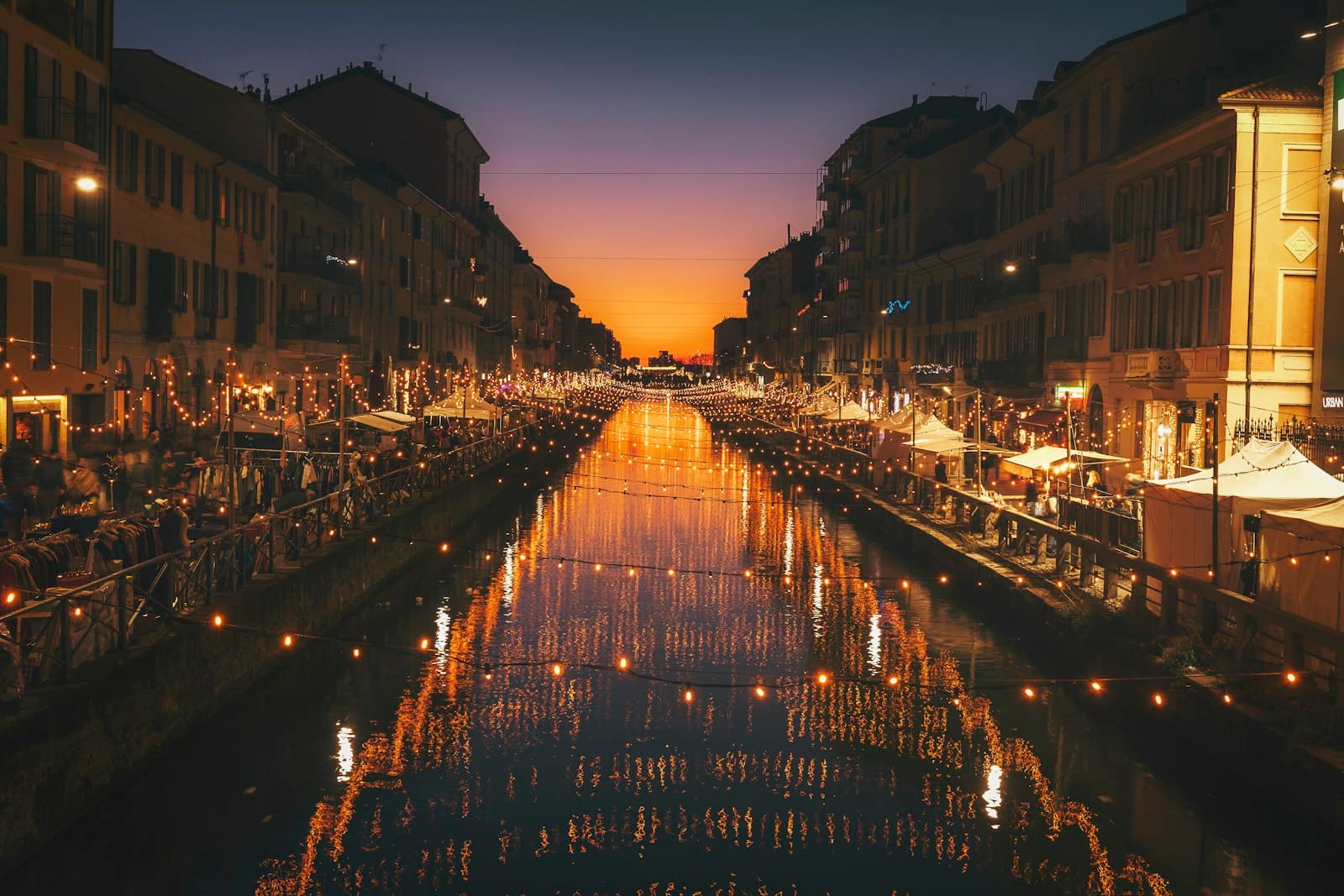
Navigli: Leonardo's Water
90 min · 4 km · moderate
More from Milan
Explore more at your own pace.
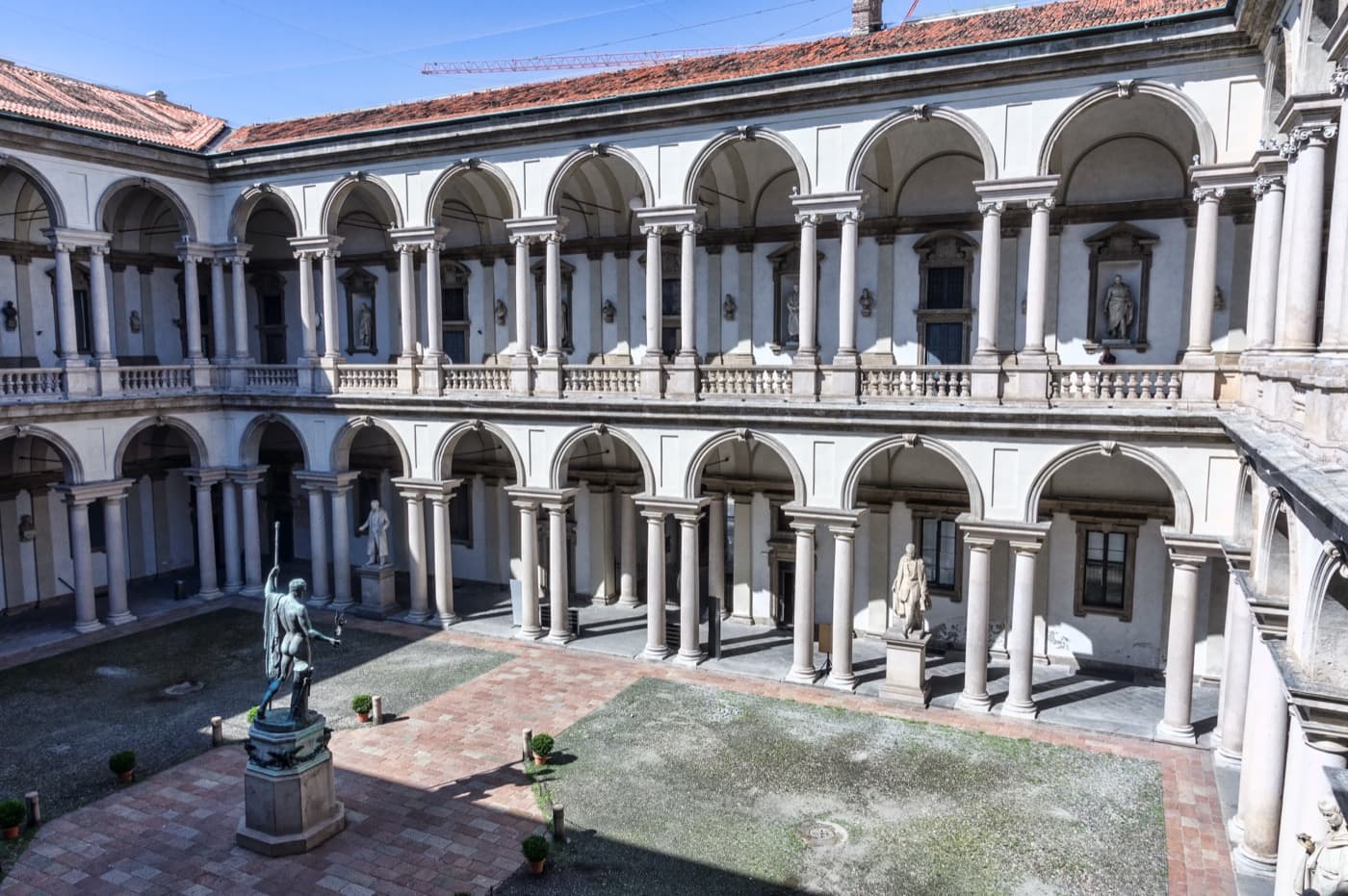
Brera and the Pinacoteca: Where Milan Chooses to Be Soft
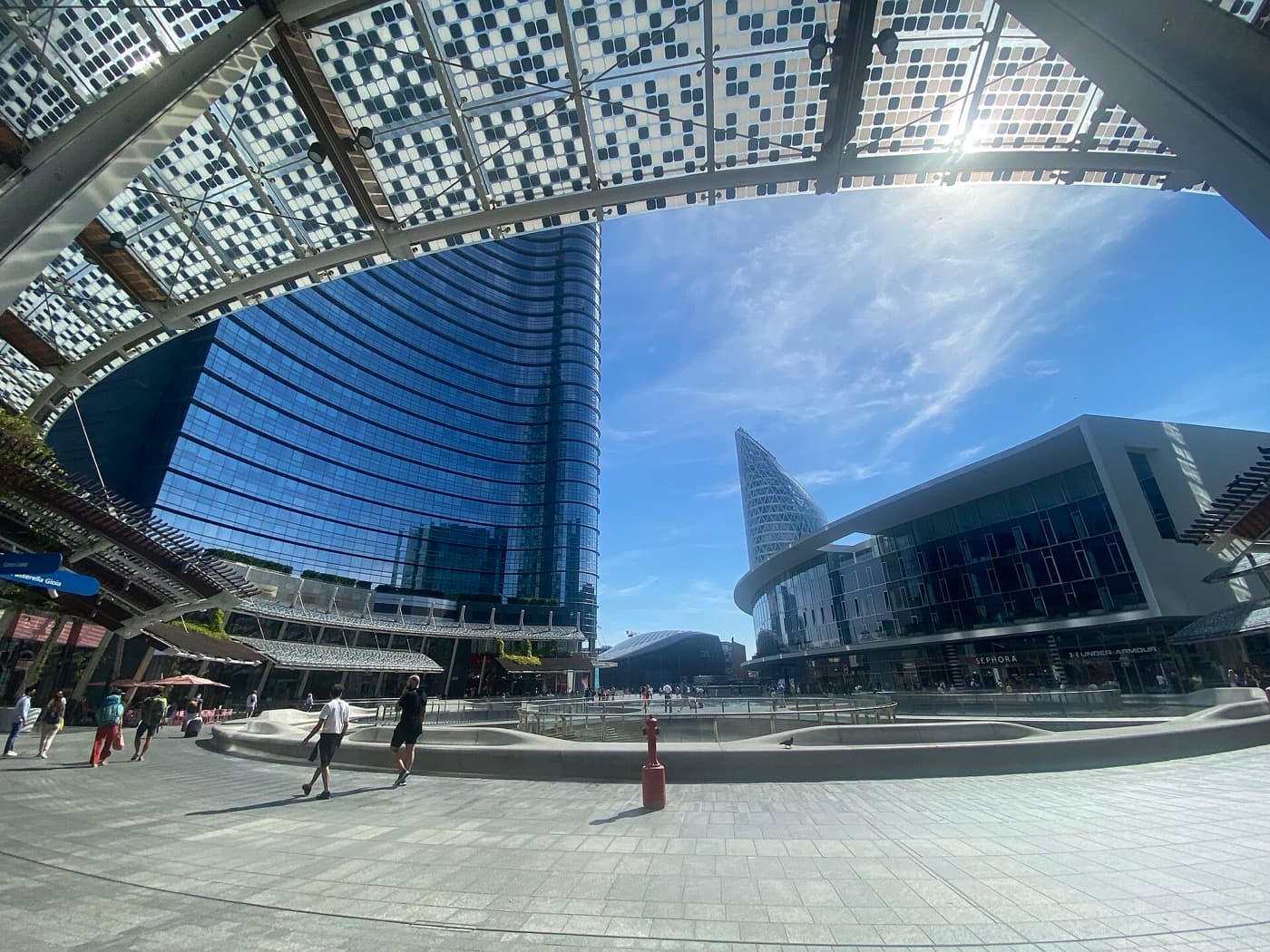
Piazza Gae Aulenti and the District Milan Built on Air
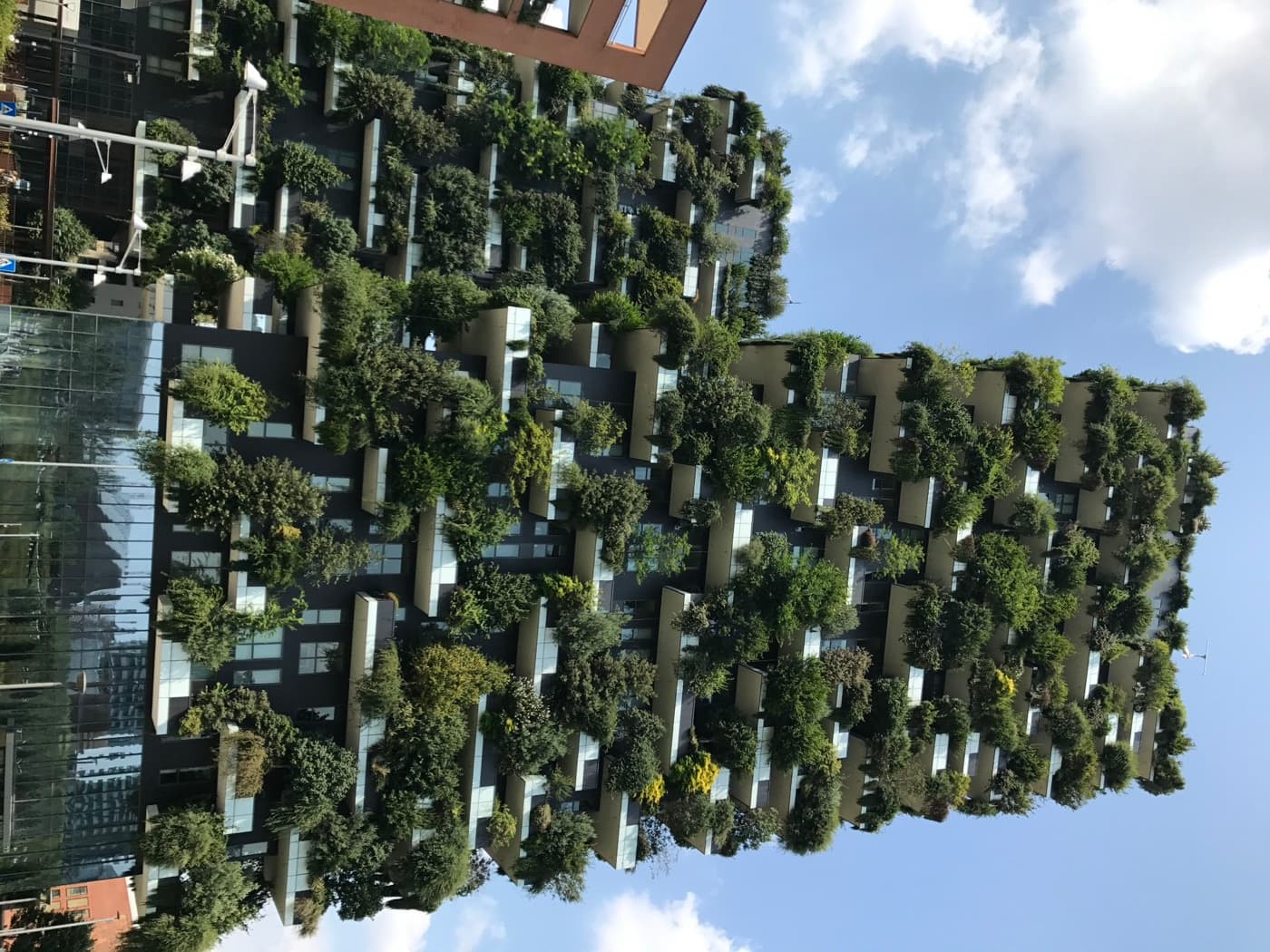
Bosco Verticale: The Vertical Forest You Can Weigh
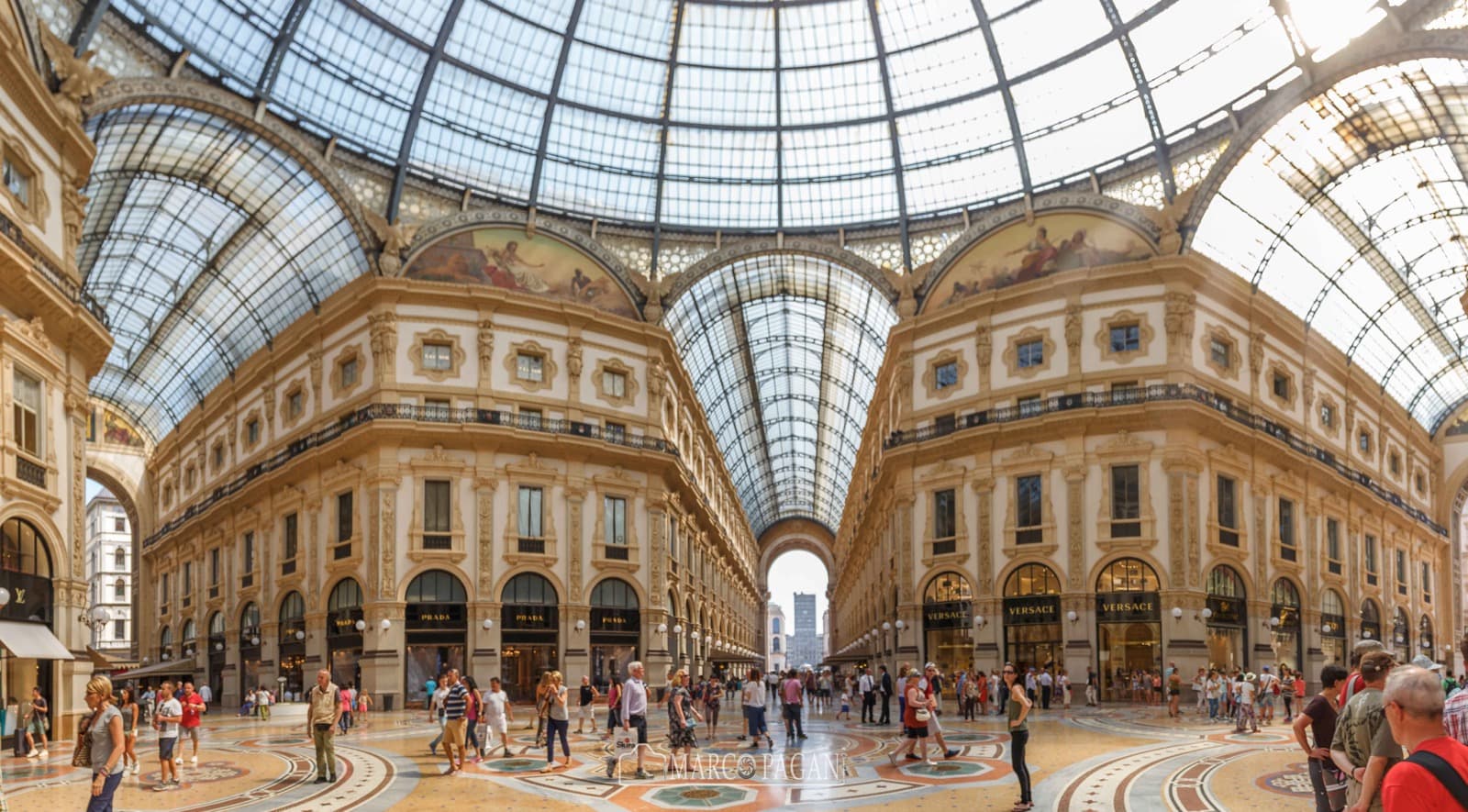
Galleria Vittorio Emanuele II: The Glass Salon of Milan
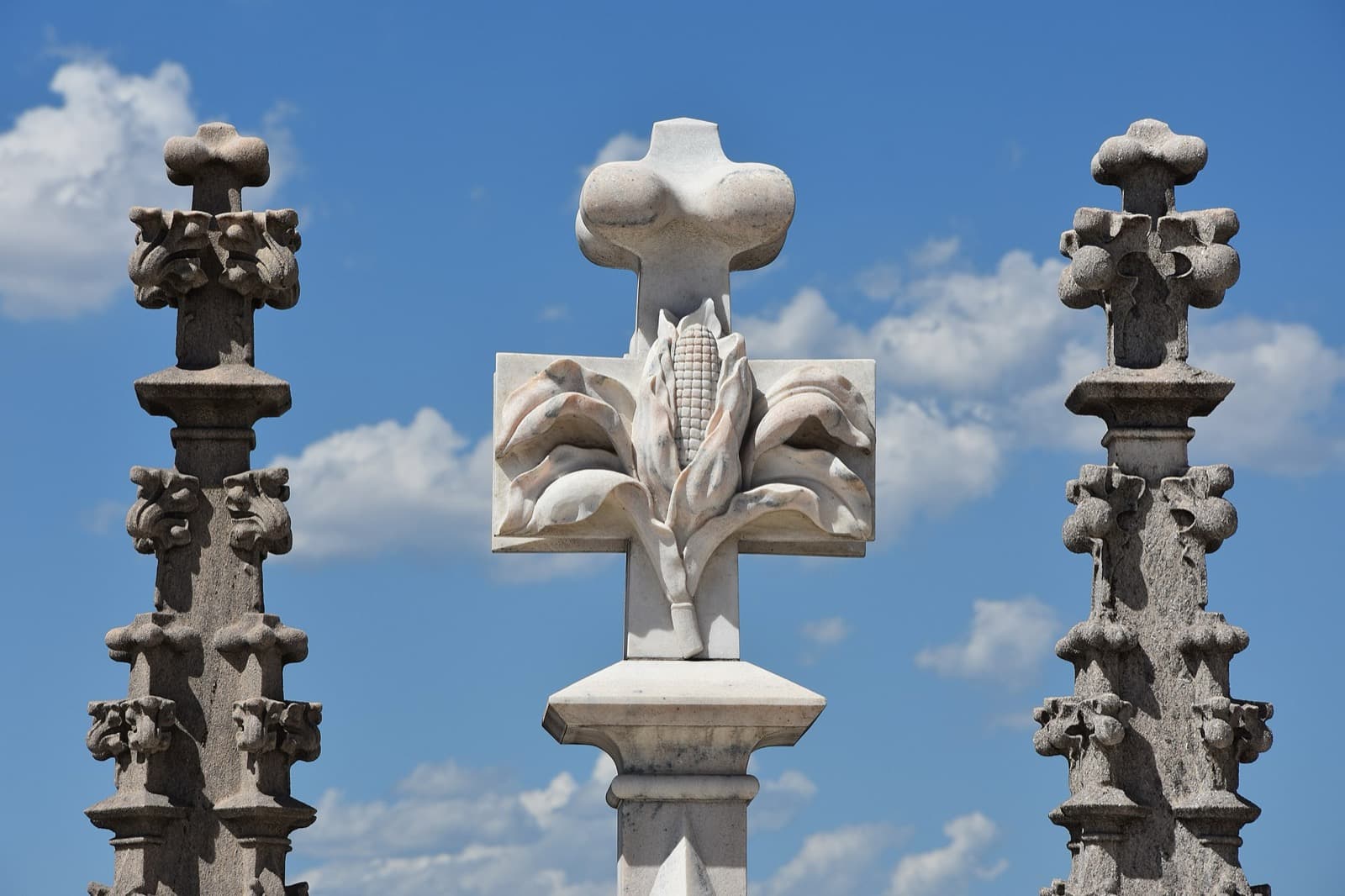
Milan Cathedral: A Marble Forest Six Centuries in the Making