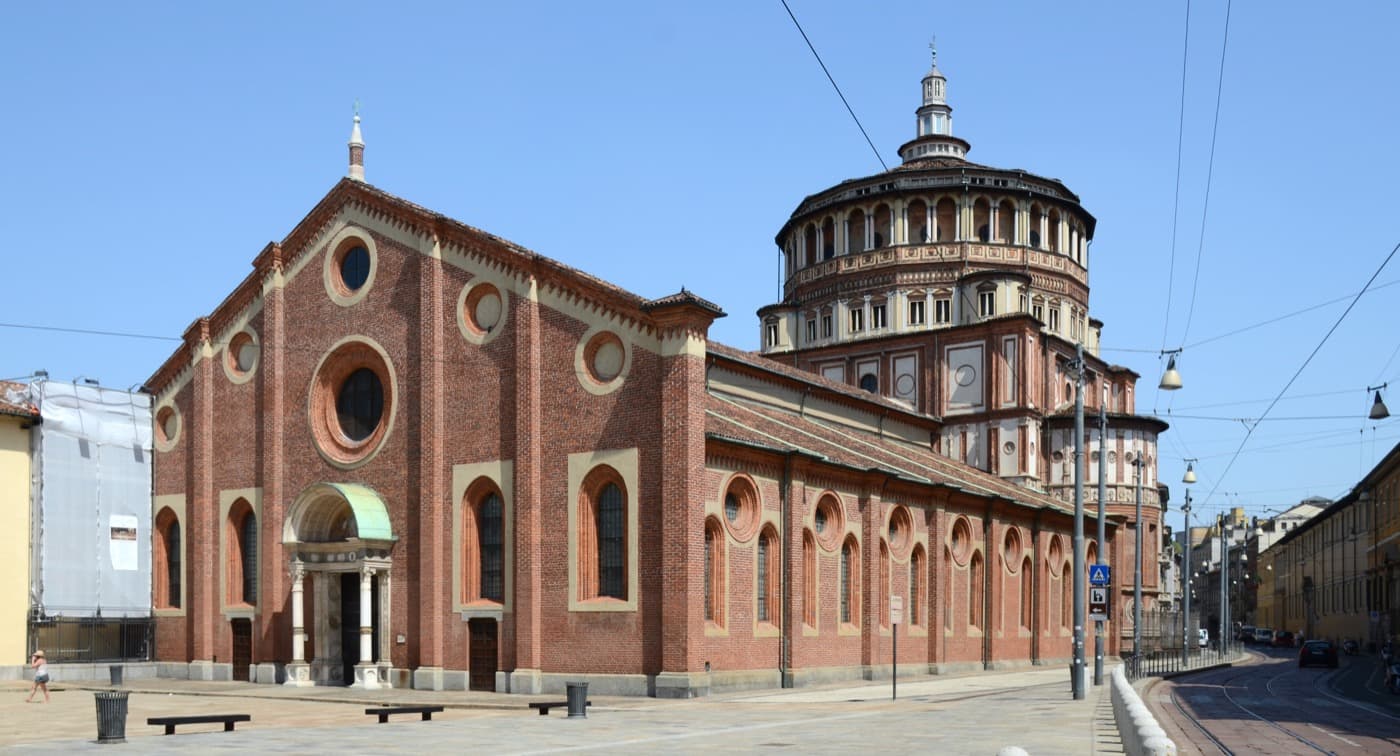
Santa Maria delle Grazie holds Leonardo da Vinci's Last Supper on the dry wall of a convent dining hall, painted in the same years Leonardo was engineering Milan's canal locks, and grasping that double role is the single thing that changes how you see the painting. The mural is not a picture hung in a gallery. It is a surface fused to a Dominican refectory, and the man who made it was, at that exact moment, an engineer moving water through a landlocked city. Stand in front of it understanding both facts, and a fragile wall in Milan stops being a bucket-list photograph and becomes something stranger and more human.
A church built fast, then handed a wall to a genius
The church and convent were built quickly by the standards of the age. The foundation stone was laid in 1463, and the building was finished by 1497. The Gothic nave came from the architect Guiniforte Solari, completed around 1469, and the great apse is attributed to Donato Bramante, carrying a marble inscription dated 1494. So the shell was barely dry when Leonardo went to work in the refectory next door, painting the Last Supper roughly between 1495 and 1498.
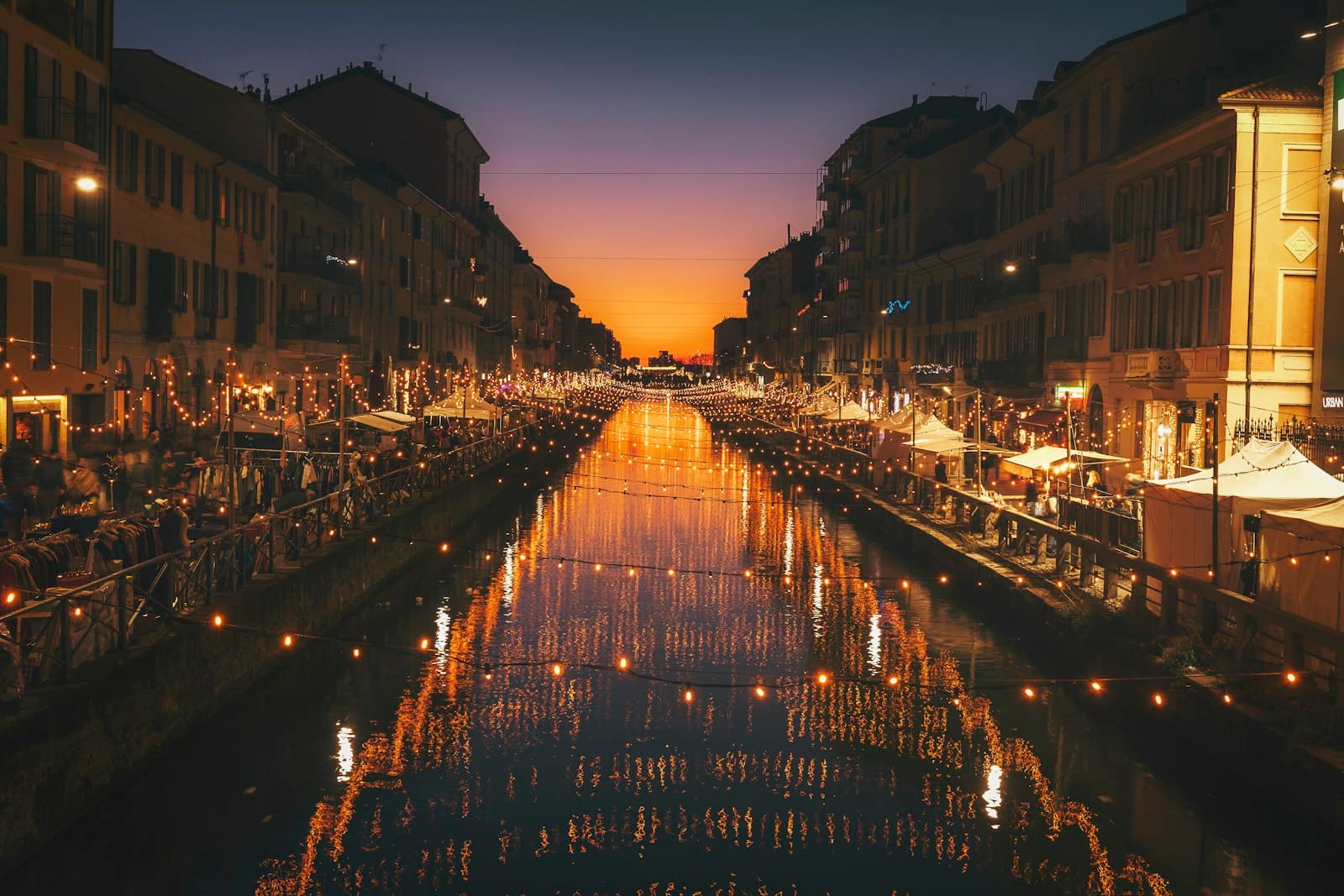
The commission came from Ludovico Sforza, known as Ludovico the Moor, then ruling Milan. This matters because Leonardo was in Milan in the Sforza service as far more than a painter. He was a military and civil engineer, and among his assignments was the study of the navigli, the ring of canals that carried marble, rice, and timber into a city with no river of its own. He examined and improved the diagonal lock gates that eased boats between stretches of water at different heights. The hand that drew those swing gates is the hand that laid out this mural. The Roamer walk that ends here traces exactly that thread, following the buried water inland from the open canals to this room.
What the wall actually is
Hear a stop from this walk
Santa Maria delle Grazie: The Last Supper
Most visitors expect a fresco. It is not one, and that distinction explains the painting's whole difficult life. A true fresco is painted into wet plaster, so the pigment binds chemically into the wall as it dries, which is durable but demands fast, committed work. Leonardo refused that constraint. He wanted to layer tones, rework faces, and adjust light over weeks, the way he worked on panel. So he painted in a mixed tempera and oil technique onto a dry, prepared wall, on a ground of gesso and pitch.
The result was freedom while he worked and fragility ever after. Without the chemical bond of fresco, the paint sat on the surface like a skin, vulnerable to moisture, temperature swings, and Milan's damp air. Deterioration began within Leonardo's own lifetime. Little of his original hand survives, and the mural has been restored repeatedly, most recently in a careful campaign that ran from 1978 to 1999. The image measures about 460 by 880 centimeters and fills the end wall of the refectory. It depicts the instant after Jesus tells his twelve apostles that one of them will betray him, and the whole composition is built around the shockwave of that sentence moving down the table.
The night the bombs came
The mural's survival is close to accidental. On the fifteenth of August, 1943, Allied bombing tore through the refectory and destroyed much of the building. The wall carrying the Last Supper endured because it had been shielded in advance with sandbags and protective scaffolding. Photographs from the aftermath show the roof and a side wall gone, open to the sky, with the sandbagged end wall still standing. The painting that had been decaying for four centuries came within meters of vanishing in a single morning of the Second World War, and it was ordinary sandbags, not any quality of the paint, that saved it.
In 1980 UNESCO inscribed the site as a World Heritage place, listed as reference number 93 under the full title of the church and Dominican convent of Santa Maria delle Grazie with the Last Supper by Leonardo da Vinci. The listing recognizes both the architecture and the mural as one inseparable thing.
Standing in front of it, and how to actually get in
Here is the practical truth that trips up most travelers. The church is free to enter, and you can step into the nave and under Bramante's apse at no cost and with no reservation. The Last Supper is different. It sits in its own museum, the Cenacolo Vinciano, and requires a timed ticket booked well in advance, with a full fare of about fifteen euros in 2026. It sells out weeks ahead, so do not plan to walk up to the door and buy one.
The reason for the strict access is preservation. Visitors enter in small groups, up to about forty people per slot, and pass through a climate-controlled sequence that buffers the room's humidity before they reach the painting. Once inside, you get about fifteen minutes with it, then the room clears for the next group. That short window is deliberate. Every breath and every degree of warmth degrades a surface that has almost nothing holding it to the wall.
The one thing to understand while you stand there is that this room is a hinge. On one side is Leonardo the painter, chasing a technique so ambitious it began falling apart before he died. On the other is Leonardo the engineer, solving the problem of moving water uphill through the same city, in the same years. The canals brought the marble and the trade that made a place like this possible, and the same restless mind that studied their gates painted this wall. You cannot see the water anymore. Most of it was paved over in the twentieth century. But you can see the painting, and if you know what you are looking at, the water is standing in the room with you.
To reach it the way the story intends, follow the buried port on foot. The milan-navigli walk starts at the open canals and the old dock, threads through the washermen's alley and the ancient Basilica di Sant'Ambrogio, and closes here, at the refectory. For the wider city, browse Milan walking tours and see how this route fits Milan's larger map. Book your Cenacolo slot first, then time your walk so you arrive at the wall right on the hour.
Sources
- UNESCO World Heritage List, entry 93: the church and Dominican convent of Santa Maria delle Grazie with the Last Supper. Confirms the 1980 inscription and the site's official scope.
- Wikipedia, The Last Supper (Leonardo): dimensions of 460 by 880 centimeters, the tempera-and-oil-on-dry-wall technique over a gesso and pitch ground, the 1943 bombing, and the 1978 to 1999 restoration.
- Museo del Cenacolo Vinciano, official website: timed-ticket access, the fifteen-euro full fare, group entry of up to forty people, the climate-controlled conditions, and the fifteen-minute viewing slot.
- Britannica, Last Supper by Leonardo da Vinci: the moment depicted and the technical background to the mural's deterioration.
- Roamer tour transcript, "Leonardo's Water" (milan-navigli), fact-audited: construction dates 1463 to 1497, Solari and Bramante attributions, and Leonardo's dual role as painter and canal engineer for the Sforza court.
Ready to experience it?
Navigli: Leonardo's Water
90 min · 4 km · moderate
More from Milan
Explore more at your own pace.
Brera and the Pinacoteca: Where Milan Chooses to Be Soft
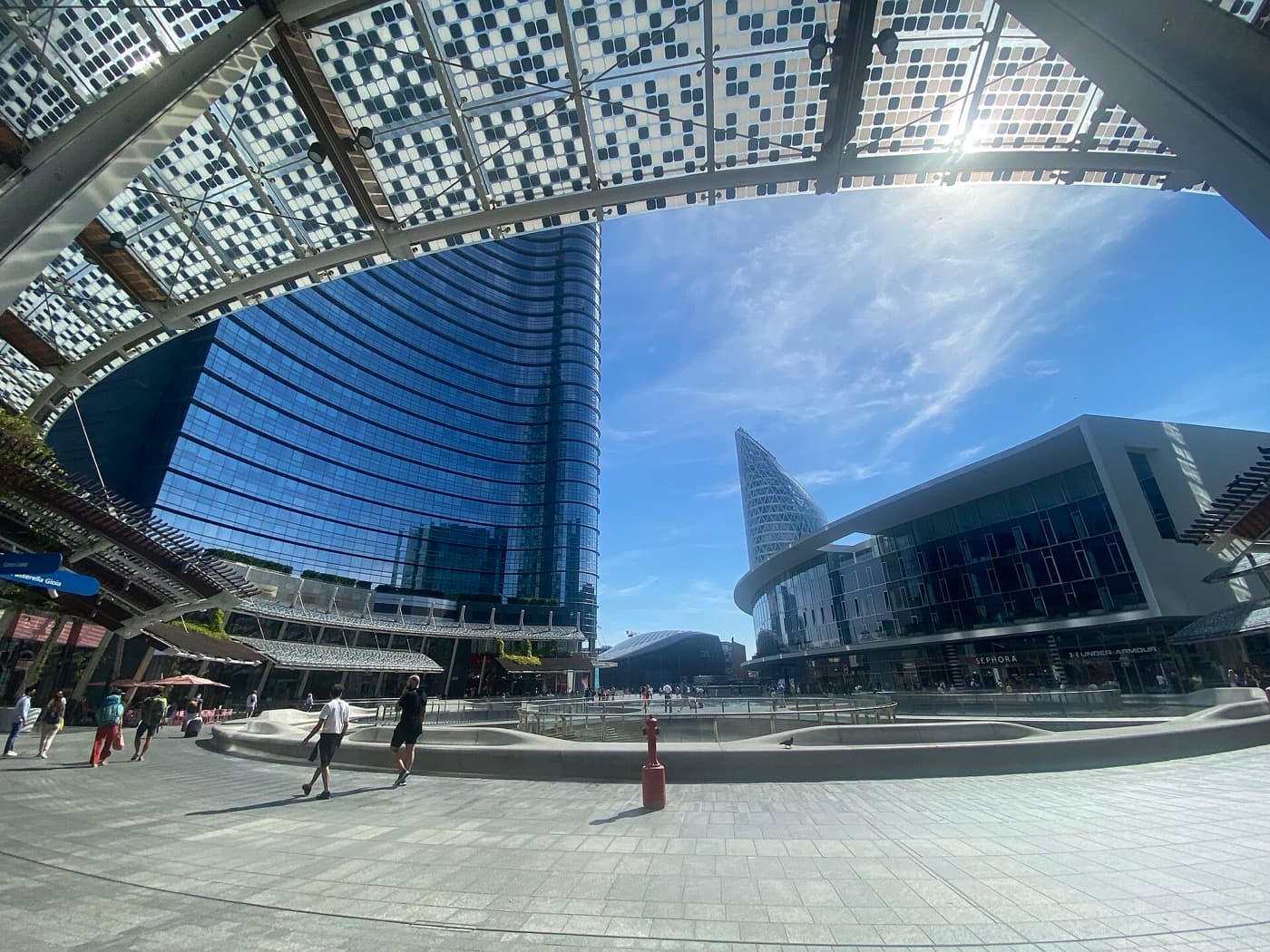
Piazza Gae Aulenti and the District Milan Built on Air
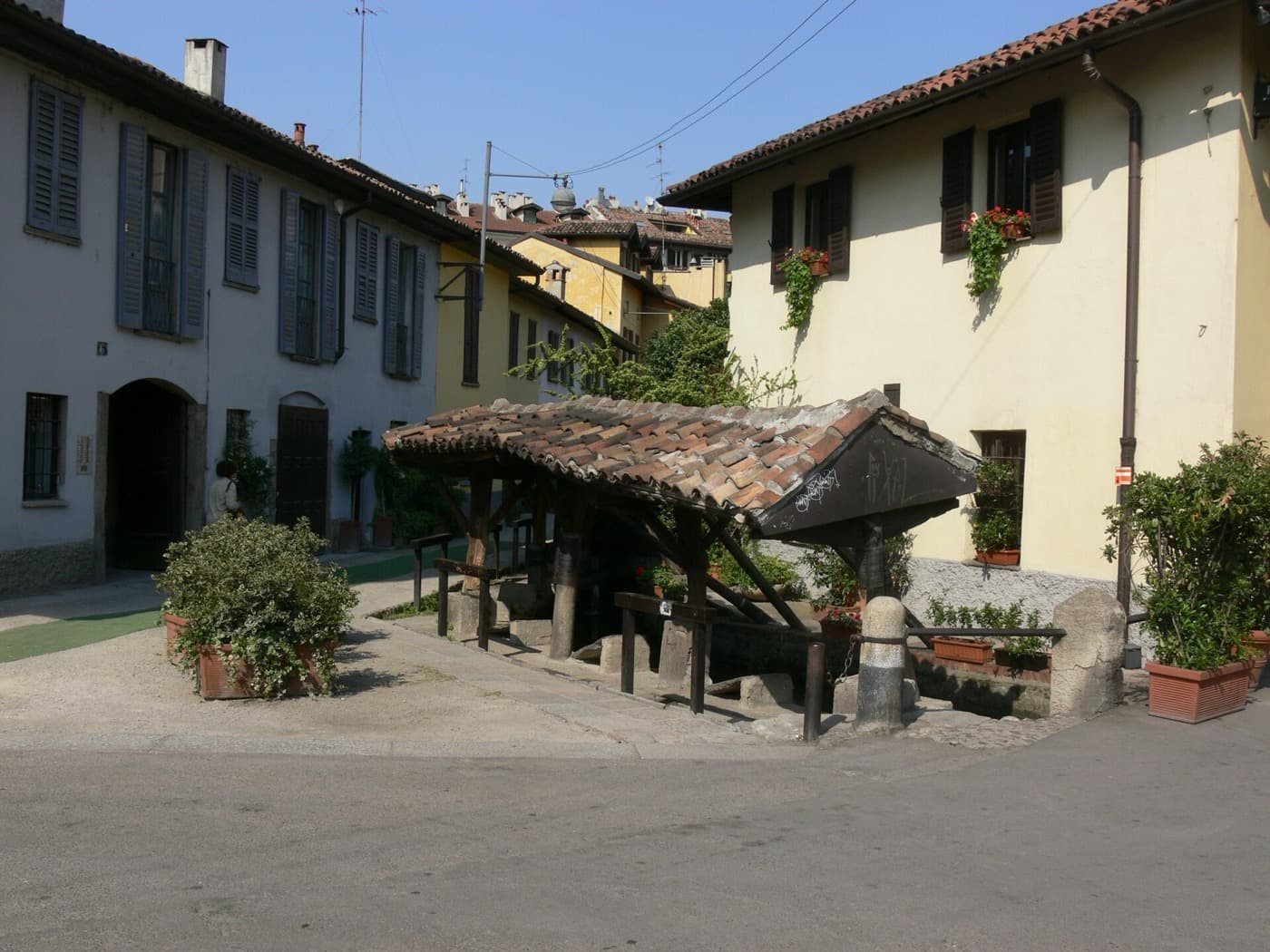
Vicolo dei Lavandai: The Washermen's Alley That Explains Milan's Buried Port
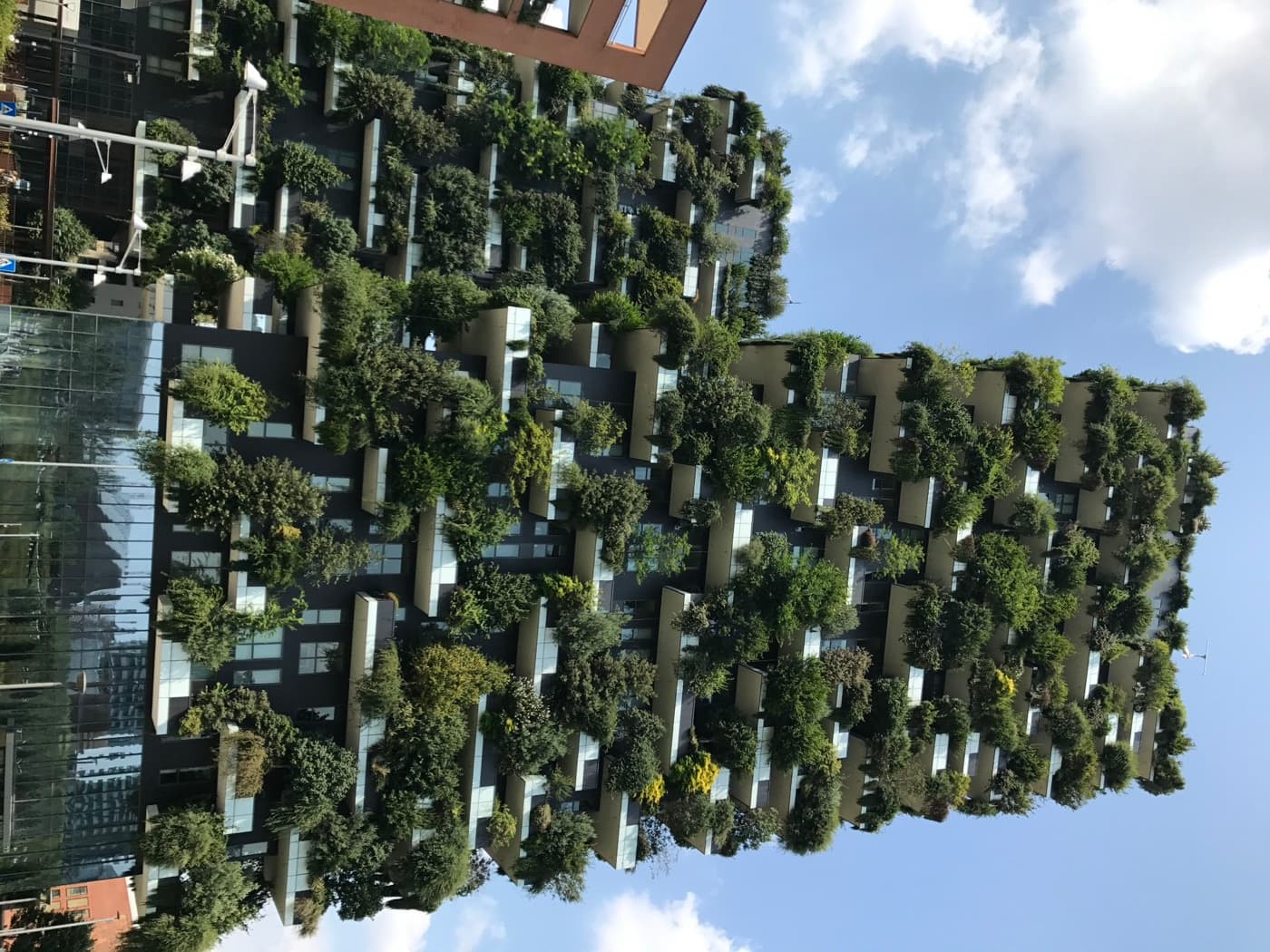
Bosco Verticale: The Vertical Forest You Can Weigh
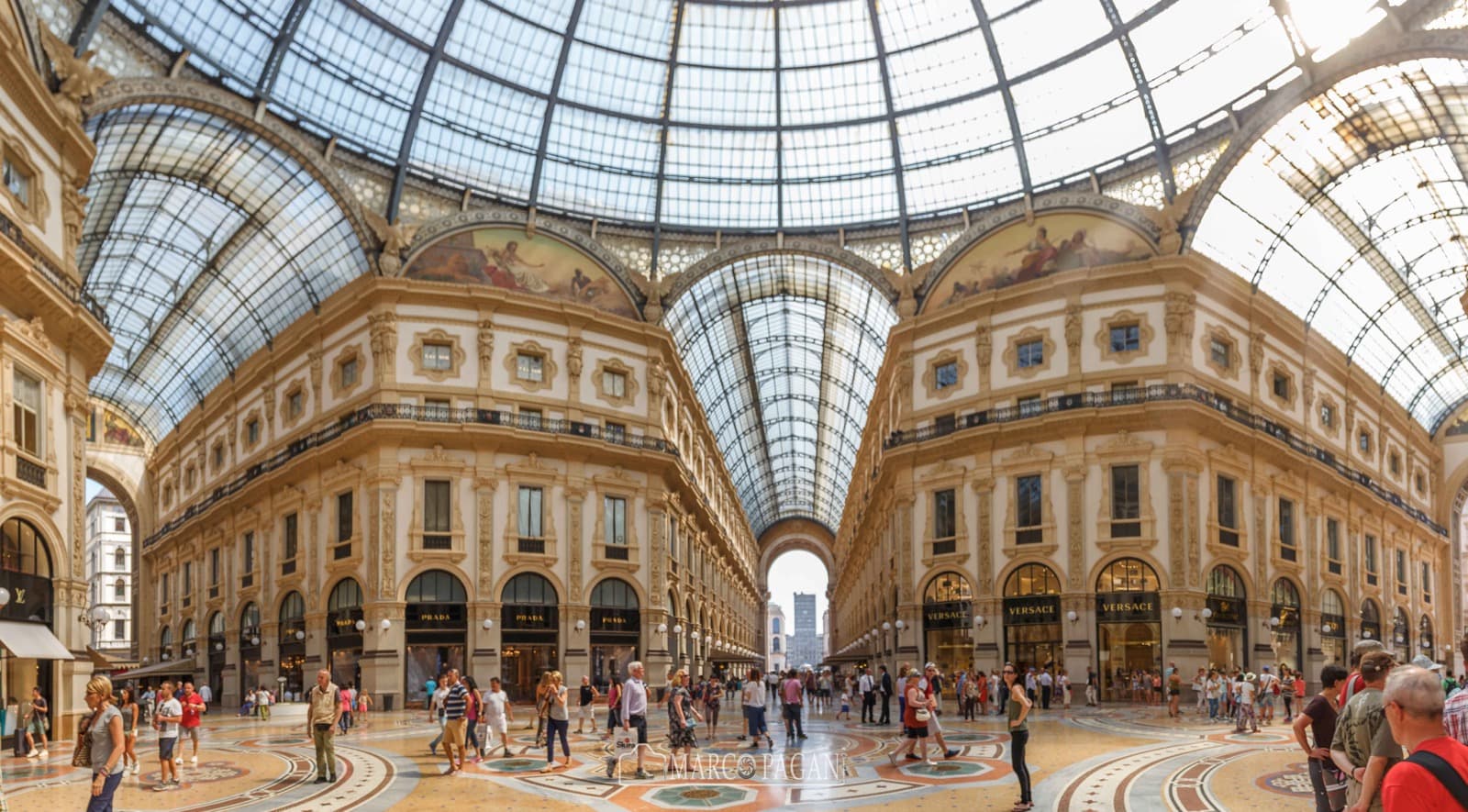
Galleria Vittorio Emanuele II: The Glass Salon of Milan