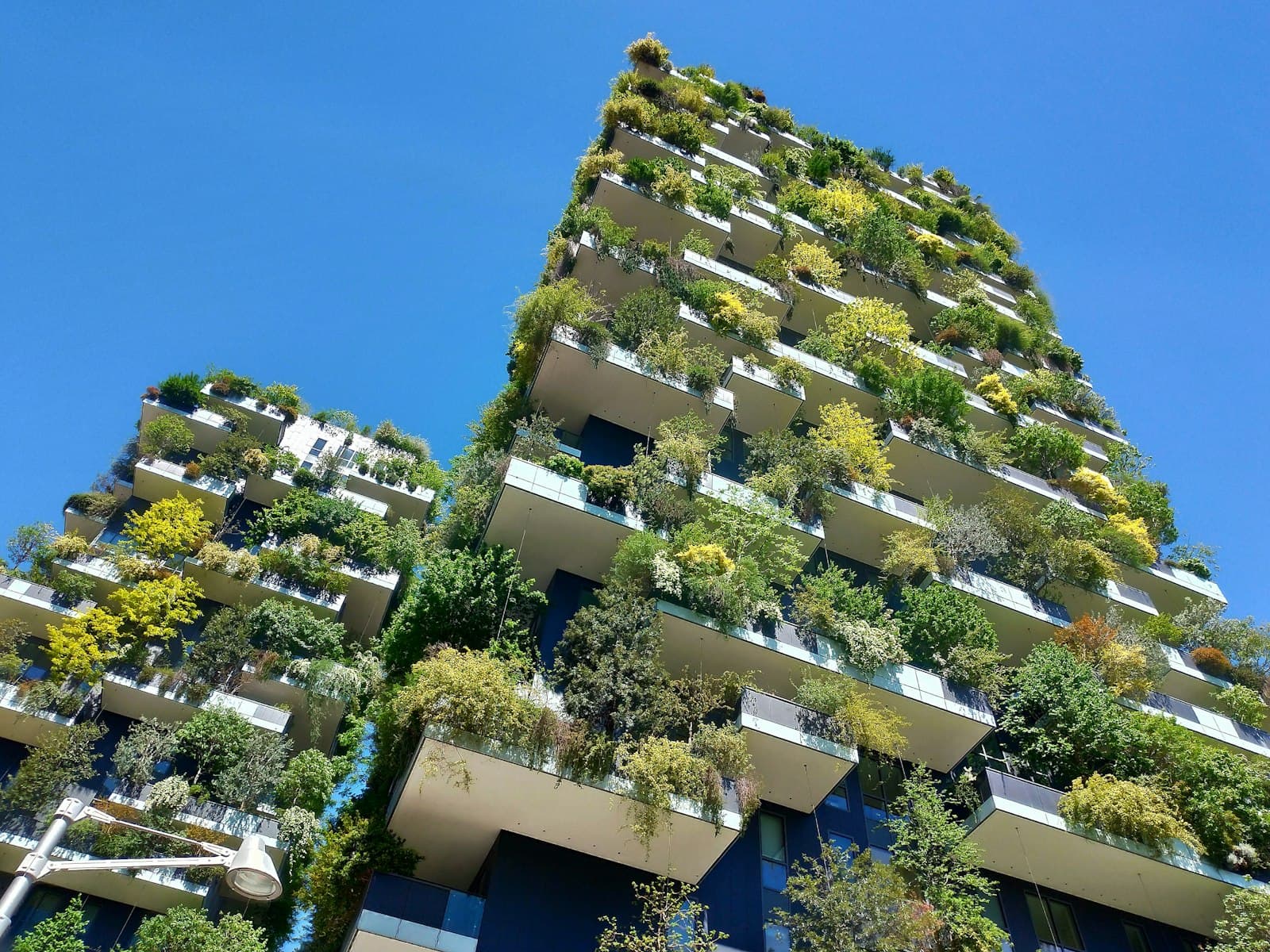
A walk through Porta Nuova, the district Milan built upward on abandoned railway land, where towers wear real trees and a botanical park answers them at ground level. It ends on the surprise that this leap forward is a sequel to something the city did decades ago.
Start · Piazza Gae Aulenti: The Raised Heart
DirectionsStops
- 1
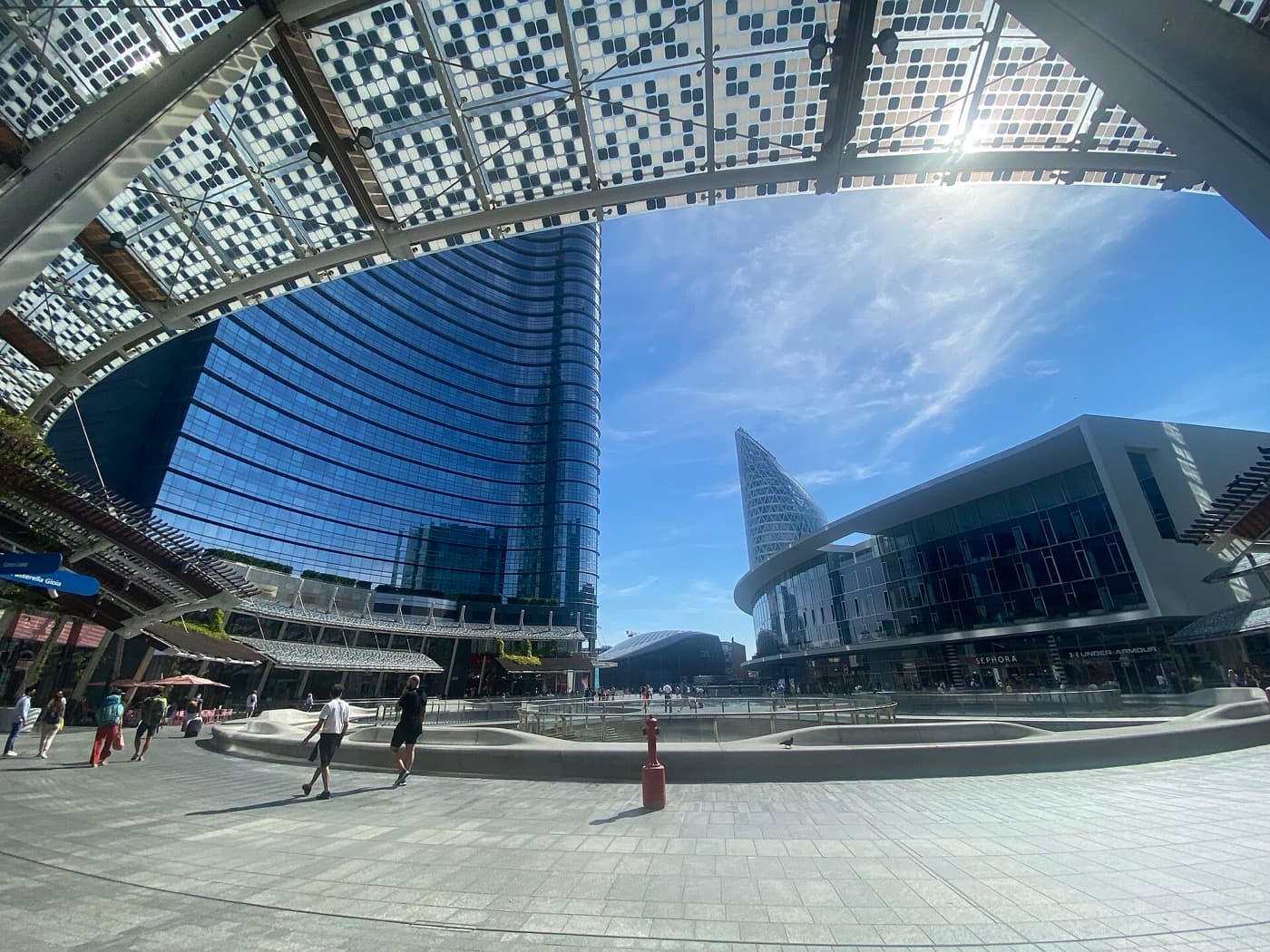
Piazza Gae Aulenti: The Raised Heart
A circular public square lifted about six metres above the street, ringed by towers and named for the designer who died just weeks before it opened.
- 2
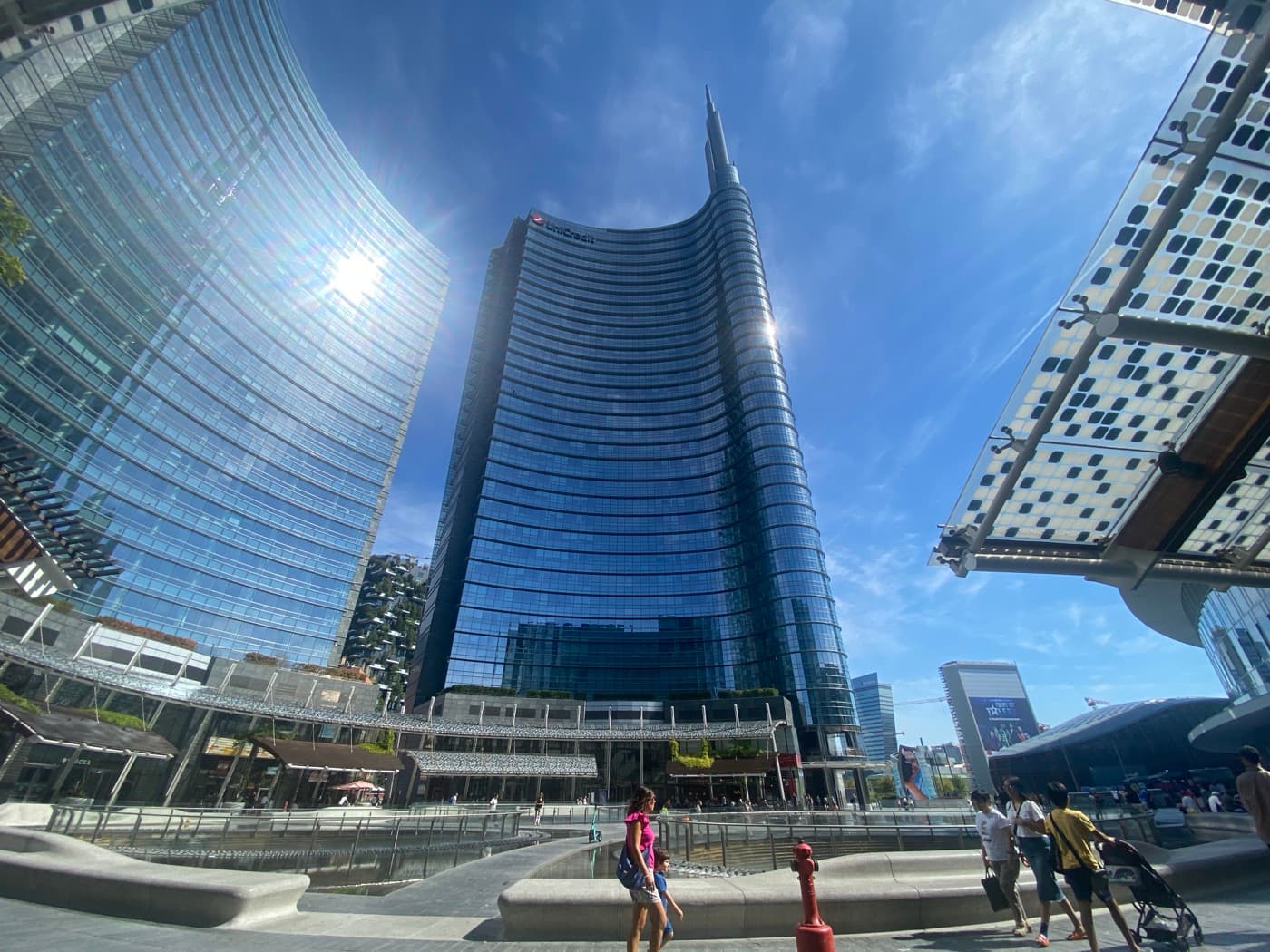
UniCredit Tower: The Tallest, With an Asterisk
A glass office tower topped by a soaring spire, the tallest building in Italy by total height, anchoring the north side of the square.
- 3
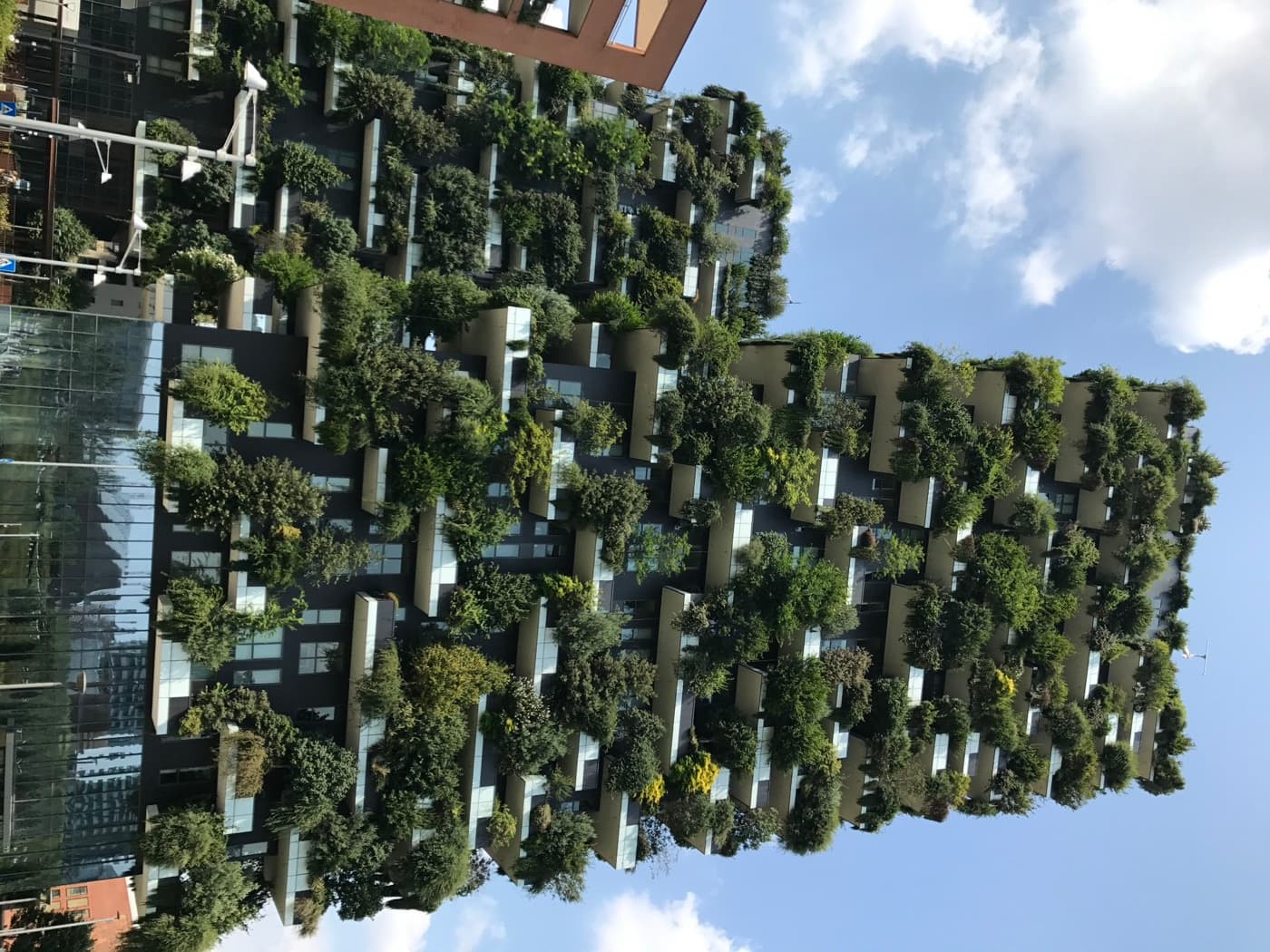
Bosco Verticale: A Forest You Can Weigh
Two residential towers whose balconies carry more than seven hundred real trees, a living facade that is also a genuine structural load.
- 4
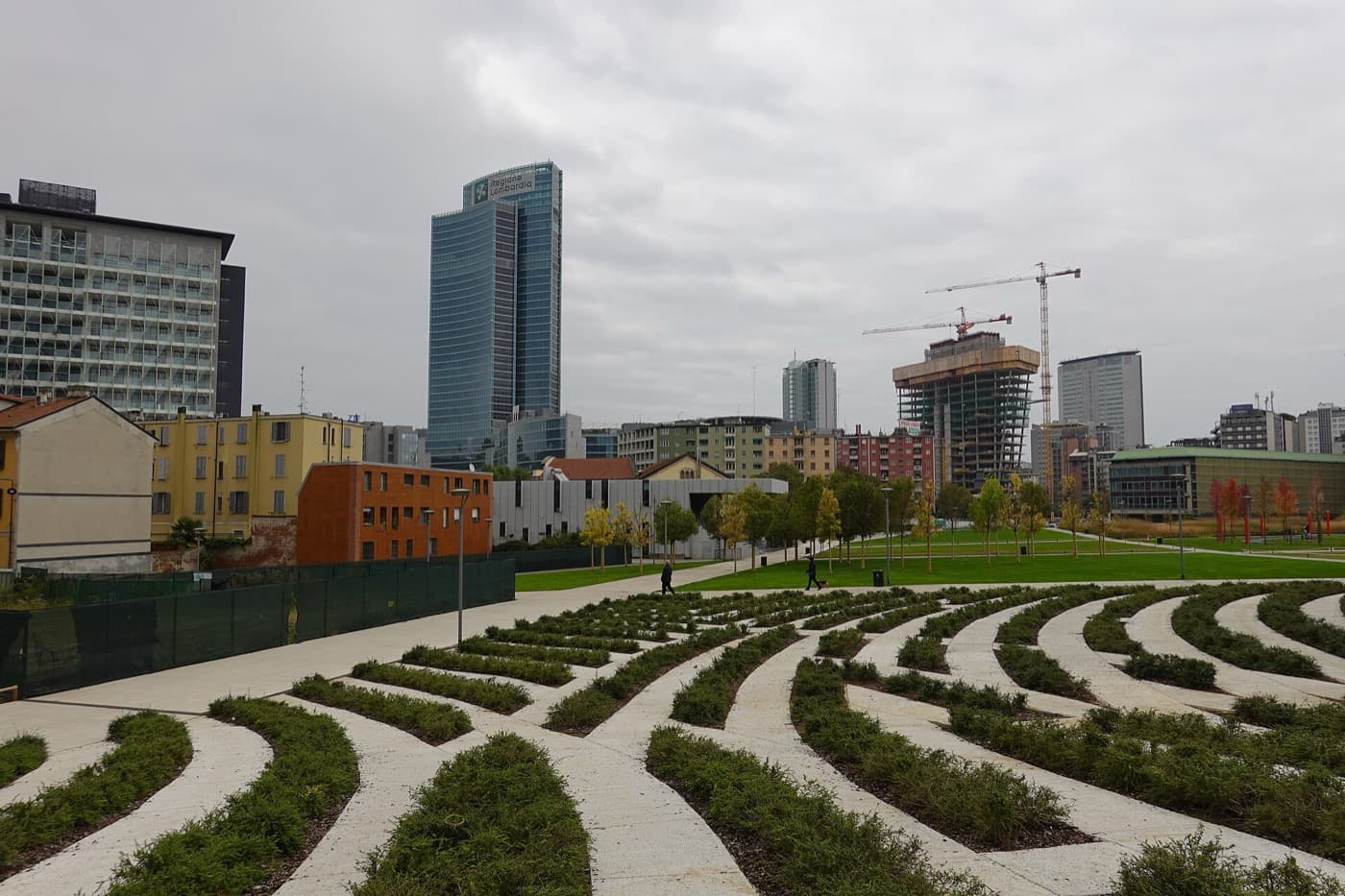
Biblioteca degli Alberi: The Library of Trees
A public park of about nine and a half hectares organized as a set of circular forests, each dedicated to a single tree species, laid out like a botanical library between the towers.
- 5
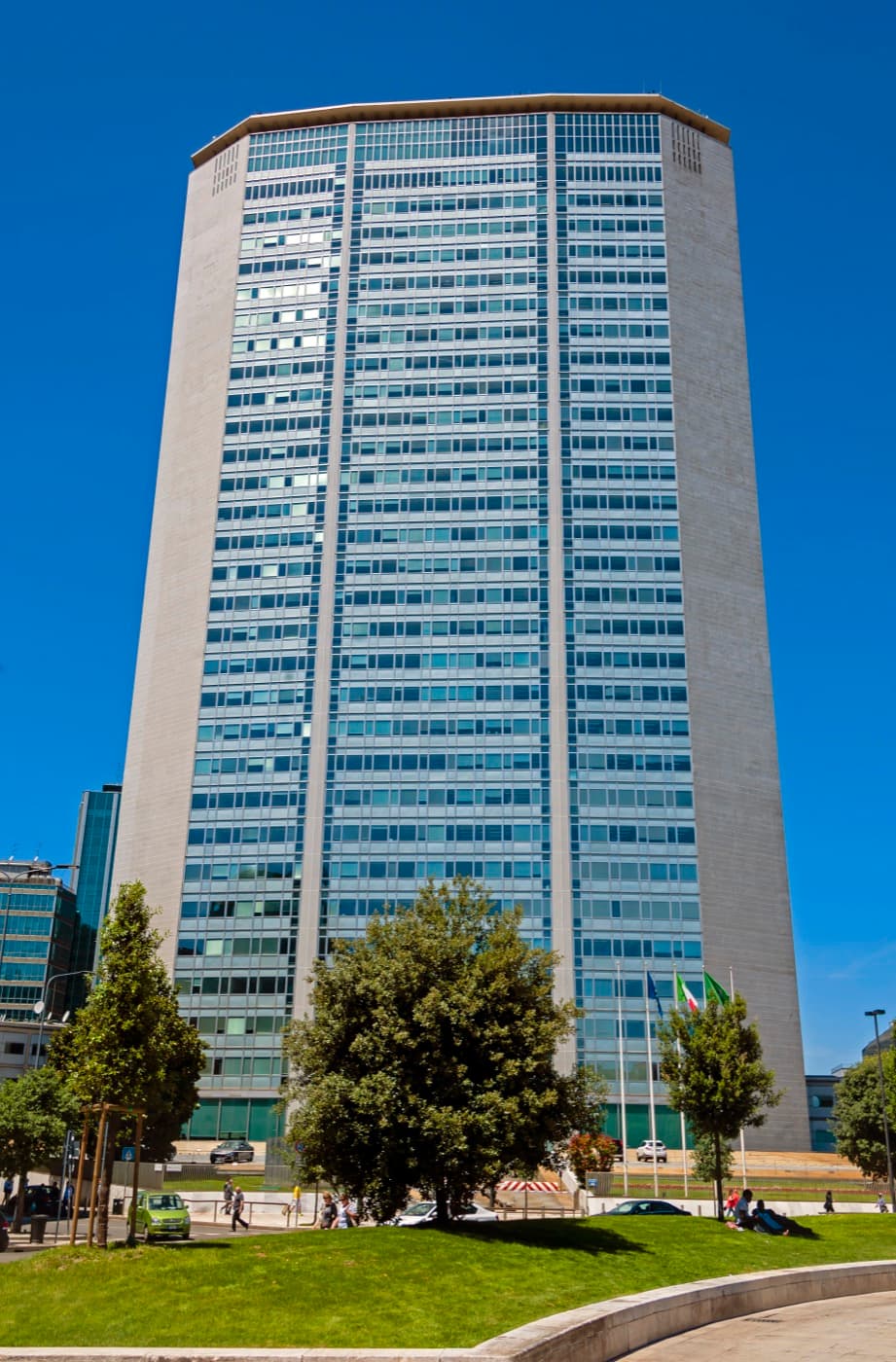
Grattacielo Pirelli: Milan Reached Up Before
A slender modernist tower from nineteen sixty, the Pirellone, that proves the new skyline is a sequel and not a clean break.
- 6
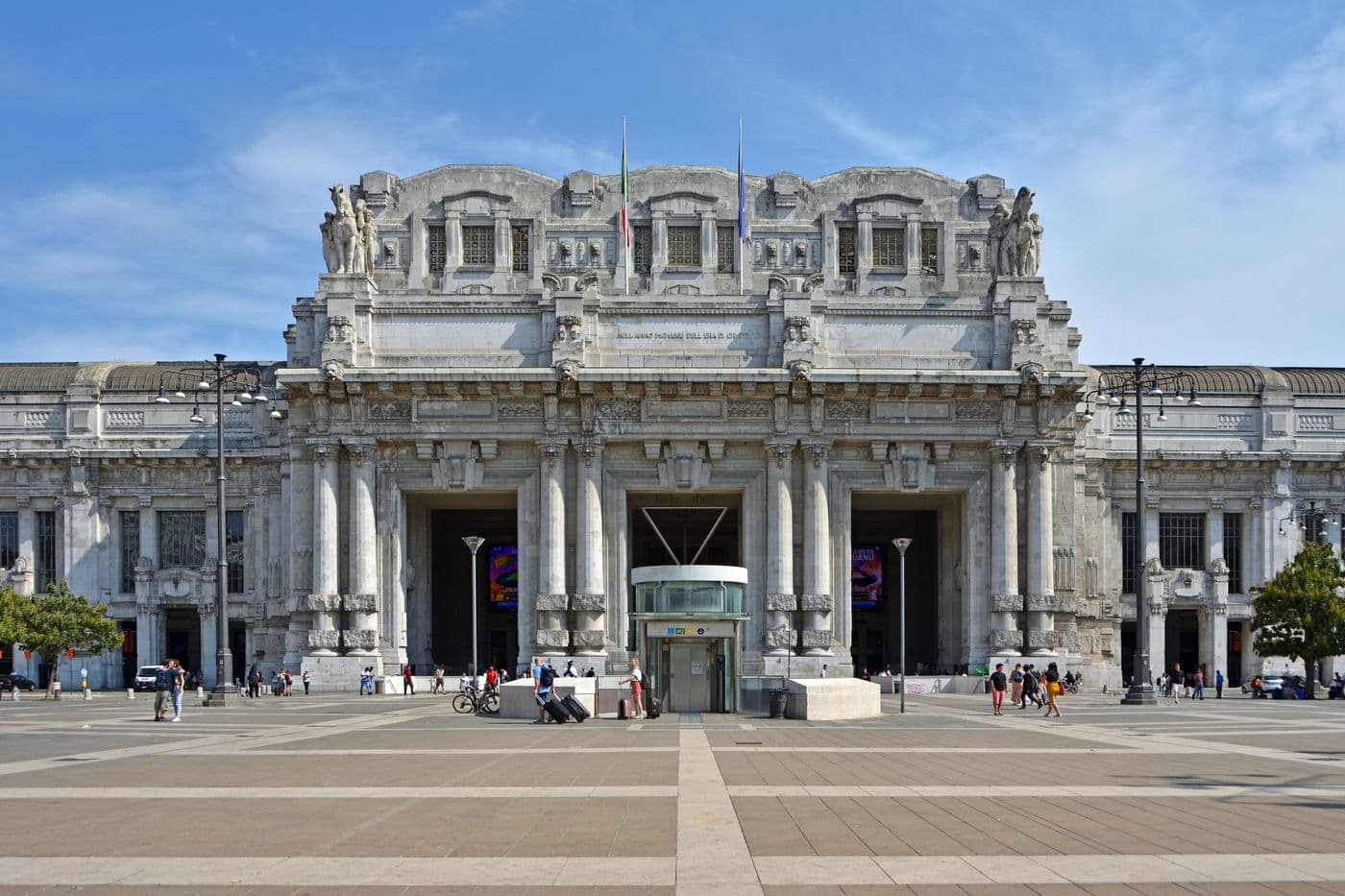
Stazione Centrale: Where the Land Began
A monumental nineteen thirty one railway station whose vanished rail yards became the very ground the new district was built on.
Details
Best Time to Visit
Late afternoon into early evening is ideal. The low sun lights the glass towers and the trees of the Bosco Verticale, and the illuminated spire of the UniCredit Tower and the lit facade of Stazione Centrale come alive at dusk. Spring and autumn are most comfortable; the district is largely open and shadeless, so avoid the midday heat in high summer. The route works any day of the week, since every stop is a free public space or viewed from the street.
Pro Tips
- •Start at Piazza Gae Aulenti, which sits directly on top of Milano Porta Garibaldi station, so arriving by train or metro drops you right at stop one.
- •The Bosco Verticale is best photographed from across the street or from the edge of the Library of Trees park, where you can frame both towers and their greenery at once.
- •None of the towers are enterable: the UniCredit Tower, Bosco Verticale, and Pirelli Tower are read from the street, so plan the walk as an outdoor architecture route, not a ticketed one.
- •Take a slow loop through a couple of the circular forests in the Library of Trees rather than cutting straight across; the design only makes sense when you walk between the round groves.
- •The leg from the Library of Trees to the Pirelli Tower is the longest stretch of the walk, so treat it as an intentional transect out of the new district and toward the older one.
- •End inside Stazione Centrale by walking up onto the concourse under the steel vault; it is free to enter and the scale is best felt from below the arch.
Safety & Precautions
- •Piazza Gae Aulenti, the Central Station concourse, and the transit hubs can be crowded and are known spots for pickpockets, so keep bags zipped and phones secure, especially near the station.
- •The route mixes raised decks, stairs, ramps, and some uneven paving; watch your footing on the steps down from the raised square and wear comfortable, stable shoes.
- •Much of Porta Nuova is open and shadeless, so in summer carry water, seek shade in the Library of Trees, and avoid walking the exposed squares in the midday heat.
- •The towers are private residences and offices with no public access, so do not attempt to enter lobbies or balconies; view the Bosco Verticale, UniCredit Tower, and Pirelli Tower respectfully from the street.
Travel advisory: Exercise Increased Caution (Level 2).
Gallery
Related Reading
Go deeper on what you'll see, hear, and walk through.
Overview
Best Self-Guided Walking Tours in Milan (2026)
3 min
Overview
Milan Travel Guide: Days, Transport, Timing, Safety, and Cost
6 min
Overview
One Day in Milan: A Walkable Itinerary From Canals to Towers
7 min
Thematic
Milan Works: A City Rebuilt Around Water, Industry, and Ambition
7 min
Companion
Piazza Gae Aulenti and the District Milan Built on Air
7 min
Deep dive
Bosco Verticale: The Vertical Forest You Can Weigh
6 min

Read
What to Eat in Milan: Signature Dishes, Origins, and How to Order Like a Local
7 min
Read the walk
The full story of Porta Nuova: The Vertical Forest, in words. Prefer to listen? Play it narrated, from home or on location.
Introduction
Most of Italy guards its past. Milan, in Italy's north, made a different bet. On a stretch of former railway wasteland just north of the historic center, over the course of the twenty tens, the city grew a new district upward: a raised public square, the tallest tower in the country, a park built like a botanical library, and a pair of residential high rises planted with real trees. This walk reads that district, called Porta Nuova, as an argument that a very old city can still be radically new. It also asks what that argument costs, in engineering and in upkeep, because a forest in the sky is not a metaphor. It is a load, an irrigation problem, and a maintenance contract.
The route has six stops and covers about two kilometres. Give it about ninety minutes to two hours at an unhurried pace, longer if you linger. Every stop stands on its own, so you are free to skip one and move on. We begin in the raised heart of the district and end at a monumental railway station, which is not an afterthought but the origin: the rail yards behind it made this land, then abandoned it. Along the way, the biggest surprise is that Milan's leap upward is not a clean break at all. The city has reached for the sky before, and we will stand beneath the proof.
Wear comfortable shoes and keep an eye on your bag in the busier squares. When you arrive at Piazza Gae Aulenti, begin with stop one.
1. Piazza Gae Aulenti: The Raised Heart
Stand in the middle of this circle and notice first that you are not at street level. Piazza Gae Aulenti is a raised public square, lifted about six metres above the road on its southern side and higher still above the street to the west. It is a perfect circle, one hundred metres across, and it opened on the eighth of December, twenty twelve. Think of it as a deck, a new ground plane laid over the city so that people and cars occupy separate layers. You walk in the calm; traffic runs below.
The square is named for Gae Aulenti, a well known Italian designer and architect. There is a quiet poignancy here. She died on the thirty first of October, twenty twelve, which is to say just weeks before this square that carries her name was inaugurated. She never saw it full of people.
Look around and you are standing at the hinge of the whole Porta Nuova district. Towers ring you on almost every side. Water features and shallow pools sit in the paving, and the whole surface is engineered as a roof over what lies beneath. This is the deliberate first move of the district: not a monument, not a church, but a public living room raised into the air. It is free, always open, and it asks nothing of you except to arrive.
Before you leave, pick out the tallest thing on the skyline from here, the one topped by a slender illuminated spire. That is where we go next, and it will let us test the word tallest very carefully.
2. UniCredit Tower: The Tallest, With an Asterisk
Now look up at the tower that anchors the north edge of this square. This is the UniCredit Tower, completed in twenty eleven and designed by the Argentine American architect Cesar Pelli. Its curved glass wall sweeps up and then keeps going, because the building does not end at its roof. A tapering steel spire rises from the top, and that spire is the whole point of a careful claim.
Measured to the tip of that spire, the tower reaches about two hundred and thirty eight metres, though some sources cite around two hundred and thirty one metres for its architectural top. Either way, that makes it the tallest building in Italy by total height. Here is where an engineer has to be honest with you. The roof itself, the last occupied floor, sits at about one hundred and fifty eight metres. Another Milan tower, the Allianz Tower in the CityLife district across town, reaches a roof height of about two hundred and ten metres, which is taller by roof alone. So the spire is not decoration. It is what earns the superlative. Take away those slender metres of steel at the top and the ranking changes.
That distinction matters because it tells you what a spire is for. It is light, it carries no floors, and yet it is doing real work: it lifts the building's total height and gives the skyline a fixed point you can find from anywhere in the district. At night it is illuminated, a needle over Porta Nuova.
The tower is the headquarters of a bank, so it is an office building, not a place you can enter or tour. Read it from here, from the square. It is the anchor, the vertical exclamation mark that tells you the new district had ambition. And ambition, as the next stop shows, can be planted with living things.
3. Bosco Verticale: A Forest You Can Weigh
Here is the stop people come for, and I want you to see it two ways at once. The Bosco Verticale, meaning Vertical Forest, is a pair of residential towers whose balconies carry actual trees. Not window boxes. Trees. The design counts seven hundred and thirty of them, four…
Full narration for this stop unlocks with the tour.
4. Biblioteca degli Alberi: The Library of Trees
After all that verticality, the ground answers back. This is the Biblioteca degli Alberi, the Library of Trees, a public park of about ninety five thousand square metres, which is roughly nine and a half hectares, laid out between the towers of Porta Nuova. It opened in phases,…
Full narration for this stop unlocks with the tour.
5. Grattacielo Pirelli: Milan Reached Up Before
Now the walk turns on you. Everything so far has felt like Milan inventing itself, glass and towers dropped onto old Italy. Stand beneath this slender tower and that reading falls apart. This is the Grattacielo Pirelli, affectionately called the Pirellone, the big Pirelli. Its…
Full narration for this stop unlocks with the tour.
6. Stazione Centrale: Where the Land Began
We end at the origin, and it is enormous. This is Stazione Centrale, Milan's monumental central railway station, inaugurated on the first of July, nineteen thirty one. Stand back and let the scale hit you. The facade runs about two hundred metres wide, and behind it the great…
Full narration for this stop unlocks with the tour.