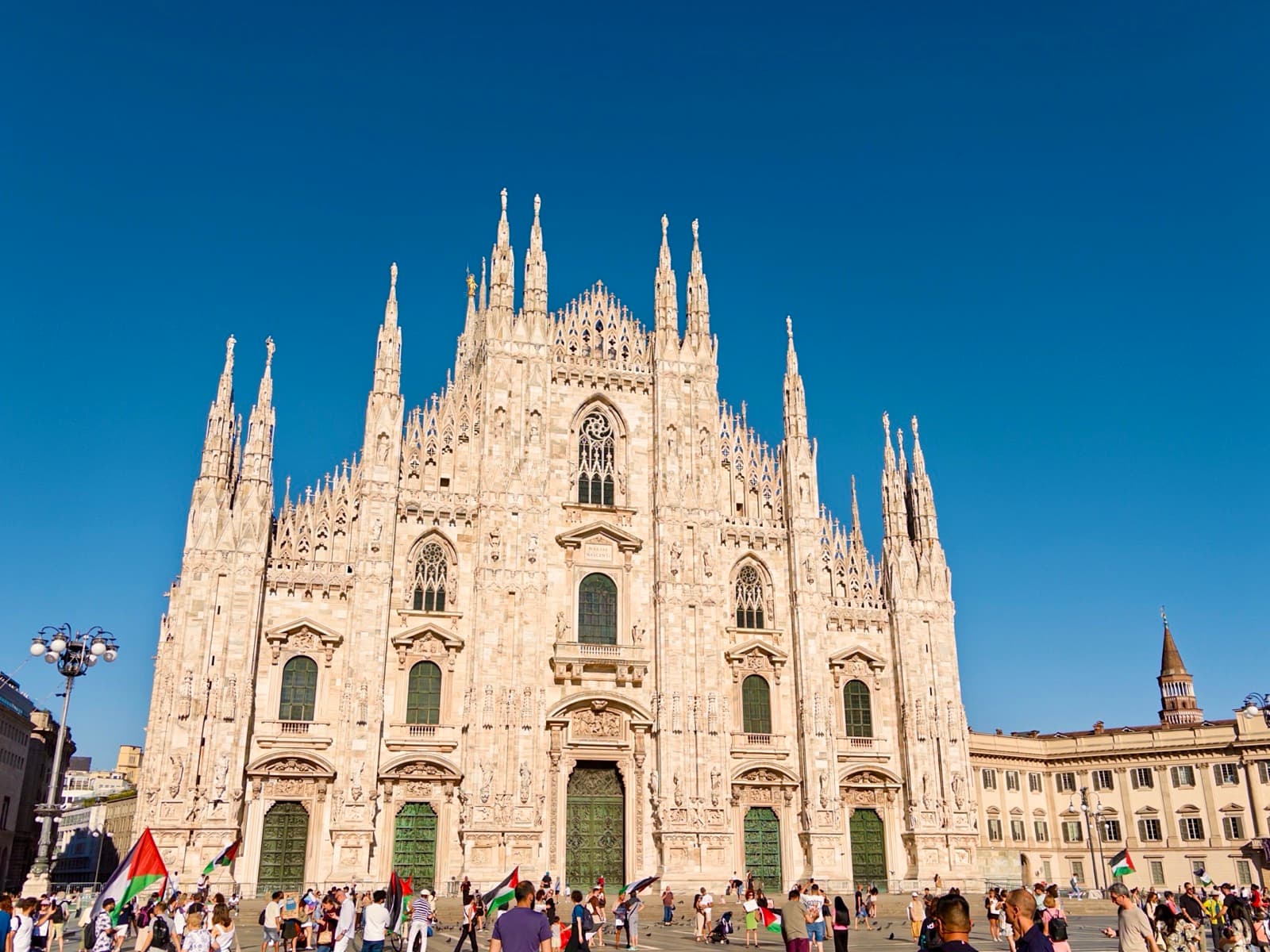
Stand in the Piazza del Duomo and look up, and you are looking at the work of nearly six centuries. The Duomo di Milano was begun in 1386 and its final details were completed only in 1965. No single mind conceived what you see, because no single lifetime could have held it. What rises above the square is the largest church in the Italian Republic, a white expanse of marble bristling with roughly 135 spires and about 3,400 statues, and the honest way to read it is not as a building that was designed but as one that was grown.
A cathedral begun in 1386
The first stones were laid in 1386, under Archbishop Antonio da Saluzzo and in the years when Gian Galeazzo Visconti was rising to power over Milan. That pairing of church and lord is worth pausing on. A cathedral of this ambition was never only an act of faith. It was also a statement about the city that could afford to raise it, and about the family whose fortunes made it possible. Milan in the late fourteenth century was a place of real wealth and real ambition, and the decision to build not merely a large church but the largest imaginable was a decision about how Milan wished to be seen for centuries to come.
It got its centuries. Construction did not proceed as a smooth march from foundation to finish. It stretched across generations of masons, architects, and patrons, each inheriting a half-built ambition and passing along an ambition still unfinished. The cathedral was dedicated to the Nativity of St Mary, Santa Maria Nascente, and that dedication is the one constant thread running through all the changes of style, taste, and technique that the long build absorbed. When you stand in the square, you are standing at the center of that continuity. The Piazza del Duomo is the geographic and civic heart of Milan, and the cathedral is the reason the heart sits where it does.
Brick dressed in Candoglia marble
Hear a stop from this walk
Duomo di Milano: The Marble Forest Six Centuries in the Making
Here is a detail that changes how you see the whole. The Duomo is not solid marble. It is built of brick, then faced in Candoglia marble, the pale stone quarried and floated toward Milan specifically for this work. That facing is what gives the cathedral its unmistakable color and its strange, almost living surface, a white that shifts with the light and the weather.
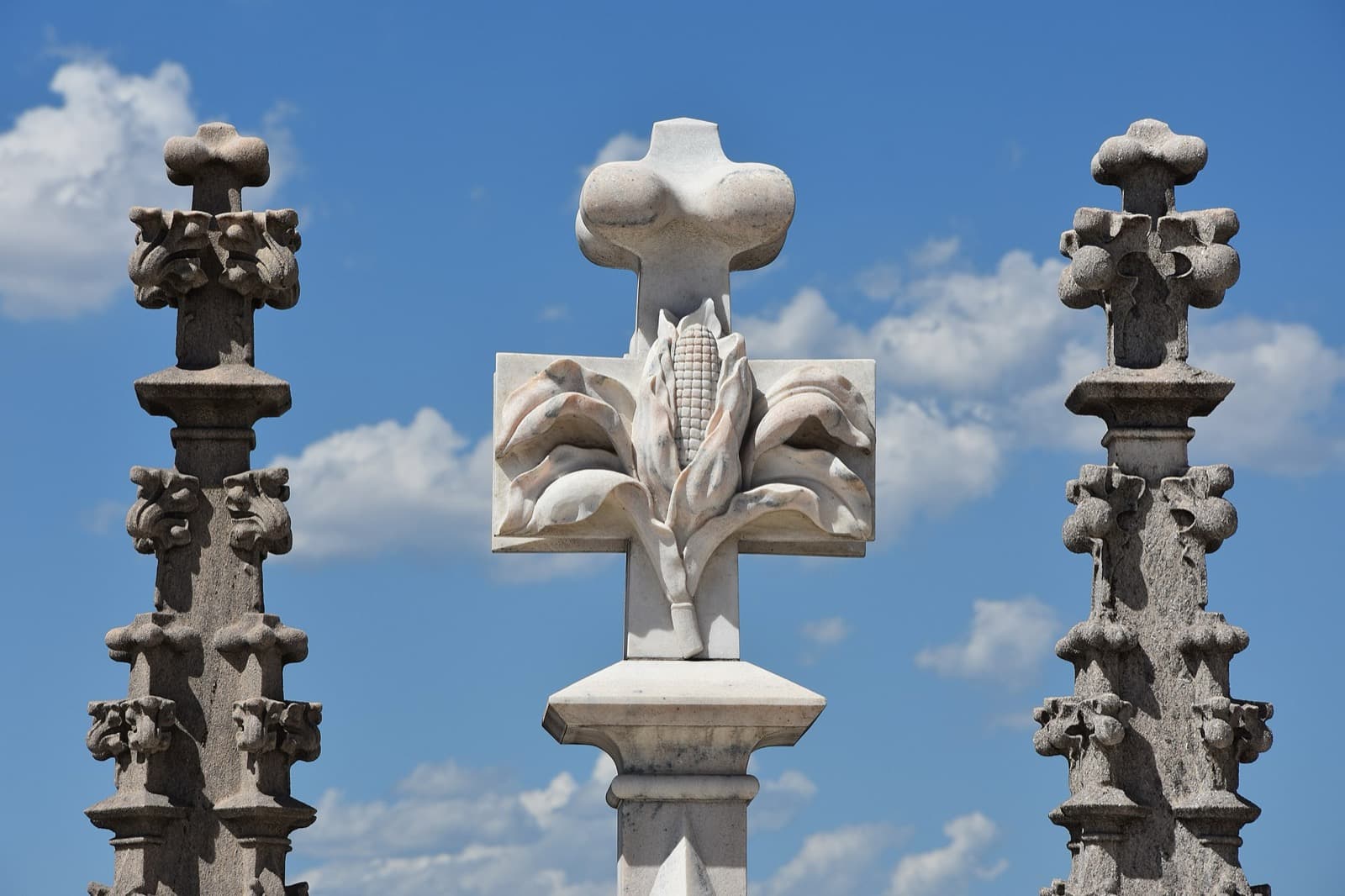
The numbers help, so long as you let them stay astonishing rather than turning them into a checklist. Roughly 135 spires climb from the roofline, and about 3,400 statues populate the exterior, a population of saints and figures so large that most visitors will never see the same face twice. This is the sense in which the Duomo is a forest. Each spire is a trunk, each statue a fixed inhabitant, and the whole rises with the density of something that accumulated rather than something that was placed. Walk its full length and the profile keeps changing, because there is no single facade that holds the meaning. The meaning is in the multiplication, in the sheer patience of a program that kept adding for so long.
That patience is also why the cathedral resists being tied to one era. A structure that takes nearly six centuries cannot belong to a single moment of style. It carries the marks of every age that touched it, and the final details completed in 1965 sit atop foundations laid in 1386. Few monuments make the passage of time so physically legible.
The Madonnina at 108.5 metres
If the Duomo has a single point that gathers all its ambition, it is the top of the main spire. That spire was completed in 1762 to a design by Francesco Croce, and in December 1774 the gilded statue of the Madonnina was raised to its summit, at a height of 108.5 metres. The figure was designed by Giuseppe Perego, and once she was in place she became something more than an ornament. She became the sign of the city, the gilded point that gathers the whole roofline and returns the eye to the cathedral from far across Milan.
There is a quiet lesson in that height and that date. The spire and its statue arrived in the eighteenth century, centuries after the first stones, and yet they read as the natural crown of the whole. That is what a long build can achieve when it never loses its thesis. The cathedral kept faith with its own idea across so many hands that a golden figure raised in 1774 can feel like the completion of a sentence begun in 1386. When you catch the Madonnina glinting above the roofline, you are seeing the tallest and most public expression of a devotion that outlasted every generation that served it.
To read the Duomo well is to give up the habit of asking who designed it, and to ask instead who kept building it. The answer is: almost everyone, across almost six hundred years. If you want to follow the story onward from the cathedral steps, the covered arcade next door tells the second half in glass and iron. See the companion piece Galleria Vittorio Emanuele II: The Glass Salon of Milan, explore more of the city at Milan, and find the full set of routes through its center at the best walking tours of Milan.
The Duomo does not reward a single glance. It rewards the slow walk, the second look, the willingness to let the numbers stay large. Six centuries built it. A few unhurried minutes in the piazza are the least it asks in return.
Sources
- Milan Cathedral, en.wikipedia.org
- Duomo di Milano official site, duomomilano.it
- Roamer tour transcript, milan-duomo
Ready to experience it?
Duomo di Milano: The Marble Forest at the City's Heart
90 min · 1.4 km · easy
More from Milan
Explore more at your own pace.
Brera and the Pinacoteca: Where Milan Chooses to Be Soft
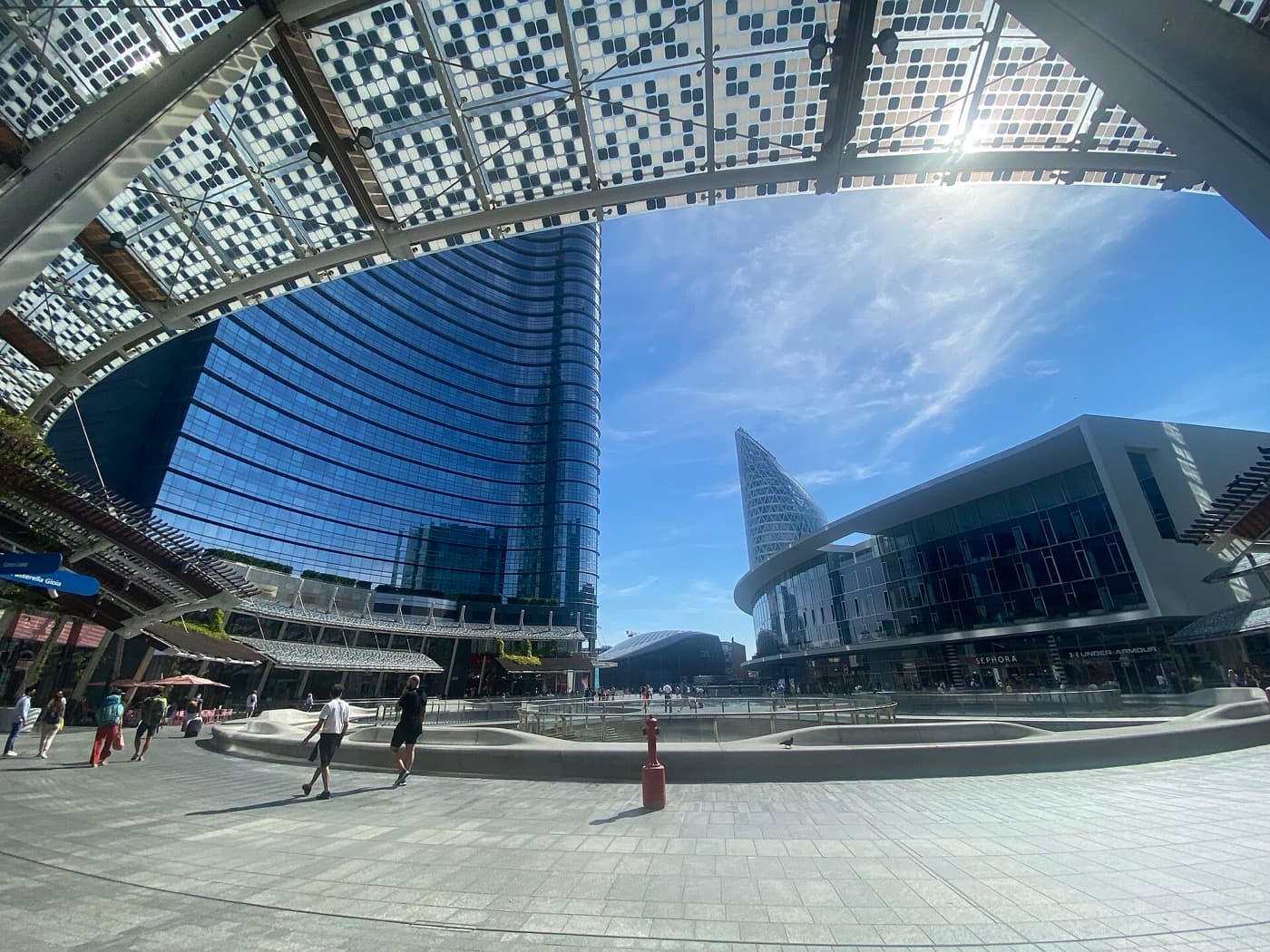
Piazza Gae Aulenti and the District Milan Built on Air
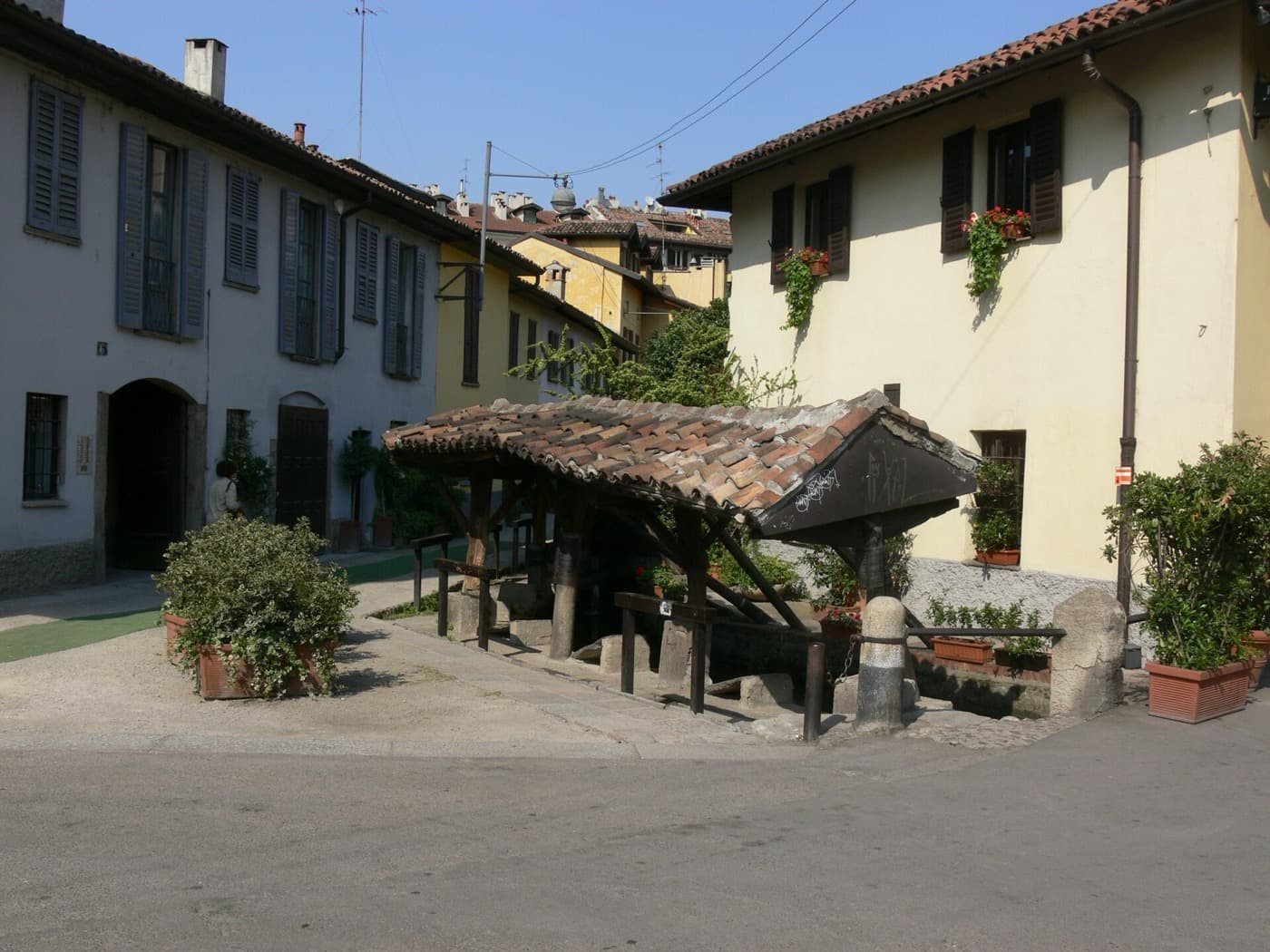
Vicolo dei Lavandai: The Washermen's Alley That Explains Milan's Buried Port
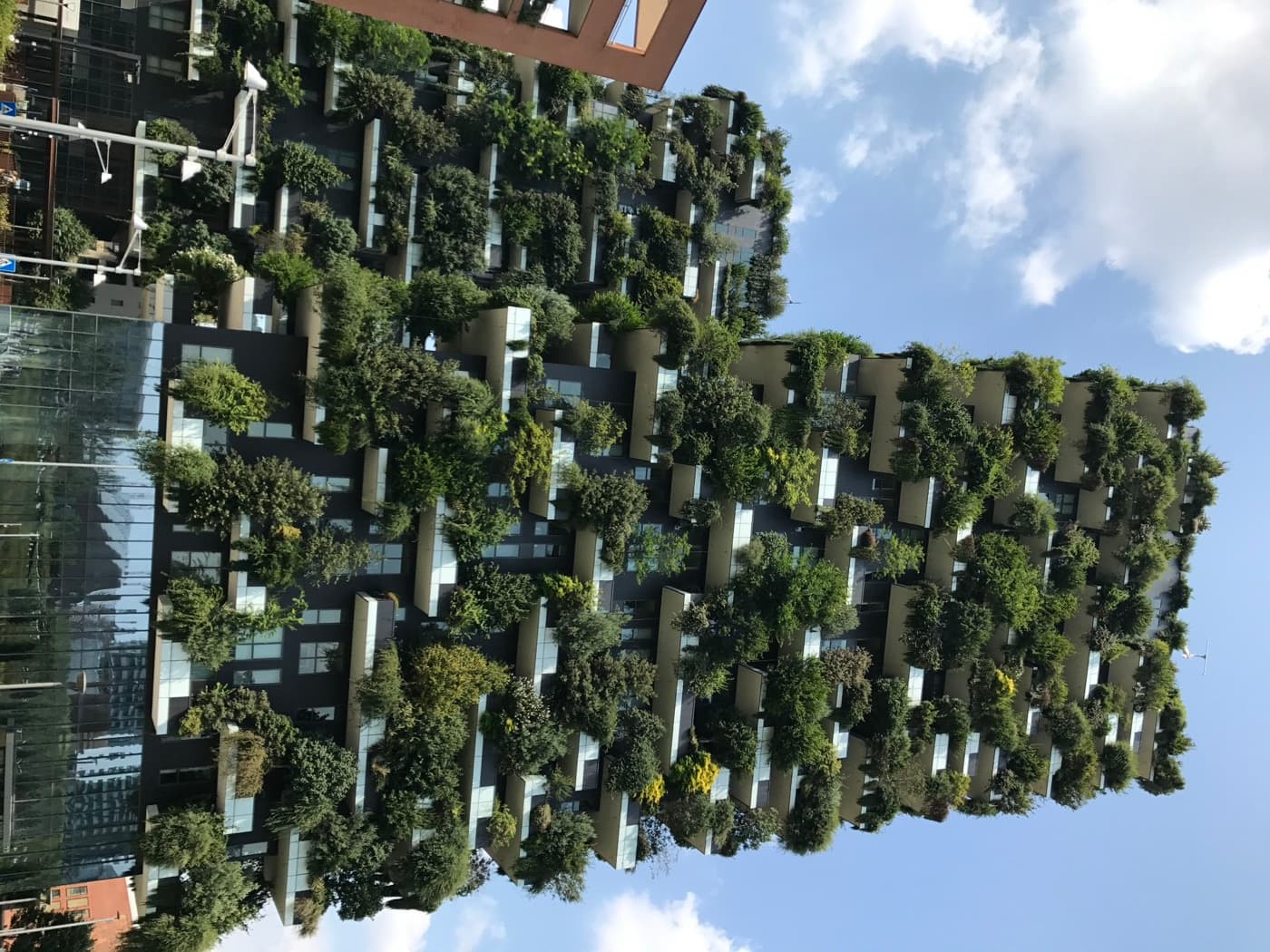
Bosco Verticale: The Vertical Forest You Can Weigh
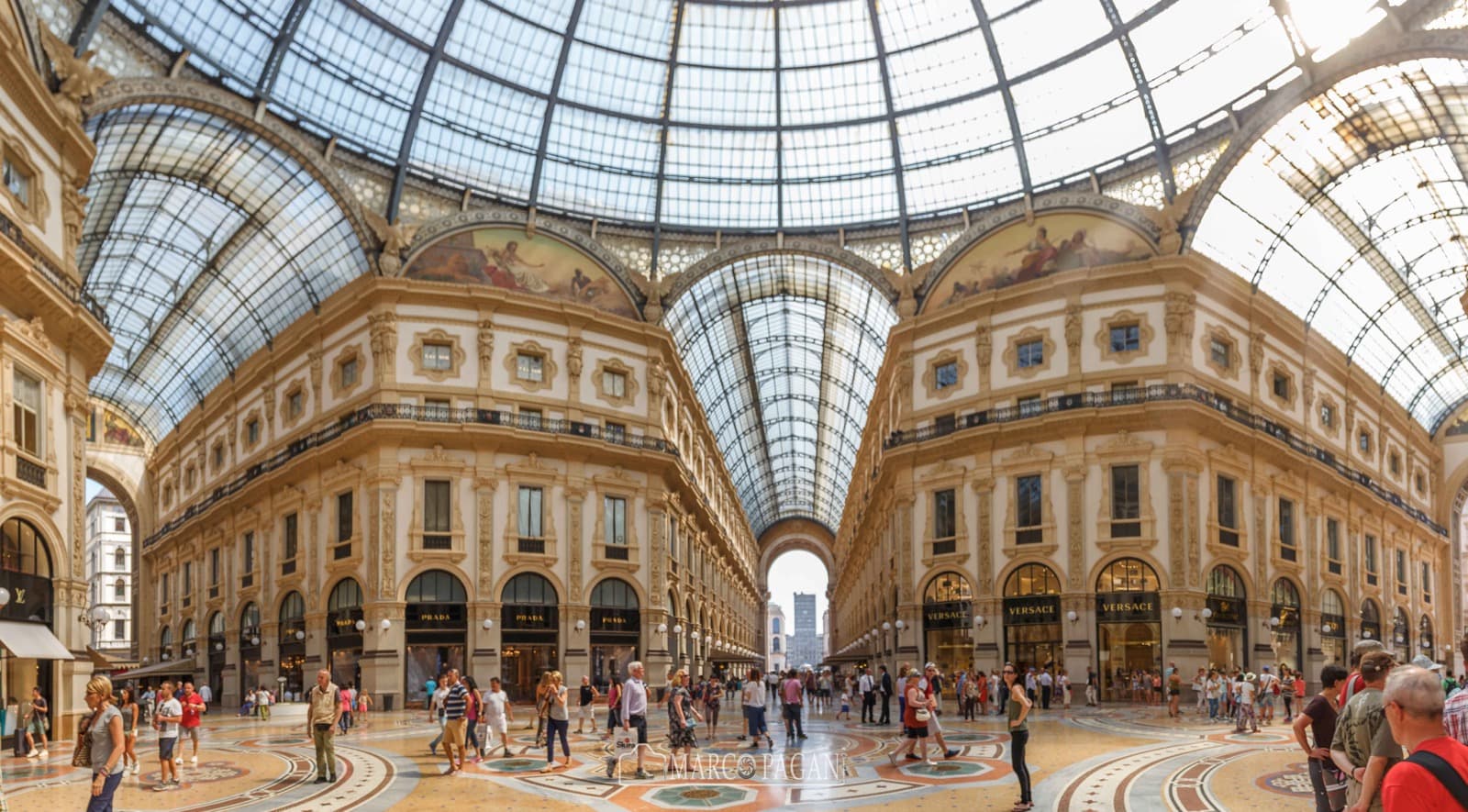
Galleria Vittorio Emanuele II: The Glass Salon of Milan