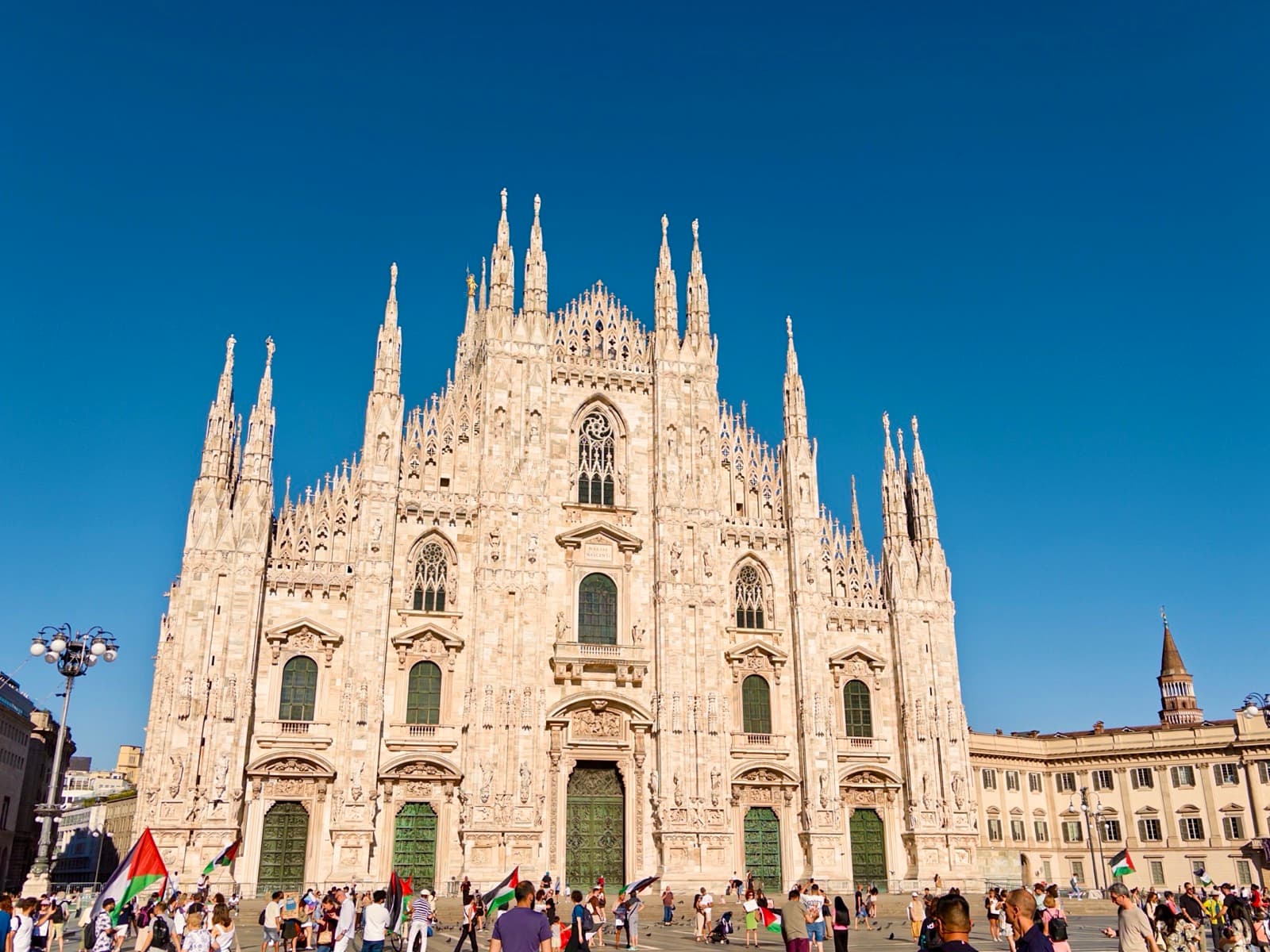
A 1.5 km loop around Milan's monumental heart, from the great cathedral square through the glass arcade to the opera house, the royal palace, and a small ducal chapel where the whole story began. About 90 minutes on foot, all outdoors and free.
Start · Piazza del Duomo: The Square at the Center of Milan
DirectionsStops
- 1
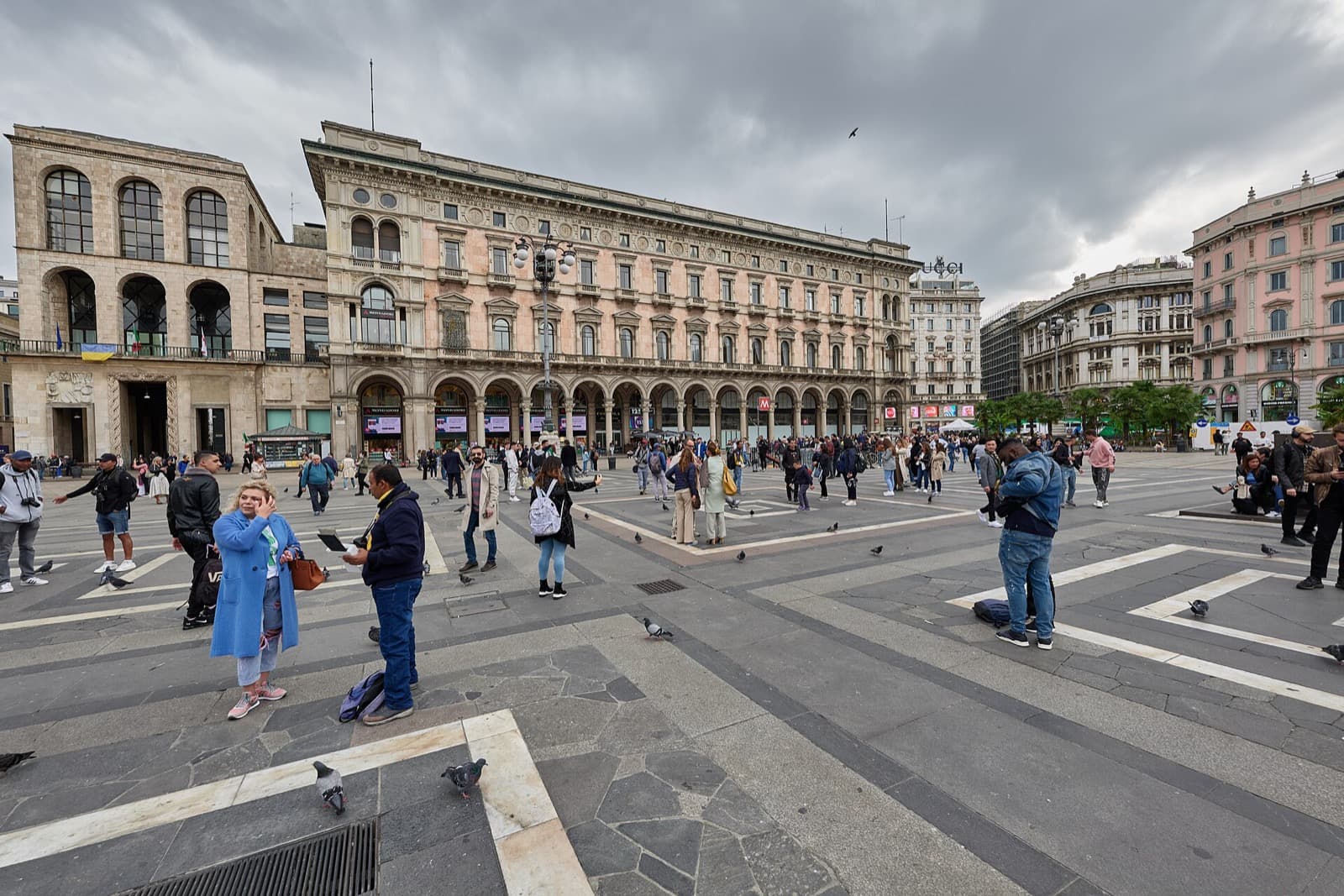
Piazza del Duomo: The Square at the Center of Milan
The vast civic square that marks the geographic and cultural heart of Milan, redesigned in the nineteenth century.
- 2
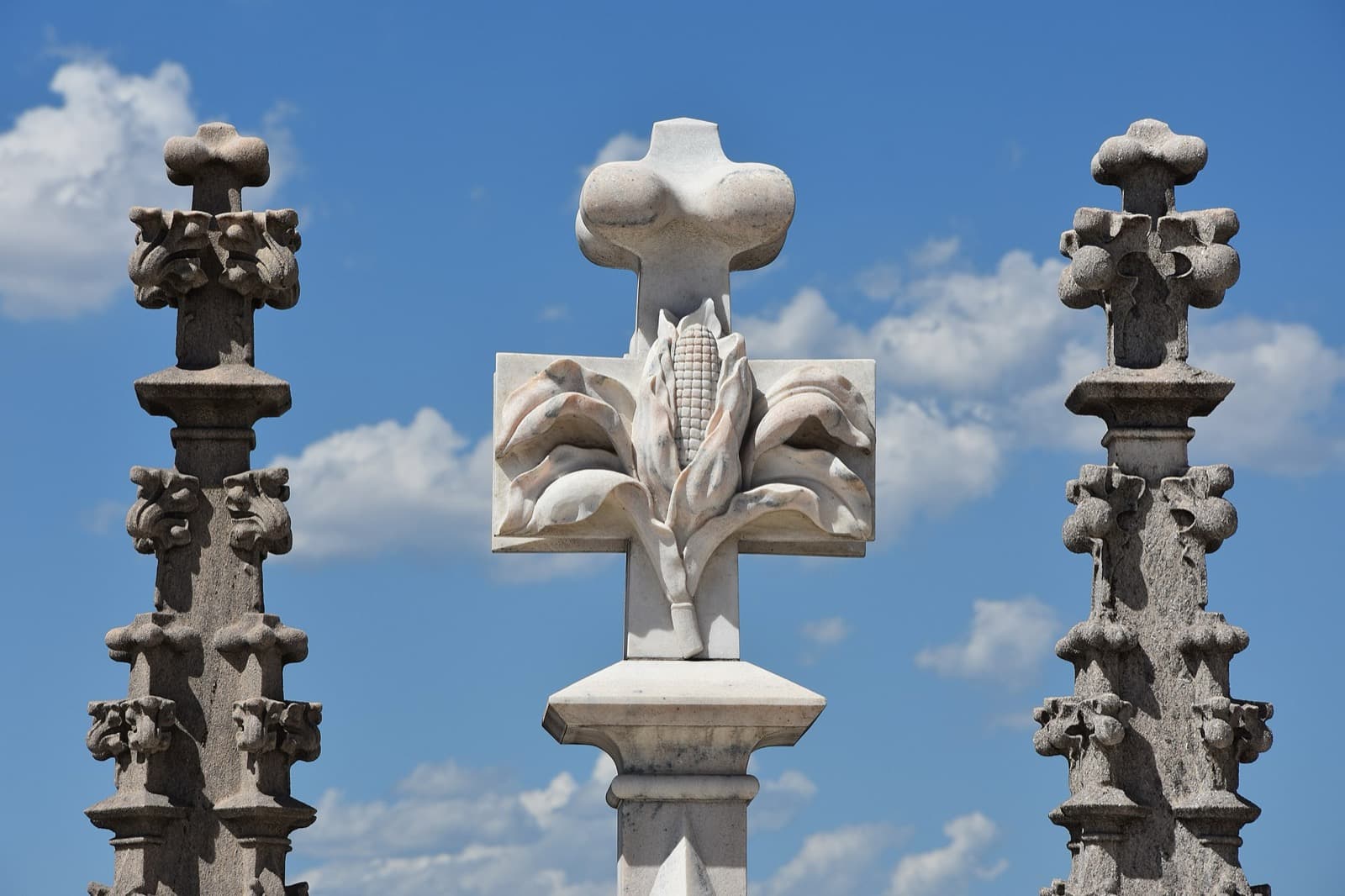
Duomo di Milano: The Marble Forest Six Centuries in the Making
Milan's colossal Gothic cathedral, faced in Candoglia marble and bristling with spires and statues.
- 3
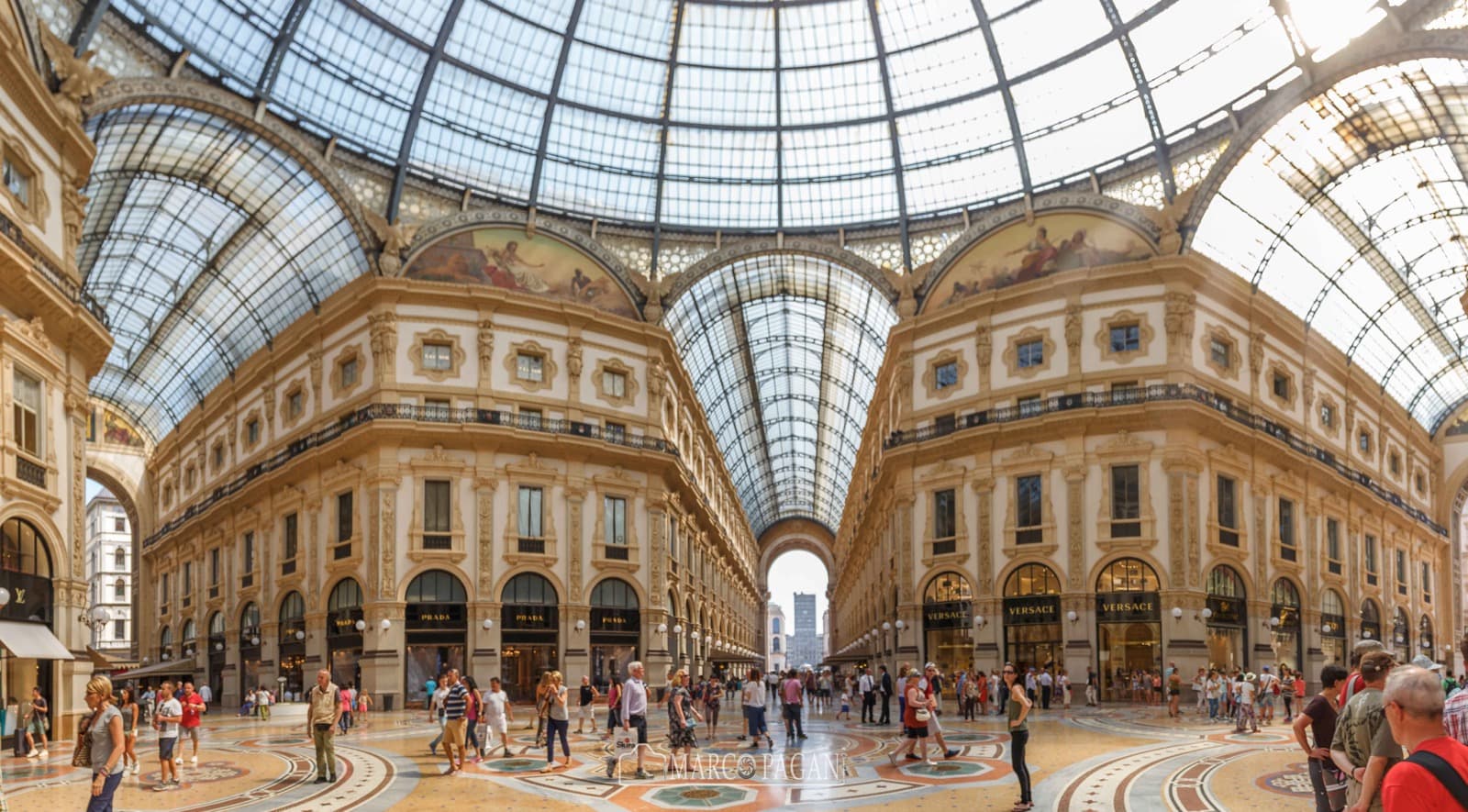
Galleria Vittorio Emanuele II: The Glass Salon of Milan
A soaring nineteenth-century iron-and-glass shopping arcade linking the cathedral square to Piazza della Scala.
- 4
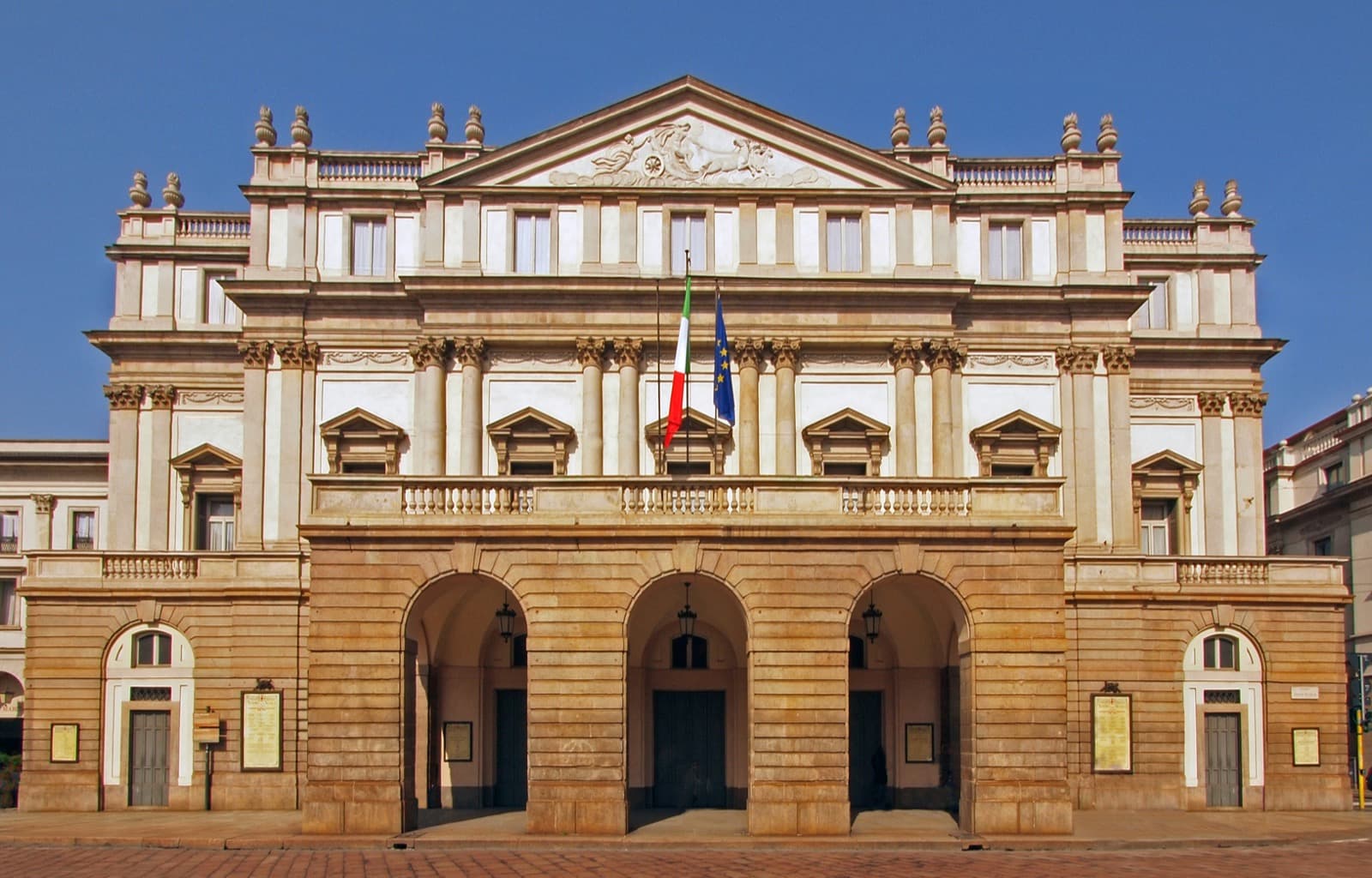
Piazza della Scala: Where Milan Became an Opera Capital
The elegant square before La Scala opera house, centered on a monument to Leonardo da Vinci.
- 5
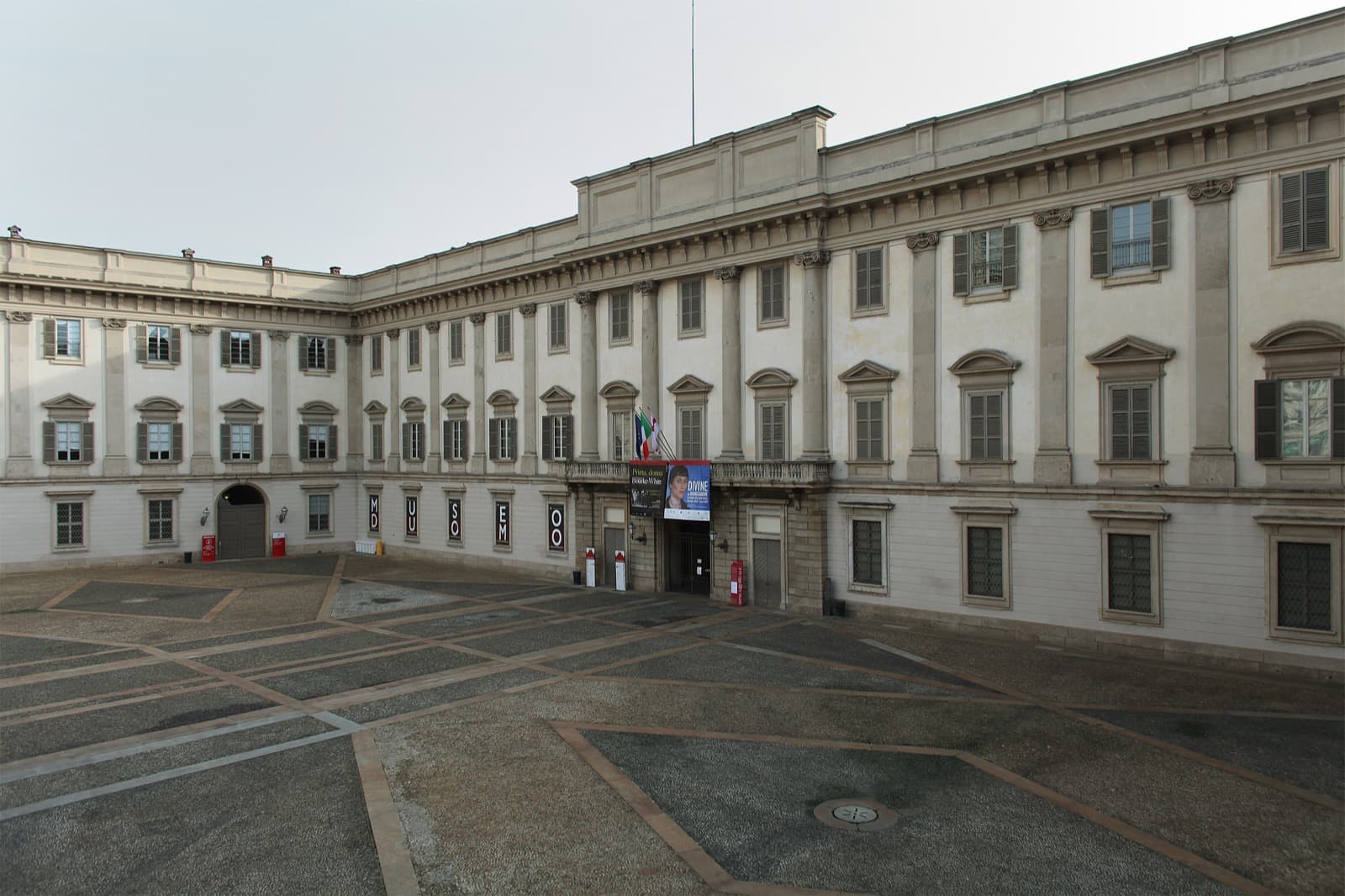
Palazzo Reale: The Court Beside the Cathedral
The former royal palace pressed against the cathedral, now a leading exhibition venue.
- 6
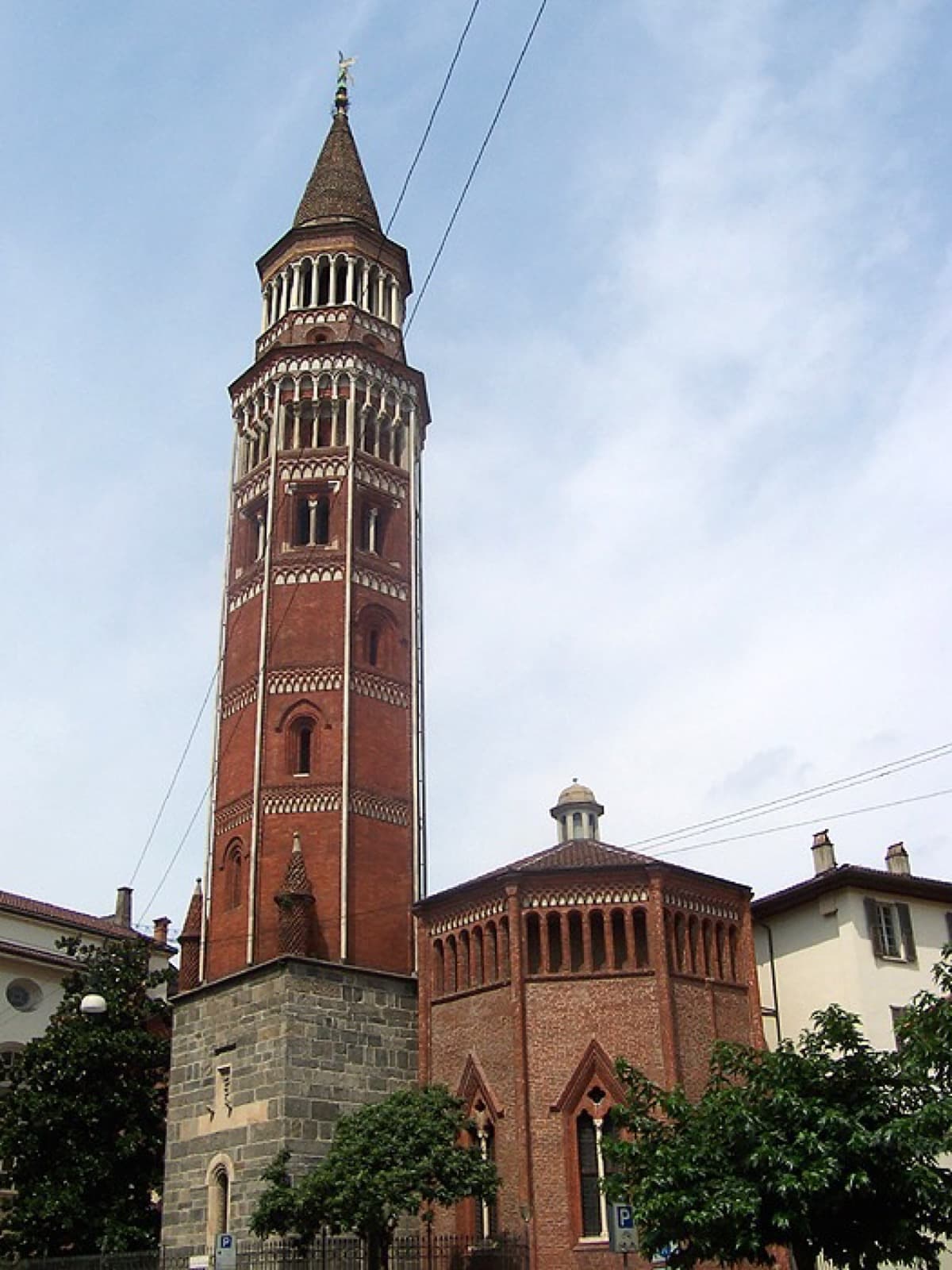
San Gottardo in Corte: The Ducal Chapel Where It Began
A small medieval chapel with a rose-terracotta bell tower, built by the lord of Milan and home to a Giotto-school fresco.
Details
Best Time to Visit
Come in the morning to walk the outdoor loop before the midday crowds thicken, or in the late afternoon when low light warms the Candoglia marble and the Galleria glows. The whole outdoor route through the squares, arcade, and church exteriors is free at any hour. If you want to add the Duomo's rooftop terraces or the interior, arrive early or pre-book to skip long queues.
Pro Tips
- •The entire outdoor loop is free: the piazza, the Galleria, Piazza della Scala, and the exteriors of the palace and churches cost nothing.
- •The Duomo's rooftop terraces are a separate ticketed experience, roughly 15-20 euros, and worth booking online in advance to avoid the queue.
- •Dress respectfully to enter the Duomo and San Gottardo, both active churches: cover shoulders and knees or you may be turned away at the door.
- •Look for the Turin bull in the Galleria's mosaic floor and spin your heel on it for luck, a harmless local ritual that has literally worn a hollow.
- •The La Scala opera museum inside the theatre is ticketed; buy at the museum entrance rather than expecting to see the auditorium for free.
- •San Gottardo is small and easy to miss beside the Palazzo Reale, so slow down at the end of the walk and look for its octagonal rose-coloured bell tower.
Safety & Precautions
- •The piazza and the crowded Galleria are known pickpocket spots; keep bags zipped, wallets in front pockets, and phones secure.
- •Ignore anyone who tries to place bird seed, a bracelet, or a 'free' gift in your hand near the cathedral; it is a common scam that ends in a demand for money.
- •The marble paving in the squares and arcade can be slick after rain, so wear shoes with good grip.
- •Photography rules and quiet are expected inside the Duomo and San Gottardo; lower your voice and check signage before using a camera or flash.
Travel advisory: Exercise Increased Caution (Level 2).
Gallery
Related Reading
Go deeper on what you'll see, hear, and walk through.
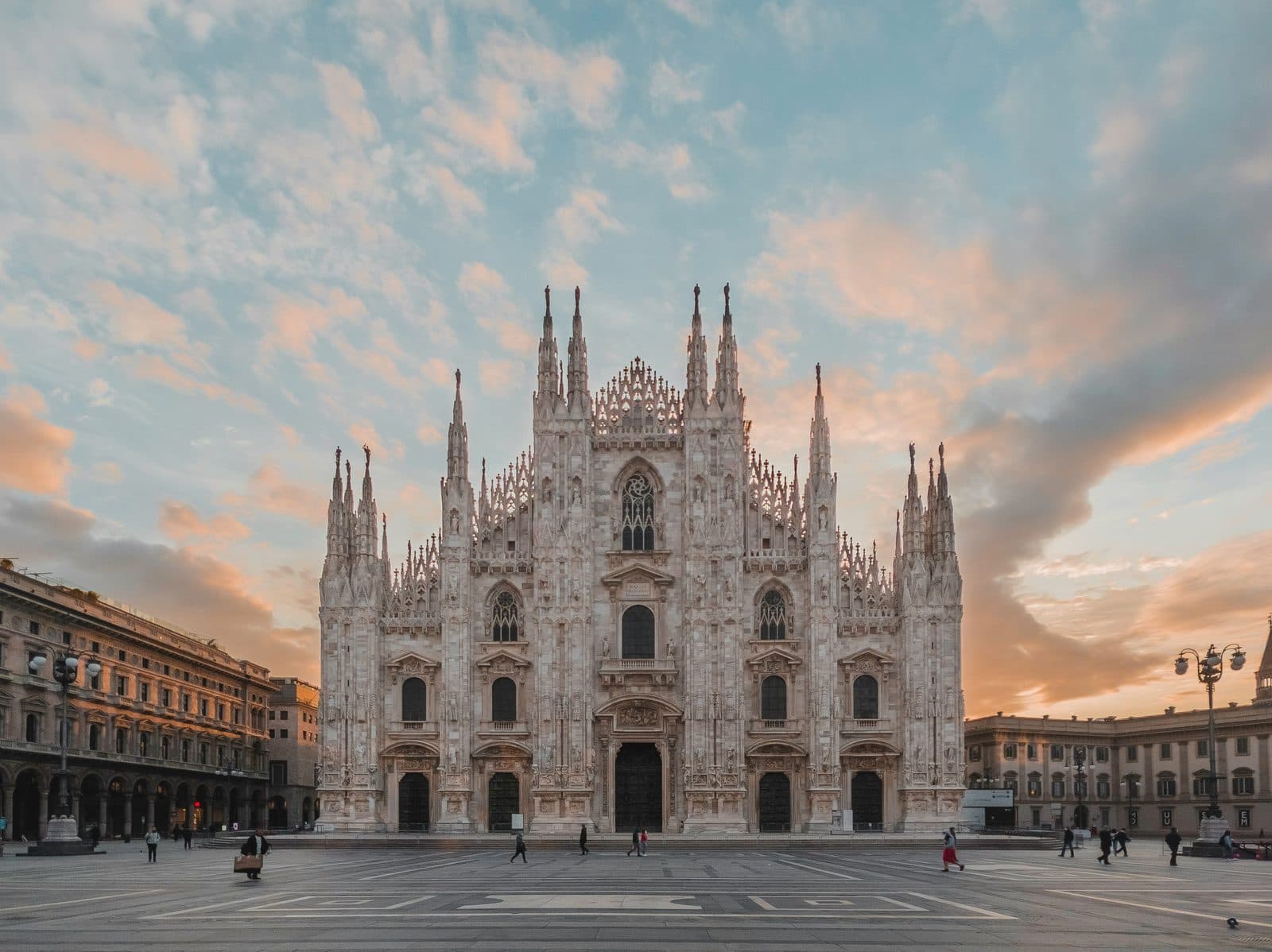
Read the walk
The full story of Duomo di Milano: The Marble Forest at the City's Heart, in words. Prefer to listen? Play it narrated, from home or on location.
Introduction
There is a square here in Milan, in Italy, that has stood at the exact center of the city for centuries, geographically, artistically, and in the daily rhythm of Milanese life. Over the next ninety minutes or so, across six stops and roughly one and a half kilometres, you will trace a slow loop around it and come to understand why so much of Milan's story is pressed into this one open space. You will begin in the great piazza itself, then stand beneath the pale marble mountain of the cathedral, its spires bristling against the sky. From there the walk slips into a soaring glass and iron arcade, a covered salon of shops crowned by a dome. It opens onto a quieter square before one of the world's most famous opera houses, where a bronze Leonardo keeps watch over his pupils. Then the royal palace, the seat of dukes and kings pressed right up against the cathedral's flank. And finally a small, almost hidden chapel built by the lord of Milan nearly seven hundred years ago, where this whole marble ambition first took root. Piazza to cathedral, arcade to opera square, palace to ducal chapel: a walk of the people and the powerful together, all within a few hundred paces. When you arrive at the open square before the cathedral facade, begin with stop one.
1. Piazza del Duomo: The Square at the Center of Milan
Welcome. You are standing in the Piazza del Duomo, and you could hardly stand anywhere more central to Milan. This square is the heart of the city in every sense the word can carry: its geographic middle, and its artistic, cultural, and social heart all at once. Around you spreads an open expanse of roughly seventeen thousand square metres, a stage broad enough to hold the whole life of the city, from morning commuters cutting across to evening crowds drifting between cafes and cathedral. Yet the square you see is not ancient. Its present form is largely the work of one architect, Giuseppe Mengoni, who reshaped it in the second half of the nineteenth century, redesigned between eighteen sixty-five and eighteen seventy-three. To make room for this grandeur, an entire medieval neighbourhood was pulled down, its tangle of narrow streets and old houses swept away so the piazza could open wide enough to answer the cathedral rising beside it. In the middle of all this space rides a king in bronze. The equestrian statue of Victor Emmanuel the Second was inaugurated in eighteen ninety-six, horse and rider frozen mid stride above the paving. And if you sense that the square and the grand arcade opening off its northern side share a single vision, you are right. The same Giuseppe Mengoni designed that Galleria too, so that square and arcade read as one continuous nineteenth century gesture. Feel the scale of it, the way the openness gathers the crowds and hands them, almost inevitably, toward the marble mountain waiting at the eastern edge.
2. Duomo di Milano: The Marble Forest Six Centuries in the Making
Welcome. You are standing before the Duomo di Milano, and no amount of warning quite prepares you for its face. This is a mountain of stone that behaves like lace. Work on it began in thirteen eighty-six under Archbishop Antonio da Saluzzo, in the years when Gian Galeazzo Visconti was rising to power over the city, and it would not truly be finished for nearly six centuries, with the last details completed as recently as nineteen sixty-five. Think of that span: generations were born, lived, and died while the marble crept upward. It is the largest church in the Italian Republic. Saint Peter's Basilica is grander still, but it stands in Vatican City, a separate sovereign state, so within Italy this cathedral wears the crown. Beneath its skin the structure is brick, faced everywhere in the soft pinkish Candoglia marble quarried for the purpose. Look closely and the whole surface seems alive: roughly one hundred and thirty-five spires reach for the sky, and about three thousand four hundred statues perch and gesture across its heights, a marble forest full of watchers. The cathedral is dedicated to the Nativity of Saint Mary, Santa Maria Nascente. And highest of all, catching the light, stands the gilded Madonnina. Designed by Giuseppe Perego, she was raised to the summit of the main spire in December seventeen seventy-four, at a height of one hundred and eight point five metres. That spire itself had been completed in seventeen sixty-two, to a design by Francesco Croce. Let your eye climb, spire by spire, until it finds her.
3. Galleria Vittorio Emanuele II: The Glass Salon of Milan
Welcome. You are standing inside the Galleria Vittorio Emanuele the Second, and the change of light alone tells you this is somewhere special. Overhead, iron ribs and panes of glass arch into a luminous ceiling, and at the crossing a great glass dome pours daylight down over the…
Full narration for this stop unlocks with the tour.
4. Piazza della Scala: Where Milan Became an Opera Capital
Welcome. You are standing in the Piazza della Scala, a square that feels calmer than the cathedral's, and every stone of it hums with music. The square takes its name from the opera house facing it, the Teatro alla Scala, the theatre known across the world simply as La Scala. It…
Full narration for this stop unlocks with the tour.
5. Palazzo Reale: The Court Beside the Cathedral
Welcome. You are standing before the Palazzo Reale, the royal palace, and its position tells you almost everything about its story. It sits to the right of the Duomo's facade, directly opposite the Galleria Vittorio Emanuele the Second, so close to the cathedral that the two…
Full narration for this stop unlocks with the tour.
6. San Gottardo in Corte: The Ducal Chapel Where It Began
Welcome. You are standing at San Gottardo in Corte, and after the giants of this walk, its modesty is the point. This small church was built between thirteen thirty and thirteen thirty-six as a ducal chapel by Azzone Visconti, lord of Milan, and designed by Francesco Pecorari of…
Full narration for this stop unlocks with the tour.