Brera: The Artists' Quarter
80 min · 3.1 km · easy
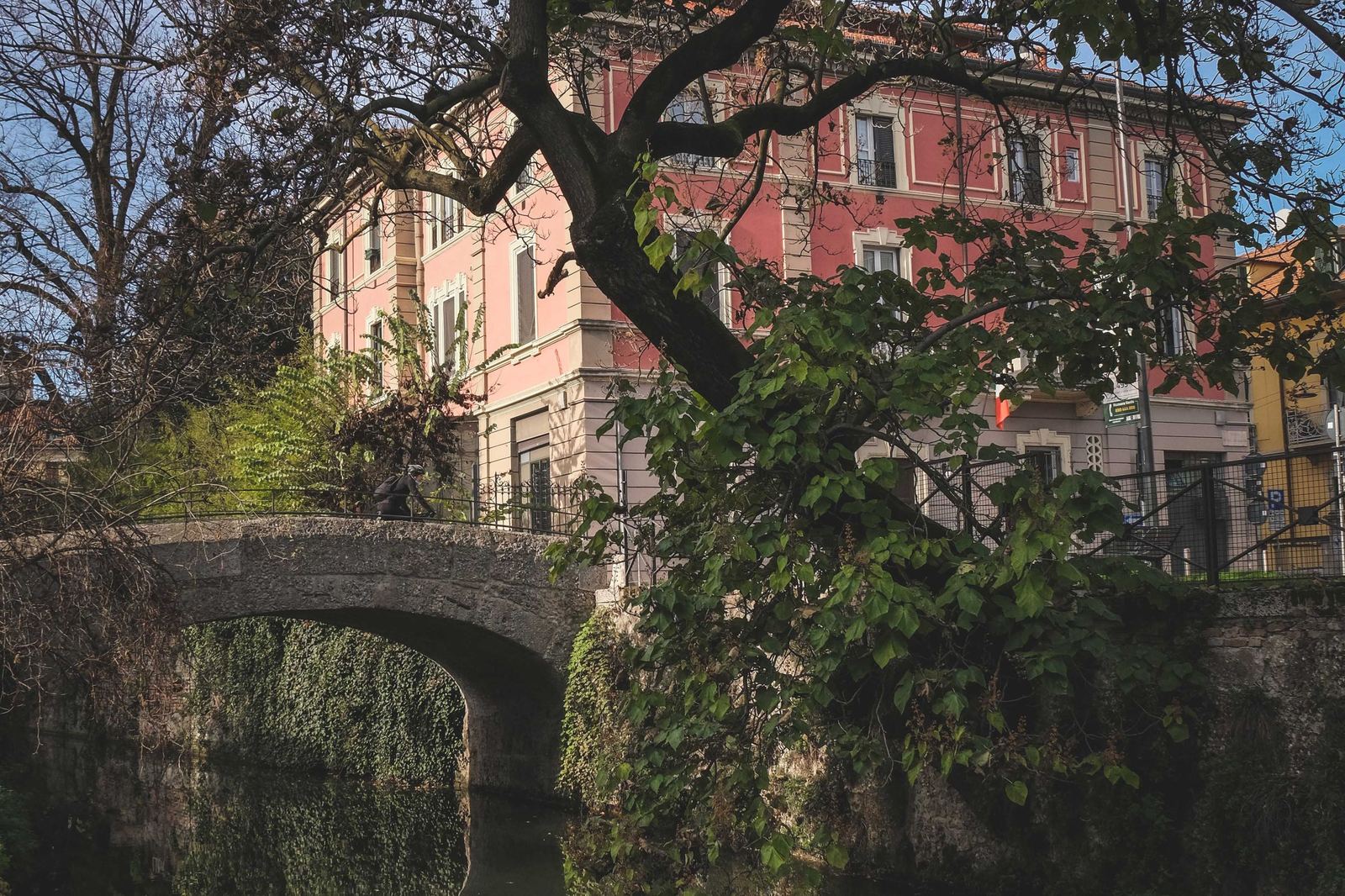
On Via San Marco, beside the traffic, a stone channel runs north with wooden gates in it and no water at all. This is the Conca dell'Incoronata, a lock opened in 1496, and the regional heritage register calls it the only remnant of the Martesana canal in the city. It is the best place in Milan to read a port that the city first dug and then paved over in stages.
A lock at the city's edge
The Martesana brought water and boats 38 km from Trezzo sull'Adda, built from 1475 under the Sforza dukes. The register says the Conca dell'Incoronata, opened in 1496, was the second to last lock before the canal joined the ring of water round the old city. It had a second name, the Conca delle Gabelle, because tolls on the goods and people entering Milan were collected here.
The register also says Leonardo's studies of lock systems are linked to this lock: they first appear in a drawing in the Codex Atlanticus made during his first stay in Milan, between 1482 and 1500. That is a link, not a claim that he built it, and no source says he did. When the gates were taken away for conservation in October 2014, a city councillor called them the fruit of Leonardo's genius; that is the city's way of putting it.
Since 1967 the Conca has been a protected monument. Restored between 2011 and 2015, it shows, without water, the last old bridge on the canal, the last lock and remains of the original gear. You see it from the sidewalk; there is no entry.
The harbor that became a street
Hear a stop from this walk
Via Verdi
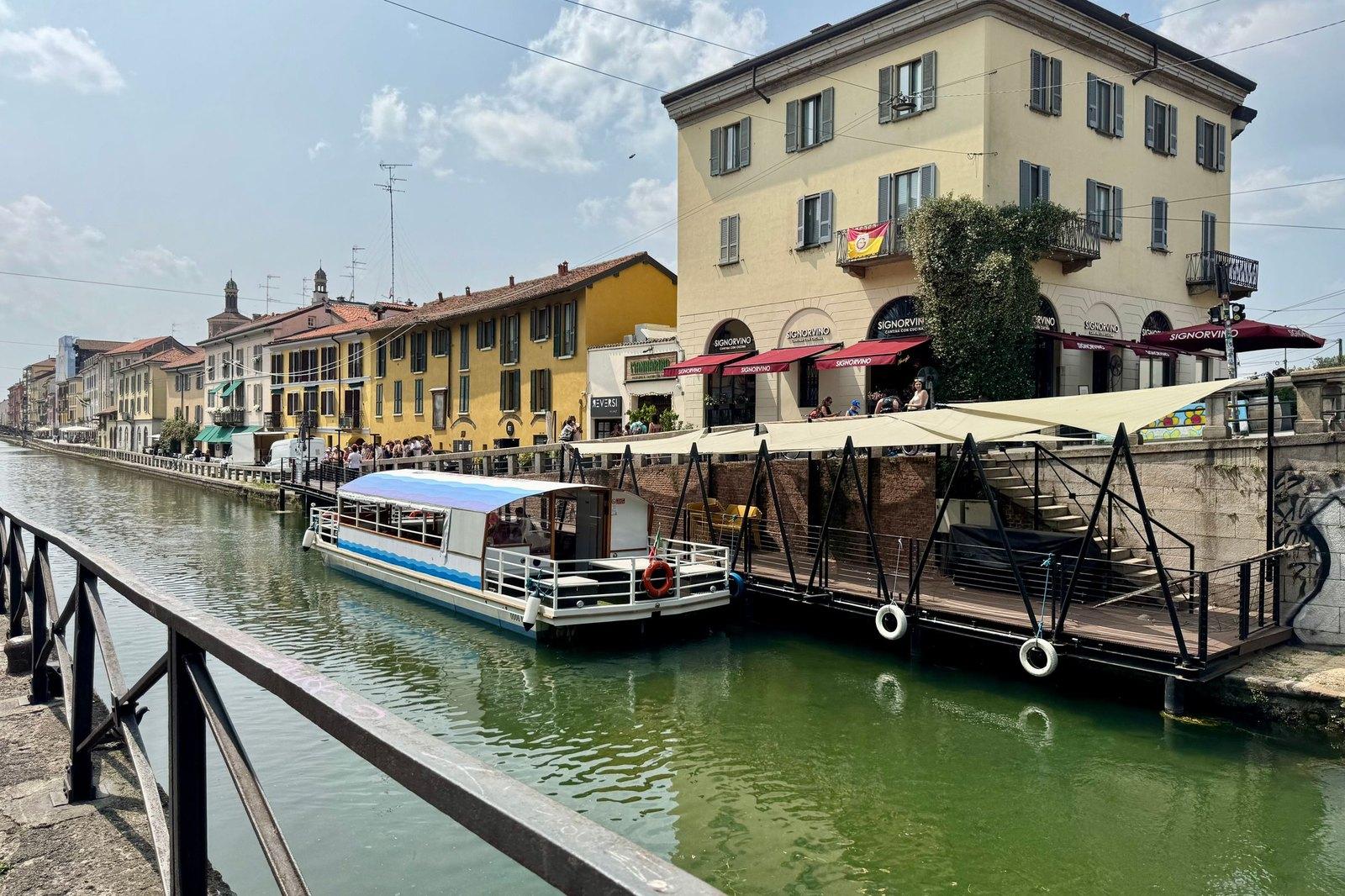
Further south on the same street, where Via San Marco meets Via Montebello, the Martesana's water entered the city. The Milanese called the spot the Tombone, for the dangerous eddies the water made there. In front of the church of San Marco lay the Laghetto di San Marco, which the register counts as one of the city's three ports, with the Darsena and Via Laghetto, open until the 1930s. Boats unloaded gravel, bricks and building stone here, including the stone for Palazzo Marino, today the city hall, and rolls of paper came in from the mill at Corsico. Via San Marco is as wide as it is because it was water.
Via Laghetto, by the cathedral, has its own name for the same reason. It was a small lake where the Candoglia marble for the Duomo landed after its journey down the Ticino and the Naviglio Grande; the cathedral's works office says the lake was closed in 1886.
Buried in stages
Milan did not cover its canals all at once. The Naviglio di San Gerolamo, along today's Via Carducci, was buried between 1892 and 1895, the register says. The covering of the inner ring, including the stretch past San Marco, began in 1929, and a photo record in the same register says the ring was covered in 1930, officially for hygiene, in fact as a political choice to make wide new avenues. The Conca di Viarenna near the Darsena, built by the cathedral's works office in the 1550s to bring marble into the city, was filled in during the 1920s.
Some pieces moved rather than vanished. The Ponte delle Sirenette, a cast-iron footbridge with four mermaids that crossed a city canal from 1842, was shortened and set up in Parco Sempione in 1930 after the inner canal was covered. It still stands there, a bridge with no canal under it.
Where to see it
The Conca dell'Incoronata is stop 11 of Brera: The Artists' Quarter, which also stops in front of San Marco and on the wide Via San Marco itself; our companion to the Brera walk tells the whole route. To see the water that is still open, the Navigli walk follows the old road to the Darsena and the Naviglio Grande, and the Castello and Parco Sempione walk passes the Sirenette bridge. Each tour is free to start in the Roamer app: the introduction and first stop play in full, every later stop plays a short preview. More routes are on the Milan page.
Ready to experience it?
Brera: The Artists' Quarter
80 min · 3.1 km · easy
More from Milan
Explore more at your own pace.
Castello Sforzesco and Parco Sempione: A Companion to the Walk From Castle to Arch
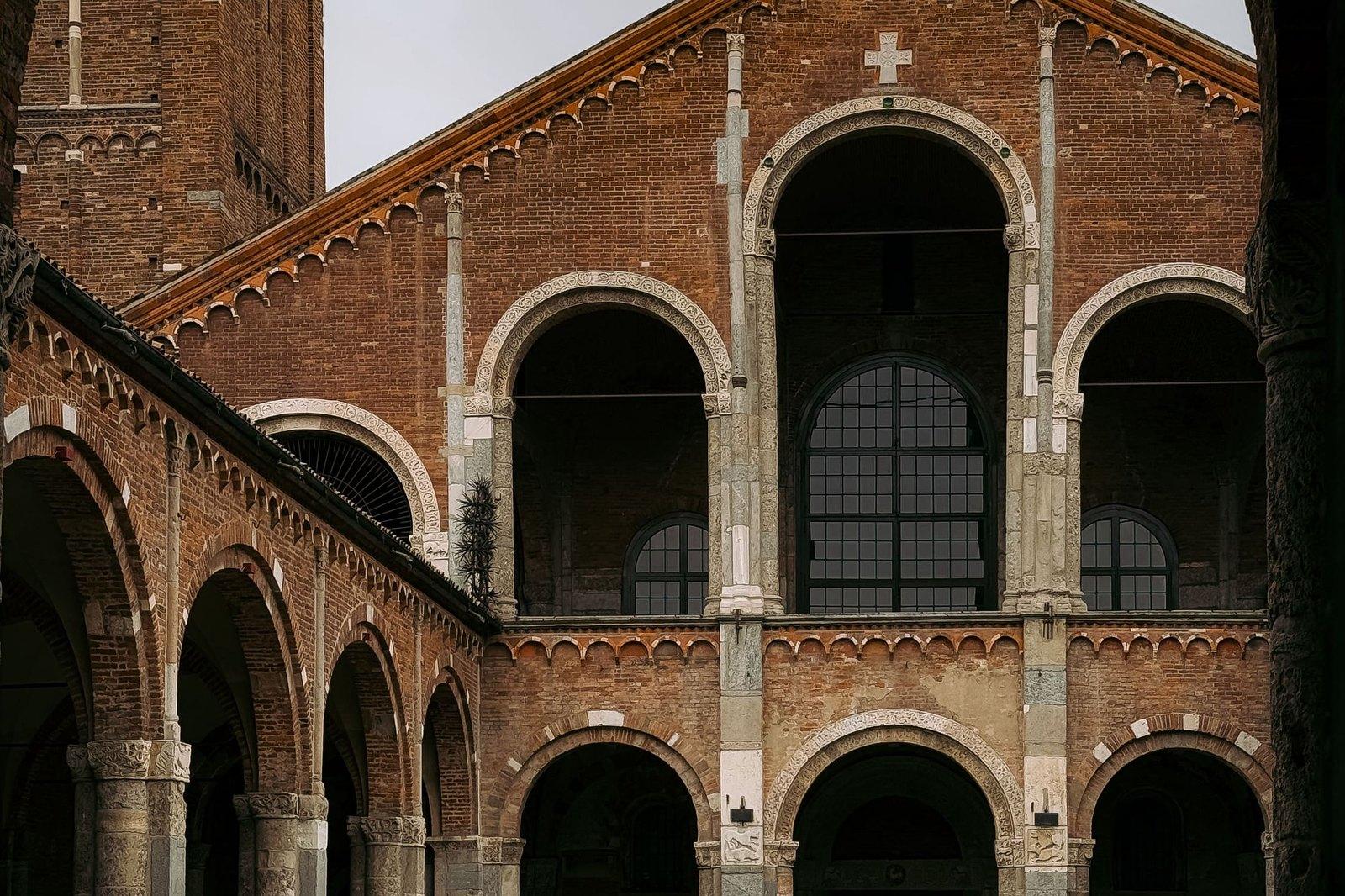
Last Supper and Sant'Ambrogio: A Companion to the Walk From Leonardo to Roman Milan
Milan's Historic Center: A Companion to the City That Keeps Facing Its Cathedral
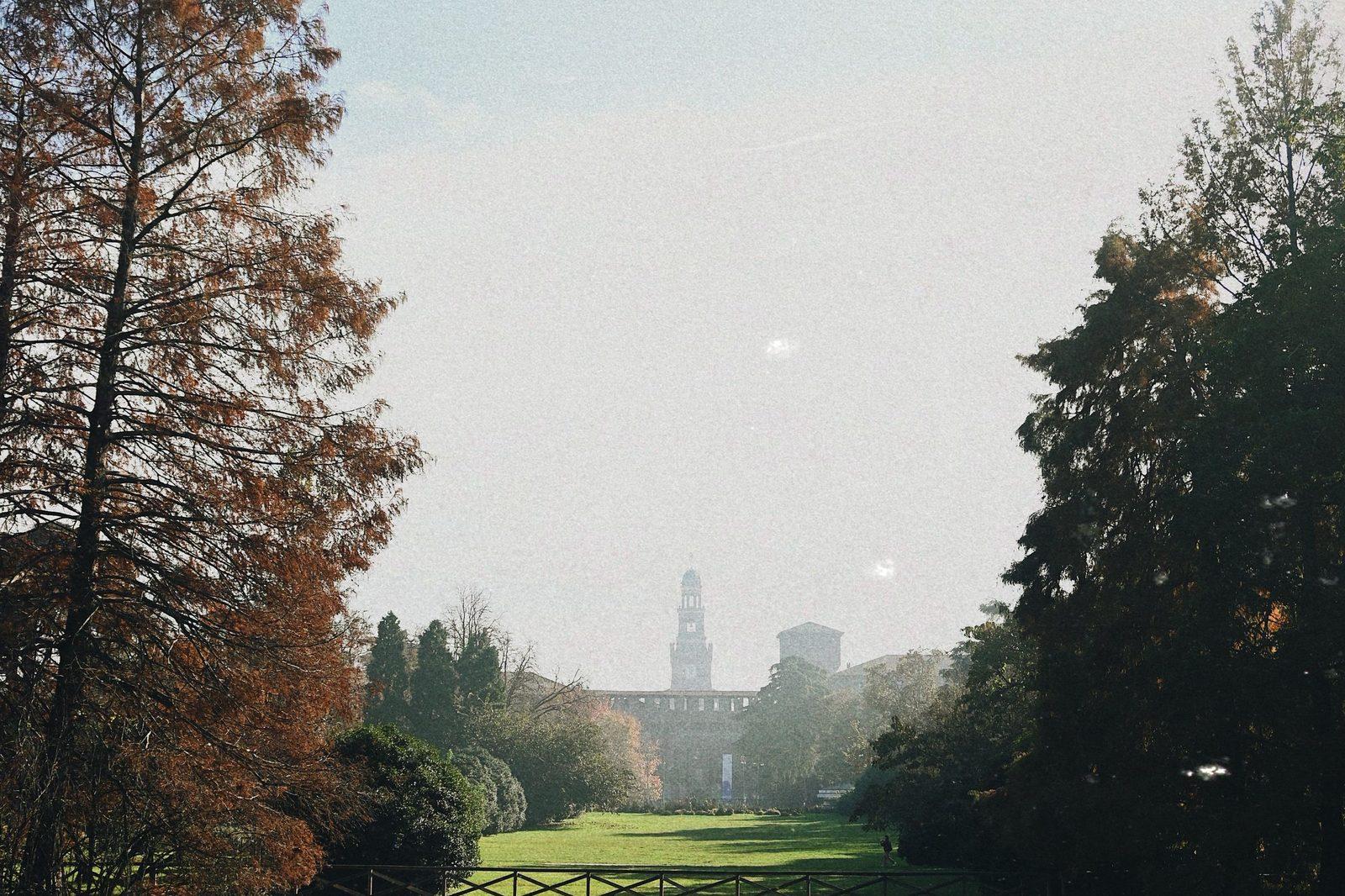
Arena Civica: Napoleon's Amphitheater Built From the Castle's Walls
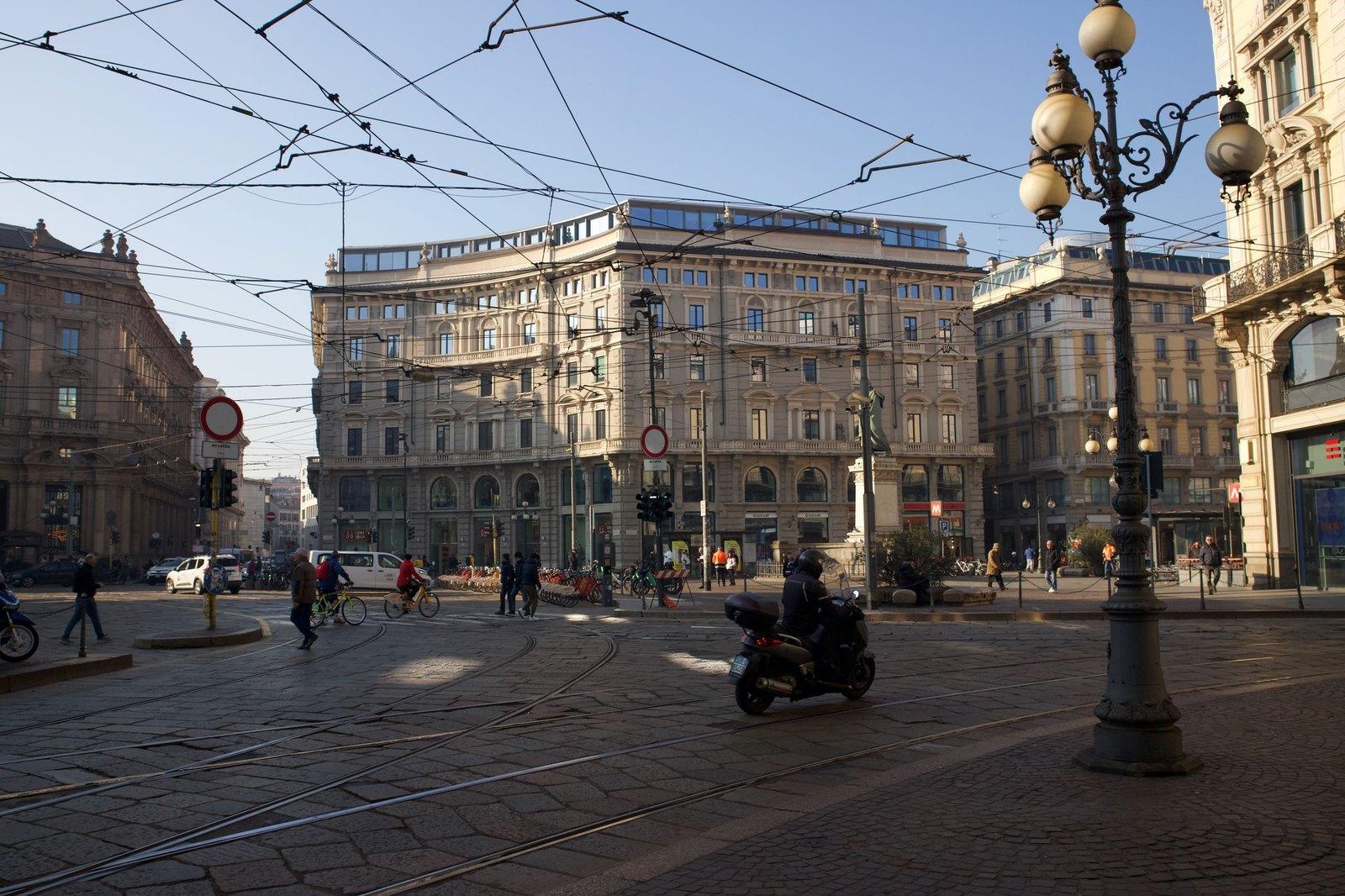
Galleria Vittorio Emanuele II: The Glass Salon of Milan