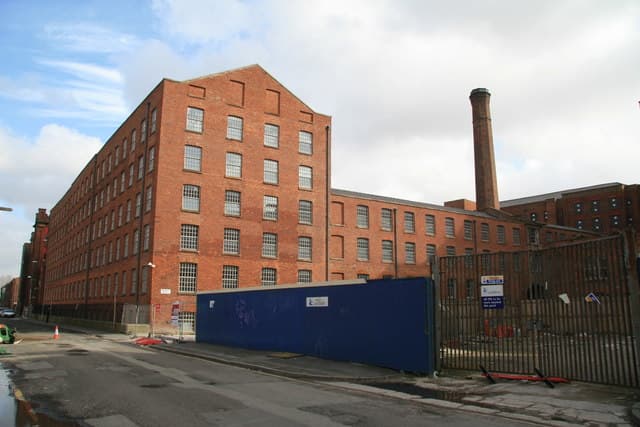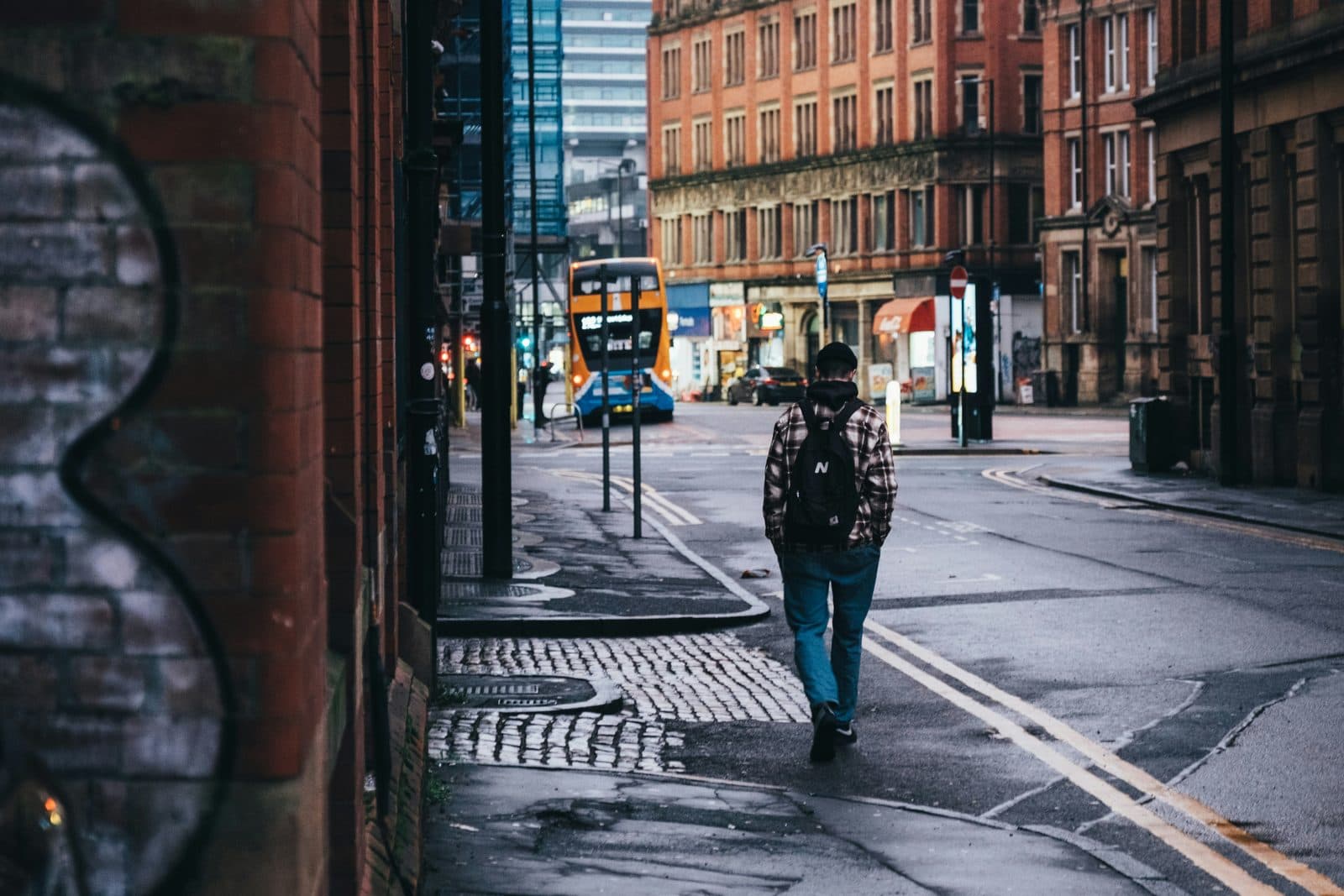
There is a comfortable version of the Manchester music story where the sound rises out of a bohemian creative district. The Northern Quarter Sound tour tells the accurate version instead, which is better. The music came out of a half-derelict grid of cotton-era warehouses and markets that the trade had abandoned, where the rent was cheap and the space was empty. The neighborhood is the protagonist, and its story is a building reuse story. This companion walks you through it.
Start with what the buildings used to do
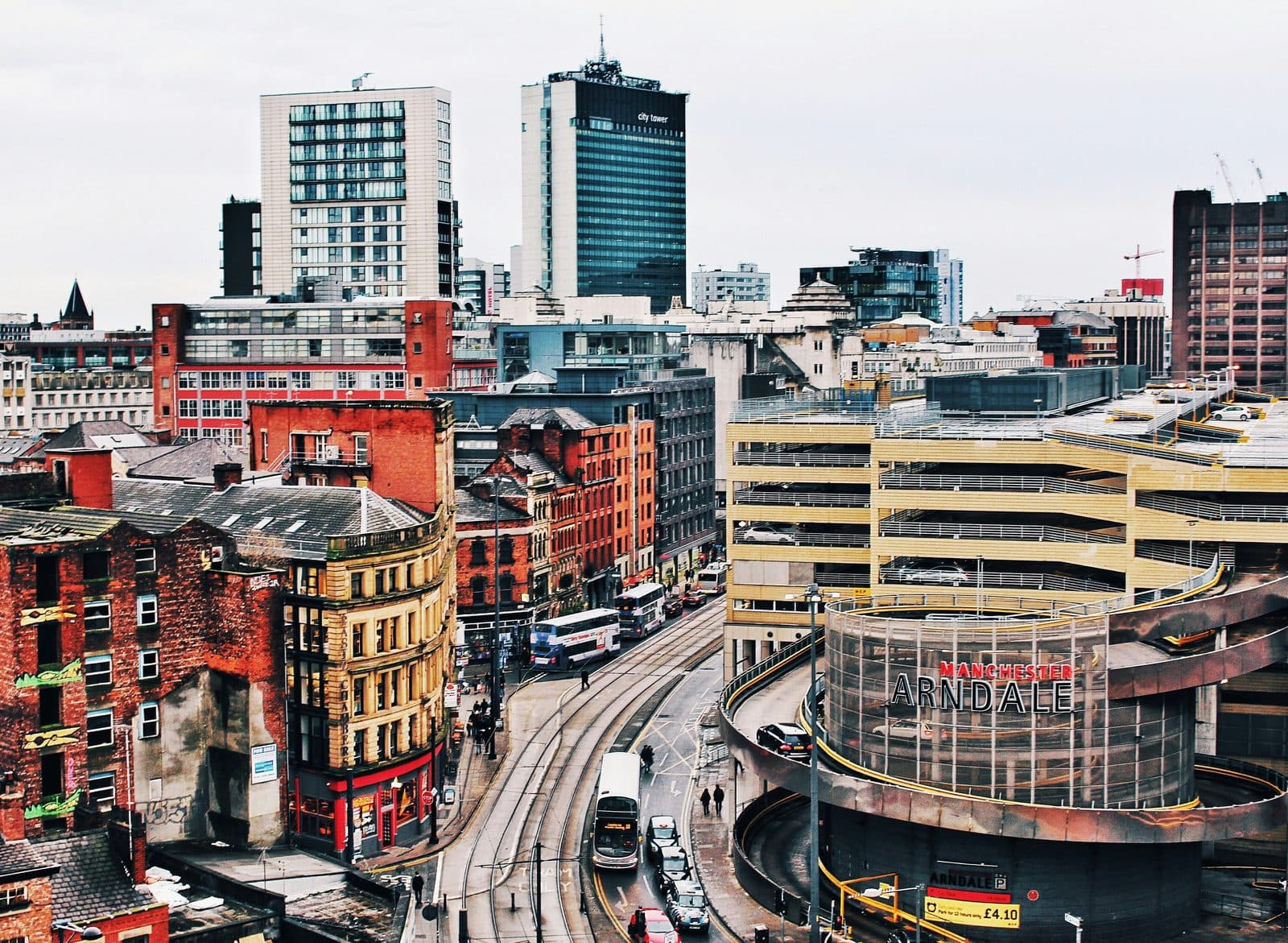
The tour opens in Stevenson Square, and the first thing it asks you to do is look at the buildings before any band is named. The Northern Quarter is an eighteenth and nineteenth-century plan of four-storey brick warehouses and market halls, built for the cotton, rag, and small-goods trades that clustered north of the main civic centre. When those trades left, roughly between the late 1960s and the late 1970s, the grid emptied. That vacancy, in the dead centre of a large city, is the precondition for everything that follows. Cheap empty space is what artists and shopkeepers and club promoters can afford.
Afflecks: the first proof the buildings could live again
Hear a stop from this walk
The Former Haçienda Site: The Apartments That Kept the Name
The pivot stop is Afflecks. The building was the Affleck and Brown department store, a drapery business started on Oldham Street in the 1860s that grew into one of the city's principal stores and then declined and closed in 1973 as shopping moved elsewhere. In 1982 James and Elaine Walsh reopened the shell as an alternative indoor market, offering cheap short-term pitches to anyone starting out. It was the first commercial proof that the emptied cotton-era retail stock could carry a second life, and it set the template for the whole district: cheap space, low commitment, room to experiment.
Oldham Street, the record-shop spine
From Afflecks the walk follows Oldham Street, which became the record-shop spine of the neighborhood. This is where the buying and selling of the music happened at street level, the shops that stocked the imports and the local pressings and gave the scene a physical high street. The tour reads the street as infrastructure. A music culture needs somewhere to buy the records, and this is where.
FAC 251 and the Factory office
Deeper in, the walk reaches FAC 251, the building that housed the final headquarters of Factory Records, the label that ran Joy Division, New Order, Happy Mondays, and much of what the outside world thinks of as the Manchester sound. The tour is careful with the geography here, and you should be too. Factory Records was not always based in the Northern Quarter, and the label's most famous venture, the Haçienda, was a walk away to the south, not inside this grid. What FAC 251 marks is the office, the business end of the operation, built and then lost when the label collapsed.
The Haçienda, off-stage but essential
The tour ends at the former Haçienda site, and the honesty of this stop is the point. The Haçienda opened in 1982, financed by Factory Records and the band New Order, in a converted warehouse at 11 to 13 Whitworth Street West on the Rochdale Canal, south of the Northern Quarter proper. It closed in 1997 and was demolished, and an apartment block that kept the name now stands on the site. You do not walk to a legendary club. You walk to a block of flats named after one. That gap, between the myth and the apartments, is the truest thing the tour shows you about what happened to Manchester music: it was real, it changed the world, and then the buildings moved on, exactly as the cotton warehouses had before them.
Two acts of the same buildings
The whole walk rhymes with the industrial city that came first. The warehouse grid you are standing in was filled by the cotton economy traced on our Industrial Revolution Core walk, and the punk gig that lit the fuse for these bands happened in the Free Trade Hall on our Civic Victorian Gothic walk. For the argument that the music is the second life of the industrial buildings, read how Manchester built the modern economy and then its sound.
Manchester music tourism is deep and well served, from Manchester Music Tours to Dave Haslam's canonical history of the city as a pop-cult city. This Roamer walk is one route among many, and its angle is the buildings: the sound as the second act of the cotton warehouses, not a scene that arrived from nowhere.
Ready to experience it?
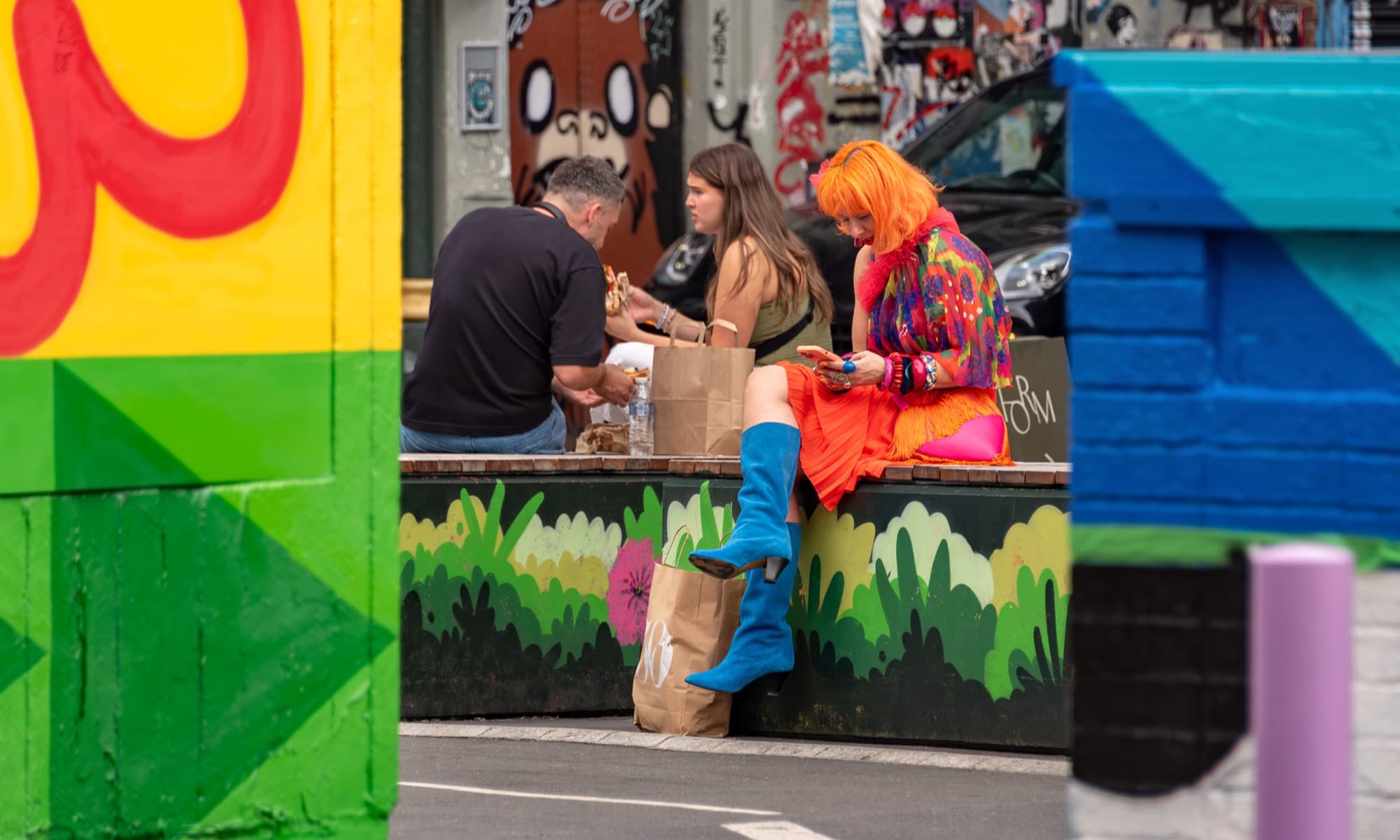
Northern Quarter: The Warehouses That Became a Sound
80 min · 2.6 km · easy
More from Manchester
Explore more at your own pace.
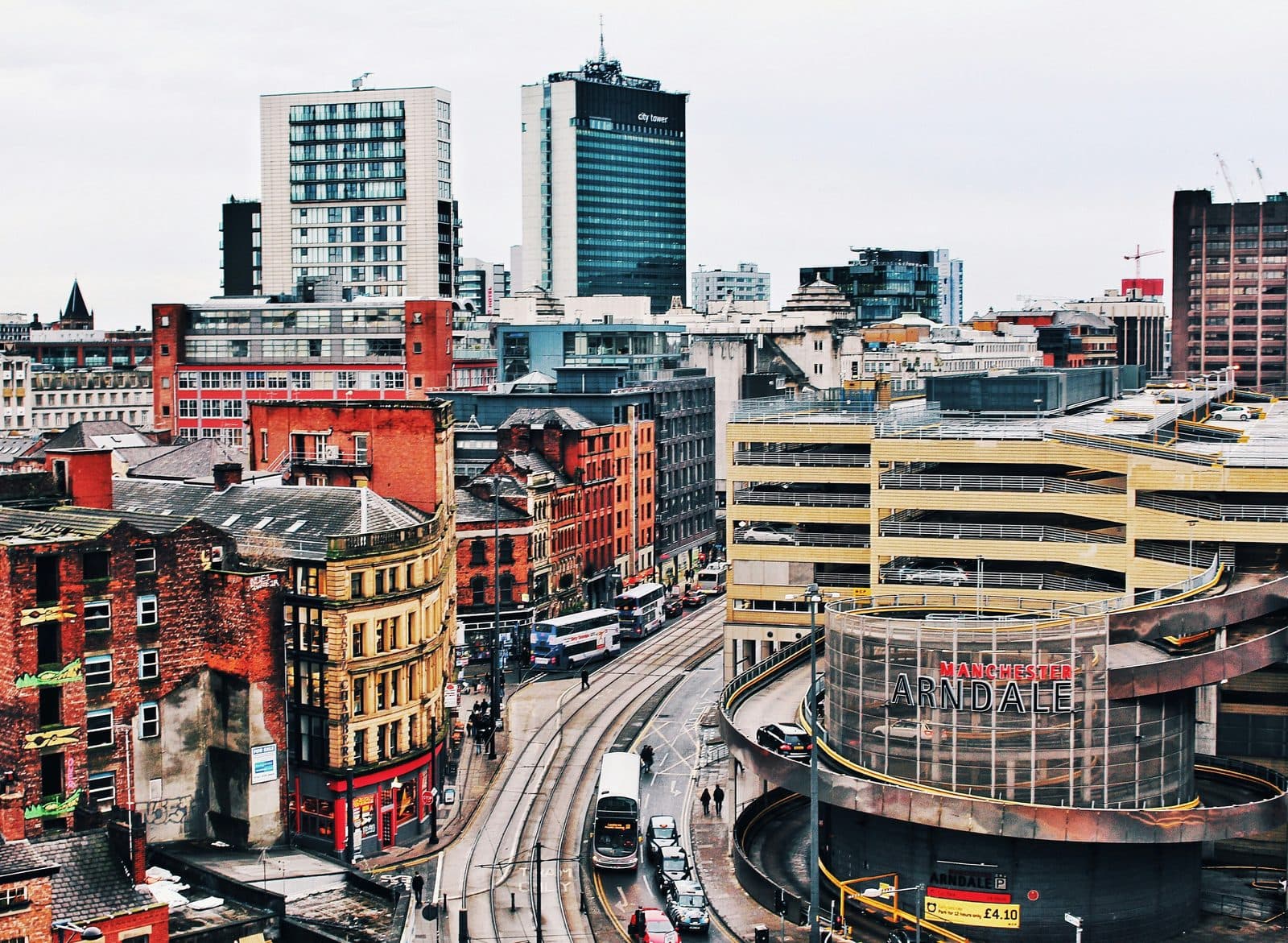
Cottonopolis: How Manchester Built the Modern Economy and Then Its Sound
The Corridor That Built the Modern Economy: A Companion to the Industrial Revolution Core Walk
The Square That Argued the North Was London's Equal: A Companion to the Civic Victorian Gothic Walk
Liverpool Road Station: The Building That Defined the Railway Station
Manchester Town Hall and the Argument Alfred Waterhouse Won