Most industrial history is told as a list of inventions. This walk is told as a place. The Industrial Revolution Core tour follows a single corridor from Castlefield in the west to the Ancoats mill ridge in the northeast, and along that corridor you can watch the modern industrial economy get built one system at a time. This companion explains what you are standing on at each stage, and why the order matters.
Start at the water, because everything starts at the water
The walk opens at Castlefield, where the Roman fort of Mamucium sat nineteen centuries ago on the edge of the empire. Do not read that as an origin story. Manchester was not a continuous settlement from Roman times, and the tour is careful about this. The fort matters because it marks the western end of the corridor, the point where the canals arrive.
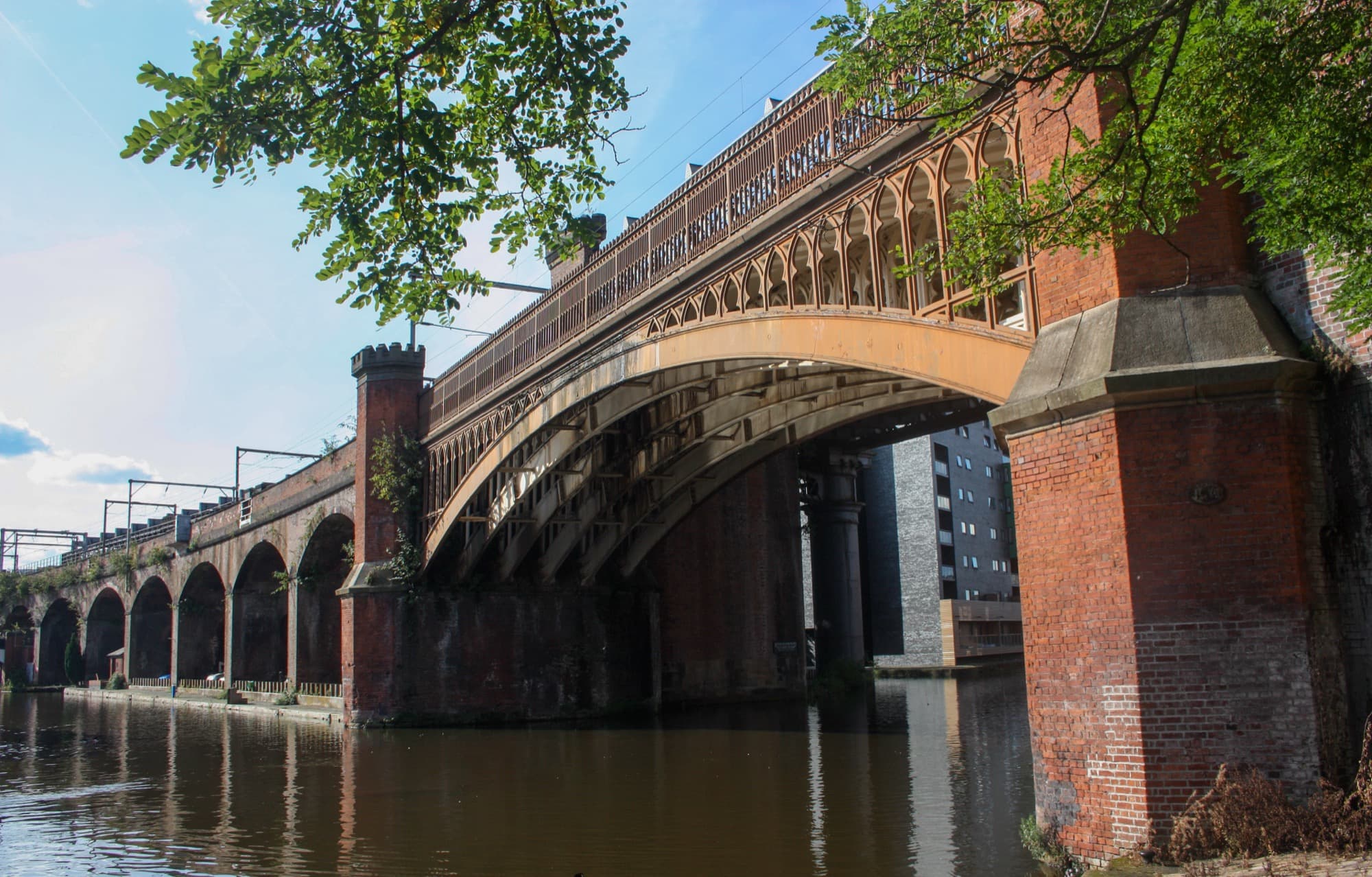
The Bridgewater Canal opened its first cut here in 1761. The Duke of Bridgewater built it to move coal from his mines into the growing town, and it did something quiet and enormous: it roughly halved the price of coal in Manchester. Cheap coal means cheap steam, and cheap steam is the engine of everything downstream. Stand at the Bridgewater Canal basin and you are looking at the utility that made the rest possible. The Merchants' Warehouse of 1825 on one side and the Merchants' Bridge of 1995 on the other tell you the canal economy had a beginning and an afterlife, and you are standing in both.
Then the railway, which changed what distance meant
Hear a stop from this walk
Murrays' Mills: The Largest Mill Complex in the World by Eighteen Oh Six
Two hundred yards on is Liverpool Road Station, and this is the stop people walk past without realising what it is. From the street it reads as a plain yellow-brick warehouse. It is in fact the world's oldest surviving purpose-built passenger railway station, opened on 15 September 1830 as the Manchester end of the Liverpool and Manchester Railway, the first inter-city passenger line run entirely by timetabled steam. It closed to passengers on 4 May 1844, when the line was extended, and survived only because it became a goods depot. The building that defined what a railway station is nearly vanished because it stopped being one. We gave it a full piece: Liverpool Road Station and the invention of the railway station.
The trading floor, where the cotton became money
Midway through the walk, at St Ann's Square and the Royal Exchange, the corridor changes register. This is where Cottonopolis was actually traded. The mills spun the thread and the warehouses stored it, but the deals were struck here, on the floor of the Exchange, in a hall that at its peak was the largest trading room in England. The physical economy of canal and rail and mill needed a place to become abstract, to turn cotton into contracts and credit. This square is that place.
The climax: the mill ridge at Ancoats
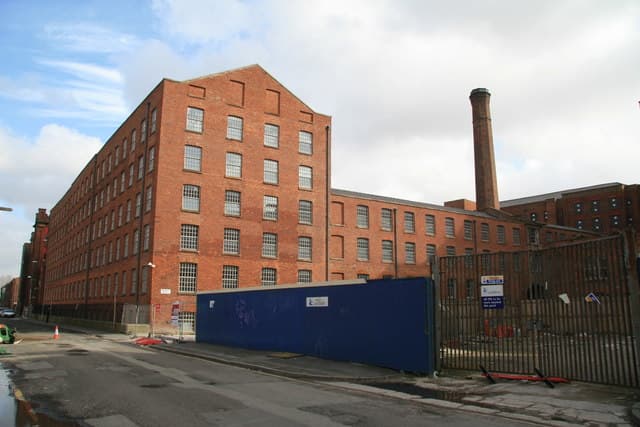
The walk builds to Ancoats, and it should, because Ancoats is where the scale becomes visible. Murrays' Mills, on the land between Jersey Street and the Rochdale Canal, is the anchor. Old Mill was completed in 1798 and is the world's oldest surviving urban steam-powered cotton spinning factory. By 1806 the Murrays' complex was the largest in the world, employing around a thousand people, its six-storey brick blocks powered by a Boulton and Watt engine and fed by coal and cotton arriving directly off the canal. We wrote about it in detail in Murrays' Mills and the making of Ancoats.
Ancoats around the mills became what careful historians call the world's first industrial suburb: a dense grid of factories, chimneys, and workers' housing built faster than any city had built before. Standing on the ridge, with the canal below and the brick blocks rising, you are looking at the physical form of industrial capitalism at full scale.
The cost, in the same streets
The tour does not let the achievement stand alone, and neither should you. Friedrich Engels arrived in Manchester at the end of 1842 to work in his family's firm, Ermen and Engels. For two years he walked these exact districts, Ancoats and the vanished slum of Little Ireland, interviewing workers and compiling mortality figures, and in 1845 he published The Condition of the Working Class in England from what he saw. The invention and the documentary record of its human price were produced in the same city in the same decade. That is the tension the walk is built around, and it is the reason a laboratory is the right word for this corridor: you can read both the result and the cost off the same streets.
Reading it as one argument
This tour is the ground floor of Manchester's whole story. The cotton money it describes went on to build the civic centre argued about on our Civic Victorian Gothic walk, and the warehouse grid it fills reappears, emptied and reinvented, on the Northern Quarter Sound walk. For the wider argument that ties all three together, read how Manchester built the modern economy and then its sound.
The Roamer tour is complementary to the Science and Industry Museum, which is the institutional steward of Liverpool Road Station and the 1830 warehouse and viaduct. Walk the corridor first, then go inside the museum for the machines.
Ready to experience it?
Cottonopolis: The City That Invented the Modern Economy
110 min · 3.5 km · easy
More from Manchester
Explore more at your own pace.
Cottonopolis: How Manchester Built the Modern Economy and Then Its Sound
The Square That Argued the North Was London's Equal: A Companion to the Civic Victorian Gothic Walk
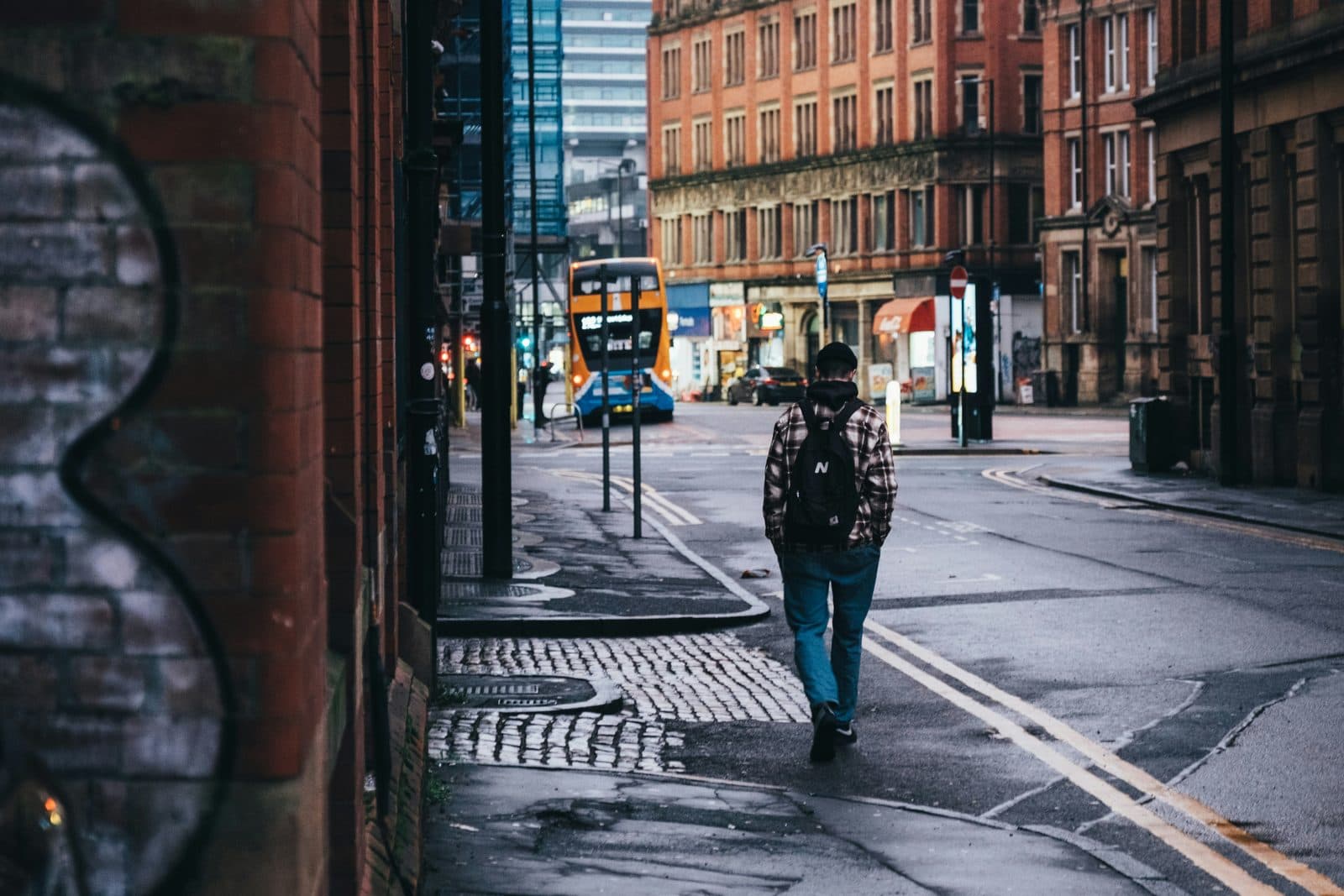
The Warehouses That Became a Sound: A Companion to the Northern Quarter Walk
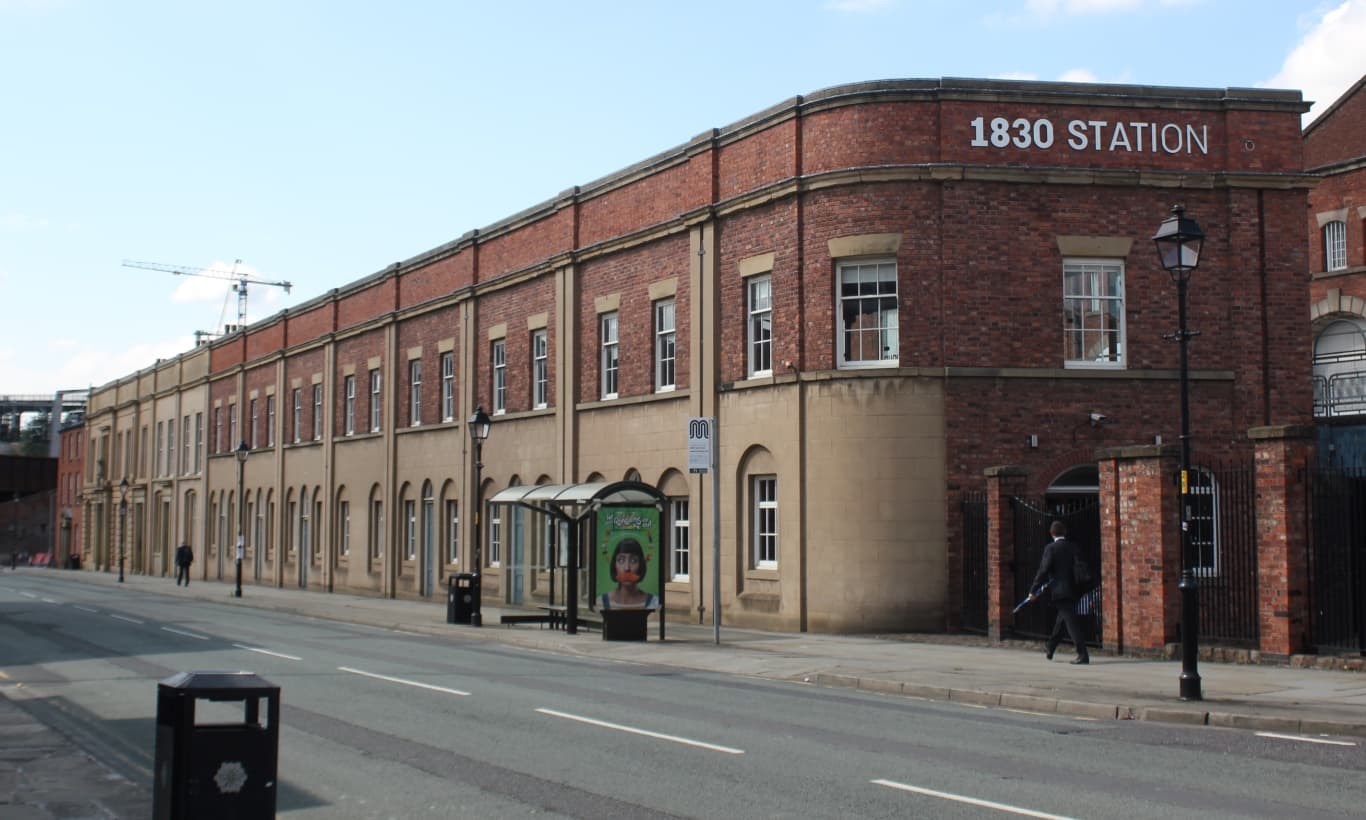
Liverpool Road Station: The Building That Defined the Railway Station
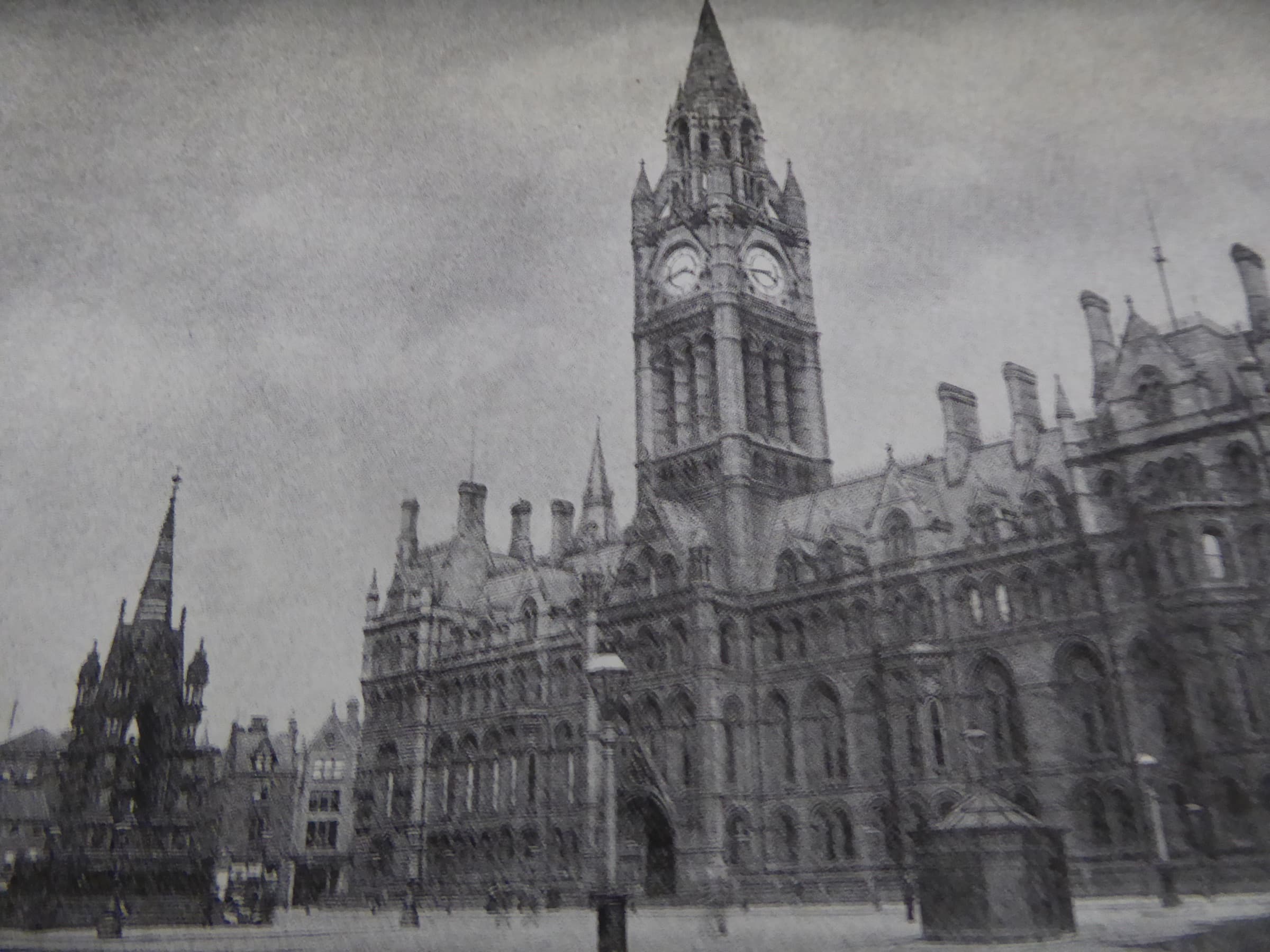
Manchester Town Hall and the Argument Alfred Waterhouse Won