Old Town: The Buddha That Named a City
90 min · 2.2 km · easy
If you want the honest answer first: plan for three days in Luang Prabang. Two days covers the peninsula's temples and the climb up Mount Phousi at a fast clip; the third day frees you to reach Kuang Si Falls without rushing the old town. Add a fourth if you like slow riverside mornings or a Lao cooking class. This guide walks through how long to stay, how to get around, when to come, an honest word on safety, and what a day actually costs, then hands you off to the self-guided audio walks that cover the town on foot.
Luang Prabang is small, flat, and made for walking. The historic core sits on a narrow peninsula between the Mekong and the Nam Khan, and its main axis, Sisavangvong Road, runs the length of it. UNESCO inscribed the town in 1995 and protects 611 buildings here, most of them strung along that one street. You can cross the whole old town on foot in twenty minutes, which is why the planning question is less "how do I get around" and more "how do I pace it."
How many days do you need?
Three days is the sweet spot. Here is a workable shape:
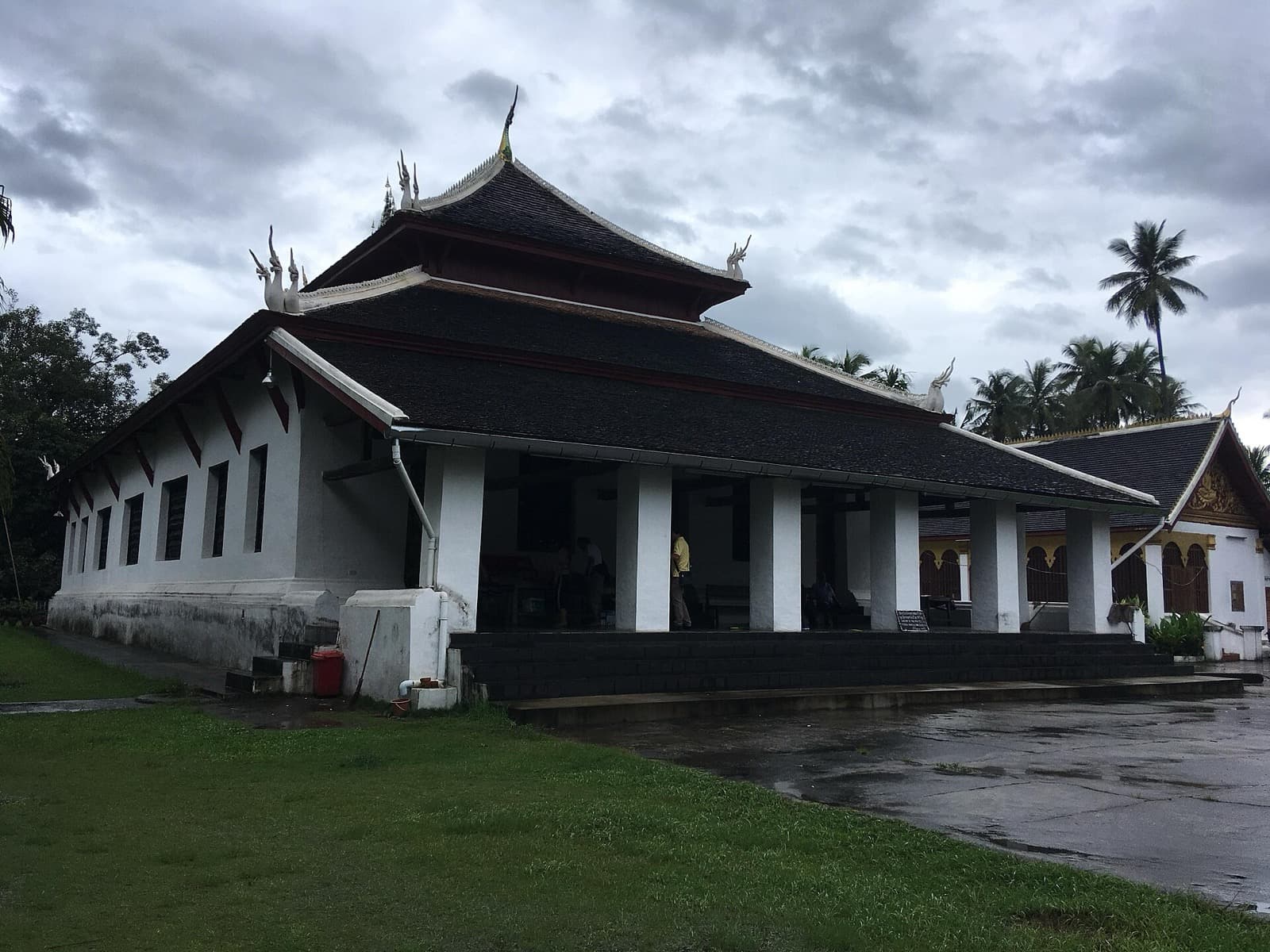
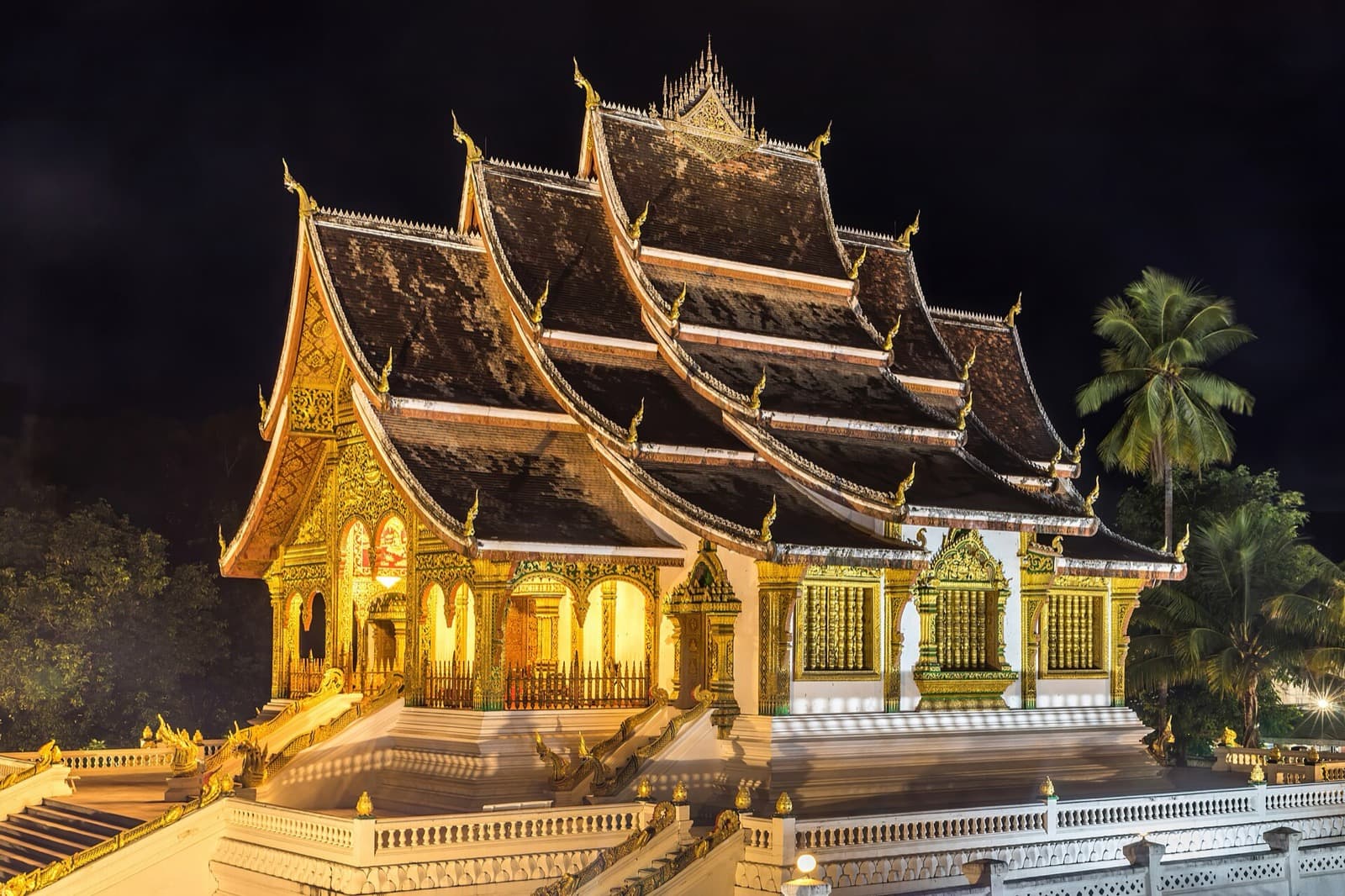
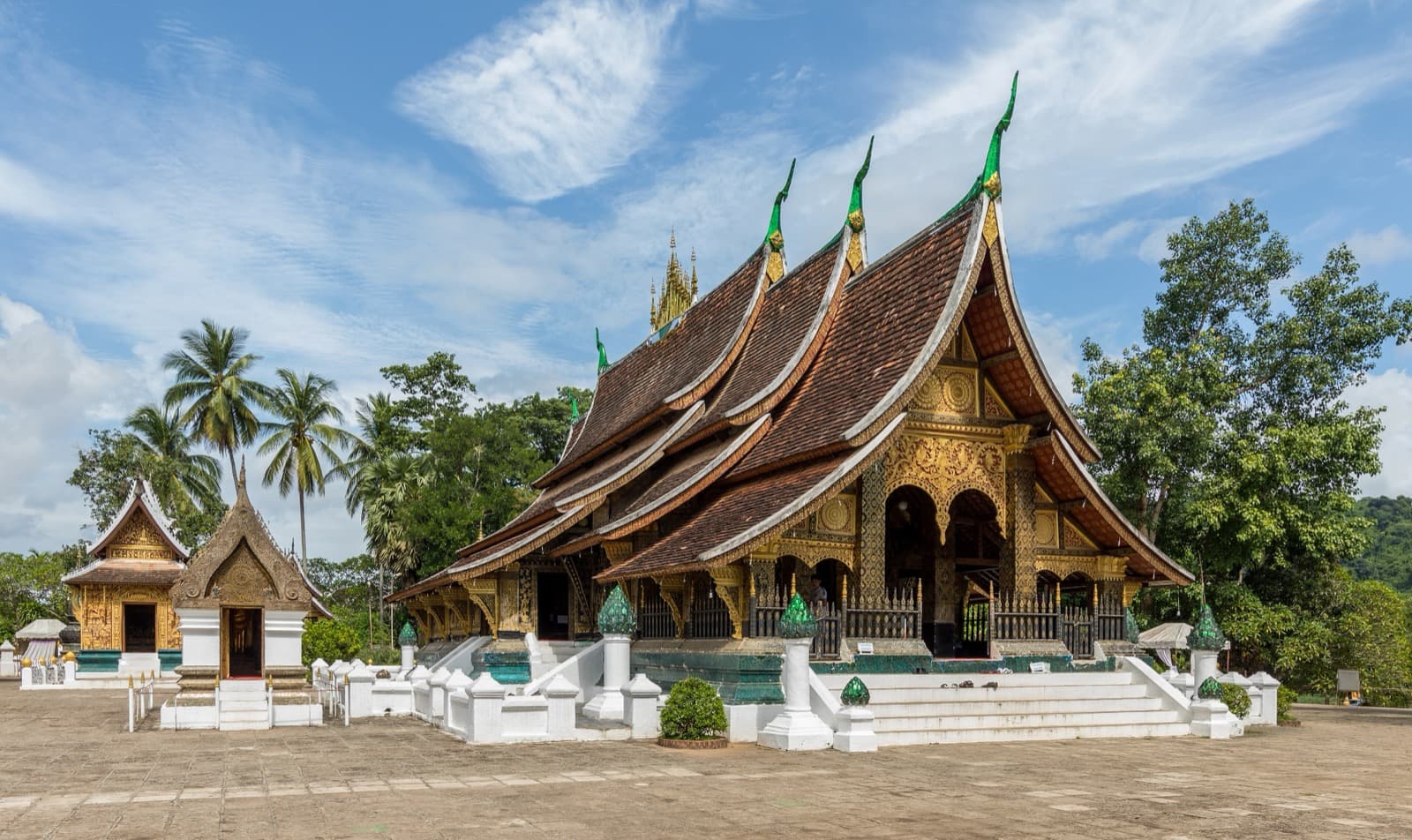
- Day one: the royal peninsula. The former Royal Palace (now the National Museum), the Haw Pha Bang shrine of the sacred Prabang Buddha, Wat Mai, and Wat Xieng Thong at the tip where the two rivers meet. Our Old Town: The Buddha That Named a City walk threads exactly this route in about two hours at your own pace.
- Day two: climb Mount Phousi for the view over the peninsula (the hill is about 100 meters, roughly 328 front steps), then wander the colonial riverfront and the older religious quarter inland. If you are up before dawn, watch the Tak Bat alms round quietly from a distance first.
- Day three: a half or full day at Kuang Si Falls, about 30 kilometers south, roughly 40 minutes by tuk-tuk or minivan.
Two days works if you are tight on time, but it will feel compressed and you will likely drop the waterfall. Four or more days rewards you: a cooking class, a slow-boat trip, or simply long lunches by the water. Most travel guides land on three to four days as ideal.
How do you get around?
Hear a stop from this walk
Where Two Rivers Meet: The Point of the Peninsula
On foot, mostly. The old town is compact and walkable, and the temples are close together. For everything else:
- From the airport: Luang Prabang International Airport is about 4 kilometers from the center, roughly 10 to 15 minutes by car. Tuk-tuks are hailed from the main road just outside and typically run around 40,000 kip per person, or roughly 50,000 to 70,000 kip total to the center. Agree the fare before you get in.
- From the train station: the China-Laos high-speed railway connects Vientiane to Luang Prabang in about two hours (versus eight by minibus), for roughly 16 US dollars. Book three to four days ahead, because seats sell out fast. The catch: the station sits about 12 kilometers outside town, so budget a shared van or tuk-tuk transfer on top.
- Around town: tuk-tuks for longer hops, bicycles for the flat peninsula, and your own two feet for the temple core. Ride-hailing (the Lao app Loca) exists but coverage is thinner than in Vientiane. Fixed prices are the reason to prefer it when it works.
Because the town is so walkable and the sites cluster, a self-guided audio walk fits the place better than a scheduled group tour. You set the pace, linger in a courtyard, and skip nothing you care about. See the full set of Luang Prabang walking tours.
When is the best time to visit?
The dry, cooler months from November to February are the most comfortable, with clear skies and pleasant walking temperatures. December is the coolest stretch, with highs around 21 Celsius and nights that can dip near 12 Celsius. March and April turn hot, and the wet season (roughly May to October) brings heavier heat and rain, though the countryside is greener and the Mekong runs higher.
January and festival dates draw the biggest crowds, so book accommodation ahead if you come then. Whenever you visit, mornings are gentlest for the temples and the light; late afternoon is when Sisavangvong Road closes to traffic and turns into the lantern-lit handicraft night market, roughly 5 in the evening until about 10.
Is Luang Prabang safe?
Yes, honestly and calmly: Luang Prabang is one of Southeast Asia's calmer, lower-crime destinations, and solo travelers, including women, generally report feeling comfortable in the tourist center by day and early evening. Locals tend toward shy rather than pushy. Treat it with the same ordinary caution you would anywhere: keep valuables in a hotel safe, do not flash cash, and be more careful on dim, deserted lanes late at night.
Two practical notes. First, agree tuk-tuk fares up front to avoid the occasional overcharge. Second, Laos as a whole still contends with unexploded ordnance from the wartime bombing of the 1960s and 1970s, but that legacy sits in rural eastern and southern provinces, not on the Luang Prabang peninsula, which is one reason the old town survived so intact. In the town itself, your main hazards are unremarkable: steep unrailed riverbanks, slippery steps in the wet season, and strong midday sun.
One thing that is not a safety issue but is a matter of respect: the dawn alms round, the Tak Bat, is a sacred daily ritual, not a show. Watch from a distance, stay quiet, dress modestly, and do not block the monks' path or buy a place in the offering line.
What does it cost?
Luang Prabang is one of the cheaper stops on the Southeast Asia trail. A rough daily range in 2026:
- Budget: around 20 to 35 US dollars a day (hostel dorm about 6 to 8, street food and cheap eats, local transport, a modest activity).
- Mid-range: more once you add private guesthouse rooms, sit-down restaurants, and tours.
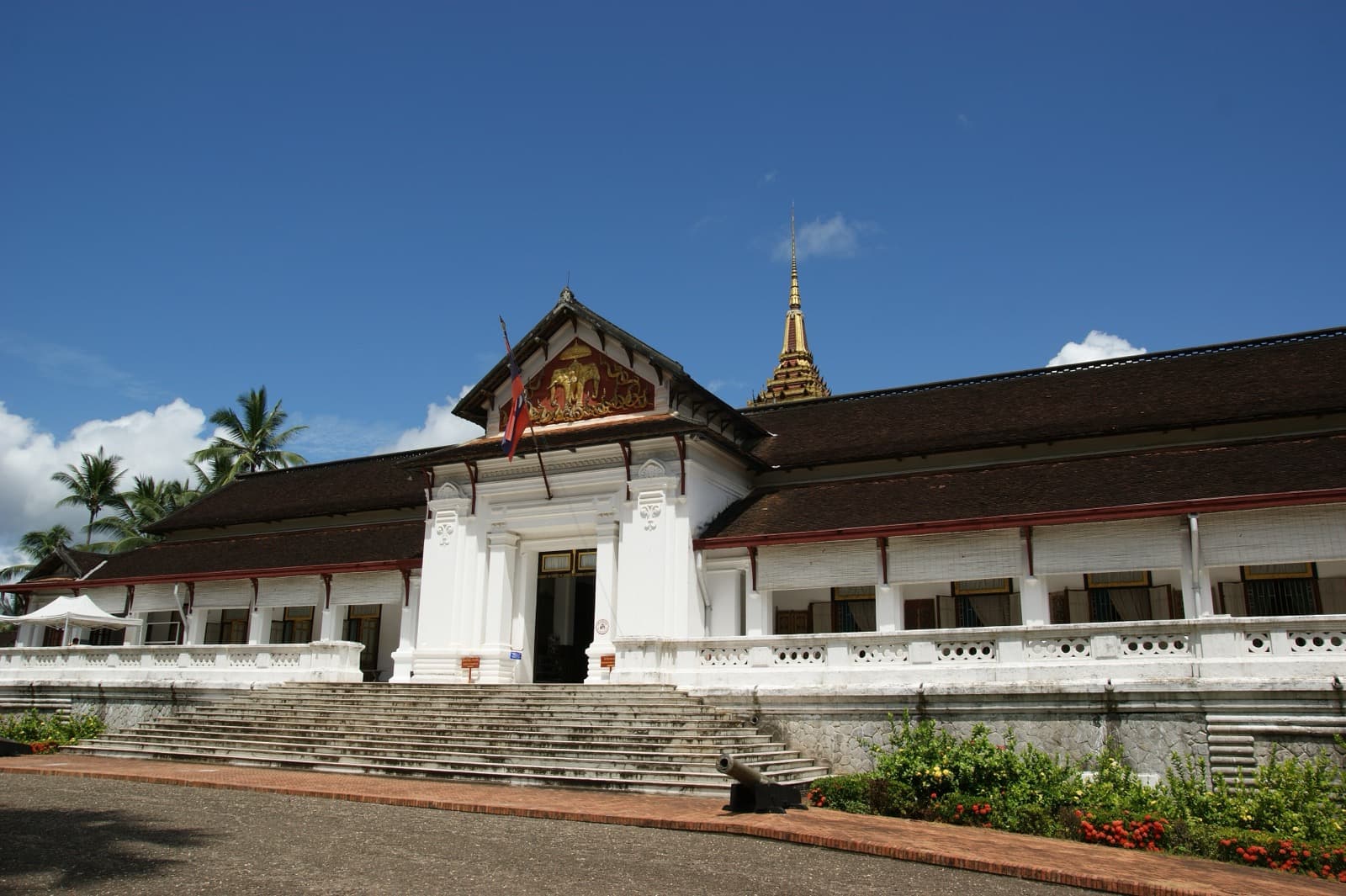
Most temples cost little or nothing to enter (a few thousand kip donation, or a small ticket at the marquee ones). The National Museum in the former Royal Palace charges 60,000 kip for foreign visitors, is open mornings and afternoons with a midday break, and closes on the last Thursday of the month for cleaning. Wat Xieng Thong runs a small entry fee, and the Mount Phousi summit is about 30,000 kip. Kuang Si Falls entry is roughly 60,000 kip, and a shared minivan or tuk-tuk gets you there and back for a modest sum.
Carry small Lao kip in cash. Many temples, stalls, and the night market do not take cards, and cash is the smoothest way to pay for entry fees and transfers.
Where to start walking
Begin on the peninsula. The Old Town: The Buddha That Named a City walk starts at the front gate of the former Royal Palace on Sisavangvong Road and follows the sacred Prabang statue down the spine of the town to Wat Xieng Thong and the river confluence, about two kilometers over seven stops. Two more self-guided walks cover Mount Phousi and the colonial riverfront when you are ready. Browse them all at Luang Prabang walking tours, or open the city page at /laos/luang-prabang.
Sources
Frequently asked questions
- How many days do you need in Luang Prabang?
- Three days is ideal. Two days covers the peninsula temples and Mount Phousi at a fast pace, and a third day frees you for a trip to Kuang Si Falls without rushing the old town. Four or more days suits slow riverside mornings, a cooking class, or a slow-boat trip. Most travel guides land on three to four days as the sweet spot.
- How do you get around Luang Prabang?
- The historic peninsula is compact and flat, so most sightseeing is done on foot. The airport is about 4 kilometers from the center, roughly 10 to 15 minutes by car, with tuk-tuks from the main road for around 40,000 kip per person (roughly 50,000 to 70,000 kip total to the center). Tuk-tuks and bicycles cover longer hops. Agree the fare before you get in.
- What is the best time to visit Luang Prabang?
- November to February is the most comfortable window, dry and cooler with clear skies. December is the coolest, with highs around 21 Celsius and nights near 12 Celsius. March and April turn hot, and roughly May to October is the wetter season. January and festival dates draw the biggest crowds, so book ahead.
- Is Luang Prabang safe for tourists?
- Yes. Luang Prabang is one of Southeast Asia's calmer, lower-crime destinations, and solo travelers generally feel comfortable in the tourist center by day and early evening. Use ordinary caution with valuables and dim late-night lanes, and agree tuk-tuk fares up front. Unexploded ordnance from the wartime bombing is a rural eastern and southern issue, not a hazard on the Luang Prabang peninsula.
- How much does a day in Luang Prabang cost?
- Budget travelers manage on roughly 20 to 35 US dollars a day in 2026, including a hostel dorm around 6 to 8 dollars, street food, and local transport. Most temples cost little or nothing, the National Museum charges 60,000 kip for foreign visitors, and Kuang Si Falls entry is roughly 60,000 kip. Carry small Lao kip in cash, since many places do not take cards.
- How do you get from Vientiane to Luang Prabang?
- The China-Laos high-speed railway links Vientiane to Luang Prabang in about two hours, compared with roughly eight hours by minibus, for around 16 US dollars. Book three to four days ahead because seats sell out fast. Note that the Luang Prabang station sits about 12 kilometers outside town, so budget a shared van or tuk-tuk transfer on arrival.
Ready to experience it?
Old Town: The Buddha That Named a City
90 min · 2.2 km · easy
More from Luang Prabang
Explore more at your own pace.
Luang Prabang: The Fusion Royal Town Between Two Rivers
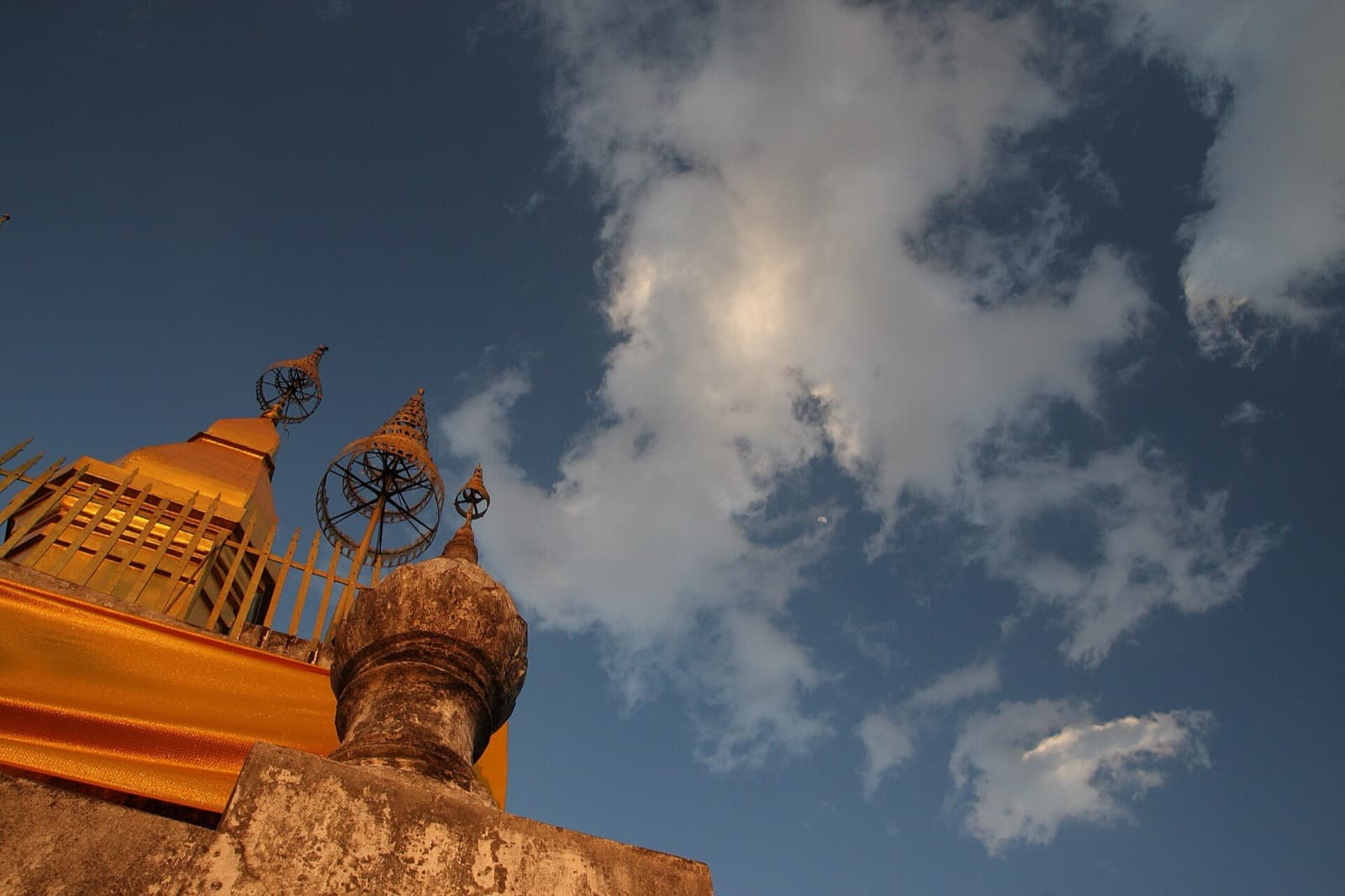
That Chomsi Stupa: Why the Golden Point Above Luang Prabang Reads the Whole Town
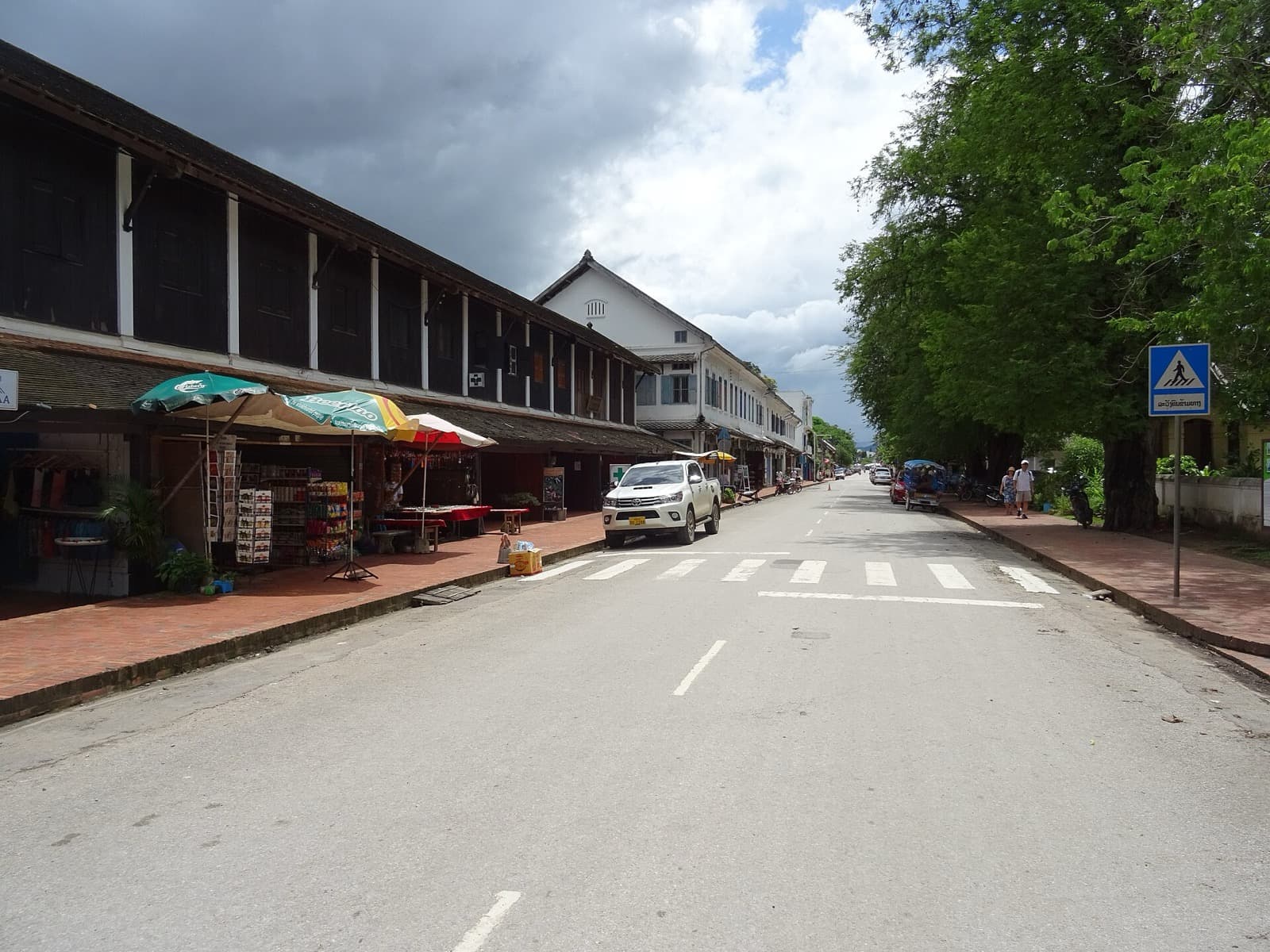
The Colonial Shophouses of Luang Prabang: The Fusion UNESCO Chose to Protect
The Royal Palace of Luang Prabang: Where a Kingdom Kept Its Last Throne
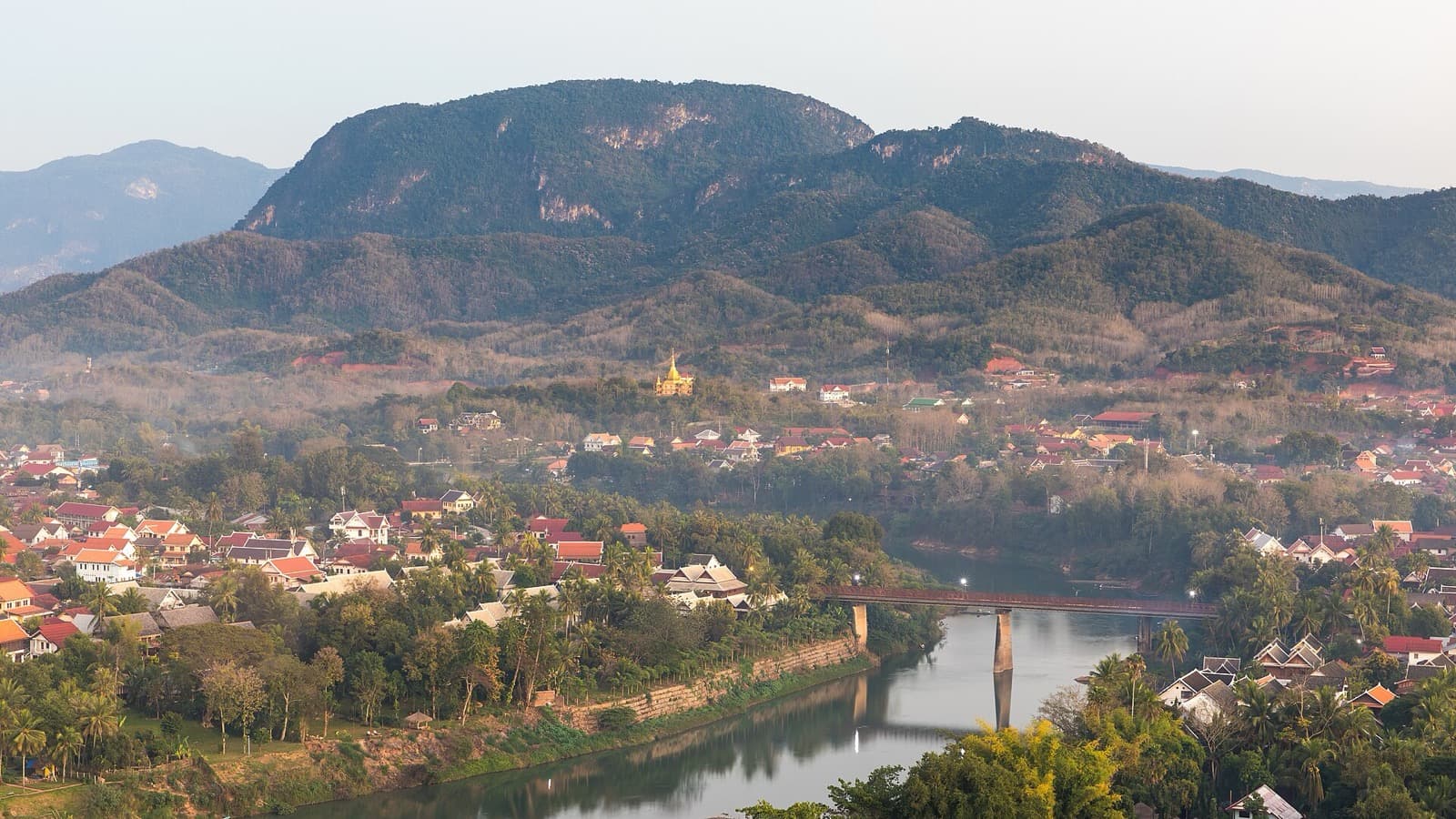
The Summit of Mount Phousi: Reading Luang Prabang From the Sacred Hill