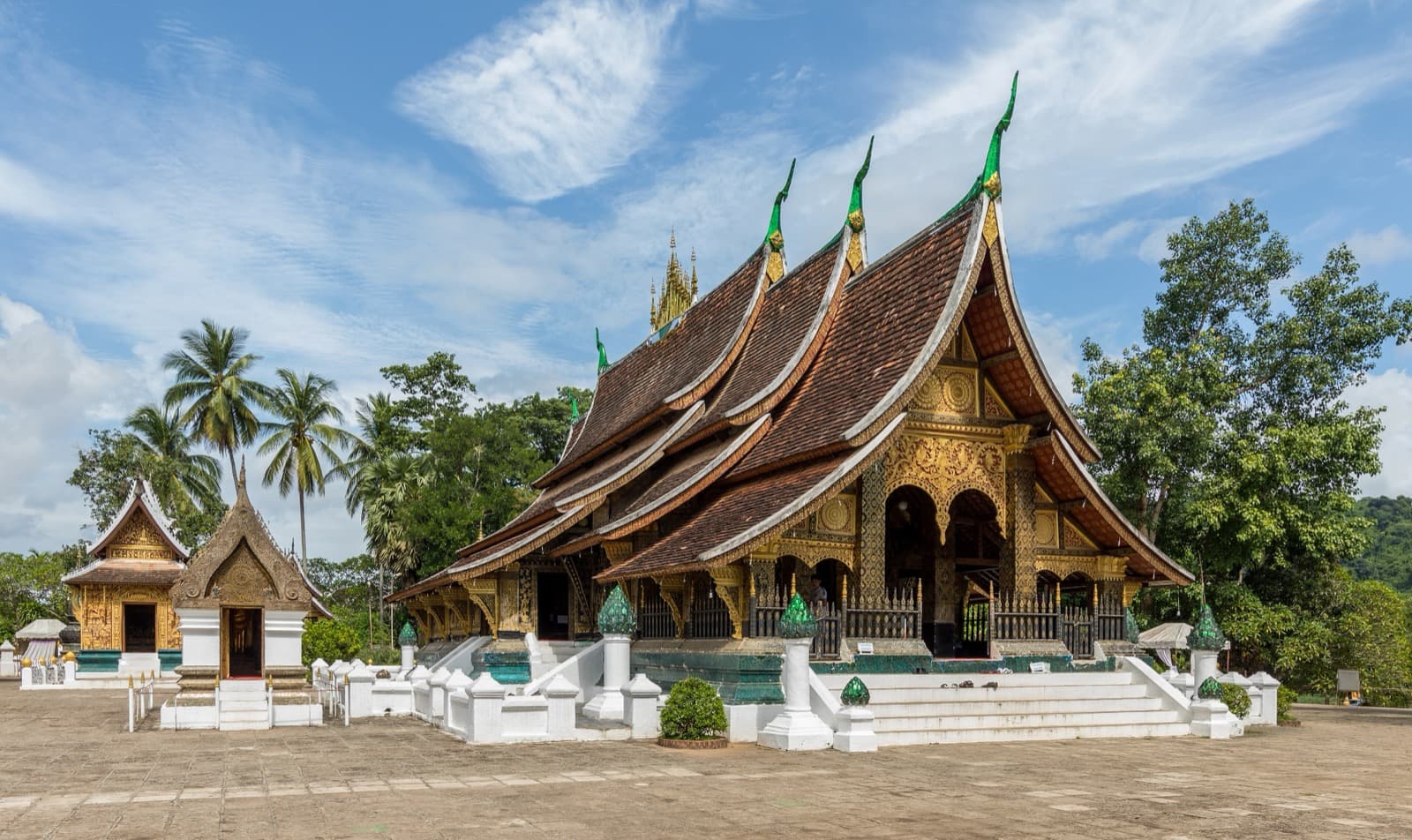
Walk the spine of Luang Prabang's royal peninsula, following the small golden Buddha that gave the city its very name, from the former Royal Palace to the temple of the golden city where the Mekong meets the Nam Khan.
Start · The Former Royal Palace: A Kingdom's Last Throne
DirectionsStops
- 1
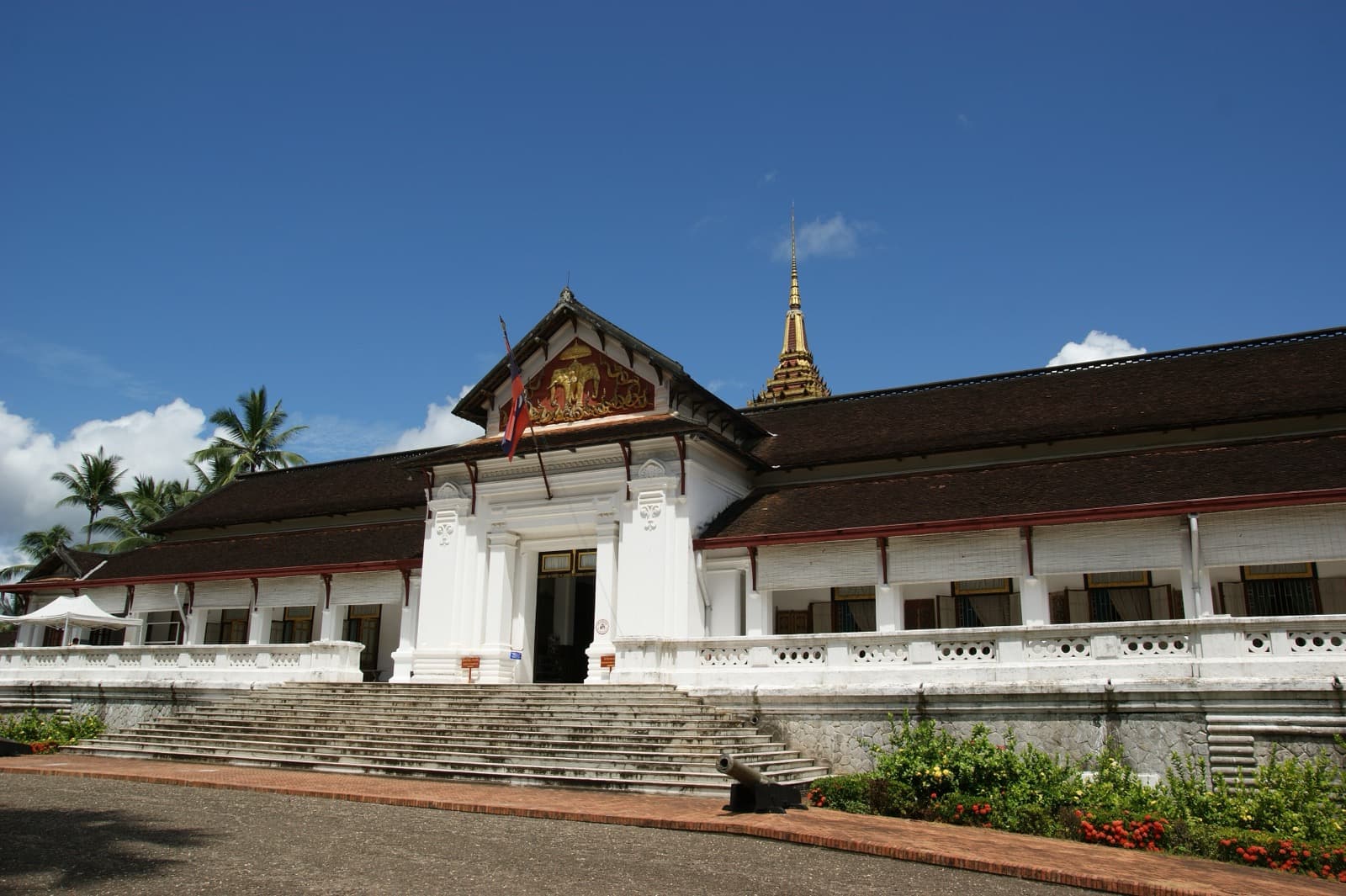
The Former Royal Palace: A Kingdom's Last Throne
The riverside palace is where a kingdom of six centuries kept its throne and then lost it. It is now the National Museum.
- 2
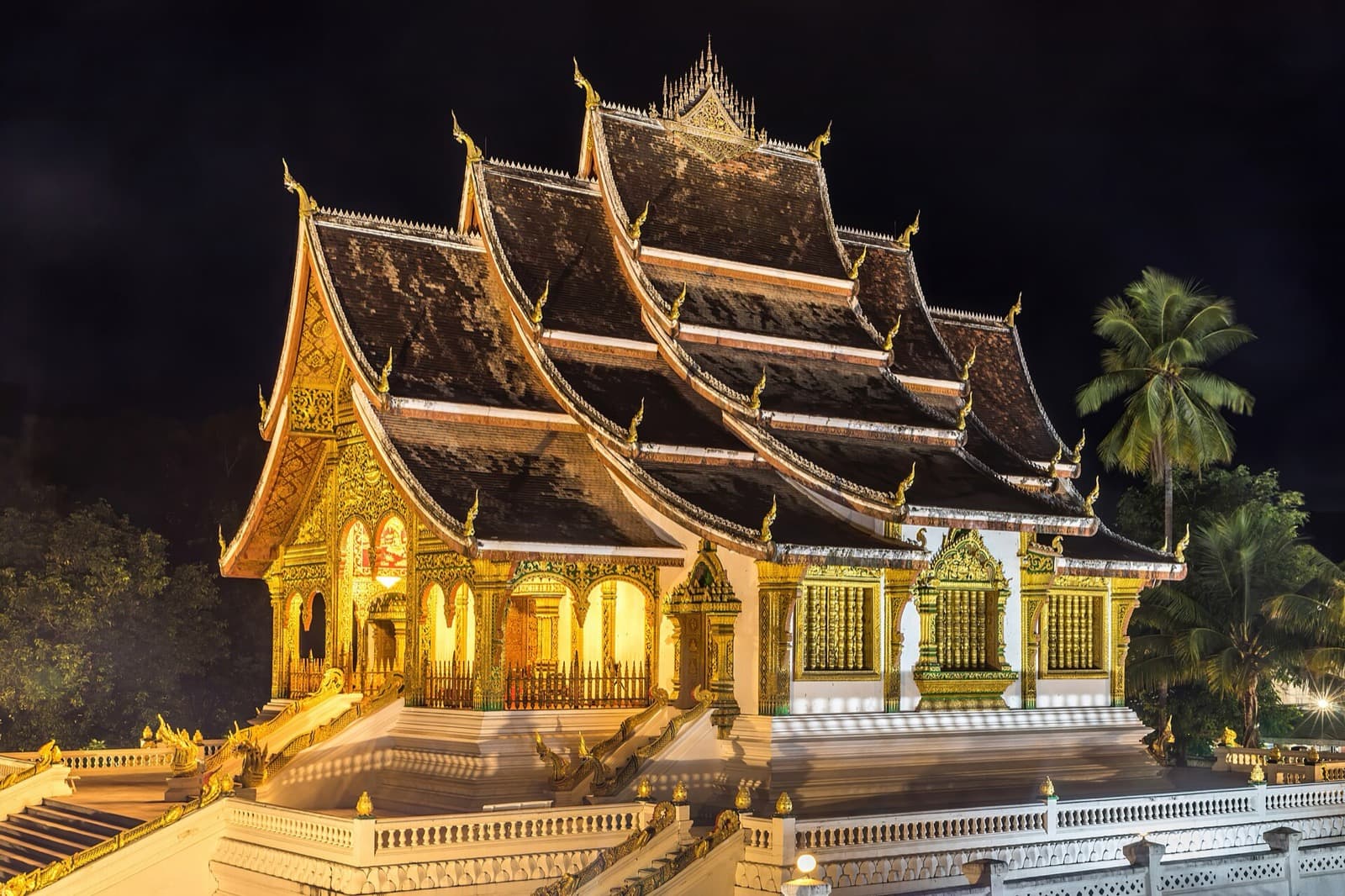
The Haw Pha Bang: The Buddha That Named a City
The gilded royal shrine built to house the Prabang, the small holy Buddha for which the whole city is named.
- 3
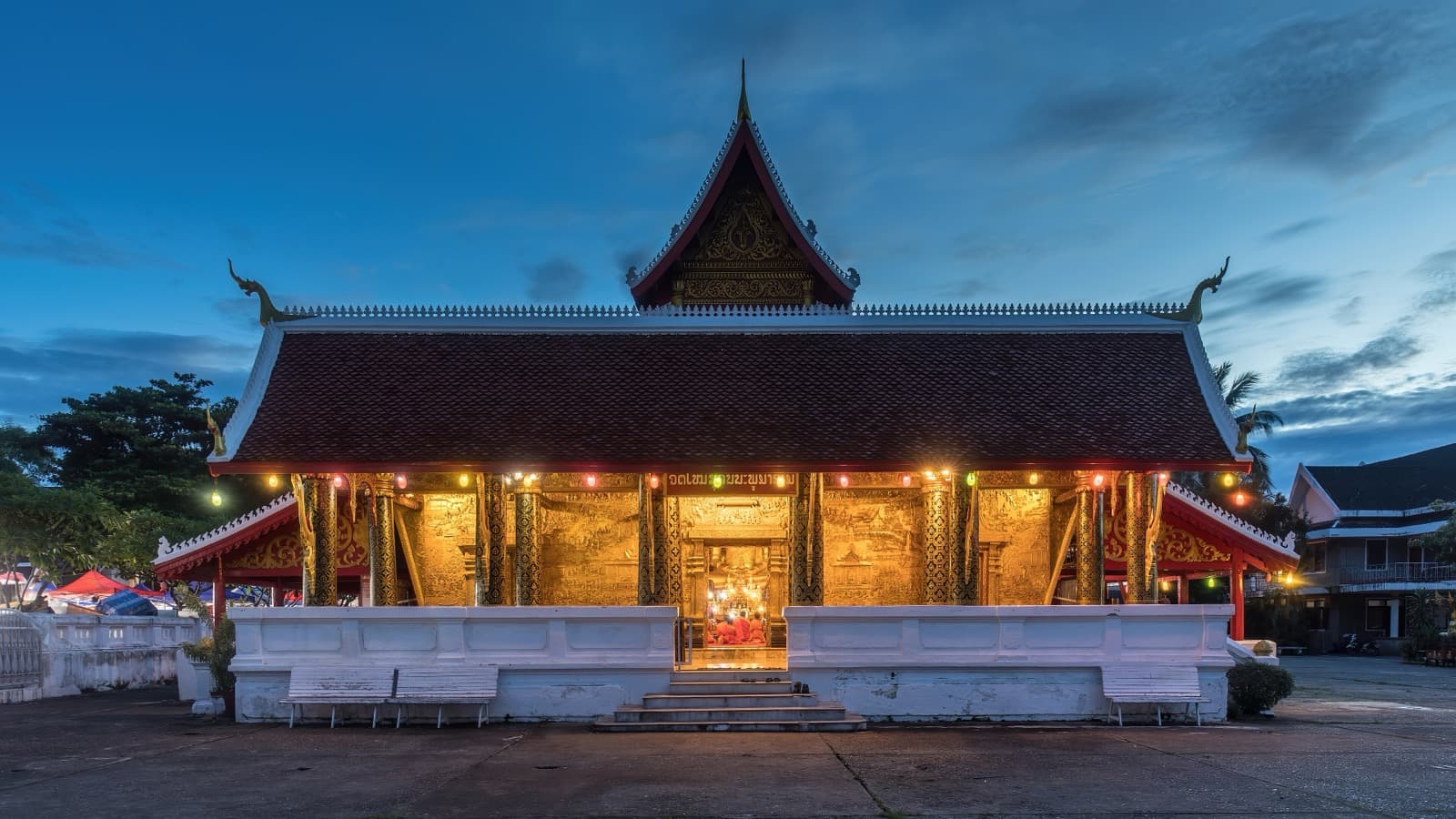
Wat Mai Suwannaphumaham: The Golden Porch
The temple beside the palace, its front porch a wall of gilded relief, that once sheltered the Prabang for decades.
- 4
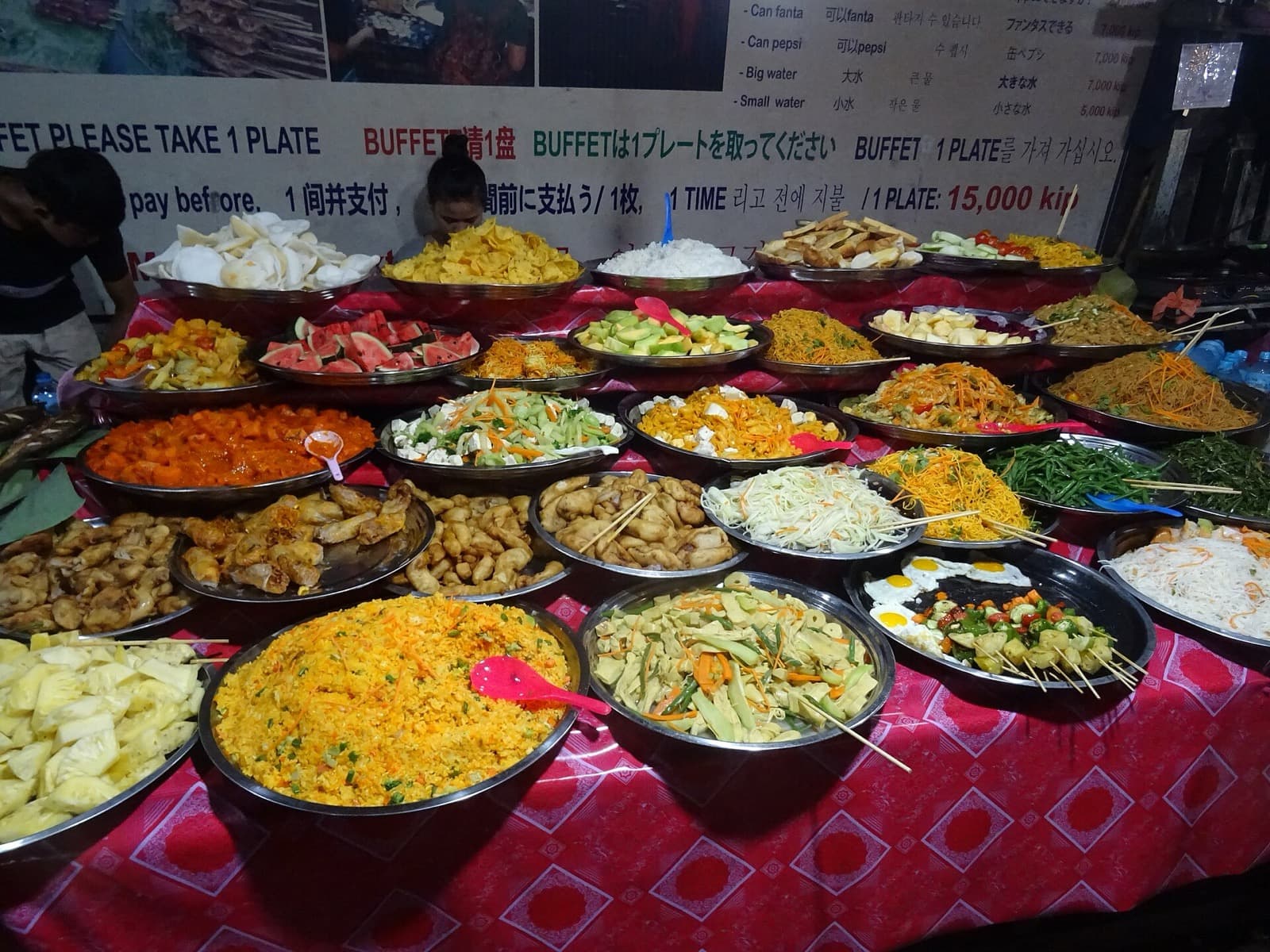
Sisavangvong Road: The Spine of the Peninsula
The temple-lined main street that runs the length of the peninsula, quiet by day and a river of lanterns by night.
- 5
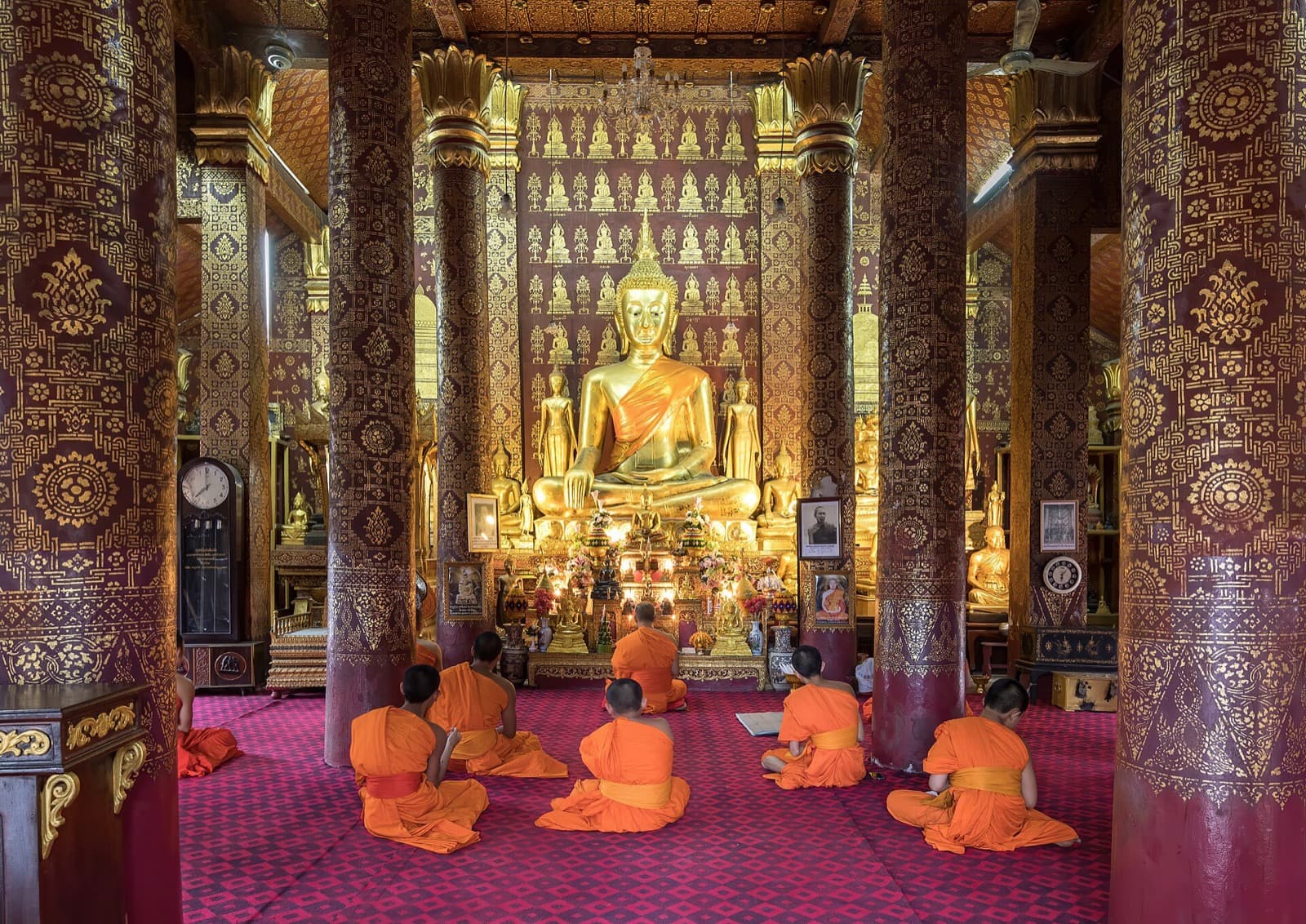
Wat Sensoukharam: Gold and the Racing Boats
The bright red-and-gold temple near the river whose name means a hundred thousand treasures, its sheds holding long racing boats.
- 6
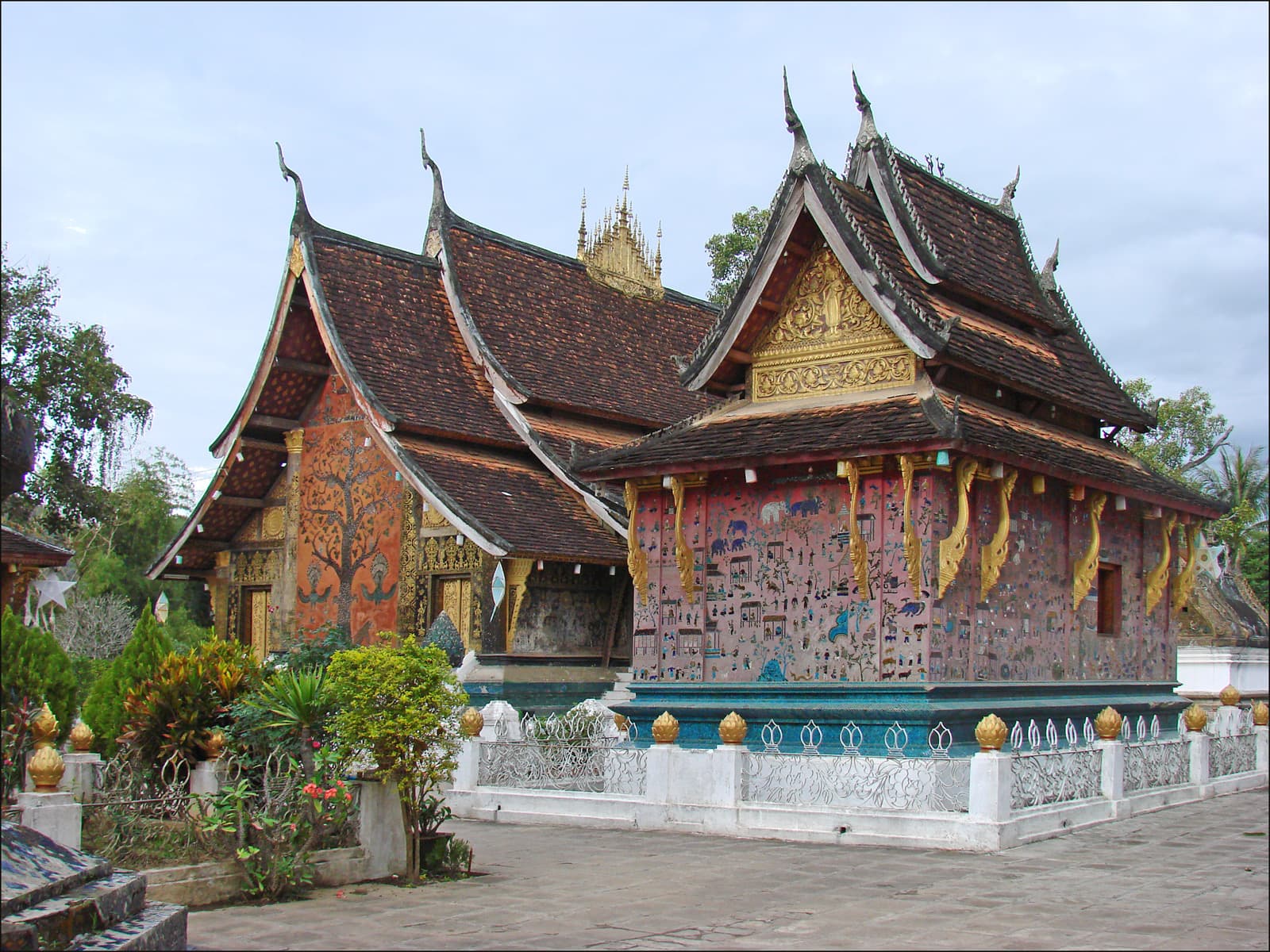
Wat Xieng Thong: The Temple of the Golden City
The royal monastery near the tip, its low roofs almost sweeping the ground, where Lao kings were crowned and mourned.
- 7
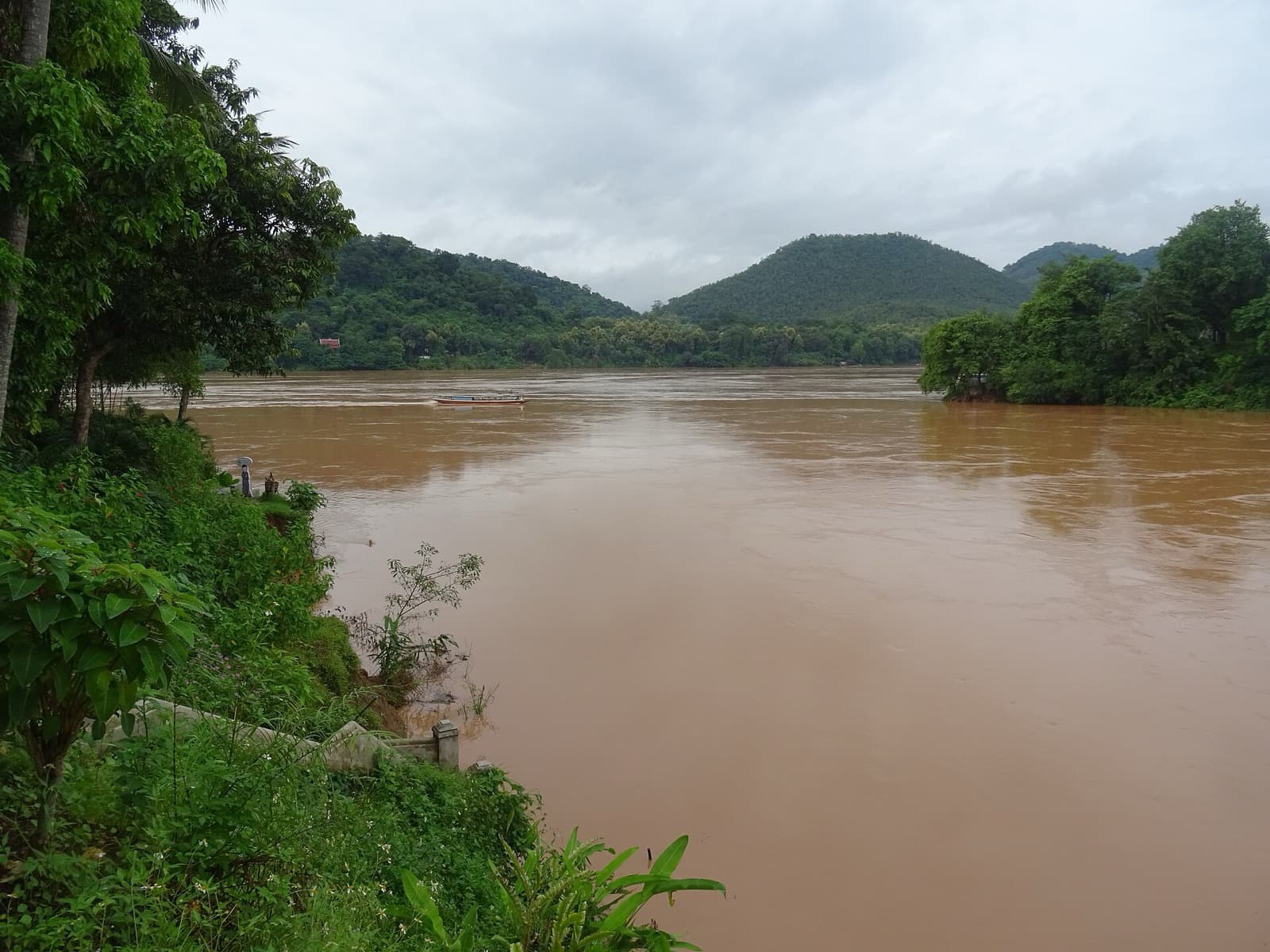
Where Two Rivers Meet: The Point of the Peninsula
The tip of the peninsula, where the Nam Khan flows into the Mekong and the whole royal town narrows to its end.
Details
Best Time to Visit
The dry, cooler months from about November to February are the most comfortable, with clear skies over the rivers and pleasant walking temperatures. Start early in the day to see the temples in soft light and gentle heat, or walk the spine of the peninsula in the late afternoon and let the main street turn into the lantern-lit night market around you. If you want to witness the dawn alms round, the Tak Bat, come at first light and watch quietly from a distance.
Pro Tips
- •Go at your own clock. The marquee sites here run on packed group circuits and sunset queues, so linger in a temple courtyard or stand alone in the funerary chapel of Wat Xieng Thong whenever the crowds thin.
- •Dress for the temples before you set out: shoulders and knees covered, and shoes easy to slip off, since you will remove them to enter the halls.
- •Read Wat Mai's gilded porch and Wat Xieng Thong's Tree of Life mosaic from a few steps back on the street first, then move in close; the whole composition only reads at a distance.
- •Do the palace grounds and the Haw Pha Bang together, since the shrine of the Prabang sits inside the same complex as the National Museum.
- •Walk the main street once by day for the colonial architecture and again after about five in the evening for the night market; it is a completely different scene at each hour.
- •Carry small Lao kip in cash for temple entry fees and the market, as many places do not take cards.
Safety & Precautions
- •These are working temples in a living monastic town. Cover your shoulders and knees, remove your shoes before entering the halls, keep your voice low, and never touch or climb on Buddha images.
- •The dawn alms round, the Tak Bat, is a sacred daily ritual and not a tourist show. Watch quietly from a distance, dress modestly, and do not buy a place in the line, use flash, or block the monks' path.
- •The Mekong and Nam Khan banks and quays can be steep and often have no railings, and in the wet season the paths and steps turn slippery, so watch your footing near the water.
- •The tropical sun and heat are strong. Carry water, sun protection, and a hat, and note that the town keeps quiet hours at night, so plan to carry small kip in cash and wind down early.
Gallery
Related Reading
Go deeper on what you'll see, hear, and walk through.
Overview
Best Self-Guided Walking Tours in Luang Prabang (2026)
4 min
Overview
Luang Prabang Travel Guide: Days, Transport, Season, Safety, Budget
7 min
Overview
One Day in Luang Prabang: A Walkable Itinerary, Dawn to Night Market
7 min
Thematic
Luang Prabang: The Fusion Royal Town Between Two Rivers
7 min
Companion
The Royal Palace of Luang Prabang: Where a Kingdom Kept Its Last Throne
6 min
Deep dive
Wat Xieng Thong: The Temple Where Lao Kings Were Crowned and Mourned
6 min
Read
What to Eat in Luang Prabang: A Local Food Guide
6 min
Read the walk
The full story of Old Town: The Buddha That Named a City, in words. Prefer to listen? Play it narrated, from home or on location.
Introduction
There is a small golden Buddha at the heart of this town, only about eighty-three centimetres tall, and the city is named for it. The Prabang, the sacred image cast, by legend, in a distant land, gave Luang Prabang its name, and where the statue rested over the centuries, kings and monks built. This walk reads the old-town peninsula through that single object. Luang Prabang was the royal capital of the kingdom of Lan Xang, the Land of a Million Elephants, for about six centuries, and this narrow finger of land, formed where the Mekong meets the Nam Khan river, was inscribed by UNESCO as a World Heritage town in nineteen ninety-five. Over about seven stops and roughly two kilometres, in something like two hours at your own pace, you will follow the spine of the peninsula from the former Royal Palace, where the Prabang is enshrined and where the long Lao monarchy ended in nineteen seventy-five, down the temple-lined main street to Wat Xieng Thong, the royal monastery at the tip. This is a continuous walk on foot. Every stop is a short one, and you can linger in a temple courtyard as long as you like, or move on whenever you please. There is no group, no schedule, and no one waiting on you. These are living temples in a working monastic town, so keep your shoulders and knees covered and your voice low. When you arrive at the front gate of the former Royal Palace on Sisavangvong Road, begin with stop one.
1. The Former Royal Palace: A Kingdom's Last Throne
This low white palace with its steep Lao roof and its columned porch is Haw Kham, the former Royal Palace. It was built between nineteen oh four and nineteen oh nine for King Sisavang Vong, in the French colonial era, and you can read the fusion in its very walls: French Beaux-Arts style married to Lao vernacular architecture, the work of an architect known in Lao as Thone. It was placed so that arrivals by river could step off their boats and walk almost straight up to the palace. The king lived here, and so did the kingdom's story. Luang Prabang had been the royal capital of Lan Xang since the kingdom was founded around thirteen fifty-three by King Fa Ngum, and it kept that role for about six centuries. Then, in nineteen seventy-five, the story ended here. After the Pathet Lao came to power, the Lao People's Democratic Republic was proclaimed on the second of December, nineteen seventy-five. The monarchy was abolished. The last king, Sisavang Vatthana, abdicated, and the royal family were later taken to re-education camps. The king is widely reported to have died in detention in the years that followed, though the full circumstances were never publicly documented. Narrate that softly to yourself; the record is genuinely incomplete. After the monarchy fell, the palace became the National Museum, and the royal bedrooms inside are kept much as they were in nineteen seventy-five. Take your time at the gate. The whole tour begins from a place that is both the peak and the end of the kings.
2. The Haw Pha Bang: The Buddha That Named a City
Here, in the southeast corner of the palace grounds, stands the Haw Pha Bang, the ornate golden-roofed shrine built to enshrine the Prabang itself. Haw means hall or shrine, and this hall was made for one object. The Prabang, the Pha Bang, is a small standing Buddha, an alloy of gold, silver, and copper, only about eighty-three centimetres tall and weighing something like fifty kilograms. Both its hands are raised in the gesture that dispels fear. It is the most sacred Buddha image in Laos, and, quite simply, the city is named for it. Luang Prabang means, roughly, the royal Pha Bang image. Its origin is legend, and I will tell it as legend. By tradition the statue was cast far away in Ceylon, the island now called Sri Lanka, then carried to Lan Xang through the Khmer court, and given to King Fa Ngum in the middle of the fourteenth century. Scholars think an Angkor origin is more likely, and note that the tale comes from Buddhist texts written down centuries later. Either way, the statue is real, and over the centuries it moved from temple to temple across this peninsula, and the town grew around its resting places. The shrine you see took a long time to finish. It was commissioned in the reign of the last king, Sisavang Vatthana. Work stopped with the revolution of nineteen seventy-five, and the hall was completed only in the twenty-first century, decades after the king who began it had fallen. So you are standing before a golden shrine for a small golden Buddha, finished long after the kingdom that ordered it was gone.
3. Wat Mai Suwannaphumaham: The Golden Porch
Just south of the palace on the main street is Wat Mai Suwannaphumaham, usually just Wat Mai, the New Monastery of the Golden Land. Wat means temple or monastery. It was founded around seventeen ninety-six under King Anourout and renamed after a later restoration. Since the late nineteenth century it has been the seat of the head of Lao Buddhism, which makes this quiet compound one of the most important religious addresses in the country. It also has a direct link to the Prabang. After the town was sacked in eighteen eighty-seven, Wat Mai was left unscathed, and the Prabang was brought here for safekeeping. The statue stayed at Wat Mai until the mid-twentieth century, when it moved into the Royal Palace grounds you just left. Even now the Prabang returns here for a few days each Lao New Year for the public bathing ritual, when the faithful pour scented water over it for blessing. The feature to linger on is the front porch. Across the facade runs a famous gilded bas-relief, its figures cast, lacquered black, then gilded. It depicts scenes from the Ramayana and from the Vessantara Jataka, the story of the Buddha's most generous former life, all set among the villages, plants, and animals of Luang Prabang itself. Above it rises a distinctive tall, tiered roof stepping down toward the ground in the local manner. Stand back on the street and read the porch like a page. This is the golden porch of the temple that once kept the golden Buddha.
4. Sisavangvong Road: The Spine of the Peninsula
You are now on Sisavangvong Road, the main street that runs the whole length of the old-town peninsula from the former Royal Palace toward the tip, where it changes its name to Sakkaline Road. This is the spine. It ties the royal and the religious town together, lined with…
Full narration for this stop unlocks with the tour.
5. Wat Sensoukharam: Gold and the Racing Boats
A little farther toward the tip stands Wat Sensoukharam, often called Wat Sene, the Temple of a Hundred Thousand Treasures. It was built in seventeen eighteen under King Kitsarath and restored in nineteen fifty-seven. The name carries a nice tradition: it is said the temple was…
Full narration for this stop unlocks with the tour.
6. Wat Xieng Thong: The Temple of the Golden City
This is Wat Xieng Thong, the Temple of the Golden City, the most important monastery in Luang Prabang and the climax of the walk. It was built between fifteen fifty-nine and fifteen sixty by King Setthathirath in the Lan Xang era, and here Lao kings were crowned. Notice first…
Full narration for this stop unlocks with the tour.
7. Where Two Rivers Meet: The Point of the Peninsula
Just beyond Wat Xieng Thong the land runs out. This is the point of the peninsula, where the Nam Khan river, angling in from the east, flows into the great Mekong running south along the western side of the town. Nam means river, and these two together made the place. They form…
Full narration for this stop unlocks with the tour.