Vasco da Gama died at Cochin on 24 December 1524, and in 1538 his son took his bones to Vidigueira. In 1880 bones were moved from there to the Jerónimos with great ceremony. The historians Sanjay Subrahmanyam and José Manuel Garcia tell the same story: documents found in 1884 put Gama elsewhere in the family chapel, the gravestones had been swapped, the coffin sent to Lisbon held at least eight thigh bones and two skulls, and a second transfer followed on 8 and 9 May 1898. Subrahmanyam says doubts remain. The monastery's own pages mention only the 1880 transfer and say Gama's body rests in the tomb.
The first thing the church of the Jerónimos shows you, a few steps inside the west door, is Vasco da Gama. His tomb stands on the left under the monks' choir, with the poet Camões opposite. It is the best-known tomb in the monastery and the one with the messiest history. The monastery's own pages say his body rests here. Historians tell a longer story.
The man and the first journey home
Gama led the first fleet from Europe to reach India by sea, in 1498. He died at Cochin on Christmas Eve 1524. In 1538 his son carried the bones home to Vidigueira, where Gama had been count, and they lay in the family vault there. For more than three centuries that was where he lay.
1880: Portugal wants its hero
Hear a stop from this walk
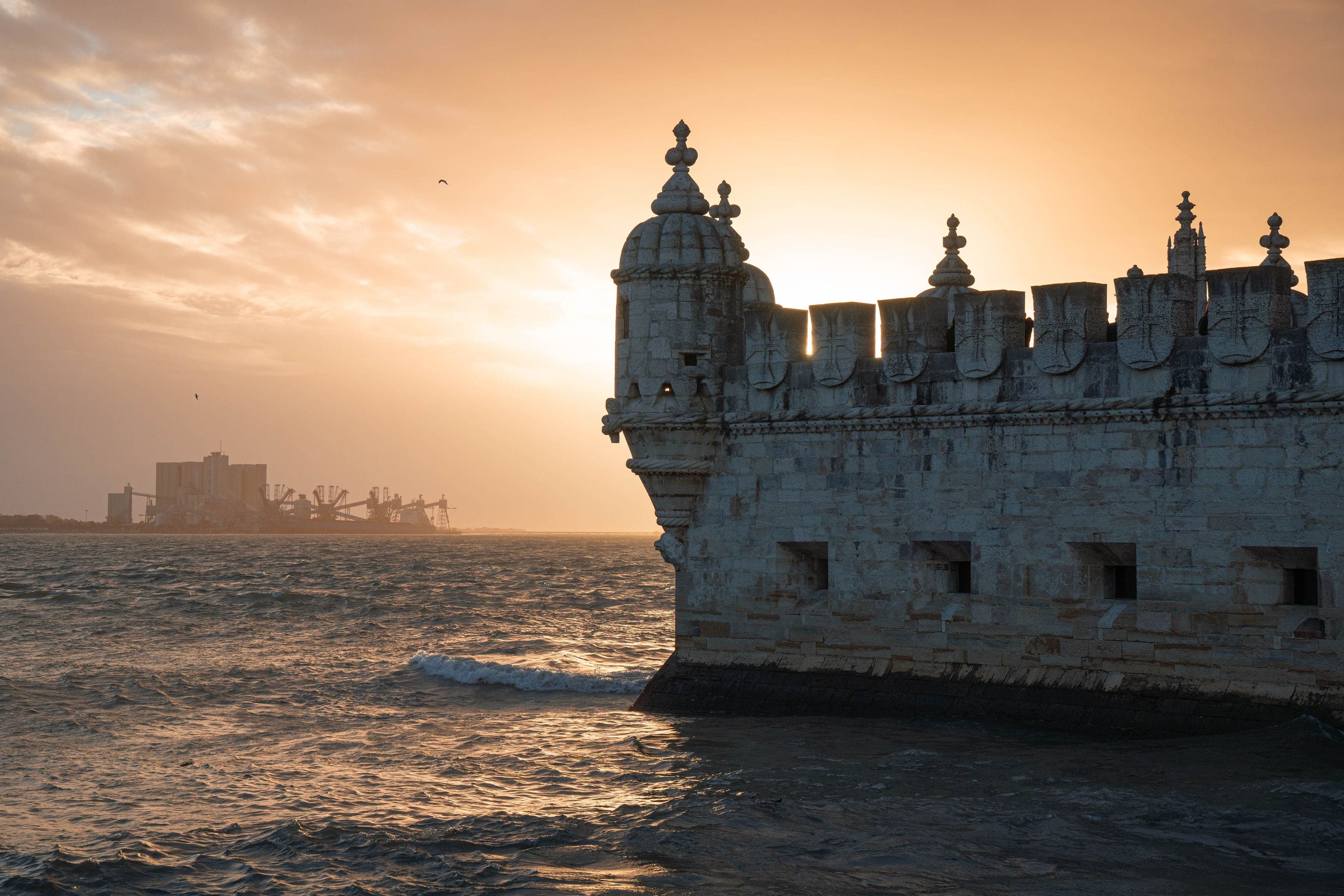
Torre de Belém: Once in the River
In 1880 Portugal wanted its hero in Belém, beside its poet. The monastery's pages record that transfer, and say that Gama's body rests in the tomb. With great ceremony, bones were lifted from the family vault and brought to Belém by train and river.
The account that follows
The monastery says nothing more. Two historians do, and they tell the same story. Sanjay Subrahmanyam, in his book on Gama's career and legend, and José Manuel Garcia, in an interview with the Diário de Notícias in March 2025, report the following.
- In 1884, researchers found documents that placed Gama on the other side of the chapel.
- It seemed the gravestones had been swapped.
- The coffin sent to Lisbon held at least eight thigh bones and two skulls.
- A second set of bones was moved, with much less ceremony, on 8 and 9 May 1898.
So the story told here rests on these two historians and not on a record we have opened ourselves. We have not read a primary source for the 1898 transfer. Even Subrahmanyam says that doubts remain, so we do not say the second set is certainly Gama, only that this is where the historians say it came from.
The stone is younger than the man
The tomb itself is neo-Manueline work by António Augusto da Costa Mota, finished in 1894. It was therefore built in the gap between the two transfers. The tomb and the poet's tomb opposite, also by Costa Mota, did not start out at the door. They first stood in the south arm of the church, and were moved to their present place around 1940, after the Comissão dos Descobrimentos objected in 1939 to where they stood. We have not found a date for when they were first placed in the transept chapel.
How to read the two versions together
The two accounts do not clash so much as stop at different points. The monastery's account ends in 1880 and says the body is here. The historians' account keeps going, to a second transfer in 1898, and says some doubt remains. If you want one sentence, it is this: the tomb is named for Gama, it was finished in 1894, and the question of exactly whose bones are inside it has been open since 1884.
See it
The tomb is in the church, which is free to enter, so no ticket is needed. It stands on the left as you walk in from the west door, in the low space under the choir. The church is a working parish church, so if a service is on, wait until it ends. Roamer's independent English audio guide to the Jerónimos tells this story at the tomb, and you can start with the Jerónimos Monastery guide or read the whole visit in the Jerónimos, space by space. Admission to the cloister is separate and the guide is not affiliated with the monastery. Camões's tomb across the aisle has its own doubt.
Cover: the long front of the Jerónimos beyond the gardens. Photograph by Lajos Kristóf Kántor, Pexels.
Frequently asked questions
- Is Vasco da Gama buried at the Jerónimos Monastery?
- The monastery says his body rests in the tomb on the left as you enter the church. Historians say the bones moved there in 1880 were the wrong ones and that a second set followed in May 1898. Subrahmanyam, whose account Garcia matches, says some doubt remains, so the safe answer is that the tomb is his and the bones inside it are not beyond question.
- Where is Vasco da Gama's tomb in the Jerónimos?
- Just inside the west door of the church, on the left under the monks' upper choir. Luís de Camões's tomb stands opposite, on the right. The church is free to enter. Both tombs stood in the south arm of the church before they were moved here around 1940.
- Who made Vasco da Gama's tomb?
- António Augusto da Costa Mota, in the neo-Manueline style. It was finished in 1894, which makes the stone far younger than the man.
- When did Vasco da Gama die?
- At Cochin on 24 December 1524. In 1538 his son took his bones home to Vidigueira, where Gama had been count.
Ready to experience it?
Belém: The Shore That Moved
100 min · 3.9 km · easy
More from Lisbon
Explore more at your own pace.
Best Architecture Walking Tours in Lisbon (2026)
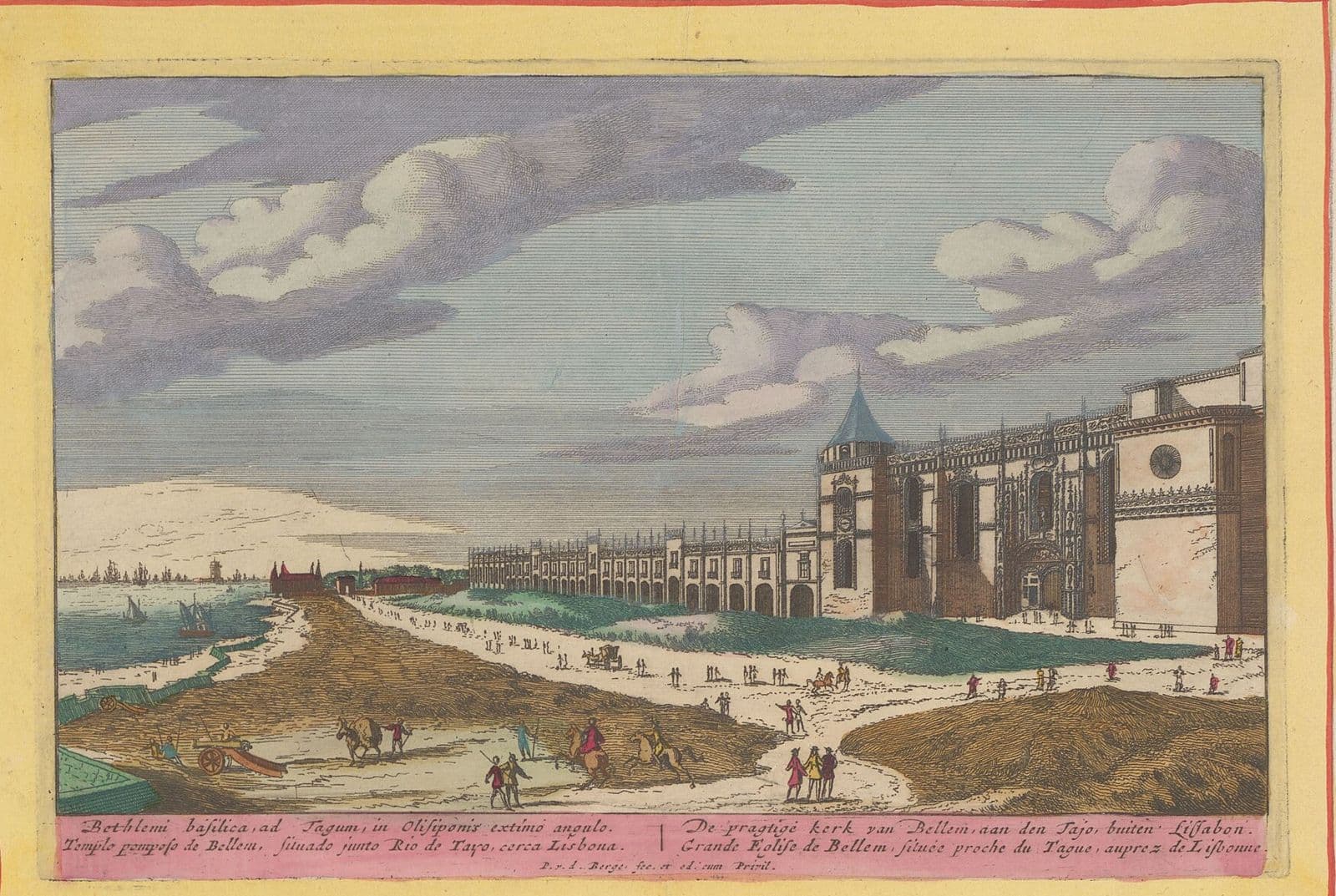
Camões's Tomb at the Jerónimos: The Poet and the Doubt
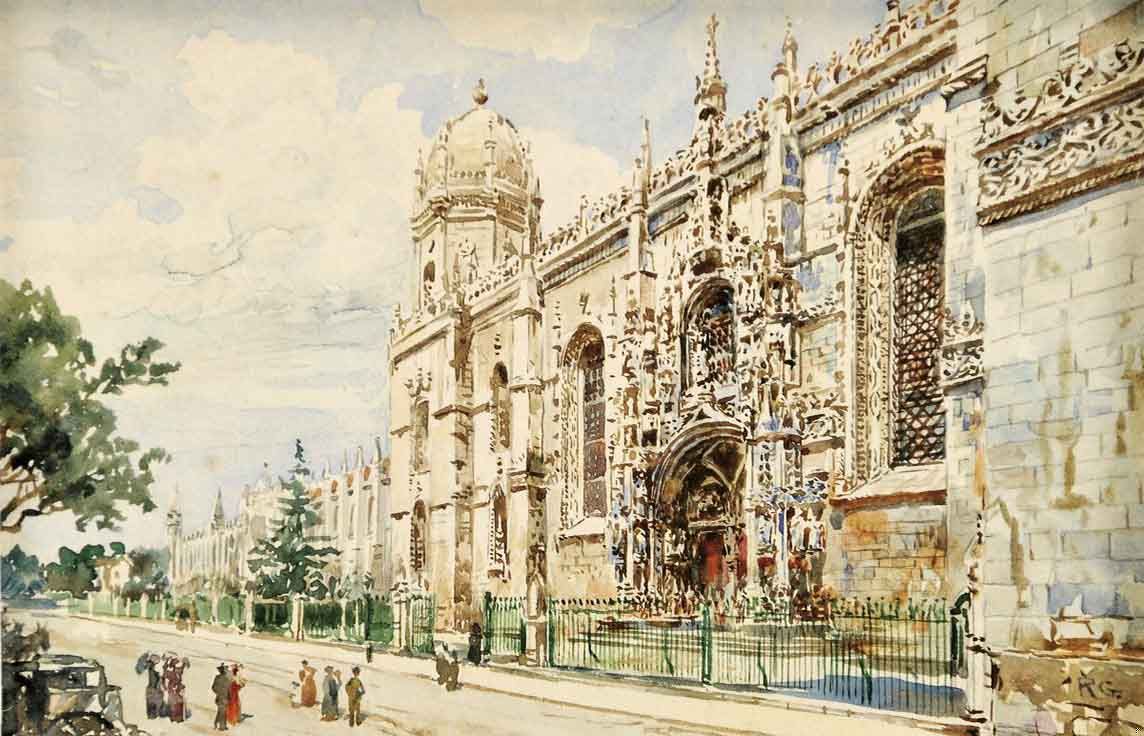
Real or Revival: How to Tell the Jerónimos of the 1500s from the 1800s
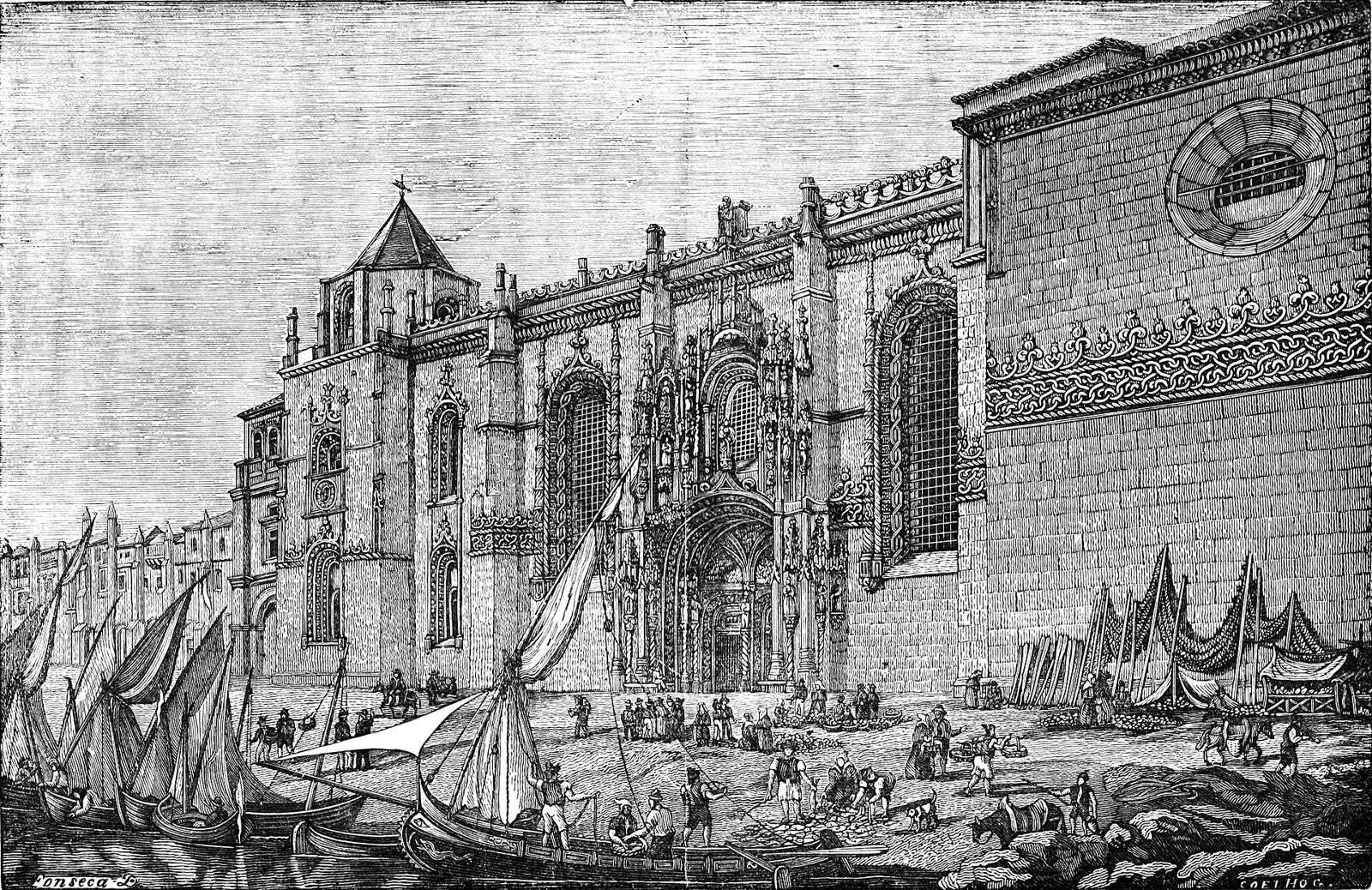
The Jerónimos Monastery in Lisbon: What to See, Space by Space
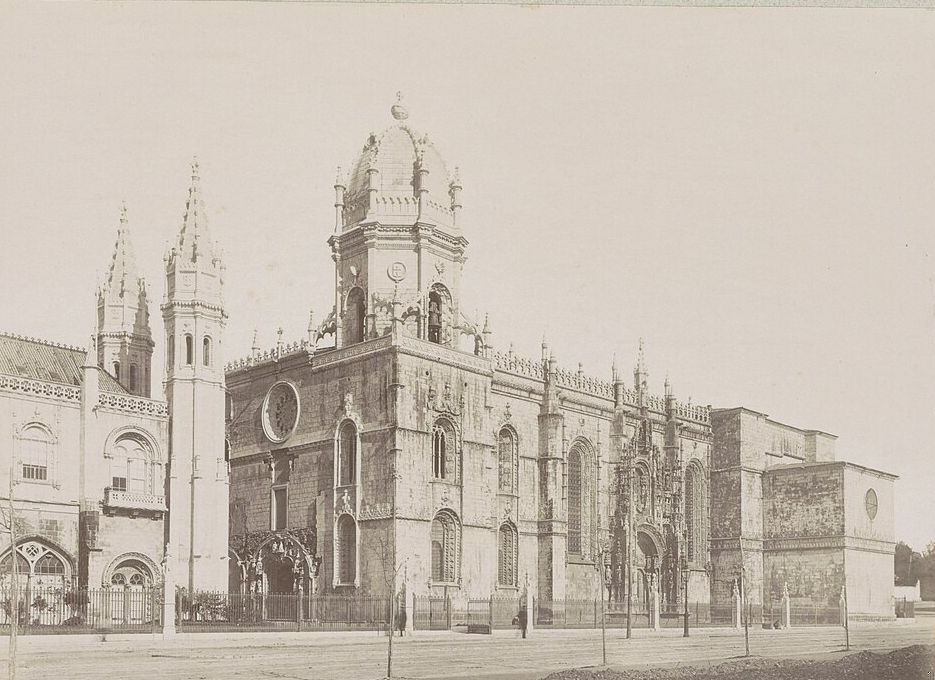
What the Jerónimos Cloister Carving Really Shows