The tomb of Luís de Camões in the Jerónimos was finished in 1894 by Costa Mota, a neo-Manueline tomb with a recumbent figure and a quill, a book and a harp. The monastery says it holds the poet's bones, brought to the church for the 300th anniversary in 1880. But Camões died in Lisbon in 1580 and was most likely buried in the church of Santana, nobody knows where. After 1755, rebuilding there lifted every grave, and a mid 19th century commission could not separate his bones from the others. Vítor Aguiar e Silva, coordinator of the Camões dictionary, said in 2011 that the bones are, with great probability, not his.
Luís de Camões wrote The Lusiads, the poem that made Vasco da Gama's voyage the national epic. So his tomb stands opposite Gama's, just inside the west door of the Jerónimos church. Look for a quill, a book and a harp on the stone, and for the recumbent figure lying on top. They stand for the poet. Whether the poet is under them is another matter.
The tomb
It is a neo-Manueline tomb by António Augusto da Costa Mota, finished in 1894, like Gama's. It stands on the right as you walk in, in the low space under the monks' upper choir, beside the baptismal chapel. The two tombs were not made for this spot. They first stood in the south arm of the church, and were moved to the door around 1940, after objections in 1939 from the Comissão dos Descobrimentos, according to the study by Lopes.
The monastery says it holds Camões's bones and that they were brought to the church for the 300th anniversary of his death, in 1880.
Where he was first buried
Hear a stop from this walk
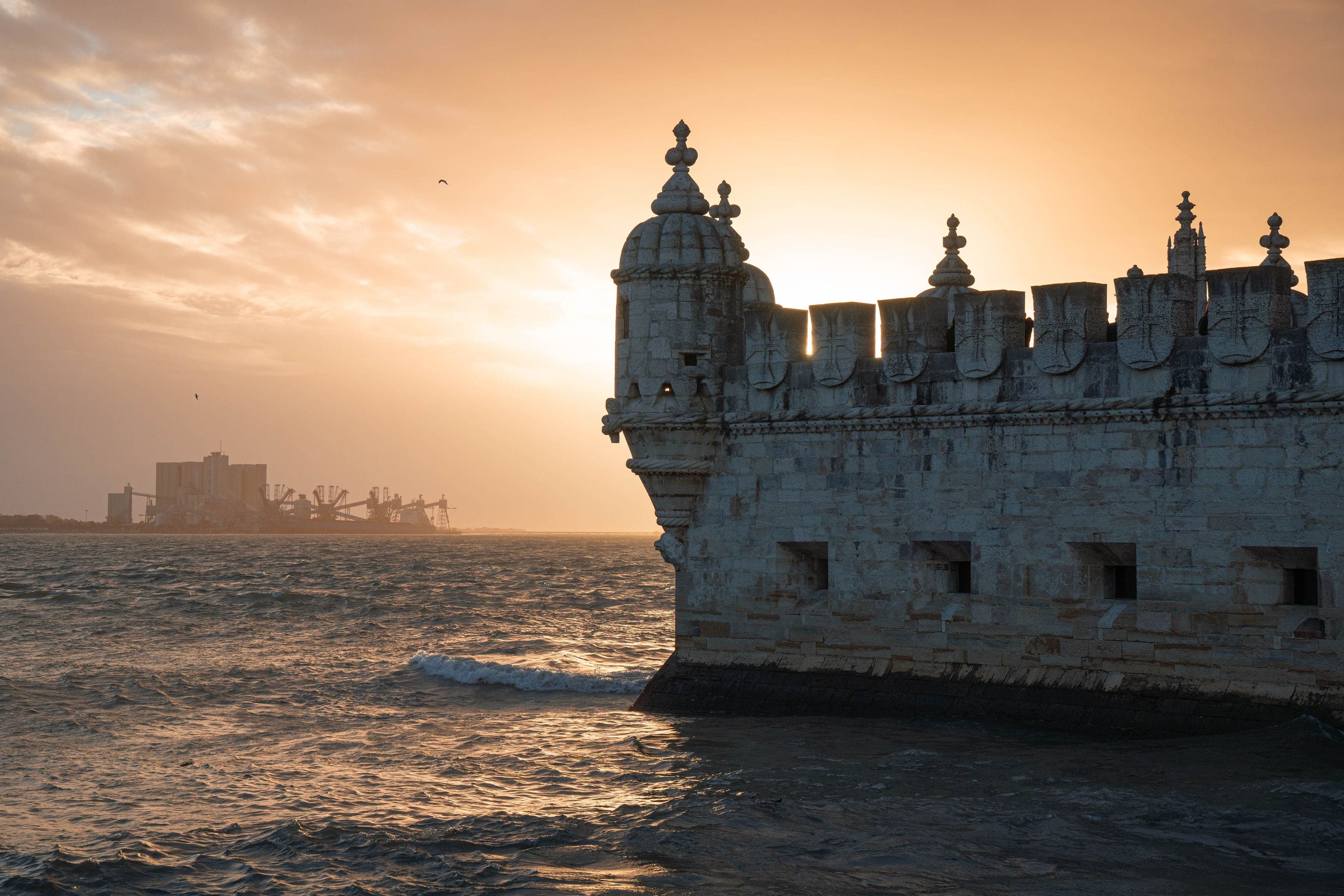
Torre de Belém: Once in the River
Camões died in Lisbon in 1580. He was most likely buried at the church of Santana, as the scholar Aguiar e Silva admits, though nobody knows exactly where in it. After the earthquake of 1755, rebuilding forced every grave there to be lifted. A commission led by the Visconde de Juromenha, in the middle of the 19th century, searched the remains. Its report line, as Aguiar e Silva quotes it, runs roughly: the bones were without doubt those of Luís de Camões, but which ones? In other words, it found bones it thought included his and could not separate them from the others.
The bones from that search are the ones that came to the Jerónimos in 1880, three hundred years after his death.
The doubt, in two voices
Two people have spoken about it on record, both quoted by Correio da Manhã in 2011.
- Vítor Aguiar e Silva, coordinator of the Dicionário de Camões, said that, with great probability, the bones kept in the mausoleum at the Jerónimos are not Camões's.
- Gonçalo Couceiro, then director of the heritage agency IGESPAR, called it an old doubt that has always been there, though it takes nothing from the tomb's symbolic value.
Both are journalism quoting specialists, and that is the only source we opened. We found no forensic study of the bones, and nothing here says they have been tested.
What the tomb is for
Taken together, the account is a gentle one. The monastery stands by its tomb. The scholar of his work doubts the bones. The heritage chief says the doubt is old and the monument still means what it means. A fair way to read it: perhaps the poet is not here, but his poem certainly is, and his tomb faces the tomb of the man he wrote about.
Gama's tomb has a doubt of its own, a swapped gravestone and a second set of bones.
See it
The tomb is in the church, which is free to enter, so no ticket is needed. It is a working parish church, so if a service is on, wait until it ends. Roamer's independent English audio guide tells this story at the tomb, in the Jerónimos Monastery guide. For the whole visit, read the Jerónimos, space by space. The guide is not affiliated with the monastery, and admission to the cloister is separate.
Cover: the church and tower of the Jerónimos behind the gardens. Photograph by Mateus Castro, Pexels.
Frequently asked questions
- Is Camões buried in the Jerónimos Monastery?
- The monastery says his bones lie in the tomb on the right as you enter the church. A leading Camões scholar said in 2011 that, with great probability, they are not his. A former head of the heritage service, Gonçalo Couceiro, called it an old doubt that takes nothing from the tomb's symbolic value. We found no forensic study of the bones.
- Where was Camões originally buried?
- He died in Lisbon in 1580 and was most likely buried at the church of Santana. The exact spot is unknown. Rebuilding after the earthquake of 1755 forced all the graves there to be lifted.
- What do the quill, book and harp on Camões's tomb mean?
- They stand for his life as a poet. The monastery's own pages on Google Arts and Culture point them out. A recumbent stone figure of the poet lies on top.
- Who wrote The Lusiads?
- Luís de Camões. It is the poem that made Vasco da Gama's voyage the national epic, which is why the two tombs face each other at the church door.
Ready to experience it?
Belém: The Shore That Moved
100 min · 3.9 km · easy
More from Lisbon
Explore more at your own pace.
Best Architecture Walking Tours in Lisbon (2026)
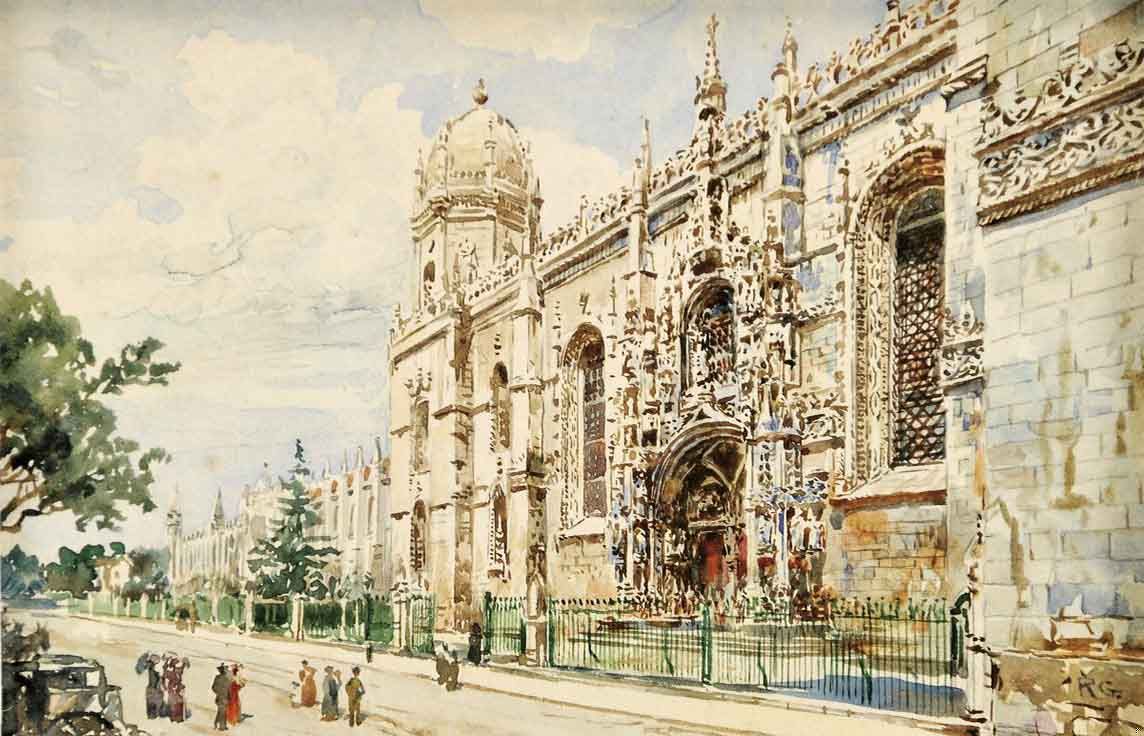
Real or Revival: How to Tell the Jerónimos of the 1500s from the 1800s
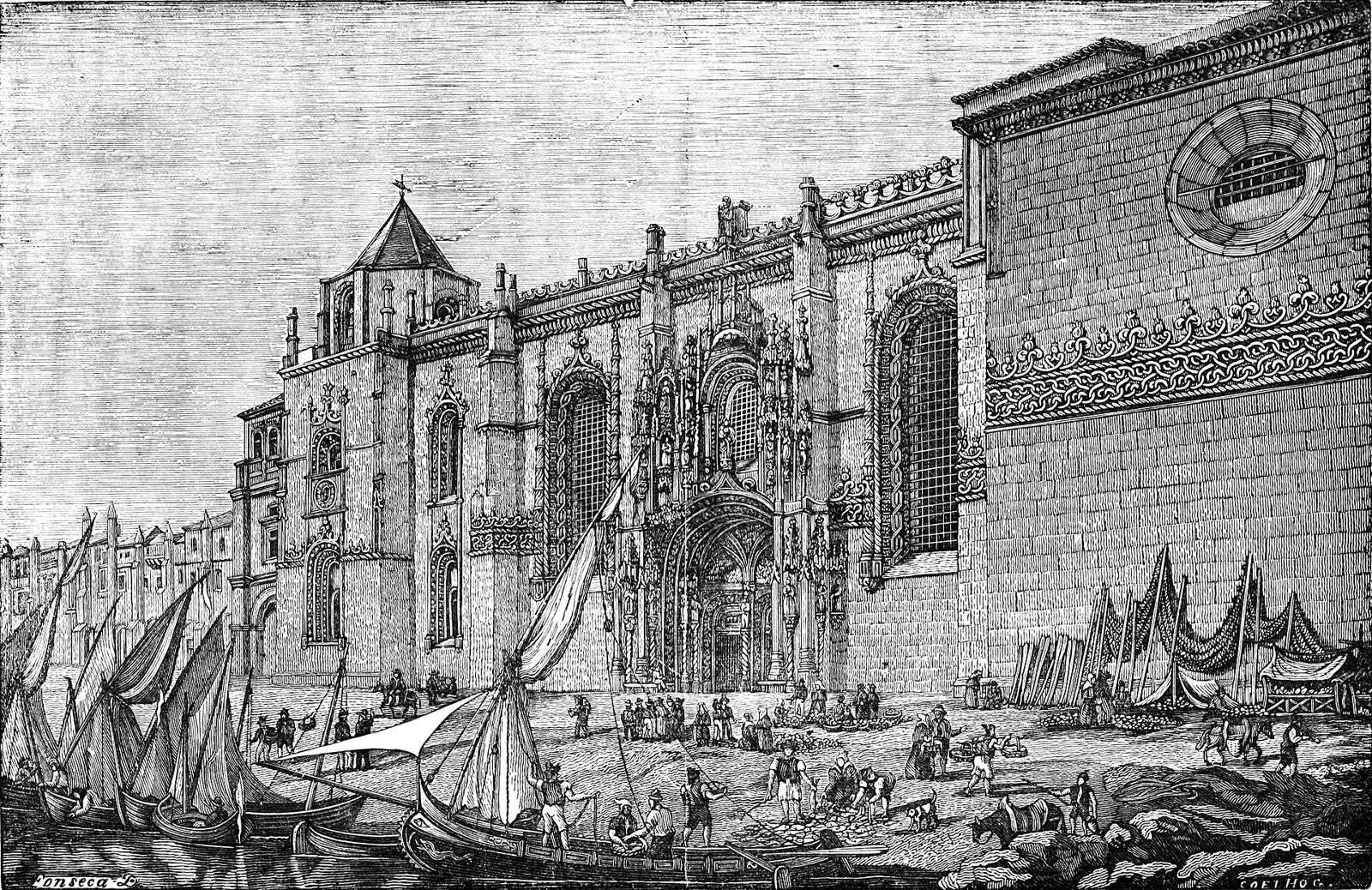
The Jerónimos Monastery in Lisbon: What to See, Space by Space
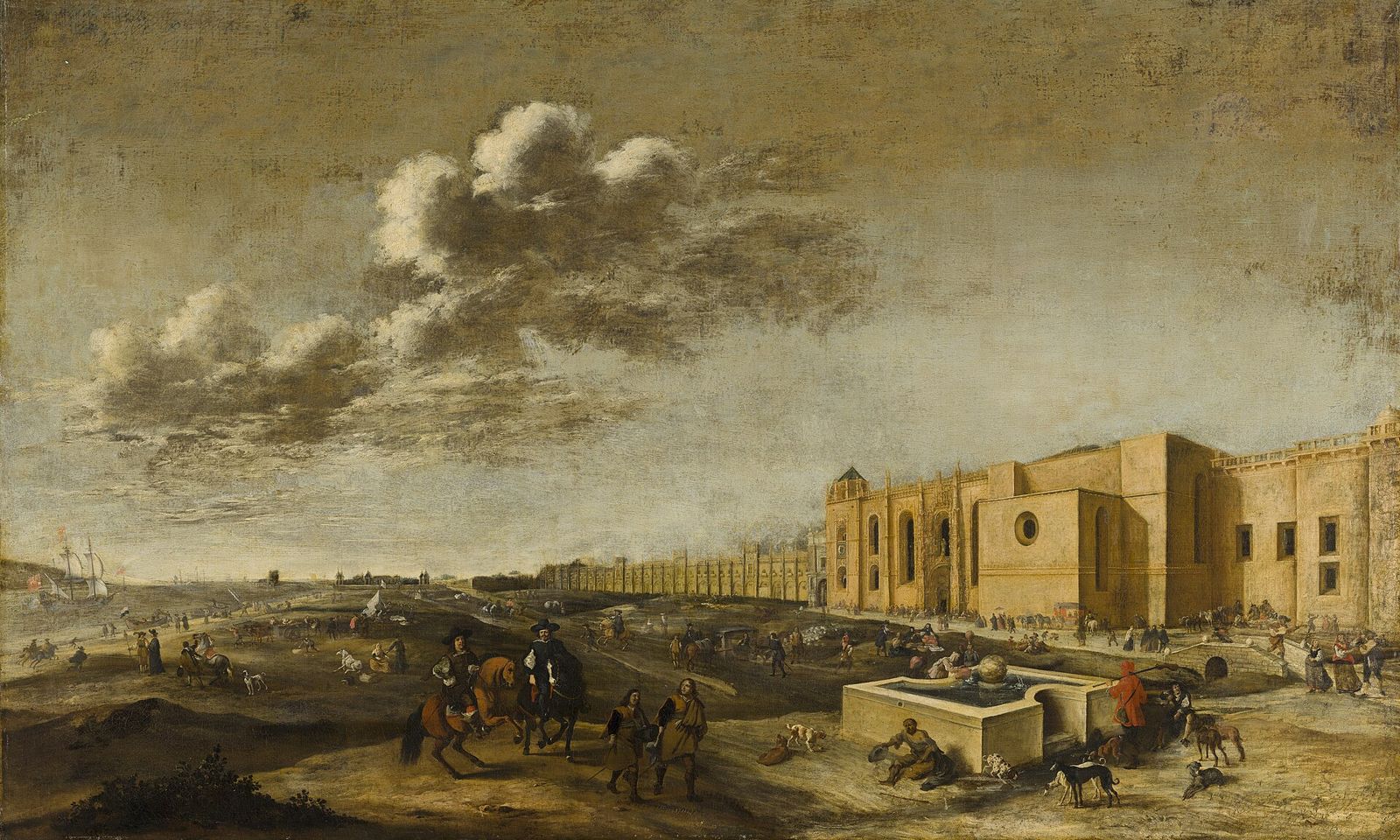
Vasco da Gama's Tomb at the Jerónimos: Whose Bones Are Inside?
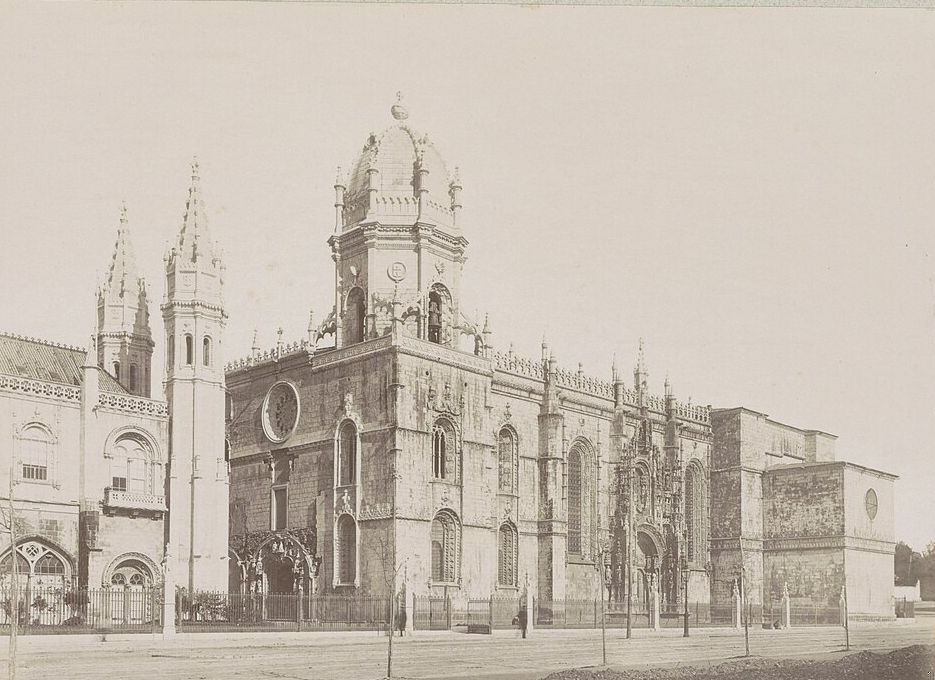
What the Jerónimos Cloister Carving Really Shows