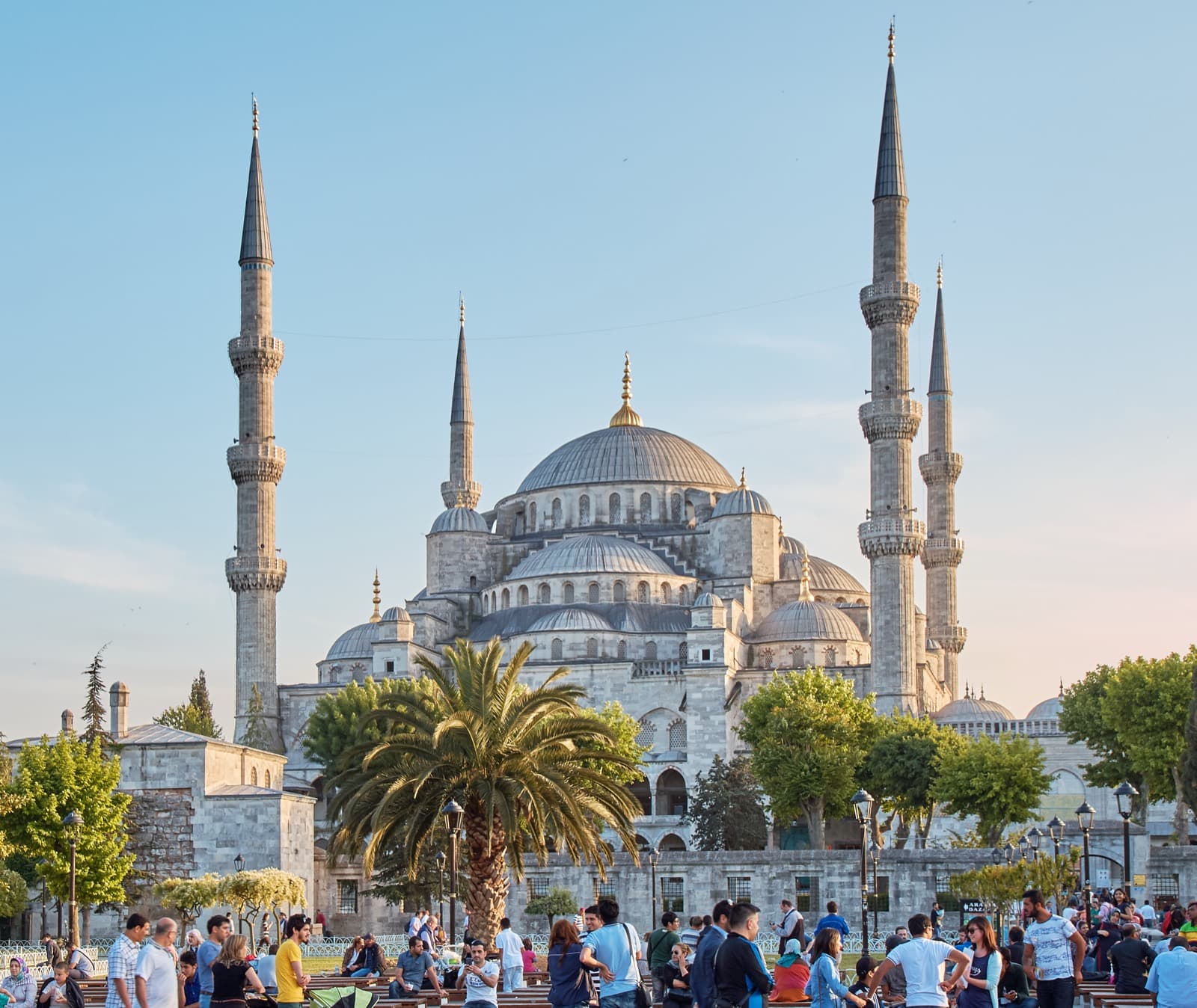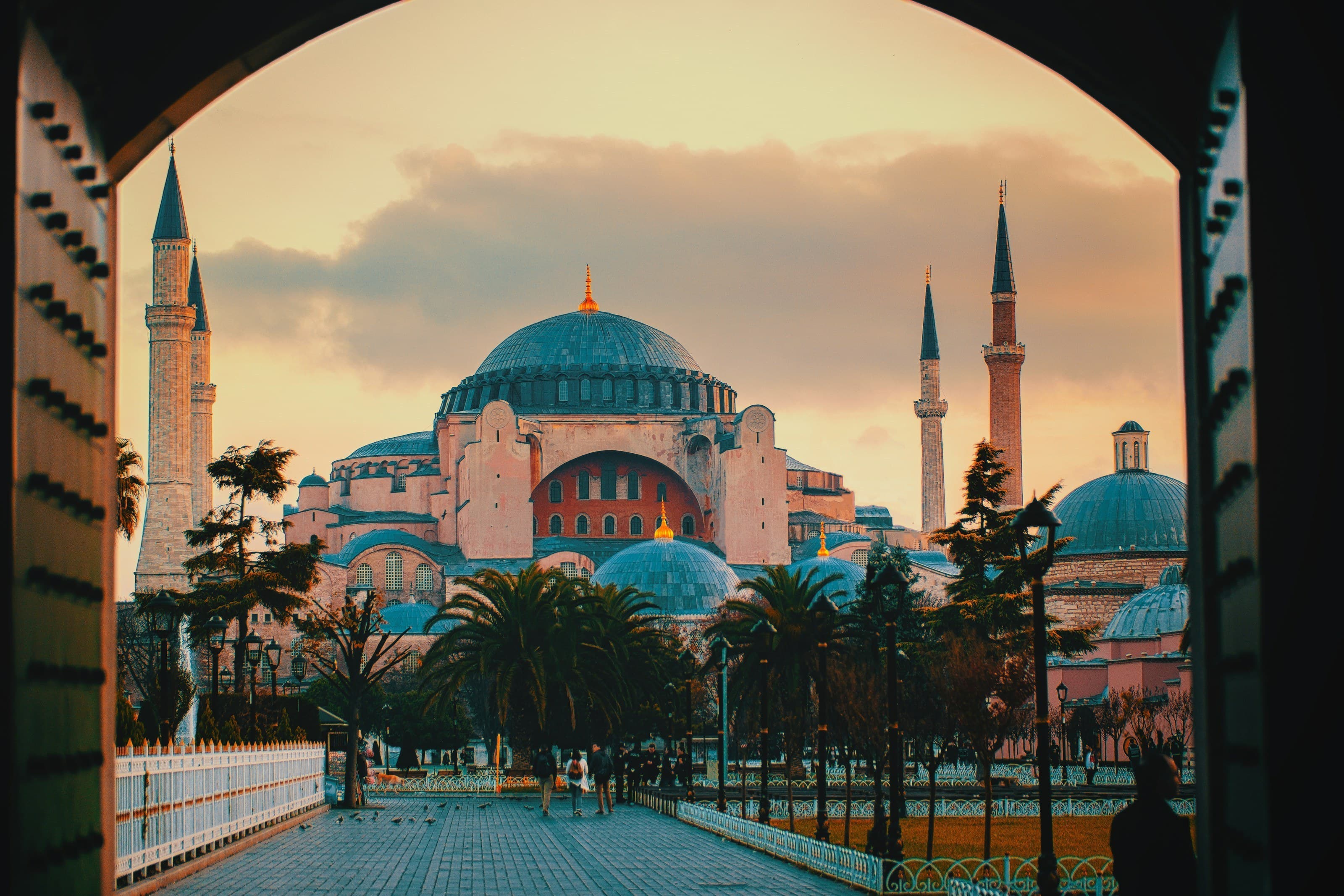
Hagia Sophia and the Blue Mosque: The Peninsula of Empires
90 min · 2.3 km · moderate
Istanbul rewards a slow walk more than a checklist, and most travelers can cover its old core comfortably in three to four days on foot plus a rechargeable transit card. Plan around the walkable historic peninsula, ride the T1 tram and the ferries when you want to cross water, come in spring or autumn if you can, and treat the well-known scams as a known quantity rather than a reason to worry. This guide answers the practical questions (how long, how to get around, when to come, whether it is safe, and roughly what it costs) so you can spend your energy on the city instead of the logistics.
How many days do you need?
Three days covers the essentials without rushing if you are selective. Four days is the comfortable version, and it opens room for the Asian side, a longer Bosphorus ferry, and neighborhoods past the tourist core. Two days is the honest minimum, and it will feel tight.
Here is a way to think about it that maps onto how the city is actually built. The old peninsula holds two dense clusters and a third across the water:
- Sultanahmet, the imperial headland, where Hagia Sophia, the Blue Mosque, the Basilica Cistern, and Topkapi Palace sit within a short walk of each other. Our Peninsula of Empires walk threads these as one layered story rather than four separate tickets.
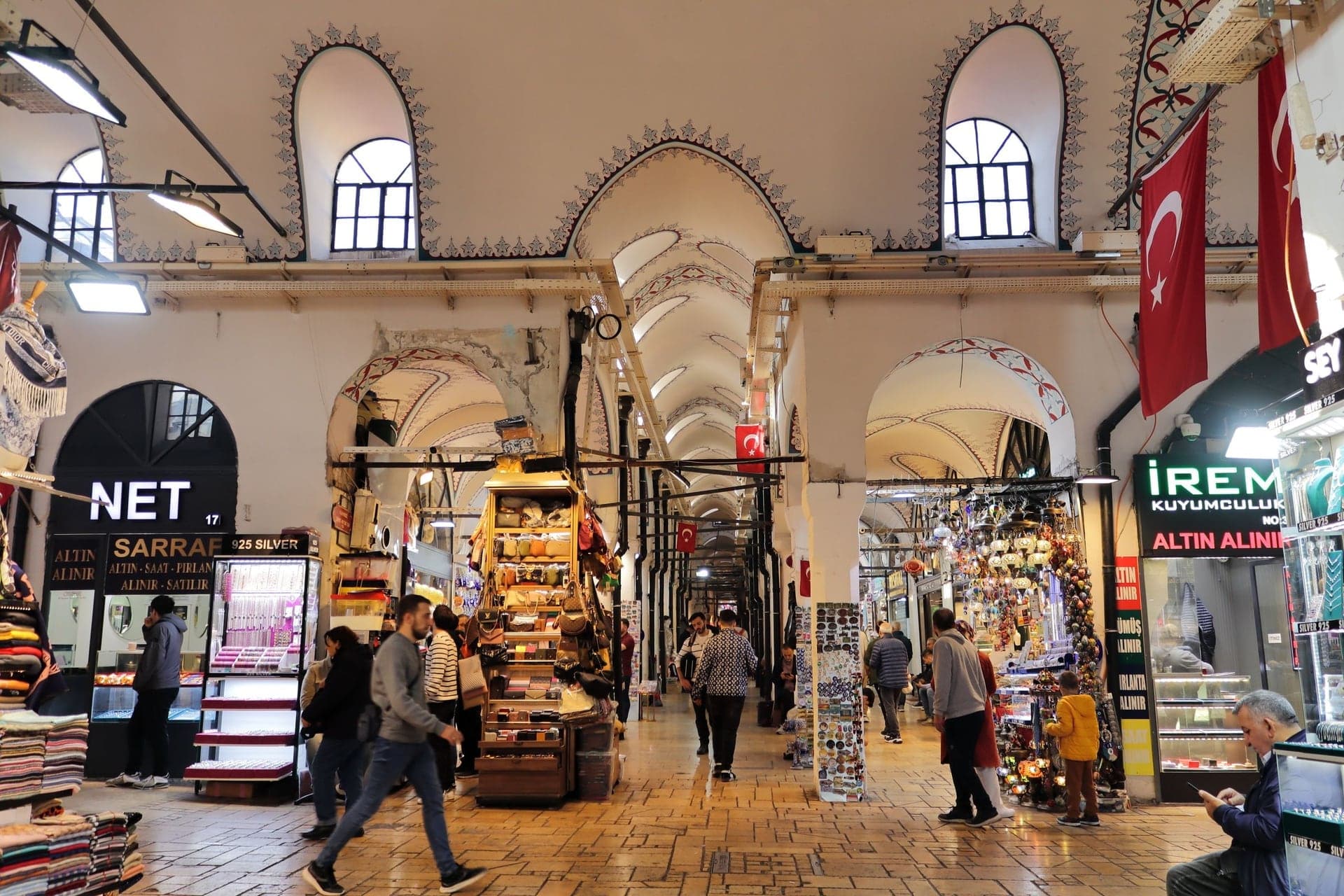
- The commercial spine downhill from the Grand Bazaar to the Spice Bazaar and the Eminonu waterfront, a covered-market-to-quayside descent.
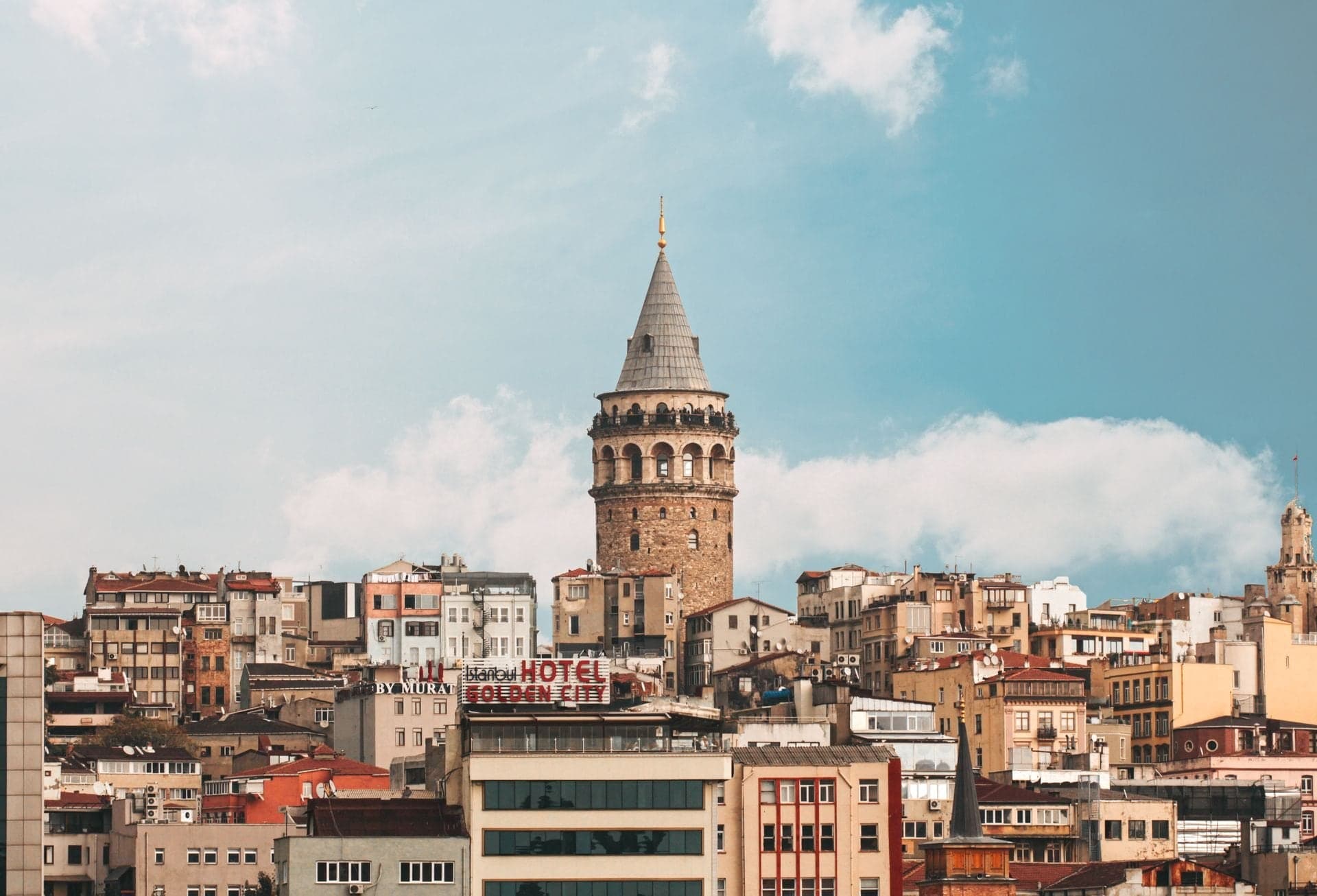
- Galata and Beyoglu across the Golden Horn, the European, merchant, and banking side of the city that faced west, climbing from the Galata Bridge past the Galata Tower and up Istiklal to Taksim.
Give each cluster roughly a half to a full day and you have your three-day frame. A fourth day buys you the Asian shore at Kadikoy, a slower ferry, or simply time to sit. These are the three self-guided audio walks Roamer builds the city around, and you can see them all in the Istanbul walking tours hub.
How to get around
Hear a stop from this walk
Little Hagia Sophia: The Empress on the Cornice
Buy an Istanbulkart first, then walk. The card is a single rechargeable transit card that works on the tram, metro, buses, ferries, funiculars, and the Marmaray rail tunnel under the Bosphorus. You buy it from a yellow or blue machine at the airport, any metro station, or a tram stop, load some balance, and tap on. In 2026 the blank card costs a fixed fee (around 165 lira) and a single ride runs roughly 42 lira, with ferries a little more. Tapping the same card for everyone in your group is fine.
The one line most visitors lean on is the T1 tram. It runs along the historic peninsula and links nearly everything in this guide: Sultanahmet, Cemberlitas (by the Grand Bazaar), Eminonu on the water, and Kabatas at the Bosphorus edge, with trams every few minutes from about 06:00 to midnight. Across the Golden Horn, the short Tunel funicular climbs from the Karakoy waterfront up to the top of the Galata hill, and it is itself one of the oldest underground urban railways anywhere, opened in 1875; the Galata and Beyoglu walk climbs the same hill on foot and passes its top station. From Kabatas, a separate funicular runs up to Taksim.
Distances inside each cluster are genuinely walkable. The Sultanahmet walk is about two and a quarter kilometres, the bazaar-to-waterfront descent about three and a half, and the Galata and Beyoglu climb about two and a half. Wear real shoes, because the peninsula is cobbled and hilly and the market lanes are steep.
For the airport, the newer Istanbul Airport (IST) on the European side connects to the city on the M11 metro at a standard transit fare (around 42 lira in 2026), or on a Havaist airport bus to Taksim or Sultanahmet for a few hundred lira. Sabiha Gokcen (SAW) sits on the Asian side and is a longer haul in. For taxis, use a metered app such as BiTaksi, InDriver, or Uber rather than flagging an unmarked car.
When to visit
Come in spring (April to May) or autumn (September to October). These shoulder seasons give you the best combination the city offers: daytime temperatures roughly in the 15 to 25 degree Celsius range, softer light, fewer crowds inside the monuments, and more reasonable hotel prices. May is a particular sweet spot, with warm days, low rain, and the tulip displays fading through the parks.
Summer (June to August) is hot, humid, and busy, with hotel occupancy and prices climbing well above shoulder-season rates. Winter (November to March) is quiet and can be genuinely cold and grey, though the domes under a low sky have their own mood and the queues thin out. One scheduling note that matters for any plan: most of the major mosques on these walks are working houses of prayer, so they close to visitors during the five daily prayer times and for longer around midday Friday congregational prayer. Build a little slack around those windows.
An honest word on safety
Istanbul is safe for tourists in the ordinary big-city sense. Turkey's largest city takes in more than twenty million international visitors a year, and the great majority travel without incident. Sultanahmet in particular is the most heavily policed part of the city and comfortable to walk day or night. Treat it the way you would treat central Paris, Rome, or Barcelona: mind your pockets in crowds, keep your bag zipped on packed trams, and you will almost certainly be fine.
The real friction is not violence, it is a handful of well-rehearsed scams, and knowing them defuses them:
- The shoe-shine drop. A man walking ahead of you near the Galata Bridge or Istiklal Avenue lets a brush fall. You helpfully return it, he insists on a free polish, and then presents a bill. Just keep walking.
- The carpet-shop pipeline. Around the Blue Mosque and Hagia Sophia, a friendly stranger opens with "Where are you from?" and eases you toward tea and a long, choreographed sales session where the price theatrically drops. Polite disinterest ends it.
- The basement-bar setup. Near Taksim and Istiklal, an unsolicited invitation to a "local bar" can end in an enormous bill, and it most often targets solo travelers at night. Decline invitations from strangers to venues you did not choose.
The pattern is the same each time: the approach is unsolicited, and a firm, friendly refusal without stopping works. A self-guided walk actually helps here, because you already know where you are going and are not depending on a stranger to show you.
What it costs
Istanbul spans a wide budget range. A rough mid-range figure lands somewhere around 100 to 180 euros per person per day including a mid-range hotel, meals, local transport, and a couple of paid attractions, and you can go well under that with simpler lodging and street food.
The single biggest variable is which interiors you pay to enter, and the good news is that a lot of the city is free. Every imperial mosque on these routes (the Blue Mosque, Suleymaniye, Rustem Pasha, the New Mosque, Nuruosmaniye) is free to enter as a working mosque, as are the Grand Bazaar, the Spice Bazaar, the Hippodrome square, and the street monuments along the old processional way. The paid tickets are the museum-grade sites: the Basilica Cistern (open daily into the evening), Topkapi Palace (the palace, the Harem, and Hagia Irene sold separately or as one combined ticket), and the Galata Tower observation deck. Hagia Sophia is its own case: since January 2024 foreign visitors pay a set fee (25 euros when it was introduced) to see the interior from the upper gallery, the tourist route past its Byzantine mosaics, while the ground floor stays reserved for worship. Prices in lira move with inflation, so treat any lira figure here as approximate and check the official site before you go.
Two habits keep costs sane. Carry small cash for mosque donation boxes, ferry snacks, and market tea, and load your Istanbulkart once rather than buying single tokens. Then the city is mostly yours to walk, at your own pace, which is the whole point.
Sources
- Hagia Sophia Visitor Guide 2026, Istanbul Tourist Information
- Public Transportation Fares in Istanbul 2026, Bilet.com
- Istanbul Tram T1 Line Map and Stations 2026, IstanbulClues
- Is Istanbul Safe for Tourists? Honest Safety Tips 2026, All Istanbul Tours
- Best Time to Visit Istanbul 2026, Travellers Worldwide
Frequently asked questions
- How many days do you need in Istanbul?
- Three days covers the essential historic core if you are selective, and four days is the comfortable version with room for the Asian side and neighborhoods beyond Sultanahmet. Two days is the honest minimum and will feel tight. The old peninsula splits into a Sultanahmet cluster, a Grand Bazaar to Eminonu descent, and Galata and Beyoglu across the Golden Horn, so budgeting roughly half a day to a full day per cluster gives you a workable frame.
- What is the best way to get around Istanbul?
- Buy an Istanbulkart, a single rechargeable card that works on the tram, metro, buses, ferries, funiculars, and the Marmaray tunnel. In 2026 the blank card costs a fixed fee around 165 lira and a single ride runs roughly 42 lira. The T1 tram is the workhorse line, connecting Sultanahmet, the Grand Bazaar area, Eminonu, and Kabatas every few minutes from early morning to midnight.
- When is the best time to visit Istanbul?
- Spring (April to May) and autumn (September to October) are the best windows, with daytime temperatures roughly 15 to 25 degrees Celsius, thinner crowds inside the monuments, and more reasonable hotel prices. Summer is hot, humid, and expensive, while winter is quiet, cold, and grey. Note that working mosques close to visitors during the five daily prayer times and around midday Friday prayer.
- Is Istanbul safe for tourists?
- Yes, in the ordinary big-city sense. Istanbul takes in over twenty million international visitors a year and most travel without incident, and Sultanahmet is the most heavily policed part of the city. The main friction is a handful of well-known scams, including the shoe-shine drop near the Galata Bridge, the carpet-shop approach that opens with where are you from near the Blue Mosque, and the basement-bar drink setup near Taksim. A firm, friendly refusal without stopping ends all of them.
- How much does Hagia Sophia cost to visit in 2026?
- Since 15 January 2024 foreign visitors have paid a set fee, 25 euros when it was introduced, to see Hagia Sophia from the upper gallery, which is the tourist route and takes in the Byzantine mosaics; the ground floor is reserved for worship. Check the current price before you go. It closes to visitors during Friday congregational prayer. Many other major sites, including the Blue Mosque, Suleymaniye, the Grand Bazaar, and the Spice Bazaar, are free.
- What is a realistic daily budget for Istanbul?
- A mid-range figure is roughly 100 to 180 euros per person per day including a mid-range hotel, meals, local transport, and a couple of paid attractions, and you can go well under that with simpler lodging and street food. The biggest variable is paid interiors such as the Basilica Cistern, Topkapi Palace, and the Galata Tower deck, since most mosques and both bazaars are free. Lira prices move with inflation, so check official sites before you go.
Ready to experience it?
Hagia Sophia and the Blue Mosque: The Peninsula of Empires
90 min · 2.3 km · moderate
More from Istanbul
Explore more at your own pace.
Istanbul: A City Written and Rewritten by Empires
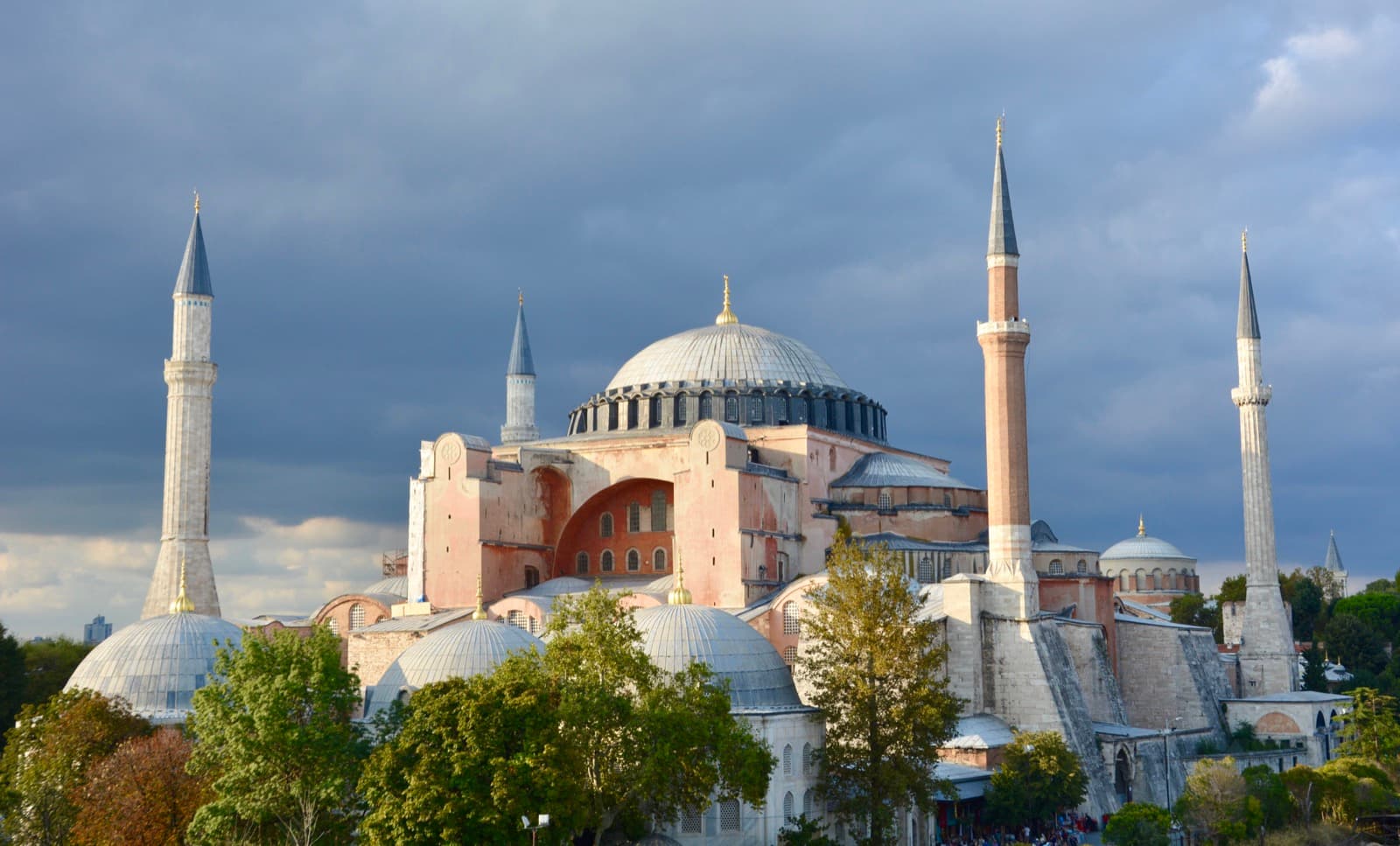
Hagia Sophia's Four Lives: How One Building Teaches You to Read Istanbul
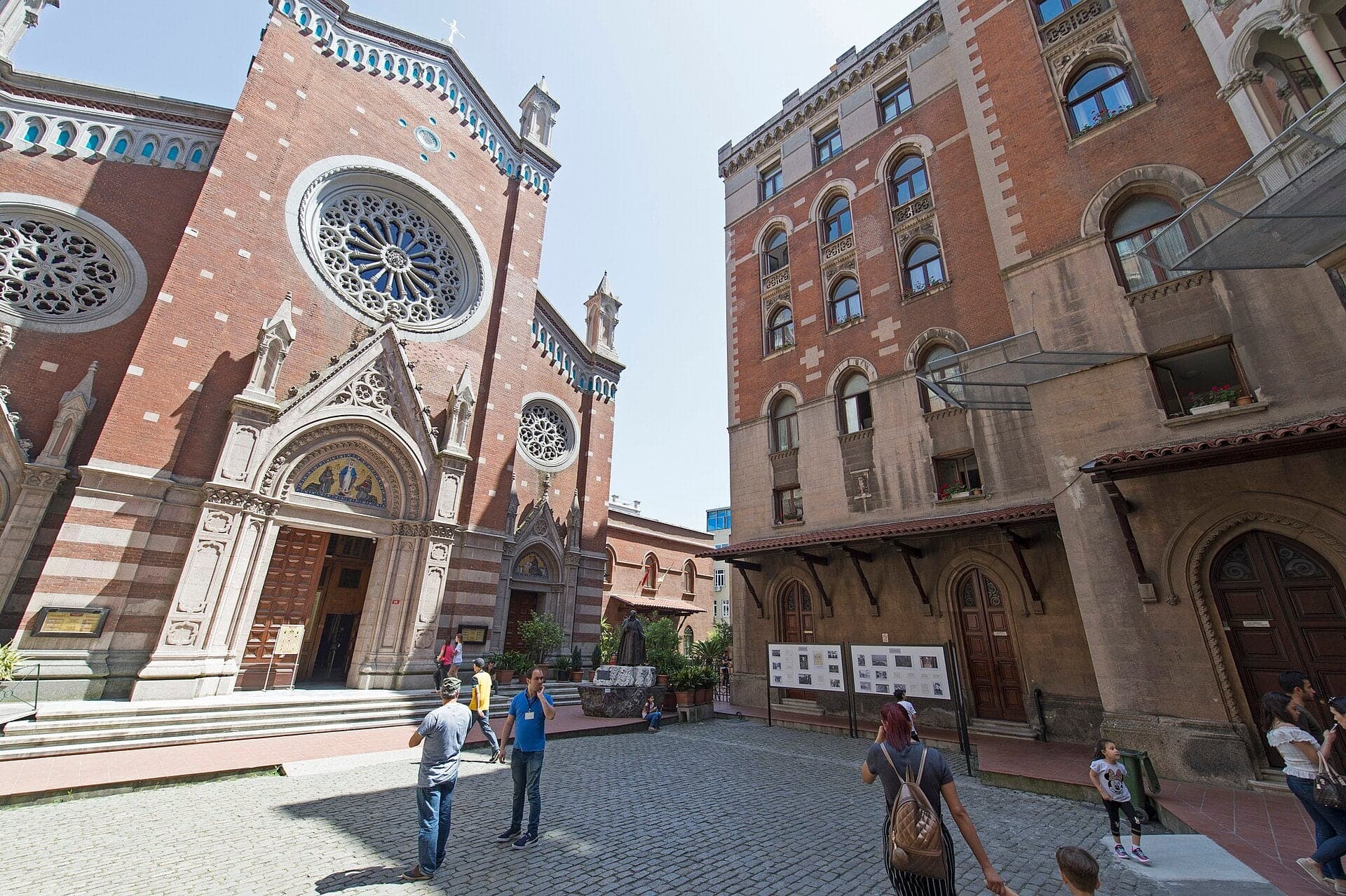
Saint Anthony of Padua and the Plural City of Galata and Pera
The Grand Bazaar Is an Engine: How Istanbul's Market Paid for Its Domes
Galata Tower: The Watchtower of a Foreign City Inside Istanbul