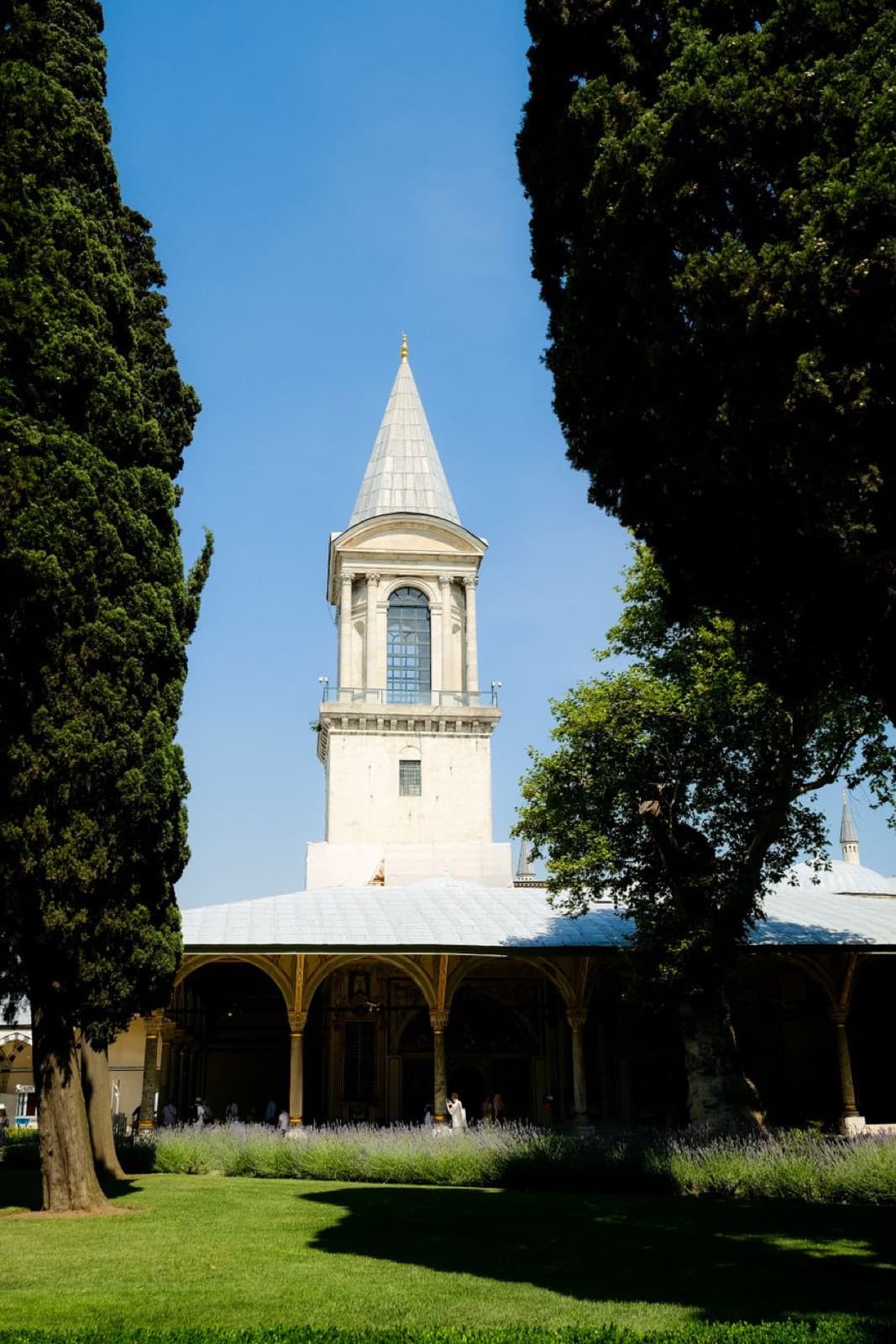
The Topkapi Harem is the private quarter of the Ottoman sultans' palace in Istanbul, entered from the Second Court beside the Tower of Justice. It held the sultan's family and household: the Queen Mother, the consorts, concubines, princes and the Black Eunuchs who guarded it. Its plan took shape in about ten years of building under Murad the Third, in the late 1500s. The palace's combined ticket includes it.
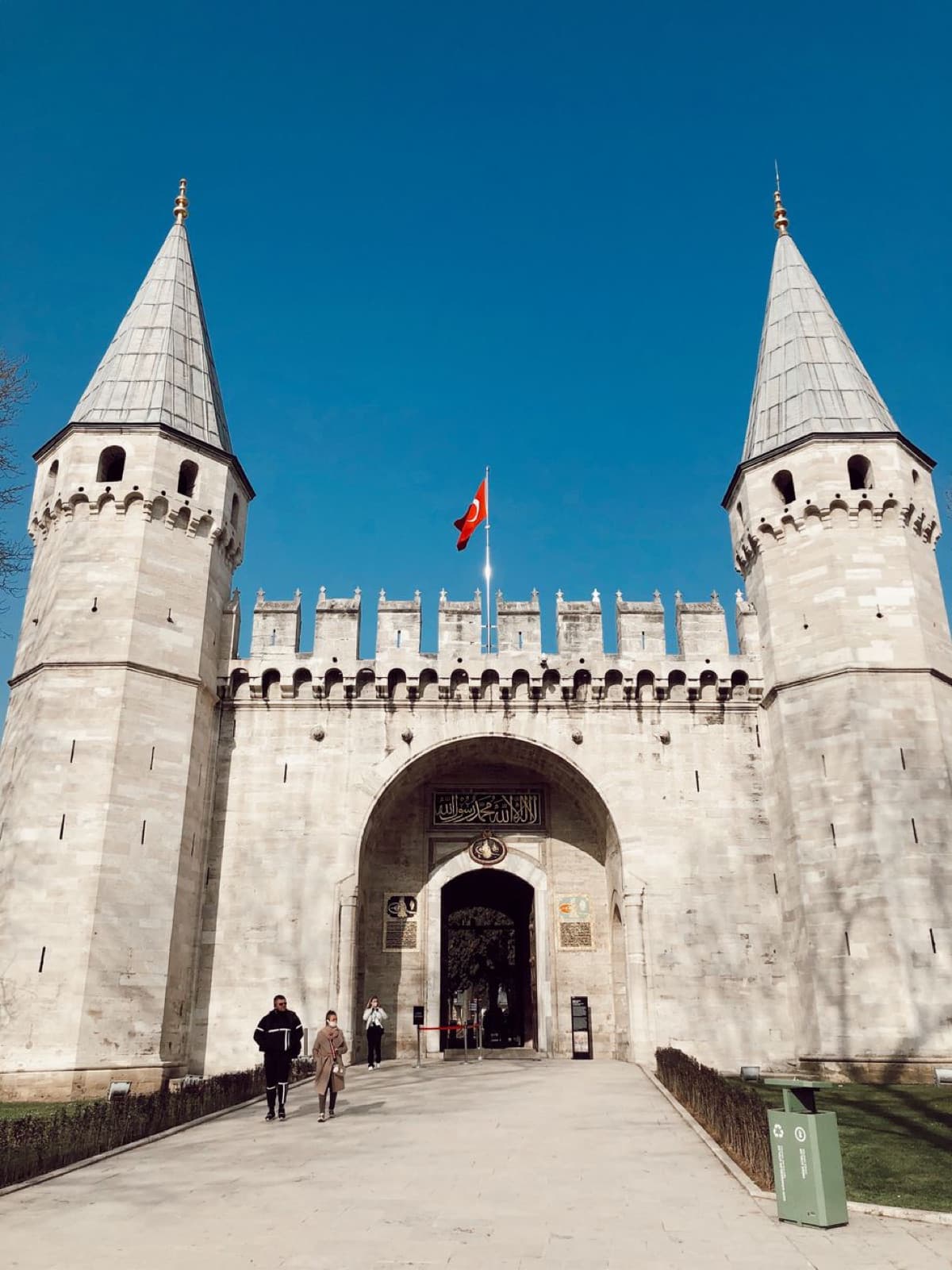
If you are asking where the Harem is: its gate is in the Second Court of Topkapi Palace, beside the Tower of Justice, and its rooms run along the left side of the Second and Third Courts. If you are asking whether it is worth it: it is the part of the palace where the sultans actually lived, and since 2020 a run of restorations has reopened rooms that were shut for years.
The word harem means a protected place, closed to outsiders. Everything behind the gate belonged to the sultan's private household: a family, a school and a staff.
It was not always here
For its first decades the palace Mehmed the Second built on this hill was mainly a palace of government. The sultans' women lived at the Old Palace in the middle of the city. By the account of the traveller Evliya Çelebi, the household moved here after a fire at the Old Palace in 1541, and Hürrem Sultan, the wife of Suleiman the Magnificent, is the first sultan's consort known to have lived here for good.
The great change came under Murad the Third, in about ten years of building. New apartments for the consorts, for the Queen Mother and for the sultan closed the open sides of the old courtyards, and by the end the Queen Mother and the senior members of the dynasty lived here. The inscription over the Carriage Gate, from the late 1580s, records the enlargement. Then in 1665 a fire swept the Harem. The best reading of its history is that the plan survived and the decoration was renewed, and in the 1700s later sultans redecorated again in the rococo taste. That is why the Harem reads in layers.
The gatekeepers
Hear a stop from this walk
Little Hagia Sophia: The Empress on the Cornice
Through the Carriage Gate the women of the household came home from the summer palaces on the water, and a new Queen Mother entered after her son took the throne. The long paved courtyard beyond belonged to the Black Eunuchs, who controlled every door into the Harem. Their three-storey dormitory, rebuilt after the fire of 1665, opened to visitors for the first time in August 2025 after about ten years of restoration. It worked like a school with a ladder: newcomers slept on the upper floors and moved down as they gained seniority. At the top stood the Chief Black Eunuch, who ran the Harem and in palace protocol ranked close behind the grand vizier.
The women's courtyards
The Harem then turns inward around small paved courtyards, and the rooms follow rank. The Courtyard of the Concubines and Consorts is the smallest in the Harem, built in the mid-1500s. In May 2026 its rooms were furnished with about 750 historic objects and textiles: a dormitory, a laundry, a kitchen, a larder, a bath, a coffee hearth, and the apartments of three consorts. Most concubines came to the palace as girls, bought or given as gifts. They were taught language, religion and household service, and they could rise through the palace ranks; only a few became consorts, and many were married out of the palace. The new display presents the institution as service and training, which is the palace's own framing today.
Beyond it is the Queen Mother's courtyard, set at the very centre of the Harem. That placement is the point. After the sultan, the most senior person in this household was not a wife but his mother. The first queen mother to live here permanently was Safiye Sultan, mother of Mehmed the Third, and in the 1600s, when several sultans came to the throne as boys, queen mothers held real power. Restoration work on her apartment was still going on in late 2025, so its doors may be closed.
The sultan's side
The ladder ends with the sultan. The Imperial Hall is described in the palace's old museum text as the largest domed space in the palace. Weddings and entertainments were held here, and the household came to greet the sultan on religious holidays; its walls carry blue and white Delft tiles in the rococo taste. Close by is the Privy Chamber of Murad the Third, of 1579, credited to Sinan and counted the oldest and finest room in the Harem to keep its original interior: sixteenth century Iznik tiles in blue, white and coral red, the Throne Verse of the Qur'an in a band around the walls, and a two-tiered marble fountain opposite the fireplace.
Then comes a century of later taste. The small room of Ahmed the First, of 1608, is bright with tiles and mother of pearl. The Fruit Room of Ahmed the Third, from the early 1700s, is painted wall to wall with bowls of fruit and vases of flowers; it reopened in May 2025 after about ten years of restoration.
The way out
The last passages are about who could walk where. The Mabeyn Road, a corridor that once joined the sultan's private rooms to the Harem and was later forgotten, opened in December 2025 as a gallery of about 250 tiles, one of them an inscription naming the sultans from Osman Gazi to Selim the Second. Nearby are the Twin Kiosks, later the rooms of the crown princes, who from the 1600s lived inside the Harem under close watch instead of governing provinces. You leave by the Golden Road, the narrow paved passage that was the sultan's own path through his household. The story that sultans threw gold coins along it is a story, not a record.
How to see it
The palace's combined ticket covers the Harem, and when this was written the Museum Card was not accepted there. Rooms close for restoration from time to time, so expect a shut door or two. In the Roamer guide the Harem has its own stories, room by room, and its main rooms are stops on The Courts and the Harem in Three Hours route. You can listen at your own pace, with no group, and skip any room you do not want. The guide is independent and not affiliated with the palace, and admission is separate. Start here: the Topkapi Palace guide, or read the whole visit first in Topkapi Palace: what to see, court by court.
Cover: the Tower of Justice, beside the Harem's gate in the Second Court. Photograph by Mathias Reding, Pexels.
Ready to experience it?
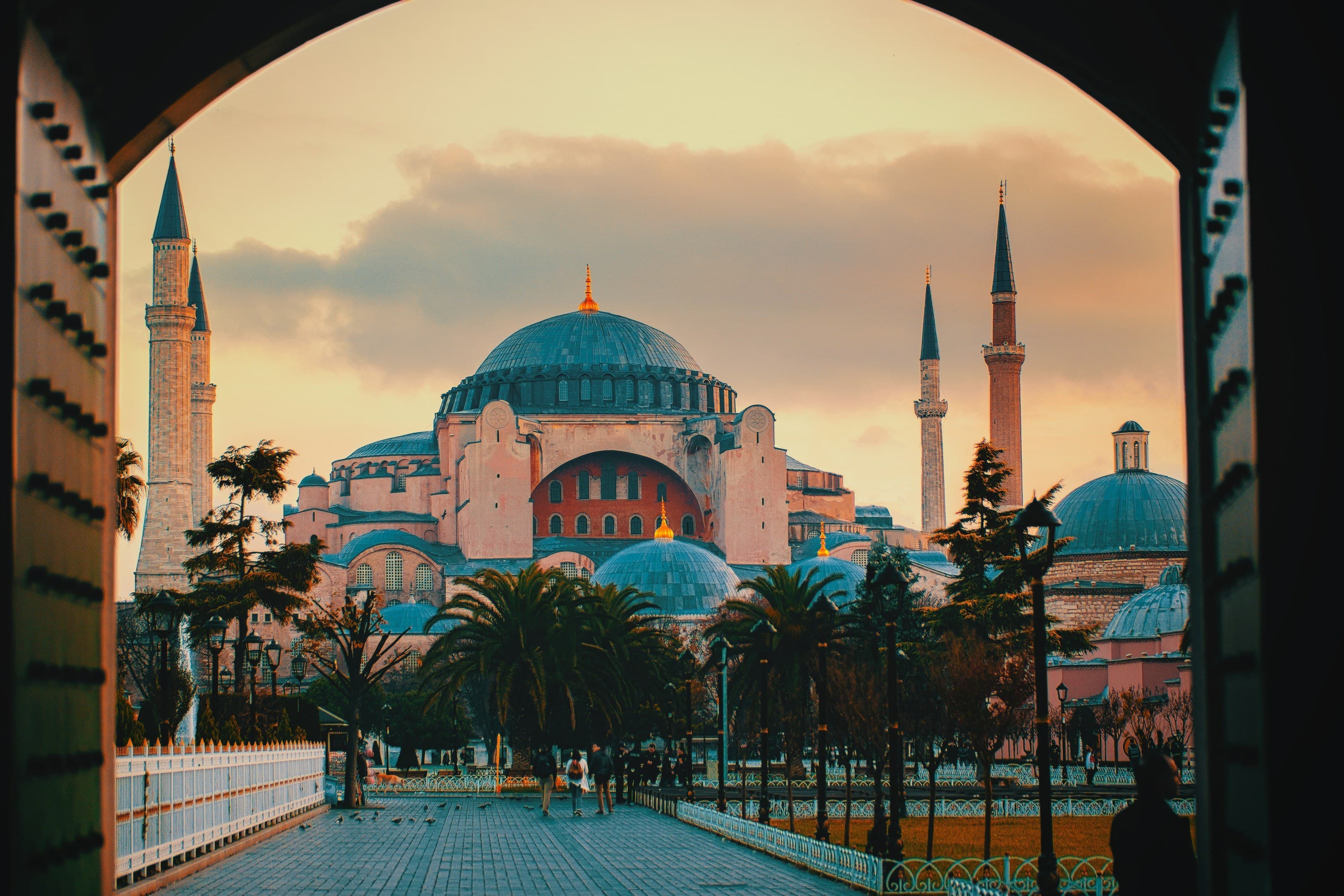
Hagia Sophia and the Blue Mosque: The Peninsula of Empires
90 min · 2.3 km · moderate
More from Istanbul
Explore more at your own pace.
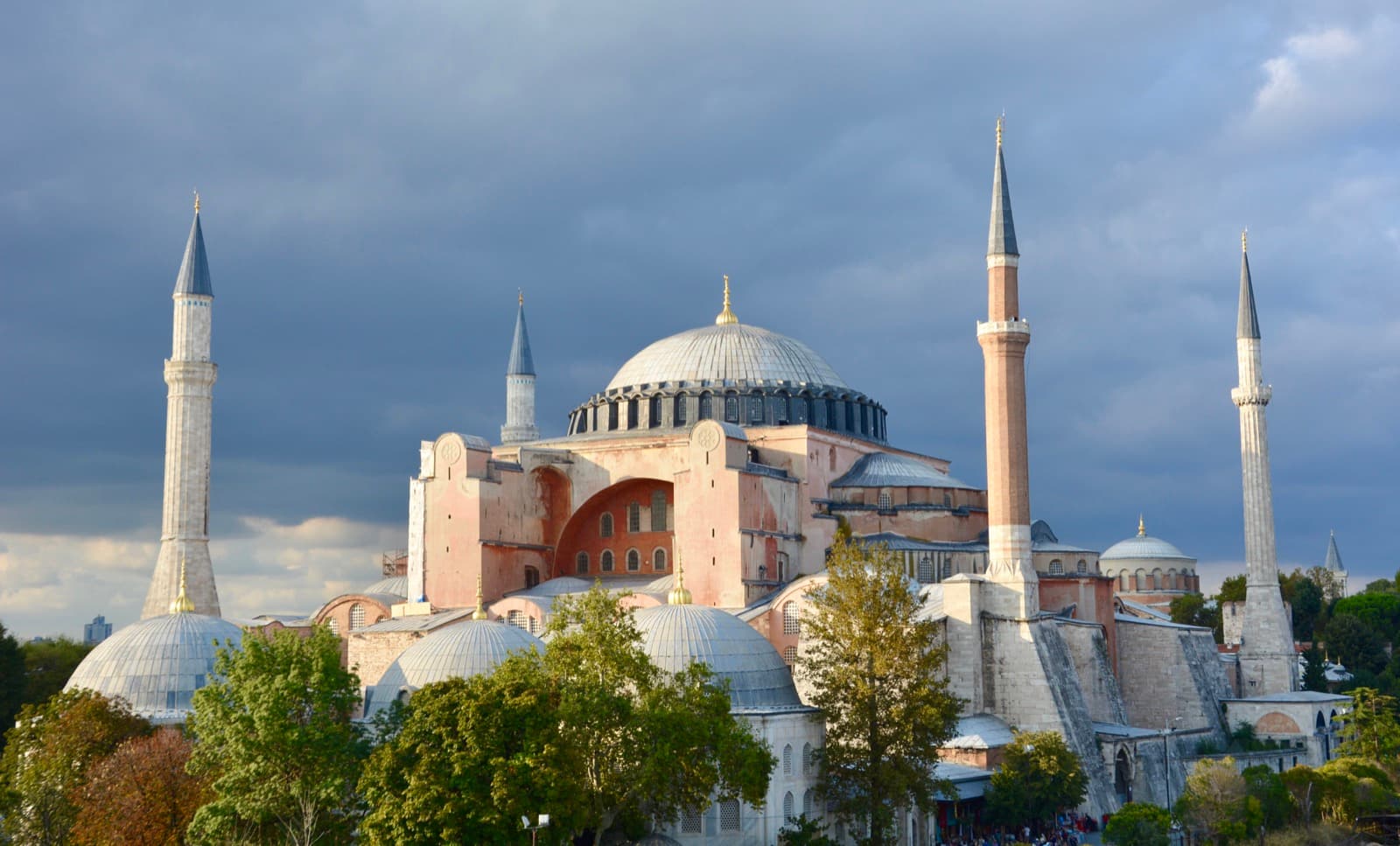
Istanbul: A City Written and Rewritten by Empires
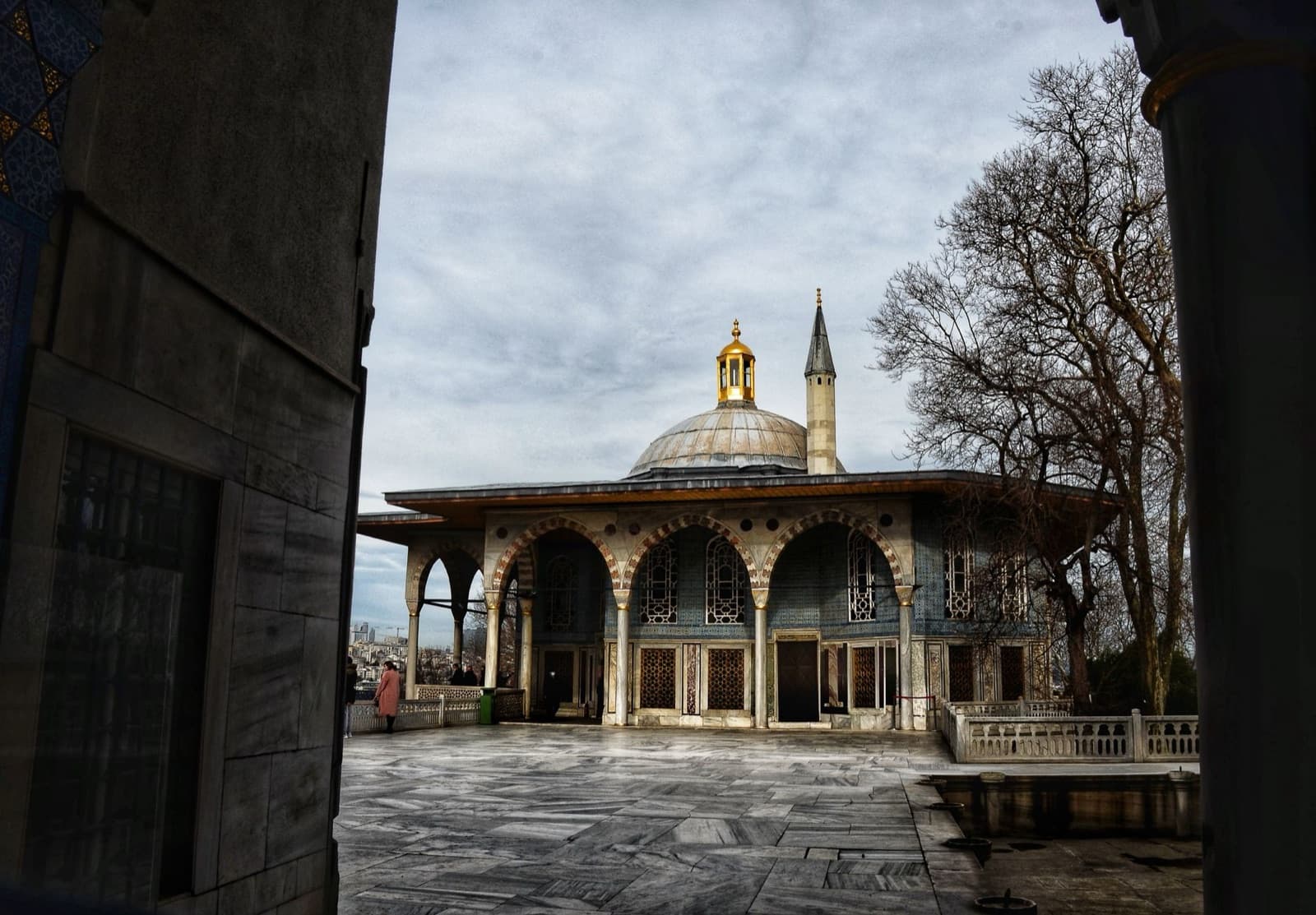
The Baghdad Kiosk: A Victory Pavilion Its Sultan Never Finished
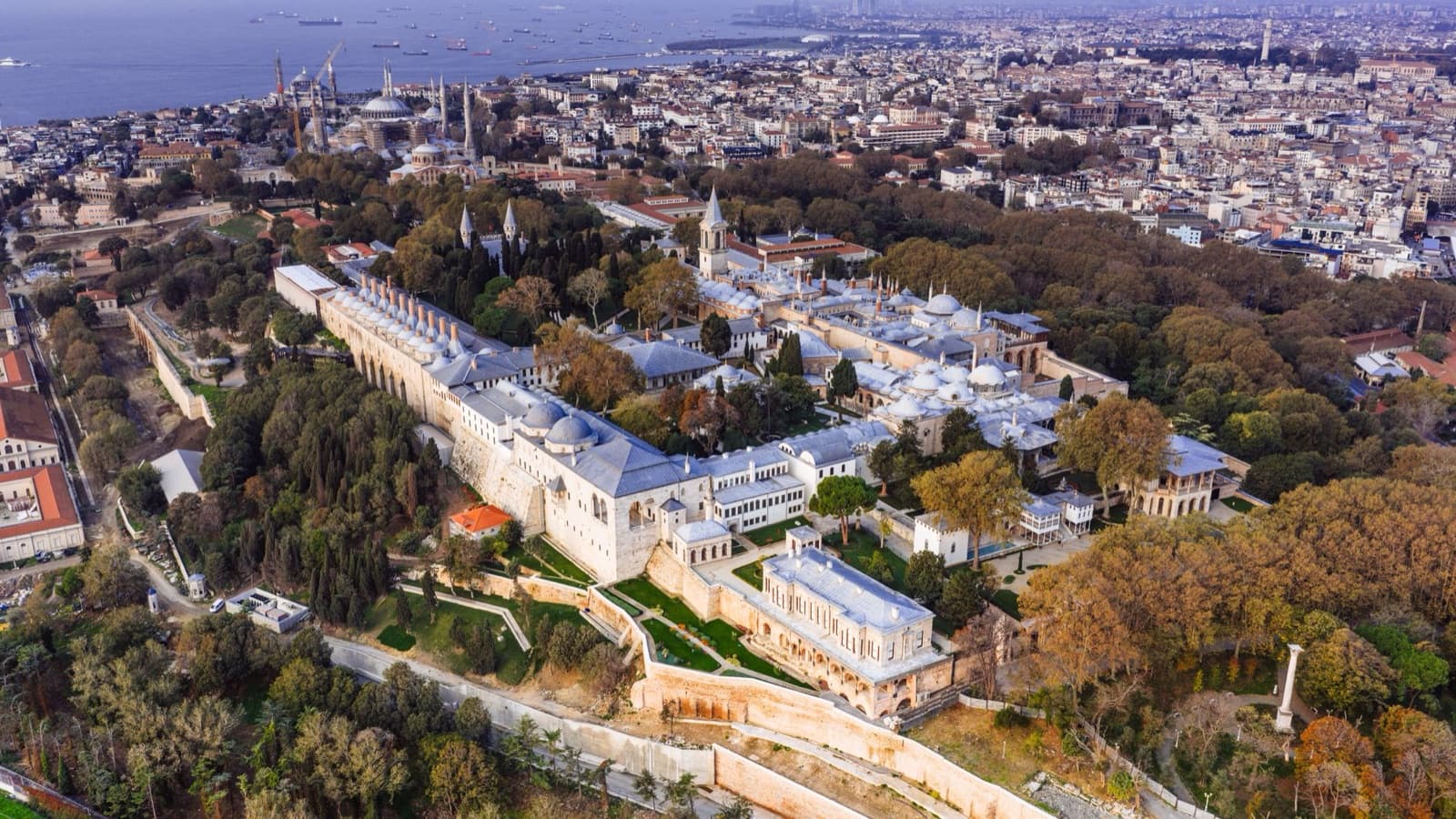
The Spoonmaker's Diamond: Three Spoons and a Plainer Record
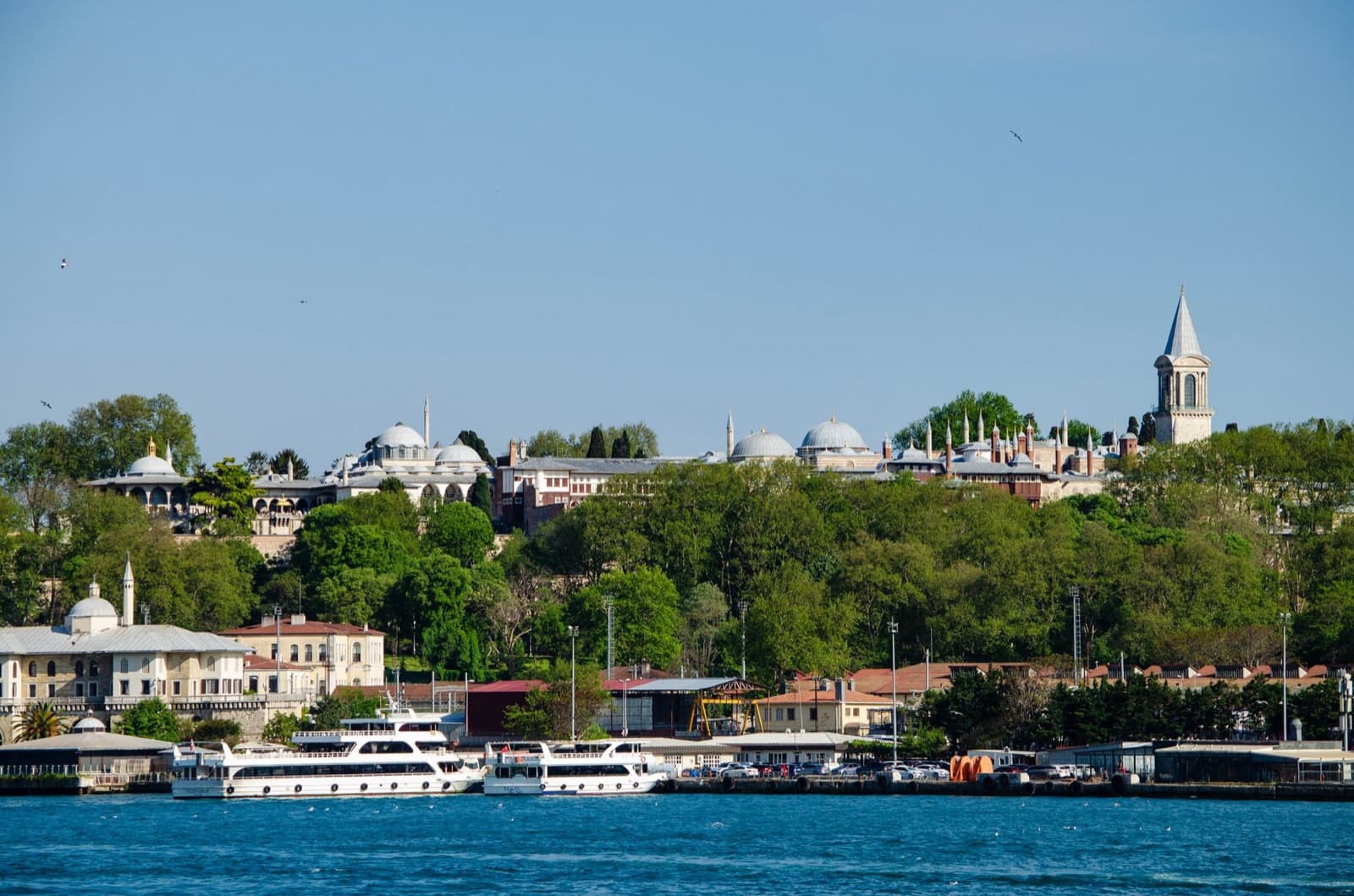
The Topkapi Dagger: A Gift That Never Arrived
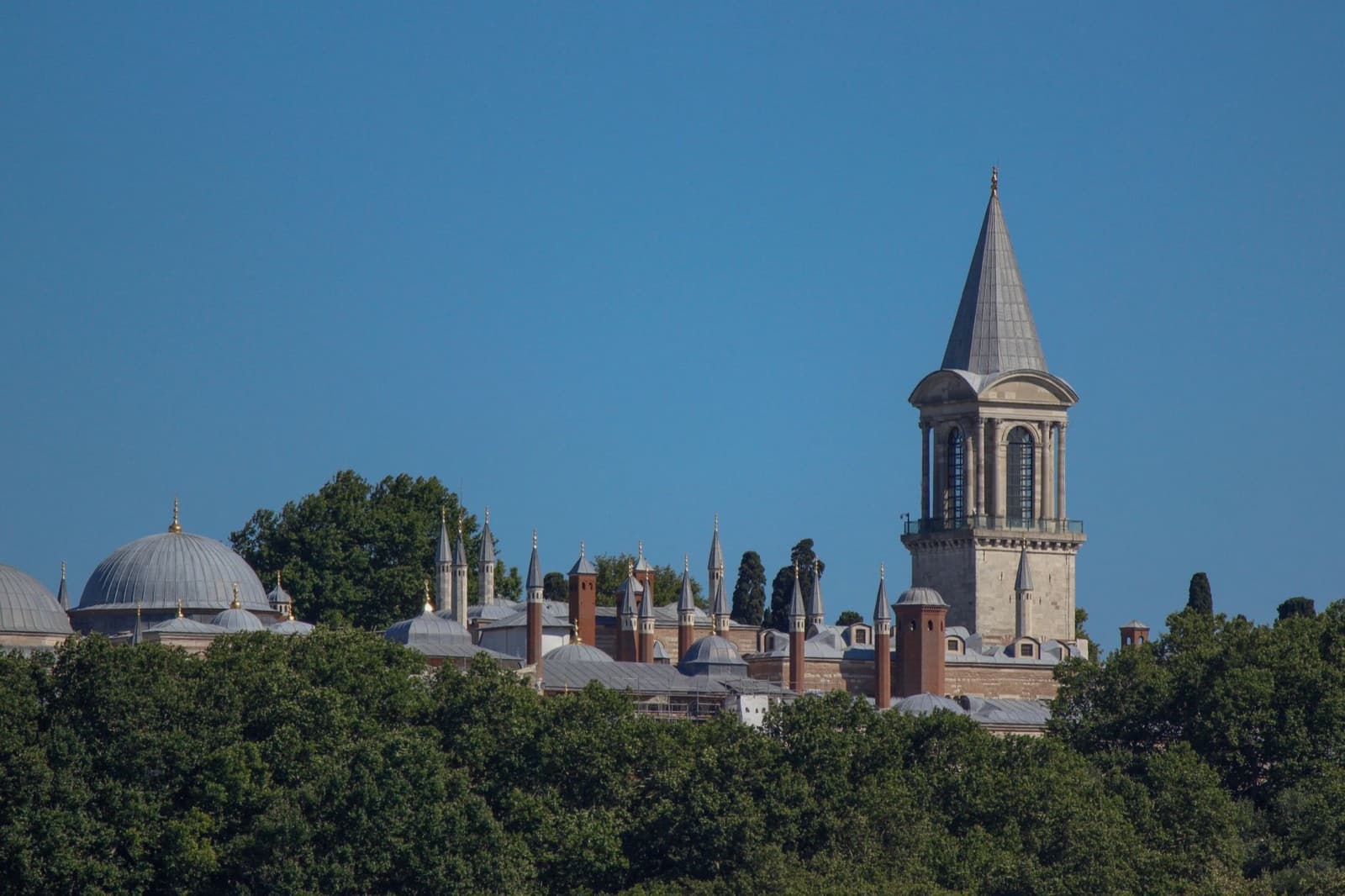
Topkapi Palace: What to See, Court by Court