Piazzale Michelangelo is the capital's terrace. Florence was Italy's capital for six years, from 1865 to 1871, and for it the city laid out Giuseppe Poggi's boulevard, ramps, rose garden and terrace on the hill south of the river. Most of it was finished after the capital had gone. So the famous view of the old city is seen from a nineteenth-century balcony, right down to a cast-iron balustrade painted to look like stone, under the medieval marble of San Miniato al Monte. Climb the hill knowing that, and the view becomes a story about a city dressing up for a role it held only briefly.
Roamer's walk climbs nine stops over about 1.8 kilometers in about seventy-five minutes, rising about ninety meters on ramps and more than a hundred and fifty steps. You set the pace, stop for breath wherever you like, and if stairs are not for you, the bus to the Piazzale lets you start at stop 7.
The whole climb in view
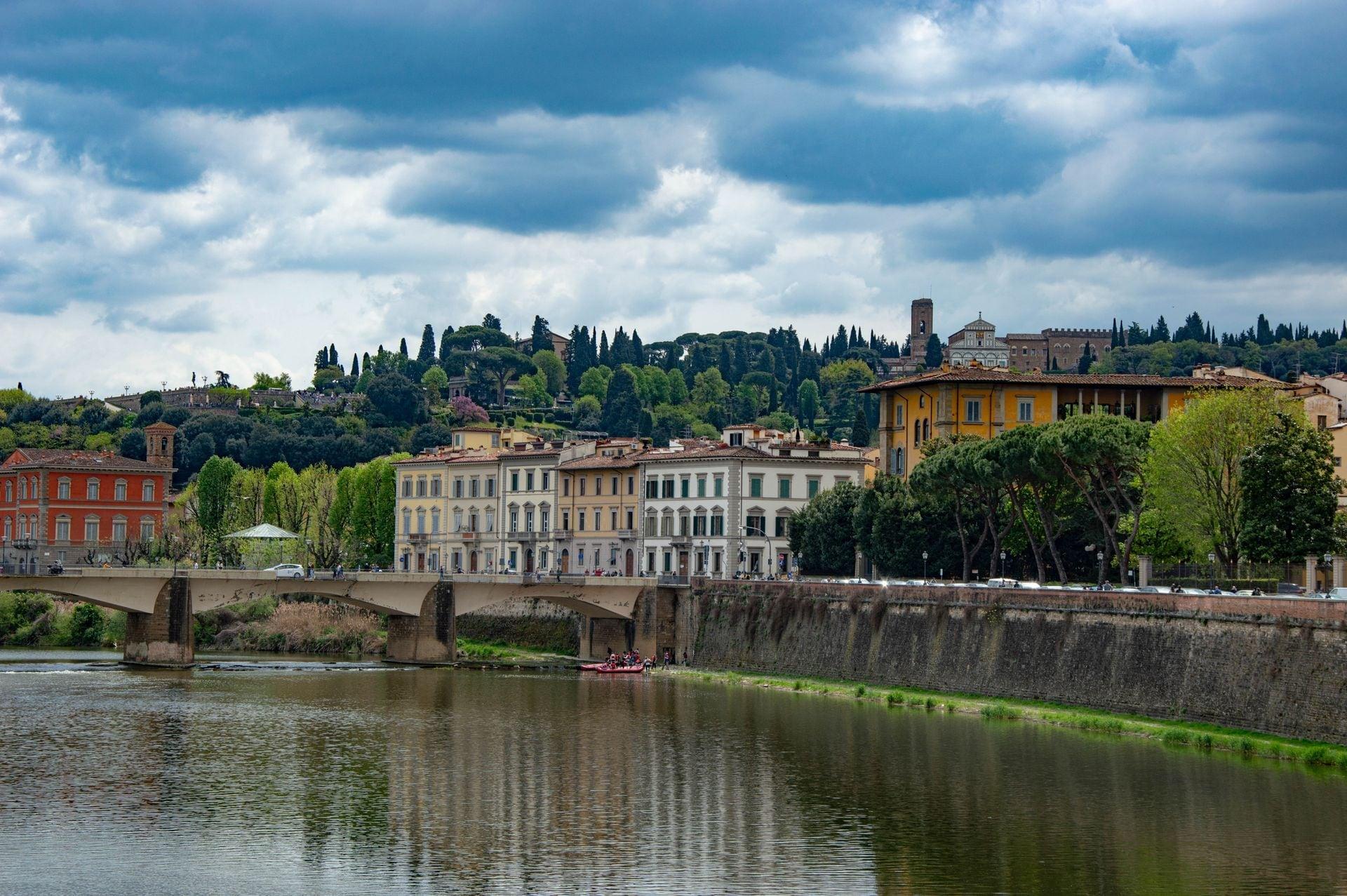
The walk begins on the Ponte alle Grazie, where the route ahead is laid out upstream: a lone gate tower on the near bank, and above it a balustrade along the green hilltop. The bridge under you is young, opened in February 1957 after the retreating German army blew up its predecessor in August 1944. Along the Lungarno, the Demidoff monument turns a Russian mining fortune into marble, its four corner virtues including Siberia with a miner's hammer.
Then the quarter of San Niccolò. On the plain front of its church, above the small door, a carved marble hand marks where the Arno reached on 13 September 1557, and a small plaque higher still marks 4 November 1966. Two floods four centuries apart, both above your head.
A gate without a wall
Hear a stop from this walk
San Miniato al Monte: Marble, Monks and Vespers
At the end of Via di San Niccolò the Porta San Niccolò stands alone in its square, about thirty-five meters tall. It was built in 1324 for the last ring of medieval walls, and the city's own account says it is the only gate tower never cut down when cannon made tall towers a liability around 1530. Its battlements are a nineteenth-century addition. What it lacks is the wall: across the river, in the capital years, Florence demolished its walls to make way for a ring of boulevards and kept the gates as monuments. The capital's plans start here.
Poggi's stage set
Above the tower climb the Rampe del Poggi, three levels of ramps and stairs with artificial grottoes, spongy stone and boulders set as if a glacier had left them. Notice the dates: Poggi built them between 1872 and 1876. The capital had moved to Rome in 1871. The plan was the capital's, but the stairs came after it had gone. A Florentine bank foundation paid to restore them in 2018 and 2019.
Beside the terrace is the Giardino delle Rose, laid out by Poggi in the capital years, with terraces of more than a thousand rose varieties, a Japanese garden given by Kyoto, and bronzes by Jean-Michel Folon given to the city after his death.
The terrace itself
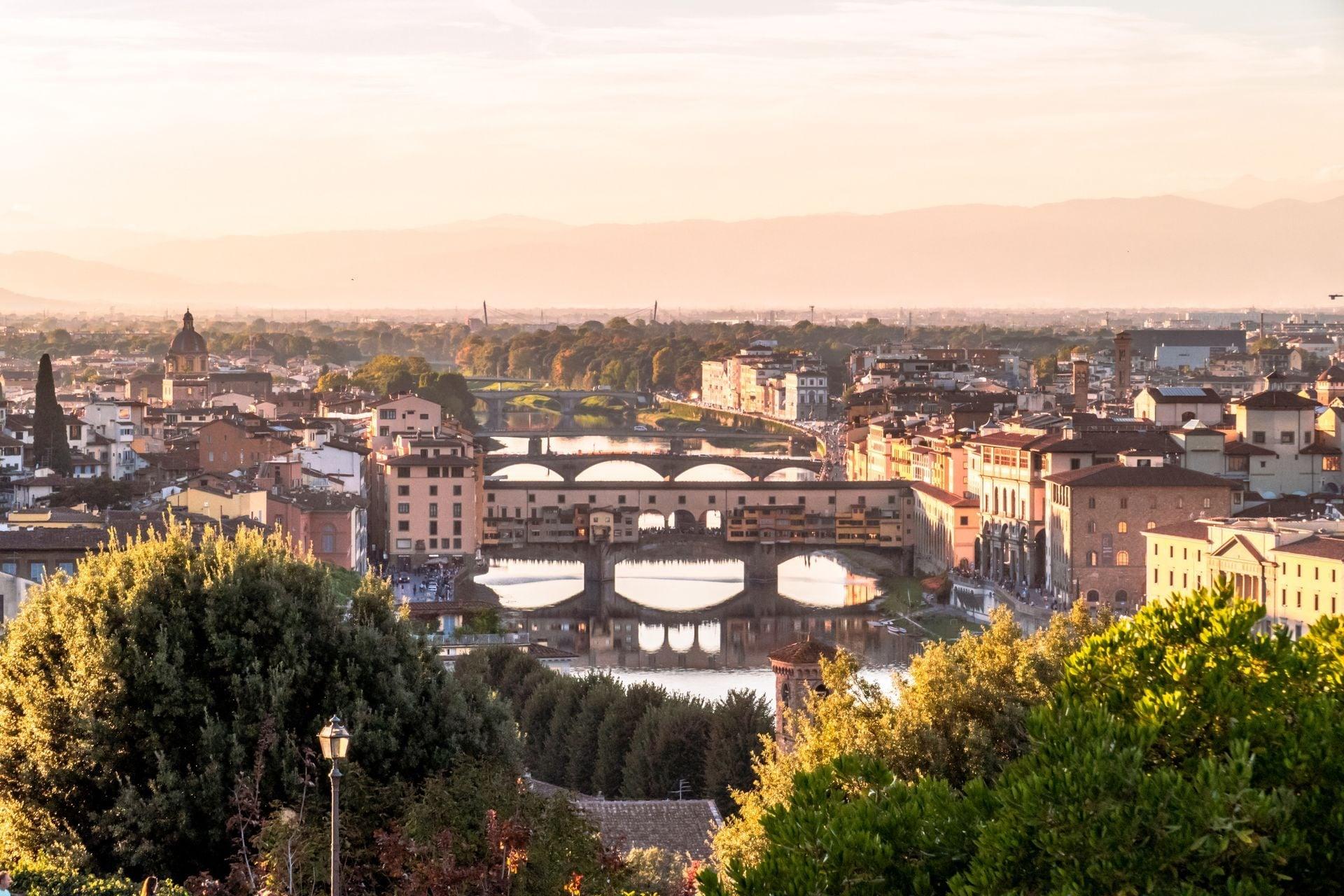
At the Piazzale the city opens up: the cathedral's dome, the Palazzo Vecchio's tower, Santa Croce, the bridges, the hills of Fiesole. Poggi's whole hill plan, the Viale dei Colli, ran about 5.7 kilometers and was designed and built between 1865 and 1875, and the works on the square finished in 1875, four years after the capital had left.
Now put your hands on the balustrade. It looks like Florence's brown stone. It is cast iron: little Doric columns from the royal foundry at Follonica, painted to imitate stone. That is the trick of the terrace. Poggi built it where Michelangelo's fortifications of the 1529 siege had stood, and the square was meant as a monument to him, with a loggia that was to gather Michelangelo's statues into one museum. The museum never came; the loggia is a café and restaurant now. A bronze copy of the David, cast in 1866, stands in the middle.
Back to the Middle Ages
Two churches finish the climb, and they pull in opposite directions. San Salvatore al Monte, built around 1500 for Observant Franciscans by the architect known as il Cronaca, is a plain wall of stone. Above it, San Miniato al Monte wears white and green marble in arches and panels, put up between the eleventh and the thirteenth centuries. Bishop Ildebrando began rebuilding an older church here on 27 April 1018. In 1529, Vasari says, Michelangelo armored its bell tower against cannon with wool bales and mattresses. Benedictine monks still sing vespers there in Gregorian chant every evening.
Turn around on San Miniato's terrace and the whole city lies below, higher than from the Piazzale: the medieval church looking over the capital's balcony at the Renaissance town.
The walk is Piazzale Michelangelo and San Miniato: The Capital's Terrace, nine stops from the Ponte alle Grazie to San Miniato al Monte. See all routes on the Florence page.
Sources
- Comune di Firenze, Relazione Storico Tecnica for the Piazzale balustrade restoration: Poggi's plan for the capital's move from Turin, the Viale dei Colli designed and built 1865 to 1875, the cast-iron Doric balustrade from the Fonderia Regia di Follonica painted to imitate stone, the site of Michelangelo's fortifications, the loggia meant as a Michelangelo museum.
- Feel Florence (Comune di Firenze tourism), Piazzale Michelangelo: Poggi and Firenze Capitale, the works on the square ending in 1875, the square as a monument to Michelangelo.
- Fondazione CR Firenze, press release on the Rampe del Poggi restoration: the Rampe built between 1872, the year after the capital moved to Rome, and 1876, and their 2018 to 2019 restoration.
- Feel Florence, Torre San Niccolò: the gate tower of 1324 and its survival uncut.
- Abbazia di San Miniato al Monte, history: Bishop Ildebrando's rebuilding begun on 27 April 1018, the abbey's history and the monks' vespers.
Ready to experience it?
Piazzale Michelangelo and San Miniato: The Capital's Terrace
75 min · 1.8 km · moderate
More from Florence
Explore more at your own pace.
Best Architecture Walking Tours in Florence (2026)
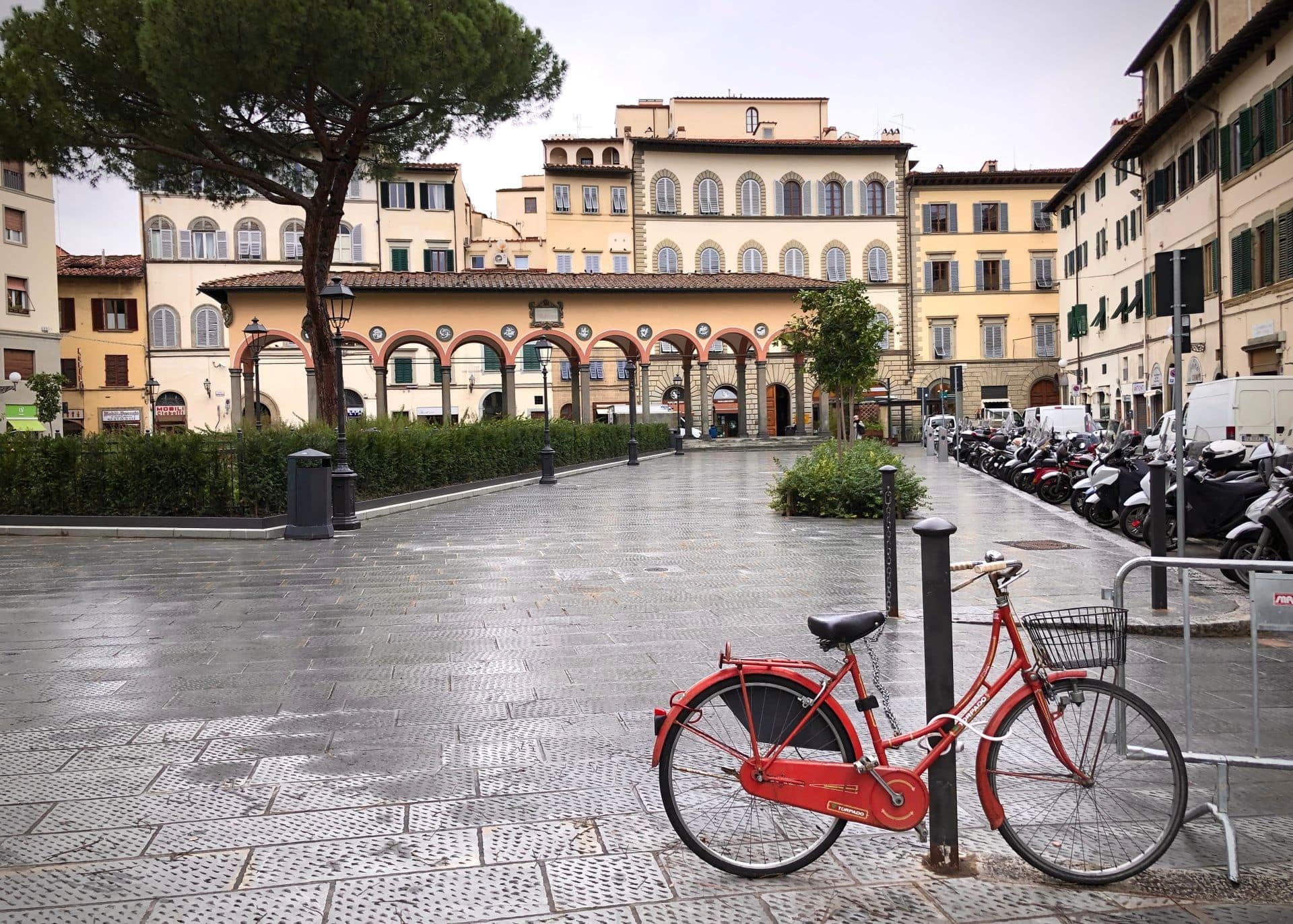
Santa Croce Walking Tour: The Florence Quarter That Keeps What It Lost
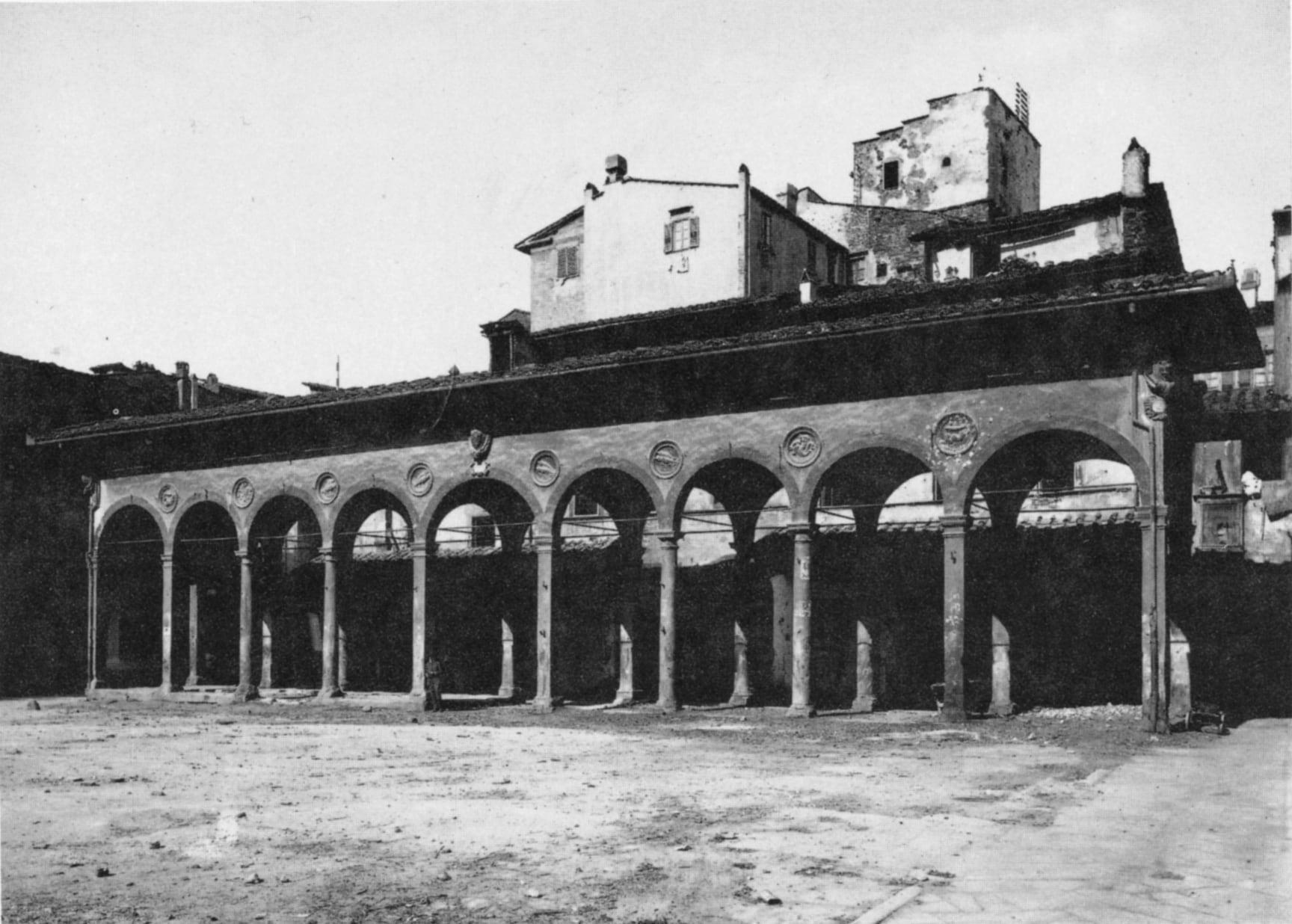
Loggia del Pesce: Vasari's Fish Market in the Wrong Florence Square
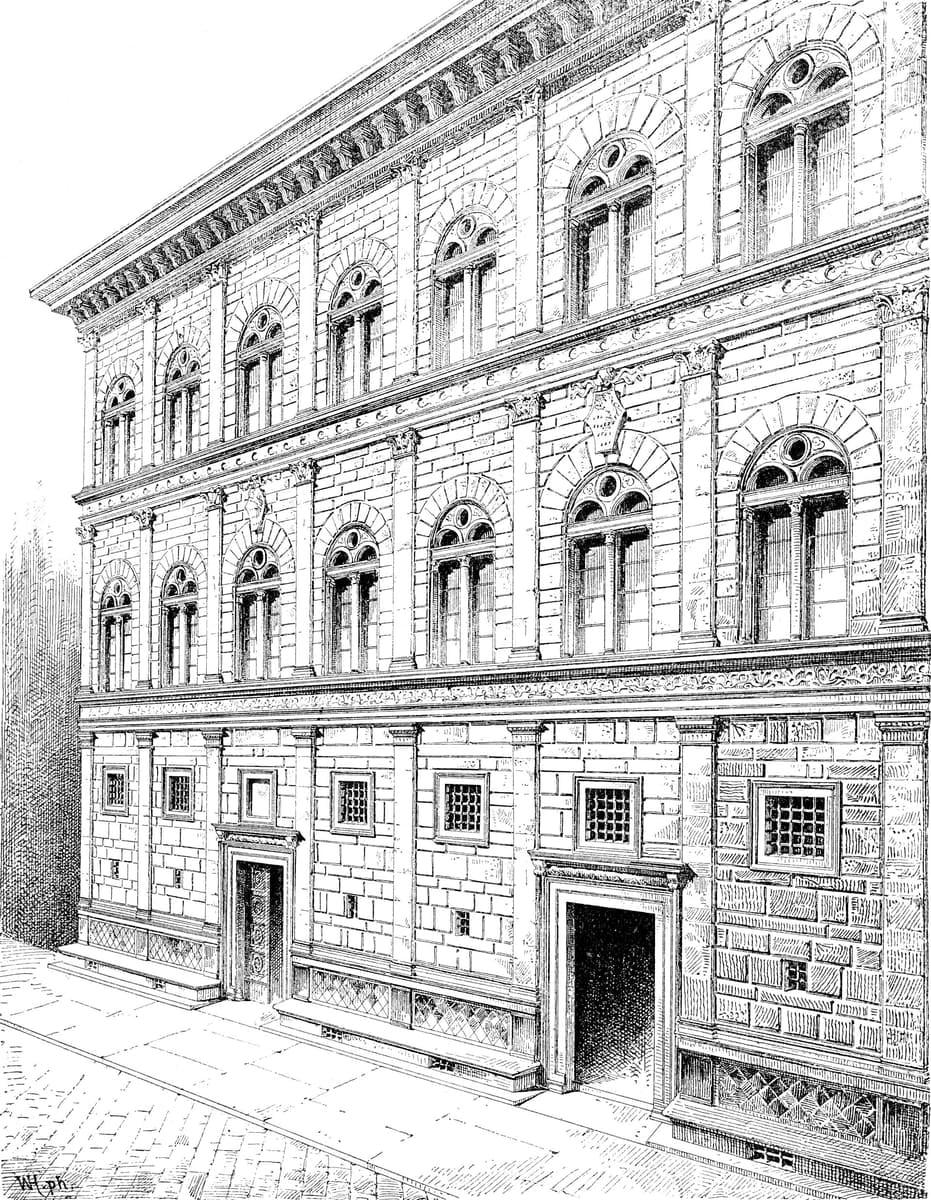
Palazzo Rucellai: How Alberti Dressed a Florentine House as a Roman Temple
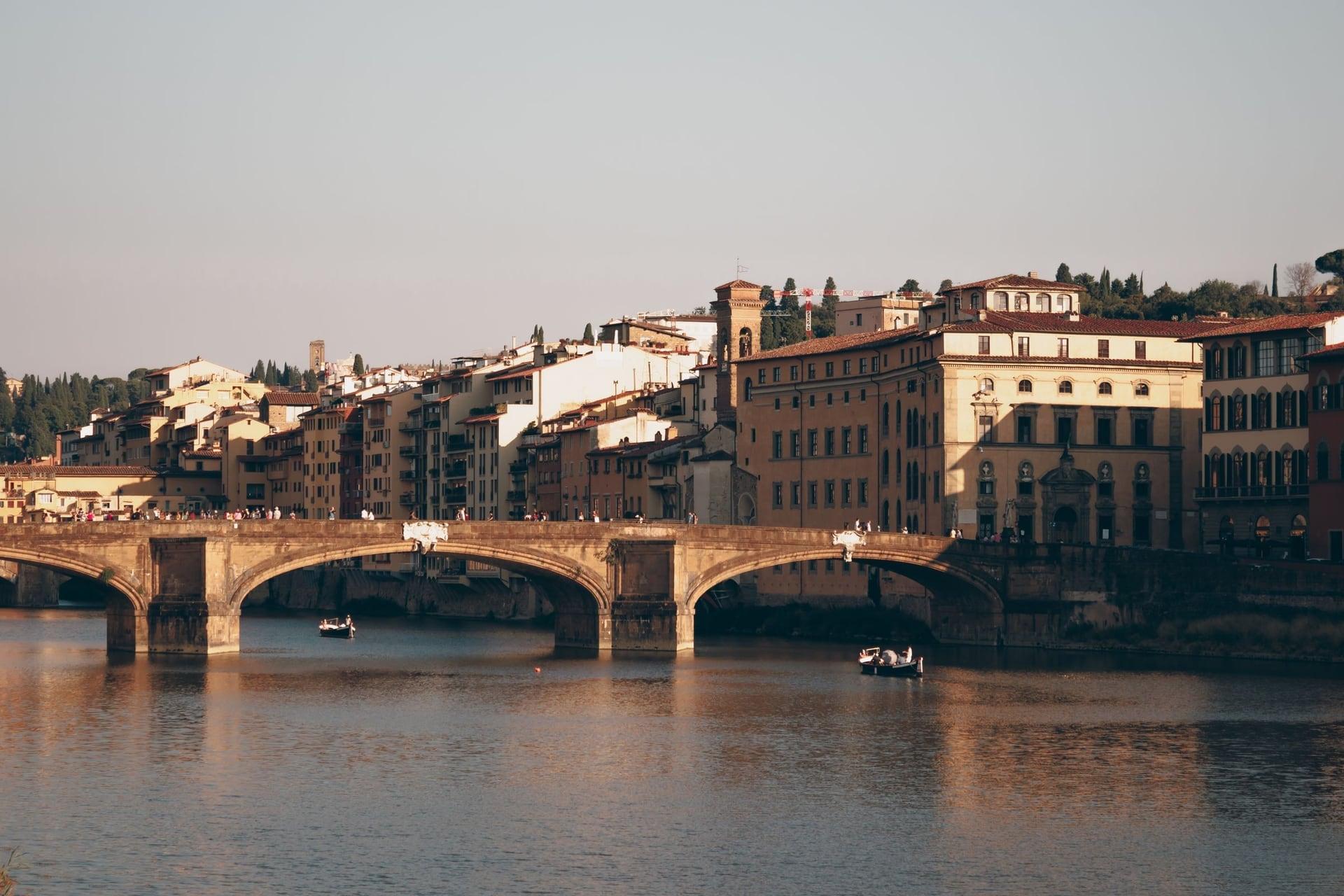
Ponte Santa Trinita: How Florence Rebuilt Its Bridge As It Was, Where It Was