Roman Temple of Évora: Two Thousand Years on One Hill
85 min · 2.2 km · easy
Evora rewards a slow one or two days on foot: the walled Alentejo town packs a Roman temple, a bone chapel, a cathedral, and a Renaissance aqueduct into a compact hill you can cross in fifteen minutes, and the honest way to see it is to walk, plan around the heat, and carry a little cash for the modest entry fees. Getting there from Lisbon takes about ninety minutes by train or bus, the historic centre is small enough that you never really need a car once you arrive, and the main practical challenge is the summer sun rather than anything to do with safety. This guide answers the questions travelers actually ask before they go: how long to stay, how to arrive, when to come, whether it is safe, and what it costs.
How many days do you need in Evora?
One full day covers the walled centre comfortably, and a second day lets you slow down or reach the countryside. The old town inside the medieval walls is genuinely small, so a single well-planned day gets you the Roman temple, the cathedral, the Chapel of Bones, and the main squares without rushing. If you can spare a night, staying over turns the town quiet after the day-trip coaches leave, and it opens up the surrounding Alentejo: the prehistoric standing stones at Cromeleque dos Almendres and the wine estates outside the walls both make good half-day trips. For most people, one night is enough for the city itself and two nights is right if you want the region too.
Because the centre stacks so many periods on one hill, Evora suits themed walking rather than a single sightseeing sprint. Our three self-guided audio walks each take a different cut through the same streets: the Roman and sacred hilltop, the Chapel of Bones and the pious city that built it, and the Agua de Prata aqueduct read as a story about water and daily life. Each runs roughly ninety minutes and stays close to two kilometers or under, so you can pair two in a day with a long lunch between them. Browse them all on the Evora walking tours hub.
How do you get to Evora from Lisbon?
Hear a stop from this walk
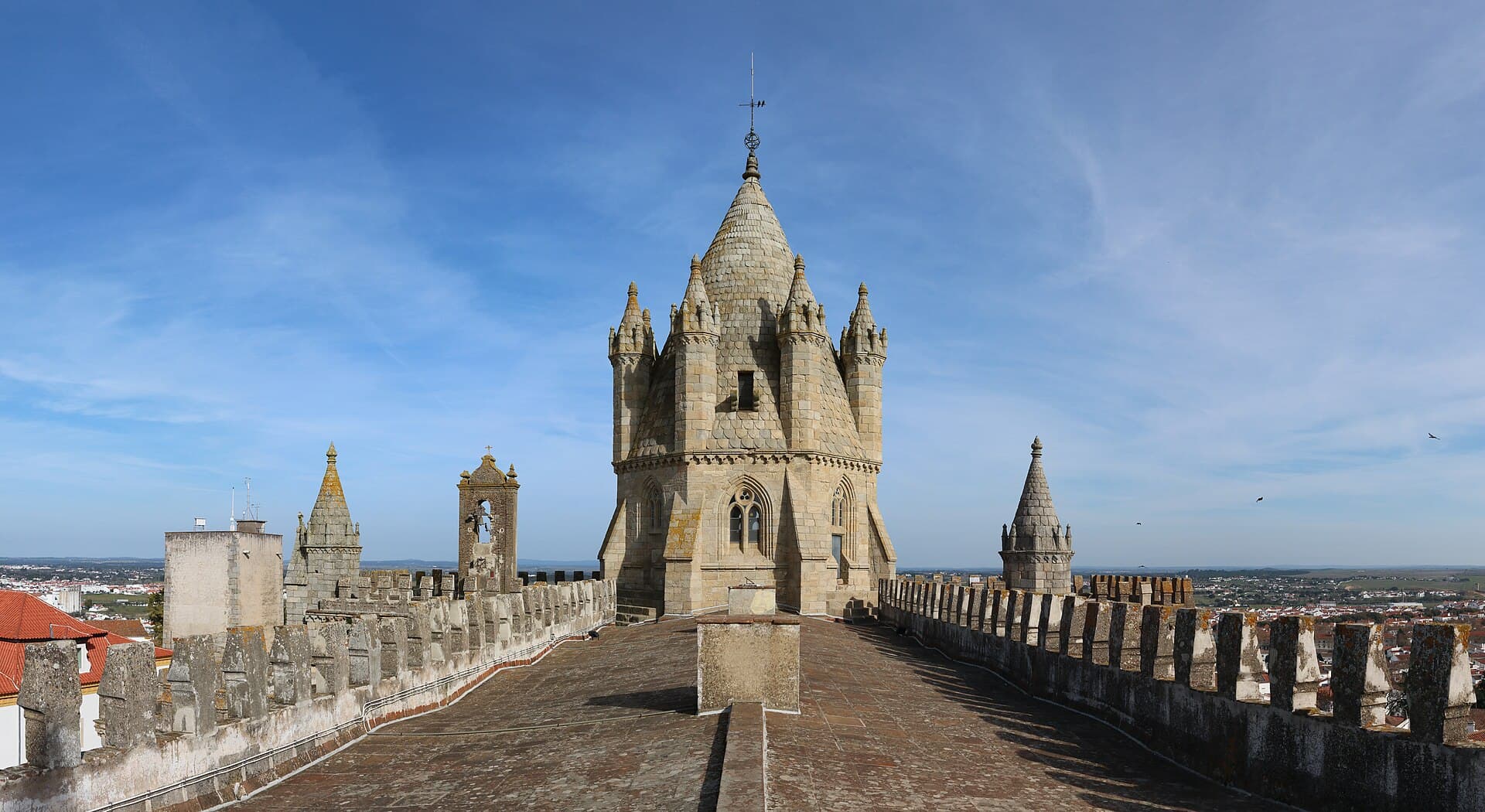
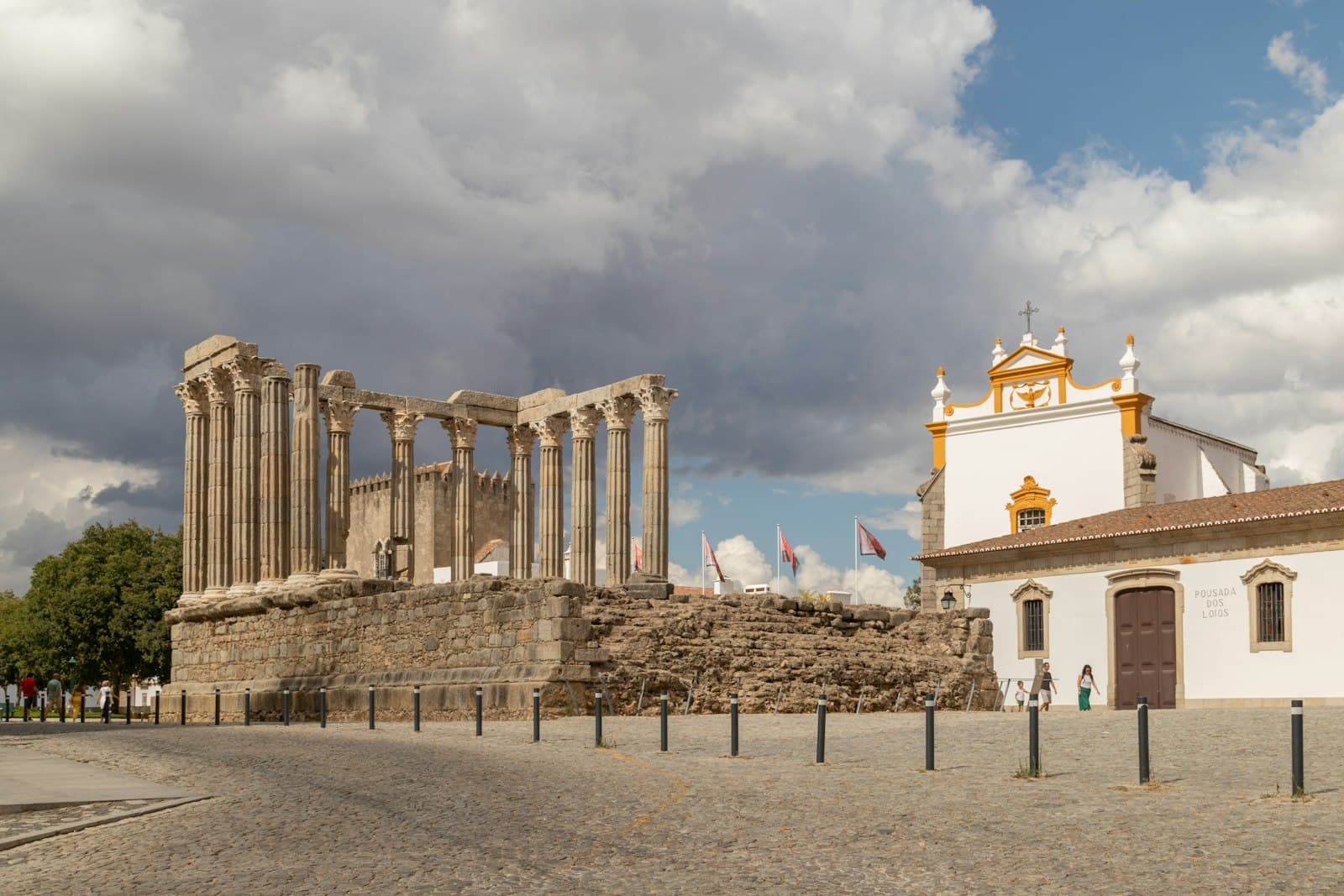
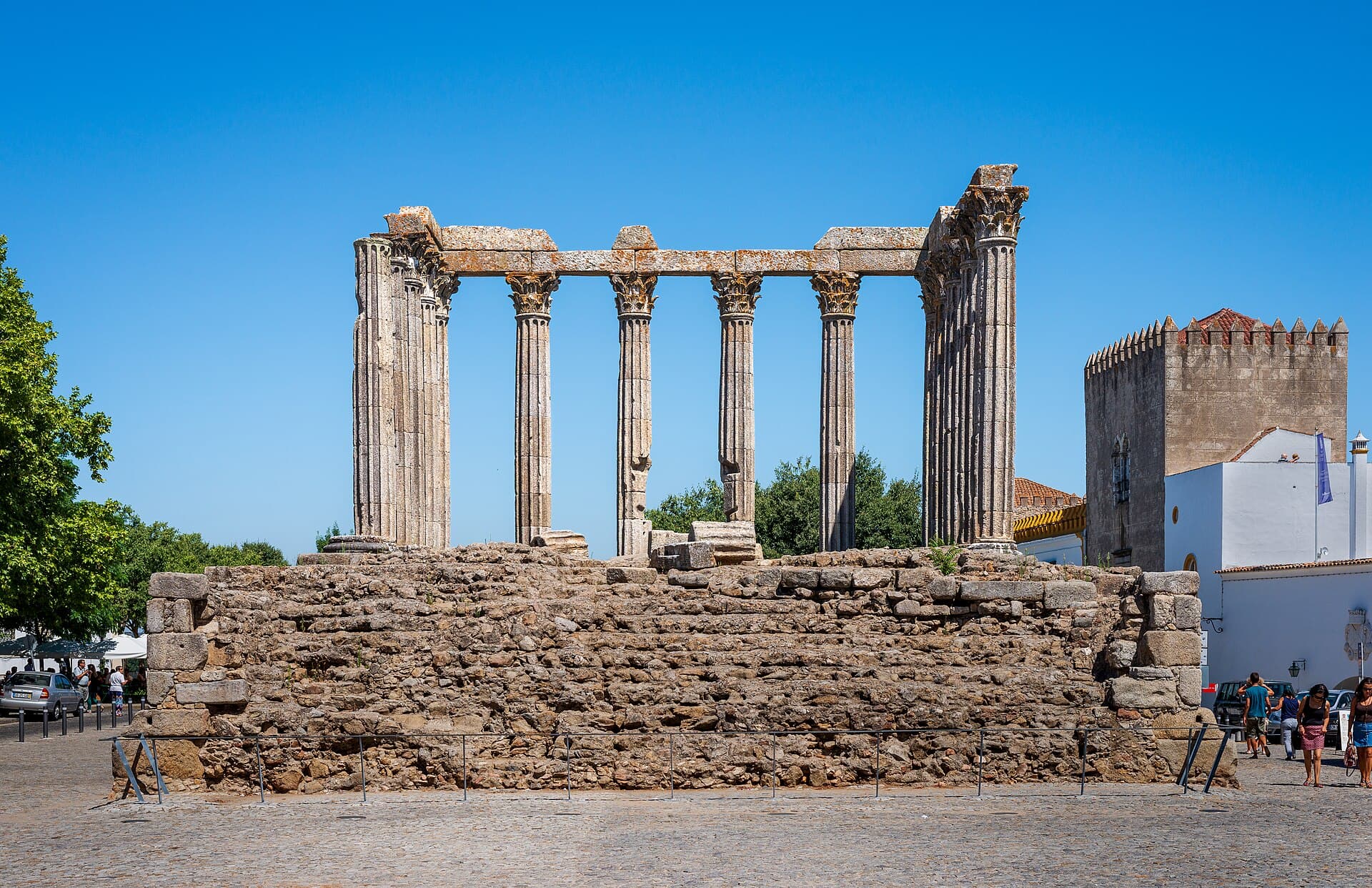
Templo Romano de Evora: The Crown of the Hill
Both the train and the bus take a little over ninety minutes, and neither requires a car. The Intercidades train run by Comboios de Portugal leaves from Lisbon's Oriente and Entrecampos stations (with a further stop at Sete Rios on the way out), with second-class fares starting around 12 euros and a handful of departures a day, so check the timetable and book ahead on the CP website. The train station in Evora sits about a twenty-minute walk from the central Praca do Giraldo, or a short taxi ride if the heat is high.
The bus, operated by Rede Expressos, leaves from Sete Rios (next to the Jardim Zoologico metro stop on the blue line), runs frequently through the day, and costs around 12 euros, though fares now flex with demand so early booking gets the lowest price. Its advantage is frequency and a drop-off that leaves you a short walk from the edge of the old town. Driving is the third option and mainly makes sense if you plan to explore the wider Alentejo, since parking inside the walls is tight and much of the centre is cobbled and pedestrian-friendly.
How do you get around once you are there?
You walk. Evora inside the walls is built for feet, not wheels, and every stop on our tours connects on foot in a few minutes. The one thing to respect is the surface: the historic lanes are paved in calcada, the polished limestone cobbles that Portugal is known for, and they turn slick when wet or worn smooth, especially on the slopes down from the temple. Wear shoes with real grip and take the descents slowly. Taxis and ride-hailing exist for the walk to and from the station or on a scorching afternoon, but inside the centre they are rarely necessary.
When is the best time to visit?
Spring and autumn are the comfortable seasons, roughly mid-April to mid-June and mid-September to early October, with mild days and long light. Summer in the Alentejo is genuinely hot: July and August highs sit around 33 degrees Celsius (about 91 Fahrenheit) and can climb past 40 during heat spells, and Evora sits inland with little shade on its open squares. If you come in summer, do as residents do and split your day, sightseeing in the early morning and the late afternoon and taking a long, unhurried lunch through the worst of the midday sun. Nights cool off sharply even in high summer, so evenings are pleasant year round.
For photography and for beating the coaches, late afternoon on a clear day is the sweet spot: the low sun warms the temple's granite columns and the garden viewpoint beside it, which is free and open at all hours. An afternoon start also works logistically, because the ticketed interiors keep daytime hours and some close on set days, so you can catch them before they shut and save the open-air stops for golden light.
Is Evora safe?
Yes, Evora is one of Portugal's calmer destinations, and violent crime is uncommon. As an interior town it runs at a slower, more local rhythm than Lisbon or Porto, and it is not a pickpocket hotspot. The realistic risks are ordinary ones: petty theft where tourists gather (around Praca do Giraldo, the Roman temple, and the busy restaurant lanes), the summer heat, and the uneven cobbled pavements underfoot. Use the same common sense you would anywhere in Europe, keep your wallet and phone secure in crowds, and do not leave valuables visible in a parked car. Most visitors feel comfortable walking the centre, including solo and after dark on the main streets.
What does it cost, and what should you budget?
Evora is easy on a modest budget because so much of it is free to see from the outside. The Roman temple, the Jardim de Diana viewpoint beside it, Praca do Giraldo, the aqueduct along Rua do Cano, and the town's fountains cost nothing to walk up to. The paid interiors are inexpensive: the Chapel of Bones is usually about 5 to 6 euros combined with the adjoining Church of Sao Francisco, the Se cathedral runs a few euros with higher tiers for the cloister and rooftop terrace, and the university's college interior is a couple of euros more. Carry small coins and a little cash, since the fees are modest and smaller sites sometimes prefer it. Add train or bus fare of roughly 12 euros each way from Lisbon, plus lunch and any wine tasting, and a day trip stays comfortably affordable.
A note on the "Temple of Diana"
You will see the Roman temple sold everywhere as the Temple of Diana, and it is worth knowing that name is a story rather than a fact. The temple dates to around the first century of the common era and is thought to have honored the emperor Augustus, who was venerated as a god. The link to Diana, the Roman goddess of the hunt, comes from a legend invented by a Portuguese priest in the seventeenth century, not from any inscription or excavation. This gap between what the stones record and the pretty stories layered over them is exactly the kind of thing our Roman and sacred walk pauses on, and it is a good frame of mind for the whole UNESCO-listed centre, which has been continuously inhabited for more than twenty centuries.
Sources
- Historic Centre of Evora, UNESCO World Heritage Centre
- Roman Temple of Evora, Wikipedia
- Evora Bus or Train from Lisbon, 2026 Transportation Guide
- Capela dos Ossos (Chapel of Bones), Evora visitor guide
- Evora climate and when to visit, Climates to Travel
- Is Evora Safe? Crime Rates & Safety Report, Travel Safe Abroad
Frequently asked questions
- How many days do you need in Evora?
- One full day covers the walled historic centre comfortably, since the old town inside the medieval walls is small and walkable. A second day lets you slow down or take day trips into the Alentejo, such as the Cromeleque dos Almendres standing stones or nearby wine estates. One night is enough for the city itself; two nights suit travelers who want the surrounding region too.
- How do you get from Lisbon to Evora?
- Both train and bus take a little over ninety minutes. The Intercidades train runs from Lisbon's Oriente and Entrecampos stations with second-class fares from around 12 euros. The Rede Expressos bus leaves from Sete Rios, costs around 12 euros with dynamic pricing, and runs frequently through the day. Neither requires a car.
- When is the best time to visit Evora?
- Spring and autumn (roughly mid-April to mid-June and mid-September to early October) are the most comfortable, with mild days and long light. Summer in the Alentejo is very hot, with July and August highs around 33 degrees Celsius that can pass 40 during heat spells, so summer visitors should sightsee in the early morning and late afternoon and rest through midday.
- Is Evora safe for tourists?
- Yes. Evora is one of Portugal's calmer towns, violent crime is uncommon, and it is not a pickpocket hotspot. The realistic risks are petty theft where tourists gather, the summer heat, and the slippery cobbled pavements. Ordinary European travel caution is enough, and most visitors feel comfortable walking the centre, including solo.
- How much does it cost to visit Evora's monuments?
- Much of Evora is free to see, including the Roman temple exterior, the garden viewpoint beside it, the main squares, and the aqueduct. Paid interiors are inexpensive: the Chapel of Bones is usually about 5 to 6 euros combined with the Church of Sao Francisco, the cathedral is a few euros, and the university college a couple more. Carry small coins, as some sites prefer cash.
- How do you get around Evora once you arrive?
- You walk. The centre inside the walls is built for pedestrians, and the main sights connect on foot within minutes. The one caution is the calcada, the polished limestone cobbles that become slippery when wet or worn, so wear shoes with grip and take the slopes slowly. Taxis and ride-hailing are handy mainly for the trip to and from the train station.
Ready to experience it?
Roman Temple of Évora: Two Thousand Years on One Hill
85 min · 2.2 km · easy
More from Evora
Explore more at your own pace.
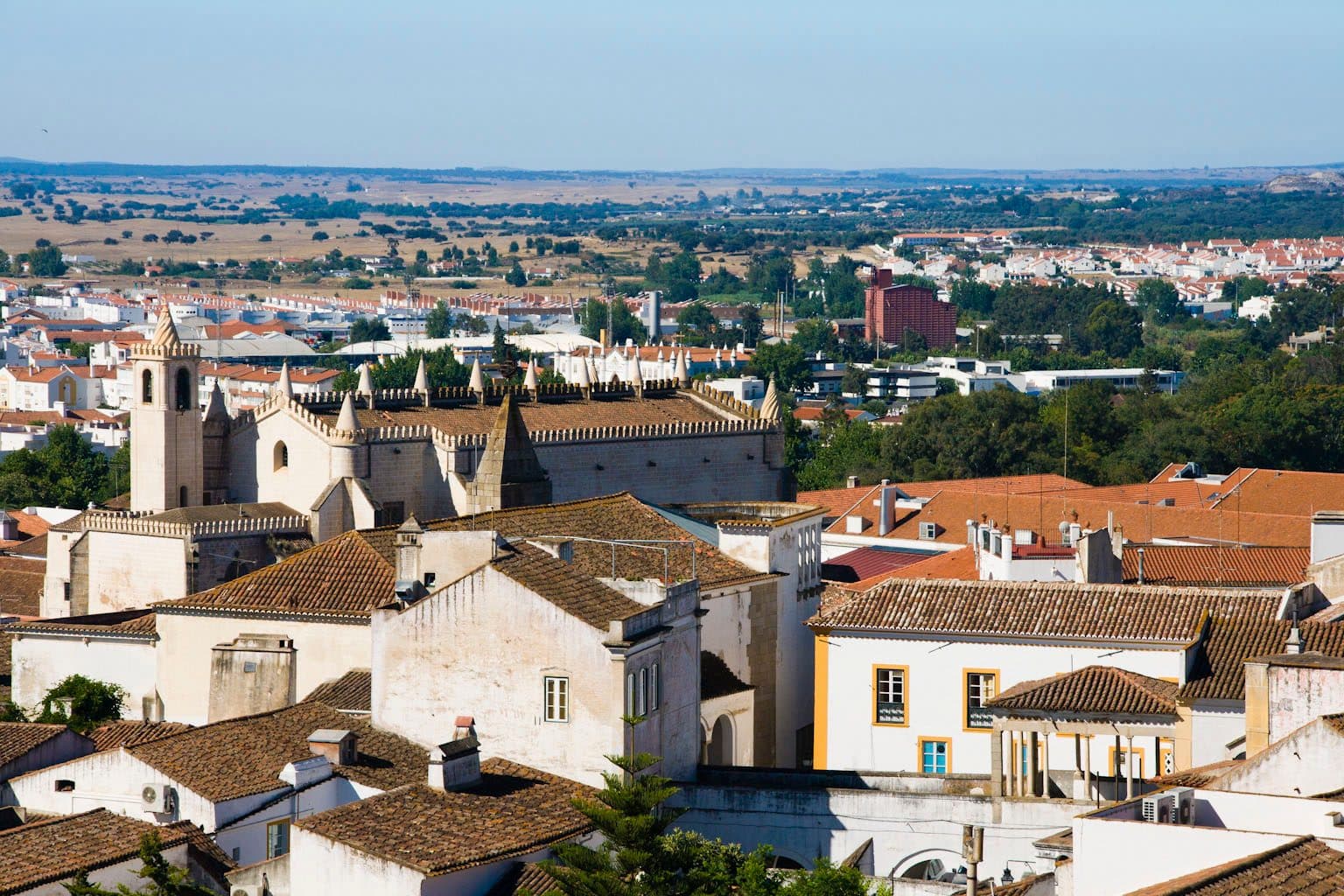
Evora: The Museum City That Never Stopped Being Lived In
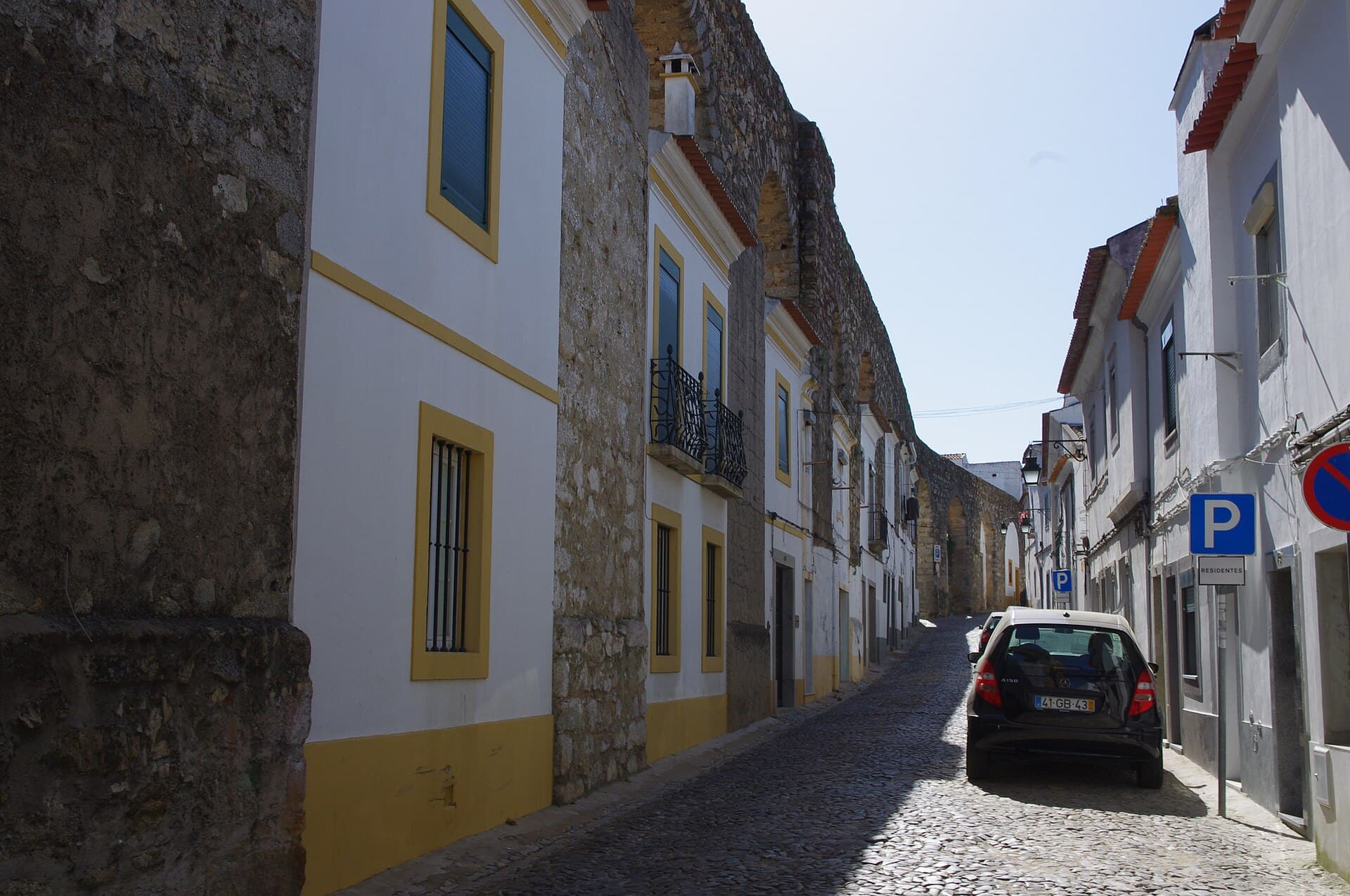
Rua do Cano: How Evora Moved Into a King's Aqueduct
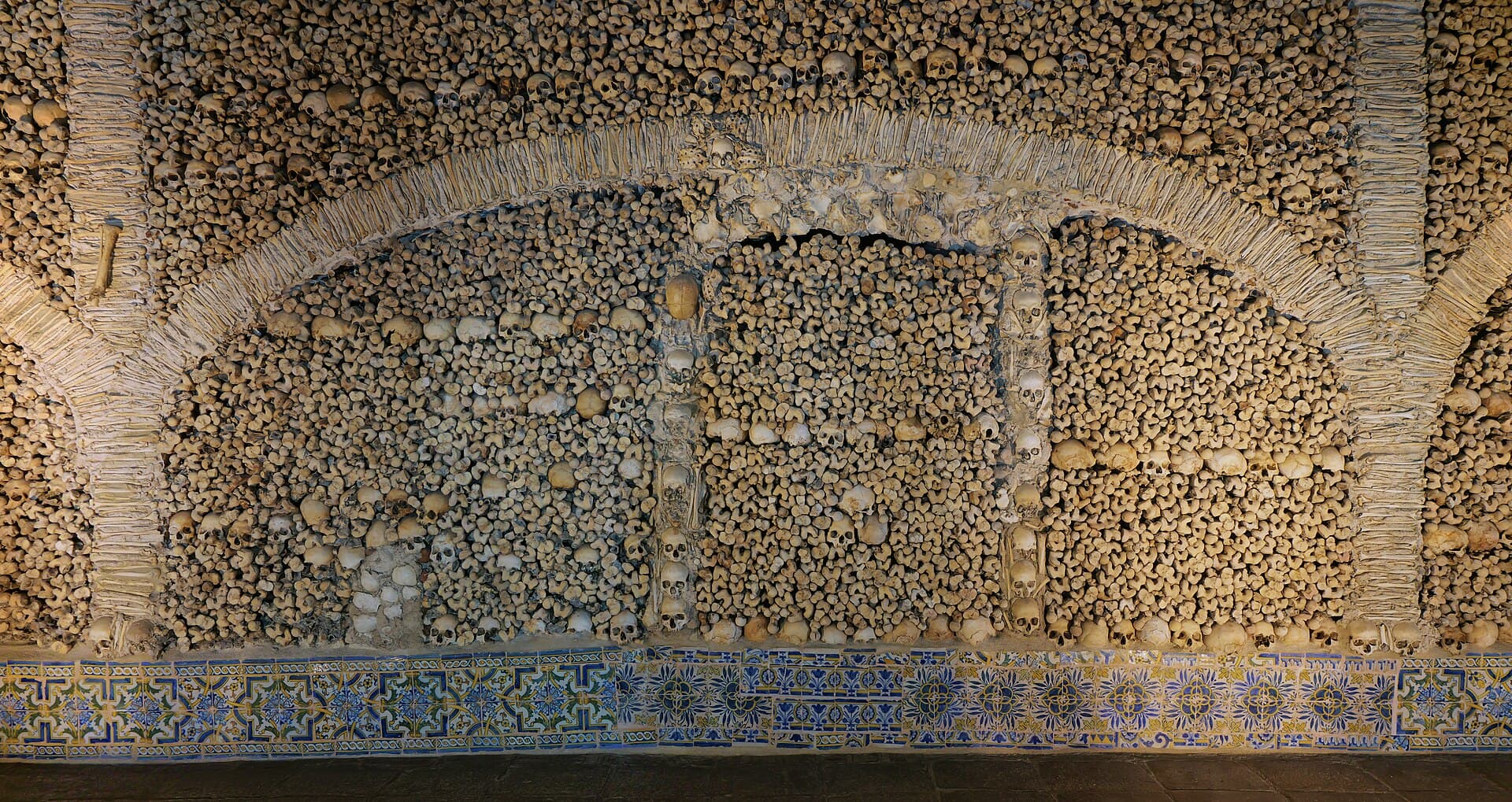
The Chapel of Bones in Evora: Why a City Lined a Wall With Its Dead
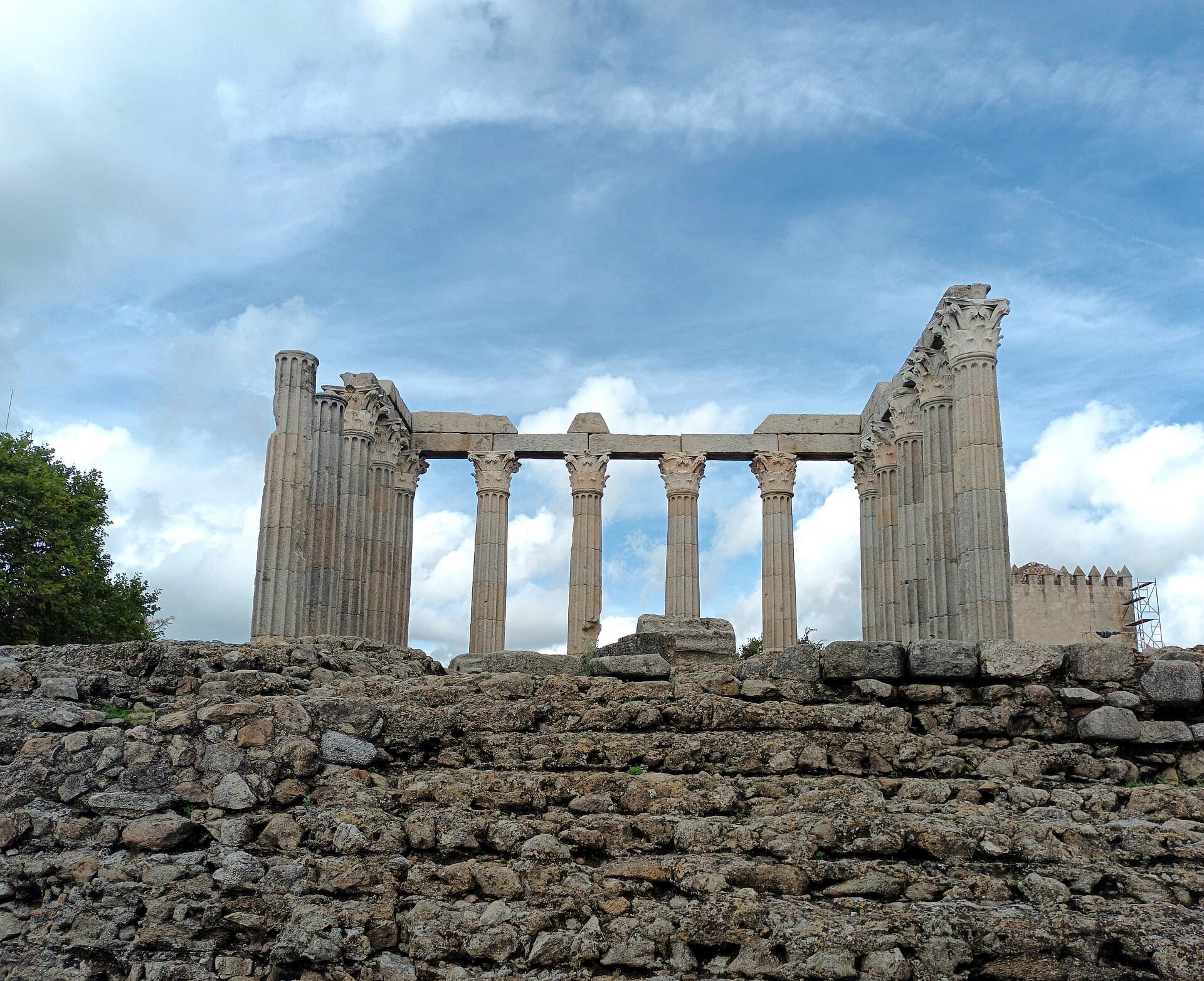
Why Evora's Roman Temple Survived as a Butcher Shop
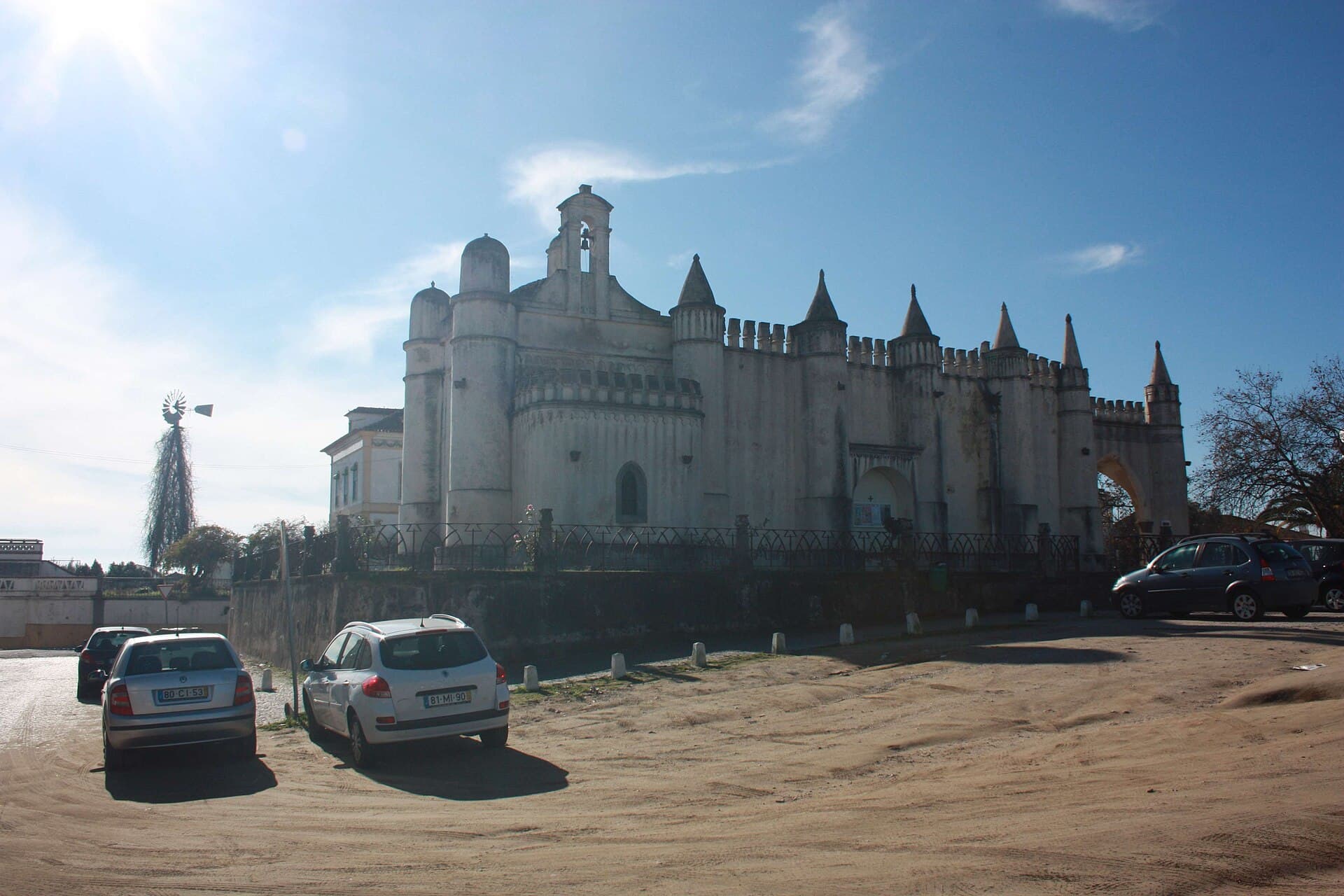
Ermida de Sao Bras: The Fortress Chapel Evora Built Against the Plague