Capela dos Ossos: The Chapel Built of the Dead
90 min · 2.6 km · easy
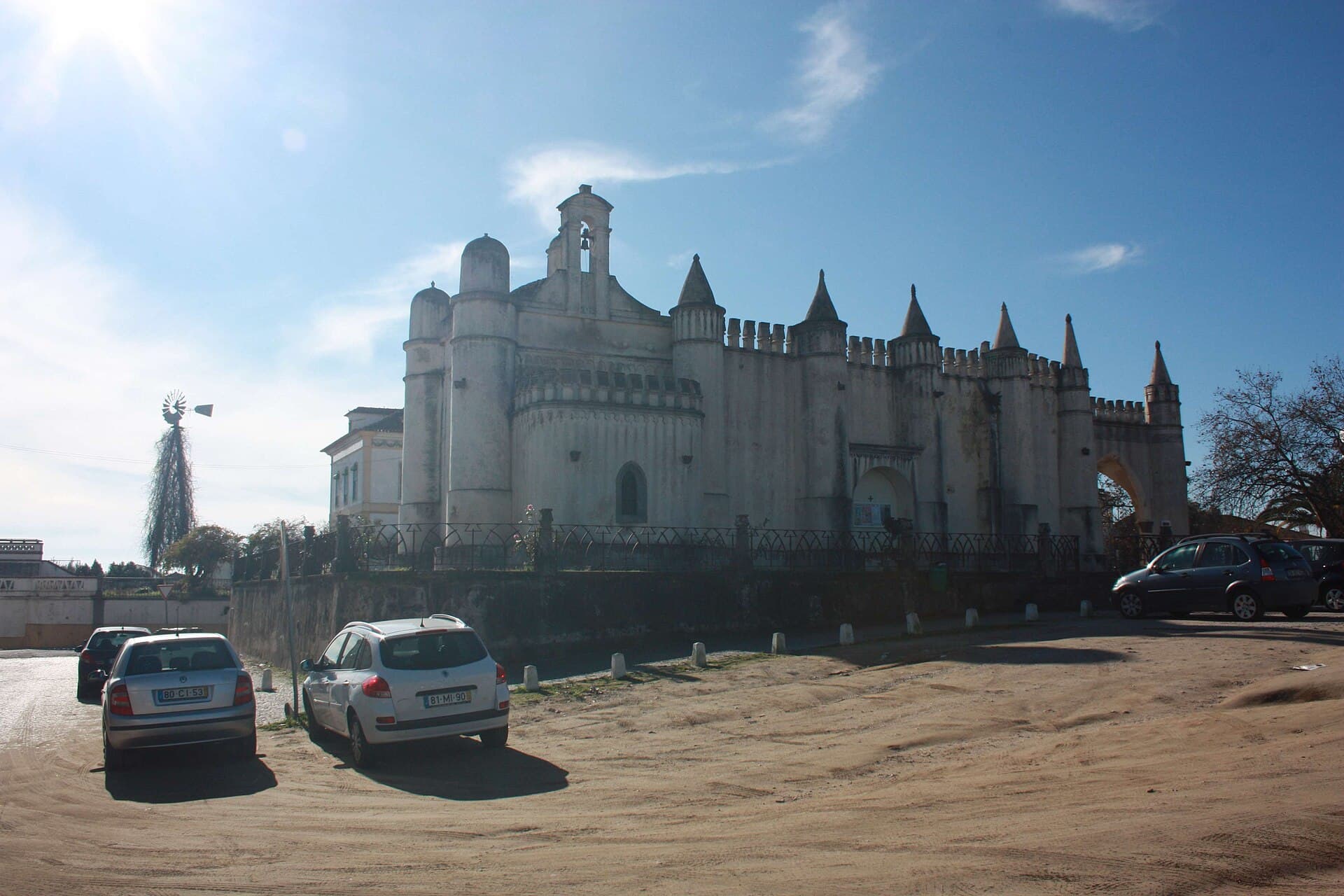
Walk to the southern edge of Evora's old town and you meet a building that argues with itself. The Ermida de Sao Bras, the Hermitage of Saint Blaise, is a chapel that looks like a small fortress. Cylindrical buttress-towers ringed with battlements, topped by conical spires, brace the whitewashed walls as if a siege were coming. No siege ever did. King Joao the Second ordered the hermitage in 1480, on the site of a plague hospital, and its armor was raised against death rather than against any army. That contradiction is the one thing worth understanding while you stand in front of it.
A house of prayer that looks like armor
The first thing to do is trust your eyes, because they are not deceiving you. This really does read as military architecture. Powerful round towers flank the facade. A line of crenellations runs along the top like the parapet of a keep. The spires taper to points. Every visual cue says "defense." And yet the interior is a single devotional space, entered through an open narthex of pointed ogival arches resting on half-columns with carved capitals. The fortress vocabulary is almost entirely symbolic. Nobody was ever meant to fight from these walls.
Once you accept that, the building starts to make a different kind of sense. It is not defending a position. It is making a statement about what people feared, and about what they believed could answer that fear. The armor is theological, not tactical.
Ordered against an epidemic
Hear a stop from this walk
Praca 1 de Maio: the medieval lower town and its market
The reason for the fortress mood lies in the ground it sits on. According to Visit Portugal, the hermitage stands on the site of a provisional hospital that had served during a plague outbreak. In the years around 1479 and 1480, an epidemic moved through the country, and a temporary shelter went up here on the Rossio, outside the walls, to treat the sick. When the immediate danger passed, the temporary hospital gave way to something permanent: a chapel raised on the exact spot where people had suffered and died.
That choice tells you how Evora thought. A city terrified of contagion did not seal the memory away. It marked the place, and it dressed the marker in the language of strength. The building is a permanent monument to an epidemic, a spiritual stronghold against an enemy no city wall could keep out.
The dedication follows the same logic. The hermitage honors Saint Bras, known in English as Saint Blaise, an early bishop and martyr traditionally invoked against epidemics and diseases of the throat. His feast falls on the third of February, and to this day some Catholic churches perform a "blessing of the throats" on that day, a small ritual descended from the belief that Blaise could heal a person choking on a fish bone. To build a house for Saint Blaise on the site of a plague hospital was to ask, in stone, for exactly the kind of protection the sick had needed and not received.
Dates you can stand on
The documentary record here is unusually firm for a building of this age, which is part of why this stop is satisfying to visit. The ecclesiastical license for the work was granted on the seventh of September, 1480. Construction was under way by 1482, and the hermitage was open for worship by about 1490, a fast timeline for the period. The commission belonged to King Joao the Second, and the work was carried out under D. Garcia de Meneses, then Bishop of Evora. These are not soft traditions. They are dates you can lean on while you look at the walls, which makes the plague story feel less like folklore and more like an event that people lived through and answered on this ground.
The building that taught the Alentejo a style
There is a reason architecture writers keep coming back to this small chapel. It is one of the earliest examples of a fortified Gothic idiom blended with Mudejar, meaning Moorish-influenced, craftsmanship, and that combination went on to spread across the Alentejo. Look closely and the blend is legible. The pointed arches and towers are Gothic and defensive in feeling. The decorative touches, the geometric patterning and the treatment of tile and stucco inside, carry the Hispano-Moorish inheritance that runs through so much of southern Portugal. Cylindrical buttresses ending in conical caps became something of a signature, copied at churches and hermitages across the region.
So this is not only a plague monument. It is a design prototype. When you notice the same fortress-chapel silhouette elsewhere in the Alentejo, you are looking at the influence of this one building outside Evora's walls. It has long carried National Monument protection, recognition of both its history and its role as a template.
The argument this hermitage makes
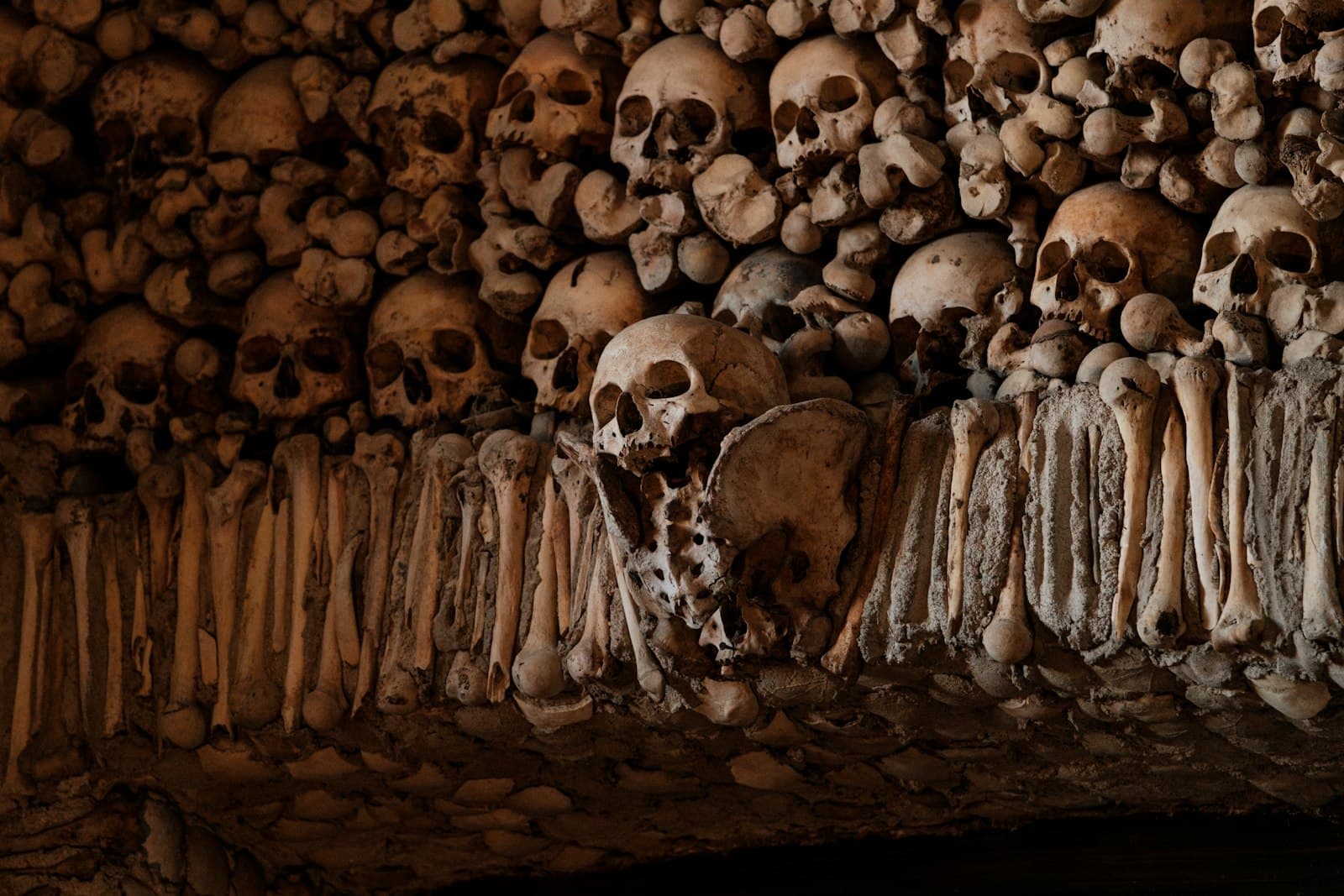
What makes the Ermida de Sao Bras worth a deliberate stop, rather than a glance in passing, is how directly it speaks to the rest of Evora. This is a city that answered mortality out loud. Its most famous room, the Chapel of Bones, lines its walls with the remains of roughly five thousand people and greets you with a carved reminder that you, too, will die. That chapel displays death to calm you, to slow you down, to make you sit with it. The Ermida de Sao Bras makes the same argument turned inside out. Here, death is not displayed. It is walled against. One building invites the end in and asks you to contemplate it. The other raises battlements and asks God to keep it out. Both are the same city reckoning, plainly and without embarrassment, with the thing it feared most.
Standing in front of the hermitage, that is the single idea to hold. This is not a defensive structure that happens to be a chapel. It is a chapel that borrowed the shape of a fortress because, in a place that had just buried its plague dead, faith and fear needed the same silhouette.
The hermitage sits on the self-guided "Bones and Faith" walk through Evora's southern old town, a route of about two and a half kilometers that links the Chapel of Bones, the royal Gothic church that holds it, the municipal market, this plague hermitage, and a surviving fragment of the royal palace. Walking it in order is the best way to feel how the pieces of the argument fit together. To plan the full loop, browse Evora walking tours, and for orientation to the wider city and its other routes, start with Evora. The exterior of the hermitage is free and open, and it rewards the short detour to the town's edge.
Sources
- Visit Portugal, "Ermida de Sao Bras" official tourism entry: confirms the hermitage was built on the site of a provisional plague hospital and dedicated to Saint Blaise.
- Wikidata entry Q39713628, "Ermida de Sao Bras": establishes the monument's identity, location, and National Monument status (classified 1910) outside Evora's walls.
- Wikipedia, "Saint Blaise": documents the third of February feast day, the throat and fish-bone tradition, and his role as protector against epidemics.
- Portuguese heritage records (DGPC / SIPA) for the Ermida de Sao Bras: corroborate the September 1480 license, construction begun by 1482, opening for worship by about 1490, and the Gothic-Mudejar architectural classification.
Ready to experience it?
Capela dos Ossos: The Chapel Built of the Dead
90 min · 2.6 km · easy
More from Evora
Explore more at your own pace.
Evora Travel Guide: Days, Transport, Best Time, Safety, and Budget
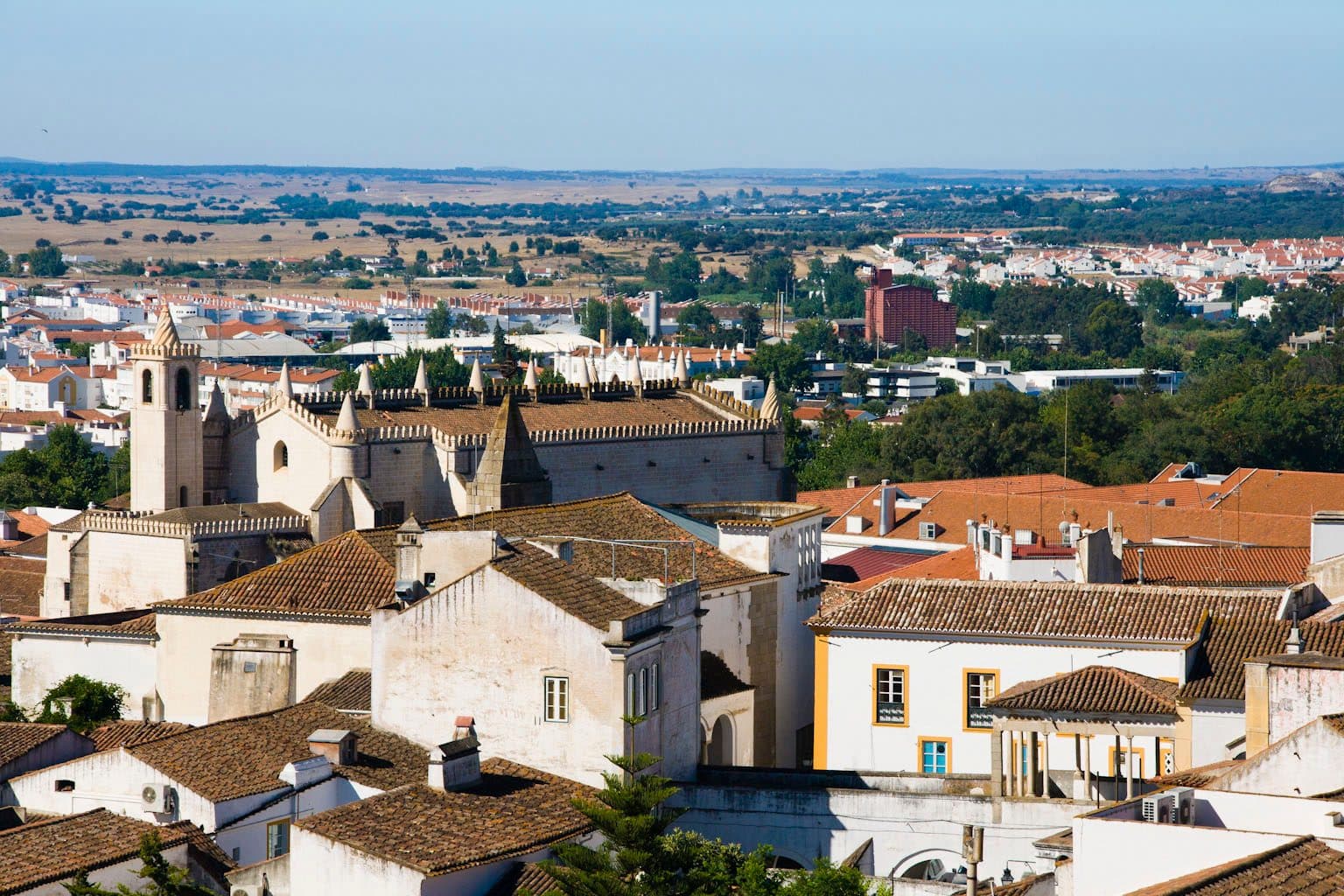
Evora: The Museum City That Never Stopped Being Lived In
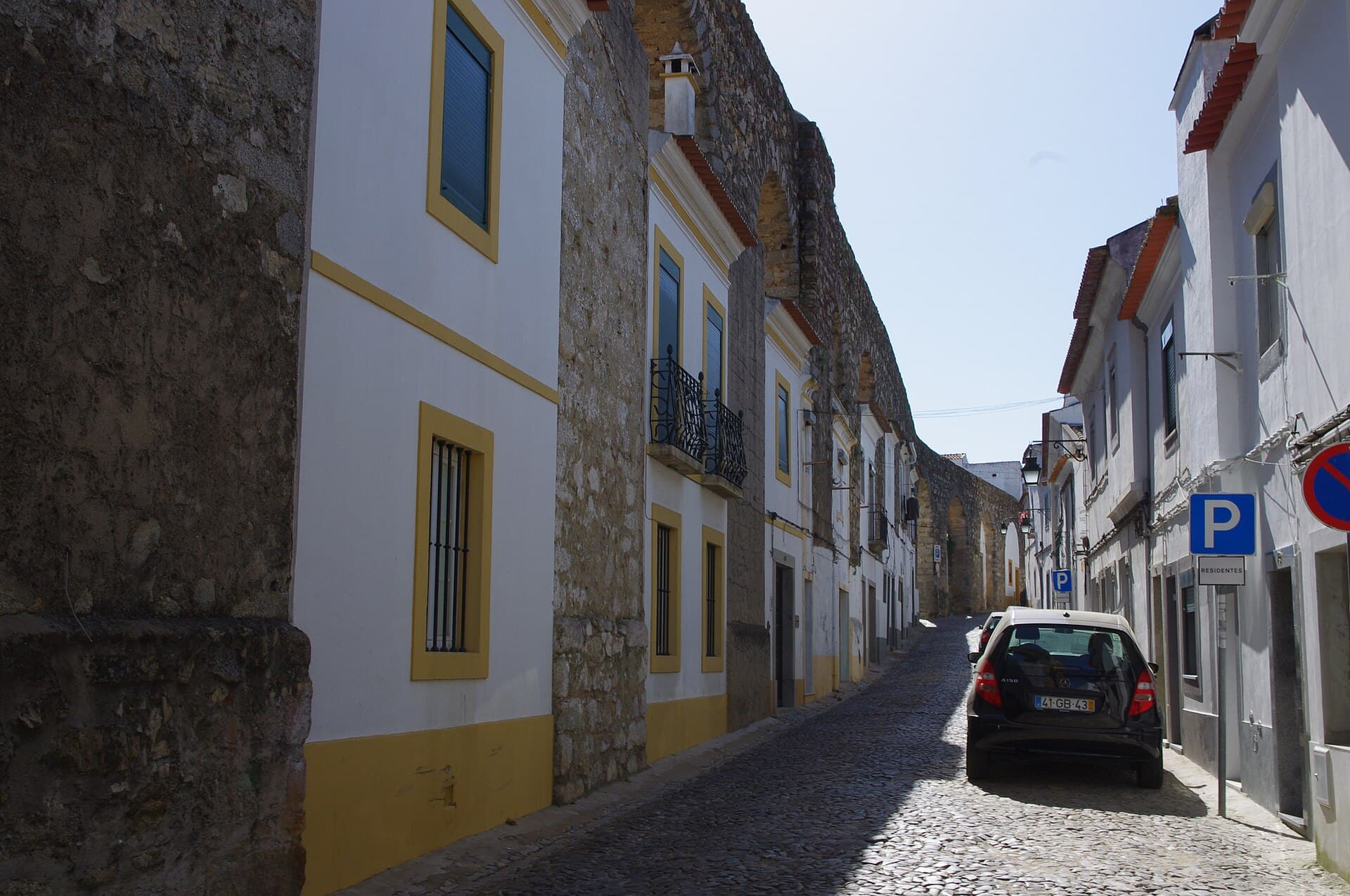
Rua do Cano: How Evora Moved Into a King's Aqueduct
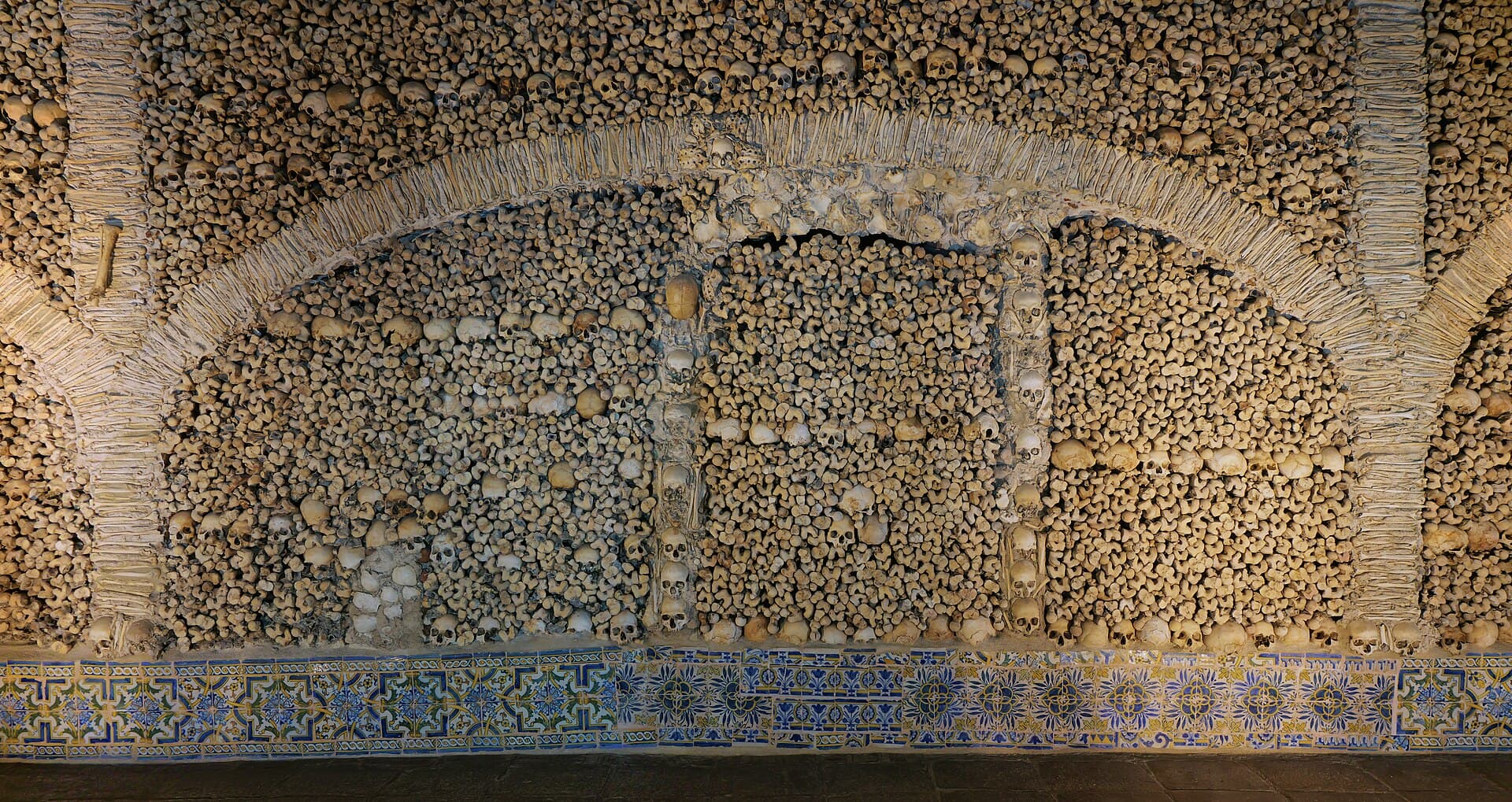
The Chapel of Bones in Evora: Why a City Lined a Wall With Its Dead
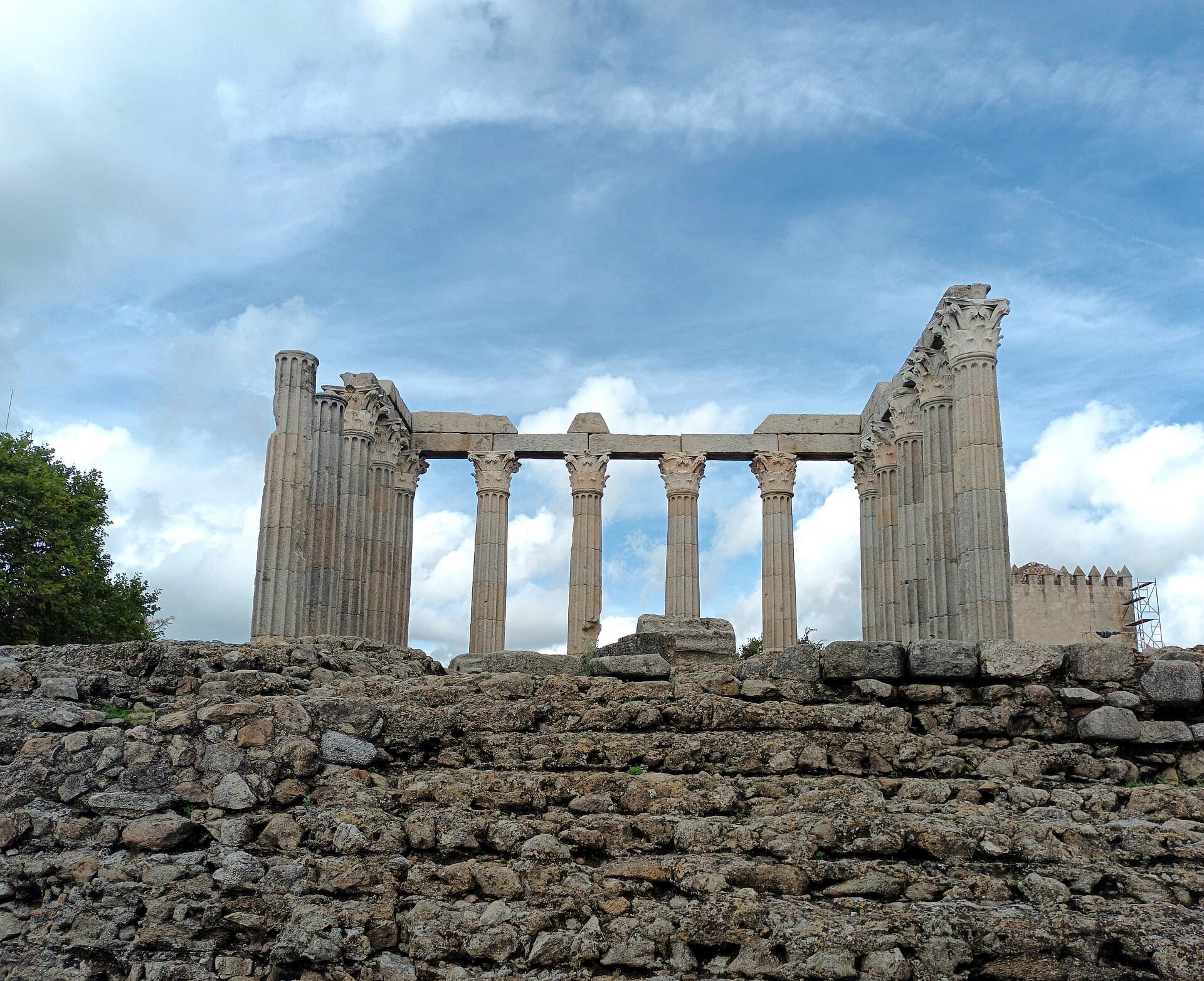
Why Evora's Roman Temple Survived as a Butcher Shop