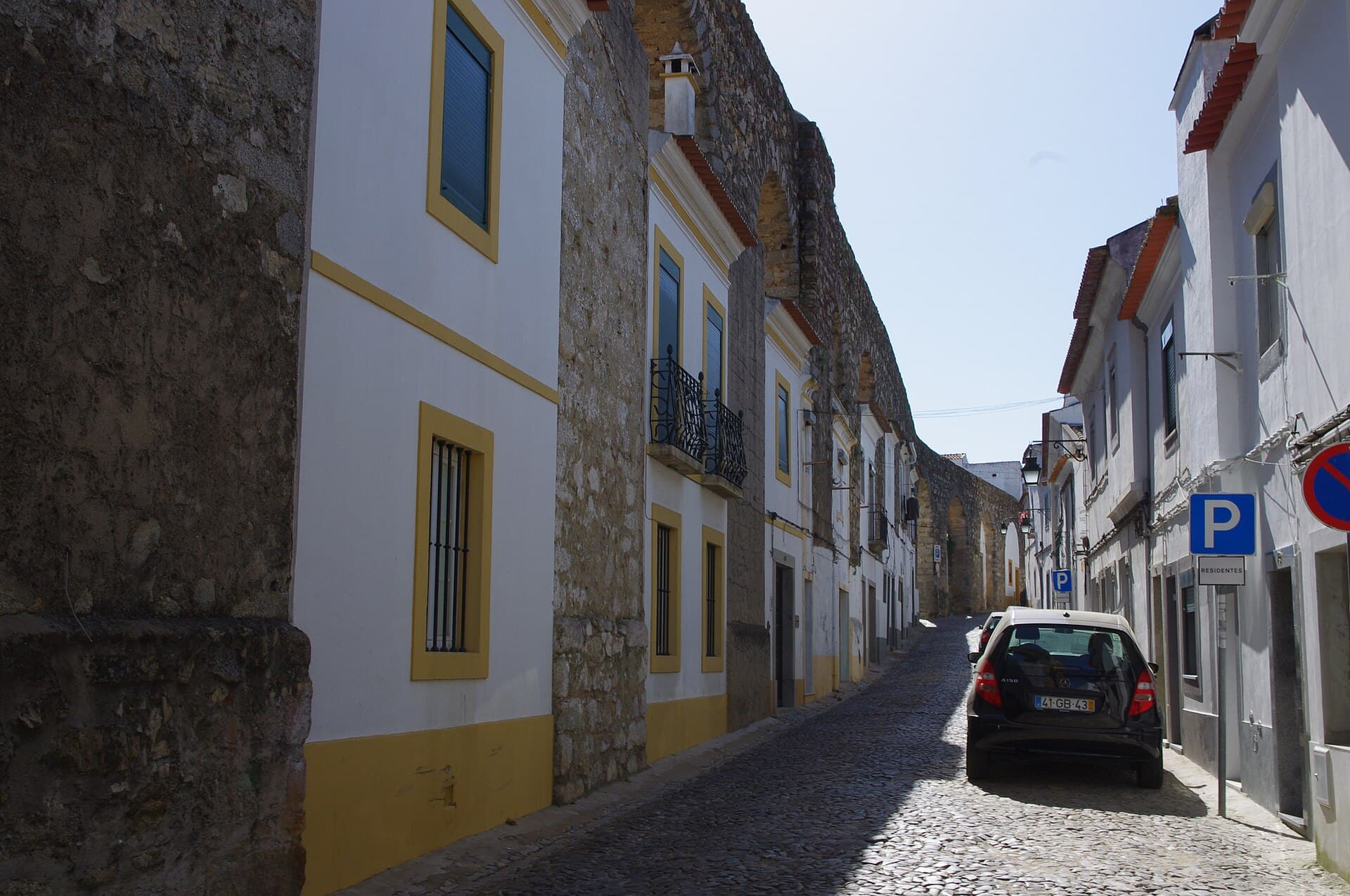
On Rua do Cano, the people of Evora did something a Renaissance king never designed for: they built houses, shops, and workshops directly inside his aqueduct. The granite arches of the Agua de Prata, the Silver Water aqueduct, carried fresh water across roughly eighteen kilometres of dry Alentejo plain into the city in the fifteen thirties. Along this one street inside the old walls, an arch became a doorway, a span became a wall, and a kitchen tucked into the shadow of a pier cut to serve a court. If you want to understand the whole Evora water system in a single place, stand here and read the two intentions layered in the same wall.
What Rua do Cano actually shows you
The name is literal. Rua means street, and cano means the water conduit, the pipe. So this is the street of the channel, and it runs exactly where the aqueduct terminated inside the medieval wall. Over the centuries, ordinary Evora simply moved in around the arcades. Cafes and shops now live beneath and beside the arches. Homes use the aqueduct's own granite as their structure, so an imperial work of hydraulic engineering doubles as private architecture.
That is the detail worth slowing down for. The best seams are where the old cut stone ends and someone's plaster and paint begin. You can see, in the physical fabric, two separate decisions meeting: the state's decision to move water on high arcades, and the household's later decision to shelter against those piers and span the gaps with walls. The monument was made domestic. The grand thing was colonized from below.
There is a story attached to how this began. One local tradition holds that in the eighteenth century, after the water flow was interrupted, townspeople claimed the dry arches and built inside them. Historians treat this as folklore rather than settled record, so hold it lightly. What is not in doubt is what your own eyes confirm: a working neighborhood woven into royal engineering, still occupied, still busy.
Why this street is the key to the whole tour
Hear a stop from this walk
Aqueduto da Agua de Prata: where the water announces itself
The Evora water aqueduct tour is built as a walk-in. You start at the edge of the old town, where the aqueduct announces itself on high arcades, and you follow the water inward toward the center, the same direction it once flowed. Rua do Cano is the second stop, and it is the pivot on which the entire argument turns.
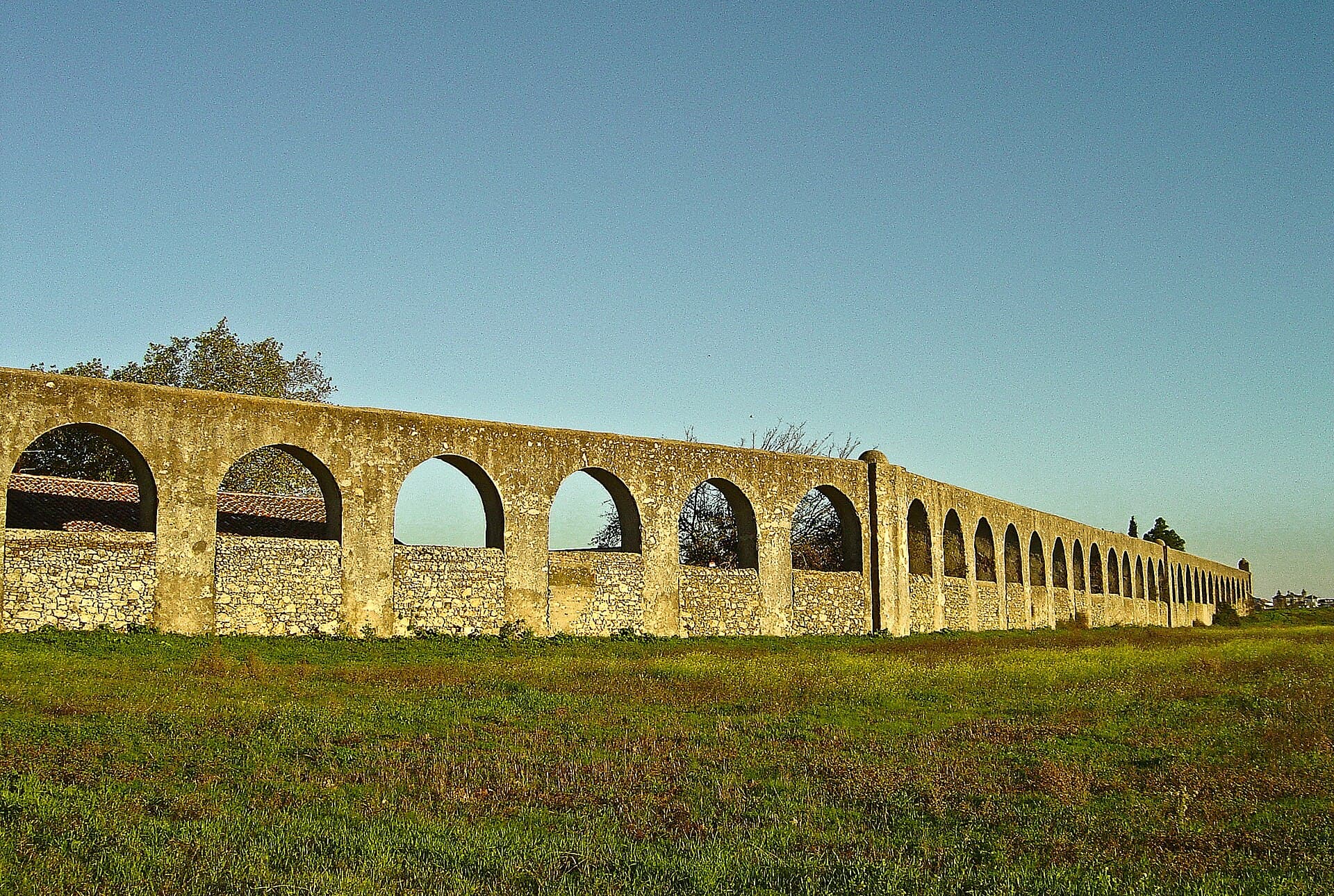
Stop one is the aqueduct as a statement of power. Look up at the arches marching toward the city and you are reading royal ambition in stone. King Joao the Third of Portugal ordered the water carried in, and the city's own records place construction starting around fifteen thirty-two, with water arriving near fifteen thirty-seven. That is roughly six years of labor. The designer was the royal architect Francisco de Arruda, and here is the connection that makes the arches worth a second look: this is the same Francisco de Arruda who earlier built the Torre de Belem, the tower guarding the river at Lisbon, between fifteen fourteen and fifteen nineteen for King Manuel the First. He and his brother Diogo helped shape the ornate Portuguese style we call Manueline. The mind behind one of Portugal's most famous river towers also drew these arches. The engineers followed, and in places most probably overlaid, older Roman waterworks, because watering this hilltop was an ancient problem long before the Renaissance solved it again.
So stop one gives you top-down grandeur. Rua do Cano, stop two, gives you the bottom-up life that answered it. That tension, imperial engineering above and human life underneath, is the city in miniature, and everything after it resolves the same idea.
Where the water goes next
Walk on and the payoff compounds. The route reaches Praca do Giraldo, the main square, where the Silver Water was ceremonially delivered before the king and his court. The fountain there today, the Fonte Henriquina, dates to around fifteen seventy and carries eight spouts that are said to represent the eight streets meeting at the square. The square is named for Geraldo Geraldes, called Gerald the Fearless, a Reconquista warrior who took Evora around eleven sixty-five. It also carries darker history: it served as an execution ground and Inquisition stage over roughly two centuries, and a Duke of Braganca was beheaded here in fourteen eighty-three.
Beside the square rises the Igreja de Santo Antao, a hall-church built between fifteen fifty-seven and fifteen sixty-three. Its single soaring interior, what the Portuguese call an igreja-salao, became a model for other churches across the Alentejo. Its patron was Cardinal Dom Henrique, the same churchman whose name graces the fountain outside. One hand, one ambition, water and architecture together.
The walk then pauses to read the land the aqueduct had to cross: the cork-oak and vineyard country of the Alentejo. Portugal produces more than half of the world's cork and is the leading producer, with this plain as its heartland. A cork oak must be about twenty-five years old before its first harvest, and after that its bark can be stripped only about once a decade without killing the tree. The engineers moved water across this dry country precisely to make a city livable on it.
The last stop closes the loop in marble. The Chafariz das Portas de Moura, inaugurated in fifteen fifty-six, is a great white Estremoz-marble sphere balanced on a single column, built to celebrate the Silver Water's arrival. Its Latin inscription, dated fifteen fifty-six, speaks of the rock turned into a sheet of water. Architect Diogo de Torralva carved it; Cardinal Dom Henrique again paid for it. Across the square stands the sixteenth-century Casa Cordovil, blending Mudejar, Manueline, and Gothic detail under an arched veranda.
Six stops, about ninety minutes at an easy pace, near one and a half kilometres, all outdoors and free to look at. Rua do Cano is where the abstract idea of a royal aqueduct becomes a place you could live. For the full route and the rest of the city, browse Evora walking tours, then walk the aqueduct in the order the water once traveled.
Sources
- Agua de Prata Aqueduct, Wikipedia. Construction dates, Francisco de Arruda, and the eighteen-kilometre course from the Herdade do Divor.
- Camara Municipal de Evora, official aqueduct page. City records on the fifteen-thirties commission under King Joao the Third and the arrival of the water.
- My Portugal Holiday, Agua de Prata Aqueduct guide. Description of Rua do Cano and the homes and shops built inside the arches.
- Visit Portugal, "The Cork." Portugal's position as the leading cork producer and the harvest cycle of the cork oak.
Ready to experience it?
Aqueduto da Água de Prata: The Water That Walks Into the City
90 min · 1.5 km · easy
More from Evora
Explore more at your own pace.
Evora Travel Guide: Days, Transport, Best Time, Safety, and Budget
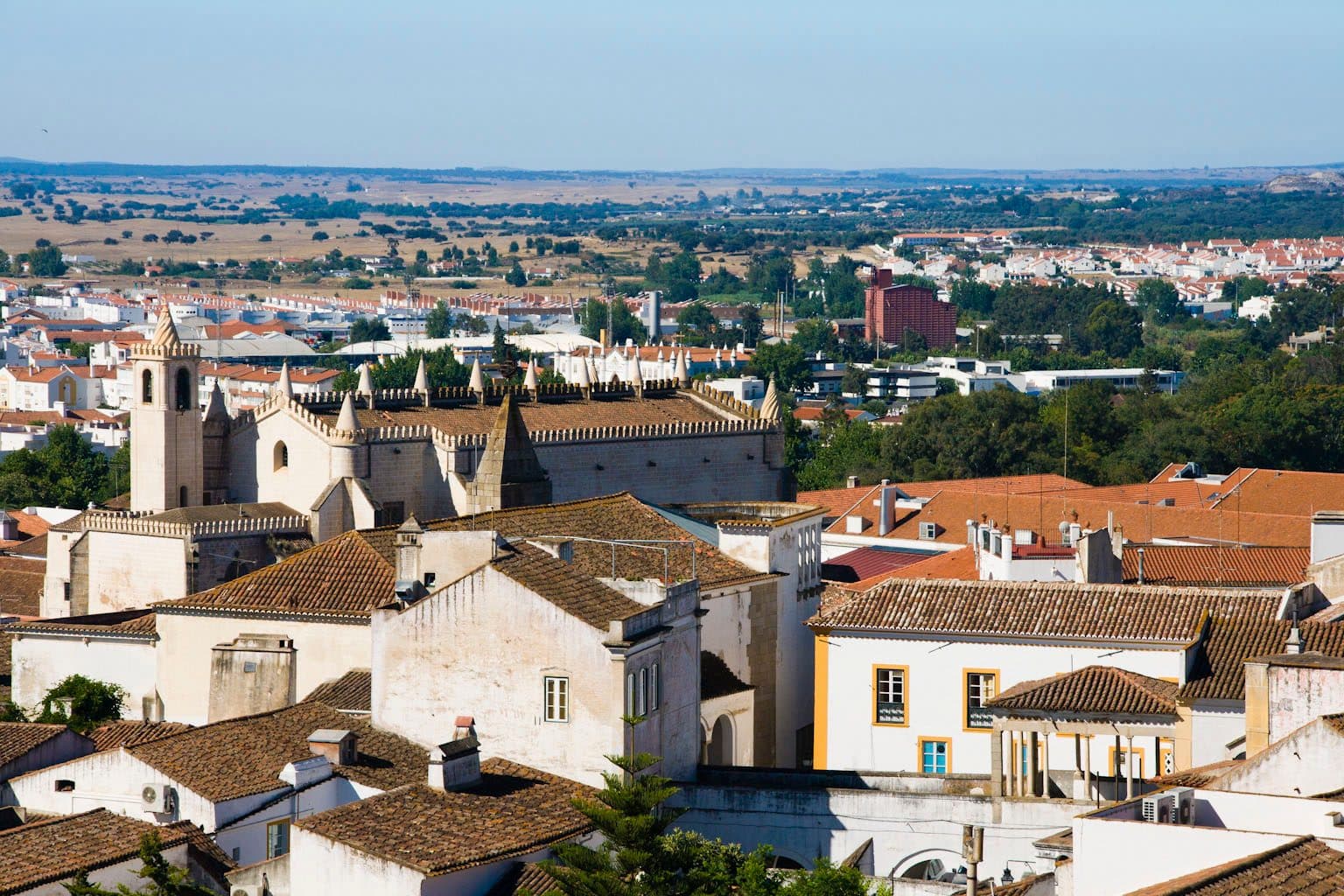
Evora: The Museum City That Never Stopped Being Lived In
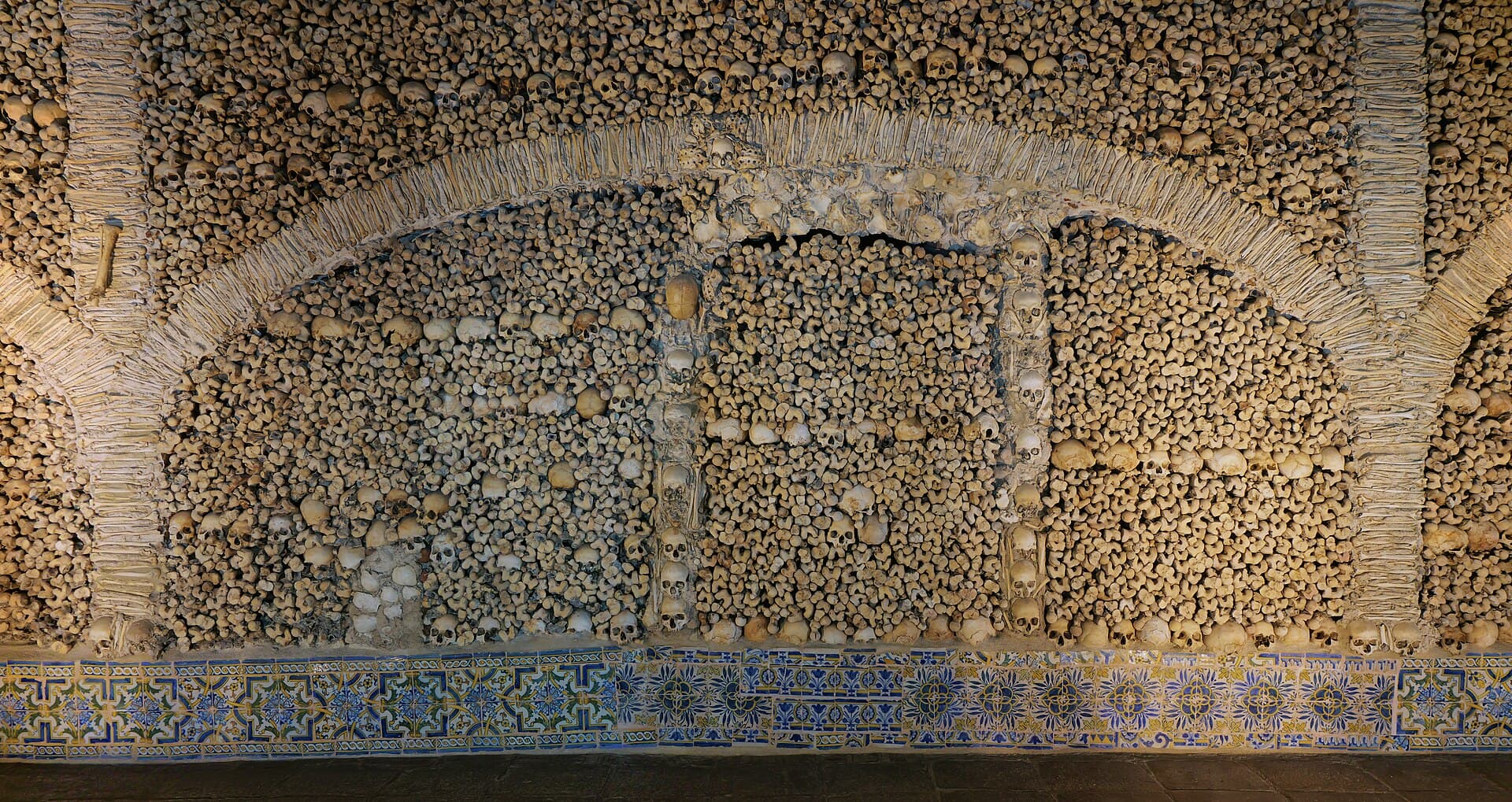
The Chapel of Bones in Evora: Why a City Lined a Wall With Its Dead
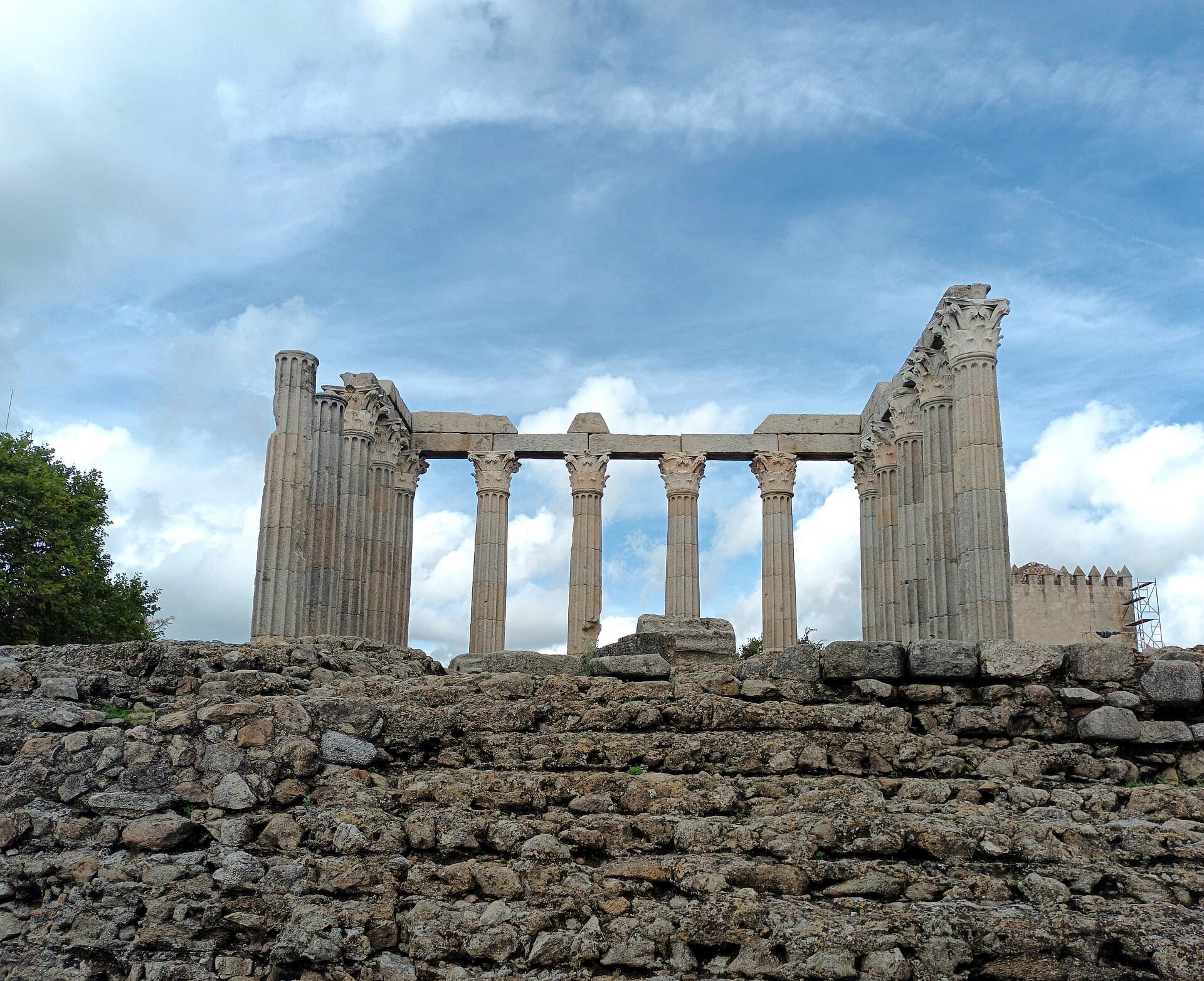
Why Evora's Roman Temple Survived as a Butcher Shop
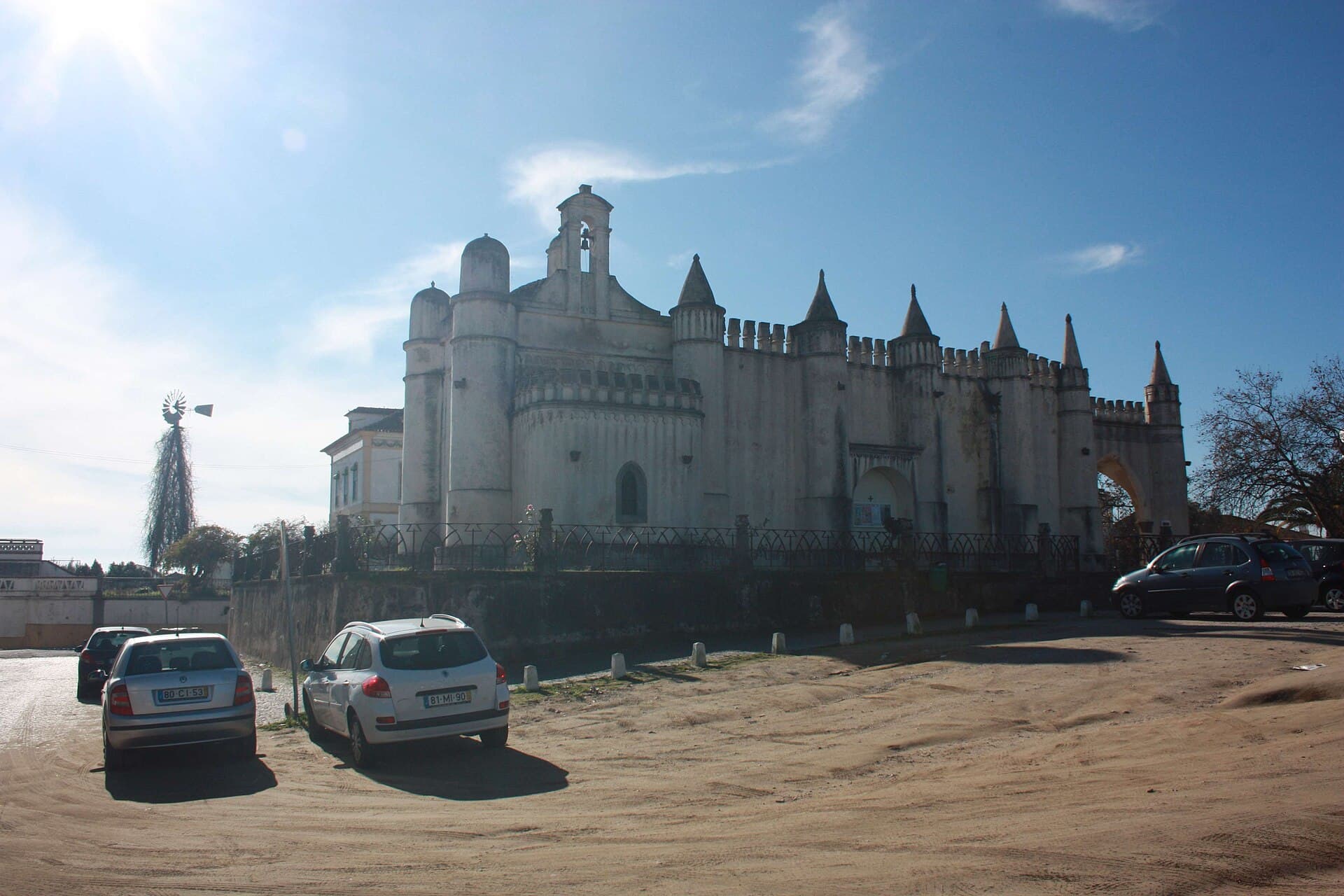
Ermida de Sao Bras: The Fortress Chapel Evora Built Against the Plague