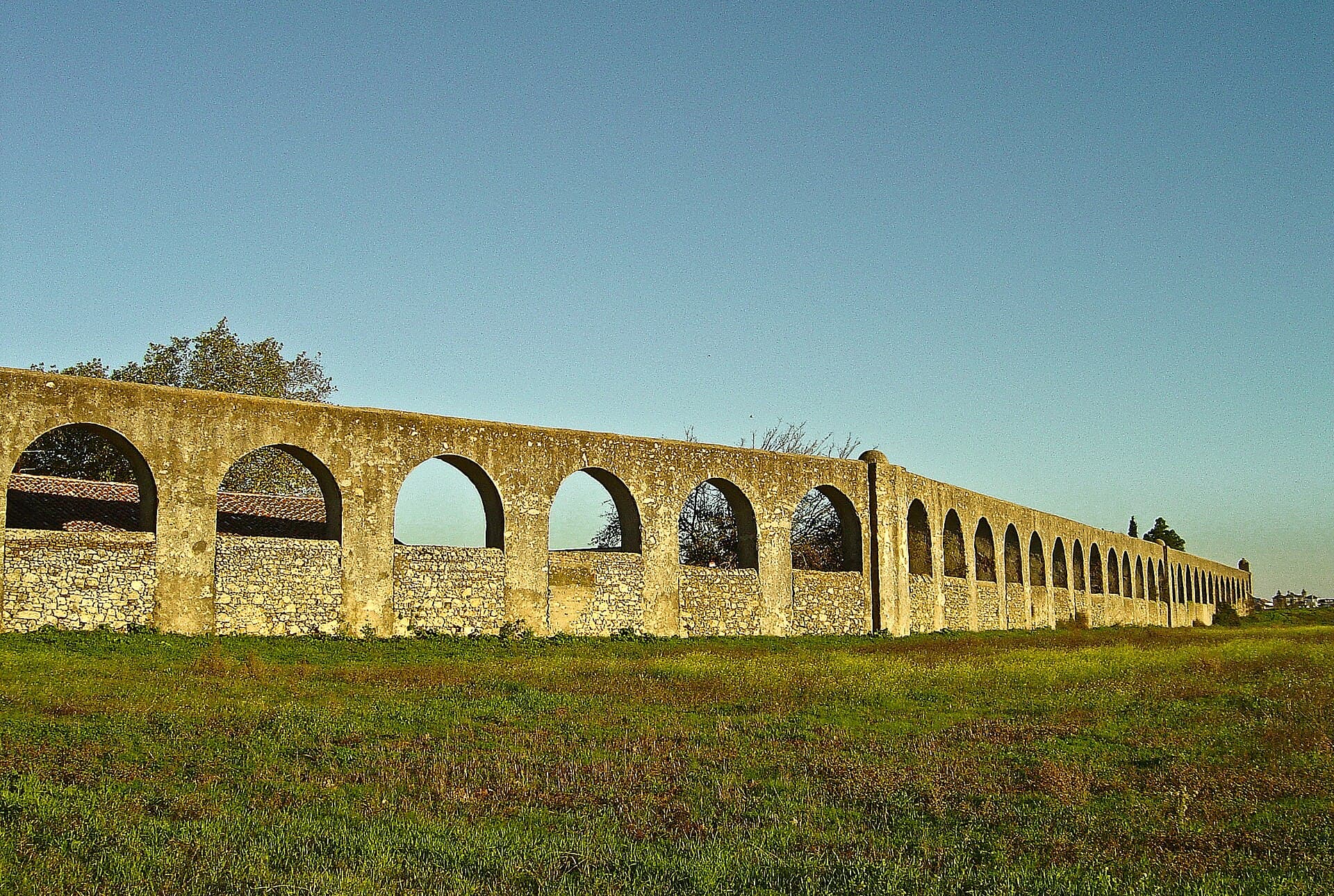
The Water That Walks Into the City
Follow a Renaissance king's aqueduct as it strides across the dry Alentejo plain into Evora, then watch ordinary people move their homes and shops right inside its granite arches. This is a city read through water, from imperial engineering above to human life underneath.
4.68|90 minutes|1.5 km|6 Stops
Start
Aqueduto da Agua de Prata: where the water announces itself
1
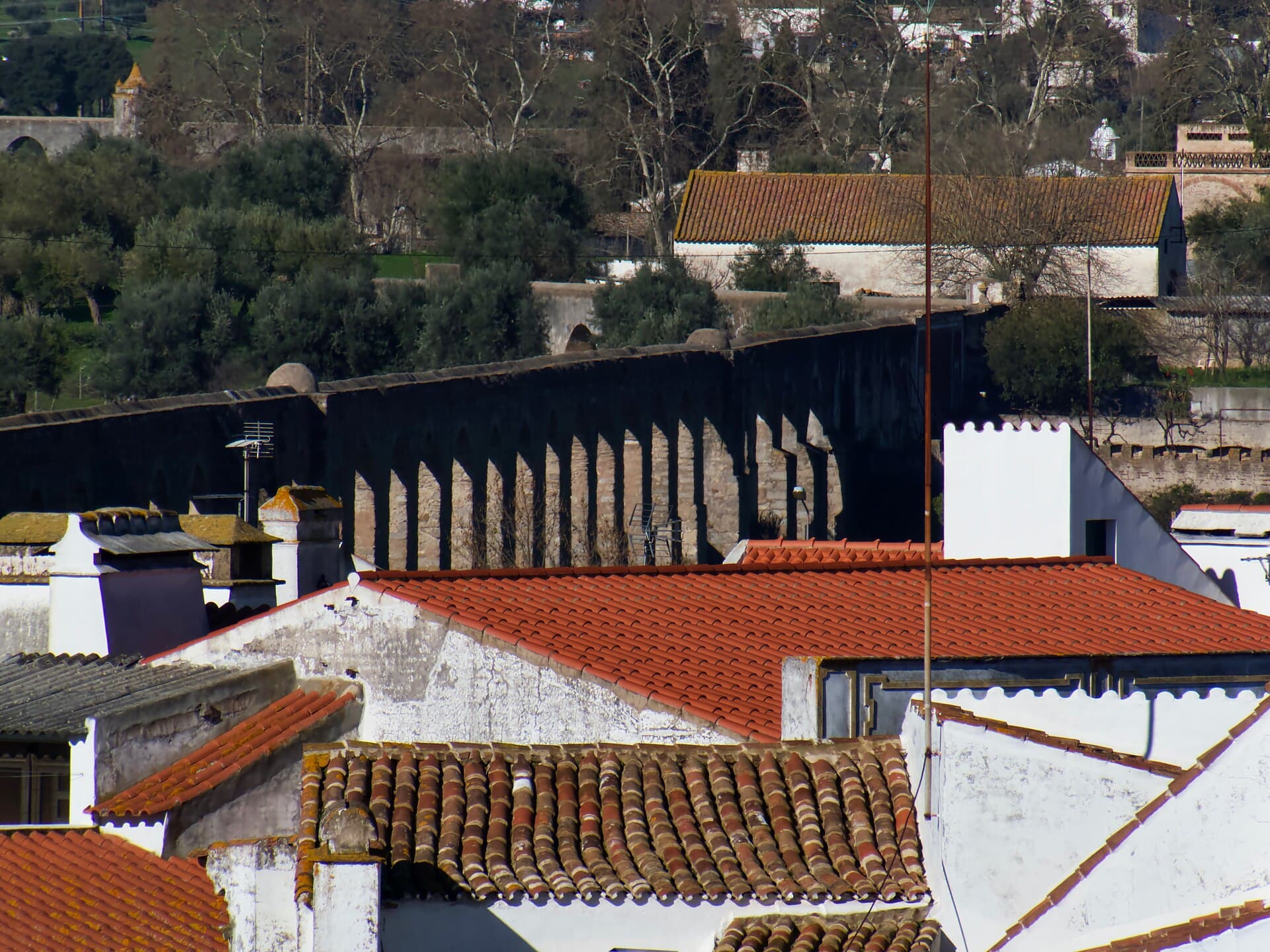
Aqueduto da Agua de Prata: where the water announces itself
The Silver Water aqueduct, a Renaissance feat of granite arcades that carried fresh water roughly eighteen kilometres across the plain into Evora.
2
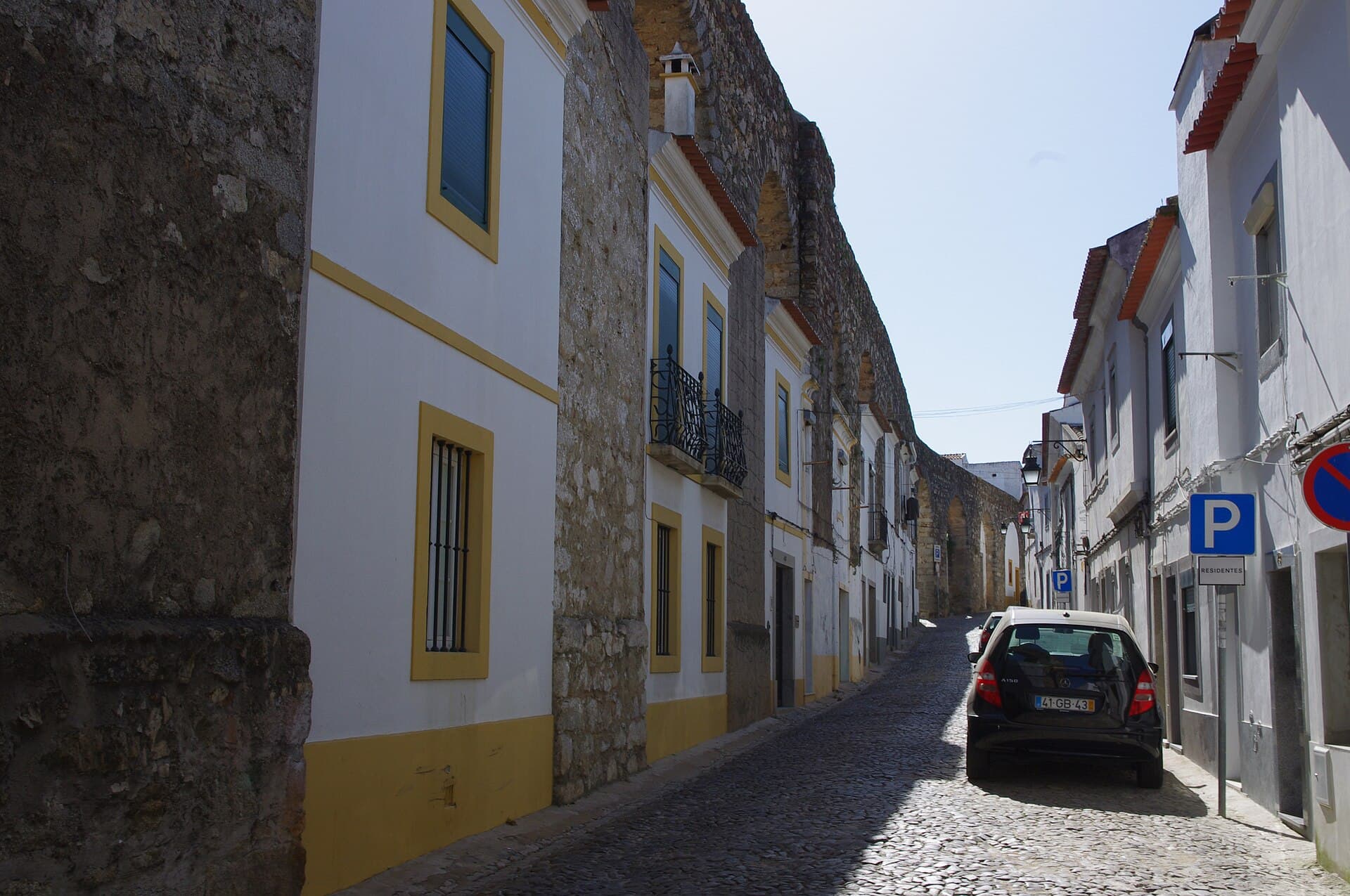
Rua do Cano: the houses inside the arches
A street inside the old walls where townspeople built homes, shops, and workshops directly between and beneath the aqueduct's granite arches.
3
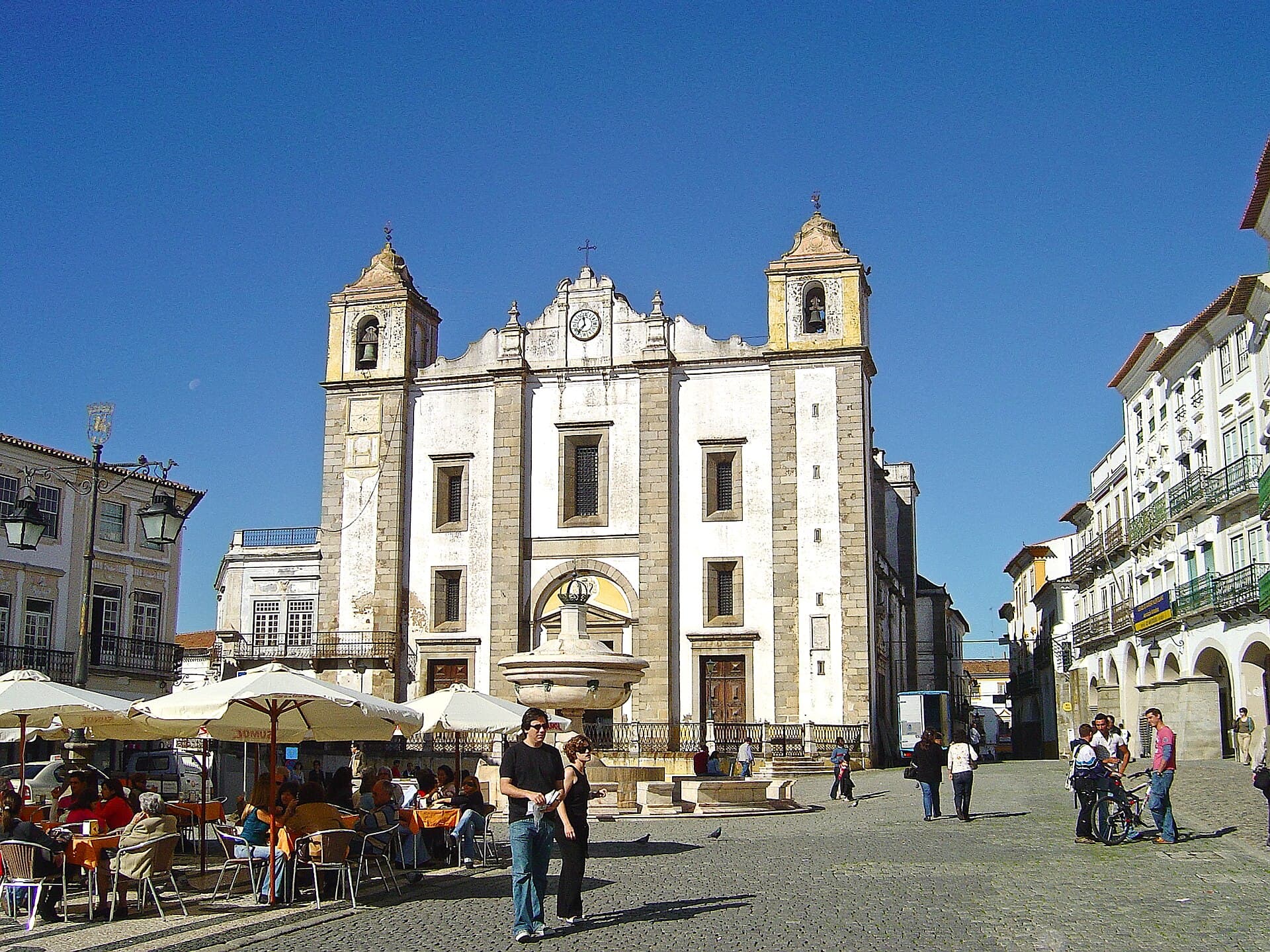
Praca do Giraldo: where the water arrived
Evora's grand central square, named for a Reconquista warrior, where the aqueduct's water was ceremonially delivered and a marble fountain still runs.
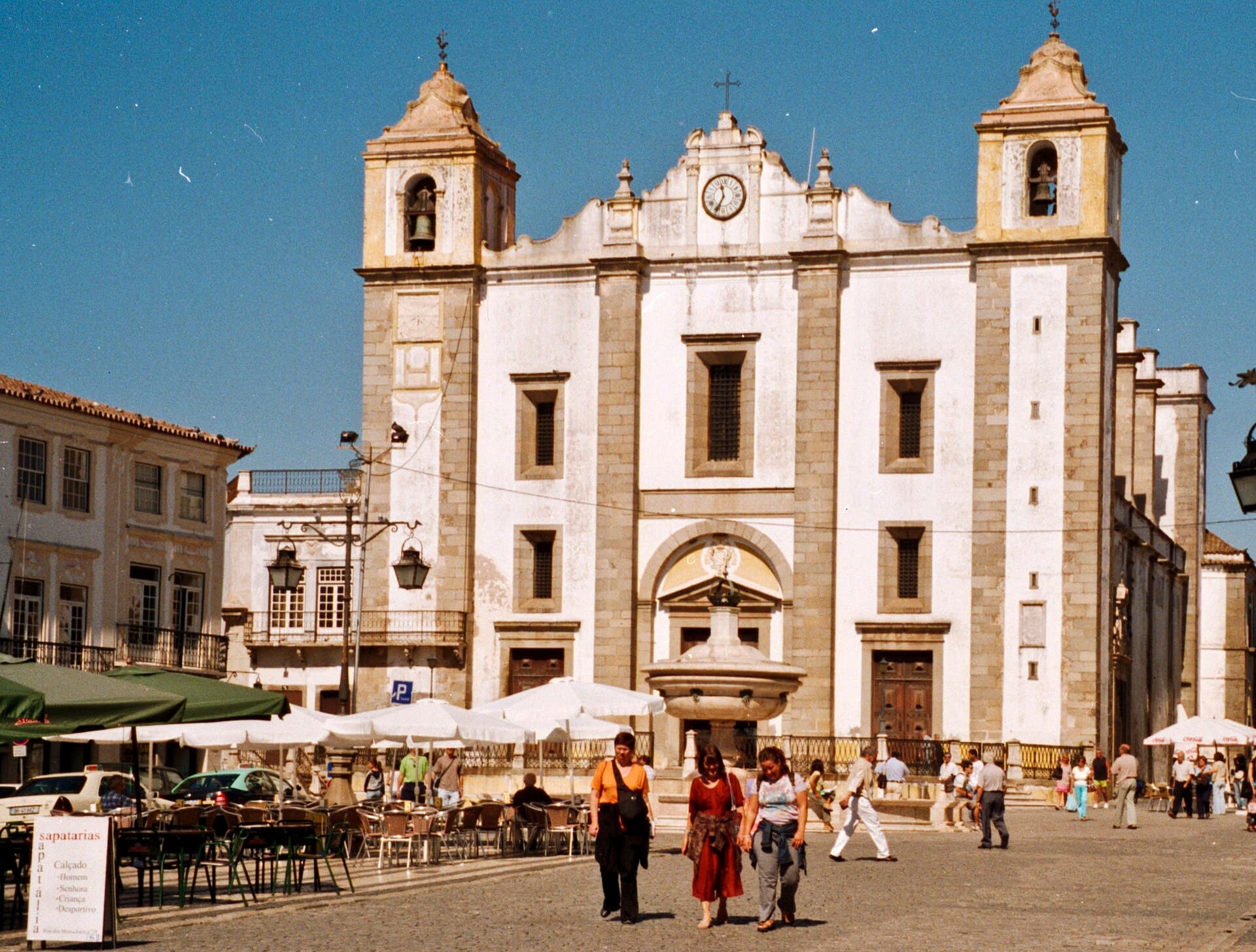
4
Igreja de Santo Antao: the cardinal's church
A late Renaissance hall-church on the main square, commissioned by the same cardinal who sponsored the fountain beside it, holding a rare medieval marble altar.
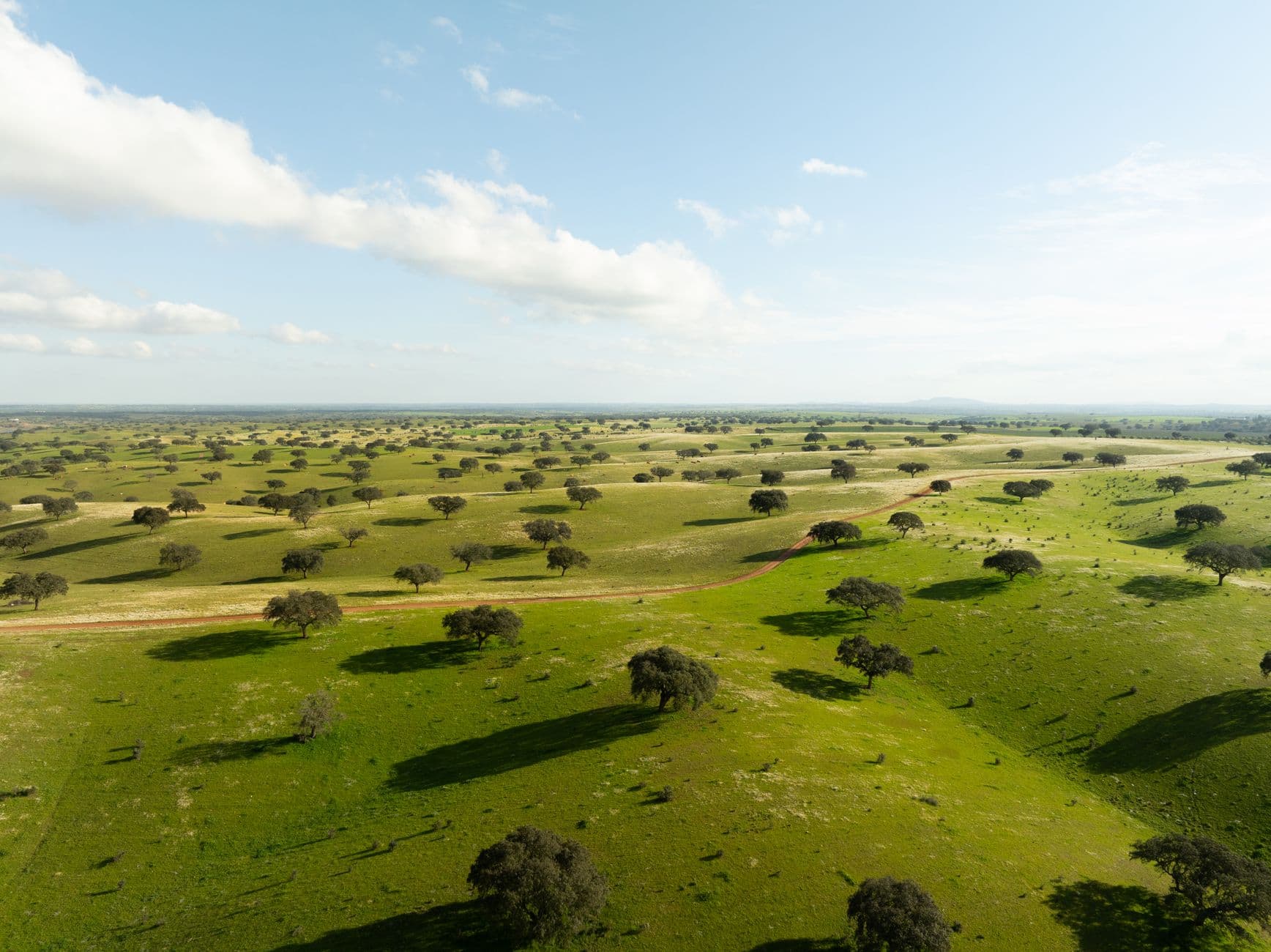
5
Alentejo cork and wine: the landscape the water crosses
A pause to read the cork-oak and vineyard country of the Alentejo, the same dry plain the aqueduct was built to cross and make livable.
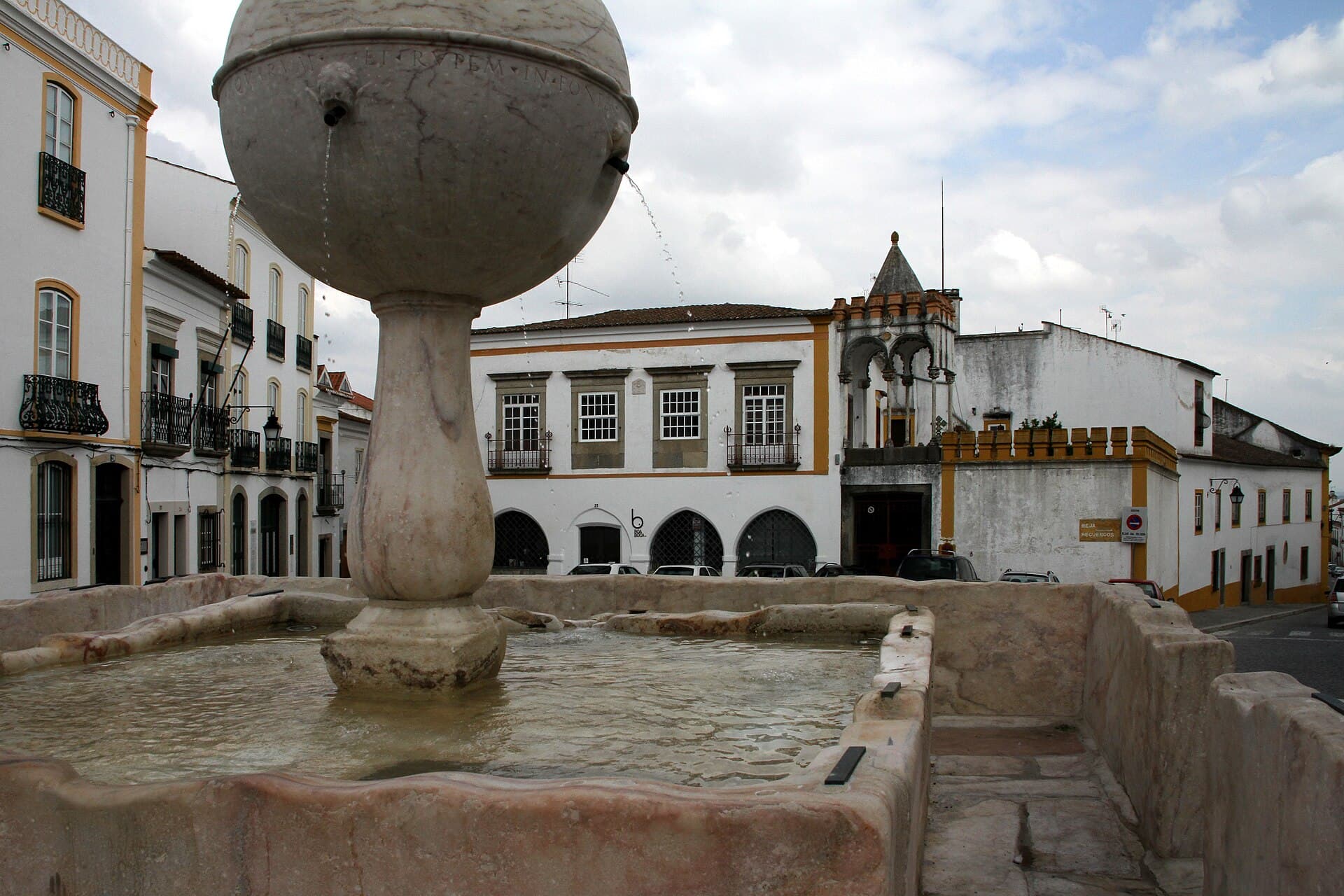
6
Portas de Moura: the water at rest in marble
A square just inside the old Moura gate, home to a marble globe fountain celebrating the Silver Water's arrival, facing a richly styled sixteenth-century house.
Best Time to Visit
Late morning or the golden hour before sunset, when low light warms the granite arches and the marble fountains and the summer heat has eased. Spring and autumn are the most comfortable seasons in the Alentejo; midsummer midday is intense and best avoided on foot.
Pro Tips
- •Start at the high arches on the edge of the old town and walk inward with the aqueduct, so the story unfolds in the order the water once traveled.
- •Wear shoes with real grip: Evora's calcada, the polished stone cobbles, gets slick underfoot, especially on the sloping lanes.
- •Look up often along Rua do Cano to catch where private homes and shops meet the original granite arches; the best details are at the seams.
- •Carry water and a hat in warm months; the Alentejo sun is strong and shade is scarce in the open squares.
- •Time a stop at Praca do Giraldo for a sit-down break, since it is the social heart of the city and a natural midpoint to rest.
- •Peek inside the Igreja de Santo Antao during its open hours to see the medieval marble altar, and keep your voice low if a service is underway.
Safety & Precautions
- Evora's streets are steep in places and paved in calcada cobblestones that turn slippery when wet or worn smooth; walk carefully and watch your footing on the slopes.
- The Alentejo is hot and dry, especially inland in summer; carry water, wear sun protection, and pace yourself, since much of the walk is in open sun.
- Churches such as the Igreja de Santo Antao ask for modest dress and quiet; cover shoulders and knees, silence your phone, and avoid visiting during services if you only want to sightsee.
- The lanes are narrow and shared with cars and delivery traffic; stay alert at corners and step aside for vehicles, as sidewalks are minimal or absent.
Gallery
Related Reading
Go deeper on what you'll see, hear, and walk through.
Overview
Best Self-Guided Walking Tours in Evora (2026)
3 min
Overview
Evora Travel Guide: Days, Transport, Best Time, Safety, and Budget
7 min
Overview
One Day in Evora: A Morning-to-Evening Walking Itinerary
9 min
Thematic
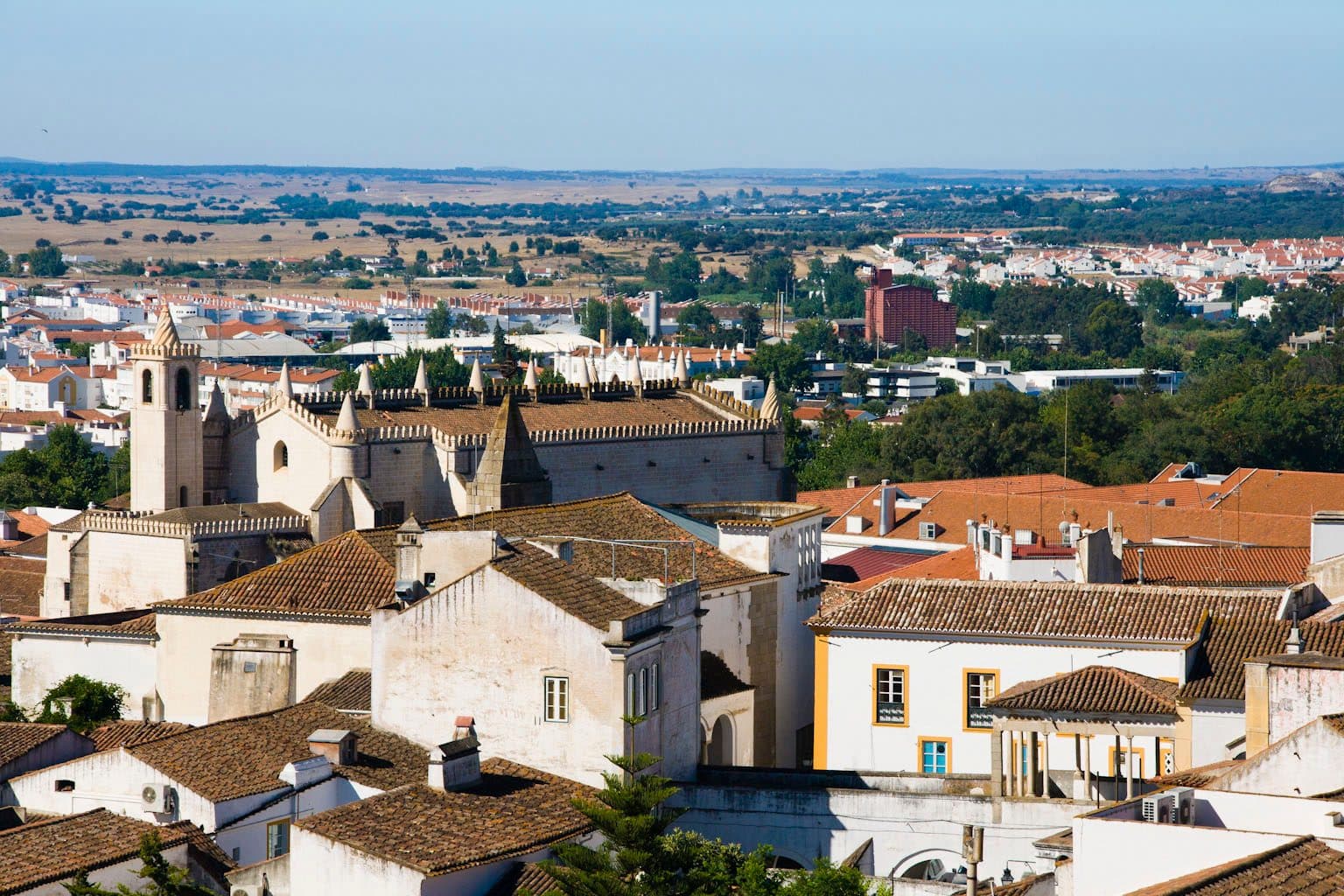
Evora: The Museum City That Never Stopped Being Lived In
7 min
Companion
Rua do Cano: How Evora Moved Into a King's Aqueduct
6 min
Read
What to Eat in Evora: The Alentejo Dishes and How to Order Them
7 min