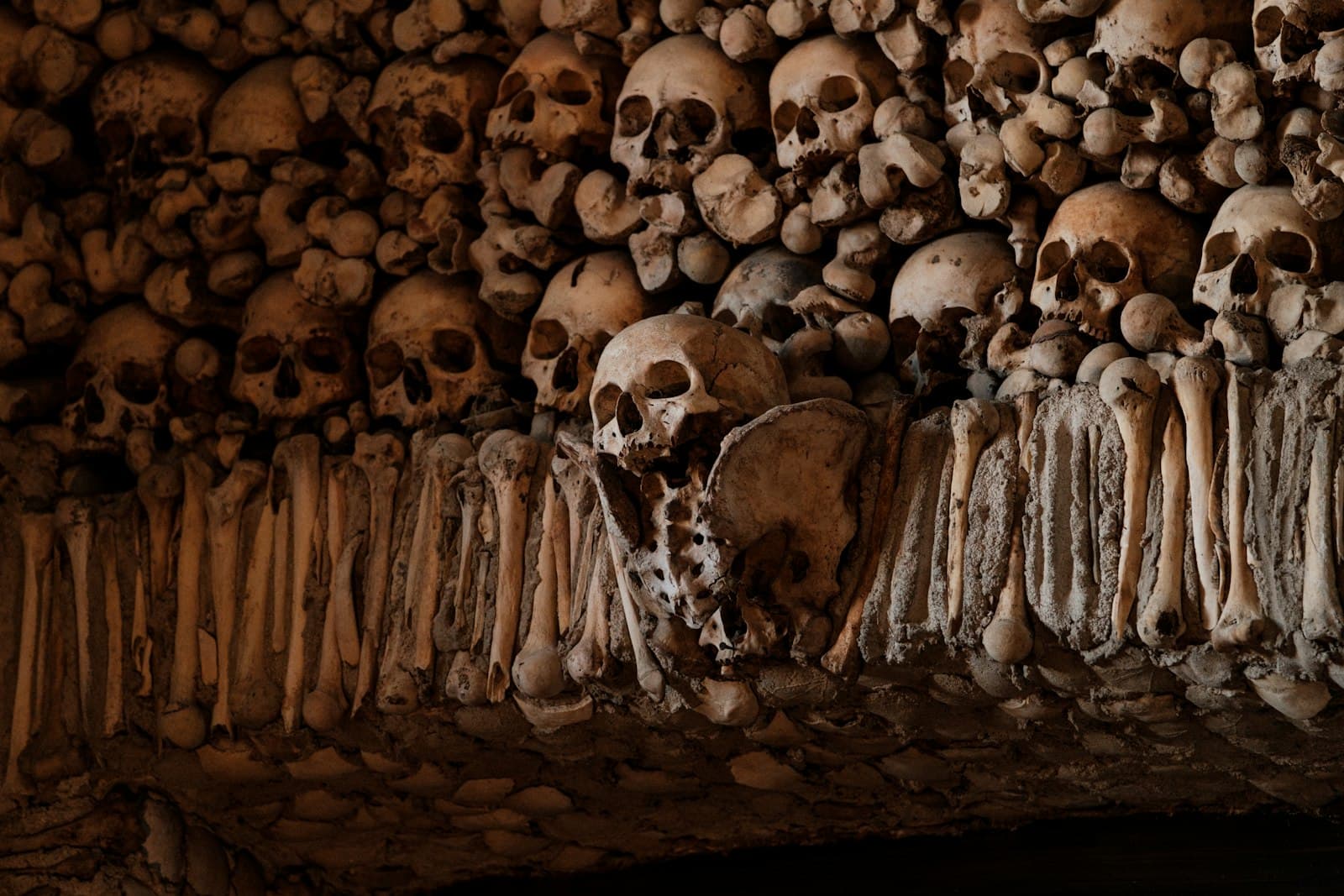
The Chapel Built of the Dead
A walk through the southern old town of Evora, Portugal, built around a chapel whose walls are made from the bones of roughly five thousand of the dead, and the royal, pious, fearful city that made such a sermon possible.
4.33|90 minutes|2.6 km|6 Stops
Start
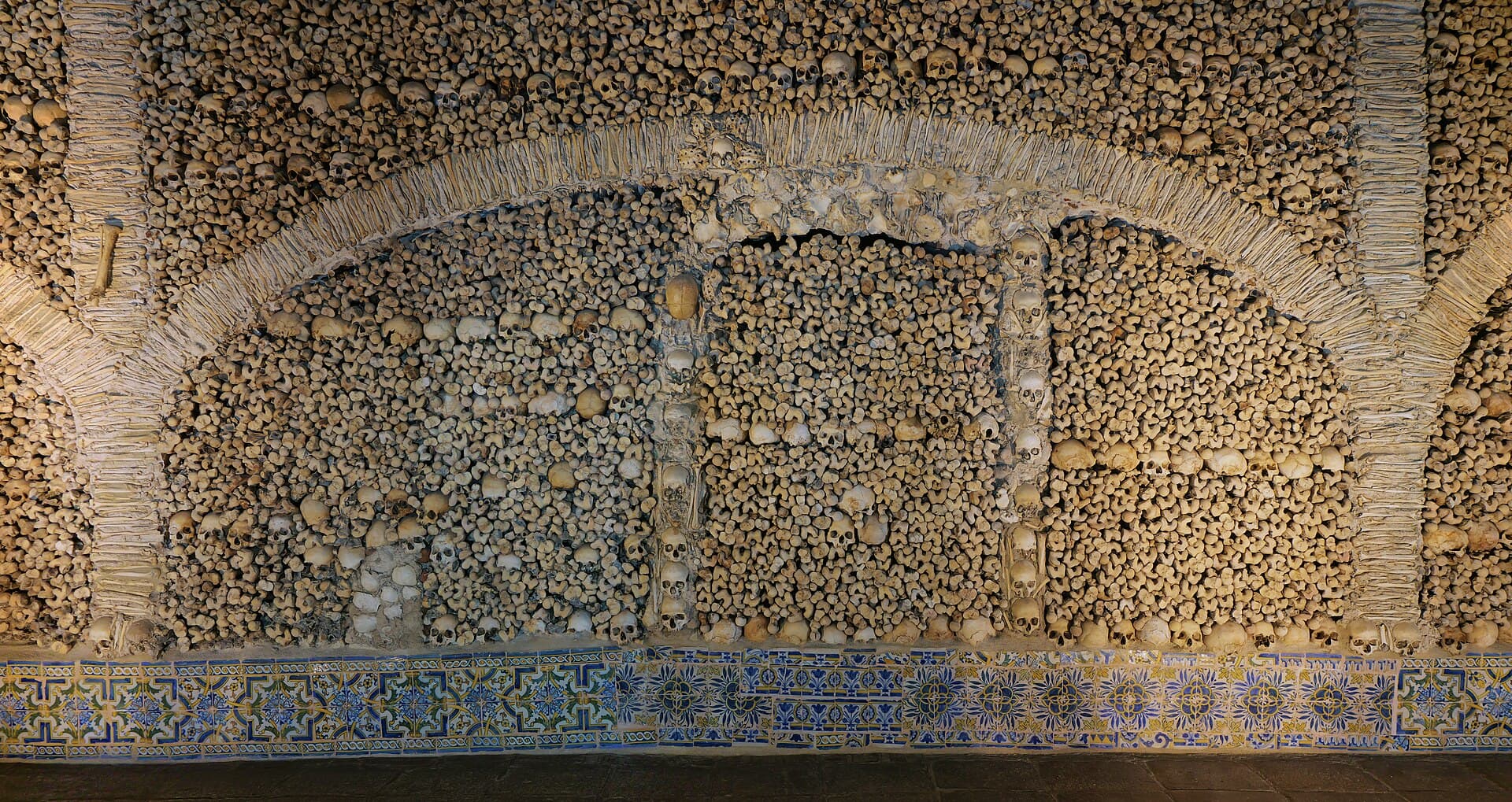
Capela dos Ossos: the Chapel of Bones
1
Capela dos Ossos: the Chapel of Bones
A small chapel inside the Church of Saint Francis whose walls and eight pillars are lined with the bones of roughly five thousand people, meant as a meditation on mortality rather than a fright.
2
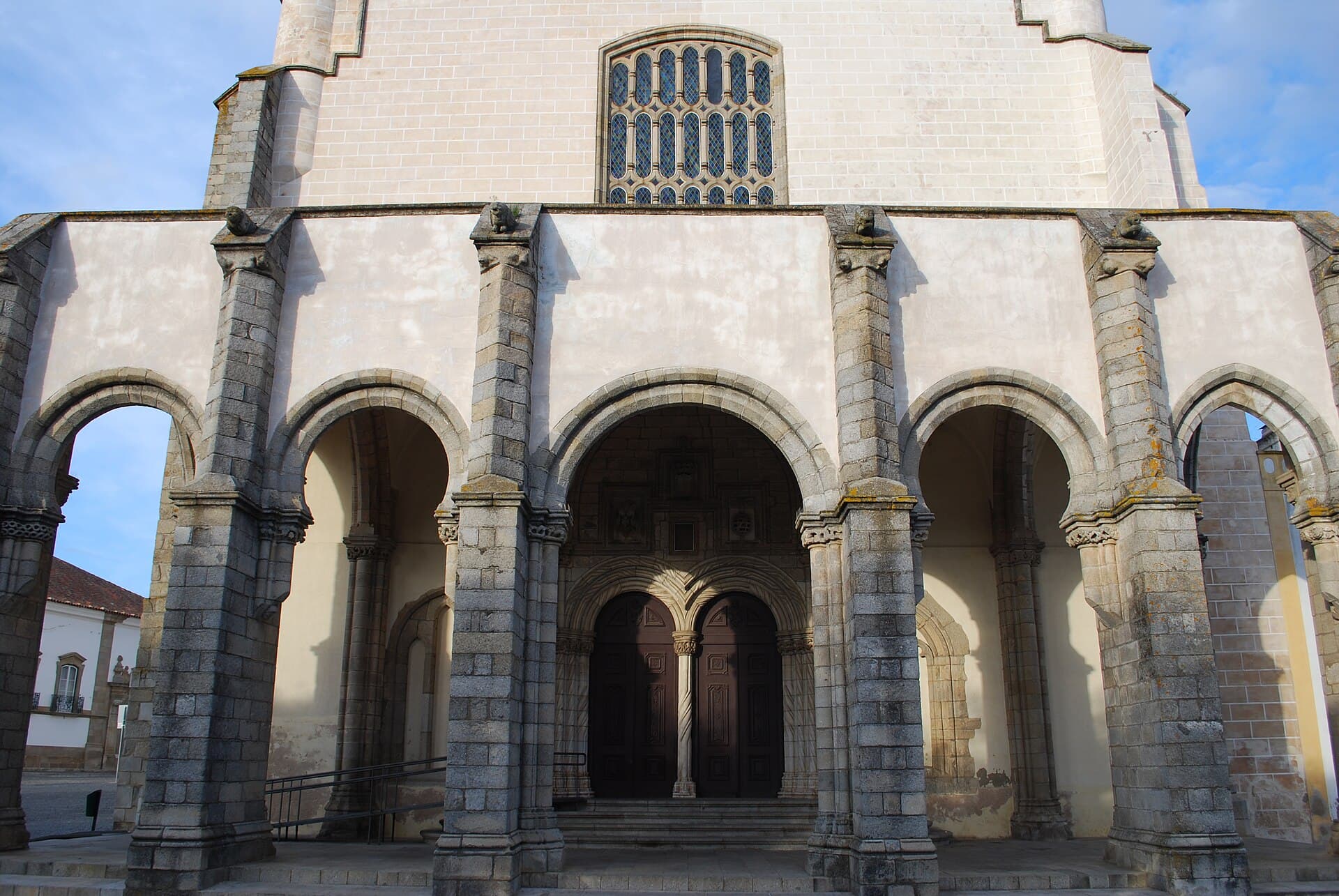
Igreja de Sao Francisco: the royal Gothic church that holds it
The large Gothic church, built for royal use in the late fifteen hundreds, that houses the Chapel of Bones and carries the emblems of two Portuguese kings above its door.
3
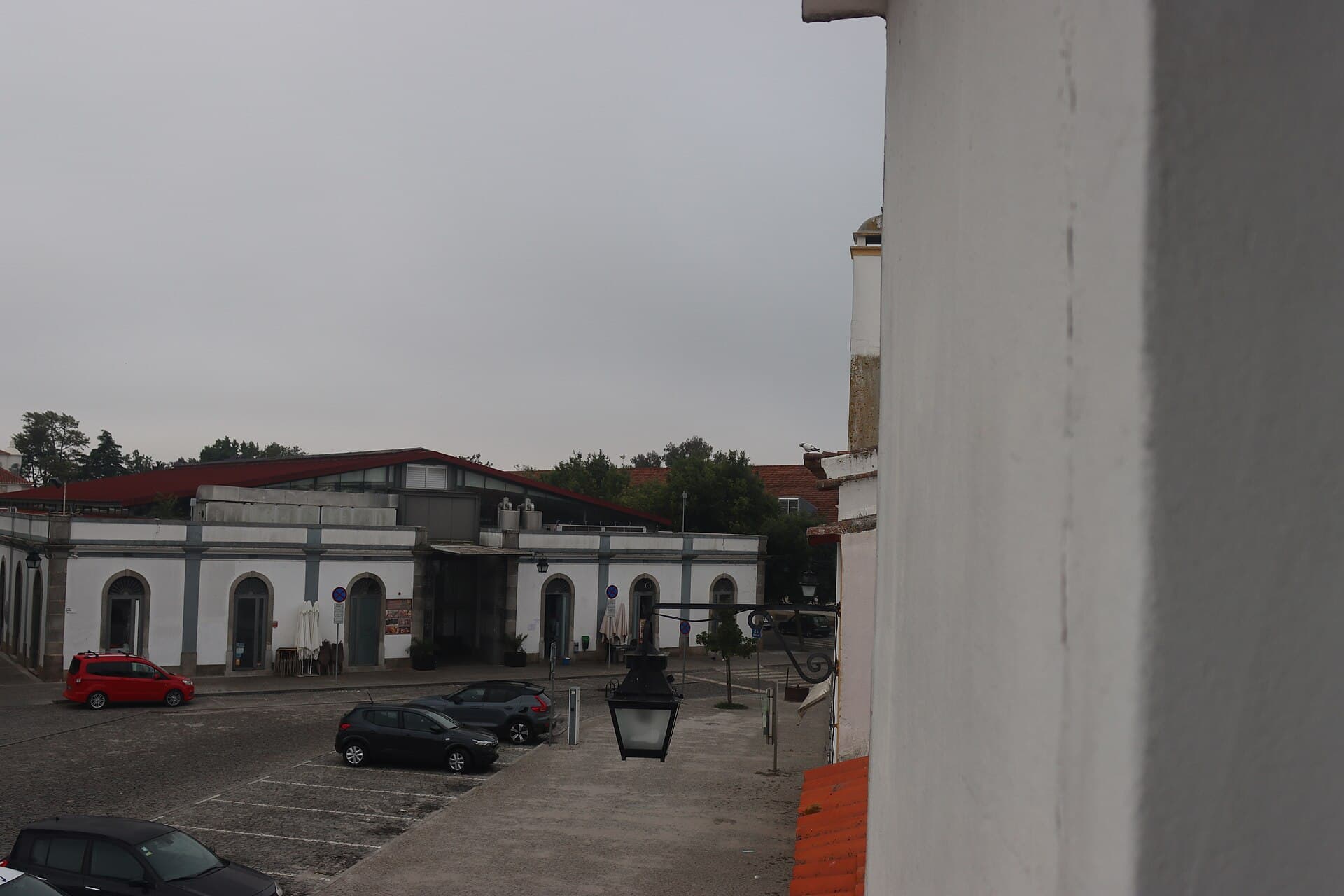
Praca 1 de Maio: the medieval lower town and its market
The square beside the church, home to Evora's municipal market, where the medieval lower town still gathers around Alentejo food and daily trade.
4
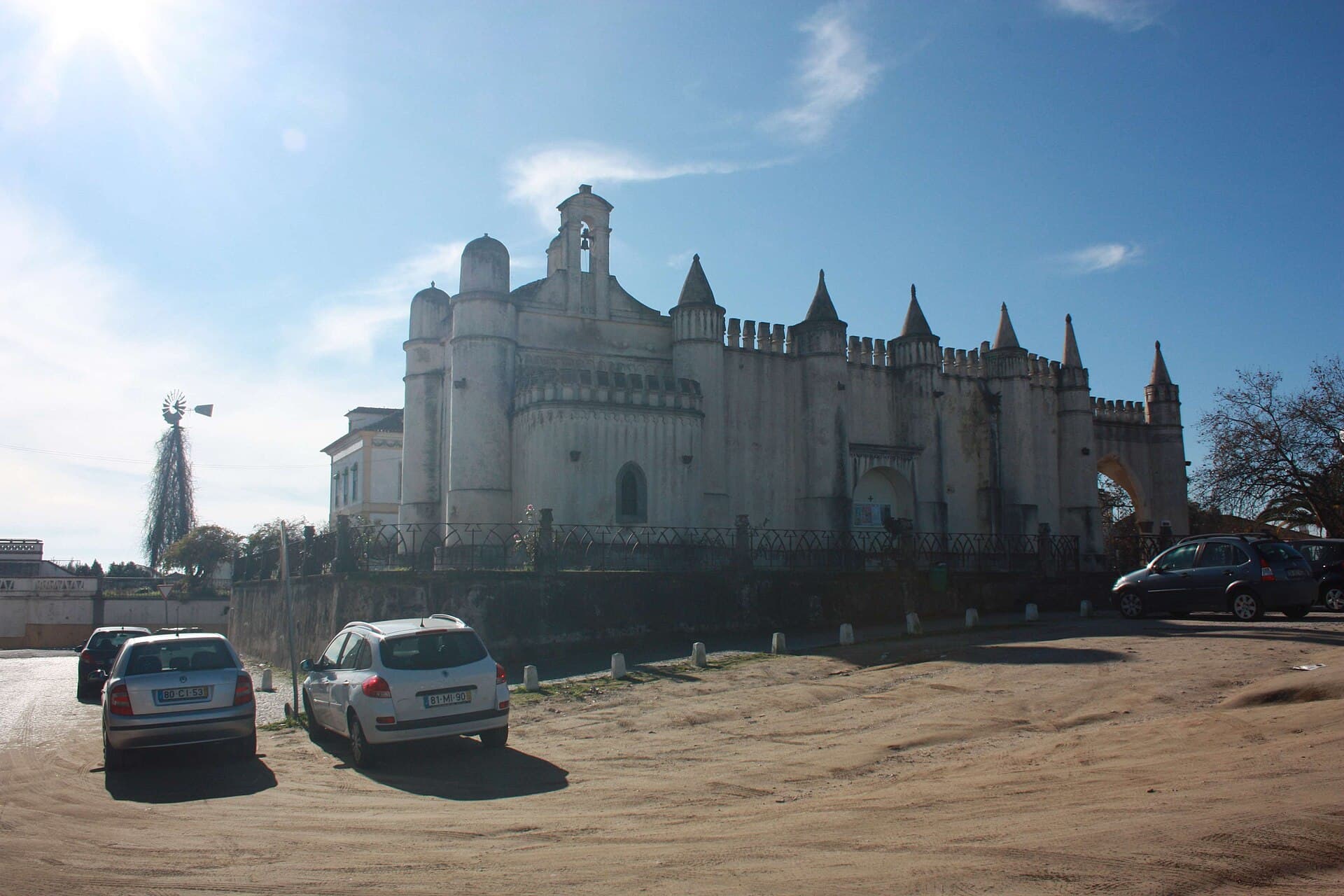
Ermida de Sao Bras: the fortified plague hermitage
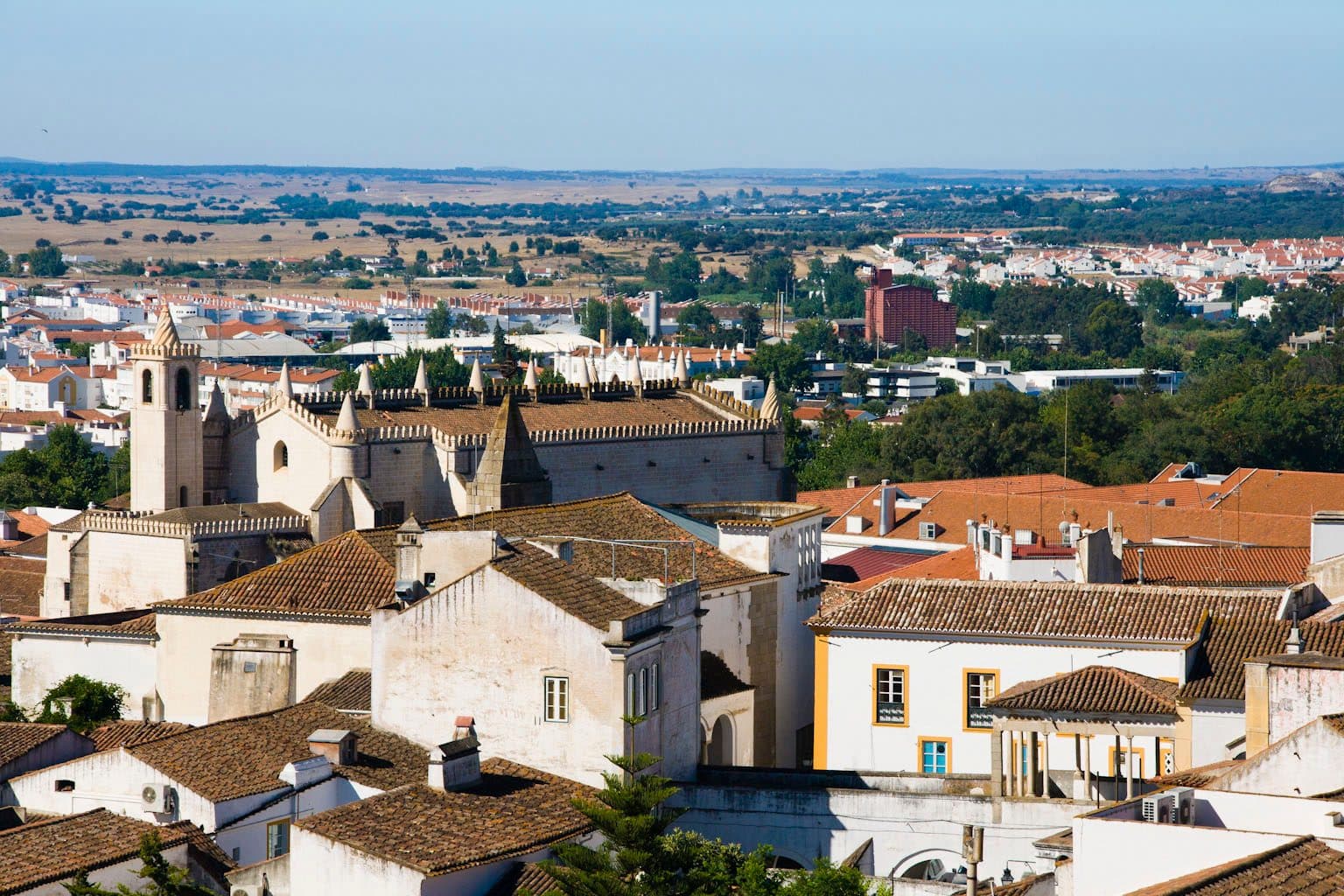
A crenellated, fortress-like hermitage just outside the old walls, ordered around fourteen eighty on the site of a plague hospital and dedicated to a saint invoked against epidemics.
5
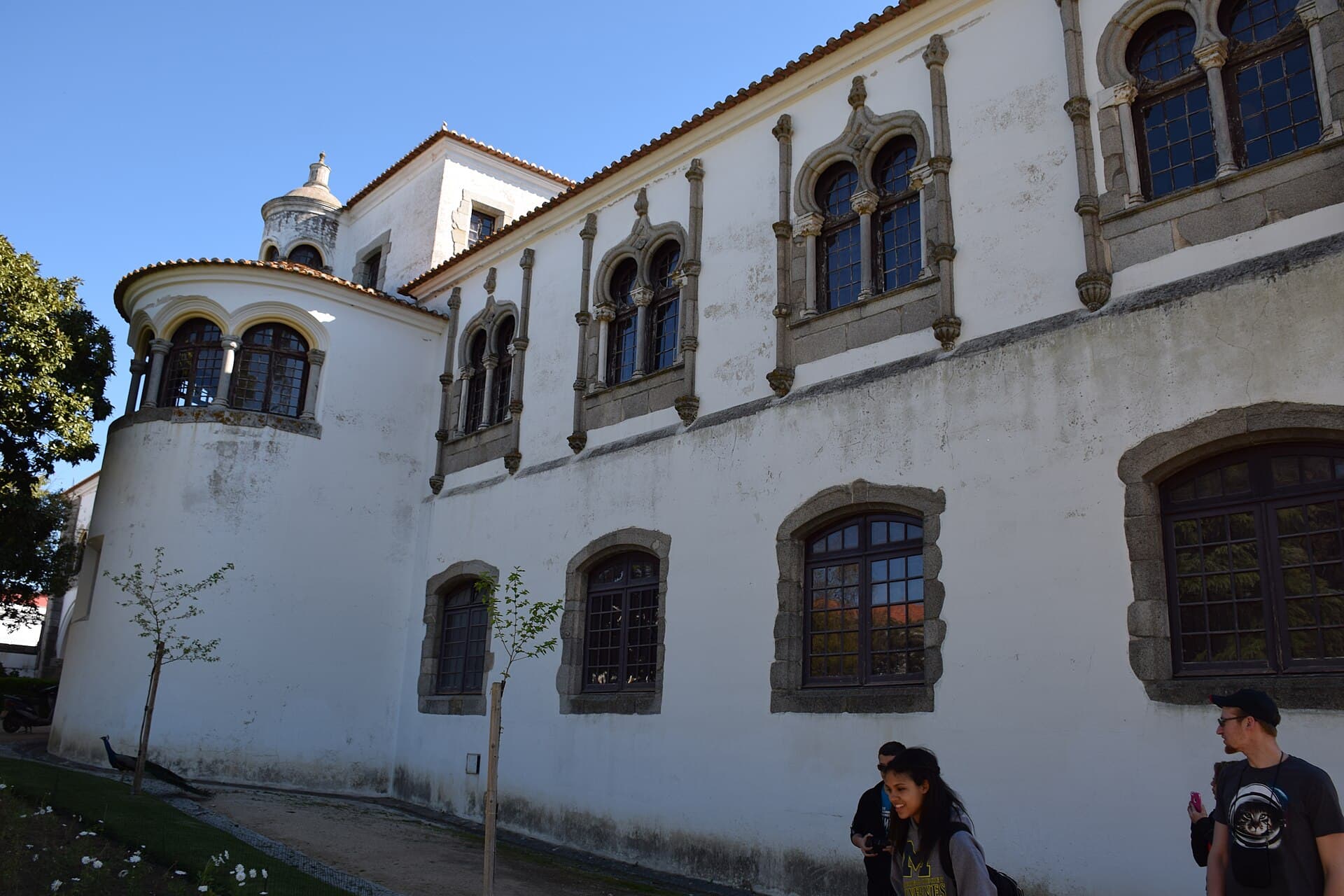
Jardim Publico and the Palacio de Dom Manuel
A public garden holding the sole surviving pavilion of Evora's former royal palace, from which, by tradition, Vasco da Gama's India expedition was commissioned.
6
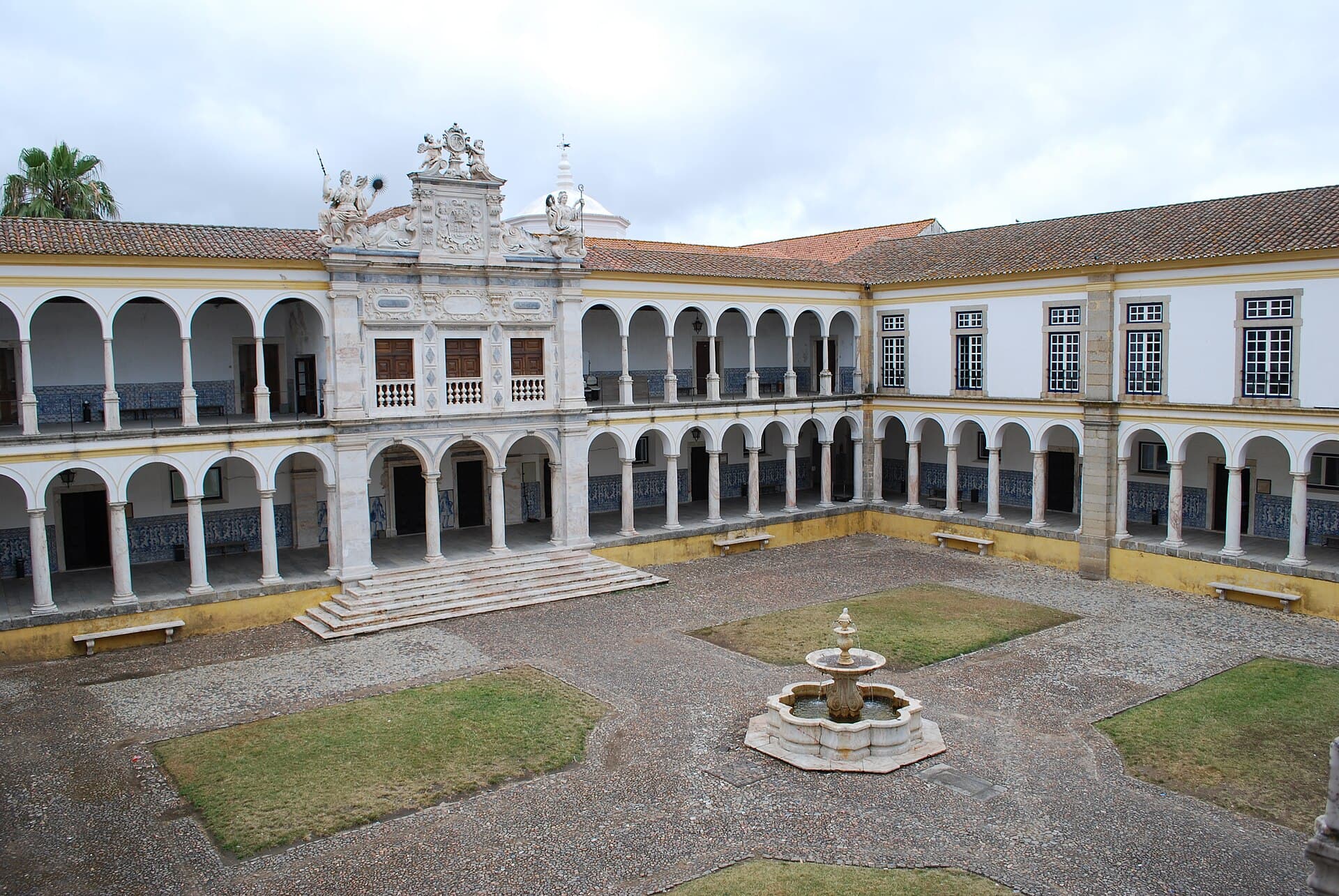
Inquisition Evora and the Counter-Reformation city
A closing stop, anchored near the old Jesuit university, that names the religious power behind everything on this walk: an archbishopric, an Inquisition seat, and a Counter-Reformation stronghold.
Best Time to Visit
Late morning is ideal: the Chapel of Bones and the Church of Saint Francis are open, the municipal market is at its liveliest, and the light is still soft before the Alentejo afternoon heat sets in. Spring and autumn are the most comfortable seasons overall, since Evora's inland summers run very hot. If you visit in summer, start early and save the shaded garden for midday.
Pro Tips
- •The Chapel of Bones is entered through the Church of Saint Francis on a combined ticket, usually around six euros, so plan to see both stops one and two together in a single visit.
- •Bring a few euros in coins for the market and small admissions; some of Evora's monuments and church interiors take cash more readily than cards.
- •The interiors of the fortified hermitage and the surviving palace gallery keep limited and irregular hours, so treat their exteriors as the main event and consider any open door a bonus.
- •Carry water and wear a hat: much of this walk is exposed, and the Alentejo sun is strong even in shoulder season.
- •Save the Jardim Publico for last as a shaded rest stop, and if the palace gallery is hosting an exhibition, step inside since access is often free or low-cost.
- •Photography inside the Chapel of Bones is usually permitted, but keep it quiet and unobtrusive: it remains a place of contemplation, not a set.
Safety & Precautions
- Evora's old town is built on a hill of calcada, traditional Portuguese stone paving, which becomes slippery when wet and uneven underfoot: wear grippy, flat shoes and watch your footing on the slopes.
- In summer the inland Alentejo heat can be intense with little shade on the exposed stretches, so pace yourself, hydrate, and avoid the midday sun.
- Several stops are active churches and a hermitage: dress modestly with shoulders and knees covered, keep your voice low, and respect any services in progress.
- The narrow lanes carry occasional cars and delivery traffic with almost no sidewalk, so stay alert and step aside for vehicles, and expect ticket queues at the Chapel of Bones during busy periods.
Gallery
Related Reading
Go deeper on what you'll see, hear, and walk through.
Overview
Best Self-Guided Walking Tours in Evora (2026)
3 min
Overview
Evora Travel Guide: Days, Transport, Best Time, Safety, and Budget
7 min
Overview
One Day in Evora: A Morning-to-Evening Walking Itinerary
9 min
Thematic
Evora: The Museum City That Never Stopped Being Lived In
7 min
Companion
The Chapel of Bones in Evora: Why a City Lined a Wall With Its Dead
6 min
Deep dive
Ermida de Sao Bras: The Fortress Chapel Evora Built Against the Plague
7 min
Read
What to Eat in Evora: The Alentejo Dishes and How to Order Them
7 min