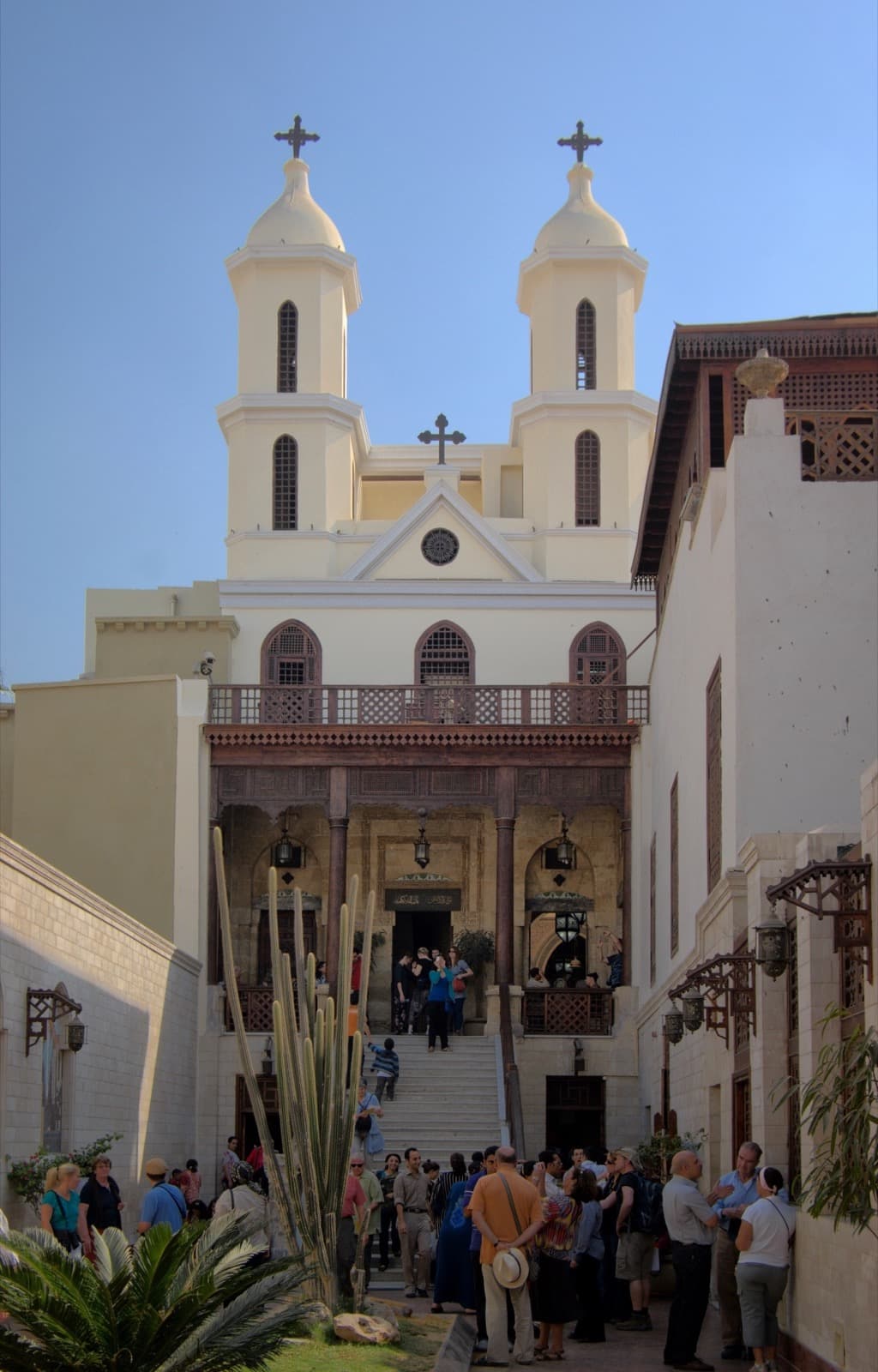
The Hanging Church of Cairo, called al-Muallaqa in Arabic, hangs its nave directly over the southern gate of a Roman fortress. That is not a metaphor. The building rests on the old stone of the fortress of Babylon, its floor suspended above the passage where soldiers and traders once moved. Understand that one act of building on top of an older empire, and you understand the whole logic of Coptic Cairo, the quiet oldest layer of the city, where three faiths gather within a few hundred metres. The Hanging Church is where you start, and it is the clearest way into everything the rest of the quarter is trying to tell you.
A church that earns its nickname
"Al-Muallaqa" means the hanging, or the suspended. The name is literal. When the Coptic community grew up inside and around the abandoned Roman fort after the Arab conquest of 640 A.D., they did not clear the site and start fresh. They built into it. This church went up over the southern gate, so its nave floats above the old Roman passage rather than sitting on the ground. Early visitors reached it by climbing a flight of twenty-nine steps, which earned it a second nickname, the Staircase Church. Even the way you arrive at it tells you that you are stepping up onto something older.
Inside, if you enter quietly, the details reward slow looking. The wooden roof is built in the shape of an ark, a barrel vault turned upside down like the hull of a ship set over the congregation. A marble pulpit is carried on fifteen slender columns. The church is dedicated to the Virgin Mary, with additional sanctuaries honouring Saint John the Baptist and Saint George. It dates to about the third century, which makes it a genuine rival, even to Abu Serga a few steps south, for the title of oldest church in the quarter.
Why this one building matters beyond its age
Hear a stop from this walk
The Mosque of Amr ibn al-As: Where Islamic Cairo Began
Age alone is not the reason the Hanging Church anchors this walk. Its weight in Coptic life comes from a single date: the year 1047. When the Coptic patriarchate moved from Alexandria to Cairo, this church became the official residence of the Coptic Orthodox Pope, the seat of the church itself. For a community that has worshipped in this compact corner of Old Cairo for roughly seventeen centuries, that makes al-Muallaqa not a museum piece but a place of governance and continuity, still active, still full of worshippers. Keep your voice low and dress modestly when you go in. You are a guest inside a living faith, not a spectator at a monument.
Hold that idea of building on top of the past, because it repeats at every stop. It is the argument the whole quarter makes.
The Roman anchor underneath everything
Before the church, there was the fort. The two great round towers you pass at the start of the walk are what survive of the Roman fortress of Babylon, rebuilt in that form by Emperor Diocletian around 300 A.D. An earlier phase, a canal and fortified harbour linking the Nile to the Red Sea, belongs to Emperor Trajan in the early second century, a distinction worth keeping straight: Trajan gave the site its canal, Diocletian gave it these towers. For centuries the fort controlled the tolls on Nile traffic at the boundary between Lower and Middle Egypt. When its military role faded after 640 A.D., the Christian quarter simply grew inside the walls, sheltering in the strength of Rome. The Hanging Church is the most vivid example of that habit, but it is not the only one. All of it now belongs to the UNESCO Historic Cairo World Heritage Site, inscribed in 1979.
Three faiths within a short walk
From the Hanging Church the route opens into a density of sacred sites that is hard to find anywhere else. The Coptic Museum, set right among the Roman towers, holds the largest collection of Coptic Christian art in the world, about fifteen thousand objects, and its facade was modeled on the twelfth-century al-Aqmar Mosque, so a Christian museum wears the dress of Islamic Cairo. Abu Serga, the Church of Saints Sergius and Bacchus, dates to about the late seventh century and shelters a crypt honoured by tradition as a place the Holy Family rested during the flight into Egypt. Treat that as pilgrimage tradition rather than documented fact, as the community itself does, and the reverence it draws is real regardless.
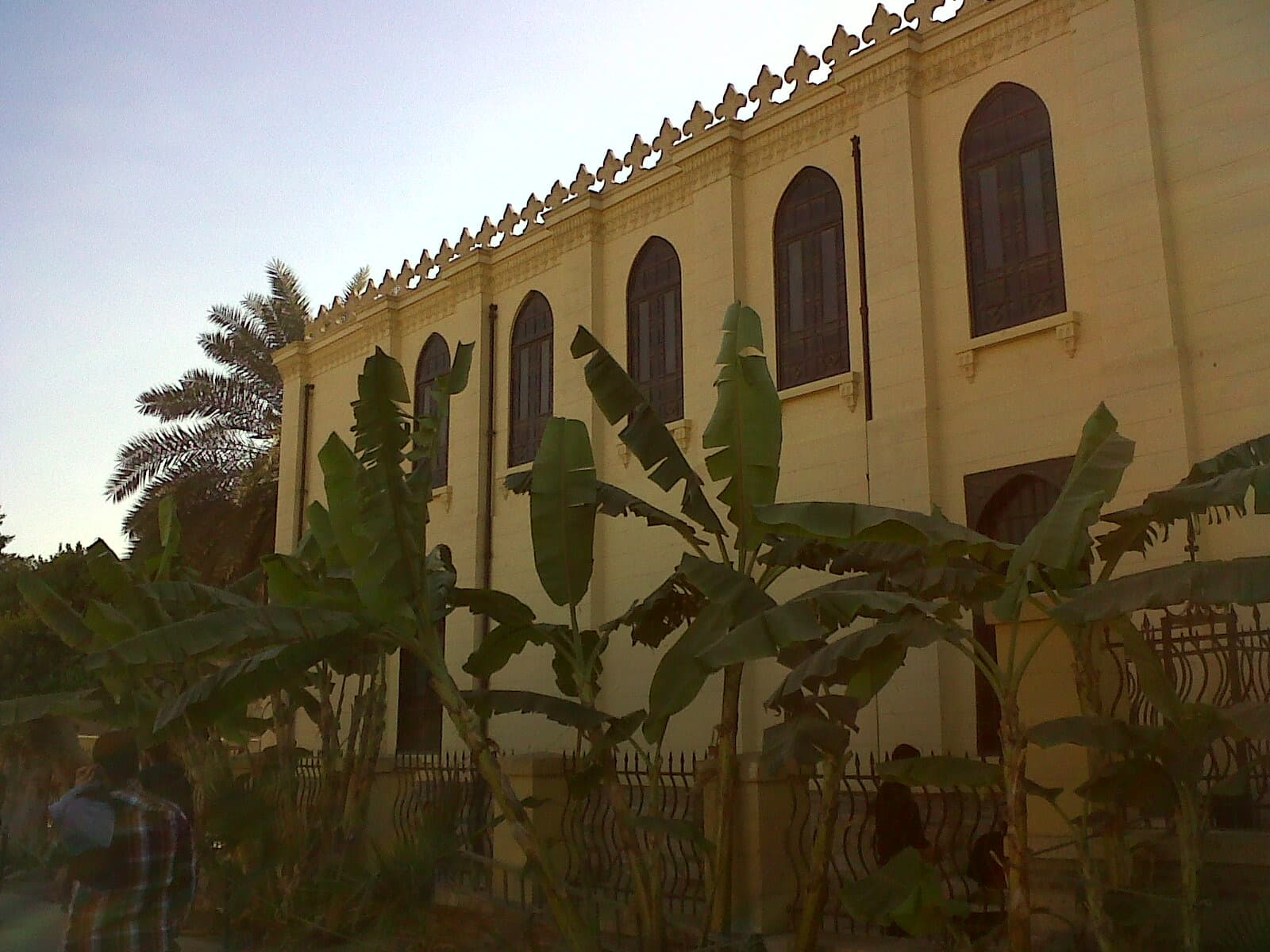
A short step away stands the Ben Ezra Synagogue, the oldest synagogue in Cairo, set inside a former church building. Its storeroom, or geniza, accumulated roughly four hundred thousand manuscript fragments over the centuries. In 1896 the Cambridge sisters Agnes Lewis and Margaret Gibson carried a fragment to the scholar Solomon Schechter, who then brought about one hundred ninety-three thousand fragments to Cambridge University Library. According to Cambridge, this Cairo Geniza transformed the study of medieval Mediterranean life. The Church of Saint Barbara, dating to about the fifth or sixth century, sits among the oldest buildings in the entire city. And a little north stands the Mosque of Amr ibn al-As, founded around 641 to 642 A.D., which the Egyptian Ministry of Tourism and Antiquities calls the oldest surviving mosque in Egypt and Africa, built at Fustat, the seed from which Cairo grew.
Walk it at your own pace
The full route runs about two and a half kilometres across seven stops, roughly two hours at an easy pace, longer if you go inside every sanctuary. That pace is the point. No group herds you along, no schedule pushes you past the ark-shaped roof of al-Muallaqa before you are ready, and there is no tip pressure at the end. You decide where to linger and what to skip. Come early, soon after the sites open, when the quarter is coolest and quietest and the low light suits the old stone. Carry small cash in Egyptian pounds for donations and the museum ticket, wear closed shoes for the uneven lanes, and dress modestly throughout, since almost every stop is an active place of worship.
Start where the community started, on the suspended floor above a Roman gate, and the rest of the walk reads like turning pages in a single, unbroken book. For more routes across the city, see our guide to Cairo walking tours, and browse everything on offer in Cairo.
Sources
- Hanging Church, Wikipedia. Background on al-Muallaqa's construction over the Roman gate, the twenty-nine steps, and the 1047 move of the Coptic patriarchate.
- Coptic Cairo, Wikipedia. Overview of the quarter, the Babylon fortress, and the cluster of churches, synagogue, and mosque.
- What Is the Cairo Geniza?, Princeton Geniza Lab. Context on the Ben Ezra Synagogue geniza and its manuscript hoard.
- The Mosque of Amr ibn al-As, Egyptian Ministry of Tourism and Antiquities. Official description of the mosque as the oldest surviving in Egypt and Africa, founded at Fustat.
- Coptic Museum, Wikipedia. Founding by Marcus Simaika, the collection size, and the al-Aqmar Mosque facade model.
Ready to experience it?
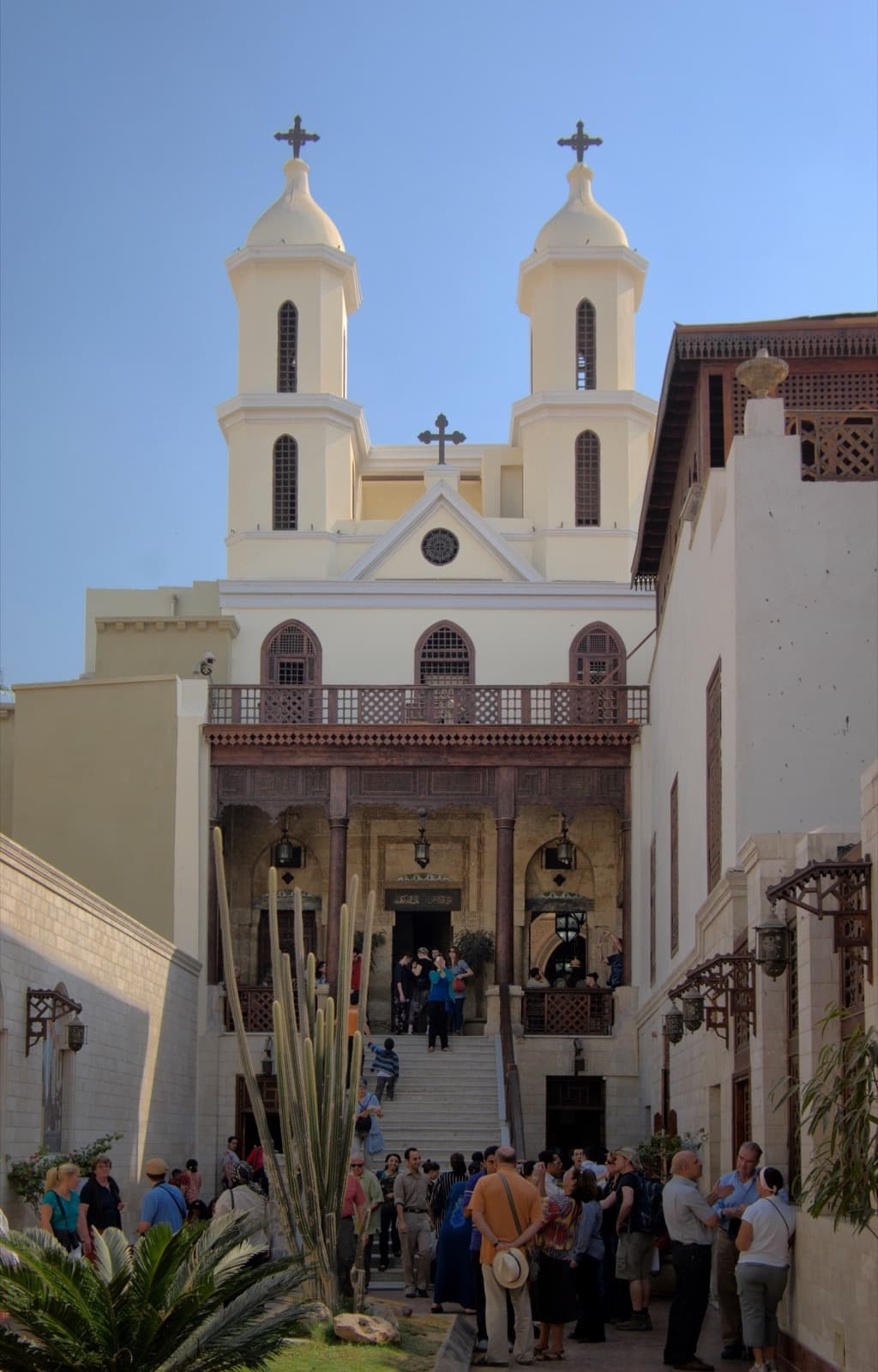
Coptic Cairo: The Old Christian Quarter Inside a Roman Fort
120 min · 2.7 km · easy
More from Cairo
Explore more at your own pace.
Grand Egyptian Museum: What to See, From the Grand Hall to Tutankhamun
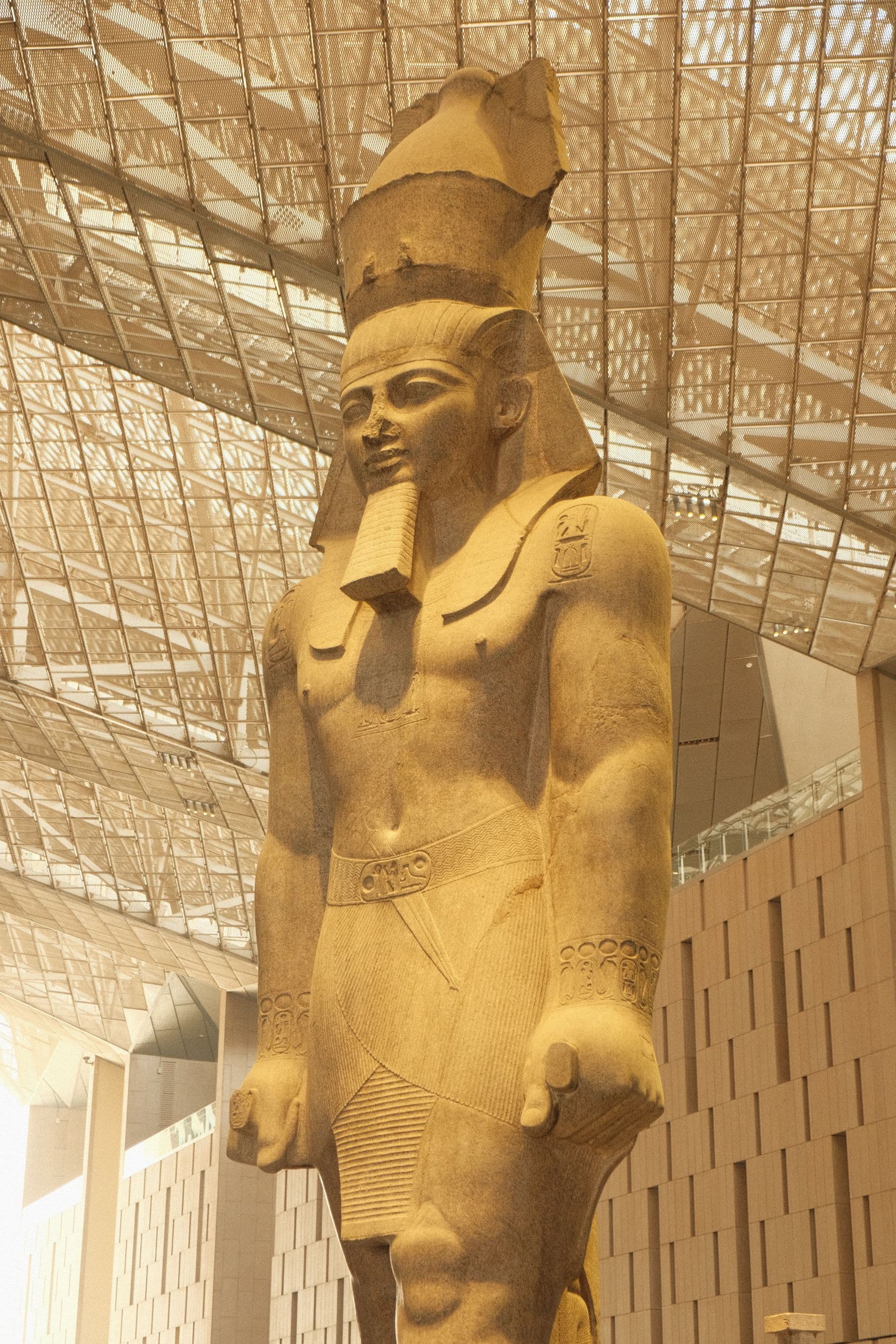
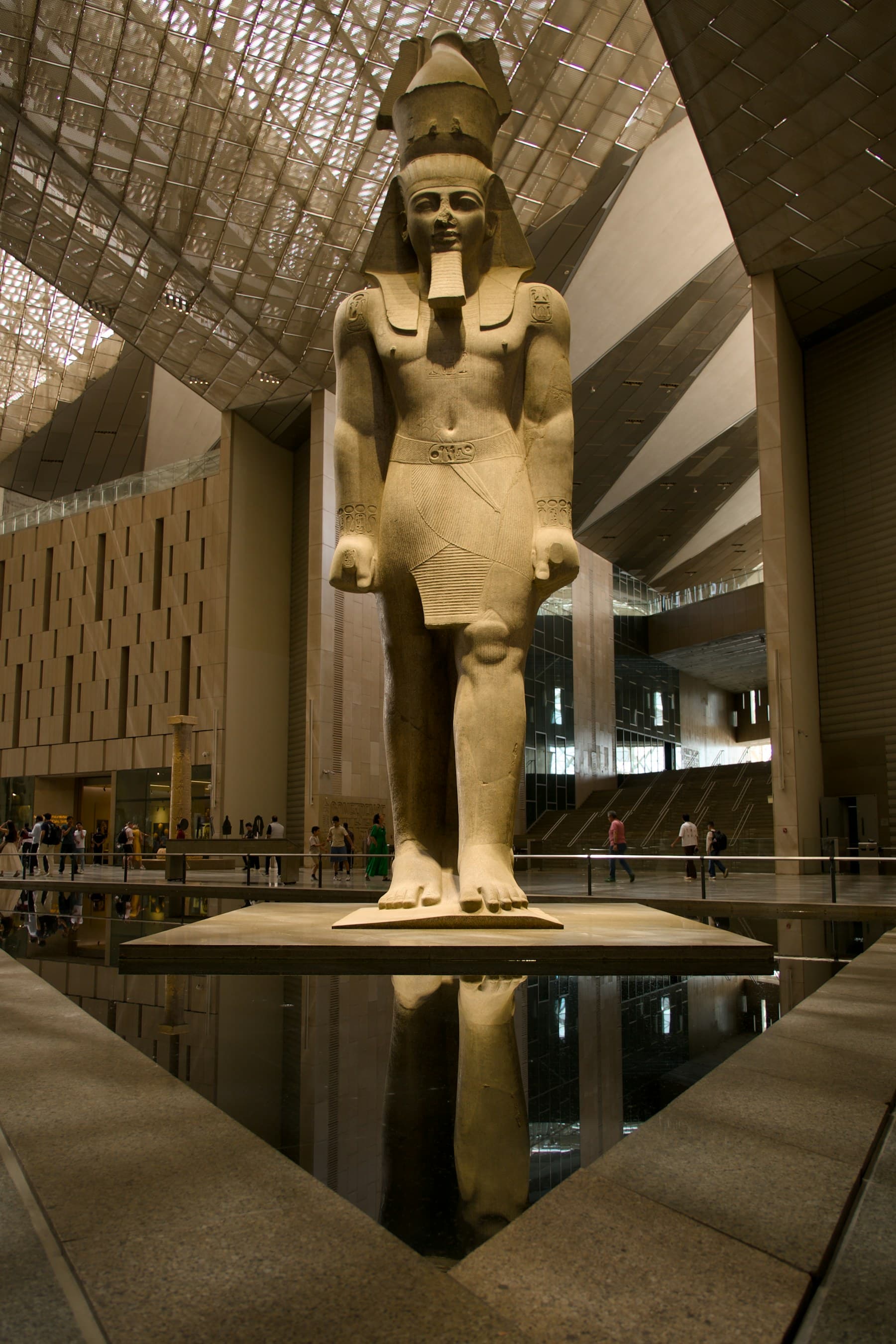
The Colossal Ramesses II at the Grand Egyptian Museum: From Memphis to Ramses Square to Giza
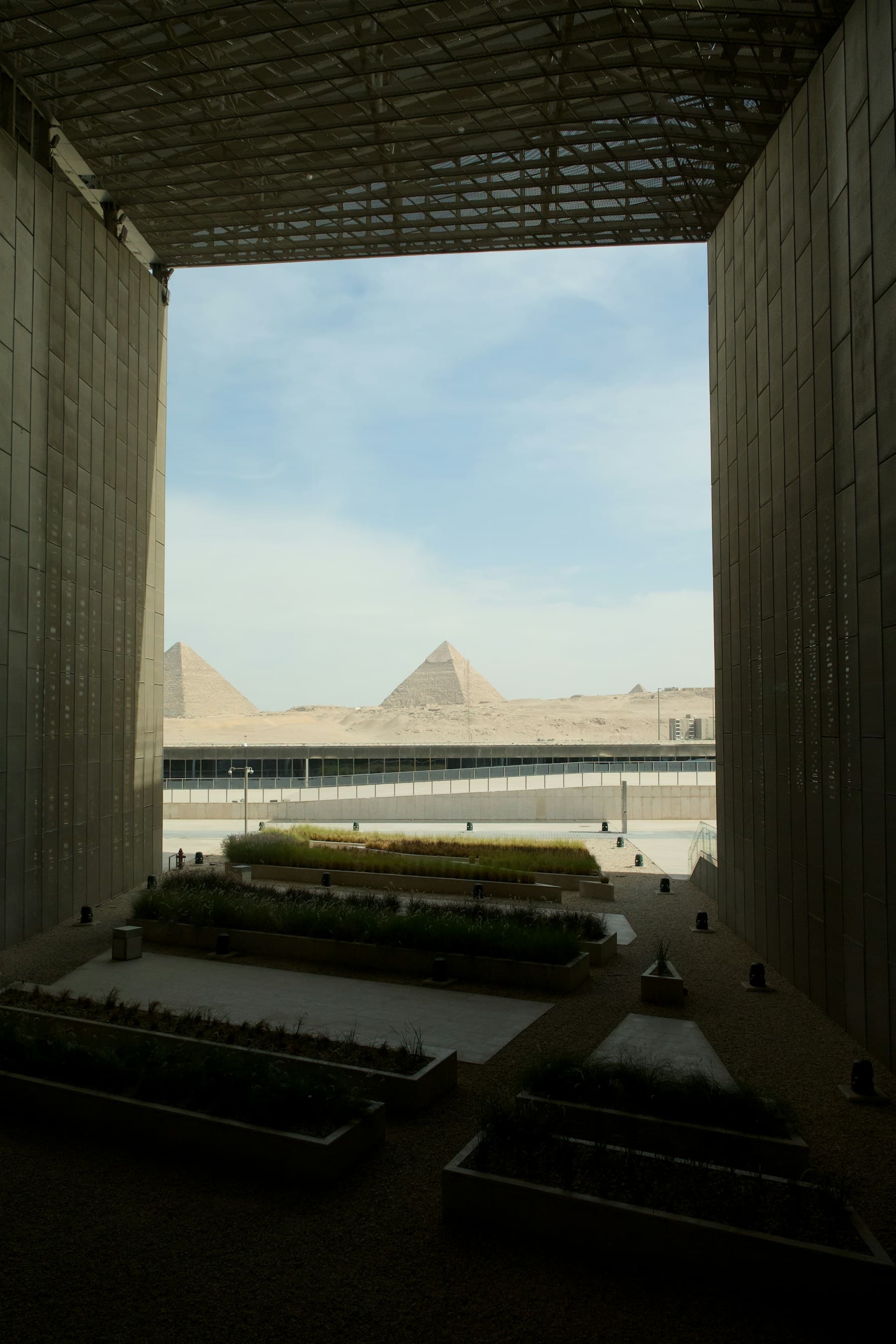
The Grand Staircase at the Grand Egyptian Museum: Six Storeys of Kings
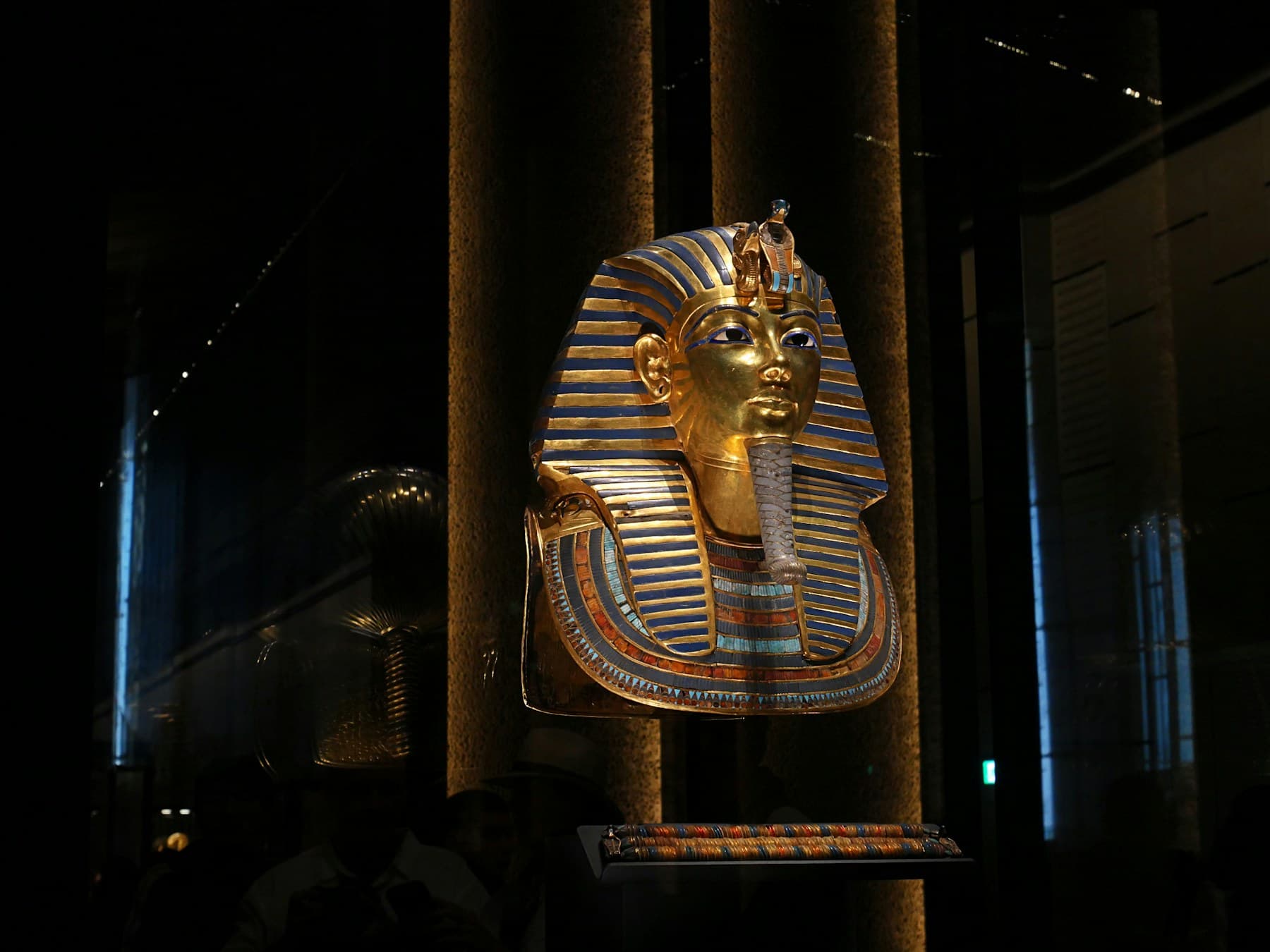
Tutankhamun's Gold Mask at the Grand Egyptian Museum: What to Look For
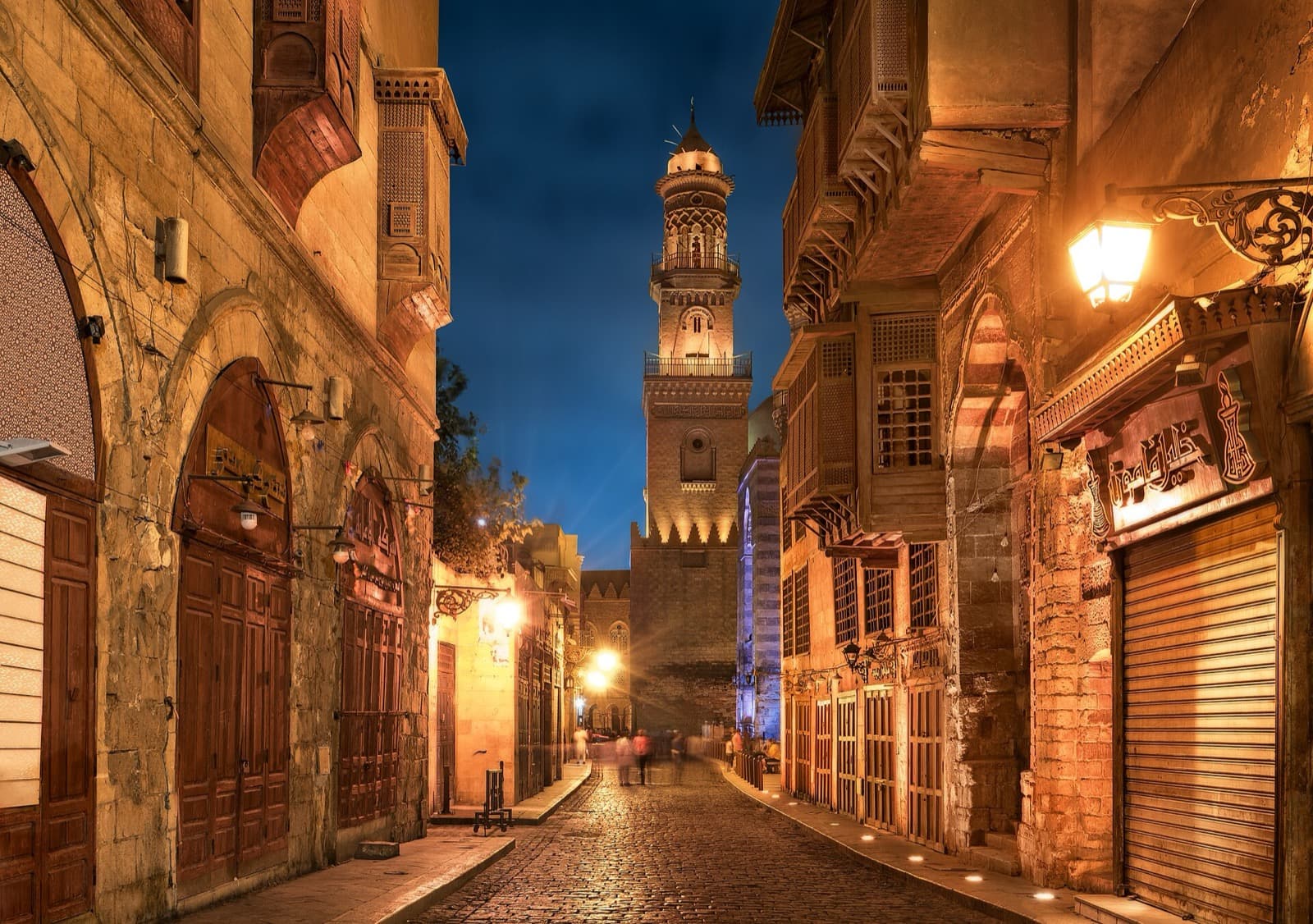
Al-Muizz Street: Reading a Thousand Years of Cairo on One Pavement