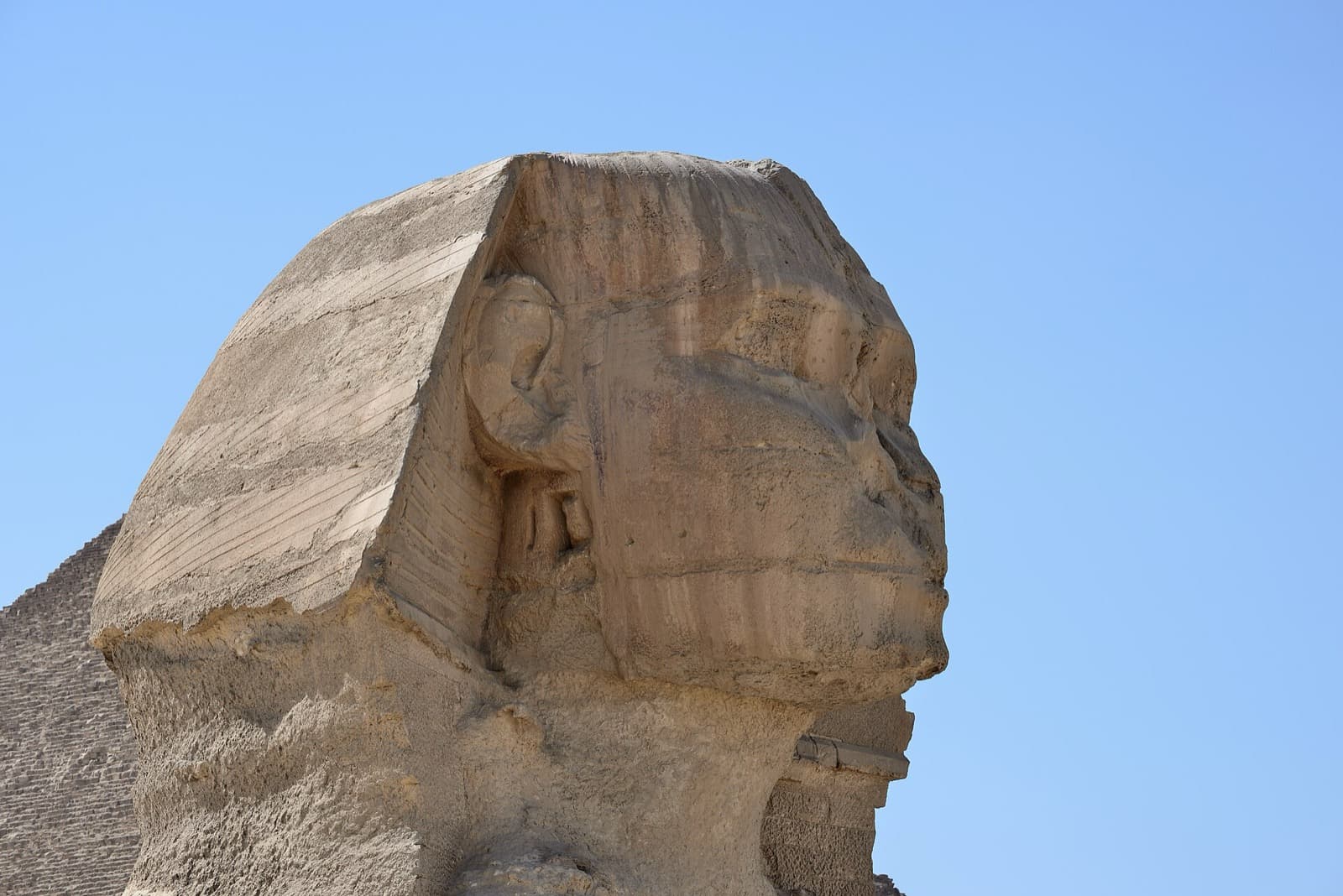
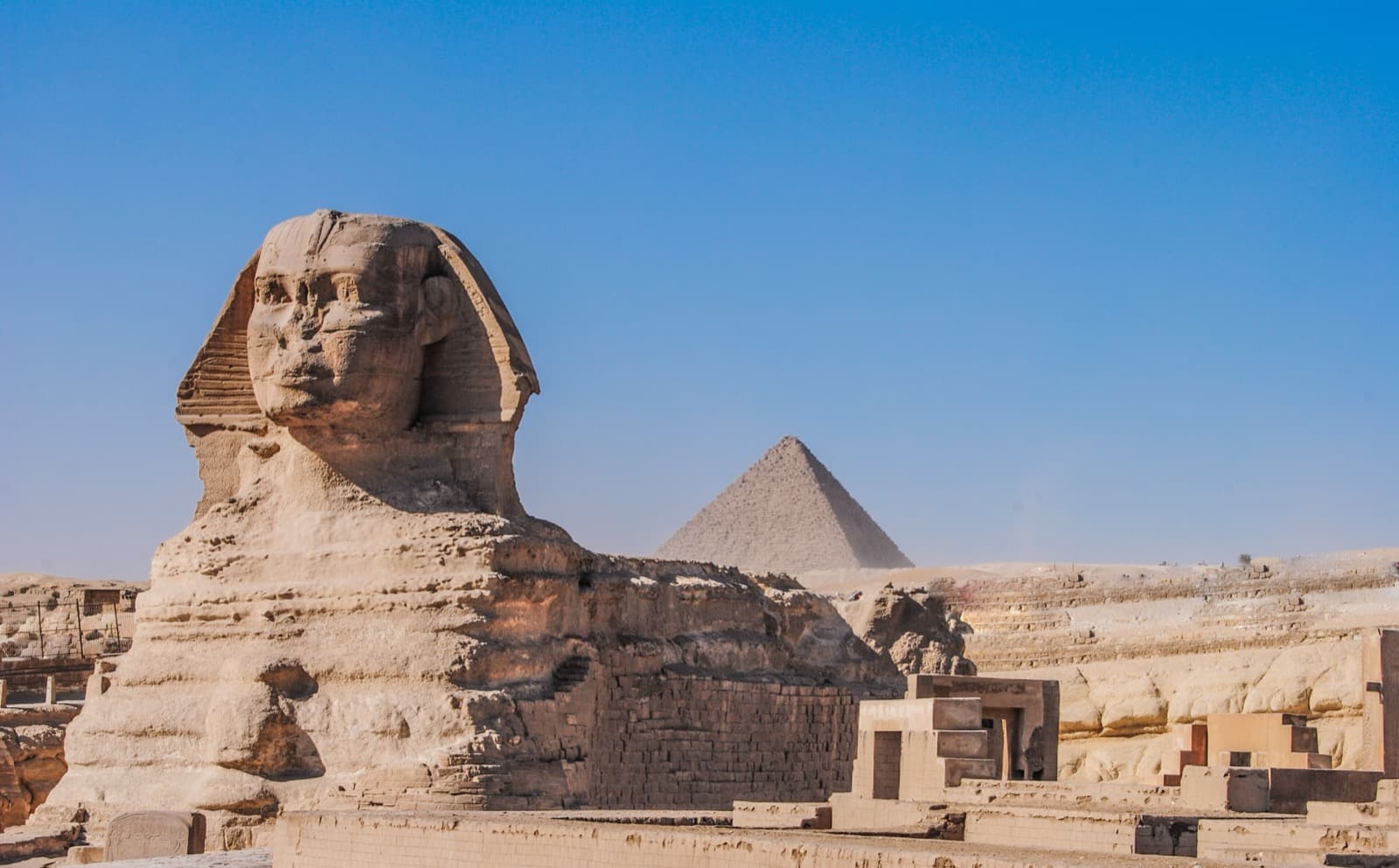
The Great Sphinx of Giza was not built. It was carved, cut in place from a single ridge of the plateau's own limestone bedrock, which makes it something stranger than a statue: a piece of the ground itself, shaped into a recumbent lion with a human head. That one fact reorganizes everything a visitor thinks they know standing in front of it. This is the oldest known monumental sculpture in Egypt, roughly seventy-three metres long and about twenty metres high, generally attributed to the reign of the pharaoh Khafre in the twenty-sixth century B.C. Understand how it was made, and the Sphinx stops being a photo backdrop and becomes what it actually is: the plateau given a face and set to keep watch.
The ground, made into a lion
Most great monuments are additive. Blocks are quarried elsewhere, hauled to a site, and stacked upward. The Sphinx is the opposite. Its sculptors dug down and around a natural knoll of rock, excavating a horseshoe-shaped trench and leaving the core to be dressed into a body, paws, and head. Nothing was carried in. The material of the Sphinx is the material of the plateau, the same nummulitic limestone that the pyramid builders quarried a short walk away.
This is also why the Sphinx looks the way it does today, weathered unevenly, its body pitted and eaten while its head stays comparatively crisp. The limestone here is layered, and the layers differ in hardness. The strata that form the body are softer and have disintegrated faster over the millennia, while the head was cut from a harder, more resistant band of rock. So the erosion you see is not random damage. It is a map of the geology the sculptors happened to be working with, one they could not choose and could not fully control. They took the ridge they were given and made a guardian of it, and the ridge has been quietly asserting its own nature ever since.
A guardian with more than one name
Hear a stop from this walk
The Great Sphinx: The Guardian Facing the Sunrise
The people who carved the Sphinx left no inscription naming it, and no Old Kingdom text records what its makers called it. The names we do have came later. In the New Kingdom, more than a thousand years after the carving, Egyptians revered the figure as Hor-em-akhet, "Horus of the Horizon," a solar deity, which the Greeks rendered as Harmachis. The medieval Arabic name, still used, is Abu al-Hawl, "father of terror." A single object, then, accumulates a stack of names across three thousand years of people trying to explain to themselves what they were looking at. None of them is the original. The silence at the beginning is part of the monument.
The face is a separate puzzle. Because the Sphinx is attributed to Khafre, whose pyramid rises directly behind it, tradition holds that the human head may portray Khafre himself, or at least a king of his line. That attribution is the mainstream reading, though a minority of scholars have argued for other origins. What is not in doubt is the orientation. The Sphinx faces east, toward the point where the sun comes up over the Nile valley, positioned to greet the dawn every morning as it has for roughly four and a half thousand years. A guardian is only useful if it is watching something. This one watches the sunrise, and behind it, the royal cemetery it was set to protect.
The stele between the paws, and the missing nose
Walk close and look between the great stone forepaws. A tall slab of pink granite stands there, the Dream Stele, and it carries one of the best small stories on the whole plateau. It was set in place by Thutmose the Fourth of the Eighteenth Dynasty, around fourteen hundred B.C., which is to say more than a thousand years after the Sphinx was already ancient. The stele records a dream: the young prince, resting in the Sphinx's shadow, is promised the throne of Egypt if he will clear away the sand that has buried the monument's body up to the neck. He clears it, and he becomes king. Whether the dream was real or a pharaoh's convenient legitimizing legend, the sand was real. The Sphinx has spent much of its existence half-swallowed by the desert, dug out and reburied and dug out again.
Then there is the nose, or the absence of it. You will hear, probably more than once, that Napoleon's soldiers shot it off with a cannon during the French campaign. It is a durable story and it is false. Drawings made by the Danish traveller Frederic Louis Norden in 1737 already show the nose gone, more than sixty years before Napoleon reached Egypt. The Arab historian al-Maqrizi, writing in the early fifteenth century, attributed the damage to a man named Muhammad Sa'im al-Dahr, said to have defaced the figure in 1378. Whoever was responsible, it was not the French. The persistence of the Napoleon version is its own small lesson in how confidently we invent explanations for old things.
The one thing to understand, standing in front of it
Everything else about the Sphinx is contested or lost: the maker's intended name, the exact identity of the face, the full reason it was made. The one thing that is certain, and the thing worth carrying away, is the method. This is bedrock shaped into a sentinel, not masonry assembled into one. The plateau at Giza is a planned royal necropolis, three pyramids and their temples and causeways and thousands of smaller tombs, an engineered answer to death built at civilizational scale. The Sphinx is the point where the necropolis and the living rock become the same object. It does not sit on the plateau. It is the plateau, roused into a face and turned toward the light. Stand at the enclosure fence, look at the eroded flanks and the harder, watchful head, and you are reading four and a half thousand years of weather working on stone that was never moved.
The Great Sphinx is the quiet emotional center of the Giza plateau, and it reads best in the calm of early morning with the sun rising into its face. It is the sixth stop on the self-guided Giza pyramids and Sphinx walk, which moves from the Great Pyramid of Khufu across the plateau to the Sphinx and on to the Grand Egyptian Museum, where the treasures of these tombs are now gathered. You set your own pace, linger where you want, and skip what you do not. For more routes across the city, see our guide to Cairo walking tours, or browse everything on offer in Cairo.
Sources
- Great Sphinx of Giza, Wikipedia. Dimensions, Hor-em-akhet and Abu al-Hawl names, the layered-limestone erosion of body versus head, the Dream Stele of Thutmose the Fourth, and the al-Maqrizi and Norden evidence that the nose predates Napoleon.
- The Great Sphinx, Egyptian Ministry of Tourism and Antiquities. Official monument record for attribution, orientation, and setting on the Giza plateau.
- Geology of the Sphinx, AERA (Ancient Egypt Research Associates). The Mokattam Formation limestone and the differential erosion of the Sphinx's strata.
- Dream Stele, Wikipedia. The granite stele of Thutmose the Fourth set between the Sphinx's paws and the dream inscription it records.
- The Great Sphinx of Giza, World History Encyclopedia. Overview of the monument's names, New Kingdom veneration, and history of burial and clearance.
Ready to experience it?
Giza: The Pyramids and the Sphinx
150 min · 5 km · moderate
More from Cairo
Explore more at your own pace.
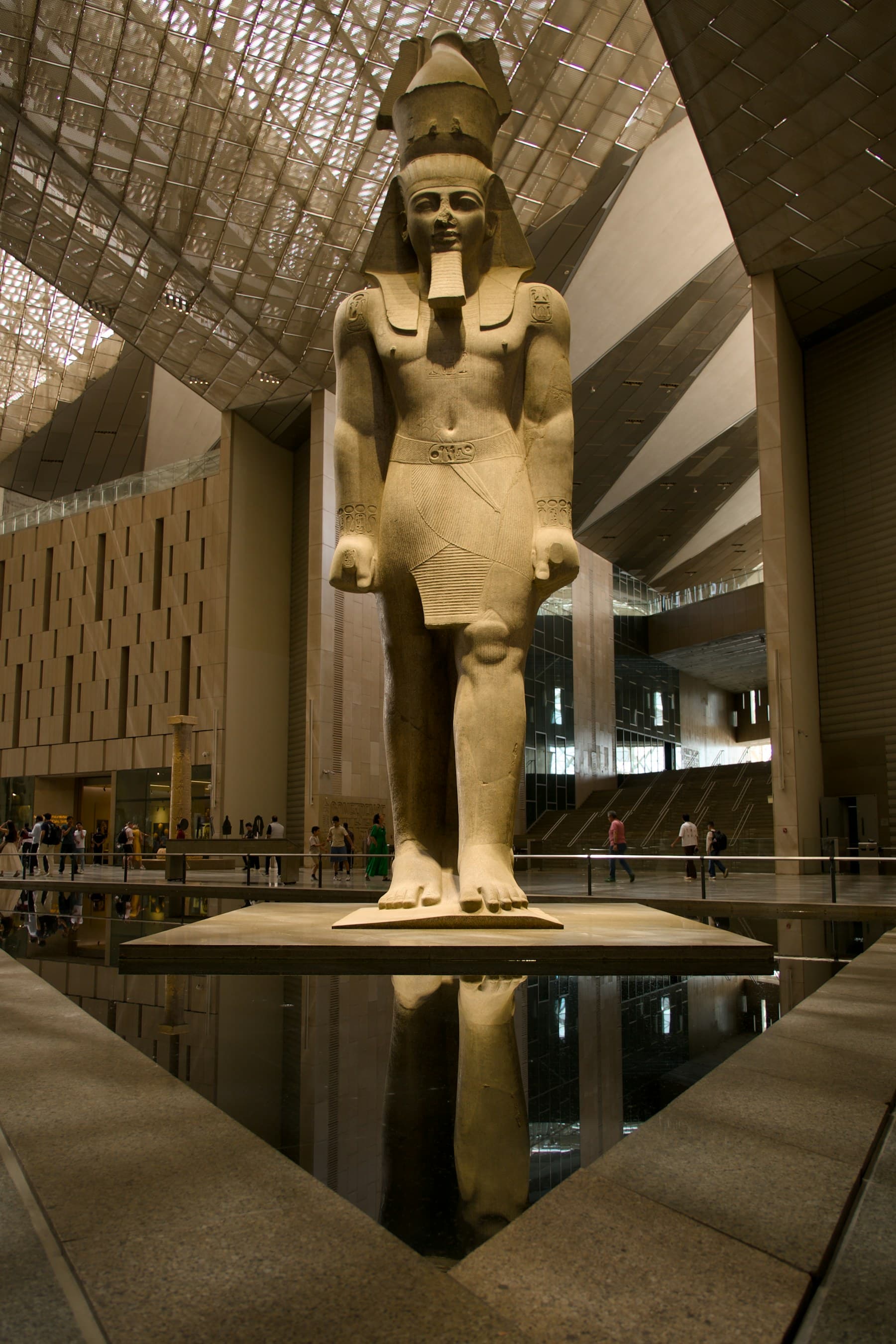
Grand Egyptian Museum: What to See, From the Grand Hall to Tutankhamun
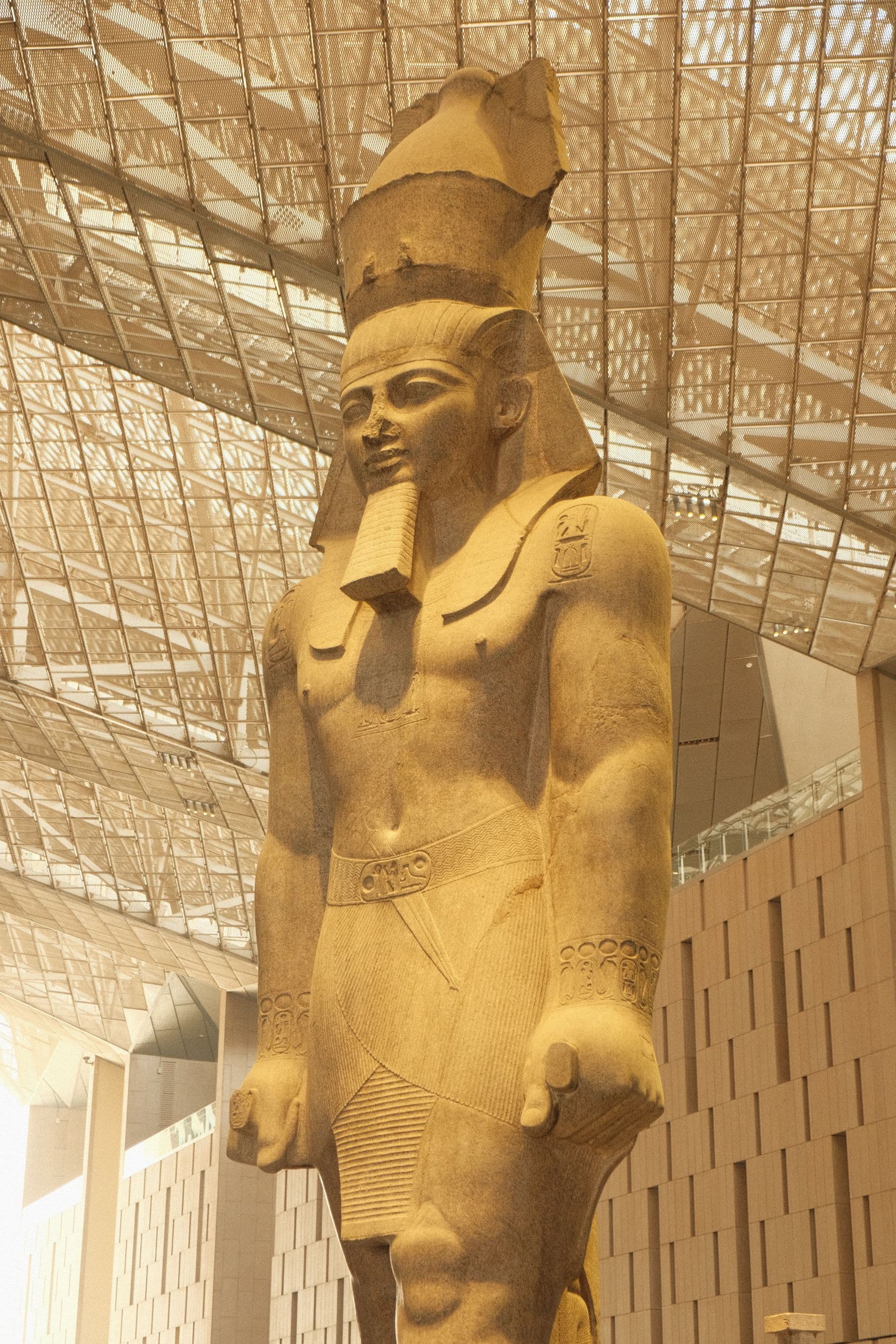
The Colossal Ramesses II at the Grand Egyptian Museum: From Memphis to Ramses Square to Giza
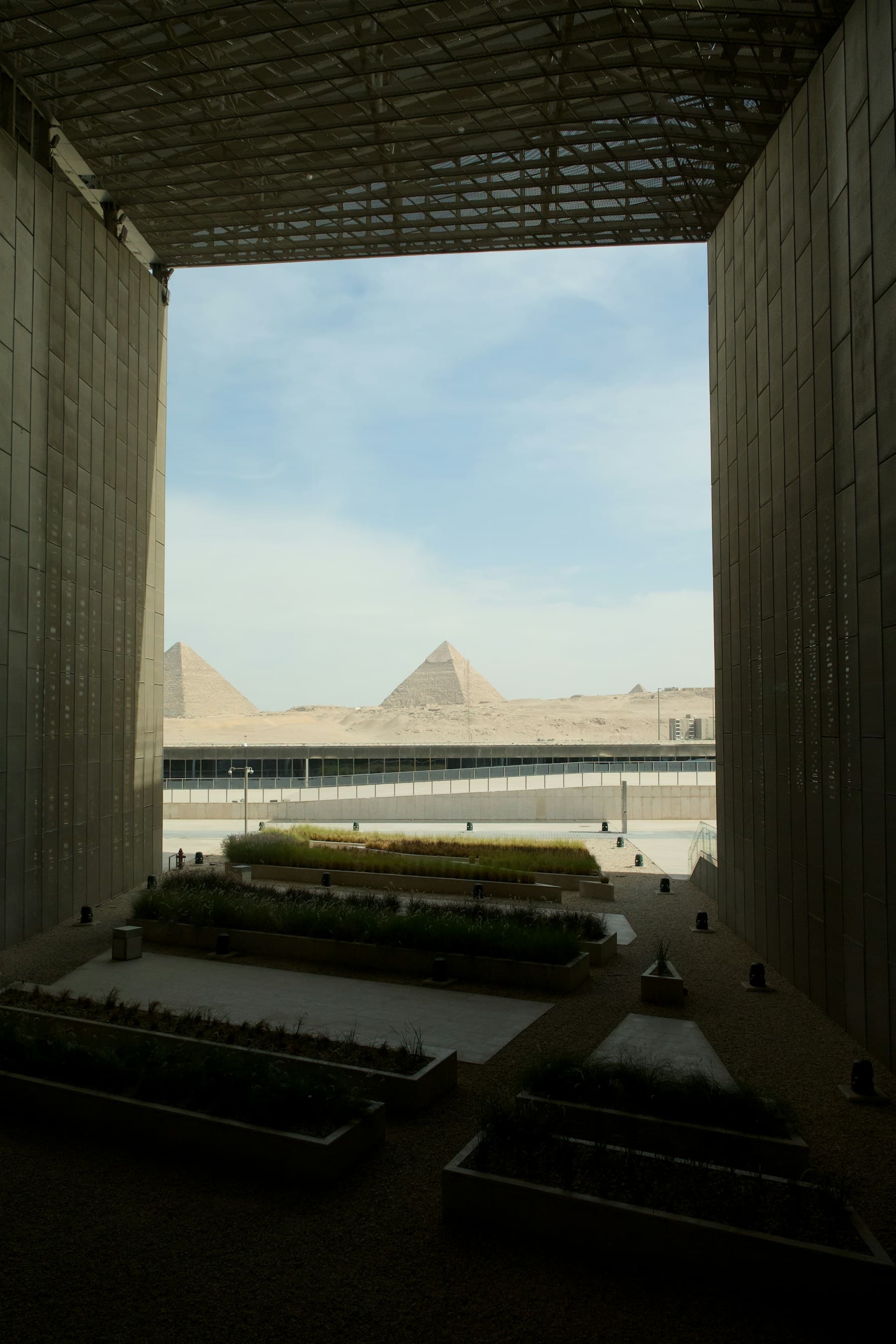
The Grand Staircase at the Grand Egyptian Museum: Six Storeys of Kings
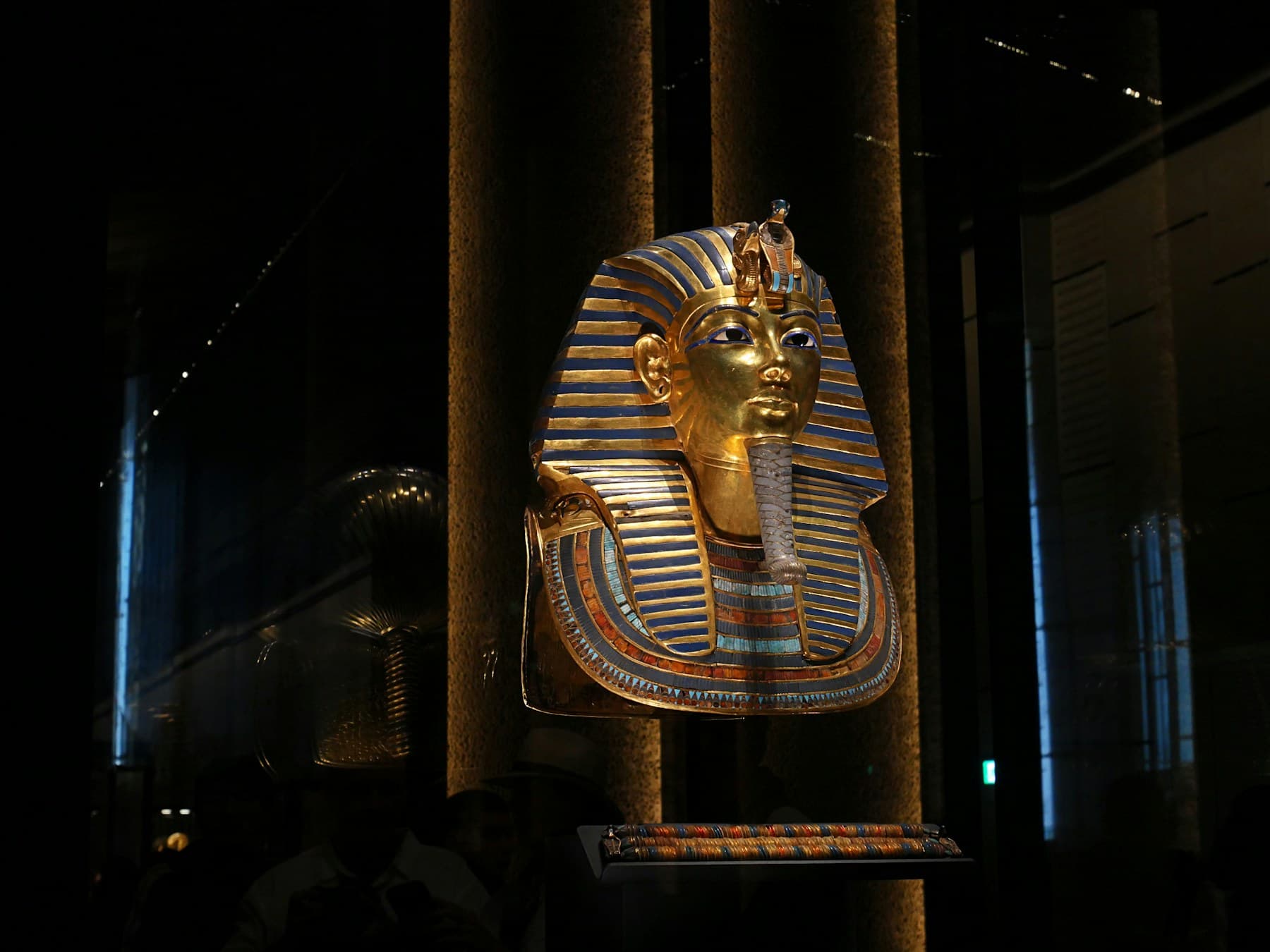
Tutankhamun's Gold Mask at the Grand Egyptian Museum: What to Look For

Al-Muizz Street: Reading a Thousand Years of Cairo on One Pavement