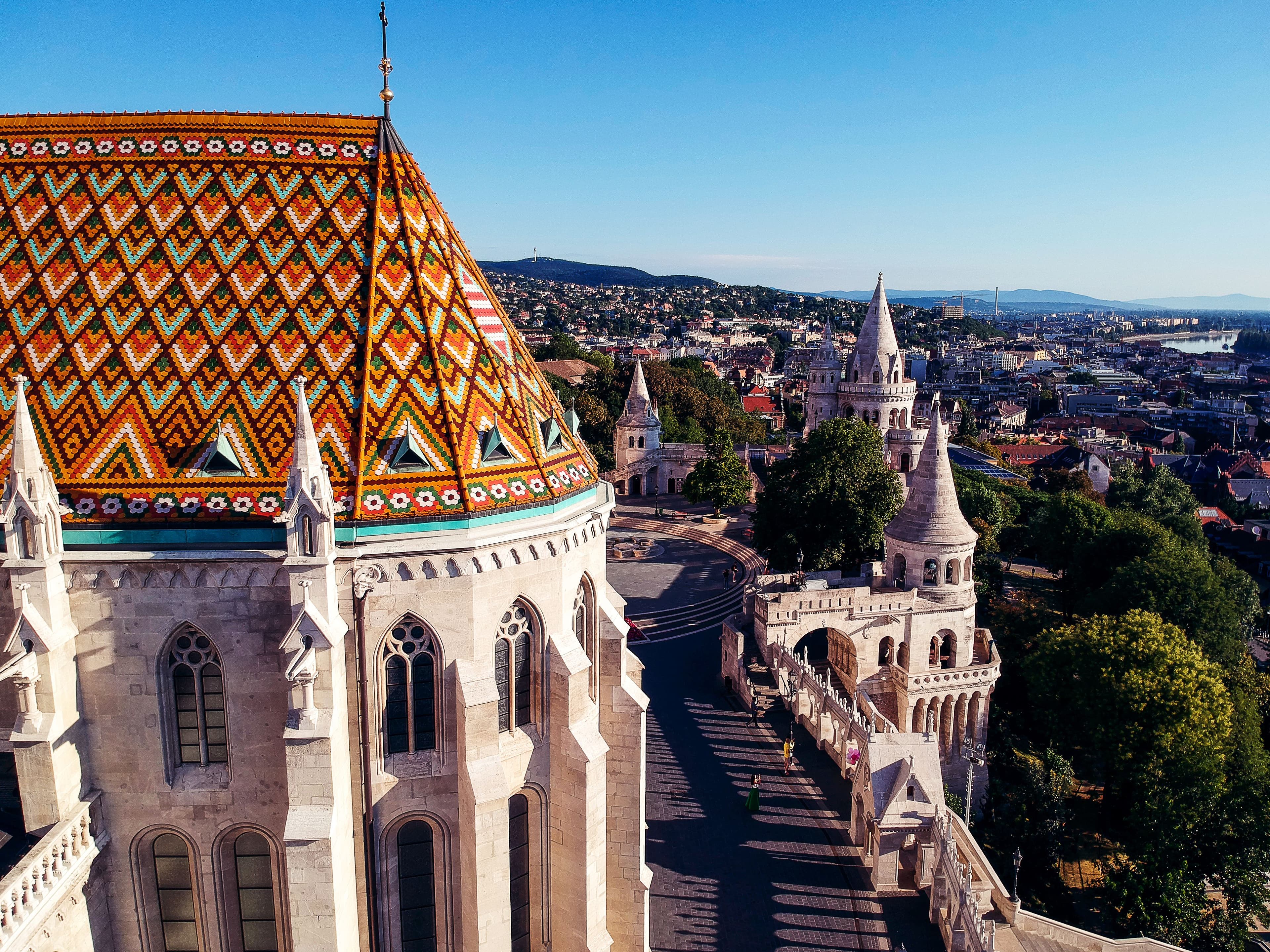
Buda Castle District: Palace, Matthias Church and Fisherman's Bastion
105 min · 2.5 km · moderate
Give Budapest three days, get around almost entirely on foot plus the four-line metro, aim for spring or autumn, treat the city as safe with a watch on pickpockets and a few nightlife scams, and budget modestly because a single transit ticket costs 500 forint and most of the best sights are outdoors and free. That is the short answer. Below is the planning detail behind each part, so you can build a trip that leaves room for slow walking and the kind of self-guided routes we build.
How many days you need
Three days is the standard first-visit length, and travel planners across 2026 guides converge on it. One day is enough to walk Buda's Castle Hill, one day covers Pest's grand boulevards and the old Jewish Quarter, and a third day gives you a thermal bath, City Park, and an evening on the river without rushing. Two days works if you skip the baths or a full afternoon of wandering. Four days opens up a slower pace or a day trip out to the Danube Bend.
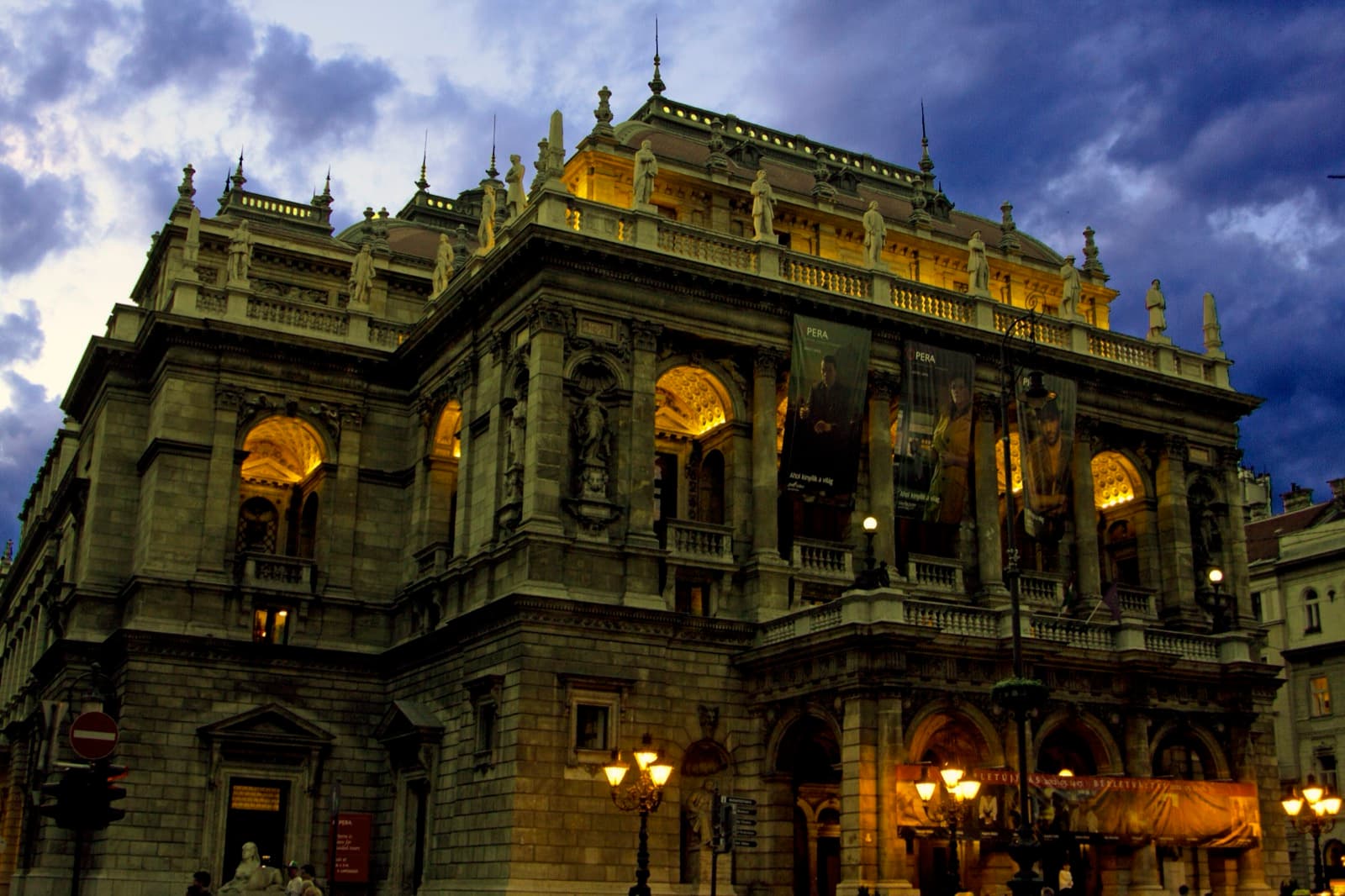
Budapest is really two former cities across one river: hilly Buda on the west bank, flat Pest on the east. A good rhythm is to spend one full day on each side and keep the third loose. Our three walking routes map onto that split. Buda Castle District: Palace, Matthias Church and Fisherman's Bastion climbs the Buda ridge past Buda Castle, Matthias Church, and the Fisherman's Bastion in ten stops, about an hour and three quarters over roughly 2.6 kilometres. On the Pest side, the Andrassy Avenue walk runs one straight line from the Hungarian State Opera House out to Heroes' Square and the Szechenyi Baths, and the Jewish Quarter walk threads the tight streets of Erzsebetvaros from the Dohany Street synagogue to the ruin bars. Together they give you the honest structure of the city in three self-paced pieces.
How to get around
Hear a stop from this walk
Szent György tér: Sándor Palace and the Rebuilt Riding Hall
Walk first, ride the metro second, and skip taxis unless you book one. Central Budapest is compact and made for walking. The Castle District, Andrassy Avenue, and the Jewish Quarter are each best read on foot, which is exactly why they work as walking tours rather than bus stops.
For distance, the public transport network run by BKK is dense and cheap. A single ticket bought in advance costs 500 forint (roughly one and a quarter euros) and covers one uninterrupted ride on the four metro lines, the trams, the buses and trolleybuses, and even scheduled boats. Buying from the driver costs more, 700 forint, so buy ahead through the BKK app or a machine. If you plan several rides a day, a 24-hour Budapest travelcard is 2,750 forint and a 72-hour travelcard is 5,750 forint. Trams two and four along the Pest riverbank are worth a ride for the views alone.
From Liszt Ferenc International Airport, the 100E airport bus runs to the city center in about 40 minutes and requires its own ticket, 2,500 forint, separate from the standard single fare and not covered by the regular travelcards. For taxis, do not flag one on the street. Book through the Bolt app or have your hotel call an established metered firm. That single habit avoids the most common overcharge in the city.
Best time to visit
Come in spring (April and May) or autumn (September and October) for the best mix of comfortable weather, thinner crowds, and lower hotel prices. In late spring and early autumn daytime temperatures sit in a pleasant range around 18 to 25 degrees Celsius, and hotel rates run well below the July and August peak.
Summer (July and August) is hot, often 24 to 28 degrees, with the largest crowds and the highest prices, though it brings the longest days and the fullest festival calendar. Winter (November through February) is cold and grey but the cheapest season, and it suits the thermal baths and Christmas markets. If your walk includes the exposed terraces of the Fisherman's Bastion, a clear spring or autumn day gives you the Danube panorama at its best. In summer, go early or late to beat both the heat and the midday crush on the terrace.
Is Budapest safe
Yes. Budapest is a low-crime capital, and the United States State Department places Hungary at Level One, its lowest travel advisory tier, alongside the calmest destinations in Europe. Violent crime against tourists is rare. The honest caution is petty crime, not danger to your person.
Pickpocketing is the main thing to manage, concentrated in predictable spots: the tourist shopping street Vaci utca, the packed platforms of metro lines M2 and M3, the Great Market Hall, and any tram or bus jammed at rush hour. Keep your bag zipped and in front of you in crowds, and you remove most of the risk. The two scams to know are taxi drivers who refuse the meter (solved by booking a ride rather than hailing one) and a nightlife bill scam where a friendly stranger steers a solo traveler into a bar and the check arrives wildly inflated. Both are avoidable with plain awareness. As a walking-tour city explored mostly by daylight, Budapest is comfortable for solo travelers and first-timers.
What it costs
Budapest is one of the better-value European capitals, and a self-guided walking trip keeps it cheaper still. Public transport is inexpensive at 500 forint per ride, and most of the headline sights on our routes cost nothing to see. On the Castle Hill walk, every square, the Holy Trinity Column, the Vienna Gate, the palace courtyards, and the lower panorama from the Fisherman's Bastion are free. You pay only for what you enter: the interior of Matthias Church, the palace museums, the tower climb, or the decorated upper terraces of the bastion, and those are modest forint fees rather than euro-scale ticket prices.
Two budget notes. First, prices here are in Hungarian forint, not euros, so carry some local currency or a card for tickets, the funicular, and the baths. Second, the thermal baths, an Andrassy-walk finale at the Szechenyi Baths, are a paid experience worth building into the budget as a deliberate splurge. Everything else on these walks you can do at your own pace, for little or nothing, on your own schedule. Open the city page at /hungary/budapest to pick your first route.
Sources
Frequently asked questions
- How many days do you need in Budapest?
- Three days is the standard first-visit length. One day covers Buda's Castle Hill, one day covers Pest's boulevards and the Jewish Quarter, and a third day fits a thermal bath, City Park, and a river evening. Two days works if you cut the baths or a full afternoon of wandering, and four days allows a slower pace or a day trip.
- How do you get around Budapest?
- Walk in the compact center, then use the BKK public transport network for distance. A single ticket bought in advance is 500 forint and covers the four metro lines, trams, buses, and boats. A 24-hour travelcard is 2,750 forint and a 72-hour travelcard is 5,750 forint. From the airport, the 100E bus reaches the center in about 40 minutes for a separate 2,500-forint fare.
- What is the best time to visit Budapest?
- Spring (April and May) and autumn (September and October) are best, with daytime temperatures around 18 to 25 degrees Celsius, thinner crowds, and lower hotel prices than the July and August peak. Summer is hot and busy but full of festivals, while winter is cold, grey, and cheapest, and suits the thermal baths and Christmas markets.
- Is Budapest safe for tourists?
- Yes. Budapest is a low-crime capital, and the U.S. State Department rates Hungary at Level One, its lowest advisory tier. Violent crime against tourists is rare. The real caution is petty crime: pickpocketing on crowded metro lines and tourist streets, plus a taxi-metering scam and a nightlife bill scam, all of which are avoidable with basic awareness.
- How expensive is a trip to Budapest?
- Budapest is one of the better-value European capitals. Public transport is cheap at 500 forint per ride, and most headline sights on the Castle Hill walk, including the squares, the Holy Trinity Column, the Vienna Gate, and the lower Fisherman's Bastion terrace, are free. You pay modest forint fees only for interiors, museums, the tower climb, and the thermal baths.
- Should I ride the Castle Hill funicular or walk up?
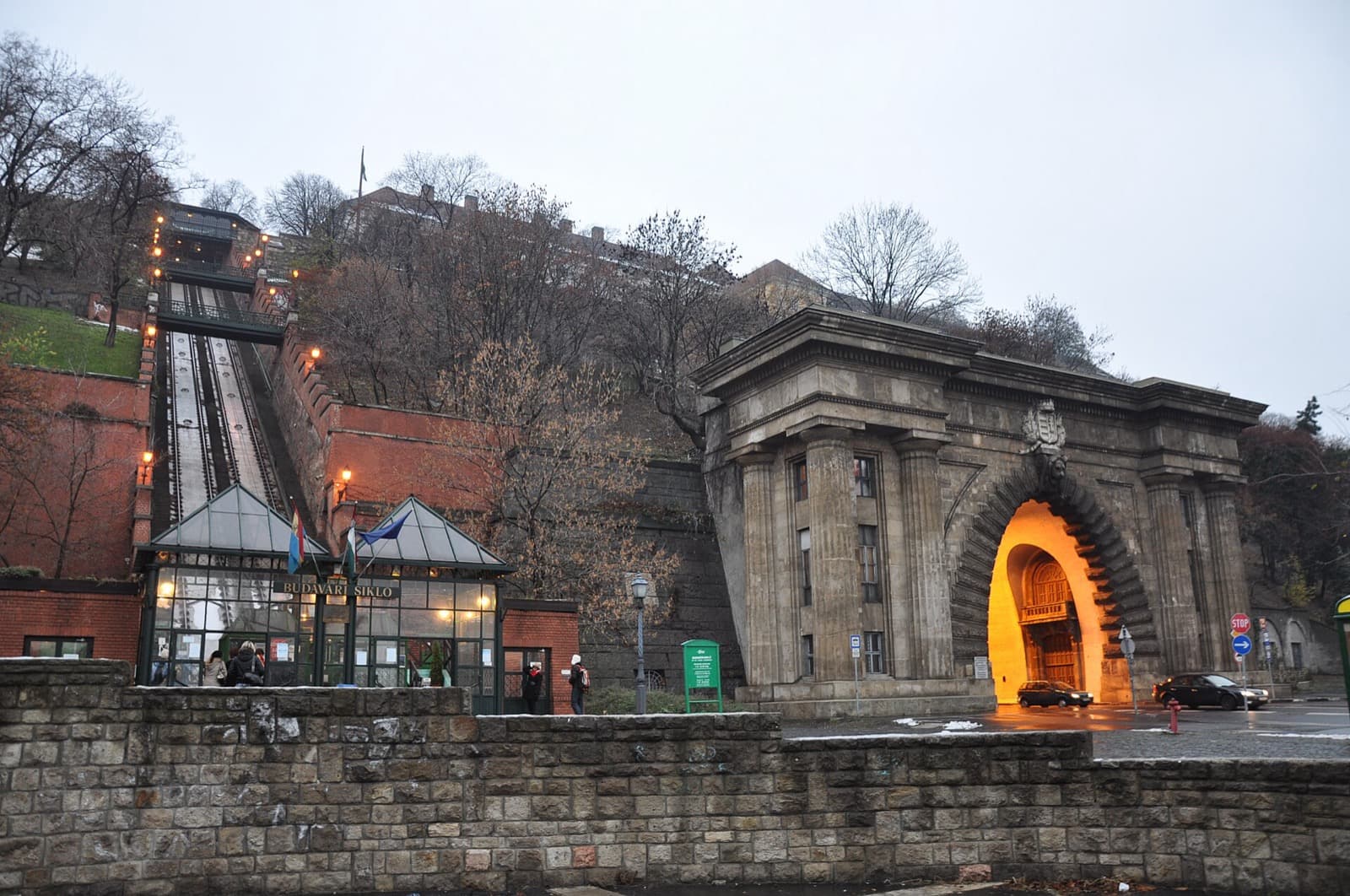
- Both work. The historic Budavari Siklo funicular from Clark Adam ter is a short scenic ride and part of the experience, while free ramps and stairs get you up without the fare. The funicular is separate from the free squares and viewpoints at the top, so you only pay for the ride itself if you want it.
Ready to experience it?
Buda Castle District: Palace, Matthias Church and Fisherman's Bastion
105 min · 2.5 km · moderate
More from Budapest
Explore more at your own pace.
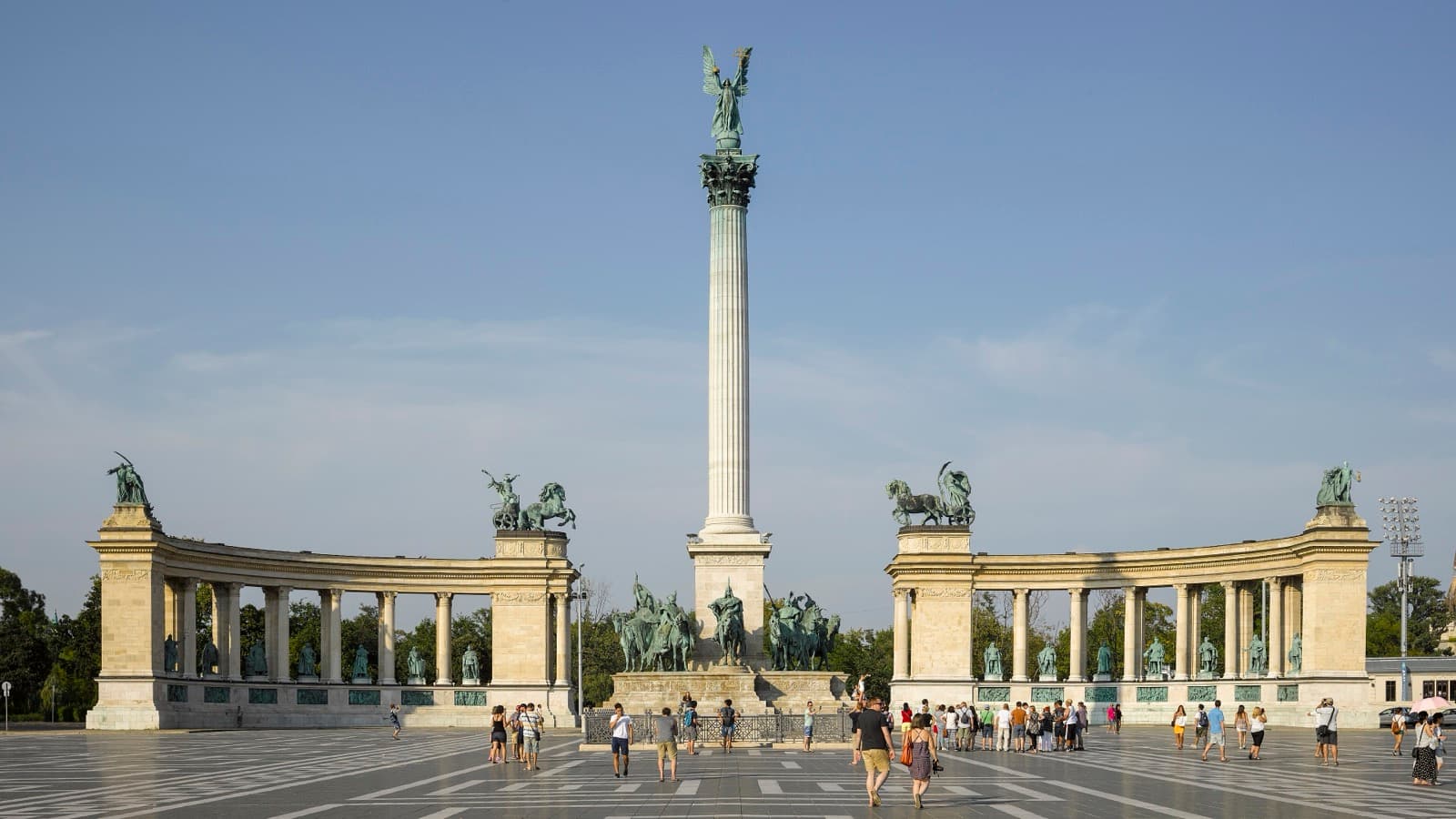
Heroes' Square and the Boulevard That Reads Like a Sentence
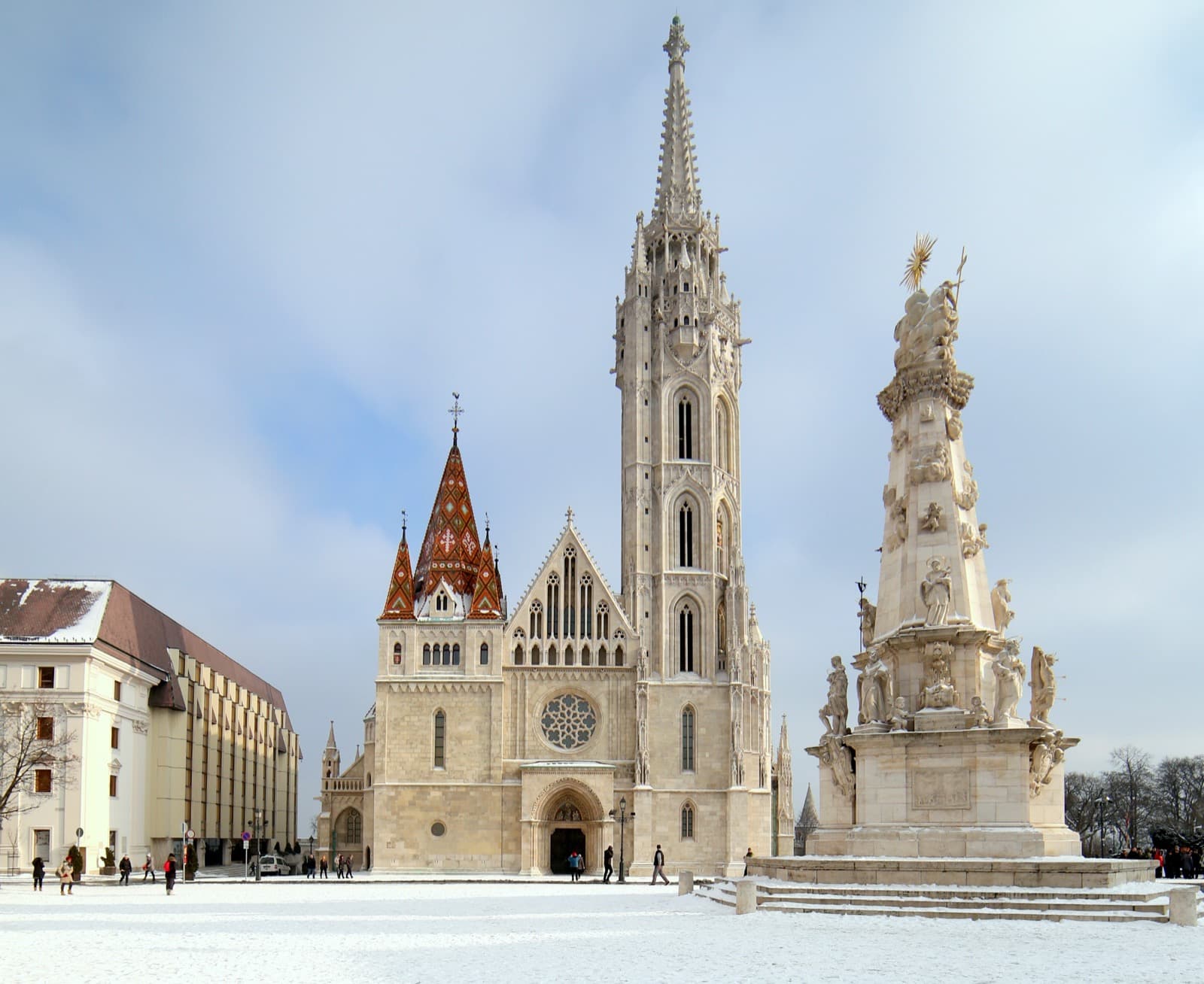
Matthias Church: Why Budapest's Prettiest Roof Is the Newest Thing on Castle Hill
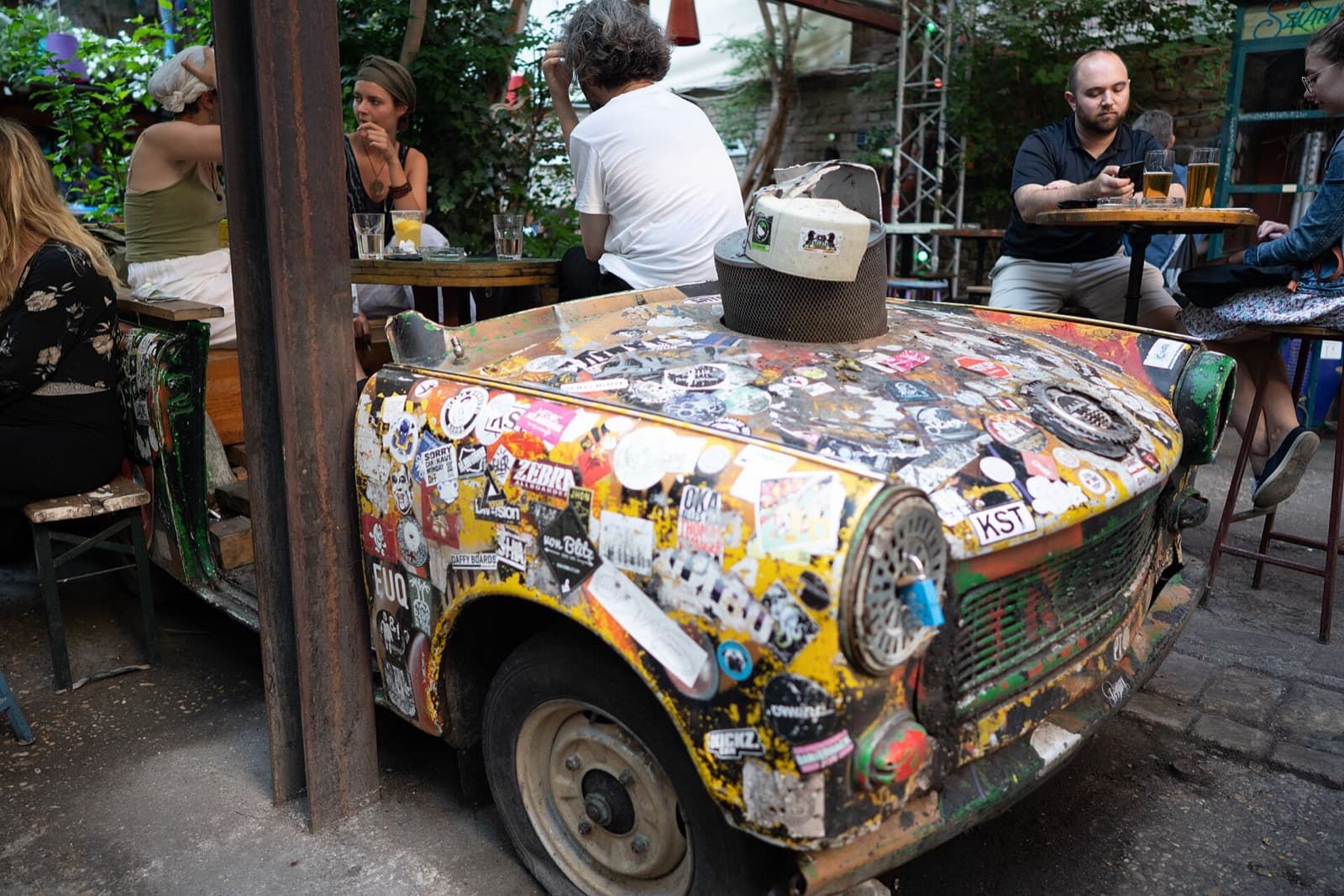
Szimpla Kert and the Ruin Bars: Why Budapest's Party Quarter Is Really a Memorial
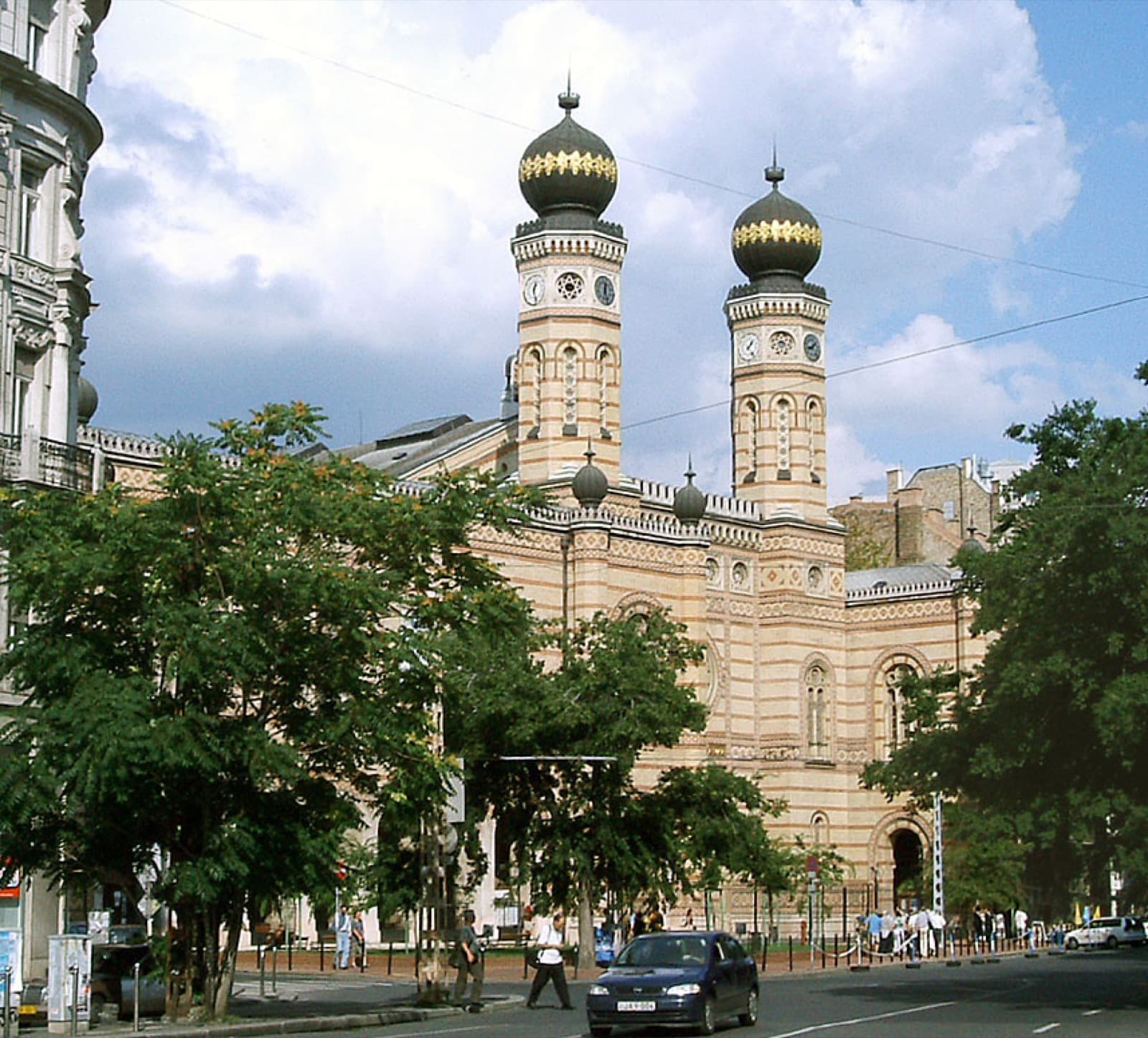
Dohany Street Synagogue: Europe's Largest, and What It Was Built to Say
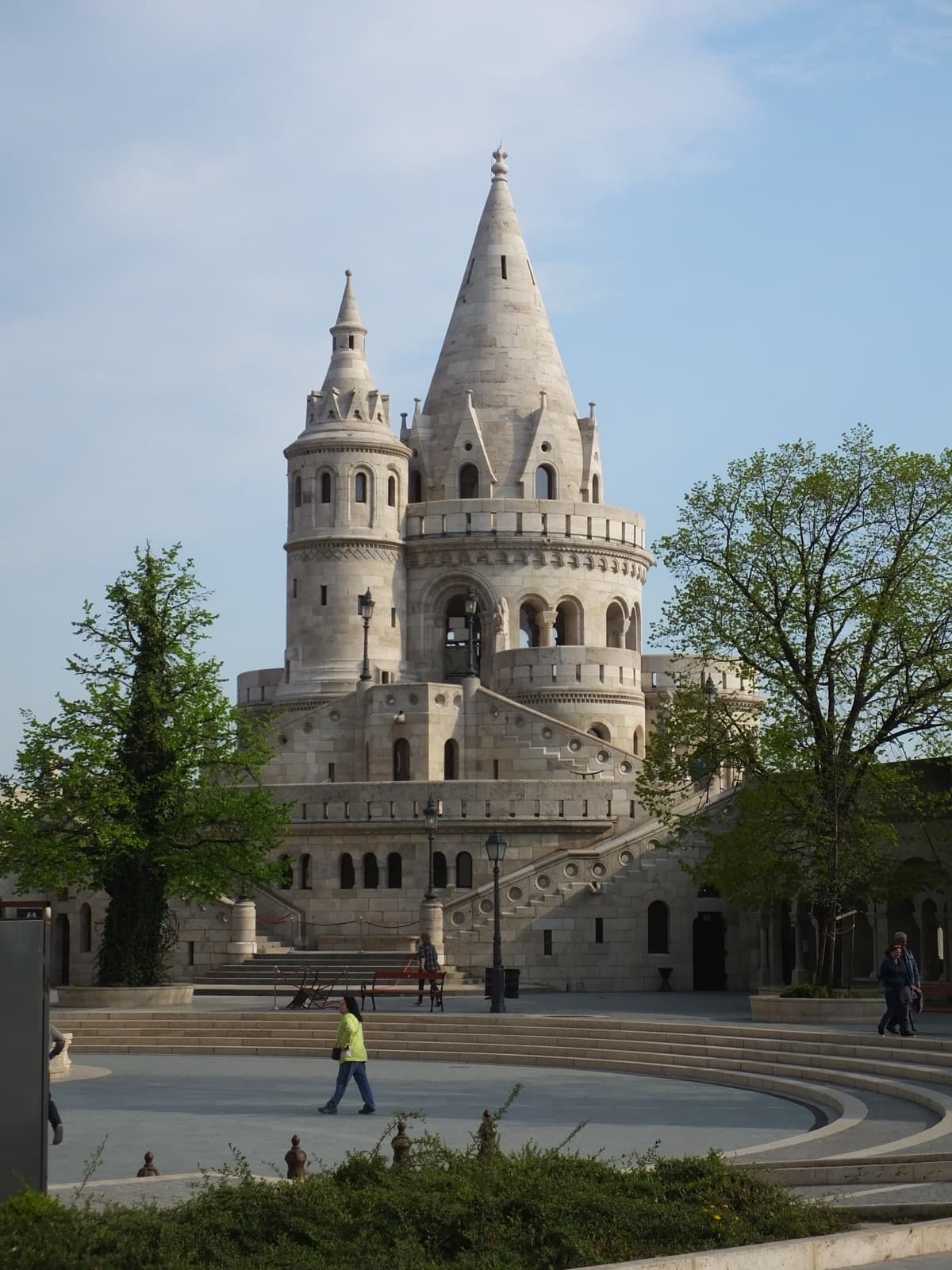
Fisherman's Bastion: The Fortress That Never Defended Anything