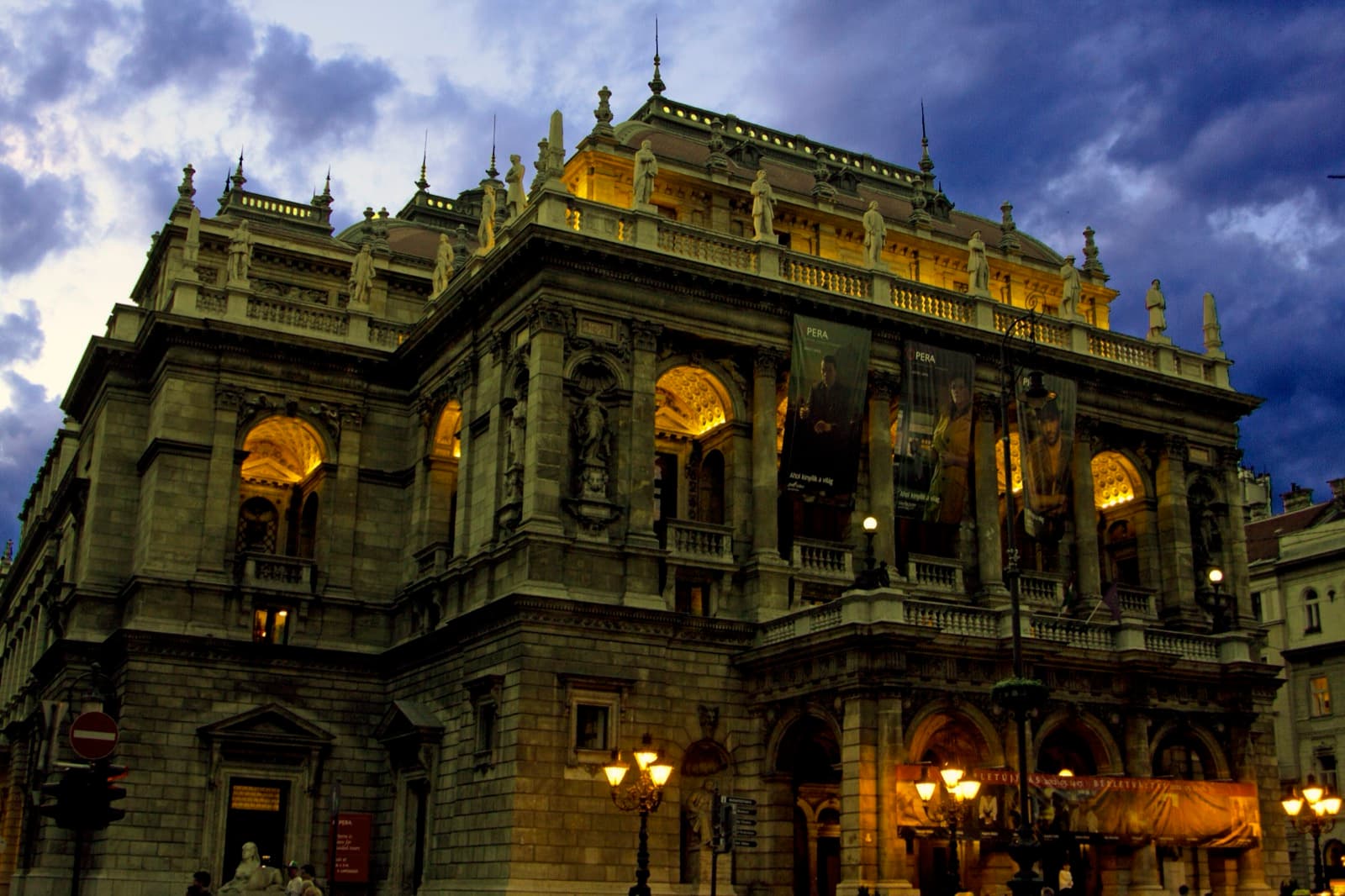
The Hungarian State Opera House was built to open a sentence. It stands at the lower end of Andrassy Avenue, the straight ceremonial boulevard that Budapest drove through the city of Pest in the eighteen seventies, and it was placed there deliberately, as the first grand chord in a composition that runs all the way up to Heroes' Square. Designed by the architect Miklos Ybl and funded jointly by the city of Budapest and the emperor Franz Joseph the First, the house opened on the twenty-seventh of September eighteen eighty-four. If you understand only one thing standing in front of it, understand this: the building is not a stray monument. It is the overture to a whole street that a newly self-governing Hungary wrote about itself.
Why an emperor paid for a Hungarian house
Budapest in the eighteen seventies was a capital in a hurry. Hungary had won a large measure of self-government inside the dual monarchy, and it wanted that new standing visible in stone. Andrassy Avenue was decreed in eighteen seventy, begun in eighteen seventy-two, and opened on the twentieth of August eighteen seventy-six. The opera house belongs to exactly that building boom, and its funding tells the political story in a single line. The city paid for much of it, and so did Franz Joseph, whose crown then reached over Hungary. An emperor helping to underwrite a Hungarian national opera at the foot of a Hungarian national boulevard is the whole arrangement of the age compressed into a construction budget: local pride, imperial money, and a shared appetite for grandeur.
Construction began in eighteen seventy-five. Miklos Ybl, the same hand behind much of monumental Pest, worked in a neo-Renaissance manner warmed with Baroque detail, and he built with a rival in mind. This was meant to answer the great opera houses of the empire, not to defer to them. The result is a house long celebrated for its acoustics, counted among the finest in Europe. That reputation is not decoration. It is the reason the building still functions as a working theater rather than a museum piece, and it is why the correct way to visit is to keep your voice low and dress with a little care if you step inside for a tour or a performance.
The two men seated at the door
Hear a stop from this walk
Heroes' Square: The Founding Myth Cast in Bronze
Before you go looking at the whole facade, look at the two seated figures flanking the entrance, because they name what the building is for. On one side sits Franz Liszt, the Hungarian composer and pianist whose fame reaches far beyond this country. On the other sits Ferenc Erkel, who wrote the music of the Hungarian national anthem and helped found this very opera. Both statues were carved by the sculptor Alajos Strobl. The pairing is a small argument in bronze: one figure for Hungarian music as a world reputation, the other for Hungarian music as a national institution. The house claims both at once, and it puts them at eye level, at the door, before you have even climbed the steps.
Inside, the argument continues in gold. The auditorium seats a little over twelve hundred, wrapped in painted ceilings and gilt, a room built to make an audience feel that attending was itself a civic act. You do not need a ticket to read the exterior, but the interior is where the ambition of eighteen eighty-four is most legible, and a guided tour is the calm way to see it between performances.
A house that measures its own life
The opera has carried great names in its pit and on its podium. The composer Gustav Mahler served as director here from eighteen eighty-eight to eighteen ninety-one, in the years before Vienna, which places one of the towering conductors of the era at this address in his ascent. That is the kind of fact that turns a facade into a room where things happened.
There is also a quiet symmetry in the building's own timeline, the sort a chronicler loves. After a careful renovation, the house reopened on the twenty-seventh of September nineteen eighty-four, exactly one hundred years to the day after it first raised its curtain. The century between those two twenty-sevenths of September holds the whole modern history of the country, and the building kept the appointment to the calendar day. Restorations rarely land on so tidy a number. This one did, and it is worth pausing on, because it tells you the institution thinks of itself in centuries.
The overture and the street behind it
The reason to begin a walk here, rather than treat the opera as one sight among many, is that the whole of Andrassy Avenue was composed as a single gesture and this is its opening bar. From the street, the house reads as the avenue's overture. Above it the boulevard runs uphill past the Oktogon, past circular plazas and set-back villas, past one address that holds the twentieth century's darkness, and finally arrives at Heroes' Square and the founding myth the nation chose to tell about itself. The whole line, the avenue and the underground railway that runs beneath it, was added to the UNESCO World Heritage list in two thousand and two. Standing at the opera, you are standing at the low end of that inscription, at the place where the composition starts.
That is the one thing to hold in front of the building. It was not placed here to be admired in isolation. It was placed here to begin something, and the something is the street at your back. The house sits at the avenue's denser lower end, where the boulevard still behaves like a formal city street, and the character changes as you climb. Read the opera as the first grand chord, then walk the rest of the score.
The self-guided Budapest walking tours collection includes the full Andrassy Avenue route, which begins right here at the opera house and follows the boulevard's straight line up to City Park at your own pace, over eight stops and roughly five kilometres. If you are planning a visit to the city, the Budapest page gathers the tours that pass through this neighborhood and beyond. Start at the door where Liszt and Erkel sit, read the two of them as the building's thesis, and let the avenue take the rest of the argument from there.
Sources
- Hungarian State Opera House, Wikipedia. Architect Miklos Ybl, opening date, funding, statues, and the nineteen eighty-four centenary reopening.
- Metro Line M1 (Budapest Metro) and Andrassy Avenue, Wikipedia. Context for the boulevard's chronology and the two thousand and two UNESCO World Heritage inscription.
- Alajos Strobl, Wikipedia. Attribution of the seated Liszt and Erkel figures at the entrance.
- Ferenc Erkel, Wikipedia. His authorship of the Hungarian national anthem's music and his role founding the opera.
Ready to experience it?
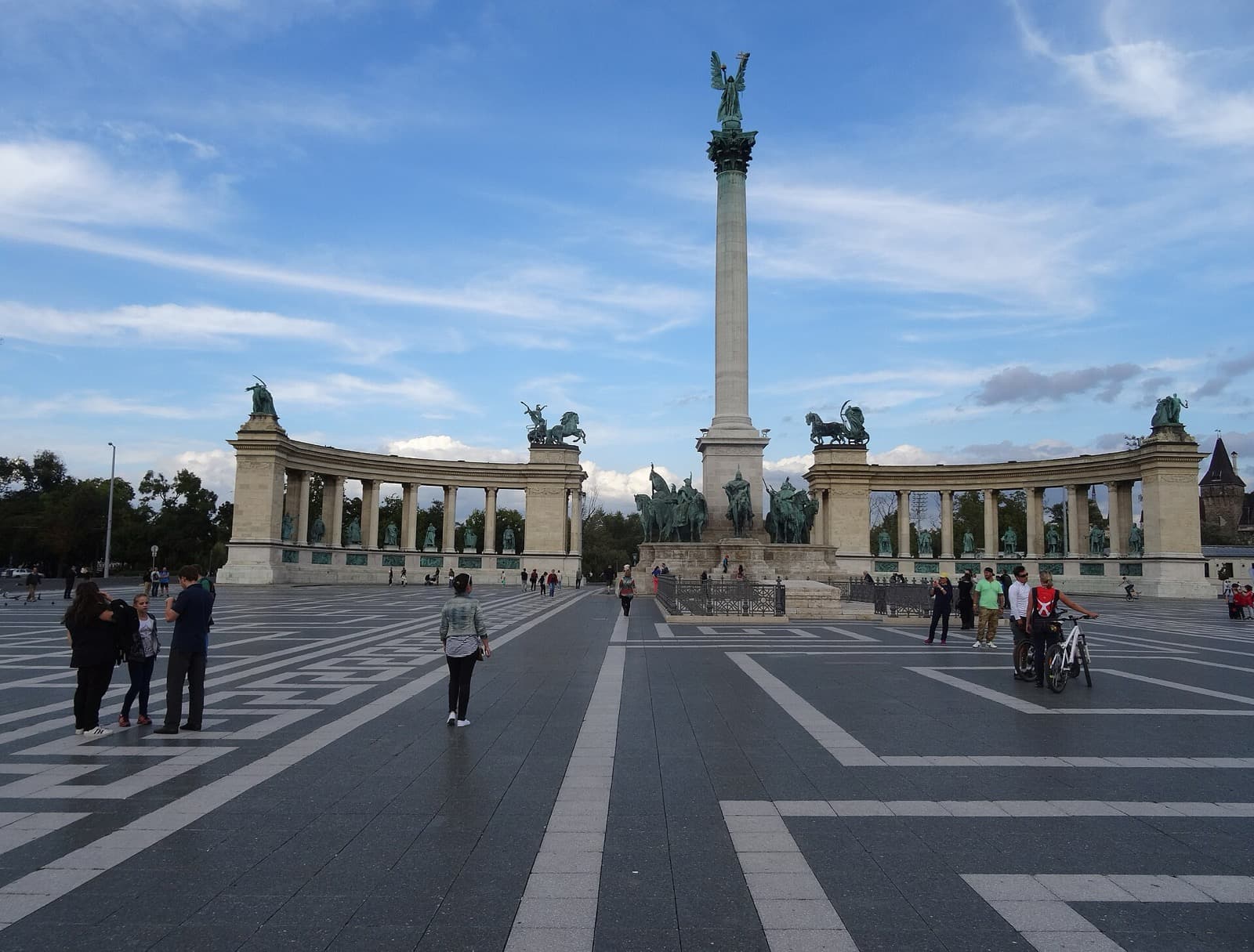
Andrassy Avenue: The Boulevard Built for a Nation's Millennium
130 min · 5 km · moderate
More from Budapest
Explore more at your own pace.
Budapest Travel Guide: How Many Days, Getting Around, Best Time, Safety, and Budget
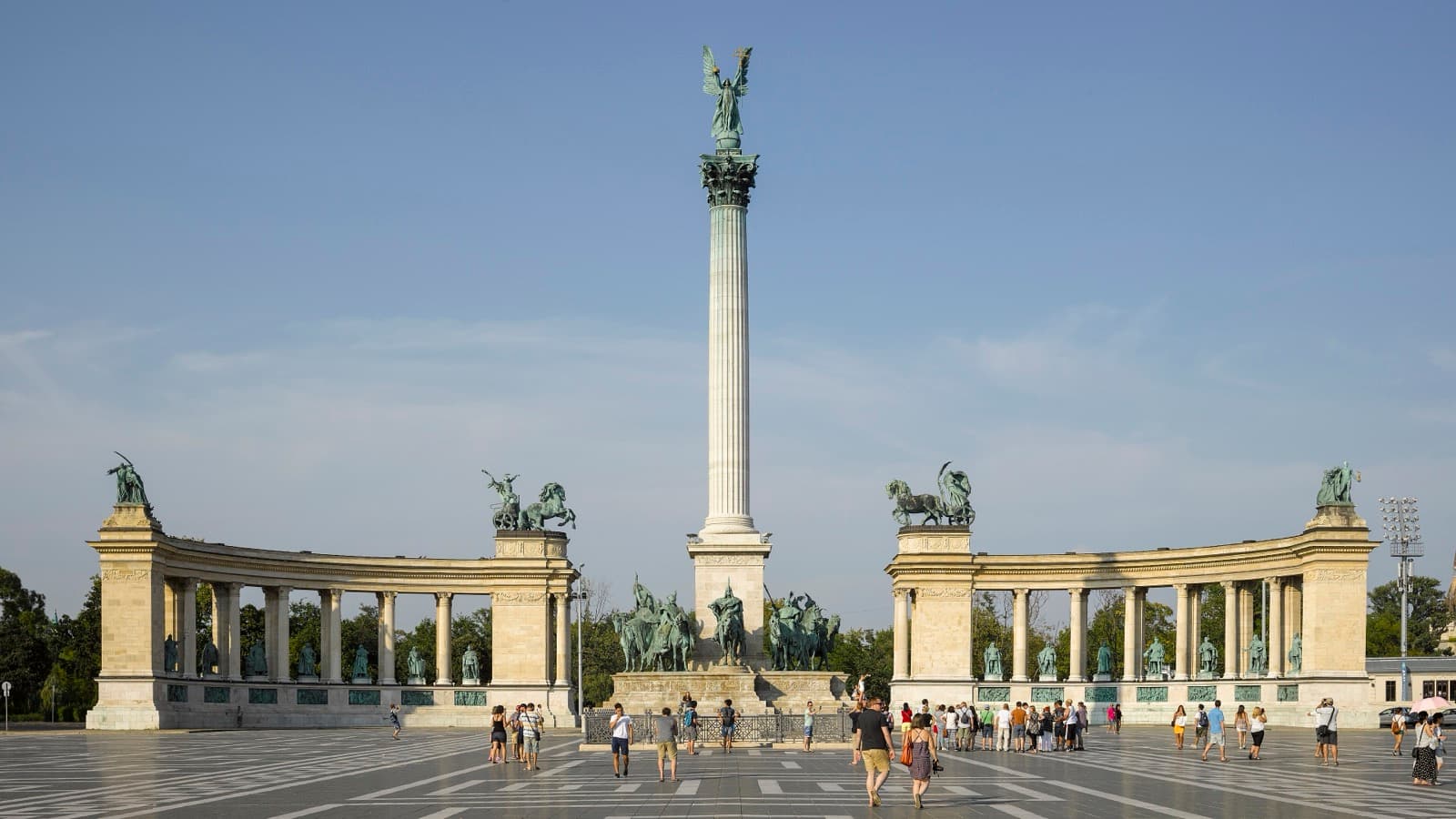
Heroes' Square and the Boulevard That Reads Like a Sentence
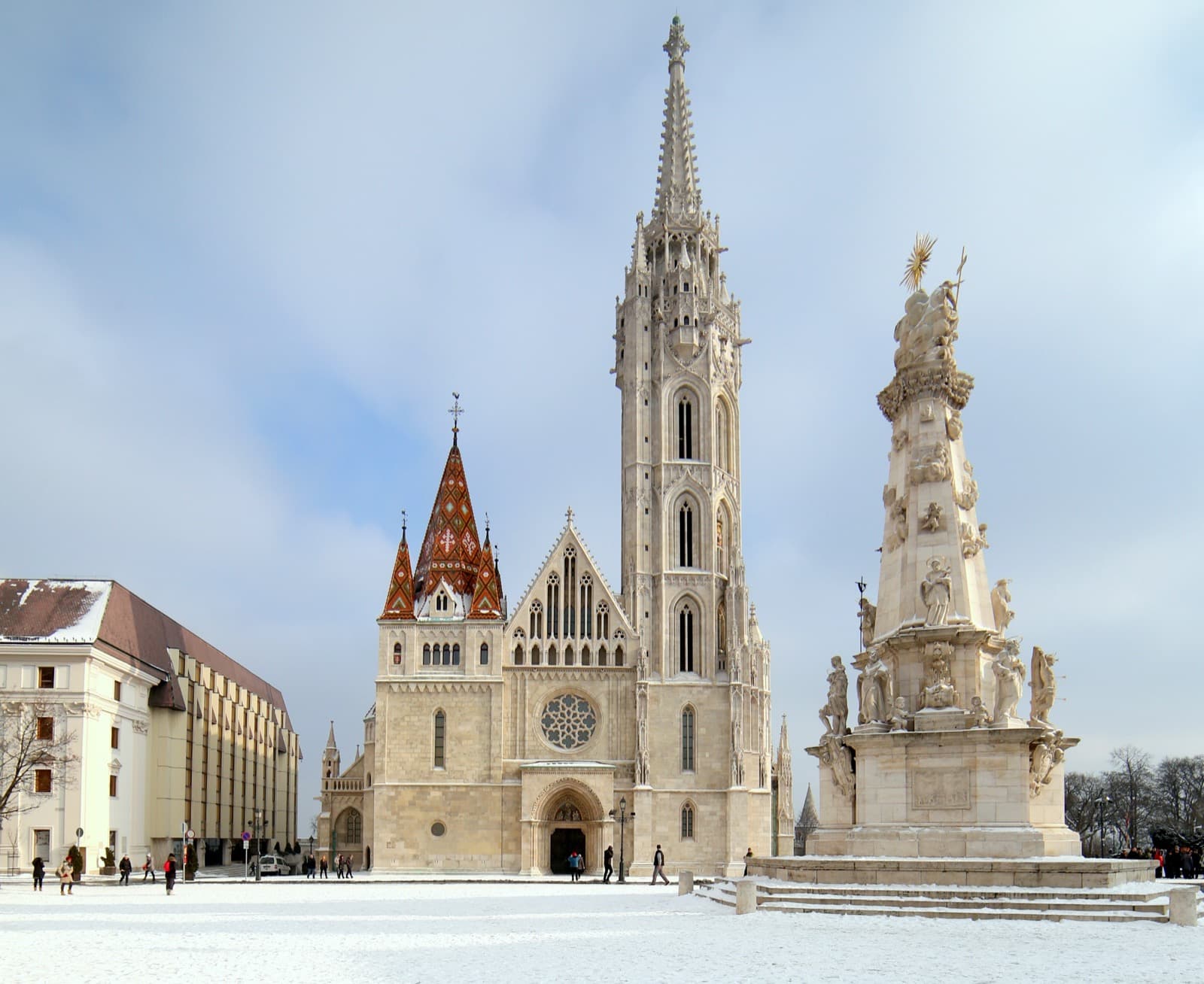
Matthias Church: Why Budapest's Prettiest Roof Is the Newest Thing on Castle Hill
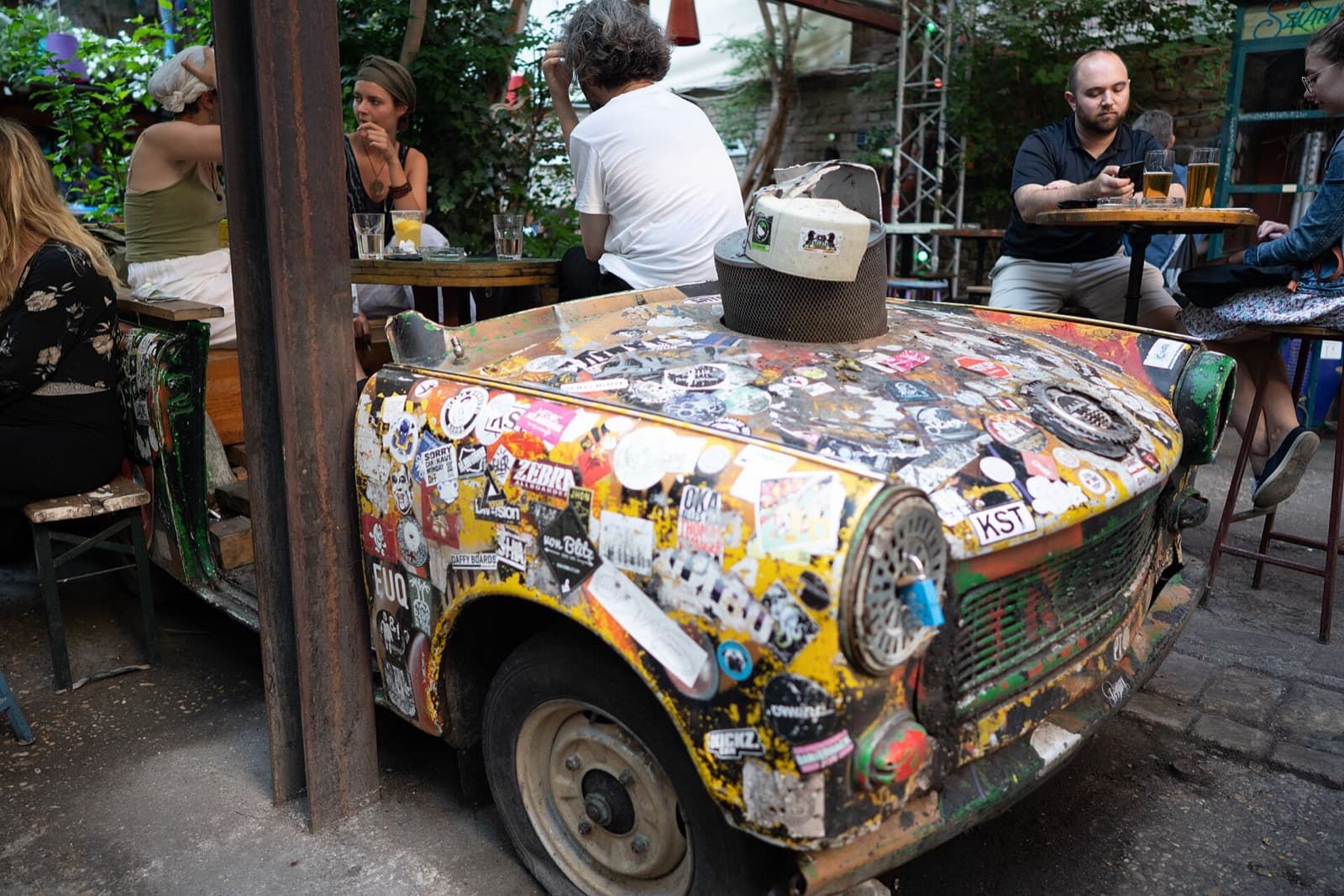
Szimpla Kert and the Ruin Bars: Why Budapest's Party Quarter Is Really a Memorial
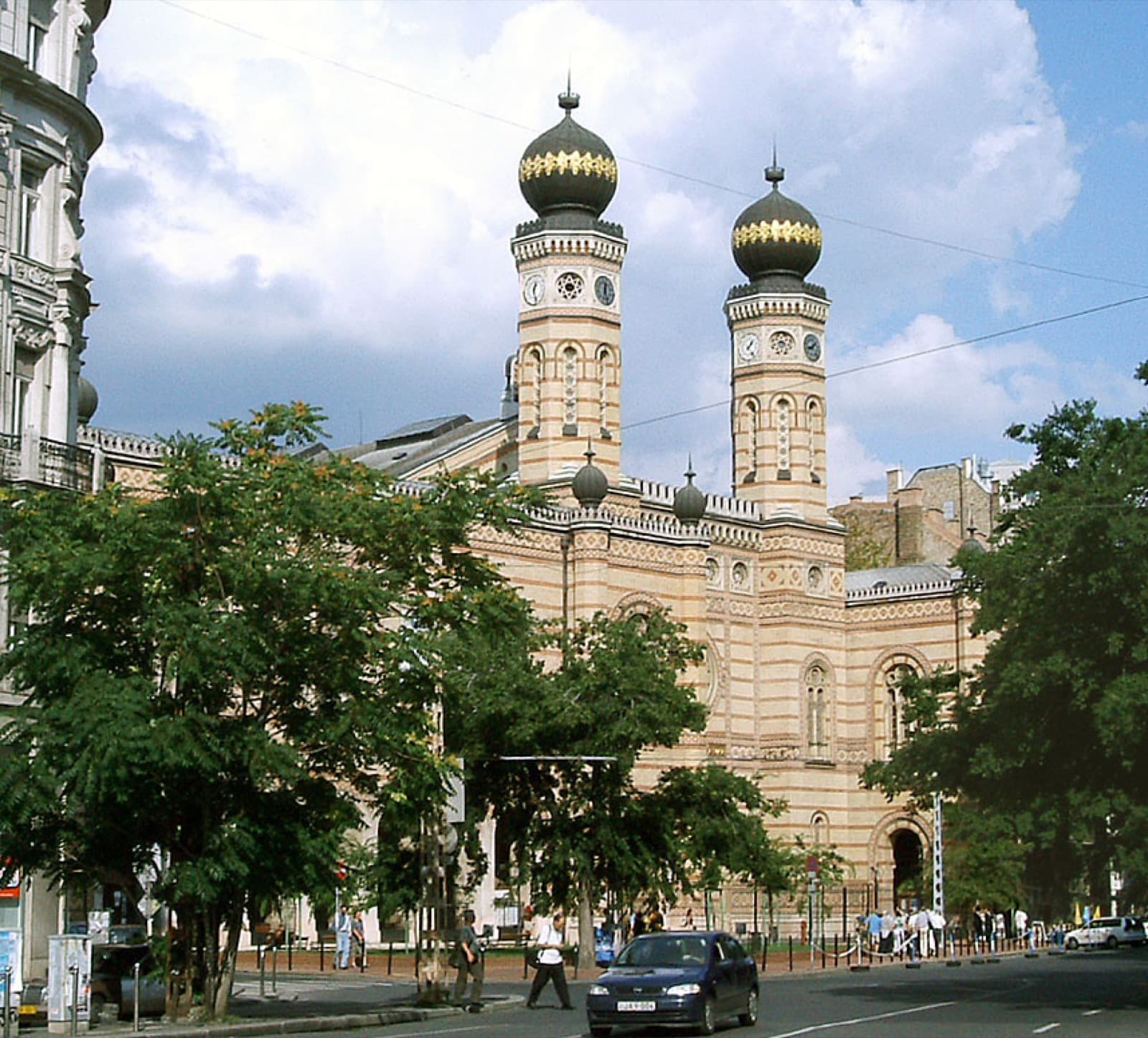
Dohany Street Synagogue: Europe's Largest, and What It Was Built to Say