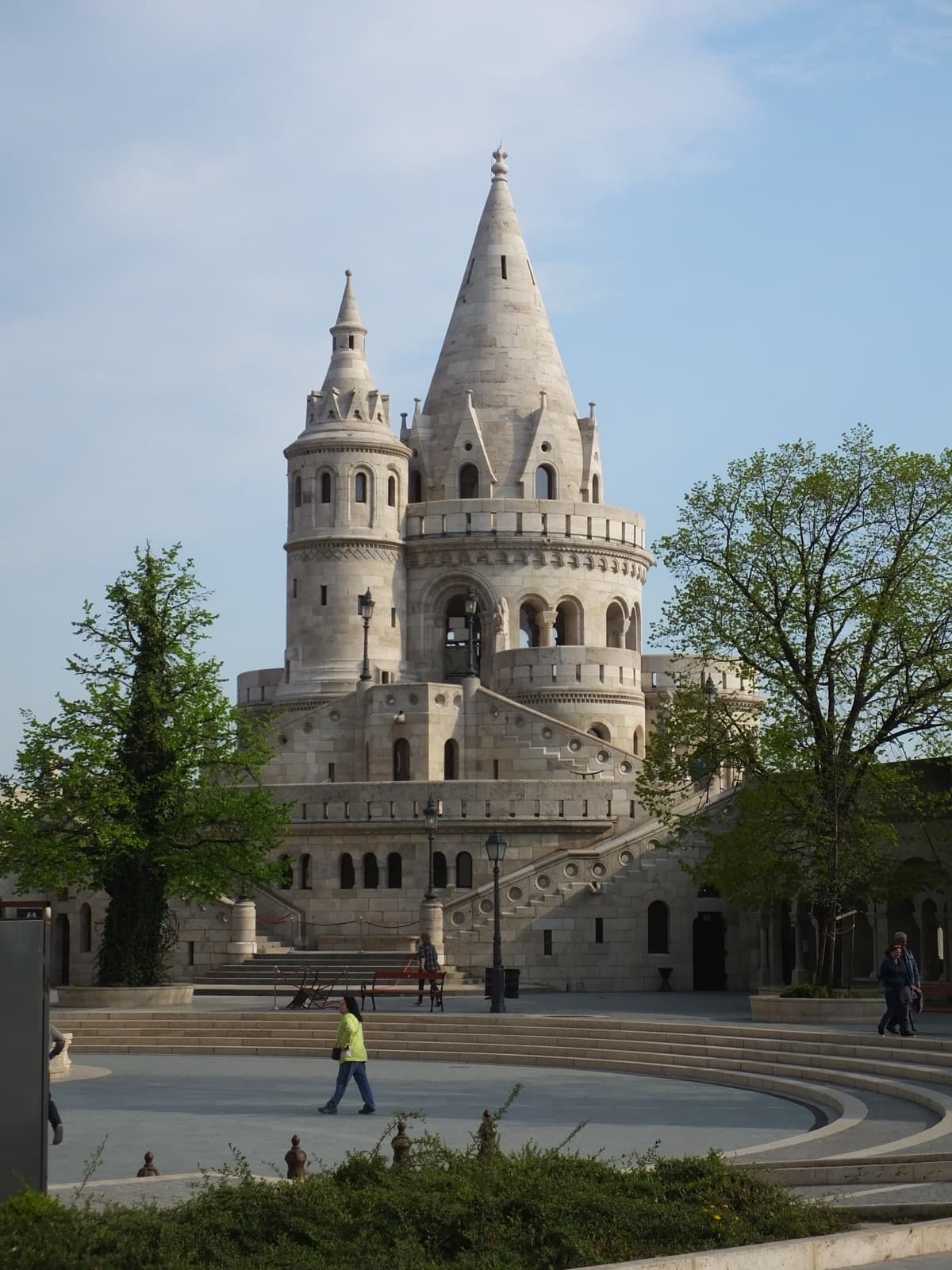
Fisherman's Bastion, the white seven-towered terrace on the Buda side of Budapest, looks like a medieval fortress and is nothing of the kind. It was built between 1899 and 1905, designed by the architect Frigyes Schulek as a decorative promenade and lookout, and it has never defended anything. Standing at the parapet with the Danube and the Hungarian Parliament spread out below, you are leaning on a balcony younger than photography that was made to resemble a stronghold five centuries its senior. Once you understand that single fact, the whole of Castle Hill starts to read differently.
A viewing terrace dressed as a fortress
The Hungarian name is Halaszbastya, which translates literally to Fisherman's Bastion. Schulek built it on the base of a real stretch of the old Buda Castle wall, a length that had genuinely been military, and turned that fortification into something with no military purpose at all. The high-pitched stone towers, the arcaded galleries, the sweep of white staircases: all of it is theatre. The neo-Romanesque style, with its rounded arches and conical turrets, was a deliberate historicist choice, meant to frame the coronation church behind it and the river panorama in front of it. The total cost came to roughly 1,165,000 forints, a substantial civic investment in a structure whose entire job was to be looked at and to be looked out from.
This matters because most visitors arrive on Castle Hill expecting an intact medieval capital and read the bastion as the oldest thing in sight. The truth is closer to the reverse. The prettiest, most defensive-looking surface on the ridge is one of the newest. The bastion was handed over to the city in 1905, part of the same wave of late nineteenth-century Hungarian nation-building that produced Heroes' Square and the reconstruction of Matthias Church next door. It is a Romantic-era idea of the Middle Ages, built in the age of steam and gaslight, and it wears its costume beautifully.
The seven towers and the men who never sat in them
Hear a stop from this walk
Szent György tér: Sándor Palace and the Rebuilt Riding Hall
The seven high stone towers are the bastion's signature, and by tradition they symbolize the seven chieftains of the Magyar tribes who led their people into the Carpathian Basin and founded Hungary around the year 895. It is a satisfying idea, seven leaders, seven towers, but it belongs to tradition rather than to any document from the medieval period. The fuller sculptural program dedicated to the seven chieftains was ultimately built elsewhere in Budapest, at Heroes' Square, where the founding figures ride in bronze. Here on the hill, the towers gesture at that origin story without ever spelling it out in stone.
The name carries the same quality of legend. The likelier account ties it to Halaszvaros, the fishermen's quarter in the riverside district below the walls. An older tradition says a guild of fishermen defended this stretch of fortification, though even the sources that repeat it treat it as a guess. Both are the kind of half-remembered tradition that a nineteenth-century architect was happy to build a monument around. Schulek did not invent a false history so much as gather the district's folk memory and give it towers.
The king between the terrace and the church
Between the bastion and Matthias Church stands a bronze equestrian statue of Saint Stephen, the first king of Hungary, crowned around the year 1000 and the man credited with turning the Magyar tribes into a Christian European kingdom. The statue is the work of the sculptor Alajos Strobl, and it was unveiled in 1906, a year after the bastion itself was handed over. Placing the founding Christian king here, at the point where the terrace meets the coronation church, ties the whole ensemble together: the pagan chieftains implied in the towers, the sainted king who followed them, the church where later kings were crowned. It is a compressed national narrative, arranged for the eye.
The view from the parapet is the reason most people climb the hill at all. The Danube runs directly below, the neo-Gothic Parliament building answers from the Pest bank, and on a clear day the city opens in every direction. This is one of the most photographed spots in Budapest. The lower terraces are free to walk; the upper decorated terraces charge a small fee in the daytime during high season, though they are often open without charge early in the morning and in the evening.
Why the pretense is the point
It would be easy to feel cheated by a fortress that never fought. The better response is to see the honesty in it. Castle Hill has been royal capital, Ottoman-held town, Habsburg palace quarter, and, in the winter of 1944 to 1945, a battlefield reduced almost entirely to rubble in the siege of Budapest. Almost everything on this ridge was raised, ruined, and raised again. The palace is a modern reconstruction sitting over excavated medieval cellars. Matthias Church spent roughly a century and a half as a mosque before Schulek reimagined it in flamboyant neo-Gothic. Against that history of destruction and repair, the Fisherman's Bastion is refreshingly candid: it was never anything but beautiful, and it does not pretend to have survived a siege. It simply frames the view and admits, if you look closely, that its medieval look is a Romantic invention.
That is the one thing worth carrying with you as you stand at the rail. You are not looking at a piece of the old defenses of Buda. You are looking at how a young nation, at the close of the nineteenth century, chose to picture its own past and to build that picture in stone. The bastion is a portrait of memory, not a relic of war, and it is lovelier for being so.
The bastion is the sixth of ten stops on the Buda Castle District self-guided audio tour, which climbs the ridge from the foot of the Chain Bridge through the palace, Holy Trinity Square, and Matthias Church before reaching this terrace and the quiet medieval streets beyond. If you are planning your route, start with the full list of Budapest walking tours and let the ridge tell you its story stop by stop.
Sources
- Fisherman's Bastion, Wikipedia. Confirms the 1895 to 1902 design dates, the 1899 start of construction and the 9 October 1905 handover, architect Frigyes Schulek, the seven towers and their symbolism, the Saint Stephen statue by Alajos Strobl (1906), the name origin, and the 1,165,000 forint construction cost.
- Matthias Church, Wikipedia. Background on Frigyes Schulek's neighboring restoration and the coronation church the bastion was built to frame.
- Buda Castle, Wikipedia. Context for the ridge's cycle of destruction and reconstruction, including the 1944 to 1945 siege of Budapest.
- Roamer Castle Hill audio tour transcript (fact-audited en.json). Primary source for the tour narrative, stop sequence, and verified local detail.
Ready to experience it?
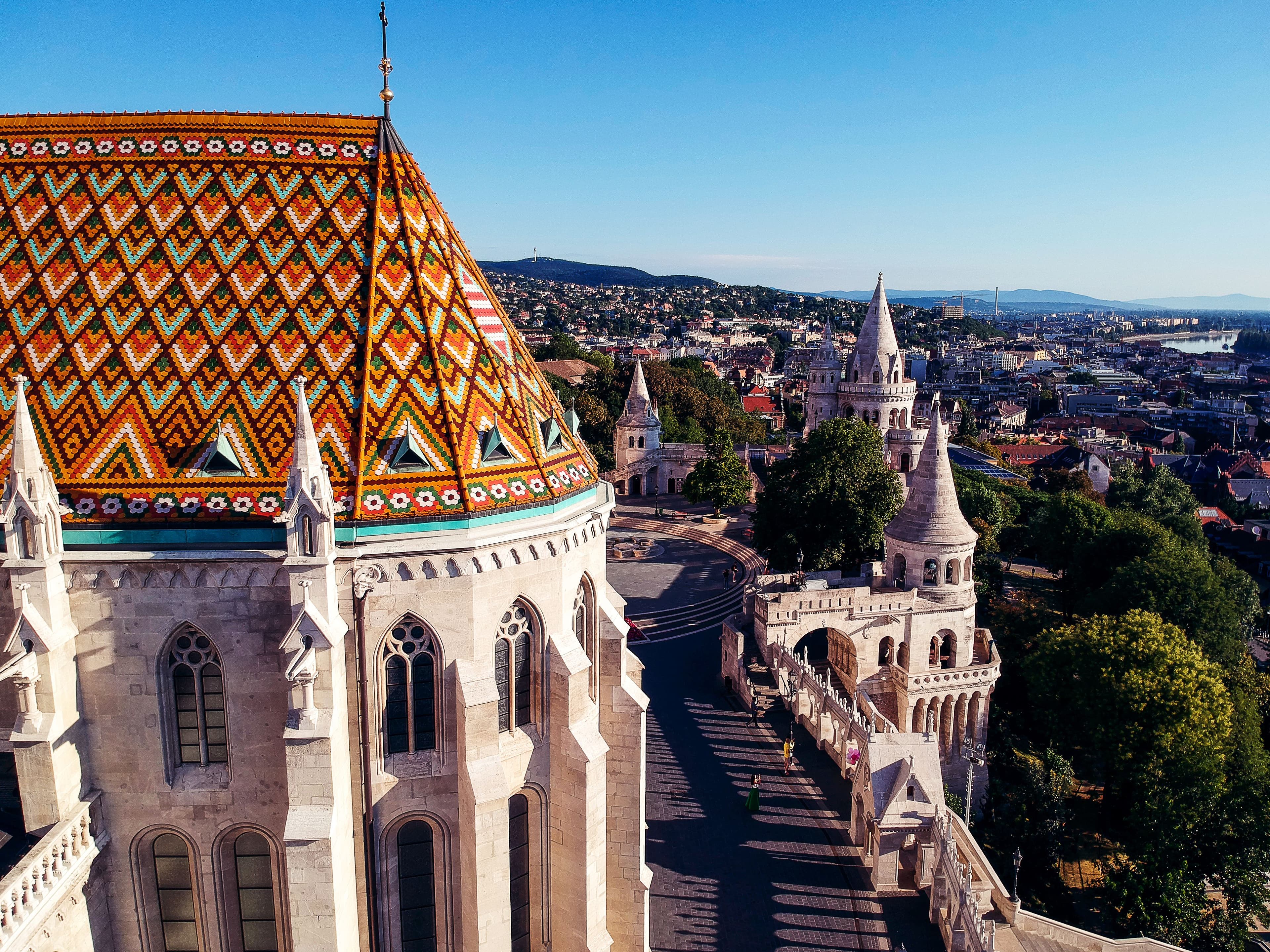
Buda Castle District: Palace, Matthias Church and Fisherman's Bastion
105 min · 2.5 km · moderate
More from Budapest
Explore more at your own pace.
Budapest Travel Guide: How Many Days, Getting Around, Best Time, Safety, and Budget
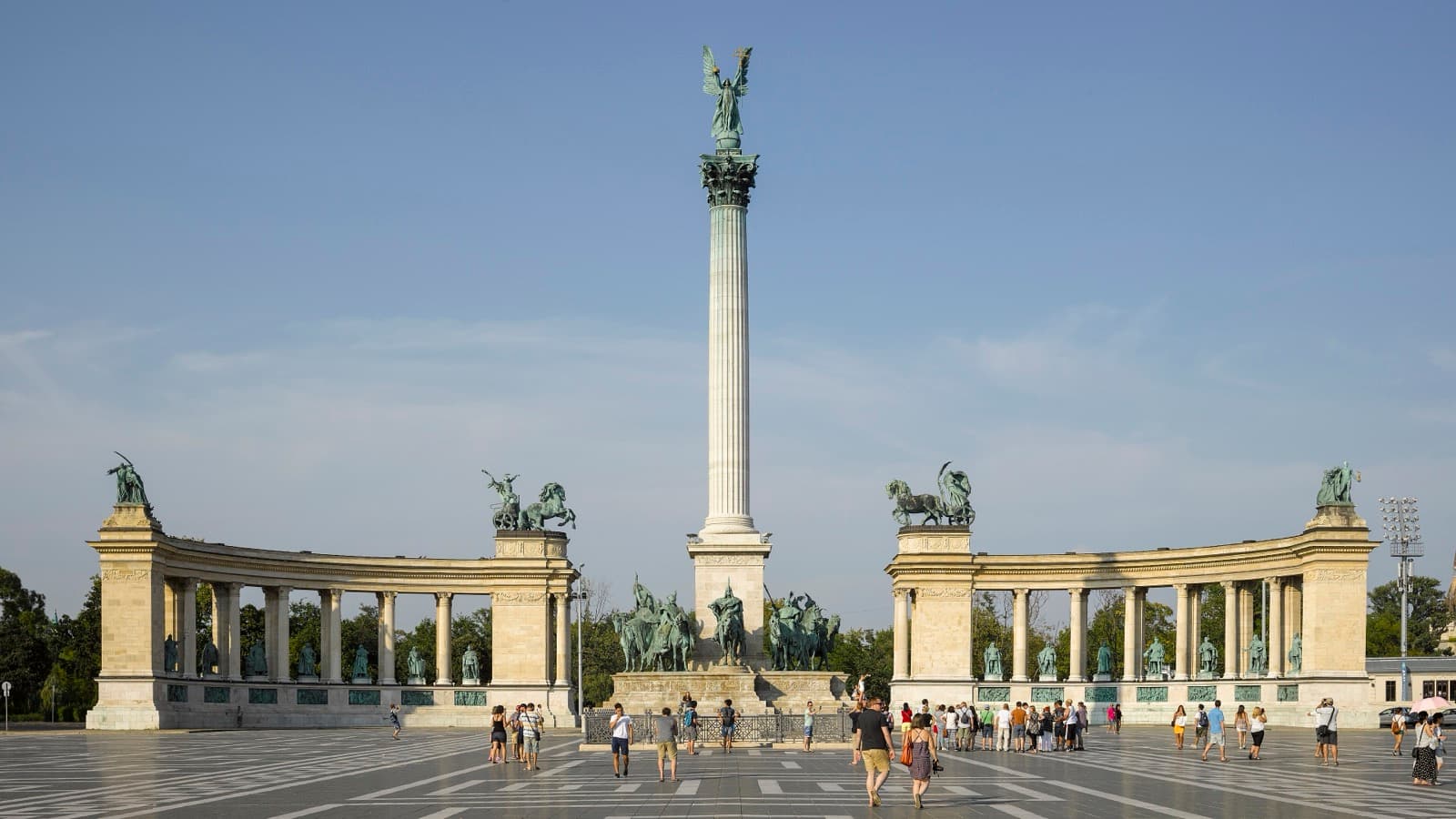
Heroes' Square and the Boulevard That Reads Like a Sentence
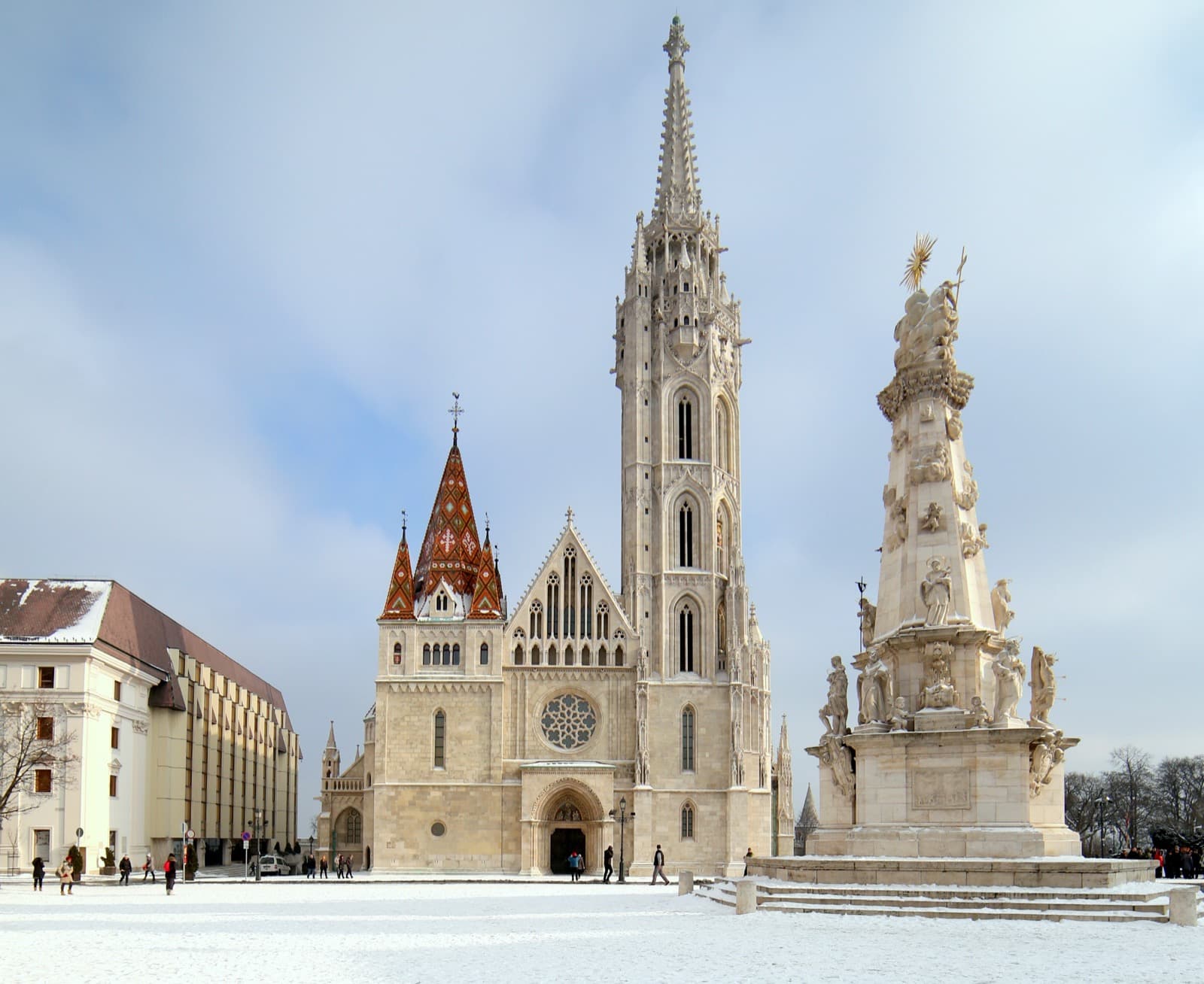
Matthias Church: Why Budapest's Prettiest Roof Is the Newest Thing on Castle Hill
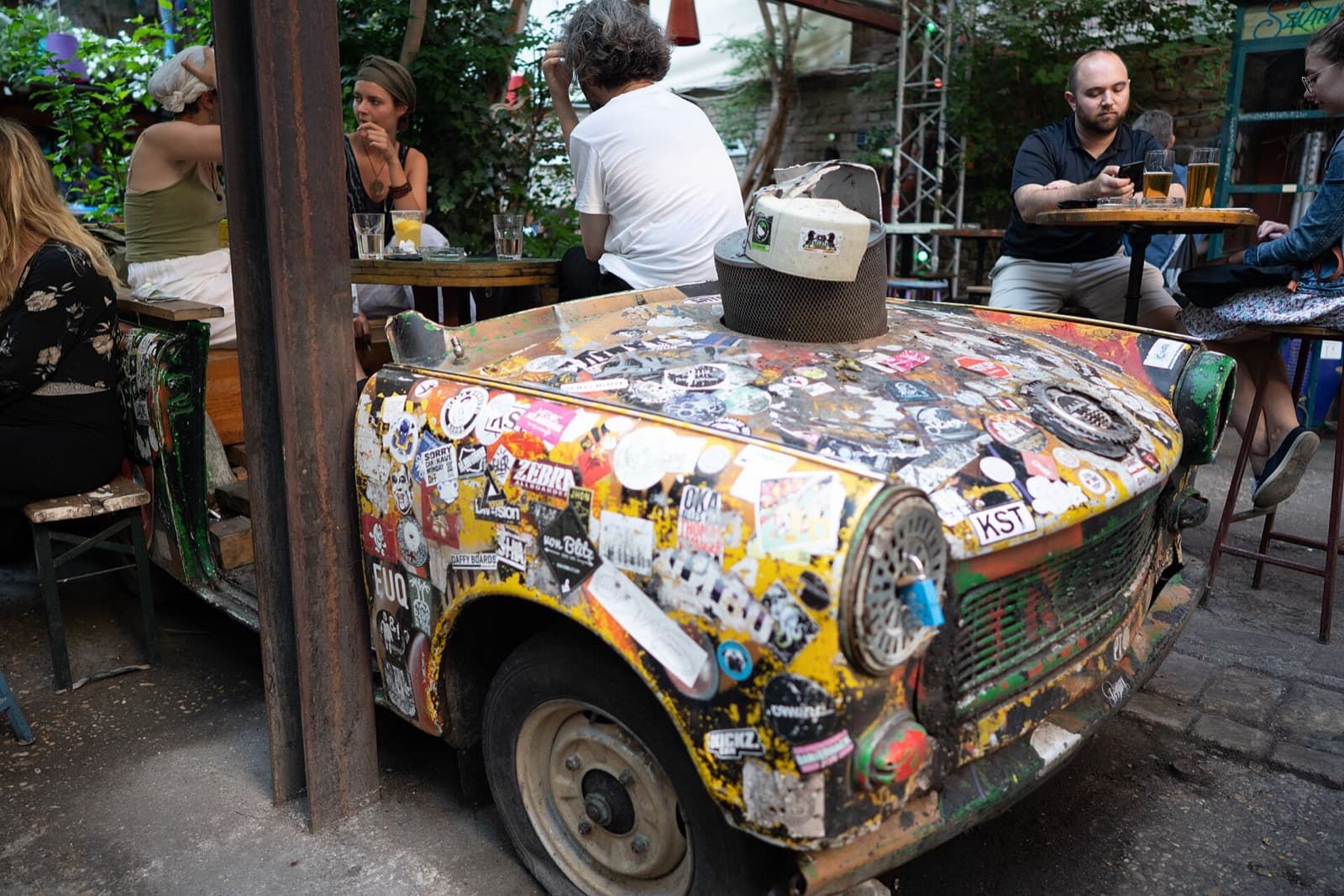
Szimpla Kert and the Ruin Bars: Why Budapest's Party Quarter Is Really a Memorial
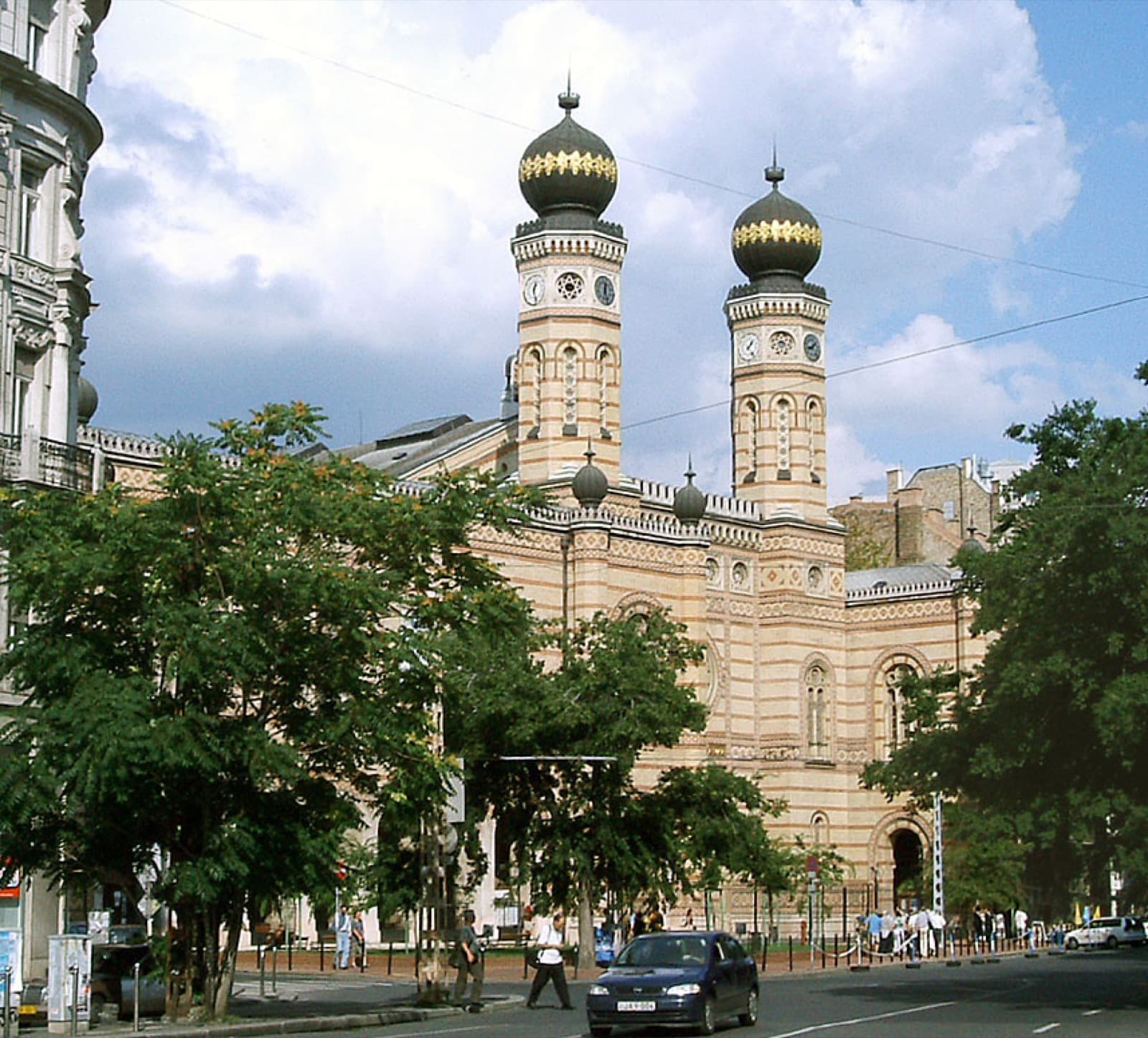
Dohany Street Synagogue: Europe's Largest, and What It Was Built to Say