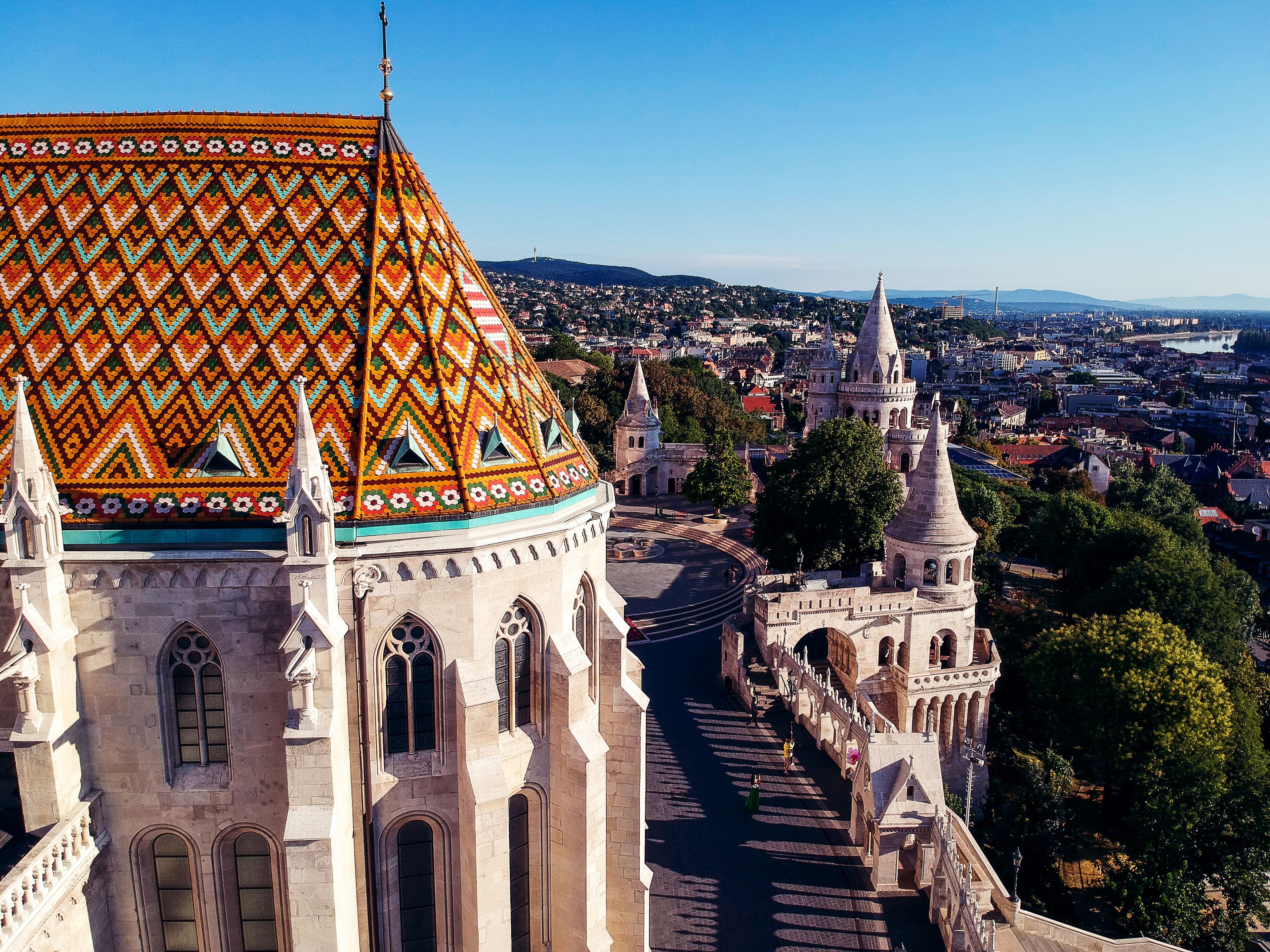
Buda Castle District: Palace, Matthias Church and Fisherman's Bastion
4.56·10 Stops·105 minutes·2.5 km
Ten stops along Buda's Castle Hill, from the Chain Bridge to the Mary Magdalene Tower, through a district where every age chose which past to rebuild: a baroque palace over a medieval one, a Millennium fortress that never defended anything, and buildings pulled down after 1945 now rising again.
Start · Clark Ádám tér: The Zero Kilometre Stone
DirectionsStops
- 1
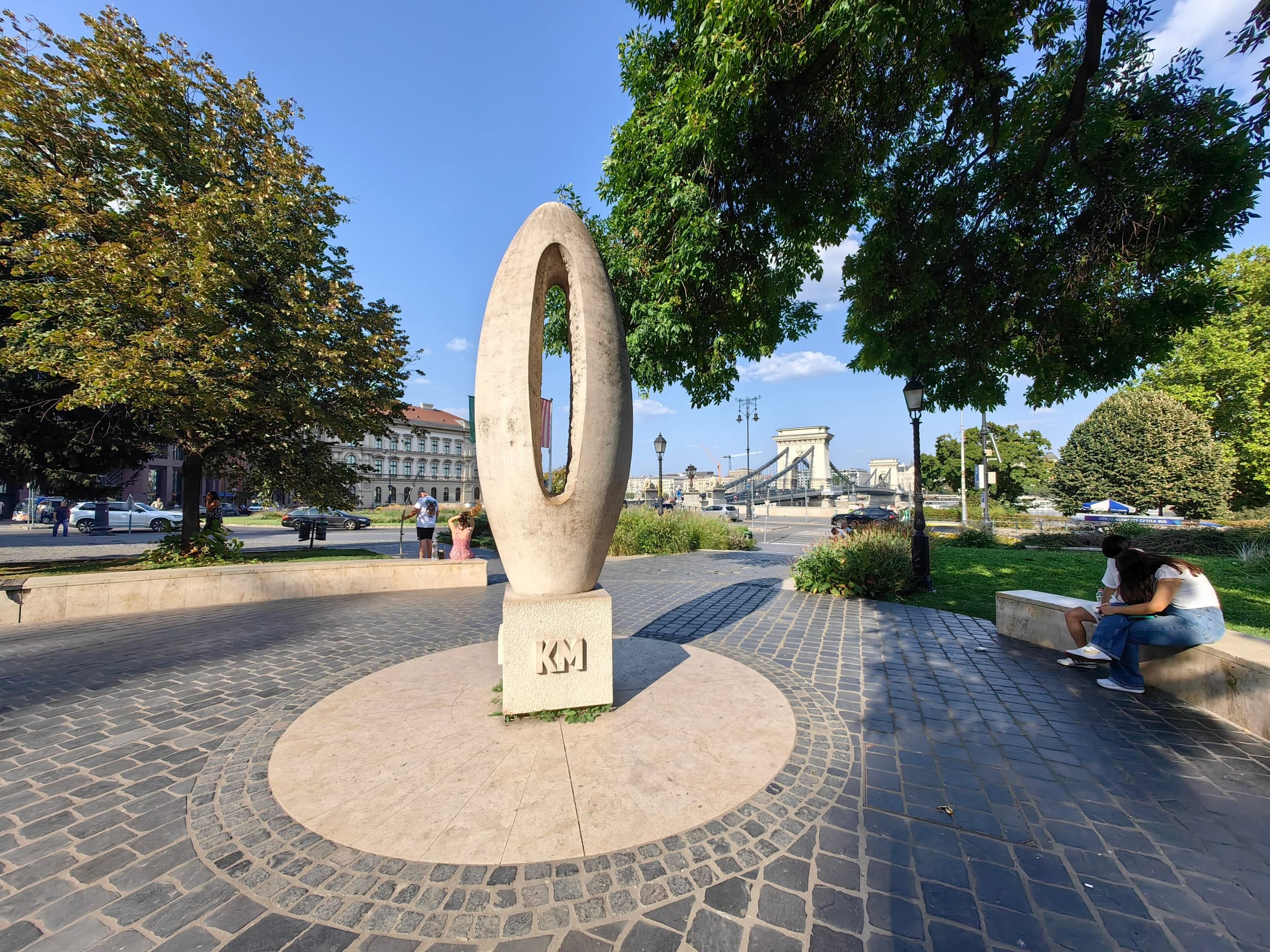
Clark Ádám tér: The Zero Kilometre Stone
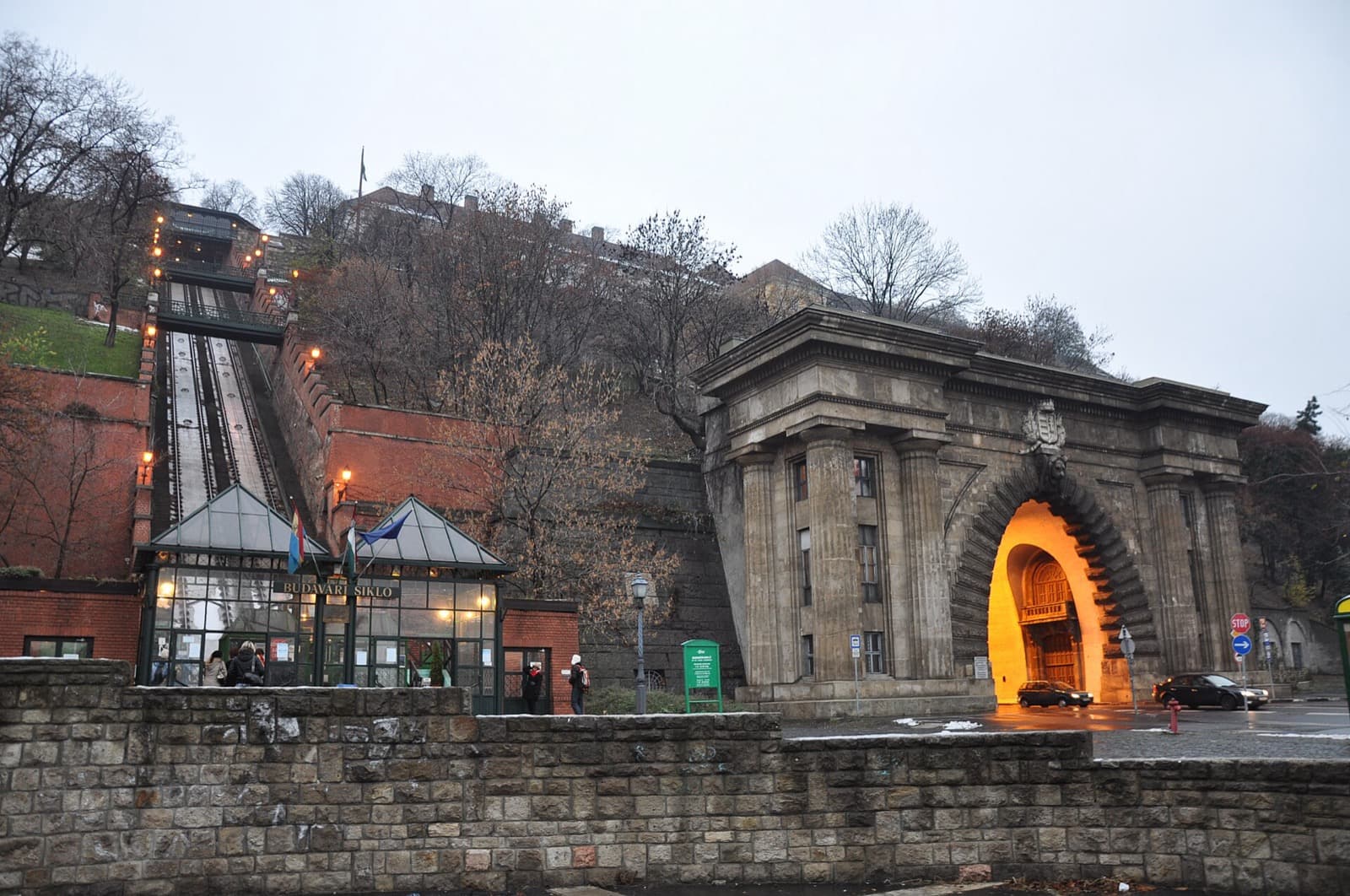
Hungary's kilometre zero, marked three times in three different eras, at the foot of Castle Hill beside the Chain Bridge.
- 2
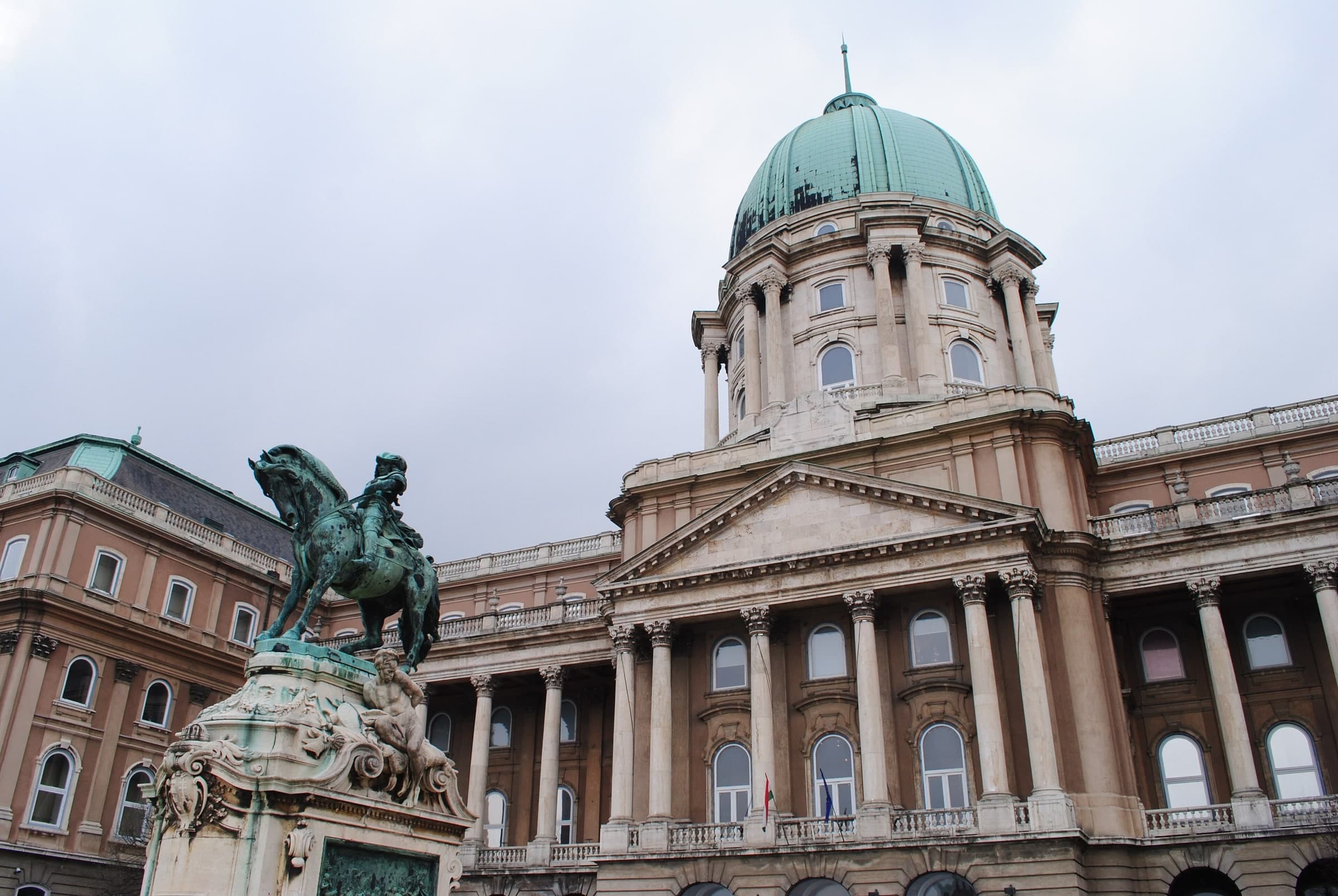
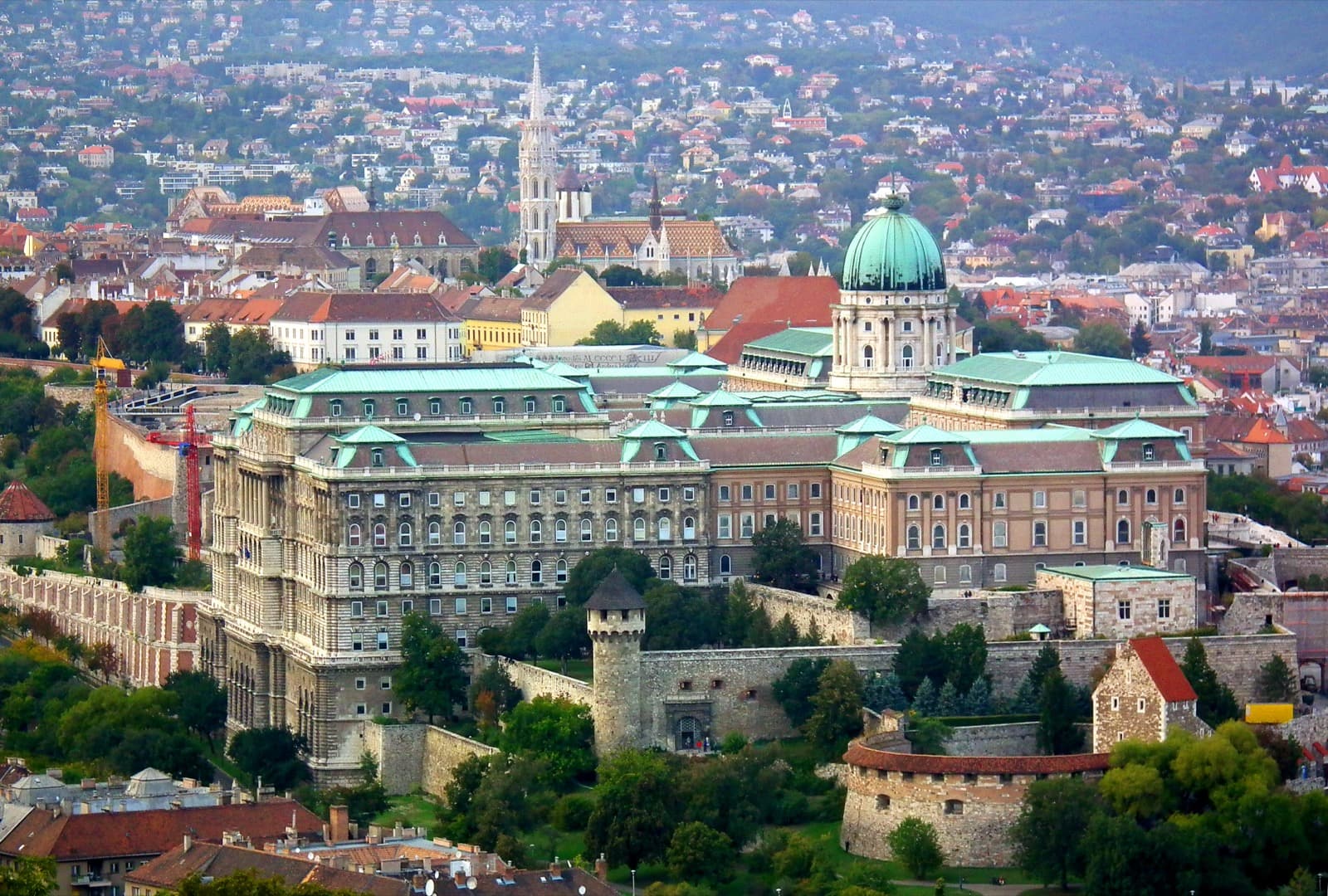
Buda Castle: The Savoy Terrace
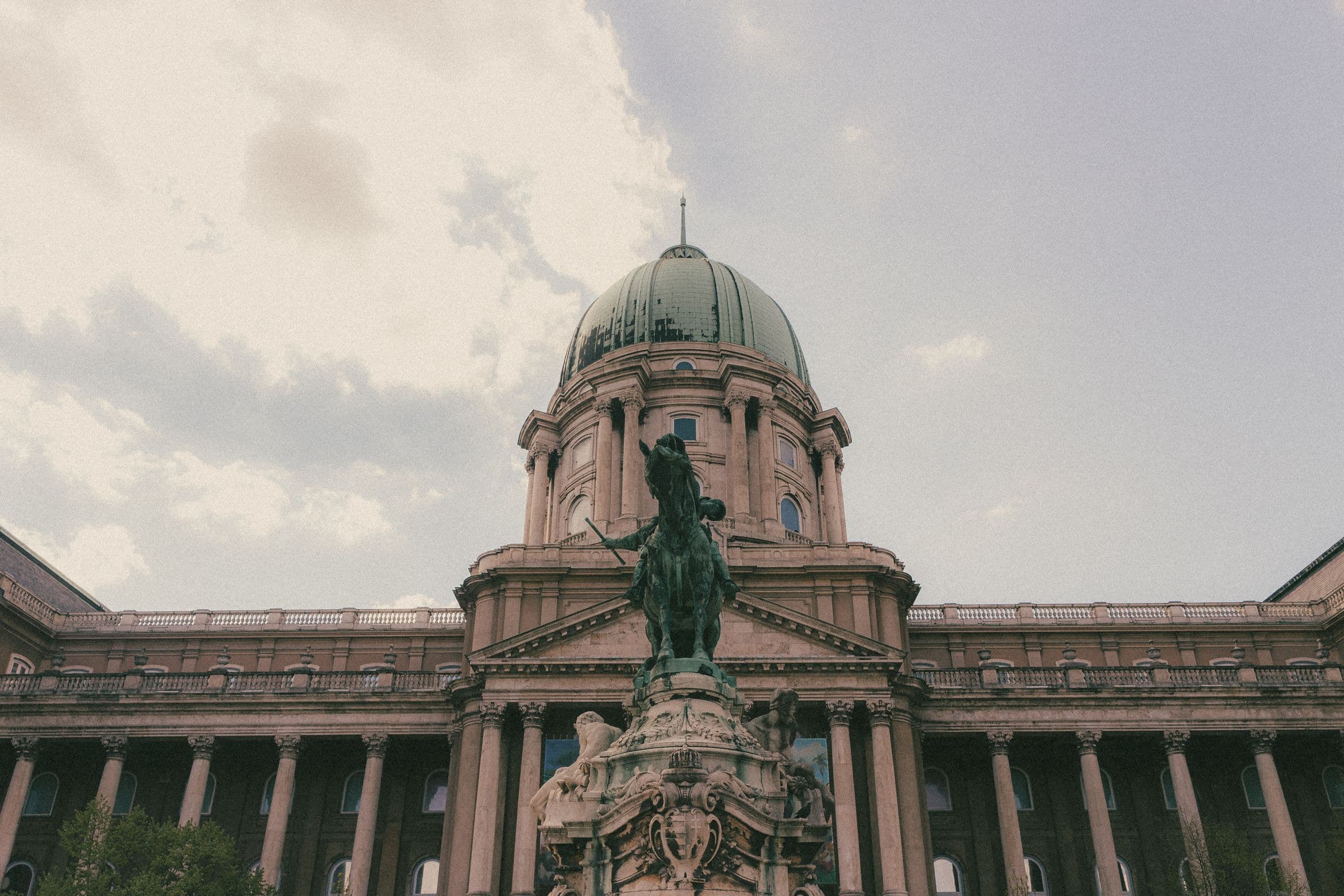
The terrace in front of Buda Castle palace, where Prince Eugene of Savoy looks out over the Danube and a palace rebuilt by every age stands behind him.
- 3
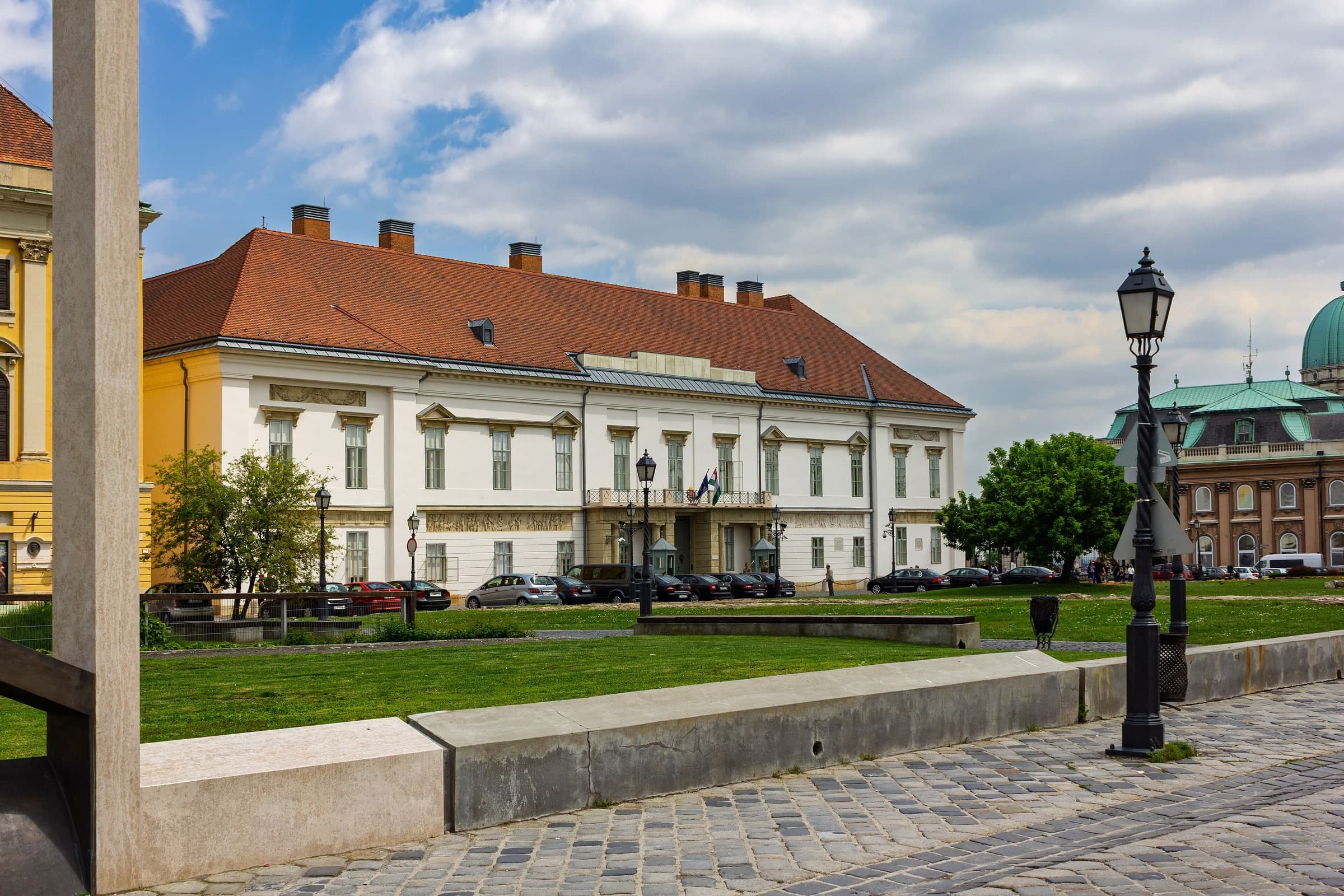
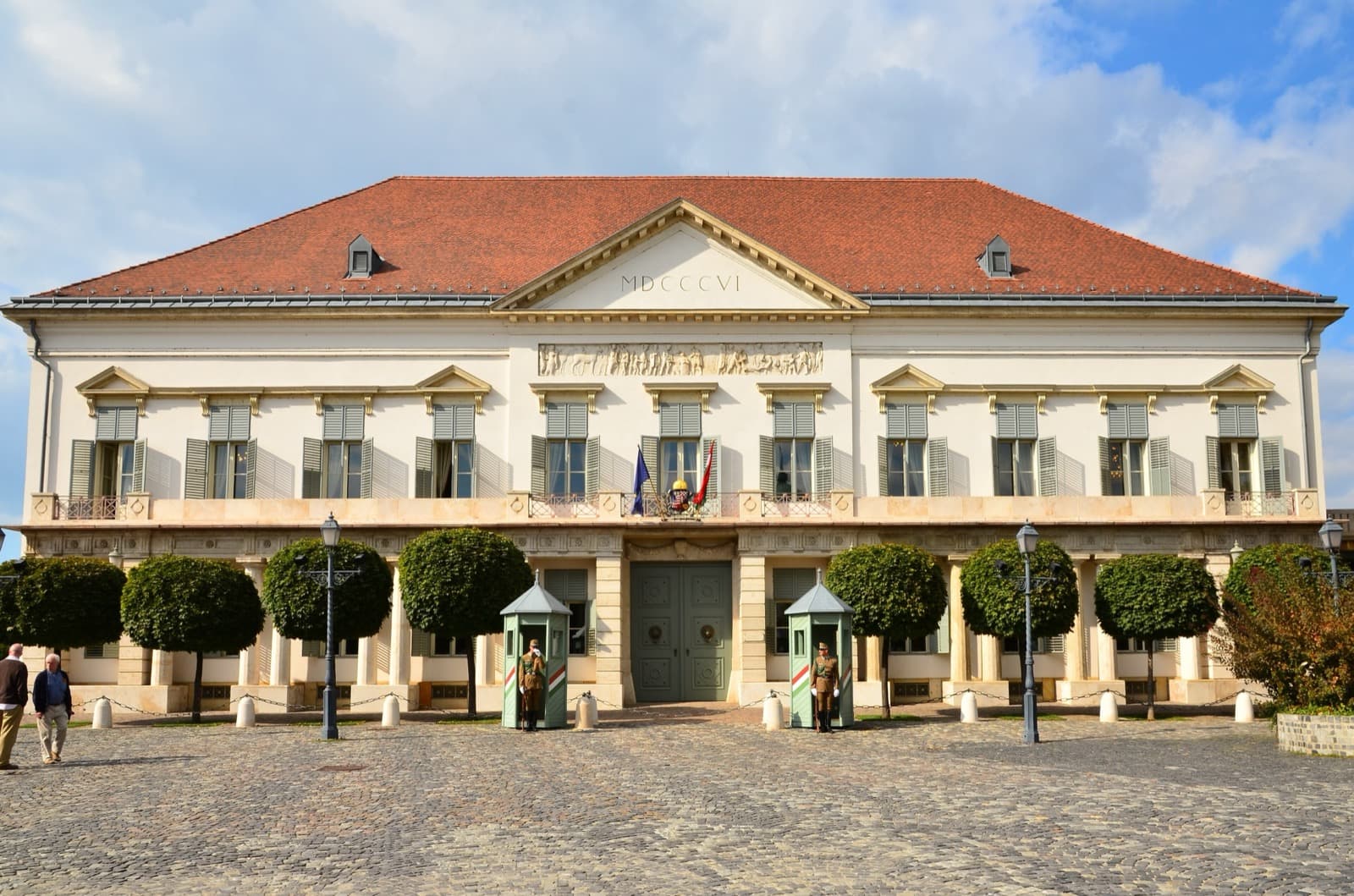
Szent György tér: Sándor Palace and the Rebuilt Riding Hall
Saint George Square, where the President's palace, a former monastery and buildings demolished after the war and rebuilt since 2021 stand side by side.
- 4
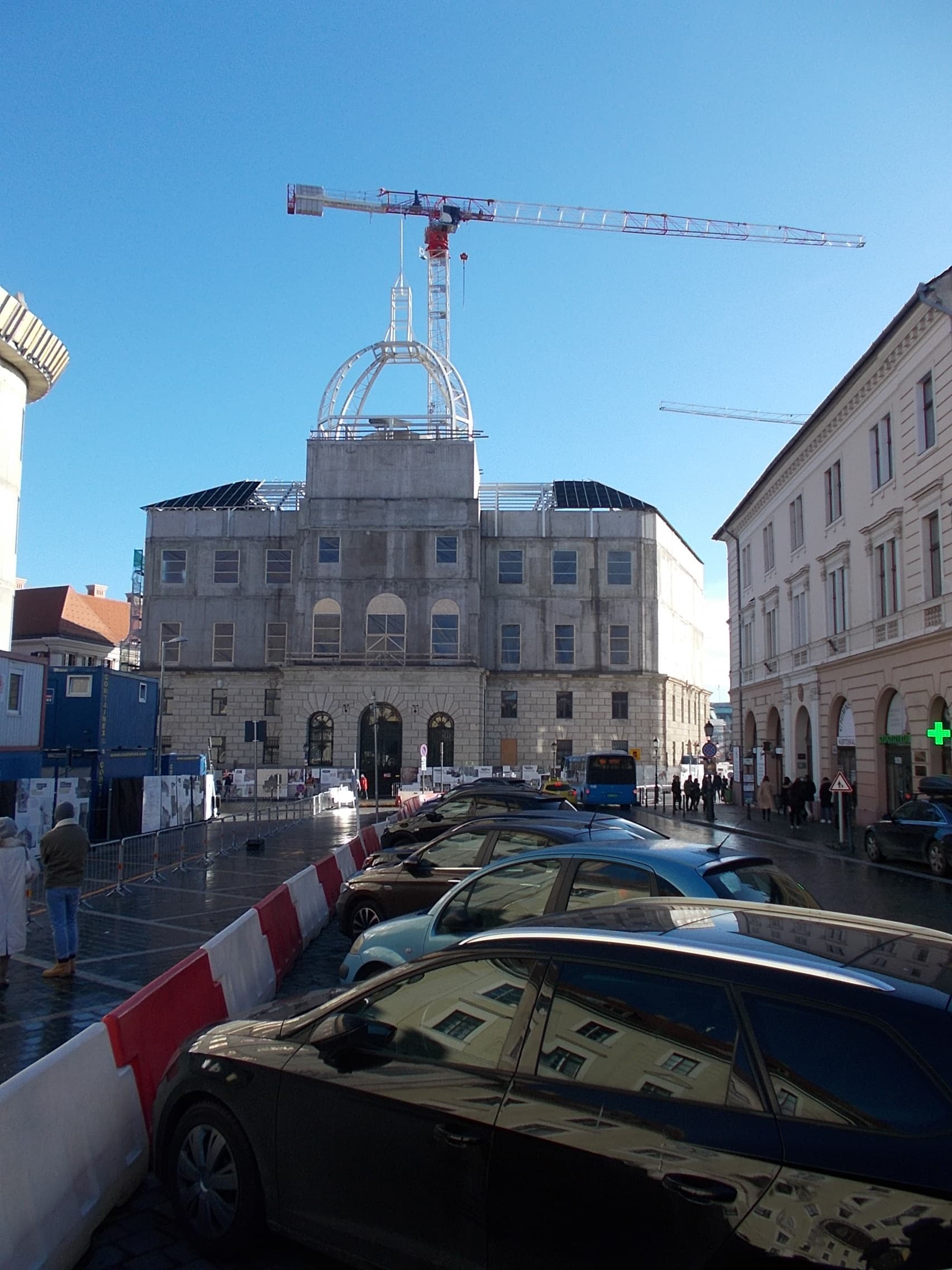
Dísz tér: The Honvéd Headquarters
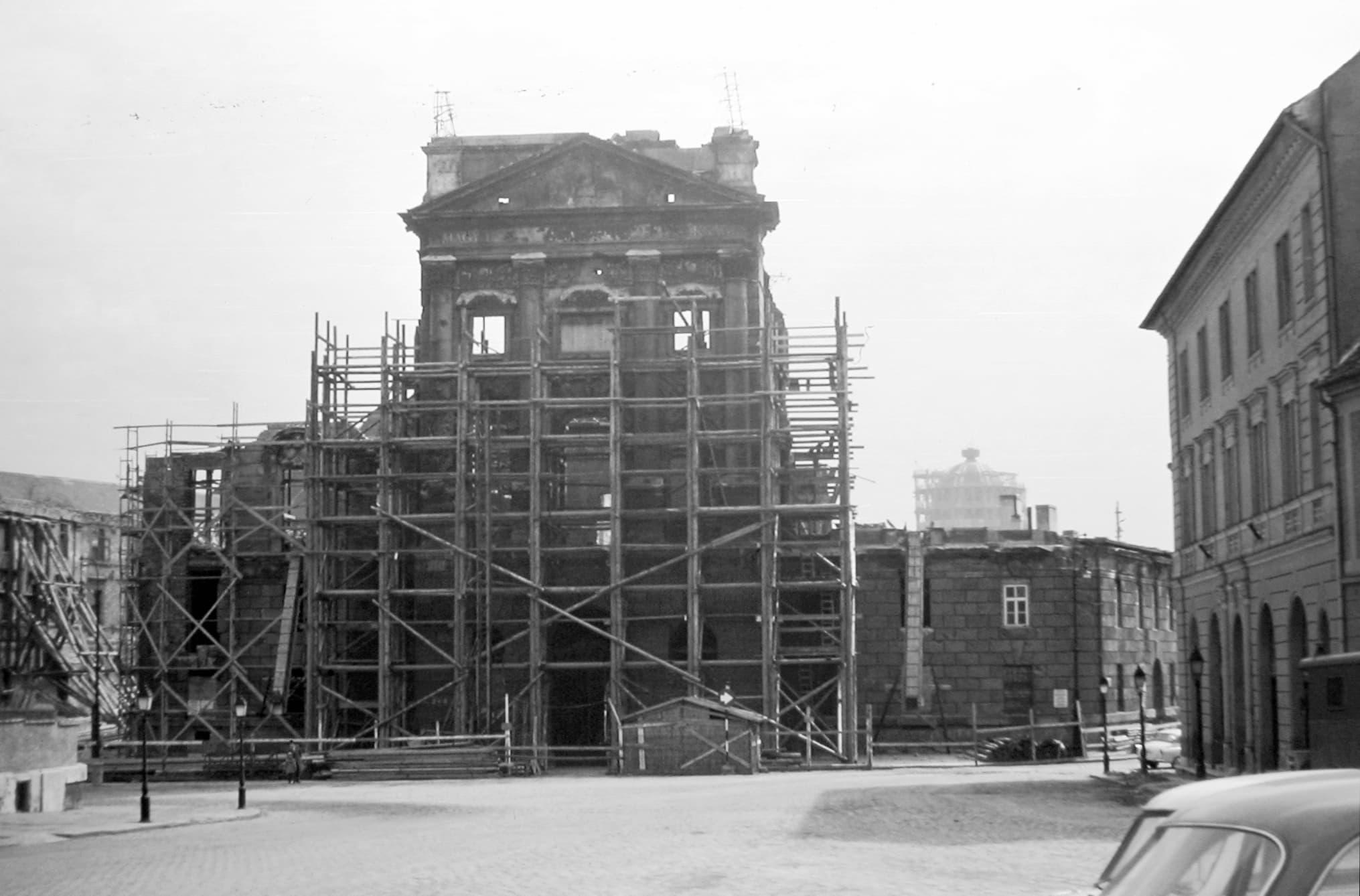
Parade Square, where the old army headquarters was cut down by the postwar state and is now rising again under a new dome.
- 5
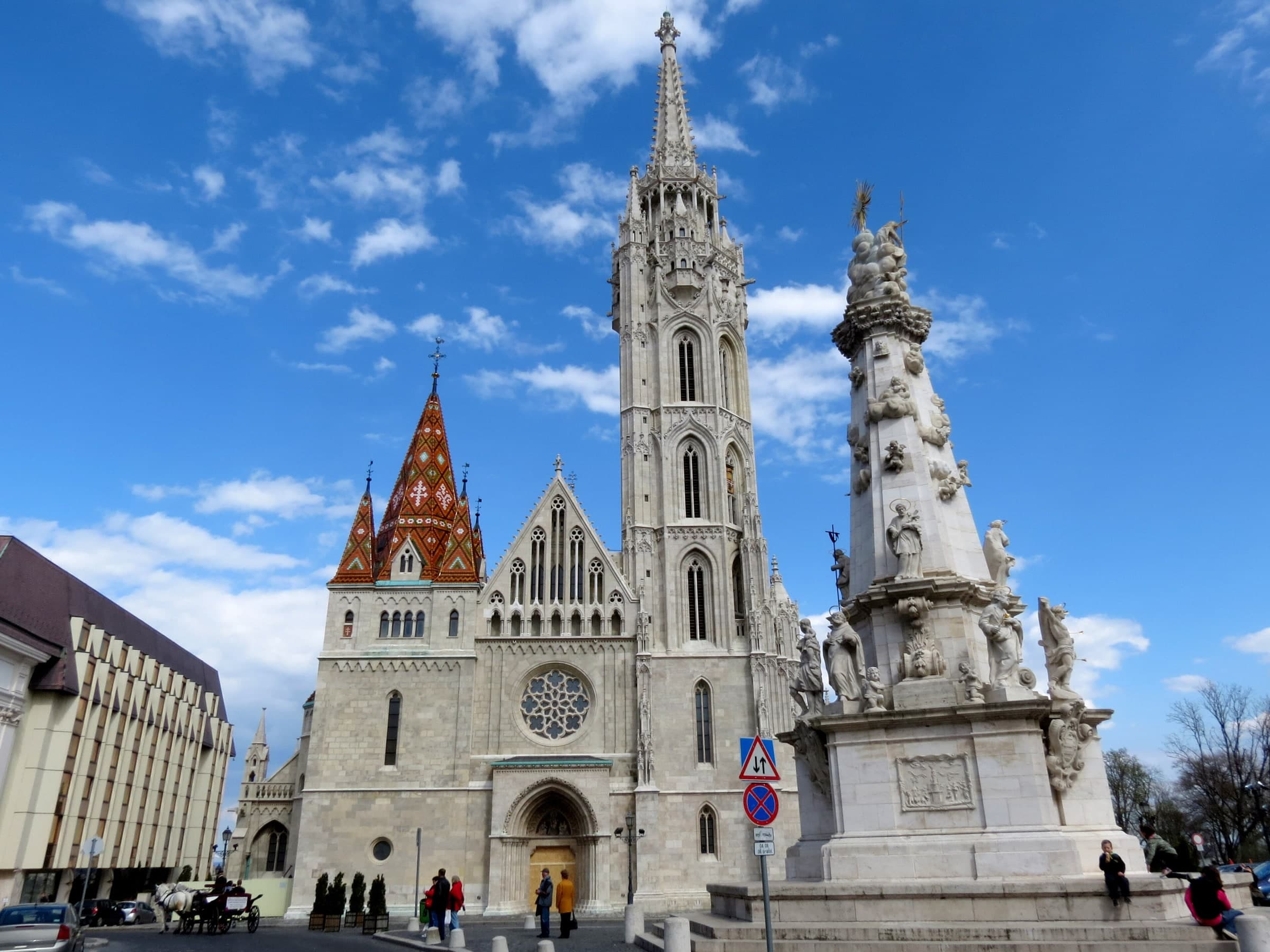
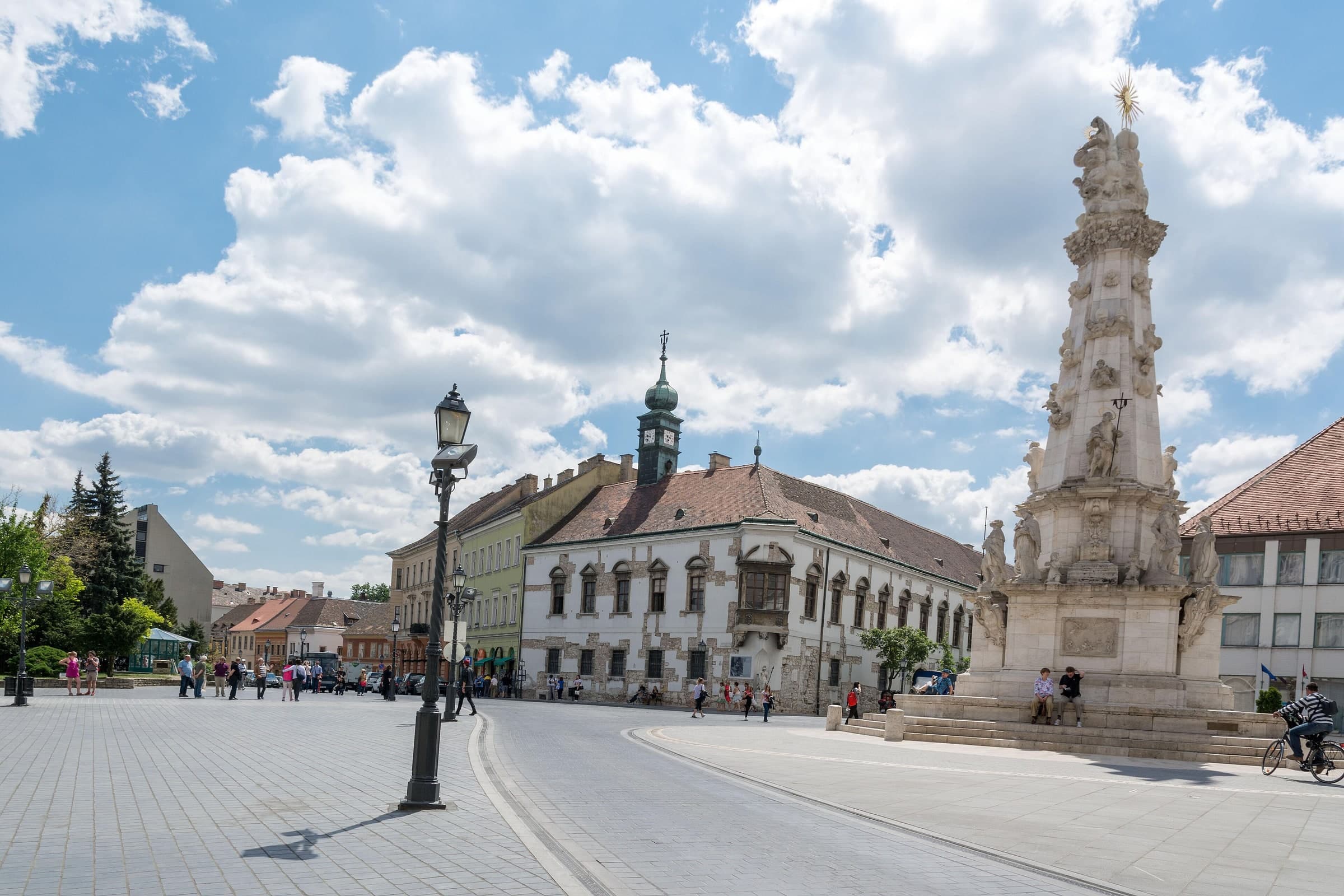
Matthias Church: Holy Trinity Square and the Plague Column
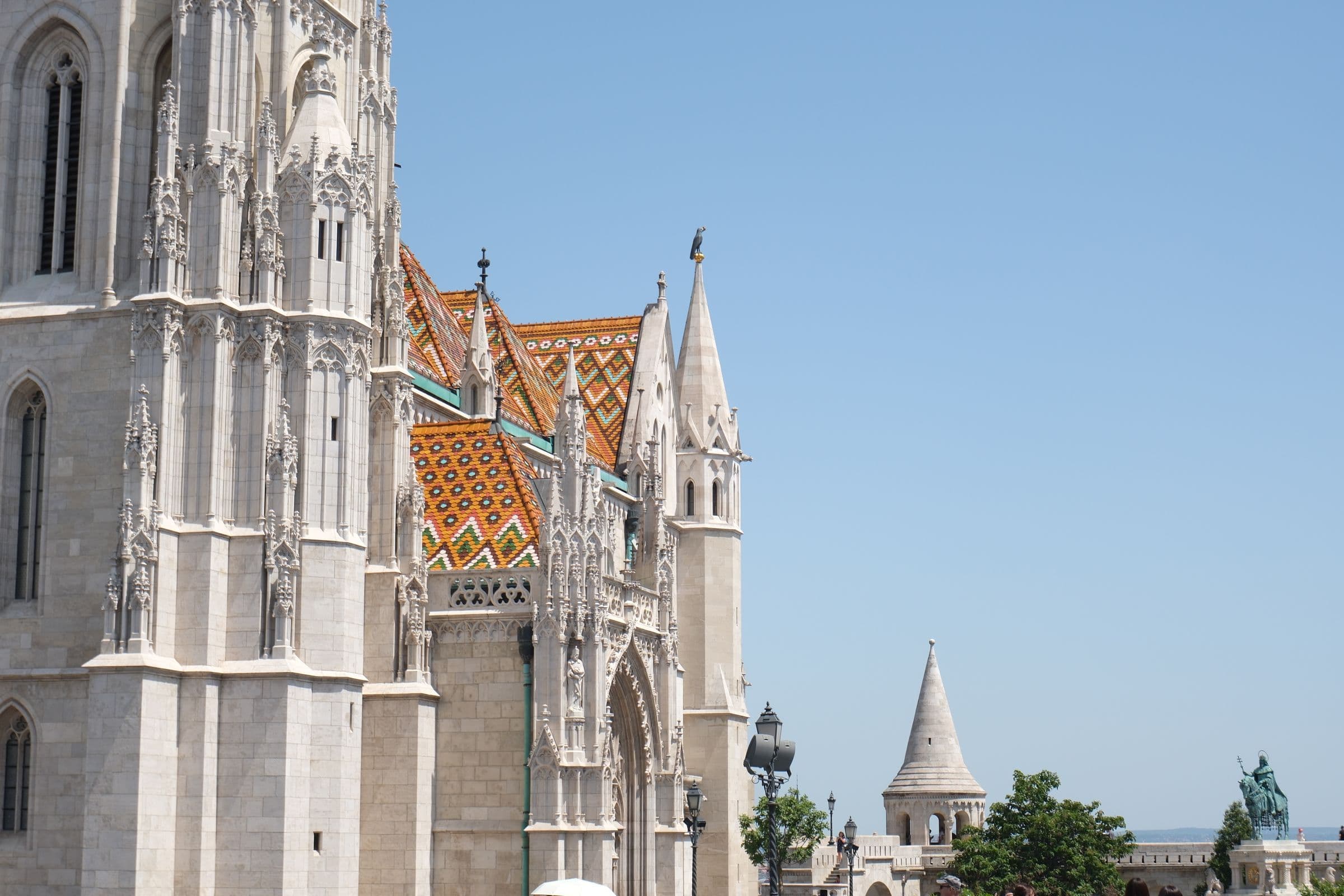
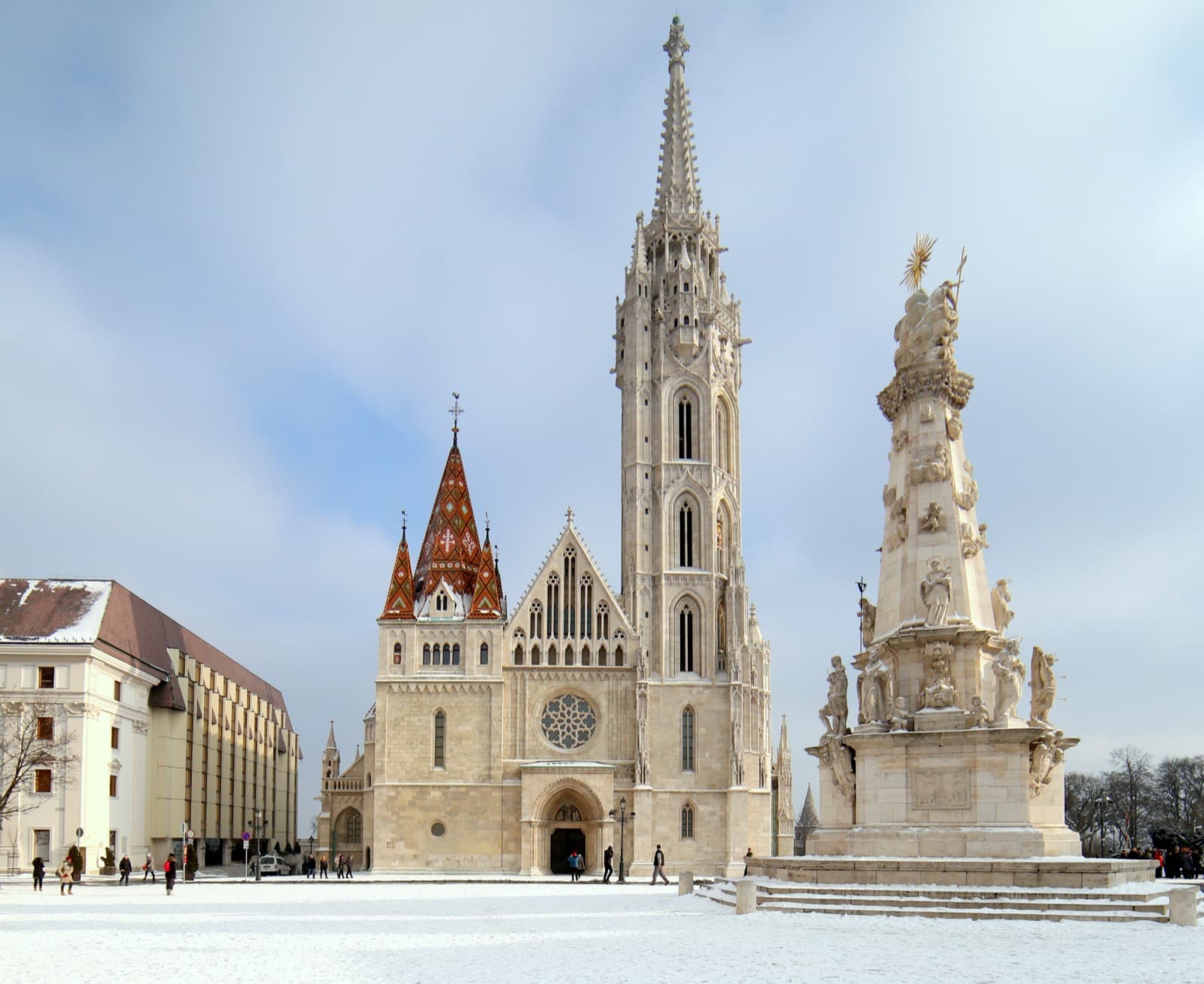
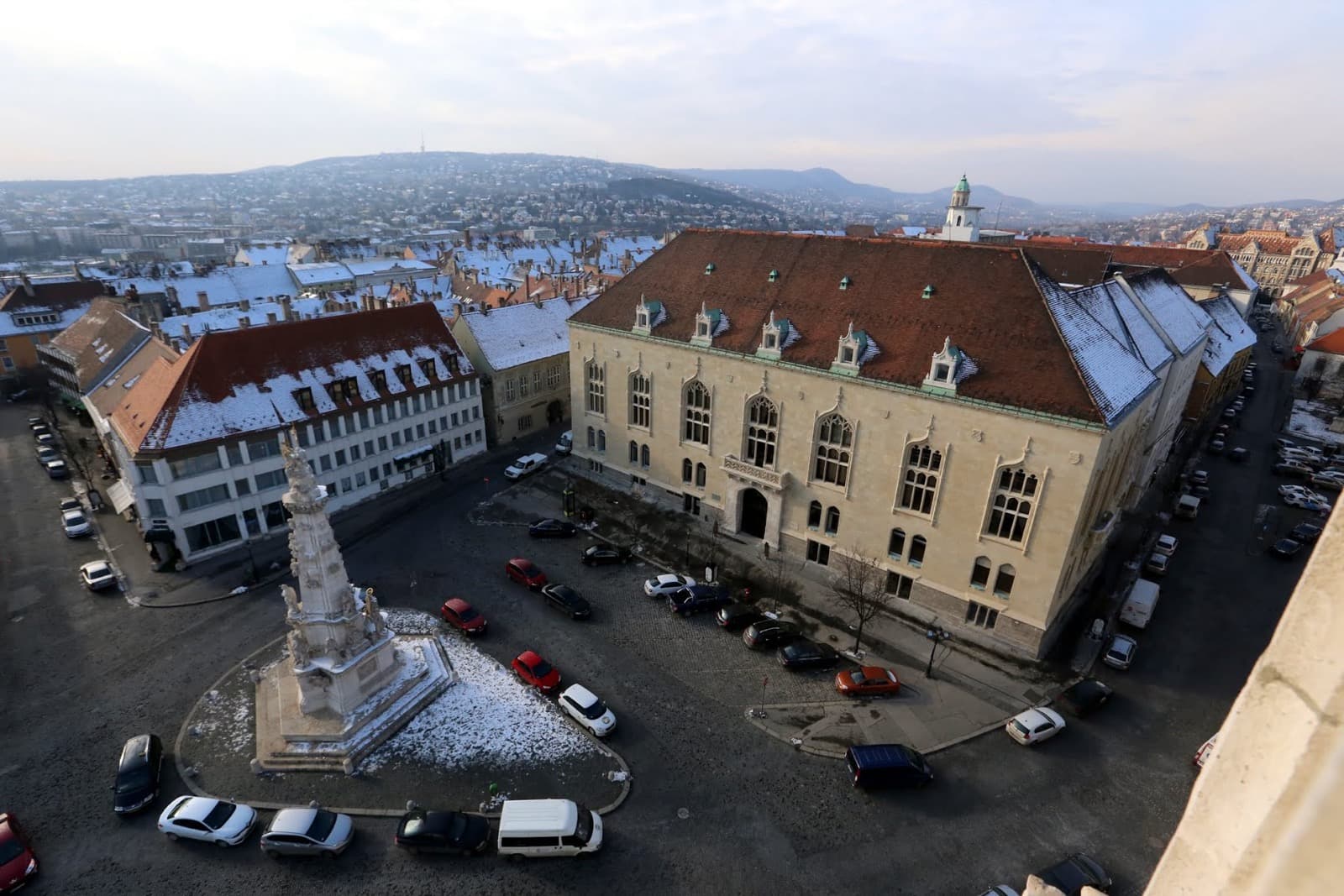
Holy Trinity Square, with its plague column and Matthias Church, a coronation church largely reimagined for Hungary's Millennium in 1896.
- 6
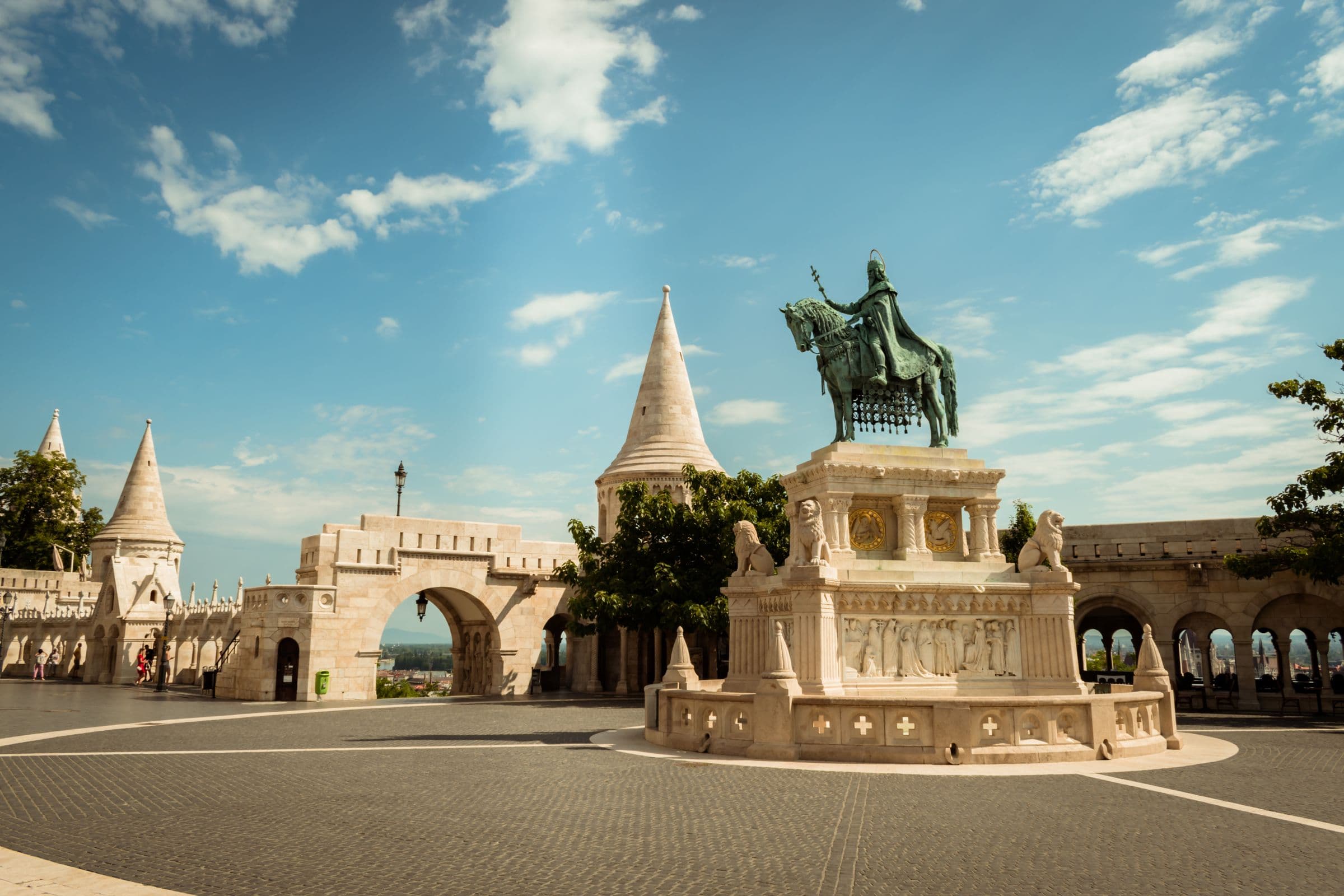
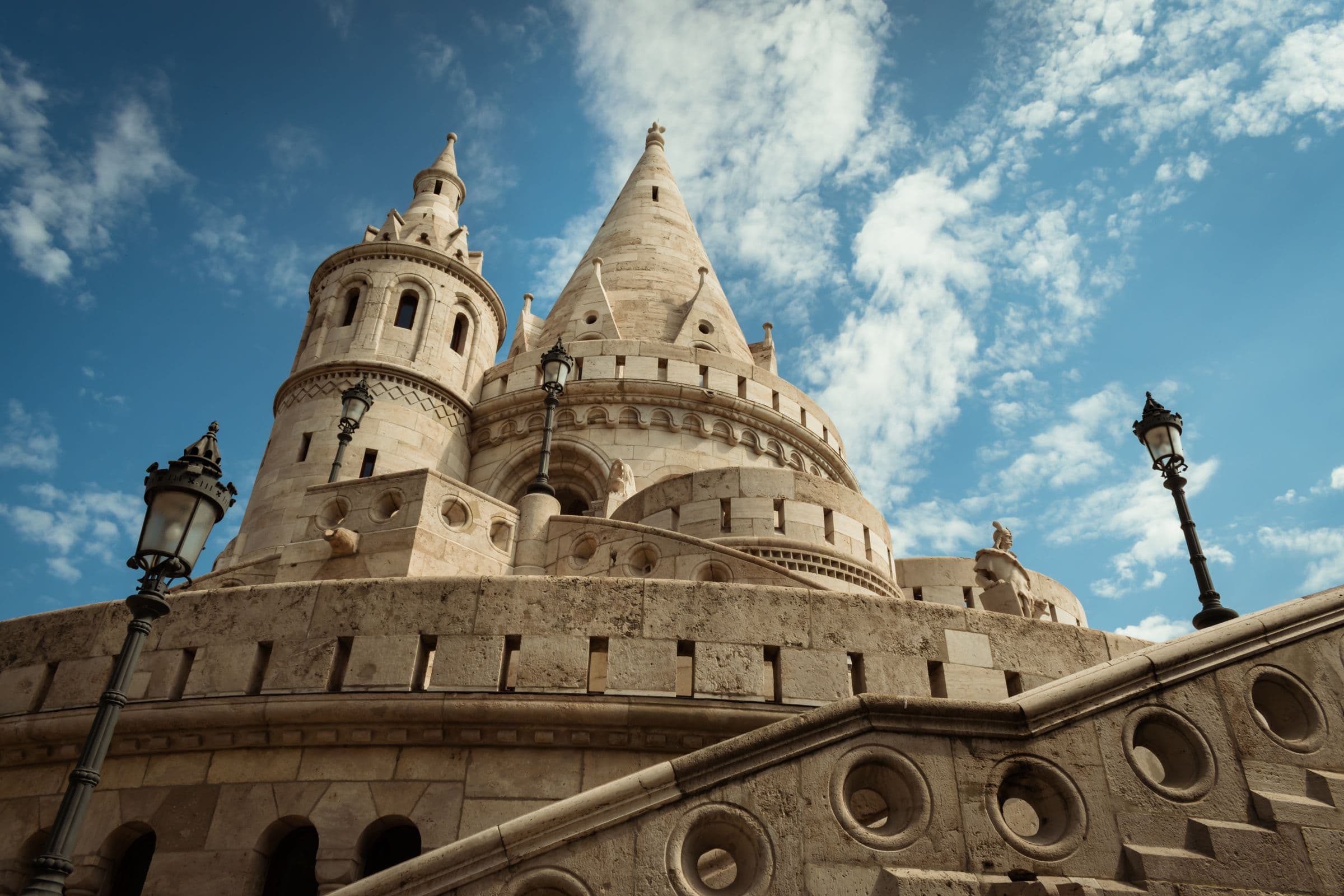
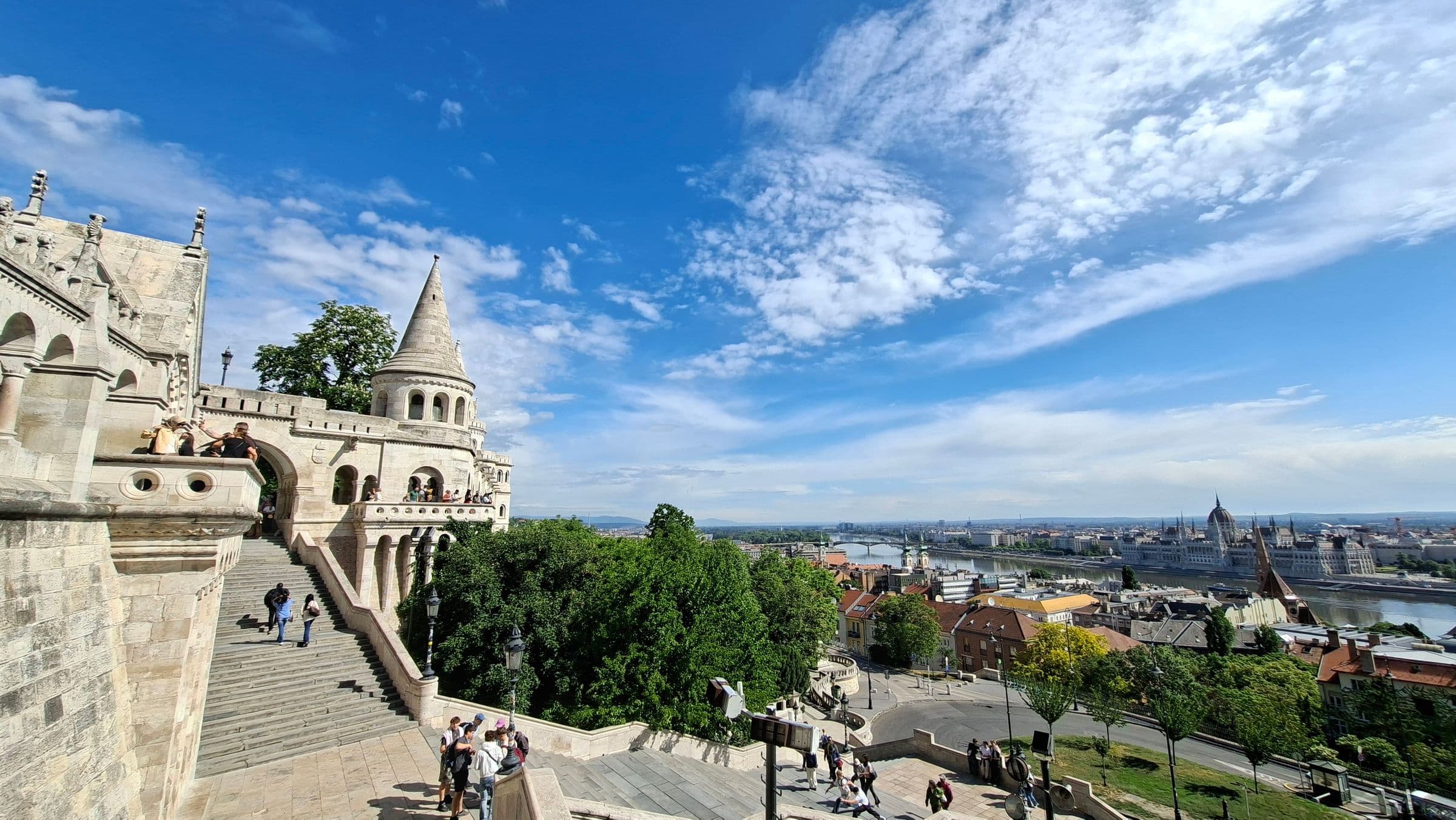
Fisherman's Bastion: The Fortress That Never Defended Anything
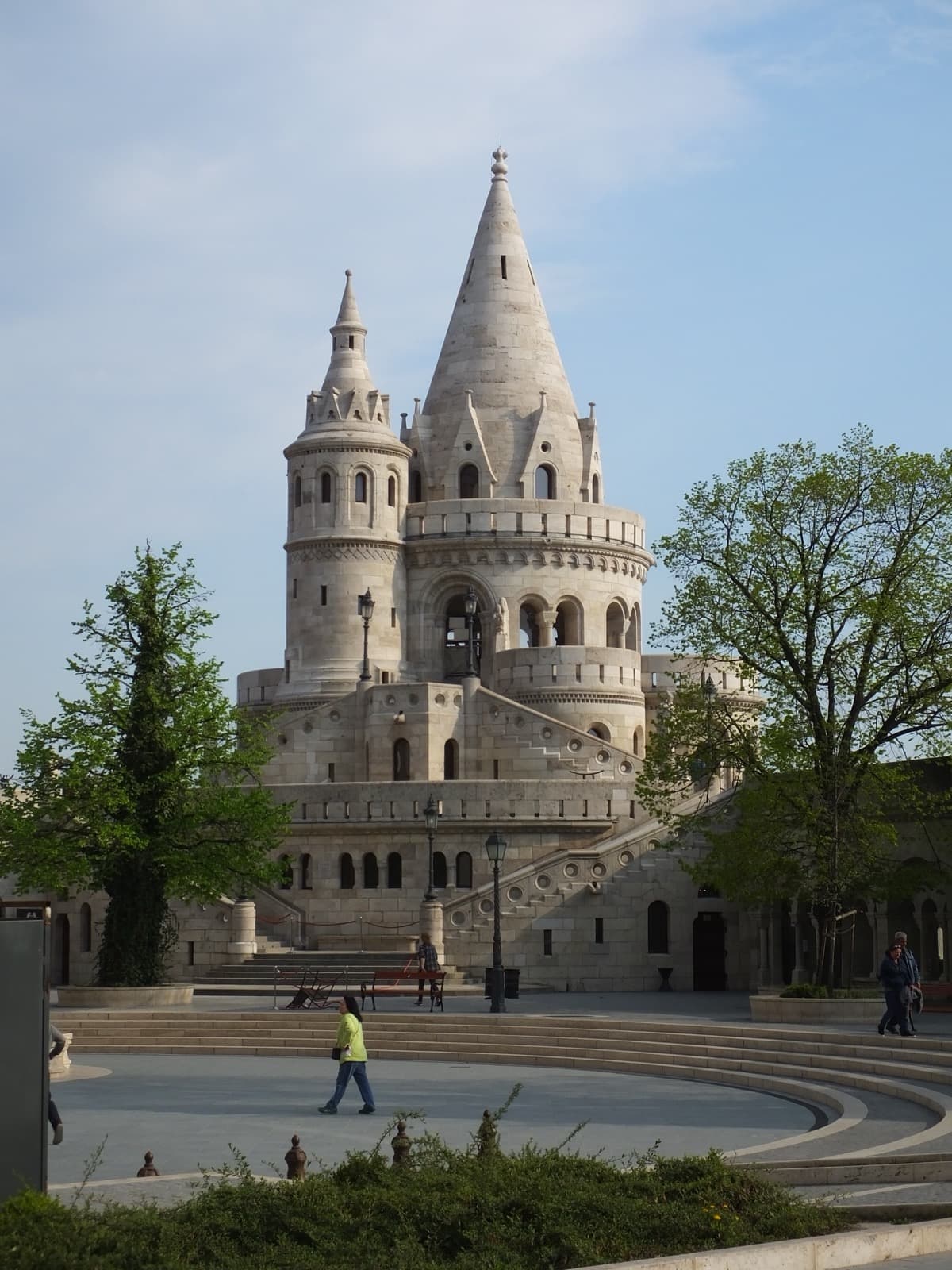
A white viewing terrace built to look like a medieval fortress for the Millennium, with Saint Stephen on horseback and a view across the Danube to Parliament.
- 7
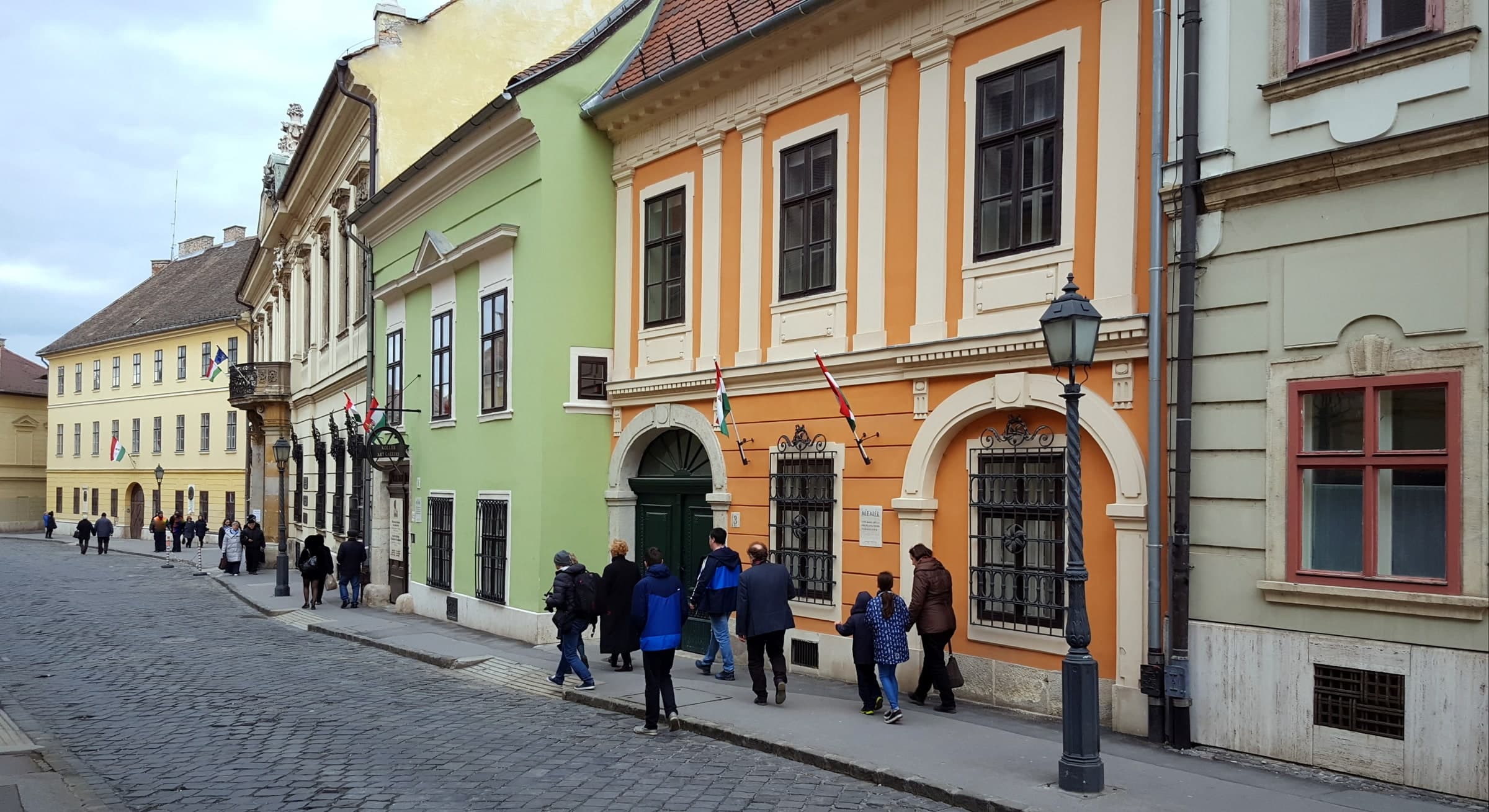
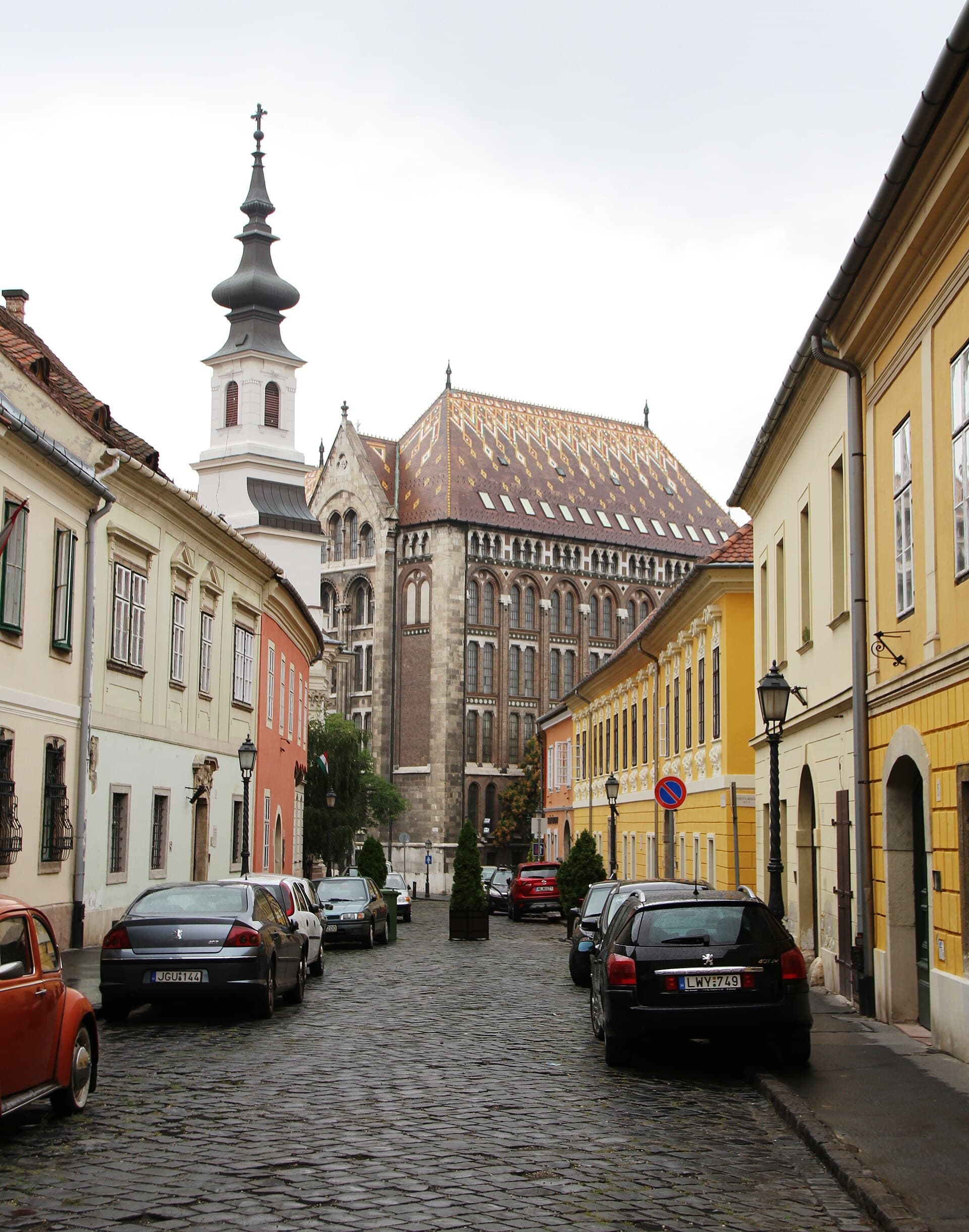
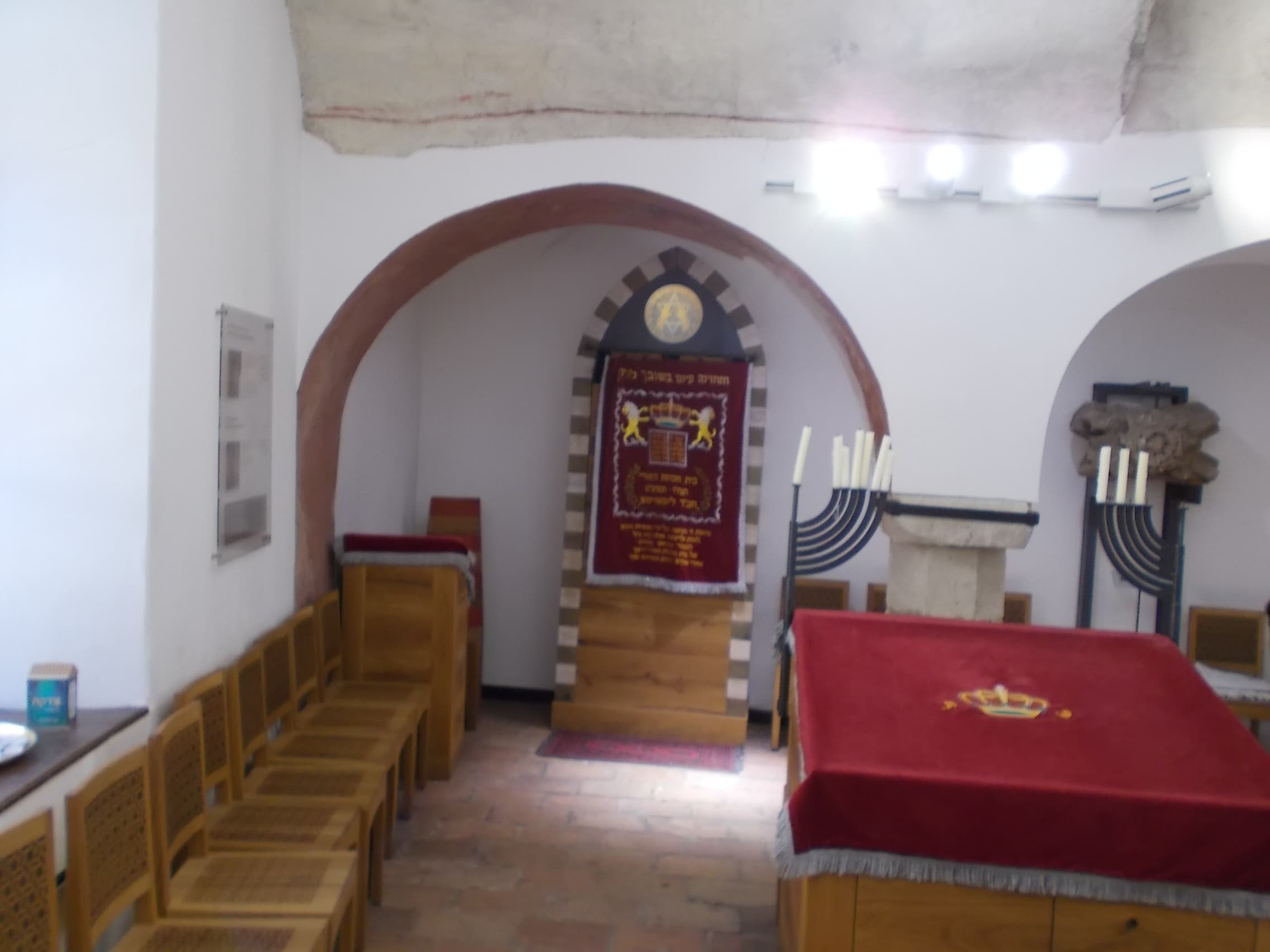
Táncsics Mihály utca: Medieval Jewish Buda
A quiet street of barracks and prison plaques that was Buda's medieval Jewish street, whose past was buried rather than rebuilt.
- 8
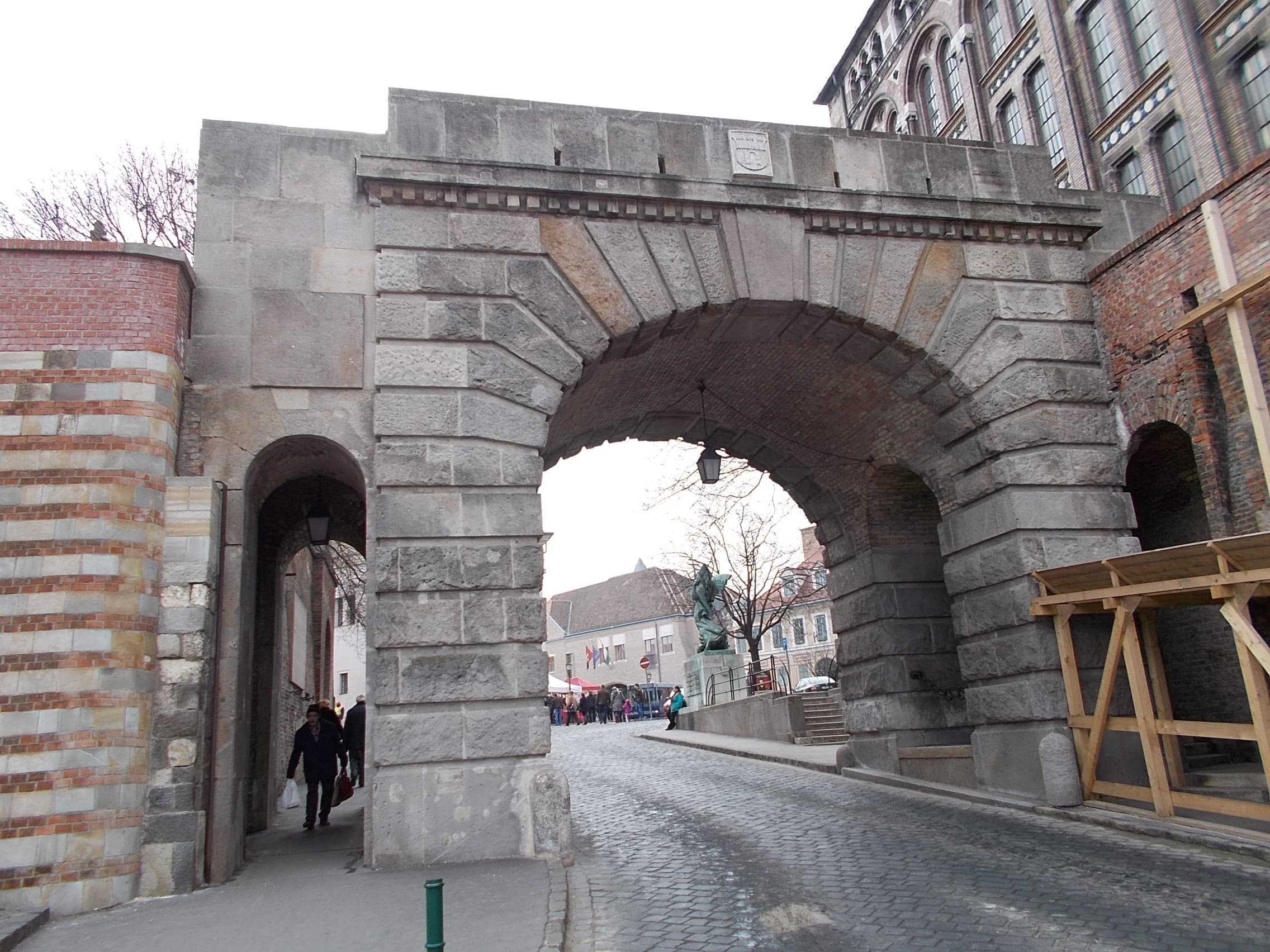
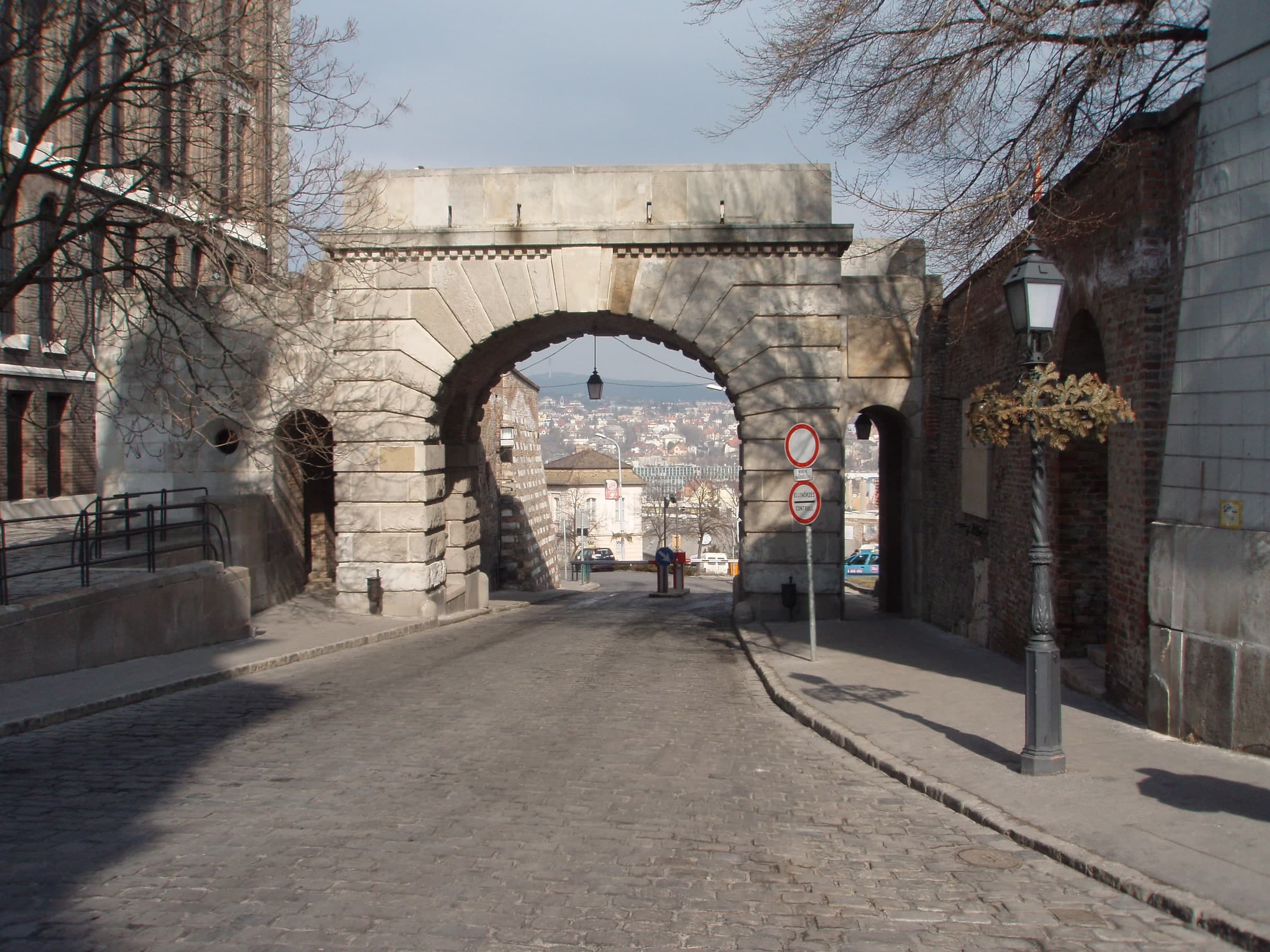
Vienna Gate: The 1936 Victory Monument
The northern gate of the old town, built in 1936 to celebrate the 250th anniversary of the Christian recapture of Buda in 1686.
- 9
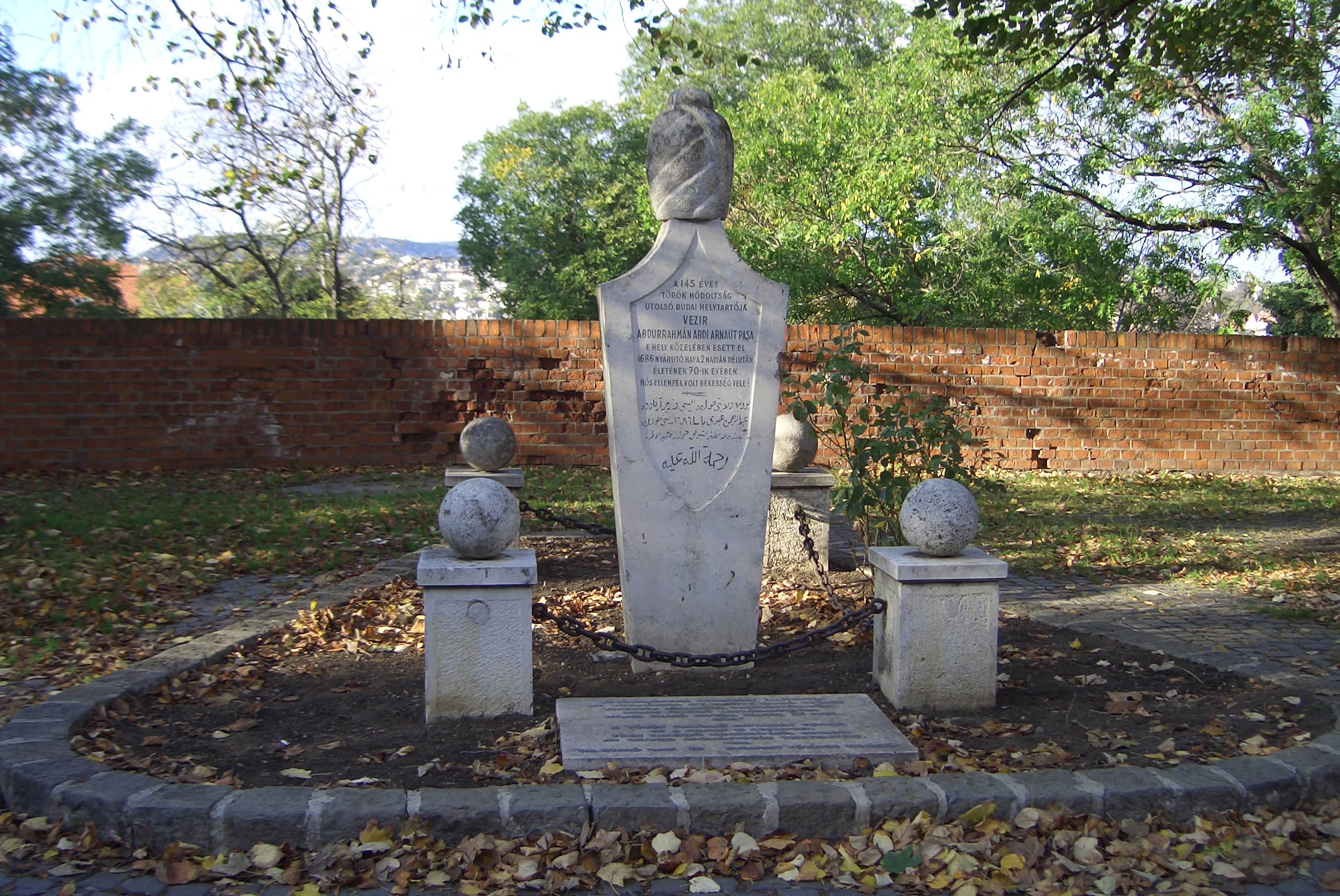
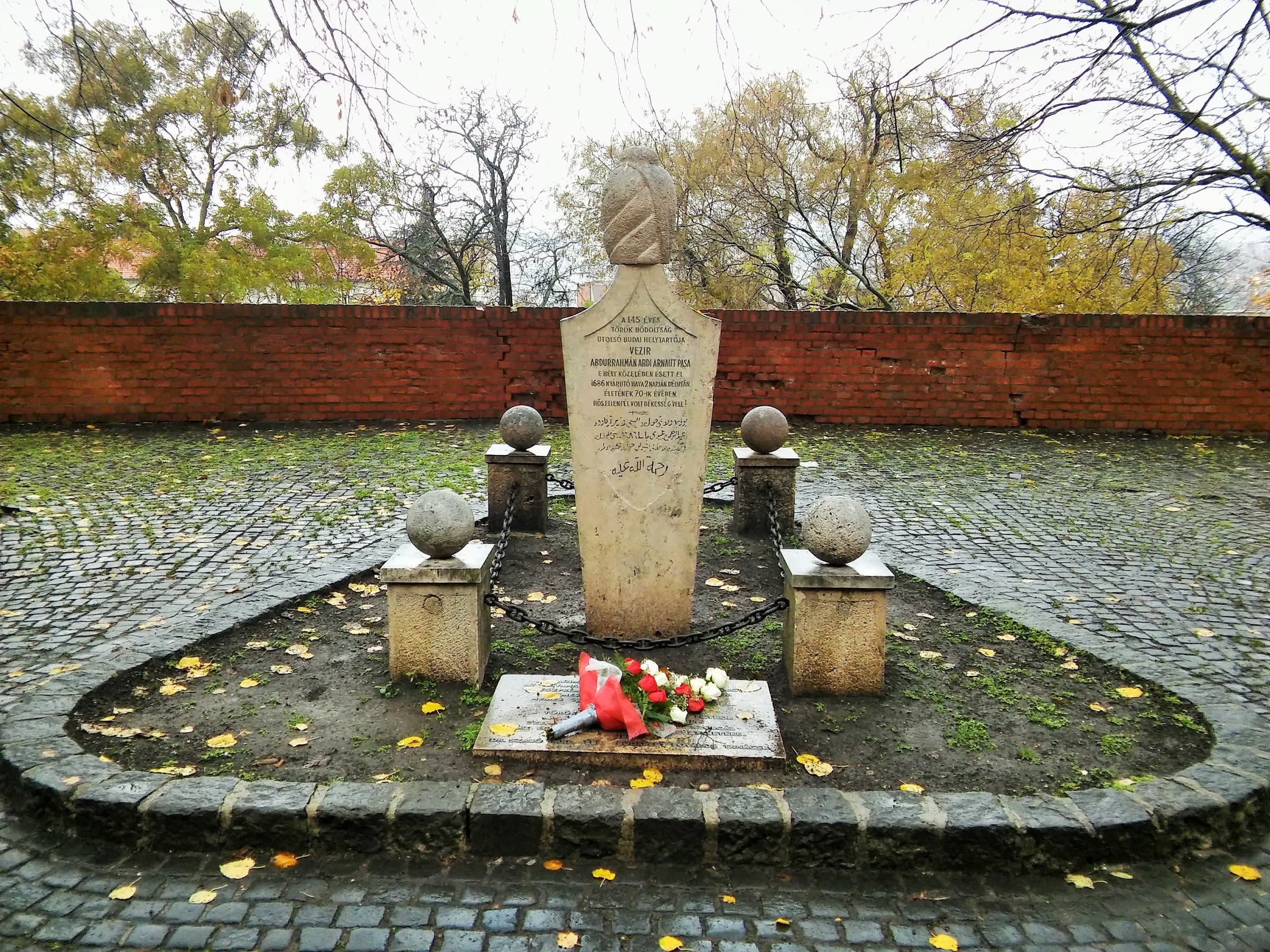
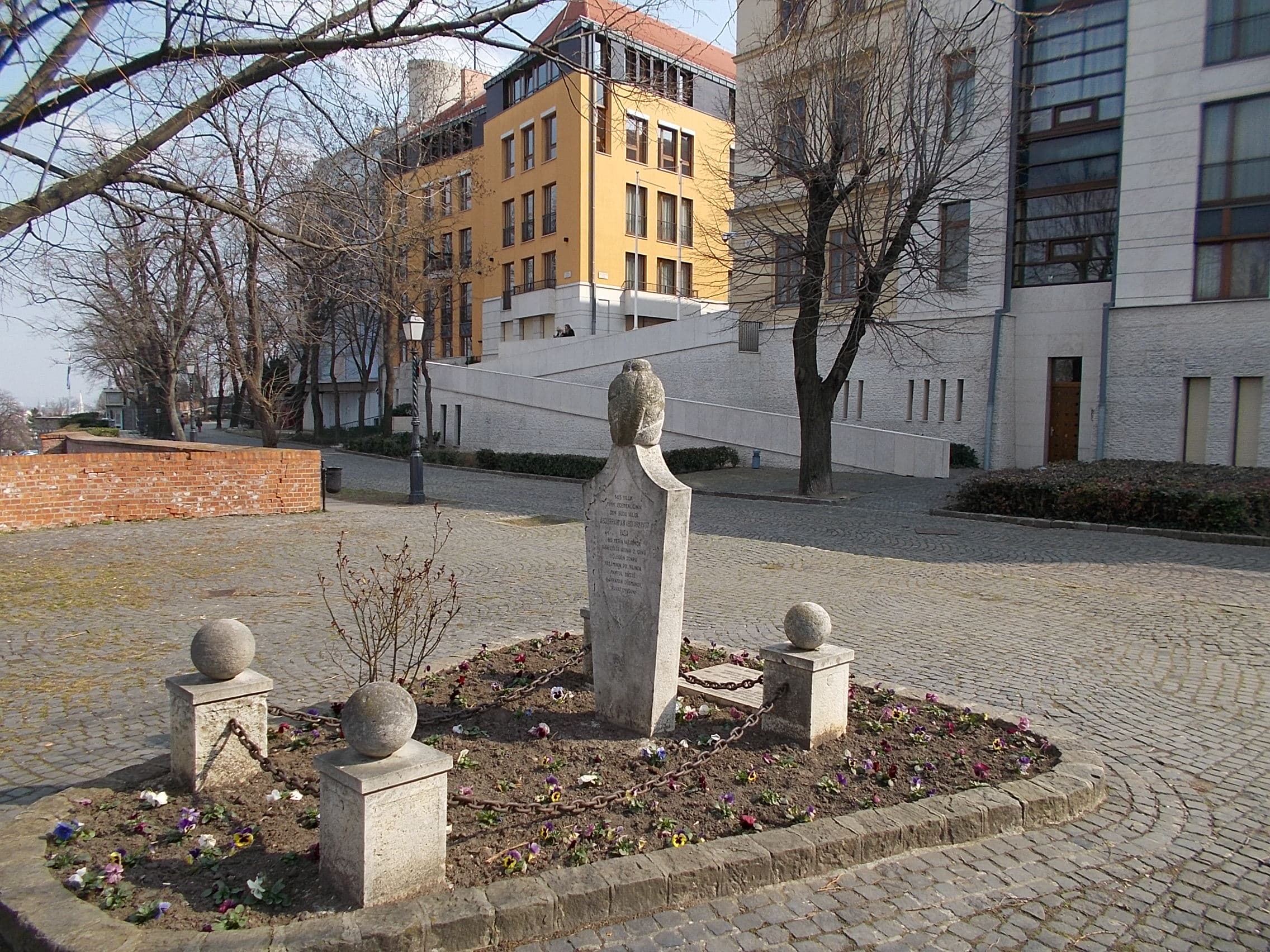
Abdurrahman Pasha Memorial: The Heroic Adversary
A turban-shaped stone on the rampart, a rare memorial on Castle Hill to the defeated Ottoman side of 1686.
- 10
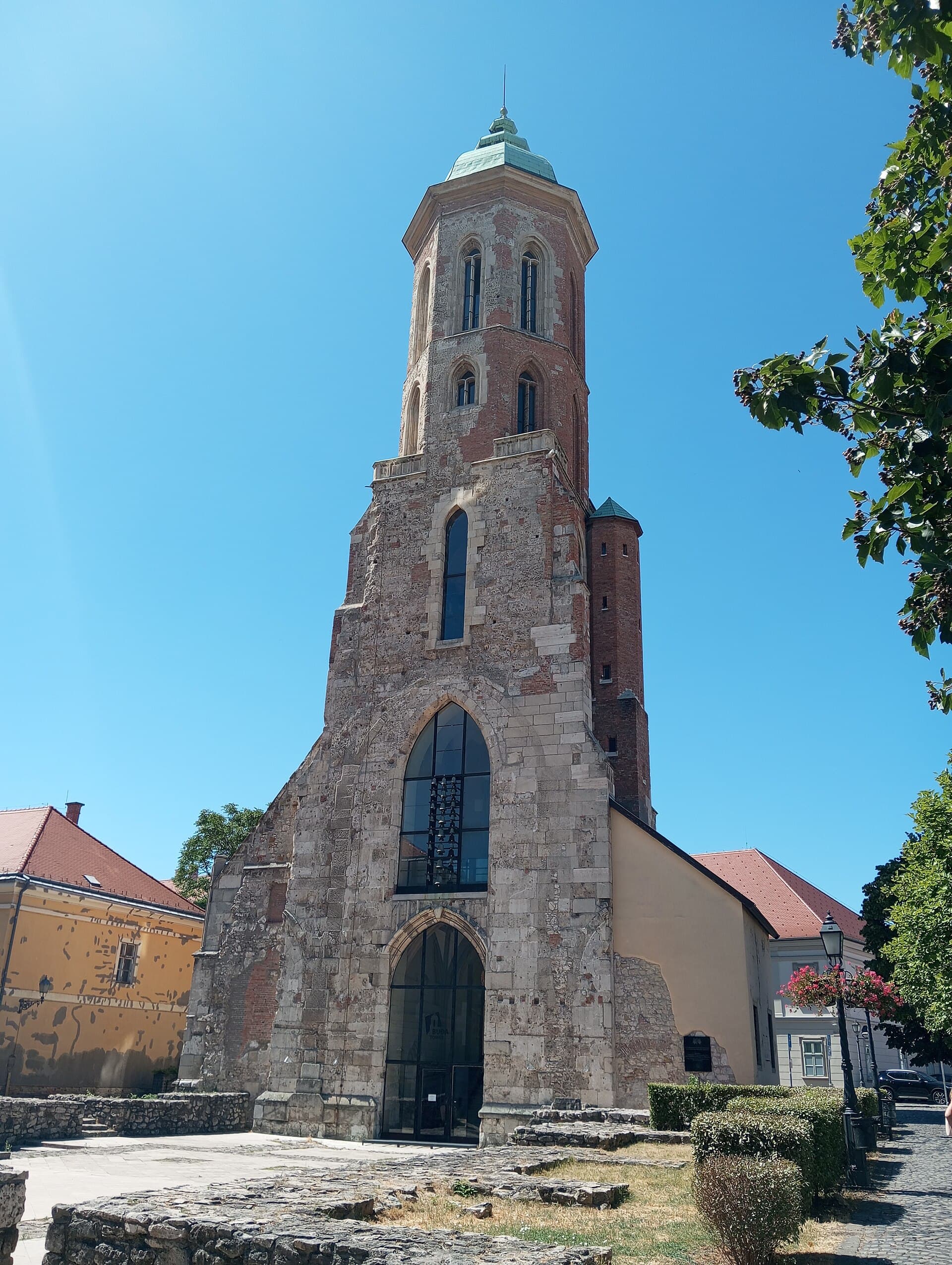
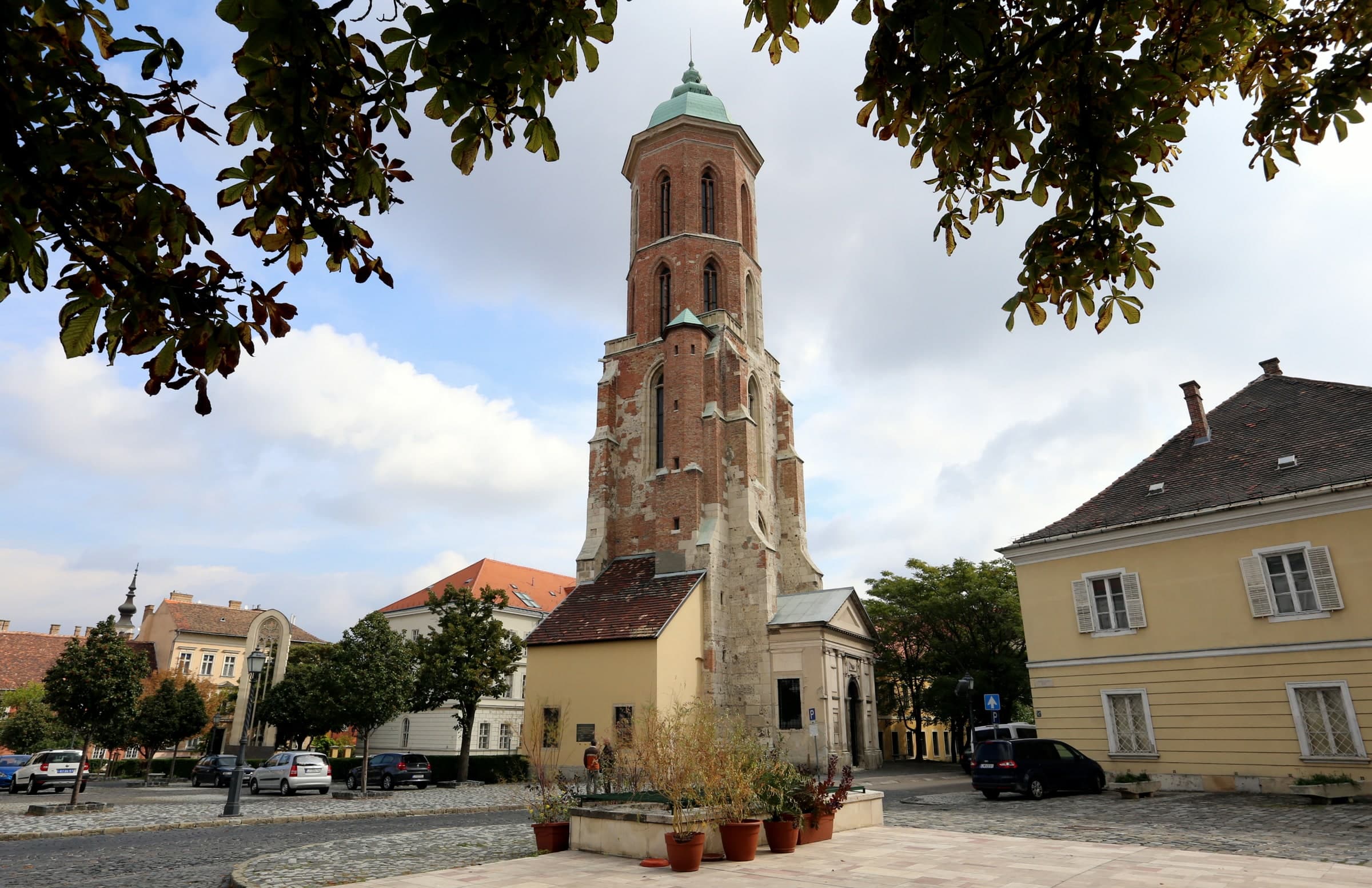
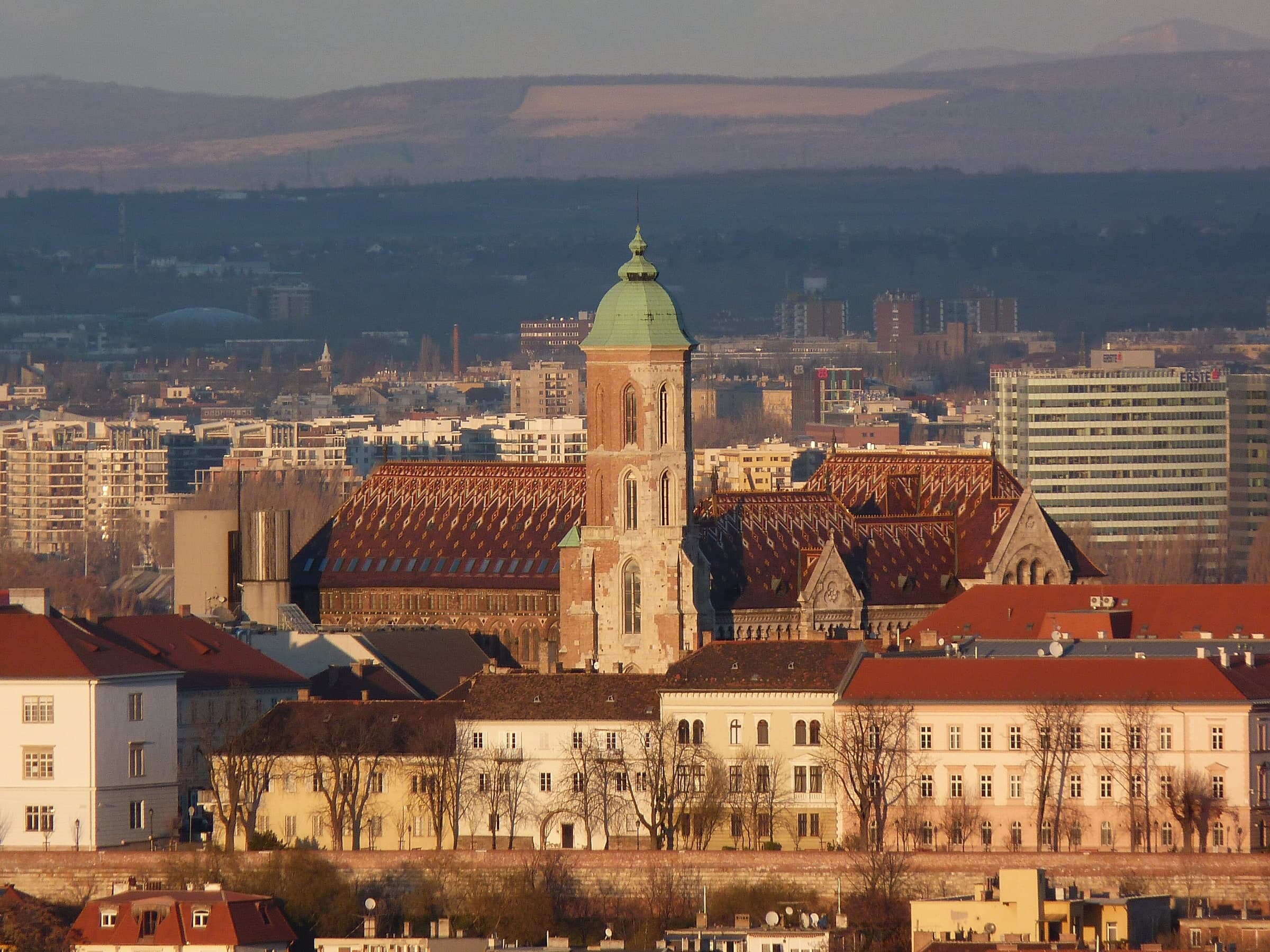
Mary Magdalene Tower: One Tower Left Standing
A lone medieval tower on Kapisztrán tér, all the postwar state chose to keep of Buda's church of the Hungarian townspeople.
Details
Best Time to Visit
Morning or late afternoon on a clear day. Early morning is quietest on Holy Trinity Square and the Fisherman's Bastion; late afternoon puts the light on the Danube front and Parliament. Spring and autumn are most comfortable. Summer middays are hot on the exposed terraces, with little shade.
Pro Tips
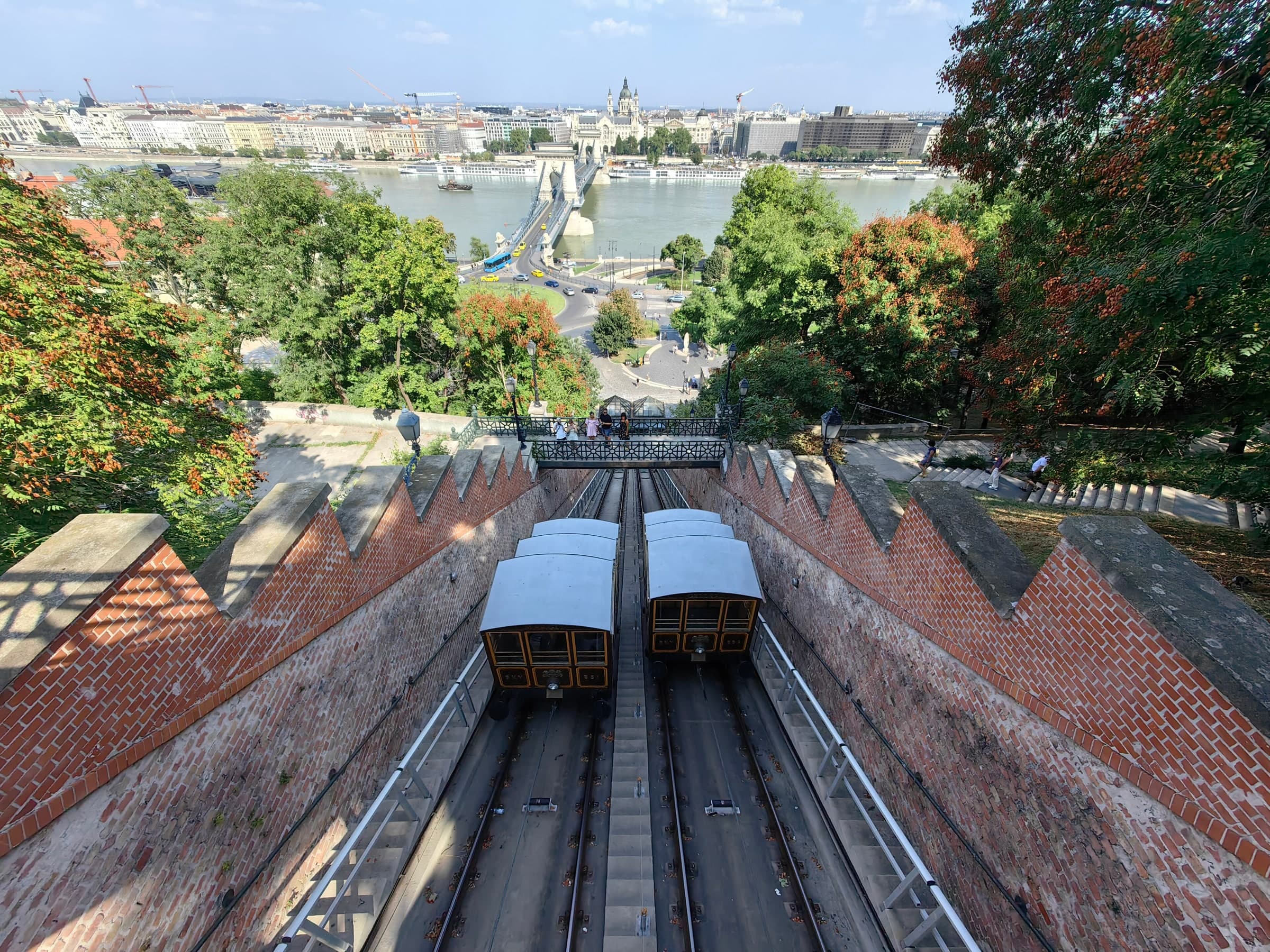
- •Reach the top your own way. The walk climbs on free garden paths and steps from Clark Adam ter; the historic funicular is a paid alternative that ends at Szent Gyorgy ter, a short walk north of the Savoy Terrace.
- •Every stop is free to stand at. Tickets are only for what you enter: the Fisherman's Bastion's upper level (1,700 HUF full price in 2026, checked 22 September 2026), the Matthias Church interior, the museums and the Mary Magdalene Tower climb.
- •The Carmelite monastery on Szent Gyorgy ter, the prime minister's office until 2026, opened to visitors in May 2026, at weekends at first and on weekdays too from 16 July, with registration on szabadkarmelita.hu (checked 22 September 2026).
- •The medieval Jewish prayer house at Tancsics Mihaly utca 26 is a small museum, open Tuesday to Thursday and Sunday 10:00 to 18:00 and Friday 10:00 to 17:00, closed Saturday and Monday (checked 22 September 2026).
- •The walk ends near Szell Kalman ter, about ten minutes downhill on foot, for metro line 2 and trams; buses 16A and 116 stop on Kapisztran ter and run back along the ridge to Disz ter.
- •Wear proper walking shoes. The ridge is paved in old cobblestones that are uneven and slippery when wet.
Safety & Precautions
- •The first leg is a steady climb on garden paths and steps. Take it slowly, or ride the funicular up.
- •Matthias Church is a working church. Dress modestly and keep your voice low if you go inside; services can close it to visitors.
- •Tancsics Mihaly utca is a lived-in street and a place of memory. Walk it quietly.
- •Building work continues around the Honved Headquarters on Disz ter and the Archduke Joseph Palace on Szent Gyorgy ter. Follow any fencing and signs.
- •Prices are in Hungarian forint. Keep an eye on your belongings in the crowds on Holy Trinity Square and the Fisherman's Bastion.
Travel advisory: Exercise Normal Precautions (Level 1).
Gallery
Related Reading
Go deeper on what you'll see, hear, and walk through.

Overview
Best Self-Guided Walking Tours in Budapest (2026)
4 min
Overview
Budapest in One Day: A Walkable Morning-to-Evening Itinerary
8 min
Overview
Budapest Travel Guide: How Many Days, Getting Around, Best Time, Safety, and Budget
6 min
Thematic
Best History Walking Tours in Budapest (2026)
2 min
Thematic
Two Cities Across the Danube: How to Read Budapest on Foot
7 min
Companion
Matthias Church: Why Budapest's Prettiest Roof Is the Newest Thing on Castle Hill
7 min
Deep dive
Fisherman's Bastion: The Fortress That Never Defended Anything
6 min
Read
What to Eat in Budapest: Dishes, Origins, and How to Order
7 min
Read the walk
The full story of Buda Castle District: Palace, Matthias Church and Fisherman's Bastion, in words. Prefer to listen? Play it narrated, from home or on location.
Introduction
This walk follows Castle Hill, the long limestone ridge on the Buda side of Budapest, in Hungary, and one idea runs through every stop. This hill keeps choosing which past to rebuild. The Habsburgs buried a medieval palace under a baroque one. The eighteen nineties dressed the hill in a romantic Middle Ages for the nation's thousandth birthday. After the siege of nineteen forty-five, the postwar state pulled down buildings it did not want to keep. And in our own decade, some of those demolished buildings have been rising again, stone by stone. So very little up here is simply old. Almost every facade is an answer to one question: which history do we want to see? There are ten stops, over about two and a half kilometres, and the walk takes around an hour and three quarters at an easy pace, with a steady climb at the start. You can ride the funicular up instead, and the walk works either way. Every stop is outdoors and free to stand at, and every one is short and skippable. The walk begins at the foot of the hill, at Clark Adam ter, by the Buda end of the Chain Bridge, and it ends at the Mary Magdalene Tower, at the northern end of the ridge.
1. Clark Ádám tér: The Zero Kilometre Stone
Welcome to Clark Adam ter, the square at the Buda end of the Chain Bridge. Before you climb, find the pale stone sculpture shaped like a zero, at the foot of the hill beside the tunnel mouth. It marks kilometre zero, the point from which Hungarian road distances are measured, and it is the first sign that this hill keeps replacing its past. The zero in front of you is the third one. In nineteen thirty-two a marble Madonna was set up here, the patroness of Hungary, on a stone column carved with cars, carriages and people on foot. The war destroyed it, together with the ministry building beside it. In nineteen fifty-three the new communist state chose a different face for the same spot: a figure of a worker holding a wheel, gazing into the distance. In nineteen seventy-five that worker was removed in turn, and the sculptor Miklos Borsos gave the square this simple abstract zero. The worker still exists, on a small square on the city's eastern edge. Three eras, three ideas of where Hungary begins. The bridge beside you tells the same story. Retreating German troops blew it up on the eighteenth of January, nineteen forty-five. It reopened on the twentieth of November, nineteen forty-nine, exactly a century after its first opening. Up on the ridge, only one building came through the siege of nineteen forty-five with little more than broken glass. Everything you are about to see is the result of choices made afterwards. Now climb. Walk past the funicular's lower station to the foot of the hill, then follow the garden paths and steps as they zigzag up to the south, until you reach a wide terrace below the palace dome. Turn left along it to a bronze prince on horseback. If you ride the funicular instead, walk south from its top station to that terrace.
2. Buda Castle: The Savoy Terrace
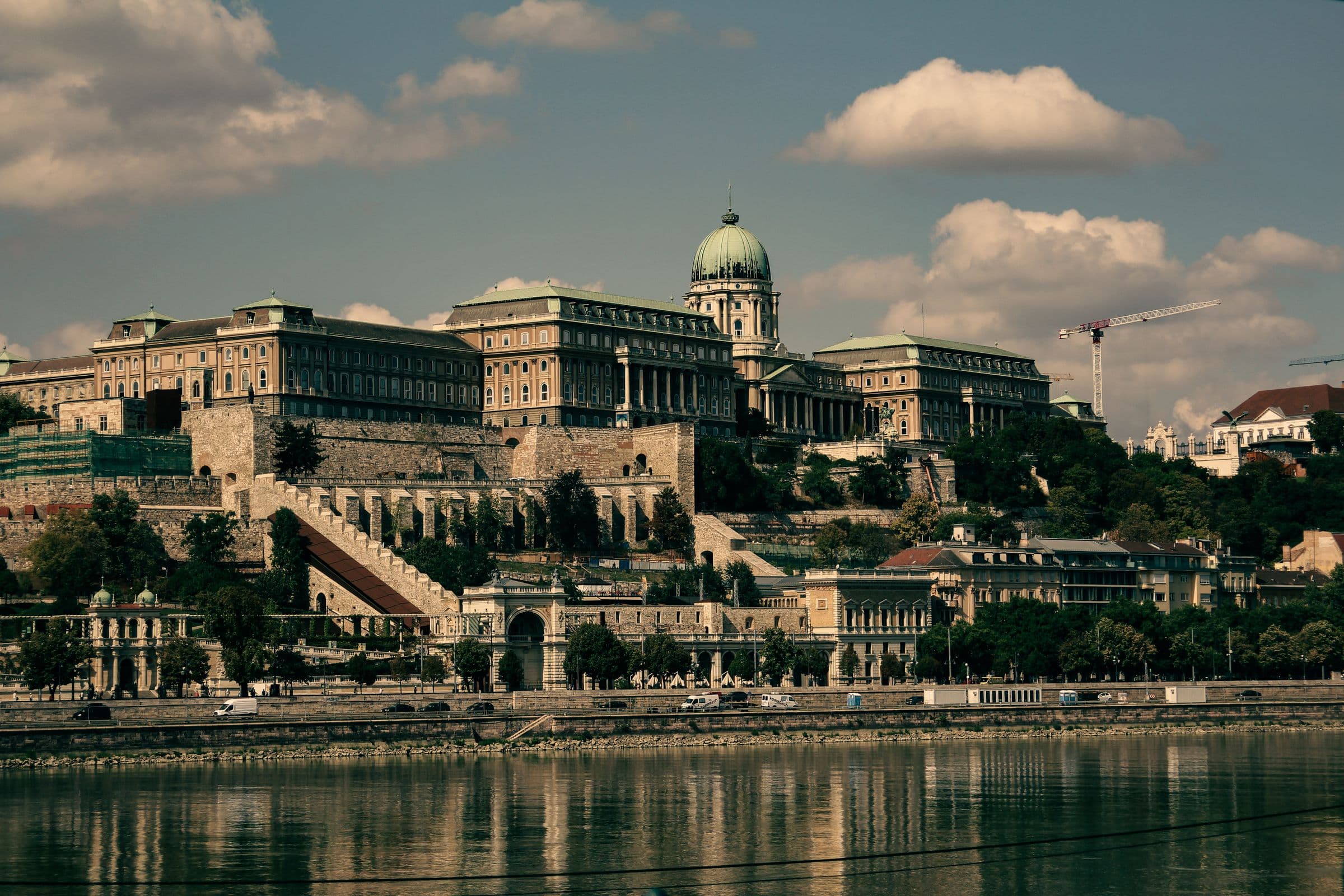
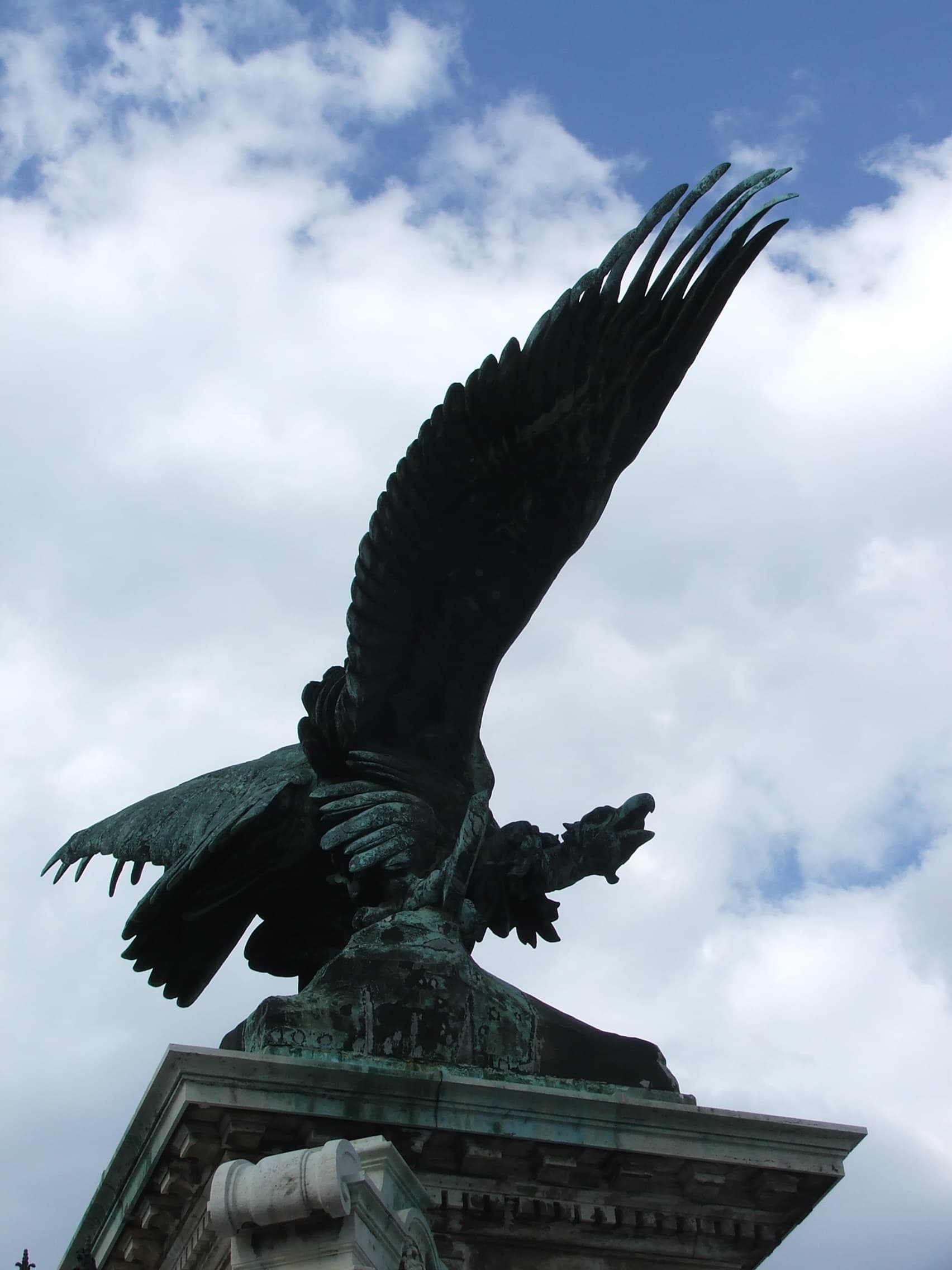
This is the Savoy Terrace, and the rider above you is Prince Eugene of Savoy. He was never meant to stand here. The town of Zenta ordered him to mark its battle, could not raise the money, and the state bought him for the castle instead. Still, he earned the hill. In sixteen eighty-six he fought in the Christian army that took the city back after a hundred and forty-five years of Ottoman rule, and was badly wounded in the right hand. In sixteen ninety-seven he destroyed an Ottoman army at Zenta, the battle on the reliefs of his pedestal. Turn so the river is in front of you and the dome is behind you. The palace at your back has been rebuilt by almost every age that held this hill. The medieval royal palace here was wrecked in the siege of sixteen eighty-six, and it was not restored. A small baroque palace rose on the ruins from seventeen fifteen, and from seventeen forty-nine Maria Theresa enlarged it into a grand one, with the medieval walls buried under fill. From eighteen ninety the architects Miklos Ybl and then Alajos Hauszmann expanded it enormously, finishing in nineteen twelve. The siege of nineteen forty-five gutted it. Then the postwar rebuilders made their own choice. They stripped out interiors, including rooms and staircases that had survived the fighting, simplified the roofs, and in the nineteen sixties gave the palace the plainer dome you see now, in place of Hauszmann's. While they worked, archaeologists dug beneath the rubble and found the medieval palace the Habsburgs had buried. The dome is still an argument. Nobody is rebuilding Hauszmann's version, and the architect Janos Roth has called the idea nonsense. Today it still holds the National Gallery, whose future home is undecided. Upriver, to your left on the far bank, is the Parliament building. When you are ready, walk back along the terrace the way you came and climb the broad steps beside the palace, past a great bronze bird with its wings spread, to the square at the top.
3. Szent György tér: Sándor Palace and the Rebuilt Riding Hall
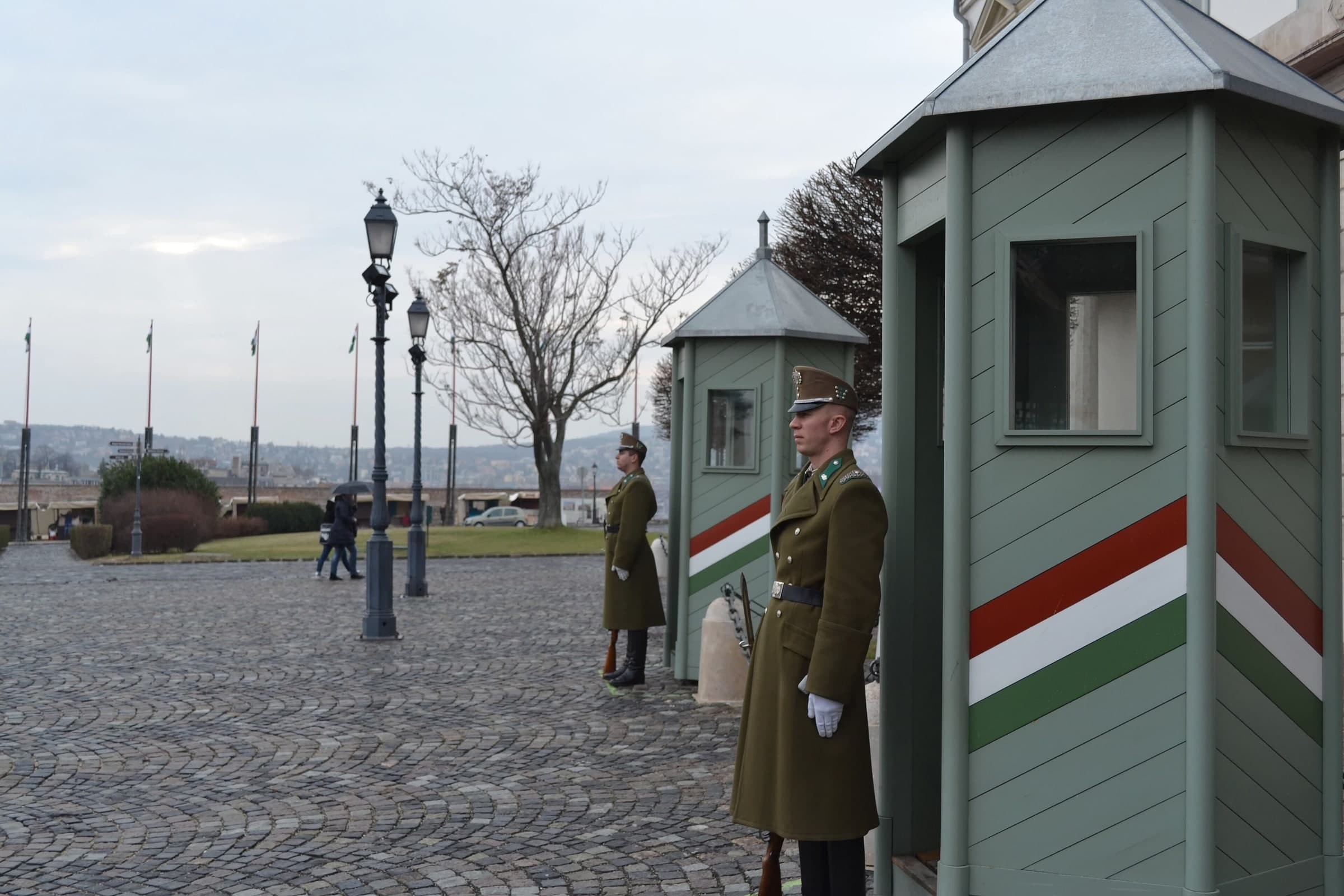
This is Szent Gyorgy ter, Saint George Square, and it is where the argument over the past is loudest. Almost everything around you has been demolished, rebuilt or repurposed within living memory. Find the long pale building with guards at its door. That is Sandor Palace, built in the early eighteen hundreds for a count, home to nearly every Hungarian prime minister from eighteen sixty-seven to nineteen forty-five, and since two thousand and three the office of the President. Next to it stands the front of a former Carmelite church and its long monastery. After the order was dissolved, the church became a theatre, and on the seventh of May, eighteen hundred, Beethoven played inside it. From twenty nineteen the monastery was the prime minister's office. In twenty twenty-six a new government moved that office out and opened the building to visitors. Past the palace gate at the south end of this square, about a hundred and fifty metres away and down in the courtyards on the palace's west side, stand the Riding Hall and the Main Guard House. You cannot see them from here, but they are worth the detour. The Riding Hall was pulled down in nineteen fifty-four. The Guard House and an elegant stairway beside it followed in nineteen seventy-one, and records from the time suggest the stairway was not falling down. All of them were rebuilt, and the last reopened in September, twenty twenty-one. Also on this square stood the Archduke Joseph Palace, badly damaged in the siege and demolished in nineteen sixty-eight, for what are now called ideological reasons. It has been rising again since twenty twenty-one, but in June, twenty twenty-six, the government dropped its planned use, and nobody yet knows what it will hold. This is the National Hauszmann Program, named after the palace's architect, which set out to put the hill back as it looked around nineteen hundred. Its critics call it costly. Its supporters call it repair. Either way, it is a choice. From here, turn round and walk north along Szinhaz utca, the street that runs past the theatre, to the next square.
4. Dísz tér: The Honvéd Headquarters
This is Disz ter, Parade Square, and the building to look for is the large one with a brand-new dome. It was built in the eighteen nineties as the headquarters of the Honved, the Hungarian army, to designs by Mor Kallina, who also built the Lutheran church you will pass at the…
Full narration for this stop unlocks with the tour.
5. Matthias Church: Holy Trinity Square and the Plague Column
You are in Holy Trinity Square, the heart of the old town, with the tall white column just to your left and Matthias Church on your right. Start with the column. Buda was struck by plague in sixteen ninety-one, and the town council decided on a memorial. A first column went up,…
Full narration for this stop unlocks with the tour.
6. Fisherman's Bastion: The Fortress That Never Defended Anything
This is the Fisherman's Bastion, and the bronze rider in front of you is Saint Stephen, Hungary's first king, made by the sculptor Alajos Strobl in nineteen oh six. The terrace behind him is a favourite photo spot, and it is the clearest case on this walk of a past that was…
Full narration for this stop unlocks with the tour.
7. Táncsics Mihály utca: Medieval Jewish Buda
You are on Tancsics Mihaly utca, and number nine is the long plain building on your right. It was built in the early eighteen hundreds as a barracks, and part of it held political prisoners. Read the plaques on its front. Lajos Kossuth, one of the leaders of the revolution of…
Full narration for this stop unlocks with the tour.
8. Vienna Gate: The 1936 Victory Monument
This is the Vienna Gate, the northern entrance to the old town, on the road that once led toward Vienna. There was a gate here in the Middle Ages, but the one you see is not old. It was rebuilt in nineteen thirty-six for a particular anniversary: two hundred and fifty years…
Full narration for this stop unlocks with the tour.
9. Abdurrahman Pasha Memorial: The Heroic Adversary
This small stone, shaped like a turban and ringed with cannonballs on chains, is the one memorial on the hill to the other side of sixteen eighty-six. Abdurrahman Abdi Pasha was the last Ottoman governor of Buda. He was in his seventieth year when the armies of the Holy League…
Full narration for this stop unlocks with the tour.
10. Mary Magdalene Tower: One Tower Left Standing
The walk ends at a tower with no church. This is the Mary Magdalene Tower, all that stands of the medieval church of Buda's Hungarian townspeople. For decades of Ottoman rule it was the only church in the town where Christians could still worship, shared by Catholics and…
Full narration for this stop unlocks with the tour.
- Prince Eugene of Savoy equestrian monument before the palace dome (Savoy Terrace) — Marek Mróz, CC BY-SA 4.0 · source
- Guard sentry box and guard outside Sandor Palace — Slyronit, CC BY-SA 4.0 · source
- Rebuilt former Honved Headquarters, Disz ter, dome under construction (2022, crane visible) — Globetrotter19, CC BY-SA 3.0 · source
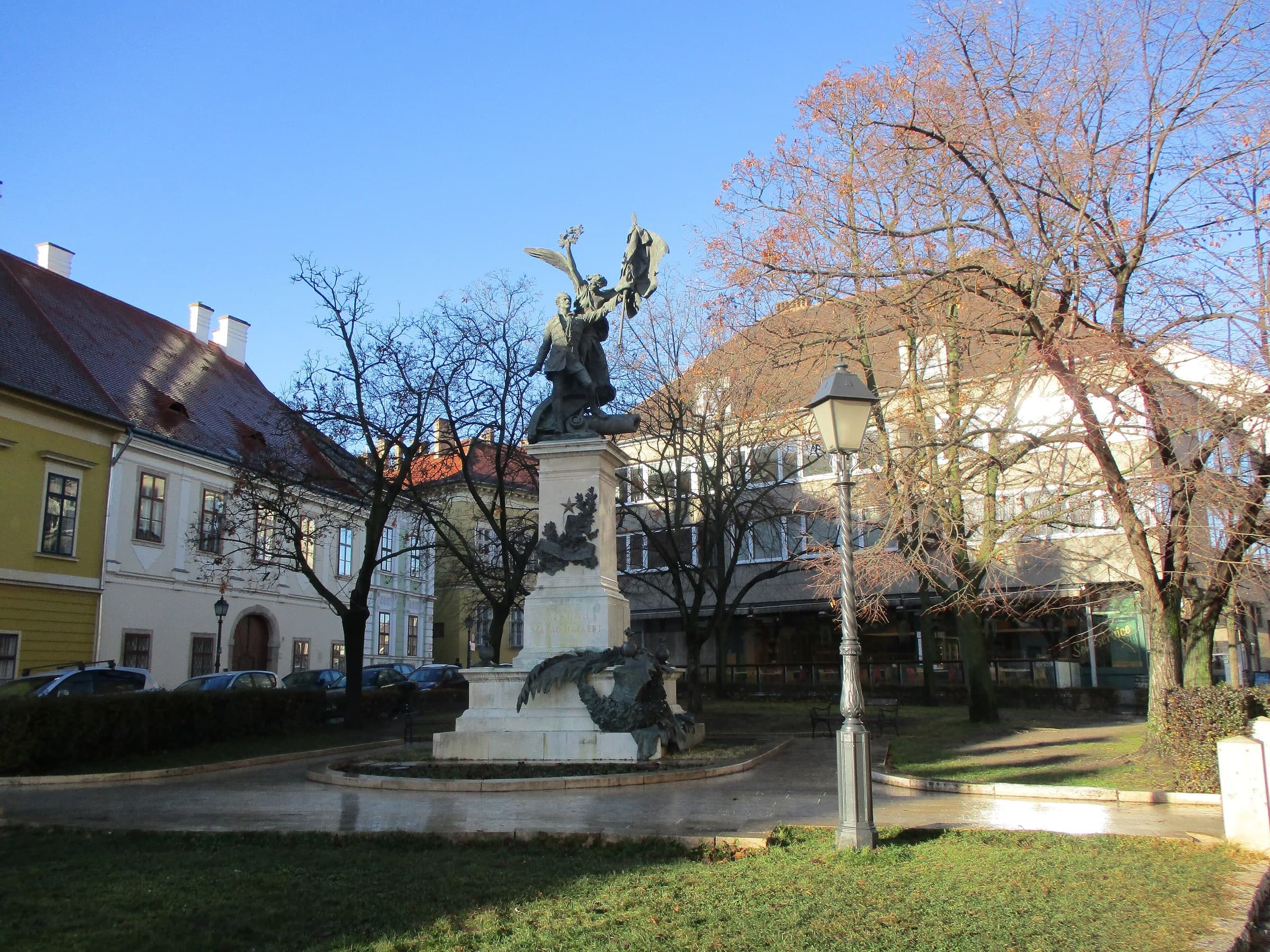
- Honved Memorial by Gyorgy Zala on Disz ter — August Dominus, CC BY-SA 4.0 · source
- HISTORICAL 1963: the war-ruined Honved Headquarters under scaffolding (Fortepan) — FOTO:Fortepan — ID 1712: Adományozó/Donor: Fortepan., CC BY-SA 3.0 · source
- Holy Trinity column with Matthias Church — xorge, CC BY-SA 2.0 · source
- Holy Trinity column on Szentharomsag ter, wide square view — Nikolai Karaneschev, CC BY 3.0 · source
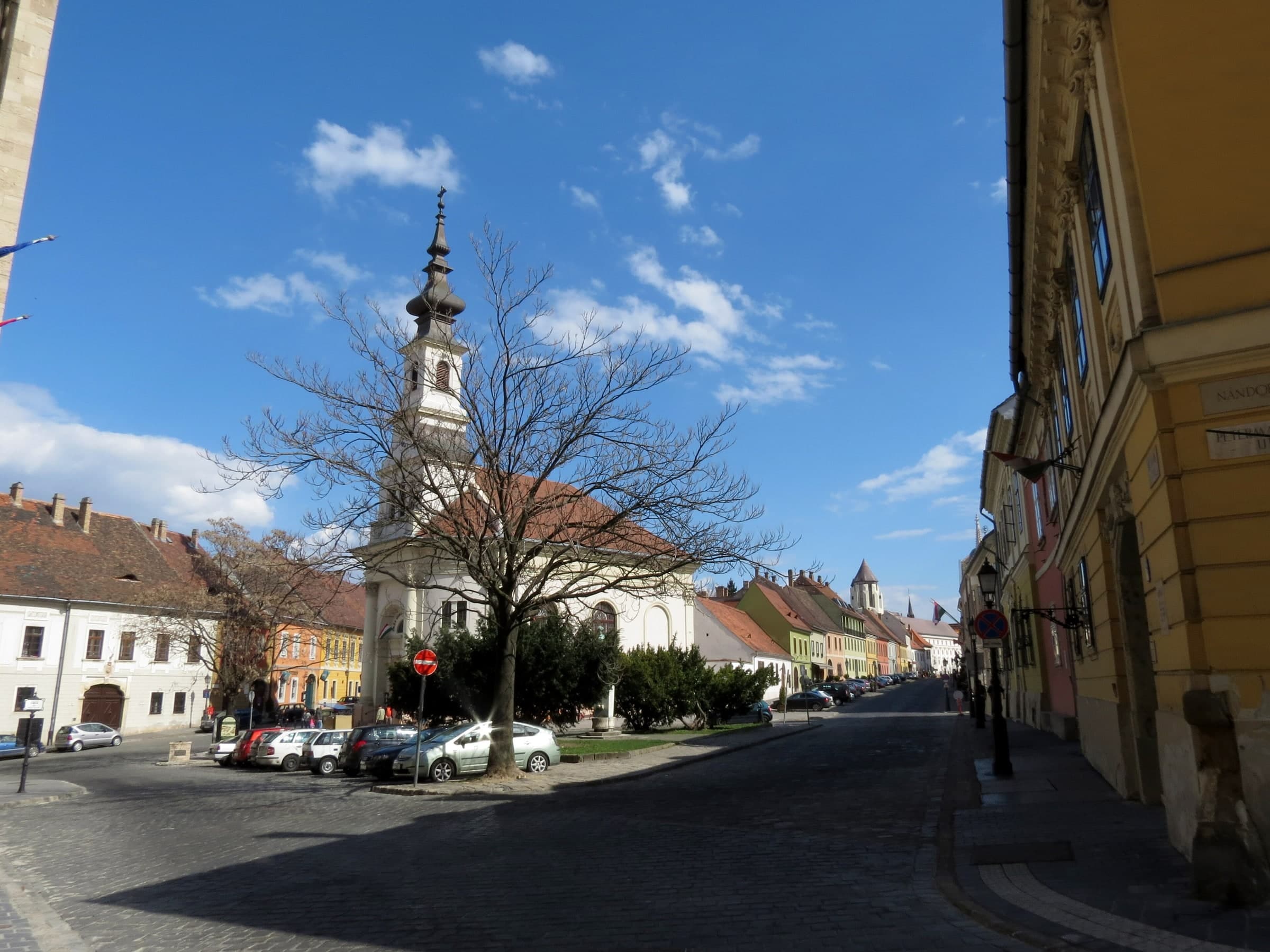
- Tancsics Mihaly utca, coloured Baroque house fronts — Thaler Tamas, CC BY-SA 4.0 · source
- Tancsics Mihaly utca looking toward Becsi kapu ter (Lutheran church tower, National Archives) — Bjoertvedt, CC BY-SA 4.0 · source
- Medieval Jewish Prayer House interior (Tancsics Mihaly utca 26), Torah ark — Globetrotter19, CC BY-SA 3.0 · source
- Vienna Gate from Ostrom utca (outside) — Globetrotter19, CC BY-SA 3.0 · source
- Vienna Gate arch from inside the walls — Mister No, CC BY 3.0 · source
- Becsi kapu ter with the Lutheran church — xorge, CC BY-SA 2.0 · source
- Abdurrahman Abdi Pasha memorial, north bastion — Akela3, CC BY-SA 4.0 · source
- Abdurrahman Pasha memorial with flowers and cannonball posts — 12akd, CC BY-SA 4.0 · source
- Memorial on the Siavus Pasha tower, Anjou bastion promenade context — Globetrotter19, CC BY-SA 3.0 · source
- Mary Magdalene Tower, blue sky — A.Donaire2005, CC BY 4.0 · source
- Mary Magdalene Tower on Kapisztran ter, square view — Thaler, CC BY-SA 3.0 · source
- Mary Magdalene Tower rising above Castle District rooftops, golden light — Derzsi Elekes Andor, CC BY-SA 3.0 · source
Images may be cropped or resized. Other photos via Unsplash and Pexels.