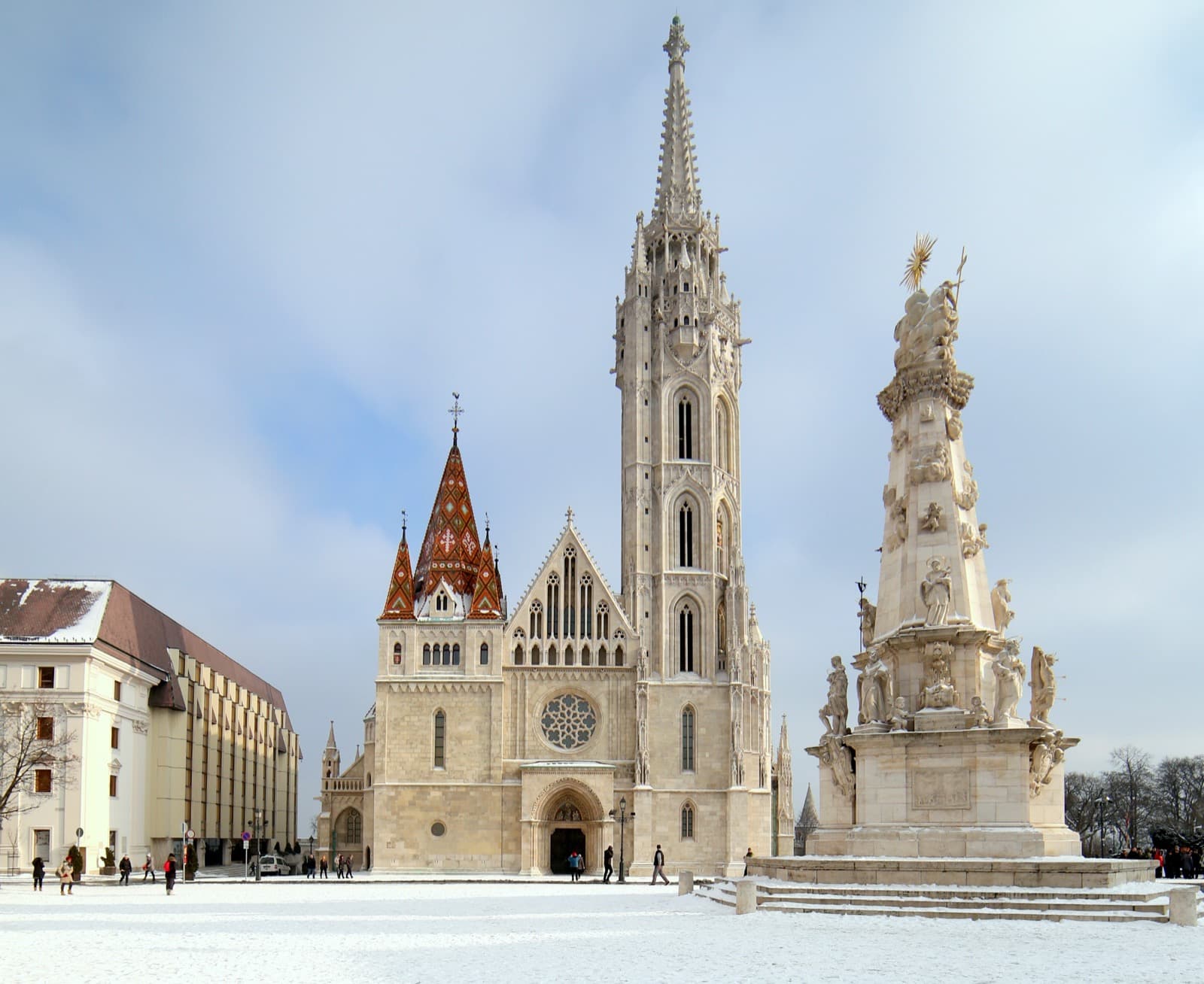
Matthias Church, the Gothic basilica at the center of Budapest's Castle Hill, has been a coronation church, an Ottoman mosque, and a nineteenth-century neo-Gothic reinvention, and its ruined-and-rebuilt layers are the single best way to read the whole ridge above the Danube. The building you photograph from Holy Trinity Square looks like an unbroken medieval survivor. It is not. Its diamond-patterned roof, the prettiest surface on the hill, is younger than some of the buildings around it. Once you understand why, every other stop on the Castle District walk starts to make sense, because the same question repeats at each one: which past did the hill choose to rebuild?
A church built four times over
Start with the bones. The church is a three-nave Gothic basilica raised between 1255 and 1269 under King Bela the Fourth, among the earliest classical Gothic church architecture in Hungary. It replaced an older church destroyed in the Mongol invasion, so even the first version was already a rebuild. King Matthias Corvinus added the southwest bell tower around 1470, and the church took his name in popular use in the nineteenth century. His coat of arms carries a raven, an emblem tied to him by heraldry and legend rather than by any documented fact.
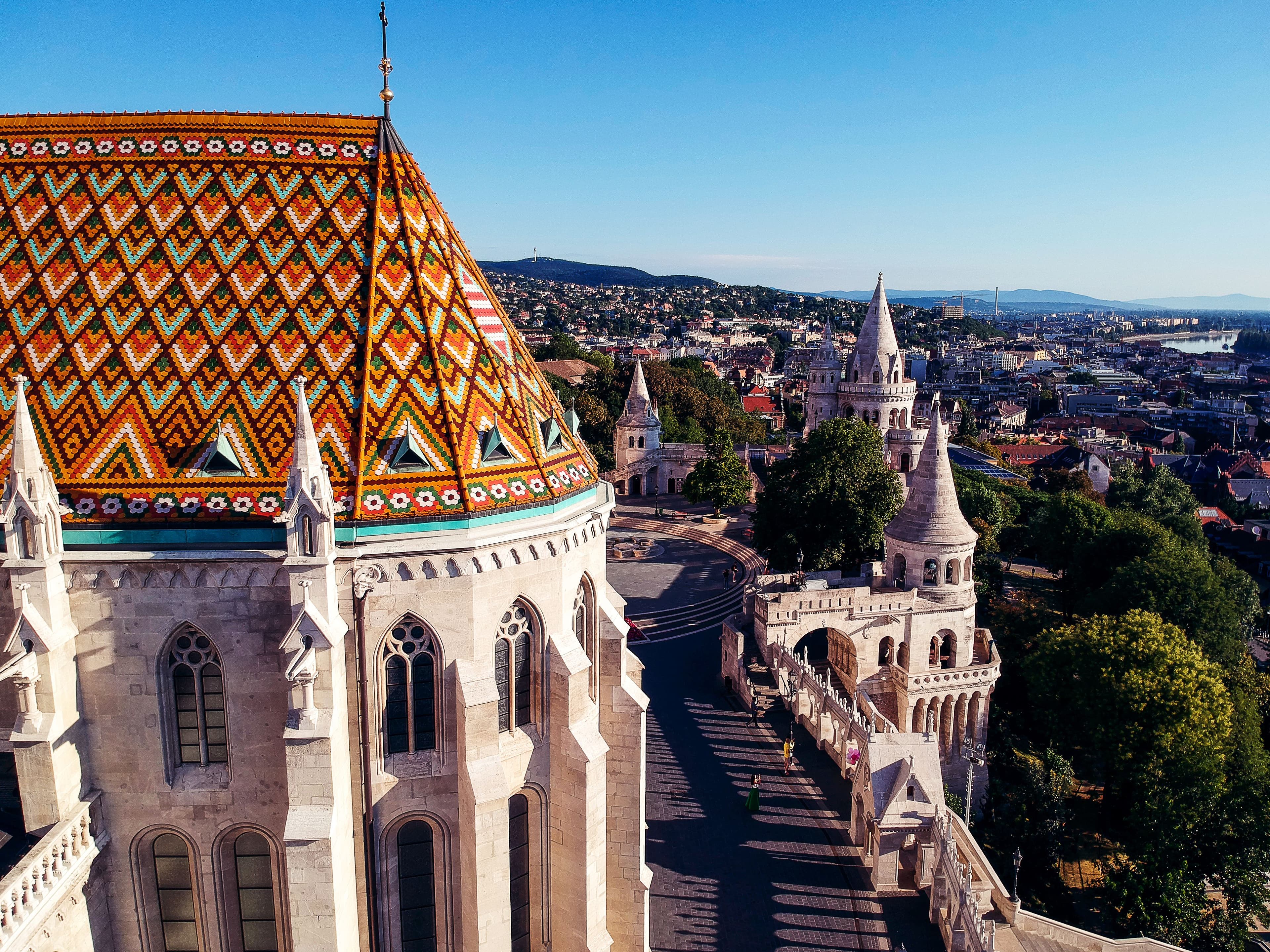
Then the layers begin in earnest. In 1541, when the Ottomans took Buda, the church became a mosque. Its Christian decoration was stripped out, and for roughly a century and a half, until the reconquest of 1686, it stood as a place of Muslim worship. When it returned to Christian use, it was battered and altered. What saved it visually was a late act of imagination. Between 1874 and 1896 the architect Frigyes Schulek restored and reimagined the church in a flamboyant neo-Gothic style, and it was he who gave it the diamond-patterned tiled roof in the vivid glazed ceramics of the Zsolnay works. The silhouette that reads as fairy-tale medieval is in fact a Victorian-era romantic reinvention laid over genuine thirteenth-century stone.
That is the whole trick of Castle Hill in one building. The prettiest surface is often the newest thing of all.
The coronations the walls remember
Hear a stop from this walk
Szent György tér: Sándor Palace and the Rebuilt Riding Hall
Two Habsburg kings were crowned inside these walls, and both moments sit at hinge points of European history. Emperor Franz Joseph was crowned here in 1867, sealing the Compromise that created Austria-Hungary. And Charles the Fourth was crowned on 30 December 1916, in what turned out to be the last Habsburg coronation in history. A church that had spent a century and a half as a mosque became, within a couple of centuries, the ceremonial stage on which a dual monarchy was born and, later, quietly closed out. If you buy a ticket to step inside (the interior costs a small fee and it remains a working church, so keep your voice low and dress modestly), you are standing where two empires marked their beginnings and their ends.
Why the anchor explains the whole ridge
The reason Matthias Church works as the way into this walk is that its story is not unique on the hill. It is the clearest version of a pattern you can then spot everywhere. This ridge has been the royal capital of medieval Hungary, a conquered Ottoman town, a baroque palace quarter under the Habsburgs, and, in the winter of 1944 to 1945, a battlefield reduced almost entirely to rubble in the siege of Budapest. The visitor's eye reads an ancient, unbroken medieval capital. The ground reads catastrophe and repair. This is UNESCO World Heritage terrain, inscribed as part of the Budapest property in 1987, and it rewards slow reading.
Step out behind the church and the point lands again. The Fisherman's Bastion, the most photographed balcony in Budapest, was never a fortress. Schulek, the same architect who reimagined the church, built it between 1899 and 1905 as a peaceful lookout, turning a stretch of old castle wall into a promenade. Its seven white towers look ancient and defensive, but they never defended anything. By tradition they stand for the seven Magyar chieftains, though that is tradition, not documented fact.
The lesson carries down the ridge in both directions. Buda Castle, the great palace at the southern crown, was devastated in the siege of 1686, rebuilt in baroque between 1749 and 1769, ruined again in 1944 to 1945, and rebuilt once more between 1946 and 1966. During that last rebuild, archaeologists digging through the rubble uncovered the medieval royal palace buried beneath, so the newest layer now sits directly over seven centuries of excavated stone. At the northern end of the ridge, the Mary Magdalene Tower makes the theme literal: a whole medieval church was shattered by bombing in 1945, its ruined body demolished afterward, leaving only the bell tower standing where the rest fell.
Reading the hill for yourself
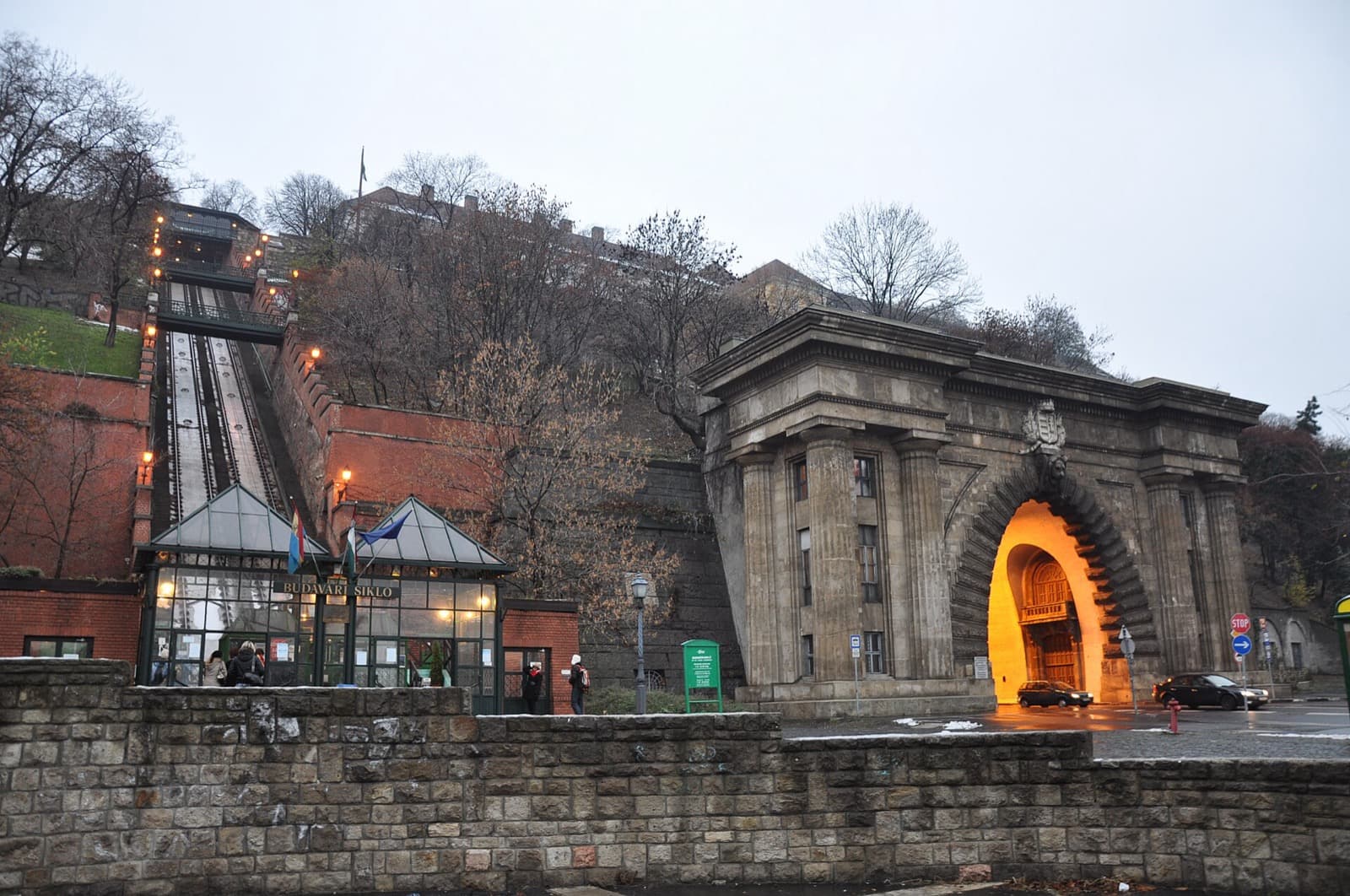
The full self-guided walk, Buda Castle District: Palace, Matthias Church and Fisherman's Bastion, runs ten stops along a broadly linear ridge, covering about 2.6 kilometers in roughly an hour and three quarters at an unhurried pace. It begins down at river level at Clark Adam ter, at the Buda foot of the Chain Bridge, where even the historic funicular (opened in 1870, one of Europe's oldest) was bombed in 1944 and did not run again until 1986. From there the route climbs past the palace, through the pinched neck of the ridge at Szent Gyorgy ter with its presidential guard, into Holy Trinity Square with its plague column raised between 1710 and 1713 in thanks for surviving the outbreaks of 1691 and 1709, on to Matthias Church and the Fisherman's Bastion, then north through the medieval streets to the Vienna Gate and the lone Mary Magdalene Tower.
Most of it costs nothing. The squares, the palace terraces, the Holy Trinity Column, and the lower panorama from the Fisherman's Bastion are all free. You pay only for what you enter: the museums, the church interior, the upper terraces, the tower climb. Wear real walking shoes, because the ridge is steep in places and paved in old cobblestones that turn slippery when wet.
If Matthias Church has convinced you that Castle Hill is a text worth reading closely rather than a backdrop for photos, the walk is built to be read that way, stop by stop, at your own pace, with the audio doing the work of pointing out which surfaces are lying to you. You can plan the route and browse the other Buda and Pest walks through our guide to Budapest walking tours, or start from the city page for Budapest and take the ridge one honest layer at a time.
Sources
- Matthias Church, Wikipedia: construction dates, the mosque period, Schulek's neo-Gothic restoration, and the Habsburg coronations of 1867 and 1916.
- Buda Castle history, budavar.abtk.hu (Institute for Art History): the destruction and rebuilding cycles of the palace, including the postwar archaeological reconstruction.
- Fisherman's Bastion, Wikipedia: Schulek's authorship, the 1895 to 1902 design dates and the 1905 handover, and the seven-tower tradition.
- UNESCO World Heritage listing for Budapest (inscribed 1987): the Castle Hill property and the significance of the Danube panorama.
- Budapest Castle Hill Funicular, Wikipedia: the 1870 opening, the 1944 bombing, and the 1986 return to service.
Ready to experience it?
Buda Castle District: Palace, Matthias Church and Fisherman's Bastion
105 min · 2.5 km · moderate
More from Budapest
Explore more at your own pace.
Budapest Travel Guide: How Many Days, Getting Around, Best Time, Safety, and Budget
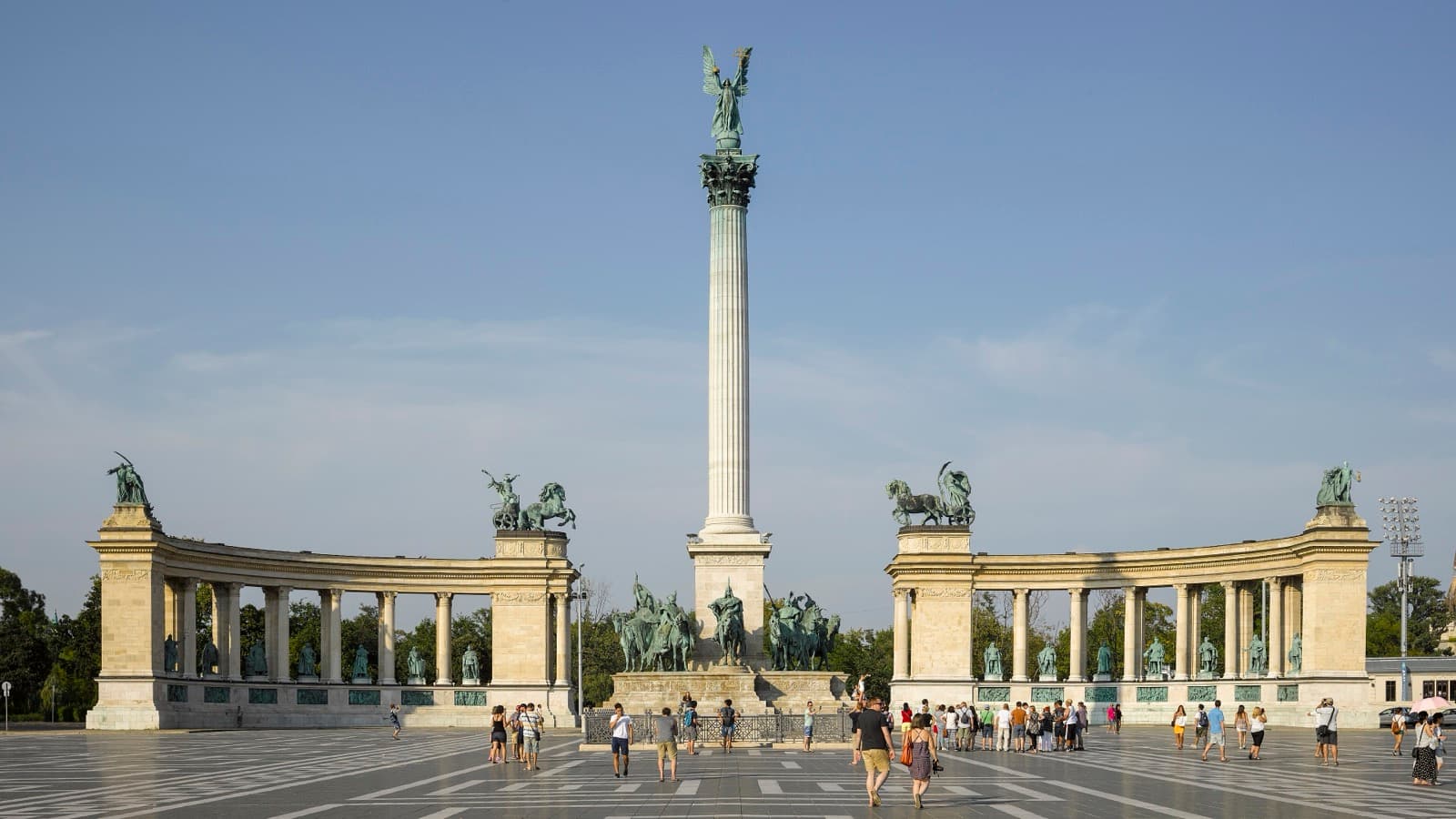
Heroes' Square and the Boulevard That Reads Like a Sentence
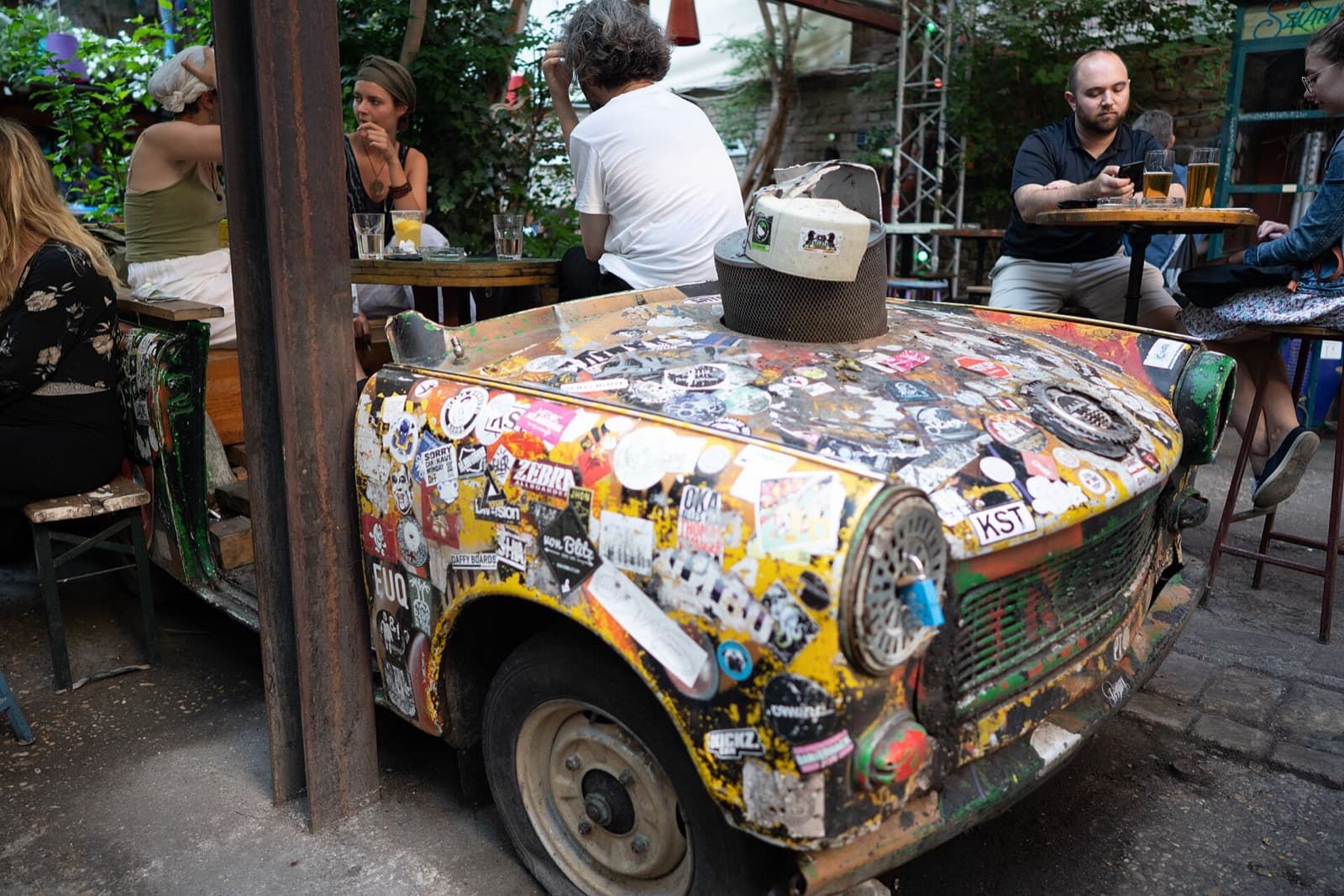
Szimpla Kert and the Ruin Bars: Why Budapest's Party Quarter Is Really a Memorial
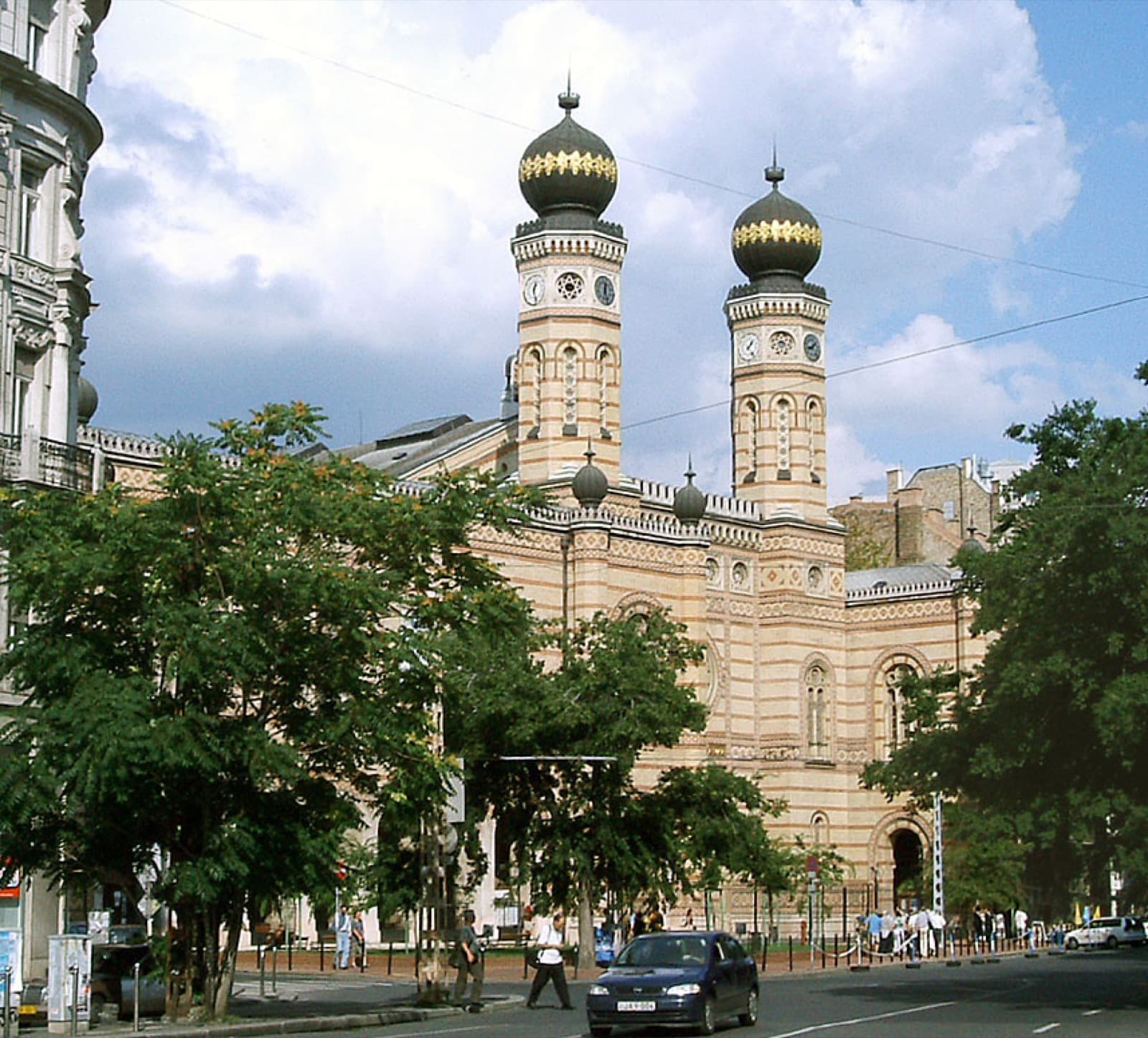
Dohany Street Synagogue: Europe's Largest, and What It Was Built to Say
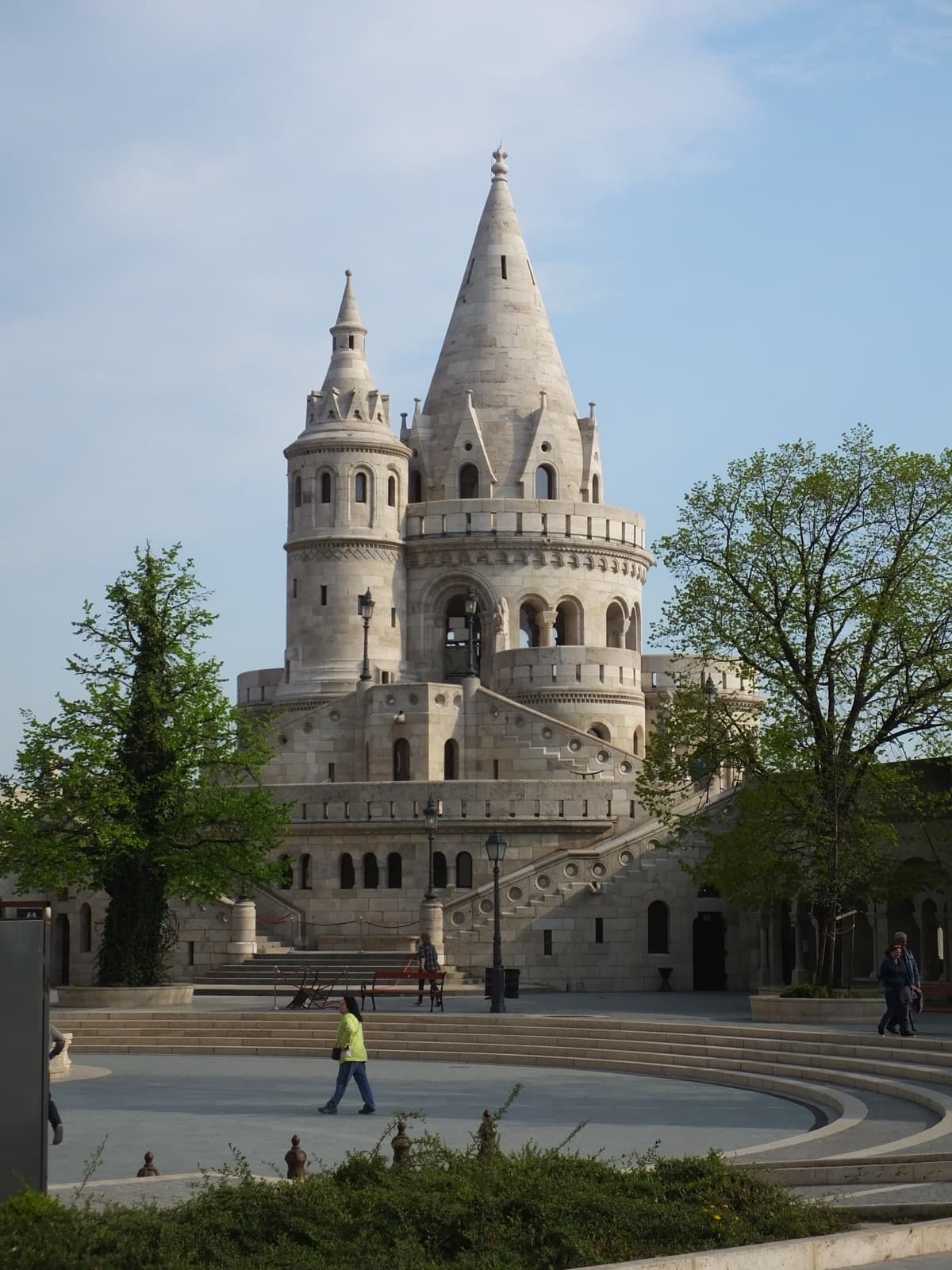
Fisherman's Bastion: The Fortress That Never Defended Anything