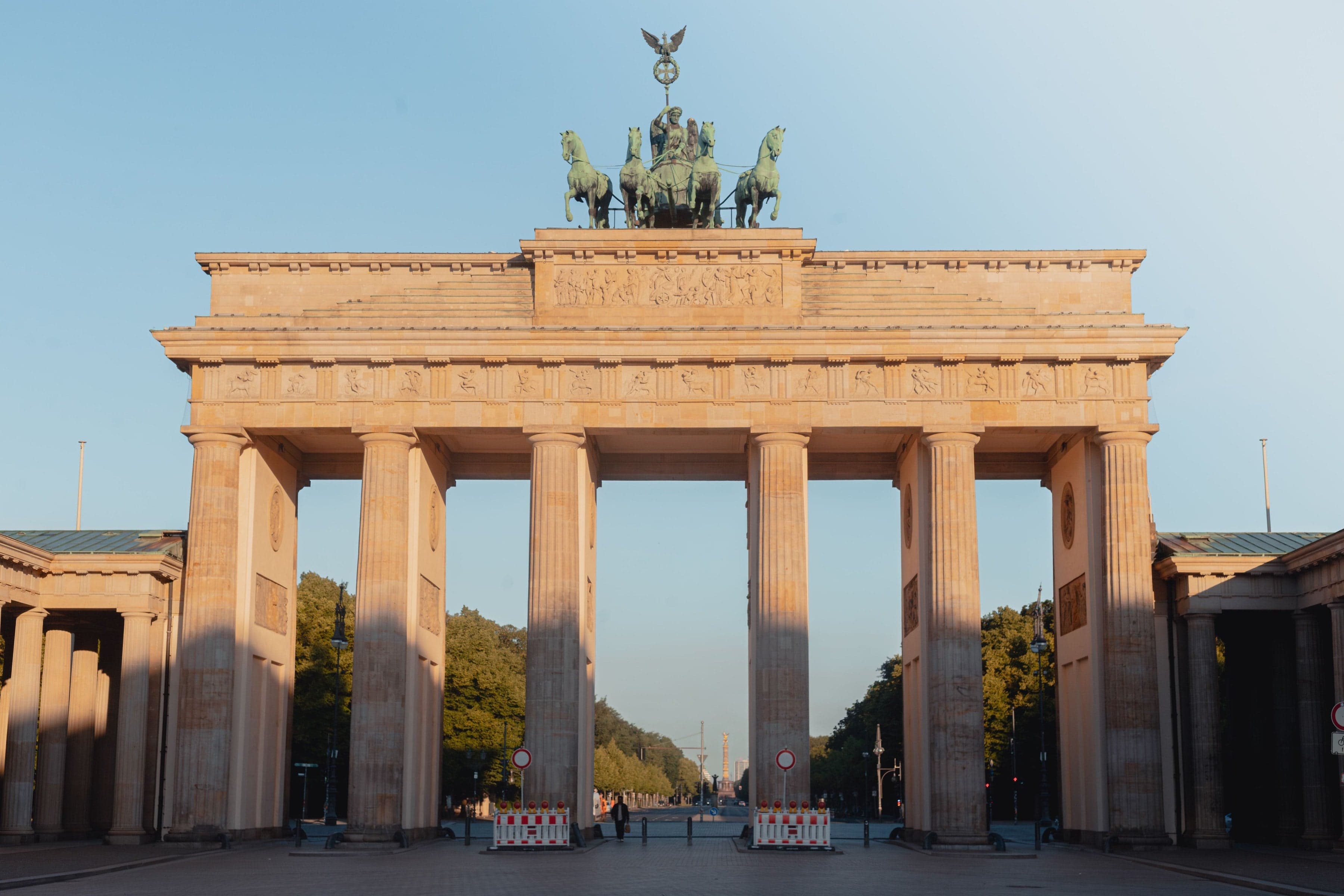
Brandenburg Gate and Reichstag: A Gate, a Park, a Parliament
90 min · 2.9 km · easy
Plan two to four days for Berlin, get around almost entirely on the BVG U-Bahn and S-Bahn network with a single day ticket, aim for May through September for the weather, and treat the city as broadly safe while keeping an ordinary eye on your pockets in crowds. Berlin rewards walking more than almost any European capital, because so much of its history sits outdoors and free to reach: the line of the Wall in the pavement, the memorials of Mitte, the canal-side streets of Kreuzberg. This guide covers the practical questions travelers actually ask, and every price, season, and safety note below was checked against current 2026 sources.
How many days do you need in Berlin
Two full days covers the core. Three or four lets the city breathe. Berlin is physically large and its stories are spread out, so trying to compress it into a single day means spending most of that day underground on trains.
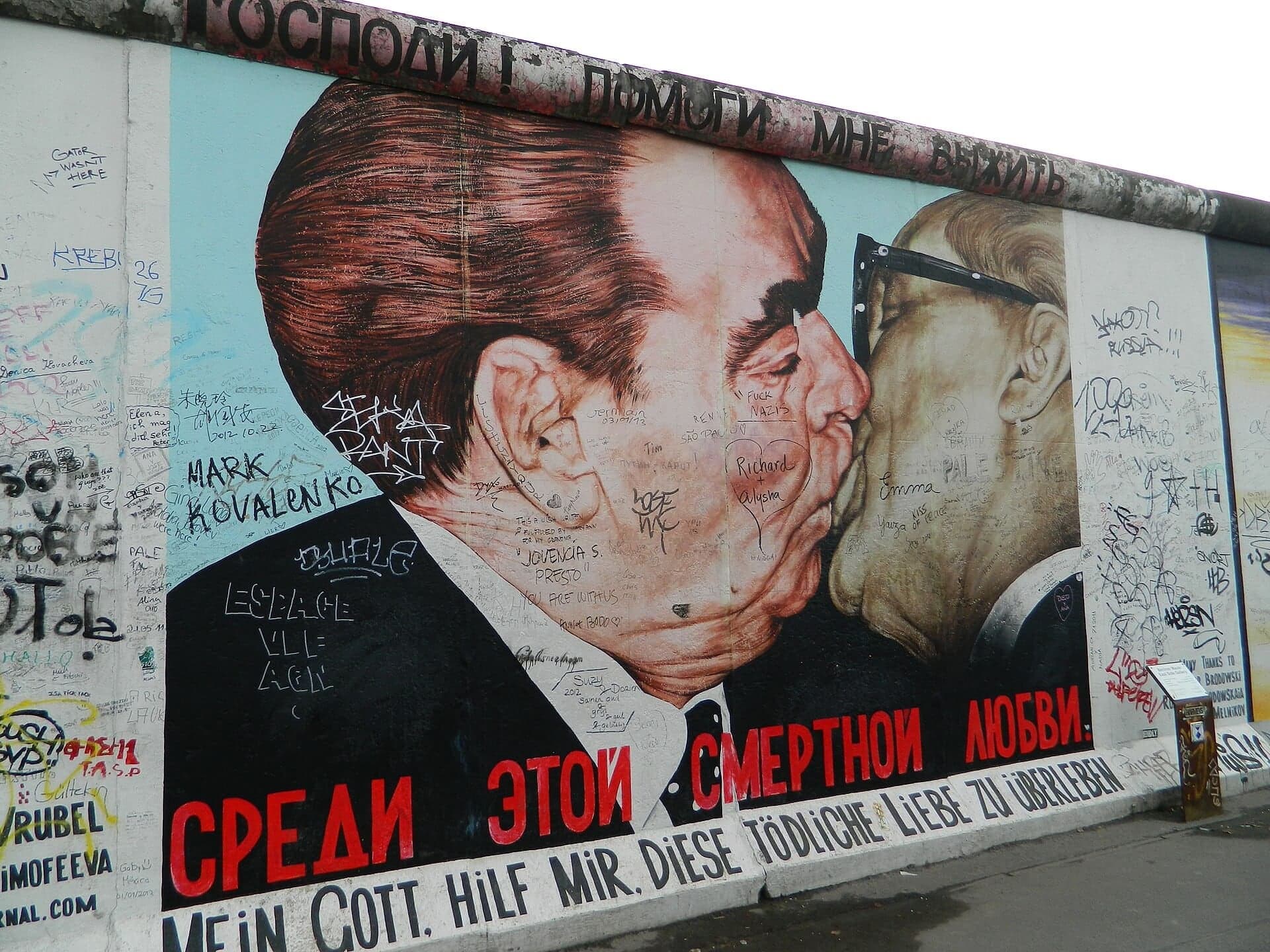
A realistic rhythm looks like this. Day one is the divided-city spine: the Wall Memorial on Bernauer Strasse, the Brandenburg Gate, Potsdamer Platz, the cobblestone line of the Wall, Checkpoint Charlie, and the painted stretch of the East Side Gallery out toward the Oberbaum Bridge. That is a long, rewarding day, and our self-guided walks break it into compact routes: the Berlin Wall Memorial on Bernauer Strasse, Brandenburg Gate and Reichstag, Checkpoint Charlie and the Topography of Terror, and the East Side Gallery, each between one and a half and three kilometres. Day two slows down for the memorial quarter of Mitte, from the Reichstag to the Memorial to the Murdered Jews of Europe, the Topography of Terror, Bebelplatz, and the Neue Wache, a shorter walk of about four and a half kilometres; our Museum Island and Unter den Linden walk covers its eastern end. If you have a third day, cross the canal into Kreuzberg for the Turkish market on the Maybachufer, Oranienstrasse, and the hill in Viktoriapark that gave the district its name.
How to get around Berlin
Hear a stop from this walk
Pariser Platz: A Square Named for Paris
The public transport network is your default, and it is excellent. Berlin runs on the BVG U-Bahn (metro), S-Bahn (suburban rail), trams, and buses, all on one integrated ticket. Nearly every stop on our walking tours sits within a short walk of a U-Bahn or S-Bahn station.
The fare system uses zones. Zones A and B cover the entire city and everything a normal visitor wants to see. Zone C reaches out to the edges, including Brandenburg Airport (BER). For the sites in this guide, an AB ticket is all you need.
As of 2026, a single AB ticket costs 4.00 euros and a 24-hour AB day ticket costs 11.20 euros. If you are arriving from or heading to BER airport, you need an ABC ticket, and the ABC single is 5.00 euros. One important detail: a Berlin day ticket runs for 24 hours from the moment you validate it, not until midnight. Validate at 2pm on Tuesday and it stays valid until 2pm on Wednesday. If you plan two or more trips in a day, the day ticket usually pays for itself.
Beyond that, Berlin is a genuinely walkable and flat city, and much of what you will want to see is best experienced on foot. Rental bikes and e-scooters are everywhere. Taxis and rideshare exist but you rarely need them.
When is the best time to visit Berlin
May through September is the sweet spot, with warm, sunny weather and long daylight. Summer temperatures typically sit between 20 and 30 degrees Celsius, which is ideal for a city whose best experiences are outdoors.
The trade-off in high summer, roughly June to August, is crowds and higher hotel prices. If you want the good weather with fewer people, target late spring (May and early June) or September. Spring days often land pleasantly between 15 and 25 degrees, and September keeps warm weather while the summer rush eases as Berliners return to work and school. Berlin Art Week runs in September and adds to the cultural calendar.
Winter is cold and grey, and since so many of the sights on these walks are open-air, it is the least comfortable season for a walking-first trip. It is, however, the cheapest, so budget travelers willing to bundle up can find real deals on flights and hotels.
Is Berlin safe
Yes. Berlin is generally very safe for visitors in 2026, with a low rate of violent crime by European capital standards. Millions of people visit each year without incident, and the walking routes in this guide run through busy, well-populated areas.
The realistic concern is pickpocketing, not violence. It concentrates exactly where you would expect: crowded tourist hubs like Alexanderplatz and the area around the Brandenburg Gate, and busy U-Bahn and S-Bahn stations such as Friedrichstrasse and Warschauer Strasse. The simple defenses work. Keep your phone and wallet in a front or zipped pocket, stay aware when boarding a packed train, and do not leave a bag hanging open on a cafe chair.
One honest, specific note for Kreuzberg: Görlitzer Park is fine to pass through by day but has a reputation for open drug dealing and is best avoided after dark. Our Kreuzberg walk does not pass through it. None of this should make you anxious. Berlin is a calm, orderly city to move around in, and ordinary caution is all it asks.
How much does Berlin cost
Berlin is one of the more affordable major European capitals, and the walking approach keeps costs low because the history is largely free. The headline sights on our self-guided walks are free, open-air public sites: the Wall Memorial, the Brandenburg Gate, Potsdamer Platz, Checkpoint Charlie, the East Side Gallery, the Memorial to the Murdered Jews of Europe, the Topography of Terror, Bebelplatz, and the Neue Wache all cost nothing to visit.
A few things that do carry a fee or a rule. The Topography of Terror documentation center is free. The Reichstag dome is also free, but it requires advance registration through the official Bundestag site (visite.bundestag.de), and you must bring the exact photo ID you registered with. Book it well ahead, because summer slots fill fast, and note the dome closes periodically for maintenance. The museum beside Checkpoint Charlie and the indoor Place of Information at the Holocaust memorial charge or have set hours, but the outdoor sites themselves are open and free.
Your main daily costs are transport (a day ticket at 11.20 euros), food, and lodging. Add self-guided audio walks instead of booked group tours and you keep both your budget and your schedule in your own hands.
Turn the planning into a walk
Once the logistics are settled, the city is best understood on foot, at your own pace, with narration in your ear rather than a guide setting the clock. Browse the full set of routes on our Berlin walking tours hub, or head straight to the Berlin city page to start with the divided-city spine, the memorial quarter, or Kreuzberg. Each tour is GPS-triggered, so the story arrives as you reach each stop, and you can pause, skip, or wander whenever you like.
Sources
Frequently asked questions
- How many days do you need in Berlin?
- Two full days covers the core sights, and three to four days lets you slow down. Berlin is physically large and its history is spread across the city, so one day usually means too much time on trains. A common plan is one day on the divided-city Wall route, one day in the memorial quarter of Mitte, and a third day in Kreuzberg.
- How do you get around Berlin?
- Use the BVG public transport network of U-Bahn, S-Bahn, trams, and buses, all on one integrated ticket. Zones A and B cover the whole city and every major sight. Zone C reaches Brandenburg Airport (BER). Berlin is also flat and very walkable, so much of what you want to see is best done on foot.
- How much do Berlin transport tickets cost in 2026?
- As of 2026, an AB single ticket costs 4.00 euros and a 24-hour AB day ticket costs 11.20 euros. An ABC single, which covers BER airport, costs 5.00 euros. A day ticket is valid for 24 hours from when you validate it, not until midnight, so it usually pays off if you take two or more trips.
- When is the best time to visit Berlin?
- May through September brings the warmest, sunniest weather, with summer temperatures typically between 20 and 30 degrees Celsius. For good weather with fewer crowds and lower prices, target late spring or September. Winter is cold and grey, which is hard on a walking-first trip but cheapest for flights and hotels.
- Is Berlin safe for tourists?
- Berlin is generally very safe in 2026, with low violent crime by European capital standards. The main concern is pickpocketing in crowded spots like Alexanderplatz, the Brandenburg Gate area, and busy stations such as Friedrichstrasse and Warschauer Strasse. Görlitzer Park is best avoided after dark. Ordinary caution is enough.
- Do you have to pay to see Berlin's main sights?
- Most of the headline sights are free and outdoors: the Wall Memorial, Brandenburg Gate, Potsdamer Platz, Checkpoint Charlie, the East Side Gallery, the Memorial to the Murdered Jews of Europe, the Topography of Terror, Bebelplatz, and the Neue Wache. The Reichstag dome is free but needs advance registration and matching photo ID. Some indoor museums charge admission.
Ready to experience it?
Brandenburg Gate and Reichstag: A Gate, a Park, a Parliament
90 min · 2.9 km · easy
More from Berlin
Explore more at your own pace.
Berlin: The City That Reads Its Own Scar
Best Architecture Walking Tours in Berlin (2026)
Best Culture Walking Tours in Berlin (2026)
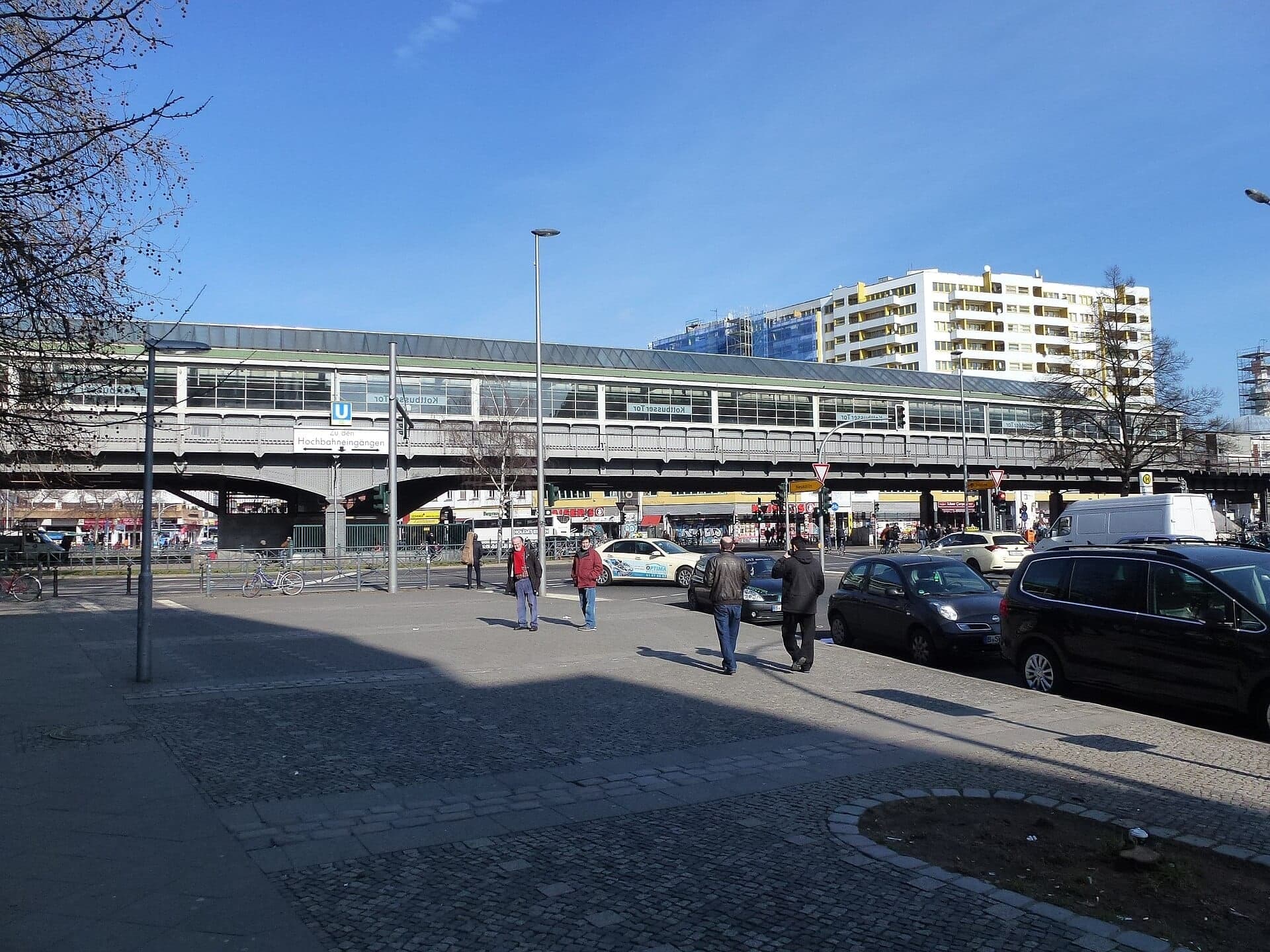
Little Istanbul at Kottbusser Tor: How Guest Workers Made Kreuzberg
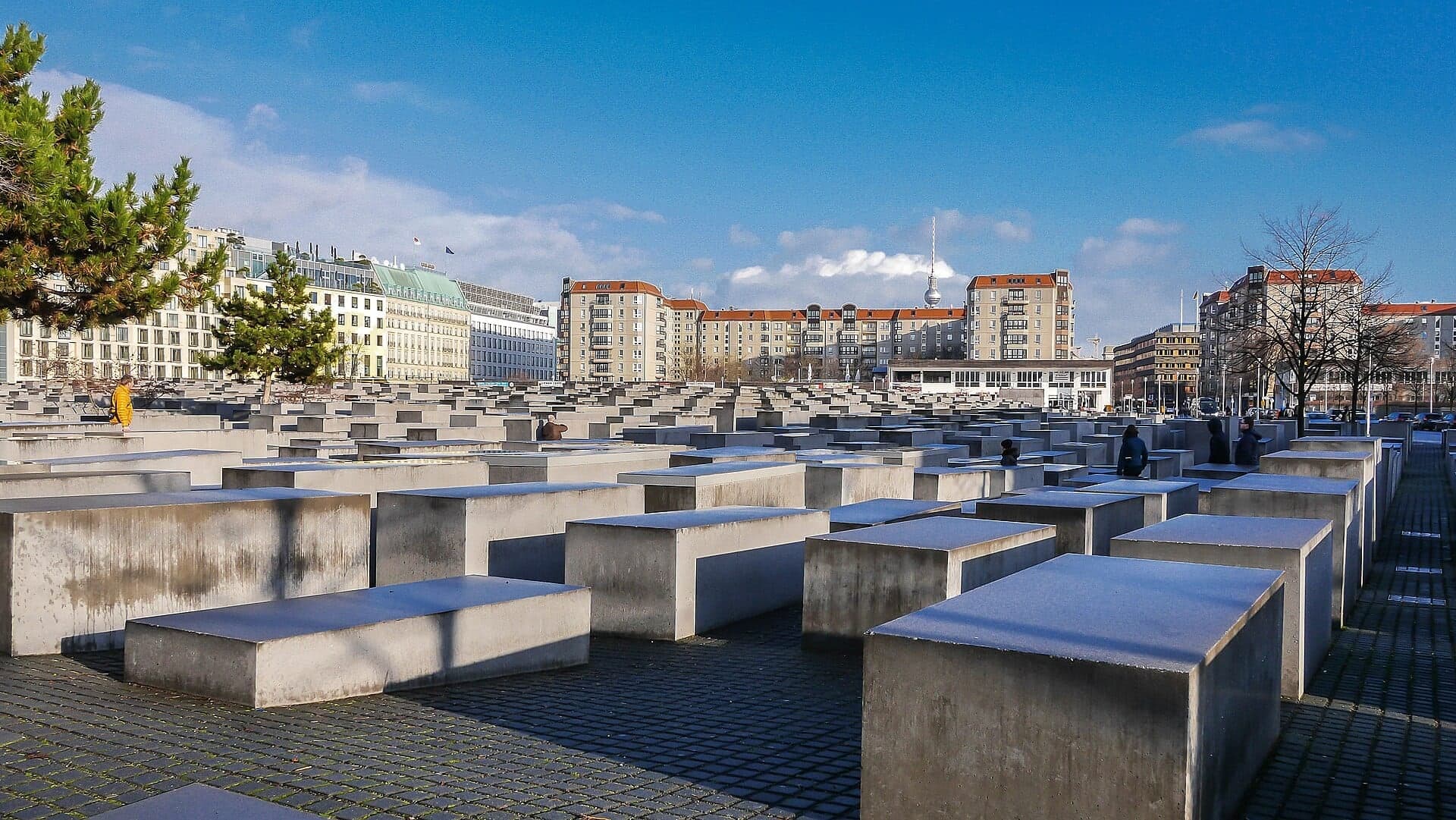
The Memorial to the Murdered Jews of Europe: How Berlin Reads Its Own Reckoning