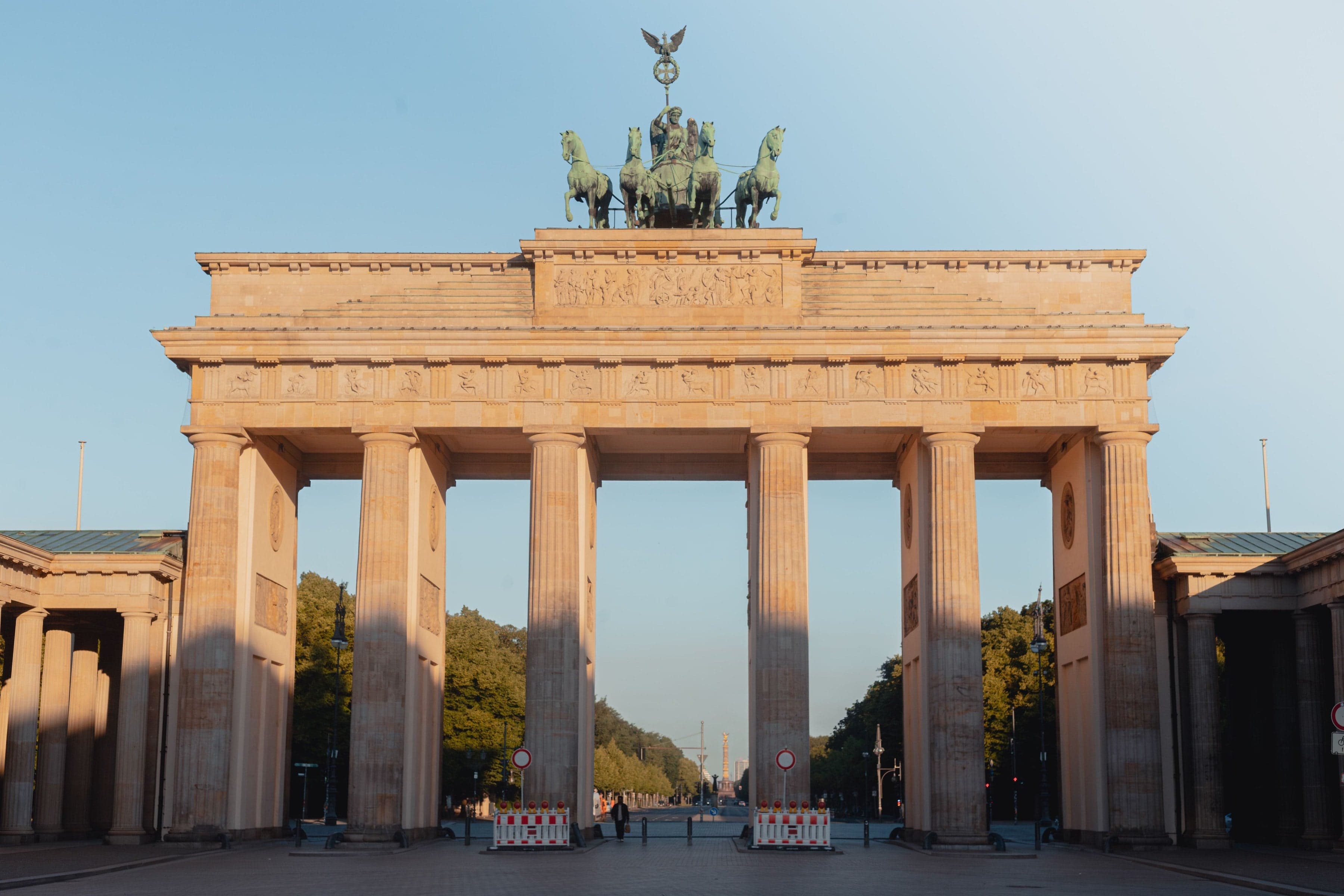
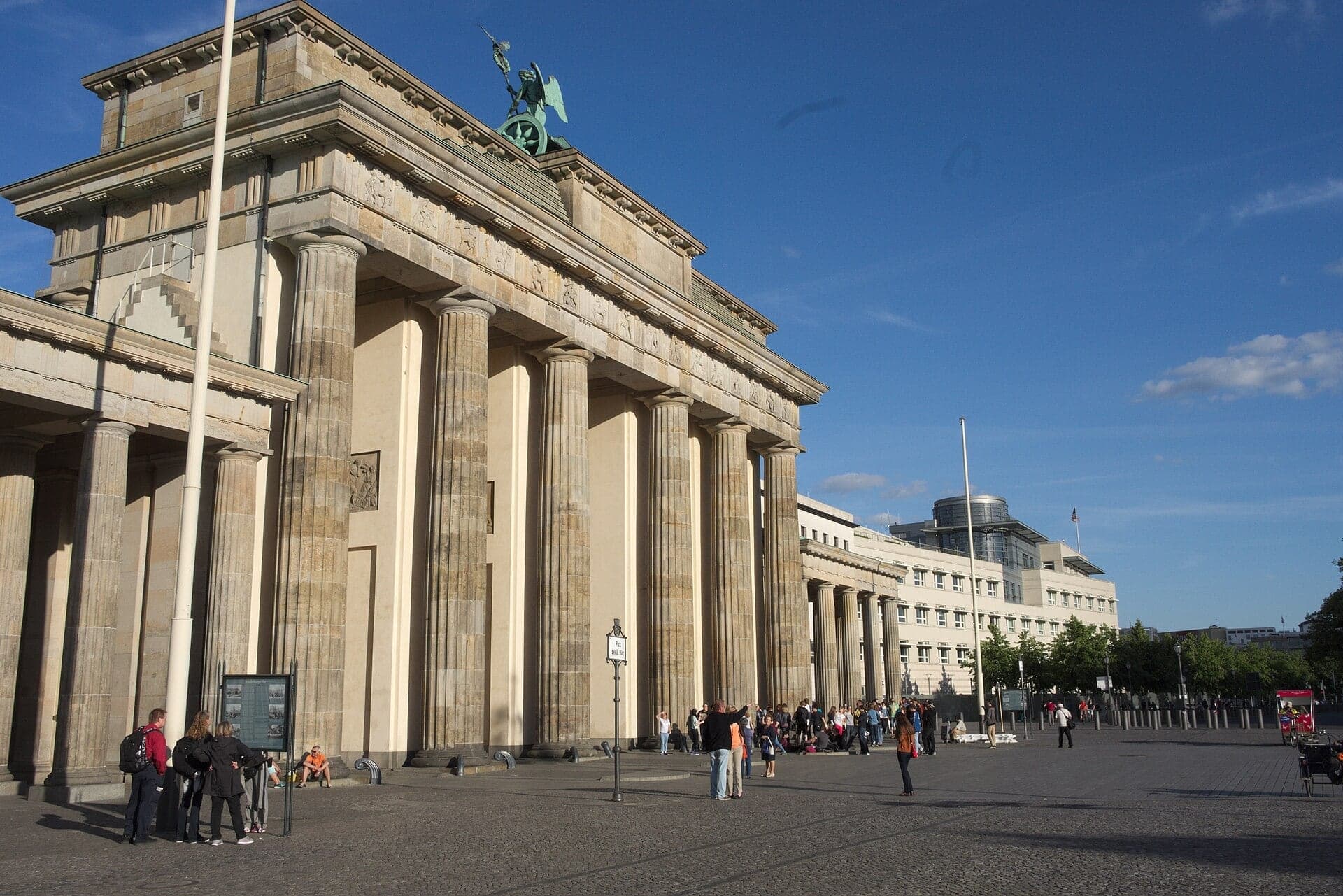
Brandenburg Gate and Reichstag: A Gate, a Park, a Parliament
90 min · 2.9 km · easy
Berlin rewards one full day on foot if you split it in two: the memorial quarter of Mitte in the morning, the Wall's line through the reunified centre in the afternoon, and a looser evening in Kreuzberg. Walking is genuinely the right way to see this city, because Berlin's history sits at street level. The concrete field of the Holocaust memorial, the brass Stolpersteine underfoot, the double cobblestone line tracing where the Wall stood, and the East Side Gallery are all outdoors, free, and close enough to link by foot with short U-Bahn or S-Bahn hops between clusters. Below is a walkable morning-to-evening plan with verified hours, ticket needs, and honest distances, built around Roamer's three self-guided audio walks: Berlin walking tours.
The short answer: how to spend one day walking in Berlin
Start at the Reichstag when the memorial quarter is quiet, walk south through the government district and the Holocaust memorial, cut east along Unter den Linden to Museum Island, then pick up the Wall's line toward Checkpoint Charlie. In the afternoon, ride out to the East Side Gallery and cross the Oberbaum Bridge into Kreuzberg for the evening. Almost every stop on this route is free and open air. The one thing that needs planning is the Reichstag glass dome, which requires a free advance booking and a photo ID.
If you would rather have the day narrated as you walk, Roamer audio walks map onto these clusters: Brandenburg Gate and Reichstag, Checkpoint Charlie and the Topography of Terror and Museum Island and Unter den Linden in the morning, the East Side Gallery in the afternoon, and Kreuzberg in the evening. Browse them on the Berlin city page.
Morning: the memorial quarter of Mitte
Hear a stop from this walk
Pariser Platz: A Square Named for Paris
Begin at the Reichstag, the seat of the German parliament. The building is worth reaching early, before the government district fills up. If you want to go up into Norman Foster's glass dome, which was finished in 1999 and lets you look straight down onto the debating chamber, you must register in advance through the Bundestag visitor service, bring the exact photo ID you booked with, and arrive for a timed slot. Entry to the dome is free, but walk-up places are rare, and the dome closes for maintenance on several dated stretches in 2026, so book weeks ahead and check the current closure list before you go. Even if you skip the dome, the exterior and Platz der Republik are open ground.
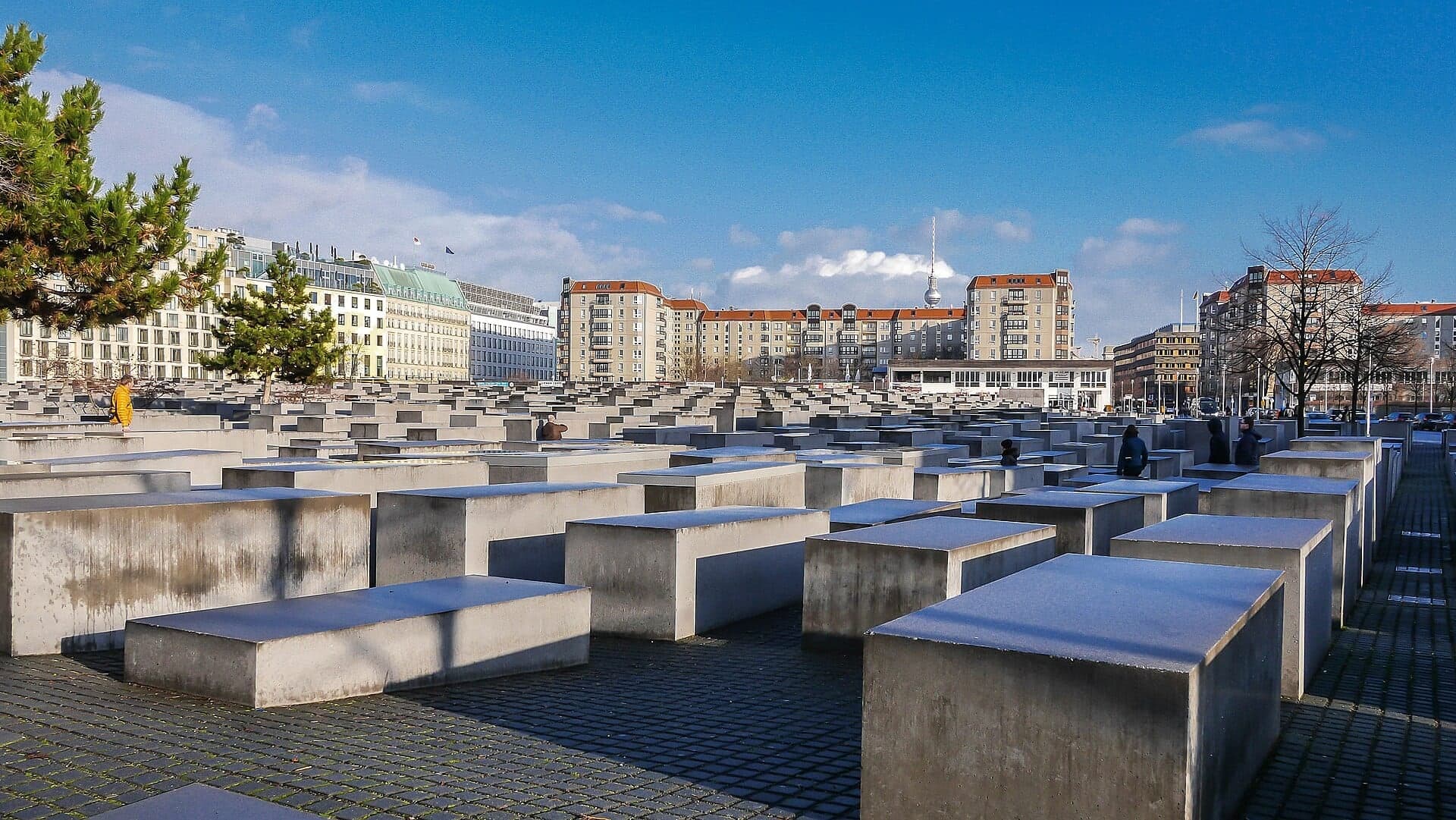
From the Reichstag it is a short walk south to the Memorial to the Murdered Jews of Europe, Peter Eisenman's field of 2,711 concrete stelae on sloping ground, dedicated in 2005. The field is open at every hour and admission is free. The underground Place of Information beneath it, which holds the names of roughly three million Jewish victims, is normally closed on Mondays and has had renovation periods, so treat the exhibition as a maybe rather than a fixture. Hold the field soberly: people come here to mourn, not to pose.
A couple of streets on sits the deliberately unmarked site of the Führerbunker, now an ordinary residential car park with a single plain information board installed in 2006. There is nothing to enter and that emptiness is the point. From there the memorial cluster continues to the Topography of Terror, a free documentation centre built on the ruined headquarters of the Gestapo and SS, standing beside one of the longest surviving stretches of the outer Berlin Wall. Round out the morning at Bebelplatz, where Nazi students burned around 20,000 books in 1933, now marked by Micha Ullman's sunken room of empty white shelves viewed through a pane of pavement glass, and at the Neue Wache on Unter den Linden, whose bare interior holds a single grieving mother by Käthe Kollwitz beneath an open oculus that lets the rain and snow fall on her.
This morning cluster is roughly four and a half kilometres of easy, flat walking, and Roamer's Brandenburg Gate, Checkpoint Charlie and Museum Island walks cover it in pieces. It is emotionally heavy, so pace it slowly and take the benches when you need them.
Midday: Museum Island and lunch
Unter den Linden runs straight east from the Neue Wache toward Museum Island and the Berlin Cathedral, a natural place to pause. This is a good midday reset: sit by the Spree, grab a Currywurst or a Döner from a stand, and decide whether you want to add a museum. The island's five museums each charge admission and can absorb hours, so if your day is about walking, treat them as optional and keep moving. A short U-Bahn or S-Bahn hop from here saves your legs before the afternoon leg.
Buy your transit ticket once and stop worrying about it. A single AB-zone ride is 4.00 euros and covers two hours in one direction, while a 24-hour AB day ticket at 11.20 euros pays for itself if you make three or more hops. Always validate before you board: fare inspectors are frequent, and an unvalidated ticket draws an immediate fine.
Afternoon: the Wall's line to the East Side Gallery
The afternoon traces the frontier that split this city for twenty-eight years. From the centre, the Wall's line runs past Checkpoint Charlie, the Cold War crossing point between the American and Soviet sectors. The street corner itself is free and open, though the adjacent private museum charges admission and the spot is heavily commercialised, so read the history and keep walking rather than lingering for photos.
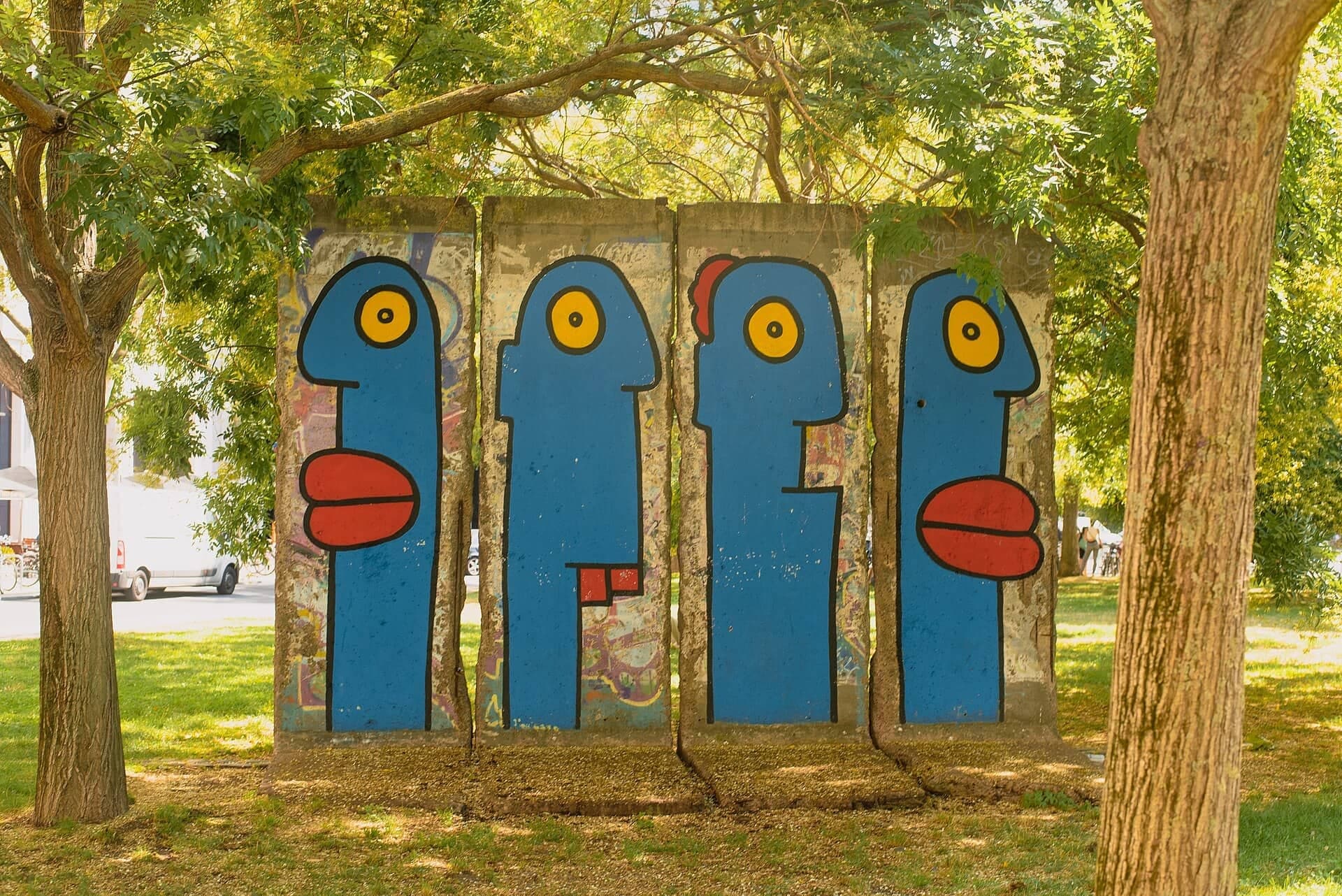
The set piece of the afternoon is the East Side Gallery, the longest preserved stretch of the Berlin Wall, painted on its eastern face as an open-air gallery after 1989. It runs about one and a third kilometres (1.3 km) along the Spree and is free and permanently open. Walk its full length and finish at the Oberbaum Bridge, the red-brick double-decker bridge that once carried a border crossing and now links Friedrichshain to Kreuzberg. Crossing it drops you exactly where the evening begins. The central Wall sites and the East Side Gallery are a few kilometres apart, so ride the S-Bahn between them rather than covering every metre on foot. Roamer's East Side Gallery walk covers the painted stretch and the bridge in about an hour.
Evening: Kreuzberg
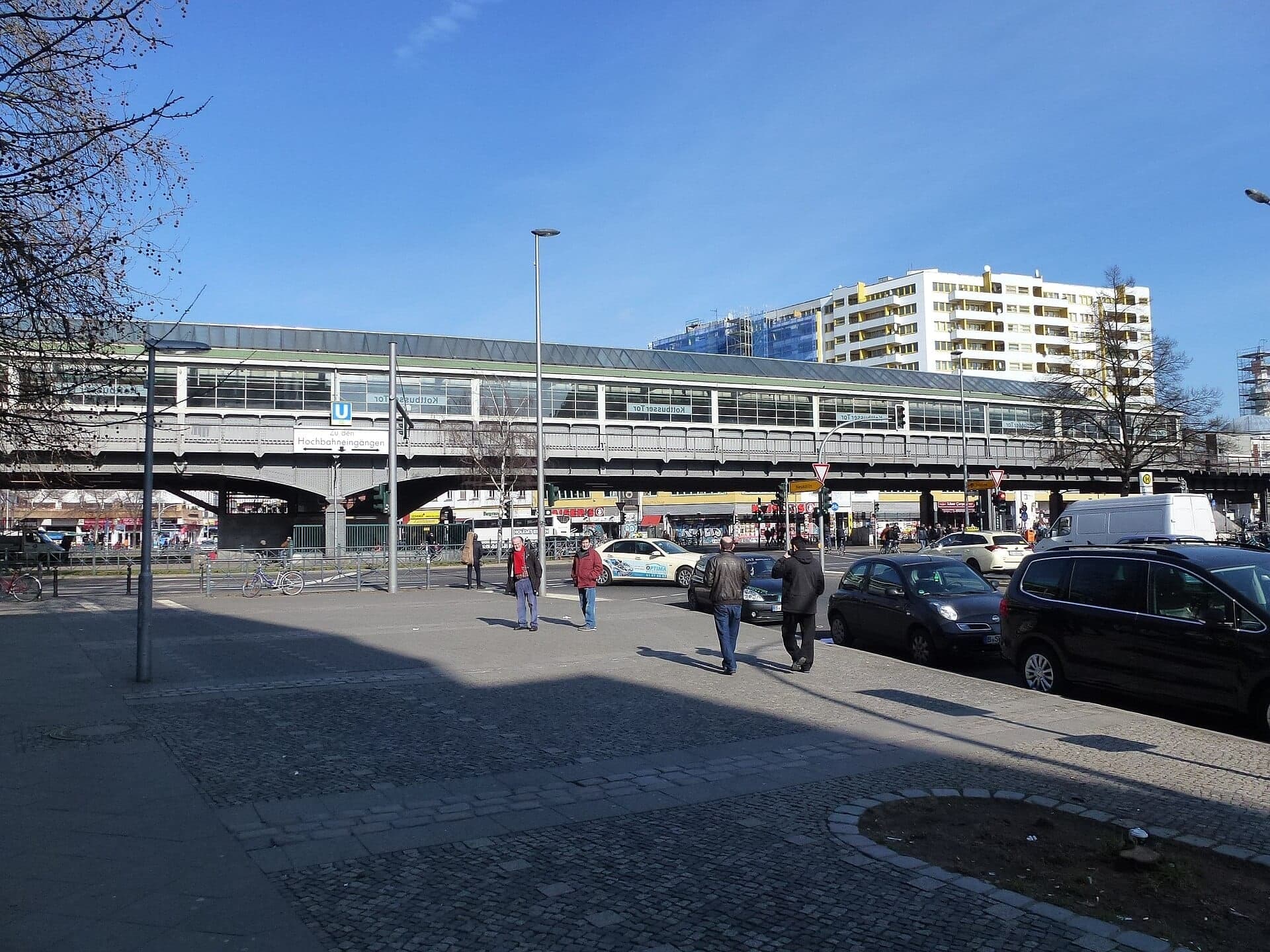
Cross into Kreuzberg for a completely different Berlin: the walled-in dead end of the Cold War that turned cheap rent and isolation into the city's most alive quarter. Start around Kottbusser Tor, the district's rough, unpretending heart, and drift down to the Landwehr Canal and Paul-Lincke-Ufer, where locals sit on the grass with a drink in the long summer evenings. If your day happens to be a Tuesday or Friday, time your afternoon so you reach the Turkish Market on Maybachufer before it packs up: it runs those two days from 11:00 to 18:30, with fruit, cheese, spices, and street food along the canal. On a Saturday the same stretch turns into a fabric and haberdashery market instead, which is charming but not the same experience.
Kreuzberg is where the day loosens up. Oranienstrasse and the streets around Görlitzer Park carry the district's punk and Turkish-German layers, and it is the natural place to end on a plate of food and a beer rather than another monument. Roamer's Kreuzberg audio walk covers Oranienstrasse and Kottbusser Tor, about three kilometres from Oranienplatz to the canal across from the Maybachufer market. After dark, stick to lit main streets and normal caution, and the evening is straightforward.
Practical notes for the day
Wear shoes with grip: Mitte is full of cobbles, tram tracks, and the uneven sloping paving of the stelae field. Watch for silent, fast cyclists in the coloured bike lanes that cross the pavement, especially near the Brandenburg Gate and along Unter den Linden. Keep your phone away at the Holocaust memorial, the Führerbunker site, and inside the Neue Wache; these are places of mourning. And book the Reichstag dome before anything else, because it is the only fixed appointment in an otherwise free and flexible day. Everything else on this route you can simply walk up to.
Sources
Frequently asked questions
- Can you see Berlin in one day on foot?
- You can cover Berlin's central highlights in one day if you split the day into clusters and use short U-Bahn or S-Bahn hops between them. The memorial quarter of Mitte is about four and a half kilometres of flat walking, the Wall's line to the East Side Gallery is longer, and Kreuzberg fills the evening. Riding transit between the central Wall sites and the East Side Gallery keeps the day manageable.
- Do you need to book the Reichstag dome in advance?
- Yes. The glass dome is free but requires advance registration through the German Bundestag visitor service, and you must bring the exact photo ID you registered with. Walk-up places are rarely available and must be issued at least two hours before your visit. The dome also closes for maintenance on several dated stretches in 2026, so check the current closure list and book weeks ahead in peak season.
- How much is Berlin public transport for a day of sightseeing?
- A single AB-zone ticket costs 4.00 euros and is valid for a two-hour journey in one direction. A 24-hour AB day ticket costs 11.20 euros and pays off if you make three or more trips. Always validate your ticket before boarding, because fare inspectors are frequent and unvalidated tickets draw an immediate fine.
- Are Berlin's main historical sites free to visit?
- Most of the outdoor ones are. The Memorial to the Murdered Jews of Europe, the Topography of Terror, the East Side Gallery, Bebelplatz, the Neue Wache, and the Checkpoint Charlie street corner are all free. The Reichstag dome is free but needs a booking, while the five Museum Island museums and the private Checkpoint Charlie museum charge admission.
- When is the Turkish Market on Maybachufer open?
- The Turkish Market runs on Tuesday and Friday from 11:00 to 18:30 along the Maybachufer canal on the Kreuzberg and Neukölln border. On Saturdays the same stretch hosts a fabric and haberdashery market instead, which is a different experience. Time your Kreuzberg evening around a Tuesday or Friday if the food market is a priority.
- Is Berlin safe to walk around in the evening?
- Central Berlin and Kreuzberg are generally fine to walk in the evening with normal caution. Stick to lit main streets after dark, and around Görlitzer Park use the same common sense you would in any big-city park at night. The bigger day-to-day hazard is traffic: watch for fast, quiet cyclists in the coloured bike lanes that cross the pavement, and mind silent trams and their tracks in Mitte.
Ready to experience it?
Brandenburg Gate and Reichstag: A Gate, a Park, a Parliament
90 min · 2.9 km · easy
More from Berlin
Explore more at your own pace.
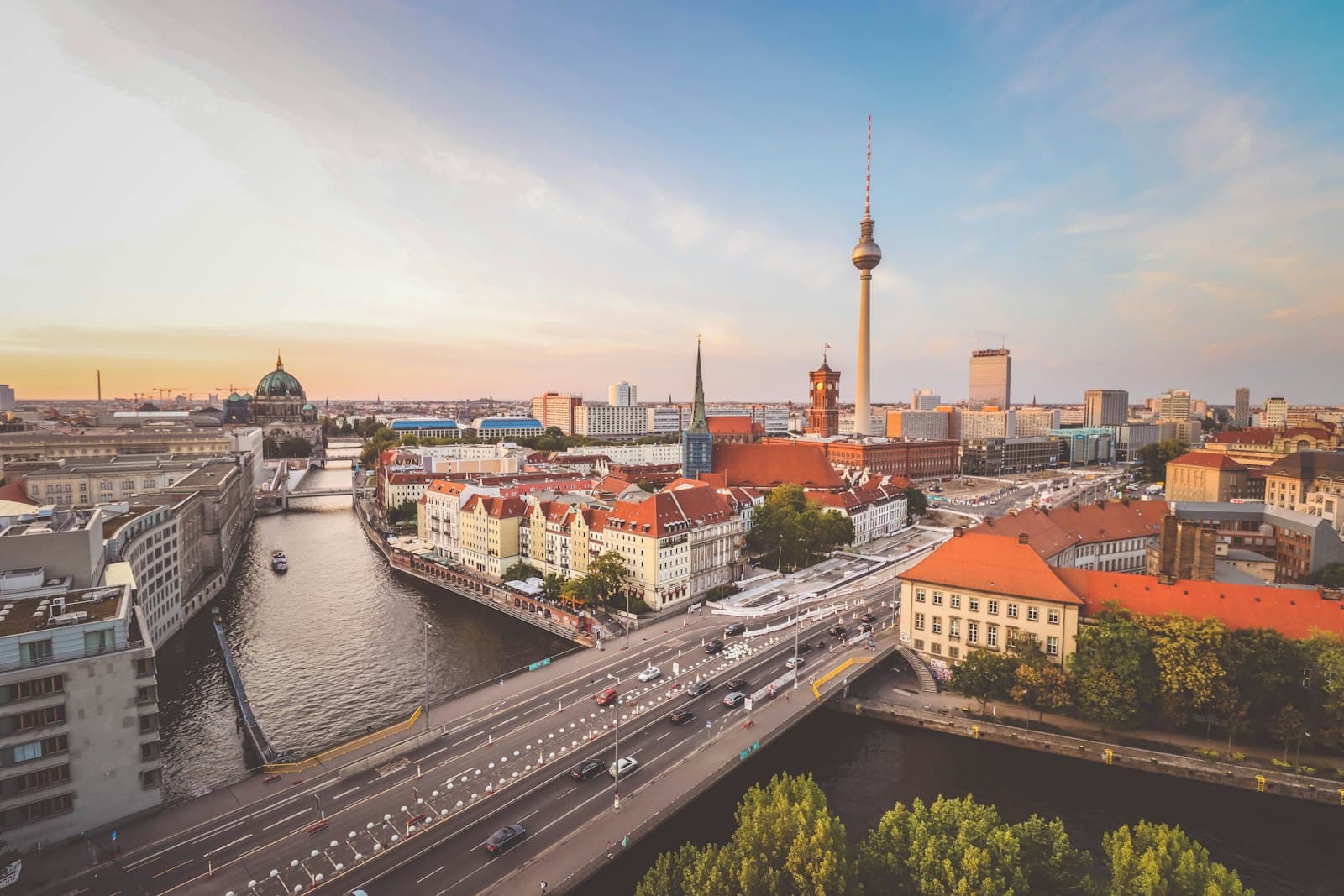
Berlin: The City That Reads Its Own Scar
Best Architecture Walking Tours in Berlin (2026)
Best Culture Walking Tours in Berlin (2026)
Little Istanbul at Kottbusser Tor: How Guest Workers Made Kreuzberg
The Memorial to the Murdered Jews of Europe: How Berlin Reads Its Own Reckoning