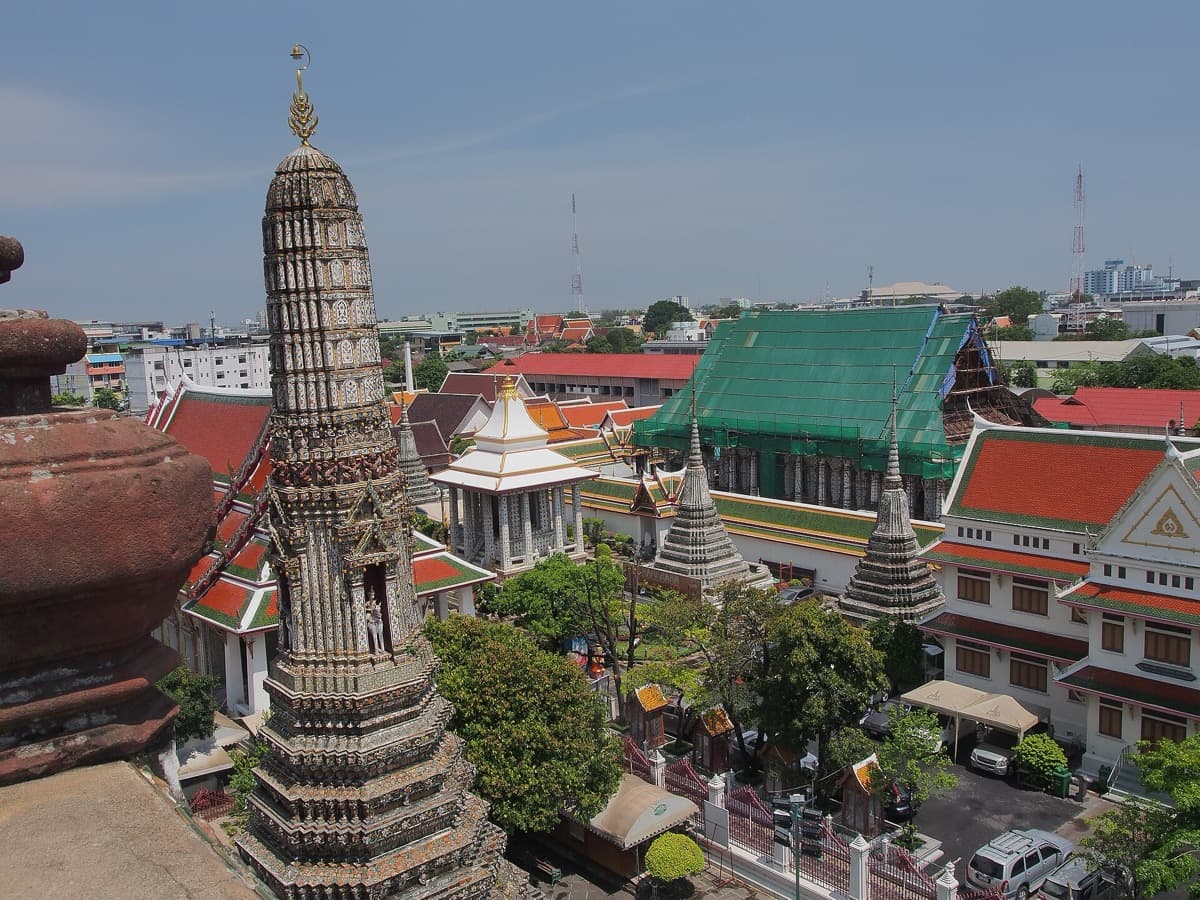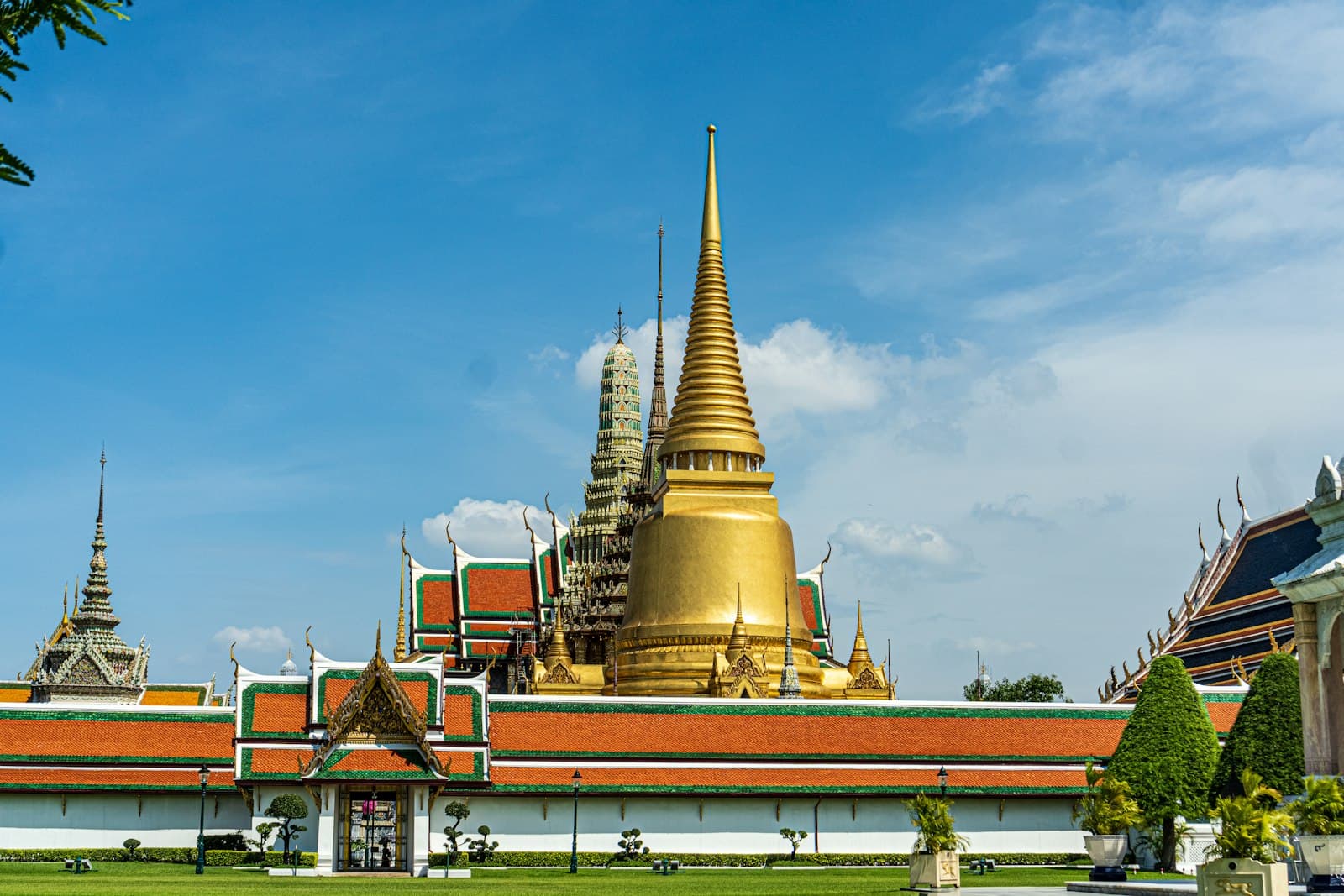
Rattanakosin: The Royal Island
120 min · 5.5 km · moderate
Plan a short Bangkok trip around three walkable riverside districts, get around by Skytrain, boat, and Grab, and come in the cool dry season, and you have the core of a working itinerary. The rest of this guide fills in the numbers: how many days you need, what transport actually costs, when to come, an honest word on safety, and a realistic daily budget. Everything here is checked against current 2026 sources.
How many days do you need in Bangkok?
Three full days is the sweet spot for a first visit, and it maps cleanly onto how the old city is laid out. The major temples and the Grand Palace sit clustered together on a bend of the Chao Phraya River in the Rattanakosin quarter, so one day covers them on foot. Chinatown (Yaowarat) is a separate day of markets, shrines, and lanes. A calmer riverside day in Bang Rak along Charoen Krung fills the third. If you can stretch to four or five days, add a cooking class, a canal trip, or a day out to Ayutthaya.
Those three days line up with our three self-guided walks. Bangkok walking tours covers each in depth, and you can browse them on the /thailand/bangkok city page. In short: the Rattanakosin walk threads Lak Muang, Wat Phra Kaew and the Grand Palace, Wat Pho, and across the river to Wat Arun. The Yaowarat walk moves from the Golden Buddha at Wat Traimit through Sampeng Lane and the Talat Mai market alleys. The Charoen Krung walk follows the old New Road past the General Post Office, Assumption Cathedral, and the Mandarin Oriental. Each is roughly two hours at a stopping, listening pace, so one fits comfortably into a half day with breaks.
How do you get around Bangkok?
Hear a stop from this walk
Museum Siam: Decoding Thainess
Use the rail network as your spine and fill gaps with boats and Grab. Bangkok has three layers of transit that each solve a different problem.
The BTS Skytrain and the MRT metro are fast, air-conditioned, and immune to traffic. Since November 2025 the BTS uses distance-based fares, roughly 17 to 65 baht per trip depending on how far you ride; the MRT charges comparable amounts. The Skytrain runs from about 5:15 a.m. to midnight, the MRT from about 5:30 a.m. to midnight. Neither line reaches deep into the old temple district, which is exactly why the river matters.
The Chao Phraya Express Boat is the practical way into Rattanakosin and along the riverbank. Fares run around 15 to 20 baht on the main line, and the boats stop at the main piers including the ones near Wat Pho and Wat Arun. From the Tha Tien pier a short cross-river ferry (a few baht) drops you at the foot of Wat Arun, which is exactly how our Rattanakosin walk crosses the water.
For anything off the rail and river grid, use Grab. The app shows the price before you get in, takes cashless payment, and keeps a driver record, which removes the haggling that comes with flagging a tuk-tuk. Metered taxis are fine too and start around 35 baht on the meter; insist on the meter rather than a flat quote. From Suvarnabhumi airport, the Airport Rail Link reaches downtown stations for about 45 baht and skips the highway traffic entirely.
When is the best time to visit Bangkok?
Come in the cool, dry season, roughly November through February, when daytime highs sit around 28 to 32C, humidity drops, and rain is rare. This is the most comfortable window for walking temple grounds and Chinatown lanes, which is most of what you came to do.
Two seasonal notes shape the timing. The season carries the best festivals: Loi Krathong falls on the November full moon, when floating lantern-boats go out on the canals and the river, and Chinese New Year lands in February and lights up Yaowarat. The tradeoff is crowds and price. December and January are the busiest and most expensive stretch, especially around Christmas and New Year, when temples fill early and hotel rates climb. If you want the cool weather with thinner crowds, aim for November or early February. The hot season (March to May) and the rainy season (roughly June to October) are both walkable, but plan temple visits for the morning before the heat builds.
Is Bangkok safe for travelers?
Bangkok is a safe city for visitors, with low violent crime against tourists. The real risk is your wallet, not your safety, and it comes through a small set of well-known scams that are easy to sidestep once you know them.
The classic one is the "Grand Palace is closed today" line, delivered by a friendly stranger near the gates who offers to take you somewhere better by tuk-tuk. It ends at a gem shop or a tailor paying commission. The palace is open every day; walk past anyone who tells you otherwise. The related gem scam invents a "special tax-free government gem day," which does not exist. Treat any unsolicited shopping detour as a no.
A few plain habits cover the rest. Use Grab or a metered taxi for real trips and save tuk-tuks for short, price-agreed hops. Keep your passport and main card concealed and carry a small daily wallet up front, since pickpocketing turns up on packed Skytrain cars at the morning and evening rush. Draw cash from ATMs inside bank branches rather than standalone machines. Dress modestly at temples: shoulders and knees covered, shoes you can slip off, which the Grand Palace enforces at the gate. Save two numbers in your phone: 1155 for the English-speaking Tourist Police and 191 for general police.
How much does Bangkok cost per day?
Bangkok scales to almost any budget, and eating like a local is the biggest lever. Street food runs about 40 to 80 baht a dish, while the same plate in a tourist-heavy, air-conditioned restaurant can be several times that. That single choice moves your daily total more than anything else.
As rough daily guides for 2026: a budget traveler using hostels, street food, and public transit lands around 1,500 to 2,500 baht a day. A mid-range traveler with a comfortable hotel, sit-down meals, and a few paid attractions runs roughly 3,000 to 5,000 baht a day.
Temple entry is the other predictable line. The Grand Palace and Wat Phra Kaew charge 500 baht for foreign visitors and open daily from 8:30 a.m., with ticket sales closing at 3:30 p.m., so start early. Wat Pho is around 300 baht and Wat Arun around 200 baht. Chinatown is close to free: the markets, shrines, and lanes cost nothing to walk, and the Golden Buddha hall at Wat Traimit is a modest 40 baht (its small museum is around 100 baht). That mix, one big-ticket temple morning balanced against low-cost afternoons, is what keeps a Bangkok day affordable without cutting anything you'd regret.
Sources
- Grand Palace Bangkok Entrance Fee 2026: Official Prices & Hours
- Complete Guide to Bangkok Public Transportation 2026: BTS, MRT, and Chao Phraya Boats
- Best (and Worst) Times to Visit Bangkok 2026 - Thailand Highlights
- Is Bangkok Safe? Honest 2026 Safety Guide
- Bangkok Budget Guide 2026: Complete Cost Breakdown
Frequently asked questions
- How many days do you need in Bangkok?
- Three full days is enough for a first visit. That covers the Grand Palace and old-city temples in Rattanakosin on one day, Chinatown and its markets on another, and a calmer riverside day along Charoen Krung in Bang Rak. Four or five days lets you add a cooking class, a canal trip, or a day out to Ayutthaya.
- What is the best way to get around Bangkok?
- Use the BTS Skytrain and MRT metro as your fast, traffic-free spine, with fares of roughly 17 to 65 baht per trip since the distance-based system began in November 2025. Take the Chao Phraya Express Boat (around 15 to 20 baht) into the temple district along the river. For anything off the rail and river grid, use the Grab app, which shows the price before you ride.
- When is the best time to visit Bangkok?
- The cool, dry season from November through February is the most comfortable, with daytime highs around 28 to 32C, lower humidity, and little rain. It also carries Loi Krathong on the November full moon and Chinese New Year in February. December and January are the busiest and most expensive, so November or early February gives cool weather with thinner crowds.
- Is Bangkok safe for tourists?
- Yes. Bangkok has low violent crime against visitors, and the main risk is scams rather than danger. Ignore anyone who says the Grand Palace is closed today or offers a tax-free gem deal, use Grab or metered taxis for real trips, keep valuables concealed on crowded Skytrain cars, and save 1155 for the Tourist Police.
- How much does Bangkok cost per day?
- A budget traveler using hostels, street food, and public transit spends roughly 1,500 to 2,500 baht a day, while a mid-range traveler with a comfortable hotel and sit-down meals runs about 3,000 to 5,000 baht a day. Street food at 40 to 80 baht a dish is the single biggest way to keep costs down.
- How much is entry to Bangkok's temples?
- The Grand Palace and Wat Phra Kaew charge 500 baht for foreign visitors and open daily from 8:30 a.m., with ticket sales closing at 3:30 p.m. Wat Pho is around 300 baht and Wat Arun around 200 baht. Chinatown is nearly free to walk, and the Golden Buddha hall at Wat Traimit charges around 40 baht, with its museum around 100 baht.
Ready to experience it?
Rattanakosin: The Royal Island
120 min · 5.5 km · moderate
More from Bangkok
Explore more at your own pace.
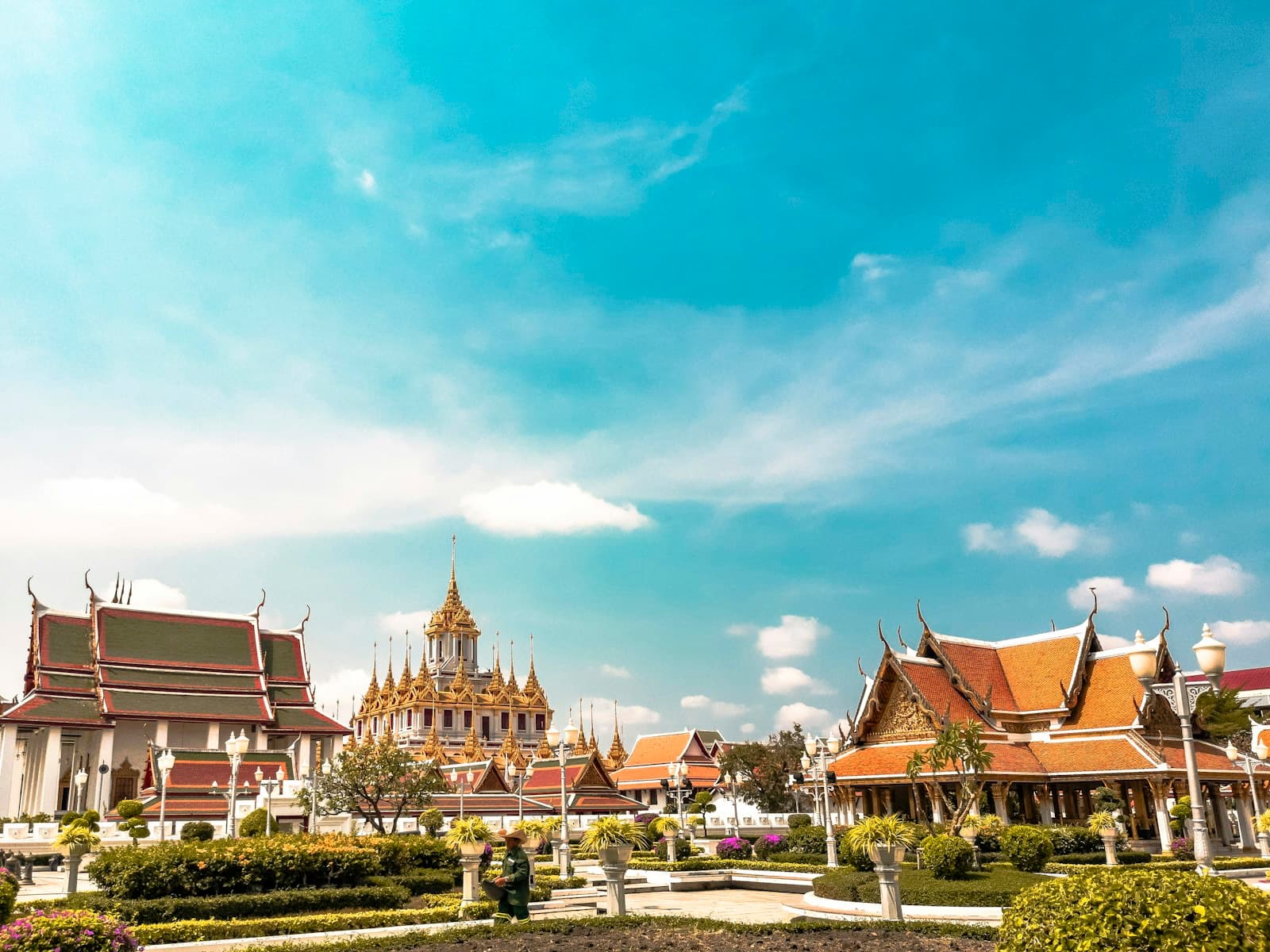
Bangkok in Layers: A Capital Founded as a Copy, Still Open for Business
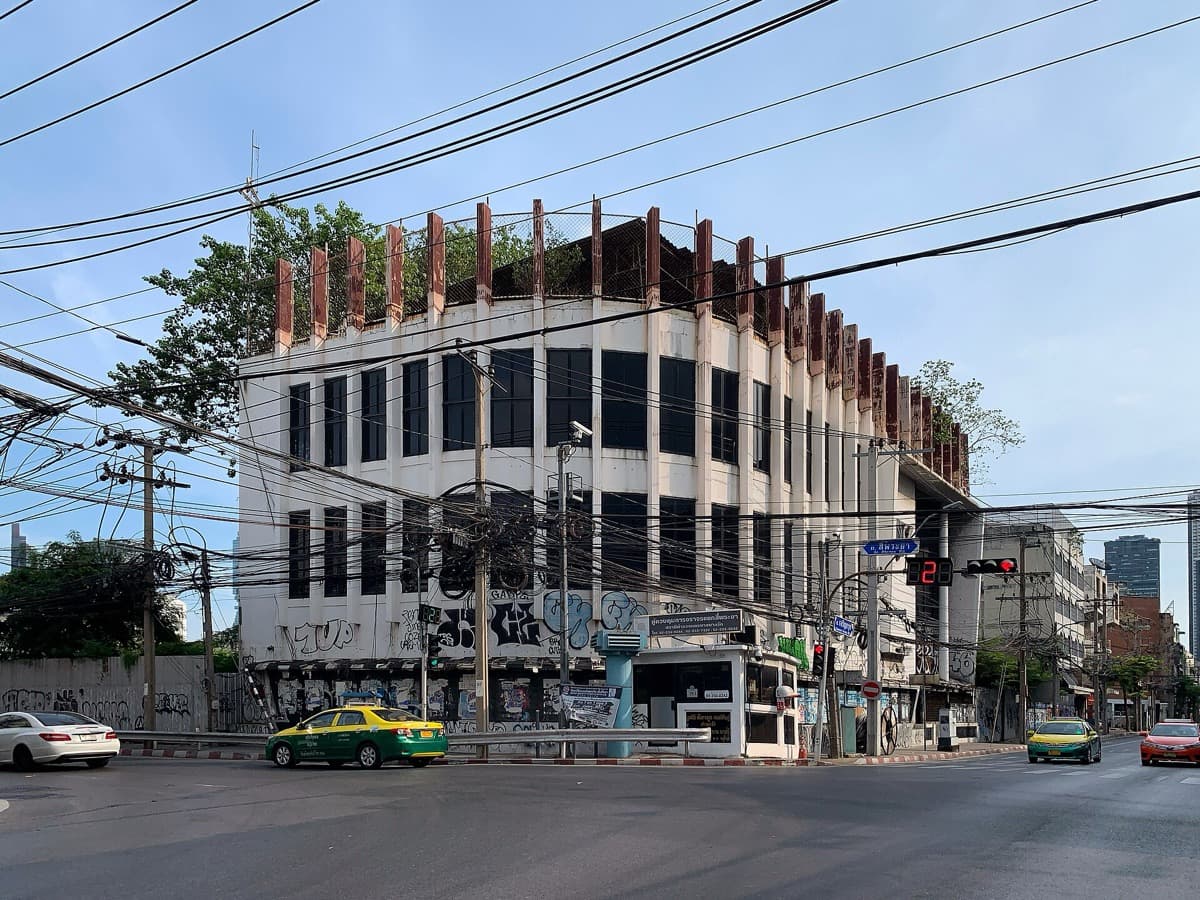
Charoen Krung Road: How Siam's First Modern Street Built a Colonial-Looking Quarter That Was Never a Colony
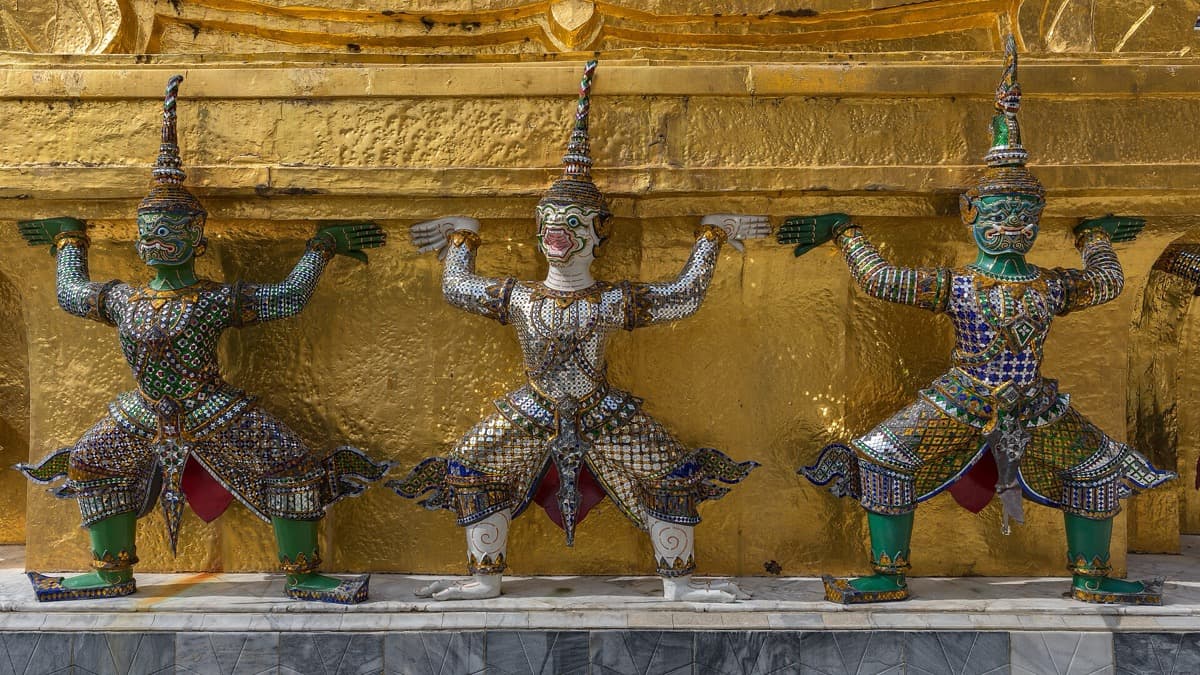
The Emerald Buddha and the Palace: How Bangkok Was Built to Replace a City That Burned
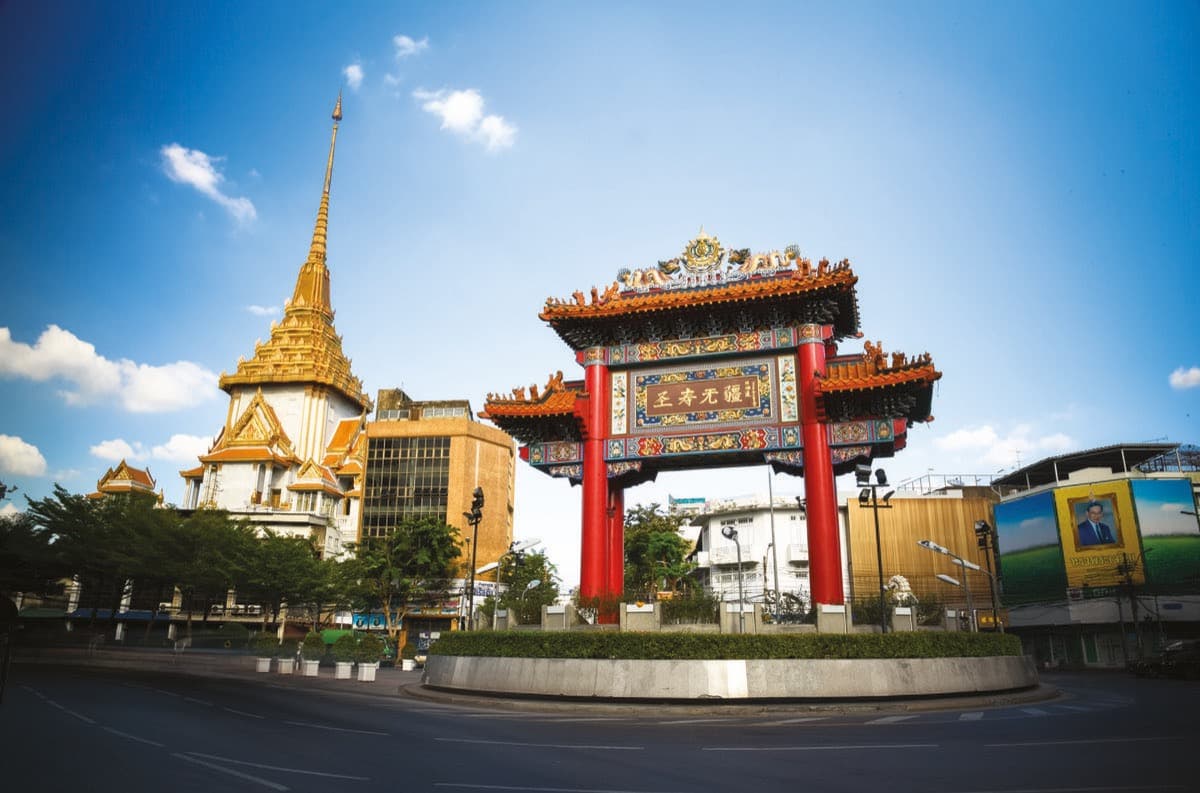
The Golden Buddha of Wat Traimit: The Statue That Hid Its Own Gold for Two Centuries
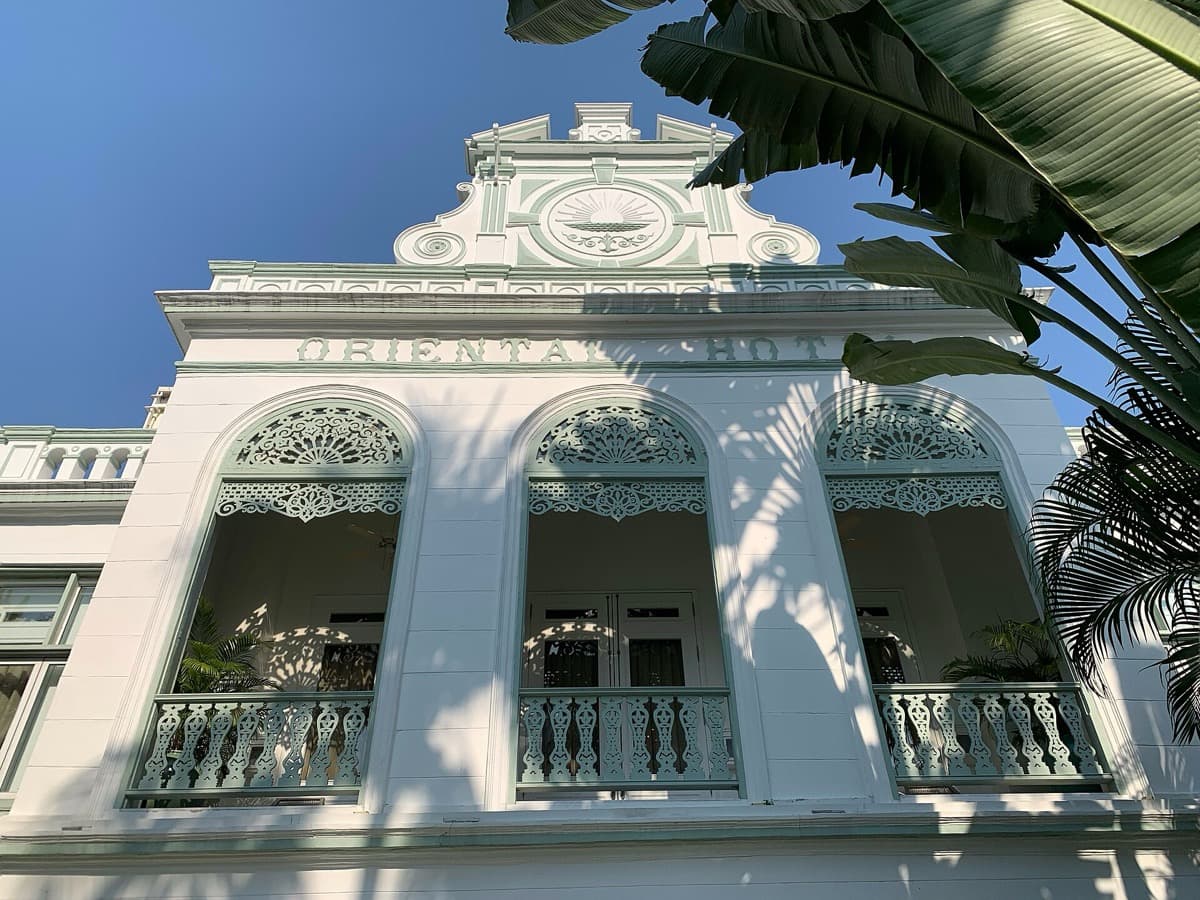
The Oriental Hotel in Bangkok: How Danish Sea Captains Built Thailand's First Hotel