Cave and Basin: The Hot Spring That Made a Country Conserve
89 min · 4.4 km · easy
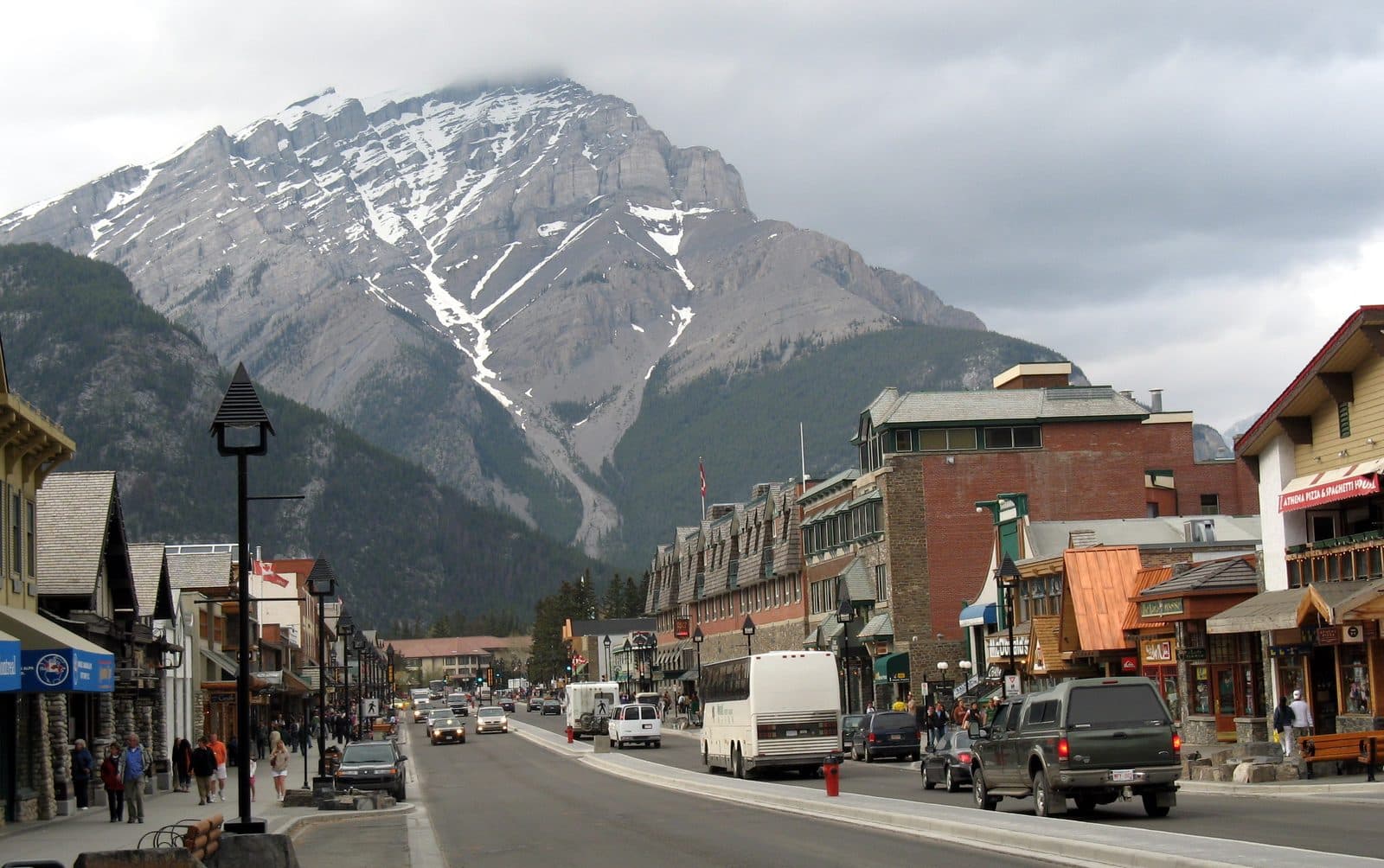
Most towns come first and get their institutions later. The church, the school, the town hall arrive to serve a settlement that already exists. Banff is the reverse. The park was reserved in 1885, two years before Parliament passed the law that made it a national park, and the town grew up afterward as a licensed tenant on federal land. That sequence, park before town, is the single fact that explains everything strange about the place: why you cannot simply move here, why the land is leased and not owned, why the boundary and the population are effectively frozen, and why the main street is, in a literal legal sense, a national park's shopping street.
A hot spring, a fight, and a reserve
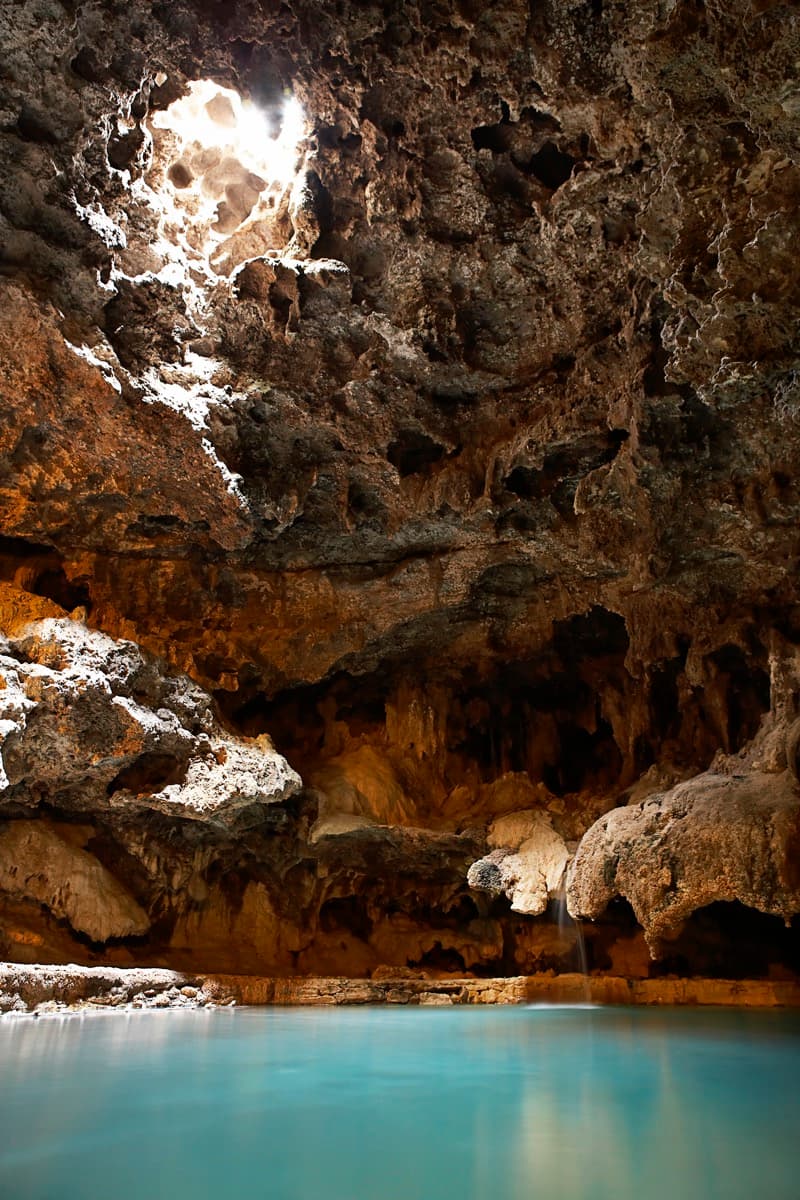
In 1883, three Canadian Pacific Railway workers, Frank McCabe and the brothers Tom and William McCardell, found thermal springs on the lower slopes of Sulphur Mountain. They lowered a tree into a hole in the ground, climbed down into the sulphur-smelling cave below, and understood immediately that they had found something people would pay to see. They tried to stake a claim.
The government said no. It could see the same value they could, and it did not want a country's first great tourist asset falling into private hands as a squabble among a few railway men. In late 1885 an Order in Council set aside 26 square kilometres around the springs as the Banff Hot Springs Reserve, ownership vested in the Crown. McCabe and the McCardells were offered a settlement and had to give up their business plans. The public would own the spring.
That is the birth of Canada's national parks, and it is not the birth we usually tell. There is no wilderness idealist in the founding story, only a property fight resolved in favour of the treasury and the railway. The idealism came later, learned rather than inherited. The full sequence, and the buildings that record it, are the subject of the Cave and Basin walk.
1887: the reserve becomes a park
Hear a stop from this walk
Buffalo Nations Luxton Museum
Two years after the reserve, the Rocky Mountains Park Act of 1887 expanded the protected area to 674 square kilometres and named it Rocky Mountains Park. The Act said, in effect, that natural areas belonged among the nation's sources of wealth and that this one belonged to the people of Canada. It was the country's first national park and only the third in North America, after Yellowstone and Mackinac. In 1930 the National Parks Act renamed it Banff National Park.
The wealth the Act had in mind was tourism, and the machine built to generate it was the railway's own. The Canadian Pacific Railway president William Cornelius Van Horne put the strategy in one sentence: since we cannot export the scenery, we will import the tourists. The instrument was the Banff Springs Hotel, opened in 1888, a baronial castle built to sell the mountains to people who would not otherwise rough it. The Banff Springs walk takes that hotel apart as what it was designed to be: an advertisement you can sleep inside.
The town the park allows
Because the park came first, the town has never been a normal town. The federal government owns the land under it, and residents and businesses hold long leases rather than title. To live here you must qualify as an eligible resident under federal regulation, which broadly means your primary work is in the park, you run a business that needs you here, you are a qualifying retiree, or you are a full-time student in the park. A person cannot simply decide to move to Banff the way they might move to Canmore twenty minutes down the valley, outside the park boundary.
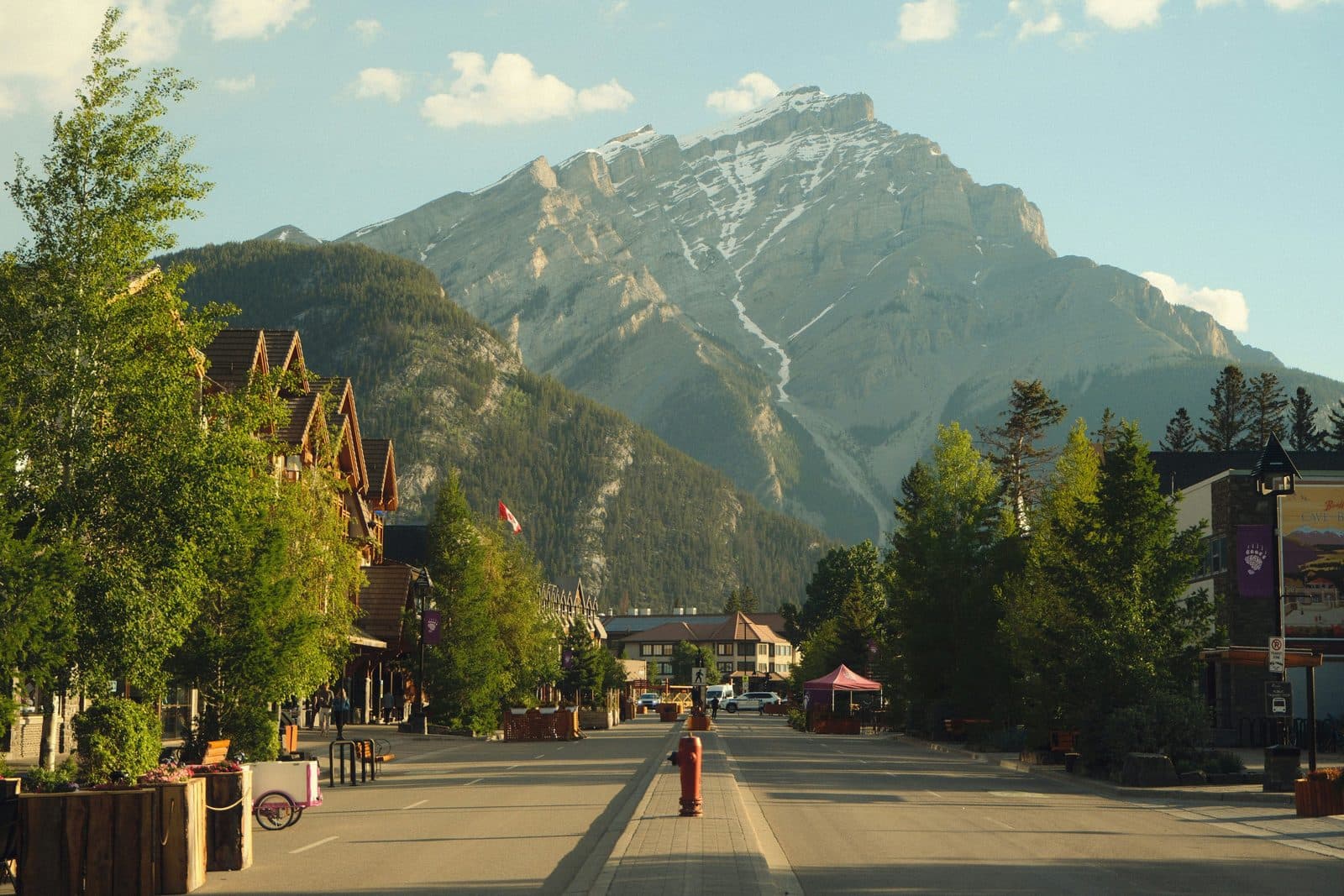
The constraints go beyond who may live here. Banff incorporated as a municipality only in 1990, the first town ever to govern itself from inside a Canadian national park. Even self-governing, it operates under a ceiling: commercial floor space is capped, and the boundary is fixed. A town of roughly eight thousand people cannot grow outward, so the question that animates the Banff Avenue walk is genuine and unresolved. Is this a town, or a very convincing exhibit of one?
Who was here first
The founding story that begins in 1883 has a silence in it. The Stoney Nakoda and neighbouring peoples had used the Bow Valley for generations and knew the hot springs long before three railway workers climbed into the cave. The creation of the park did not simply protect an empty wilderness. It progressively excluded the people already using the land, roughly between 1890 and 1920, in the name of game conservation, sport hunting, tourism, and assimilation. Well-connected sport hunters, whose idea of the hunt ran against Indigenous practice, were among the forces that pushed the Nakoda off their traditional ground, in tension with the promises of Treaty 7.
That history is not a footnote to the park. It is the other half of the same act that reserved the springs. In 2010 the Stoney Nakoda were formally welcomed back, and have since resumed ceremonies in the park and taken part in the reintroduction of plains bison. A visitor who wants both sides of the story can find the Indigenous one carried at the Buffalo Nations Luxton Museum, a stop on the Cave and Basin route.
Reading the town as an argument
Once you know the sequence, the whole townsite reads differently. The hot spring is not a scenic bonus, it is the reason any of this exists. The castle hotel is not merely grand, it is a sales instrument. The main street is not just shops, it is a capped and licensed commercial zone inside a federal park. And the mountains that frame every photograph belonged, and belong, to people who were kept out of the frame for the better part of a century.
Banff is the country's founding experiment in the idea that a landscape can be owned in common and sold to everyone at once. To walk it well is to hold the beauty and the argument in the same view.
Frequently asked questions
- Why was Banff National Park created?
- It was created in 1885 to settle a property dispute. Three railway workers found hot springs at what is now the Cave and Basin in 1883 and tried to claim them. Rather than award the springs to any one party, the Canadian government reserved 26 square kilometres around them as the Banff Hot Springs Reserve, keeping the new tourism value in public hands. The conservation ethic came later. The Rocky Mountains Park Act of 1887 expanded the reserve to 674 square kilometres and made it Canada's first national park.
- Why can't you just move to Banff?
- Because Banff is a town inside a national park, and federal regulations require an eligible resident to have a genuine reason to live there. Under the National Parks Lease and License of Occupation Regulations you generally must be employed primarily in the park, operate a business in the park that needs your presence, be a qualifying retiree, or be a full-time student in the park. The land itself is federal and held on long leases, not owned outright.
- Is Banff the only town inside a Canadian national park?
- It is the only one that governs itself. Banff incorporated as a municipality in 1990, the first and still the only self-governing town inside a Canadian national park. Its commercial floor space is capped and its boundary is fixed by federal authority, so it cannot expand outward the way an ordinary town can.
- Did anyone live in the Banff area before the park?
- Yes. The Stoney Nakoda and other Indigenous peoples used the Bow Valley and knew the hot springs long before 1883. After the park was created they were progressively excluded from their traditional hunting and ceremonial grounds, an exclusion tied to game conservation, sport hunting, tourism and assimilation policy. In 2010 the Stoney Nakoda were formally welcomed back, and have since resumed ceremonies in the park.
Ready to experience it?
Cave and Basin: The Hot Spring That Made a Country Conserve
89 min · 4.4 km · easy
More from Banff
Explore more at your own pace.
How a River Valley Became a Park: The Bow, the Ice, and the Warm Water
A National Park's Shopping Street: Walking the Town That Can't Grow
The Castle Built to Sell the Wilderness: Reading the Banff Springs Hotel
The Property Fight That Became a Country's Conservation Movement
Bow Falls: The Small Waterfall That Sells a Castle